
The Mustang was a smash hit from the day it launched in 1964, and the rest of Detroit spent the next several years scrambling to answer it. Some rivals beat it to showrooms, others arrived years late, and a few turned into legends of their own. Here are eleven pony cars that followed the Ford, from Chevrolet to American Motors.
Read next on Morning Overview: A Cirrus SR22 declared an emergency a minute after departure clearance, its parachute still bagged
1. Ford Mustang: The Car That Started the Scramble
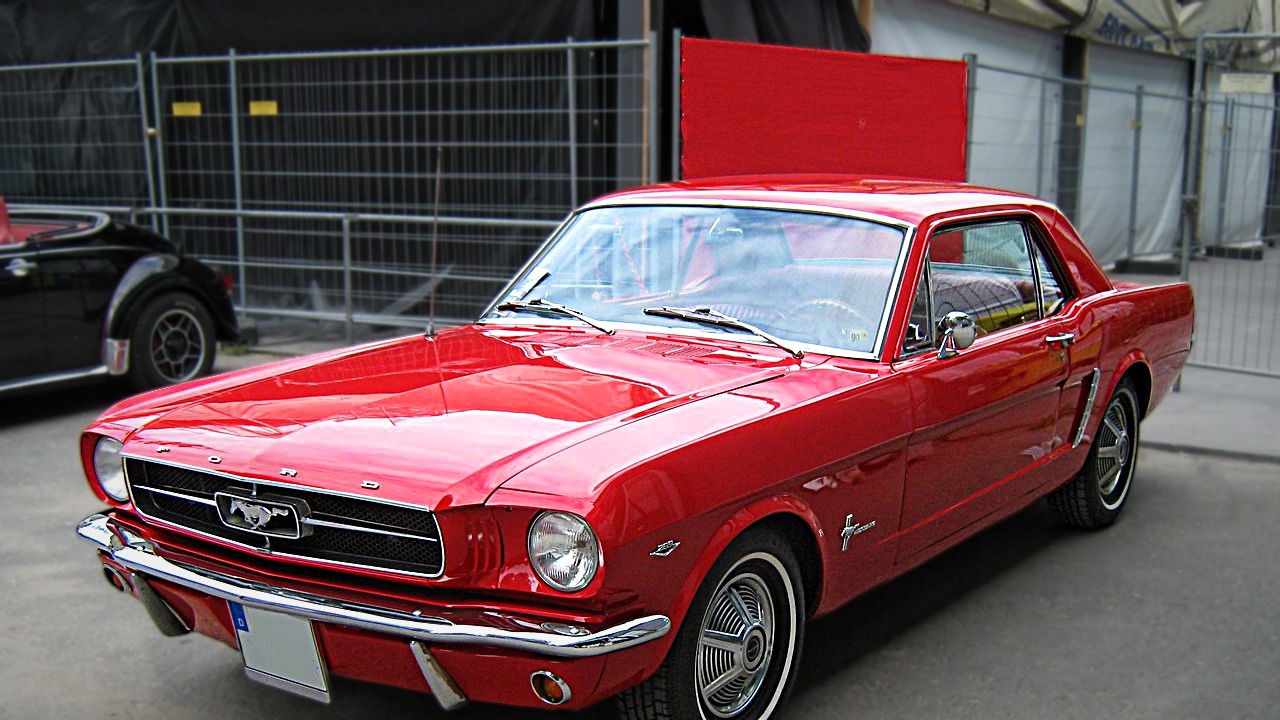
Ford launched the Mustang on April 17, 1964, at the New York World’s Fair, and Hagerty reports that sales topped 100,000 in the first four months alone. It was sold as cheap, sporty, aspirational family transportation rather than a sports car, a distinction rivals were slow to grasp.
The first Mustang rode on the humble Falcon platform with Falcon powertrains, and enthusiasts yawned at first. Buyers did not. Its long hood and short deck set the template for the segment, and its sales left every other American automaker deciding how quickly it could build an answer.
2. Chevrolet Camaro: GM’s Late Answer
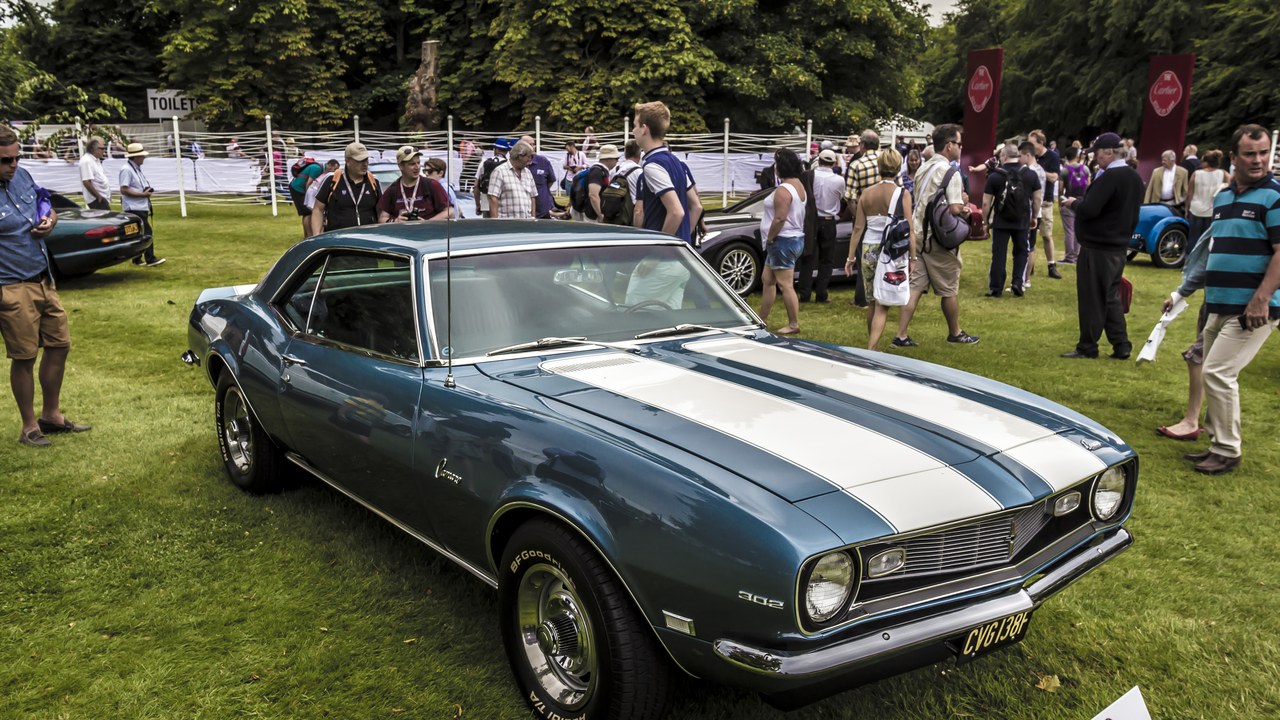
General Motors leaders first dismissed the Mustang, and Chevrolet general manager Bunkie Knudsen had already turned down a sporty compact coupe because the company did not need another car. Once Mustang sales passed 100,000 in four months, GM leaders changed course and rushed the small sporty coupe and convertible that became the 1967 Camaro.
Chevrolet’s designers had been quietly exploring the idea since the early 1960s, and a Chevy II-based concept called Super Nova appeared at the New York Auto Show two weeks before the Mustang debuted. The production Camaro arrived in autumn 1966 as a 1967 model, about two and a half years after the Ford.
3. Plymouth Barracuda: First to Market, Not First in Sales
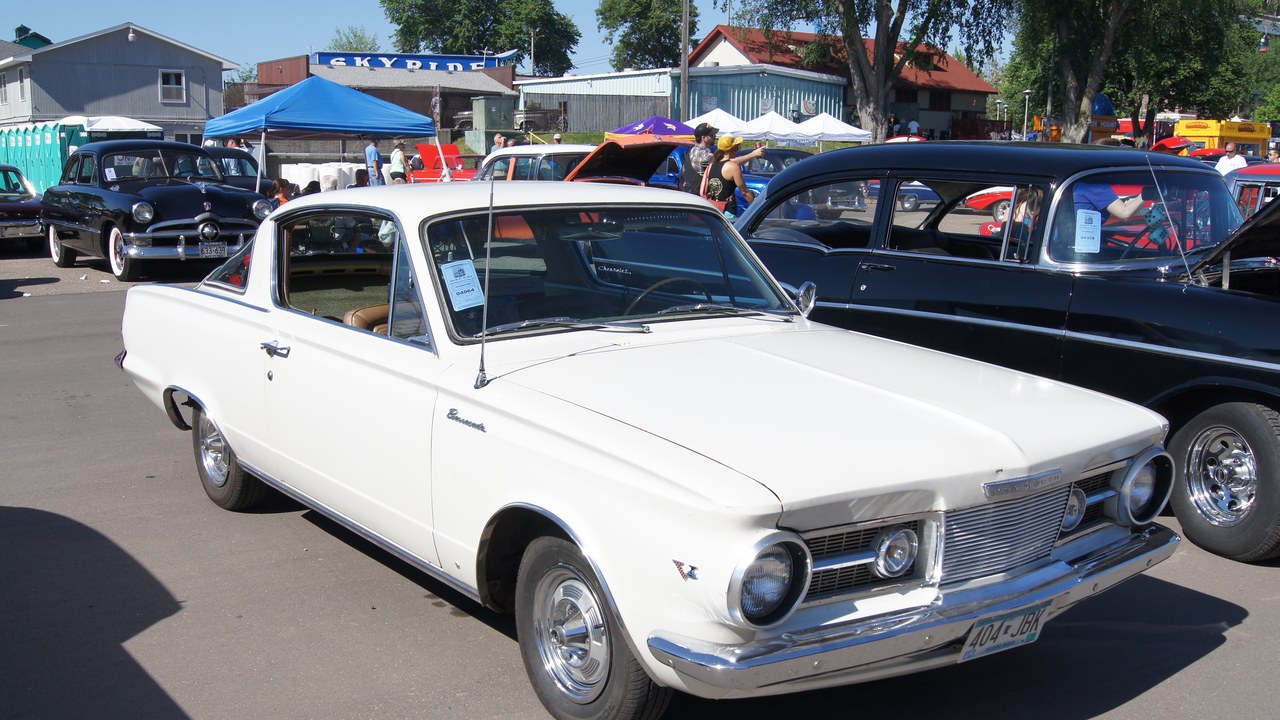
The Plymouth Barracuda reached showrooms 16 days before the Mustang, which makes it technically the first pony car. It was a fastback version of the economy-minded Valiant, with a massive wraparound rear window, and it was never nearly as successful as the Ford.
Early engines included a 273-cubic-inch V8 rated at 180 horsepower and later a 225-cubic-inch slant-6. Hagerty describes the 1964 car as a hurry-up job that was badly outsold. It took until the redesigned second generation for 1967, with coupe, convertible and fastback bodies, for the Barracuda to become a more serious rival.
4. AMC Javelin: The Last One In
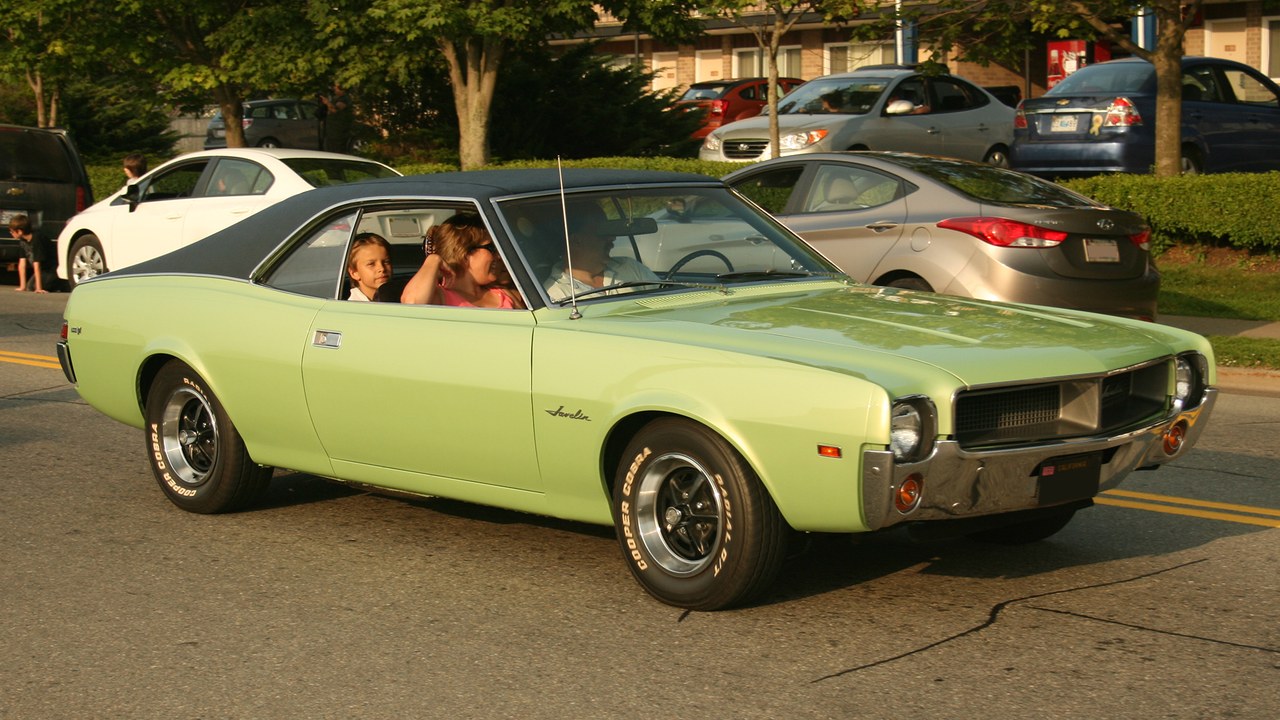
American Motors entered the segment late. After the Rambler Marlin was judged a loser by mid-1965, designer Bob Nixon began work on a replacement, and the AMC Javelin debuted for 1968 under board chairman Roy D. Chapin, a year after the Camaro and Firebird.
Its styling was strongly influenced by the AMX design studies shown in 1966. Jalopnik notes that the Javelin was built with lightness and agile handling in mind, and offered 258- and 343-cubic-inch V8s at launch, with a 390 arriving with the Go Package. Supercars.net calls it one of the best-looking cars of the 1960s.
5. Mercury Cougar: The Upscale Sibling
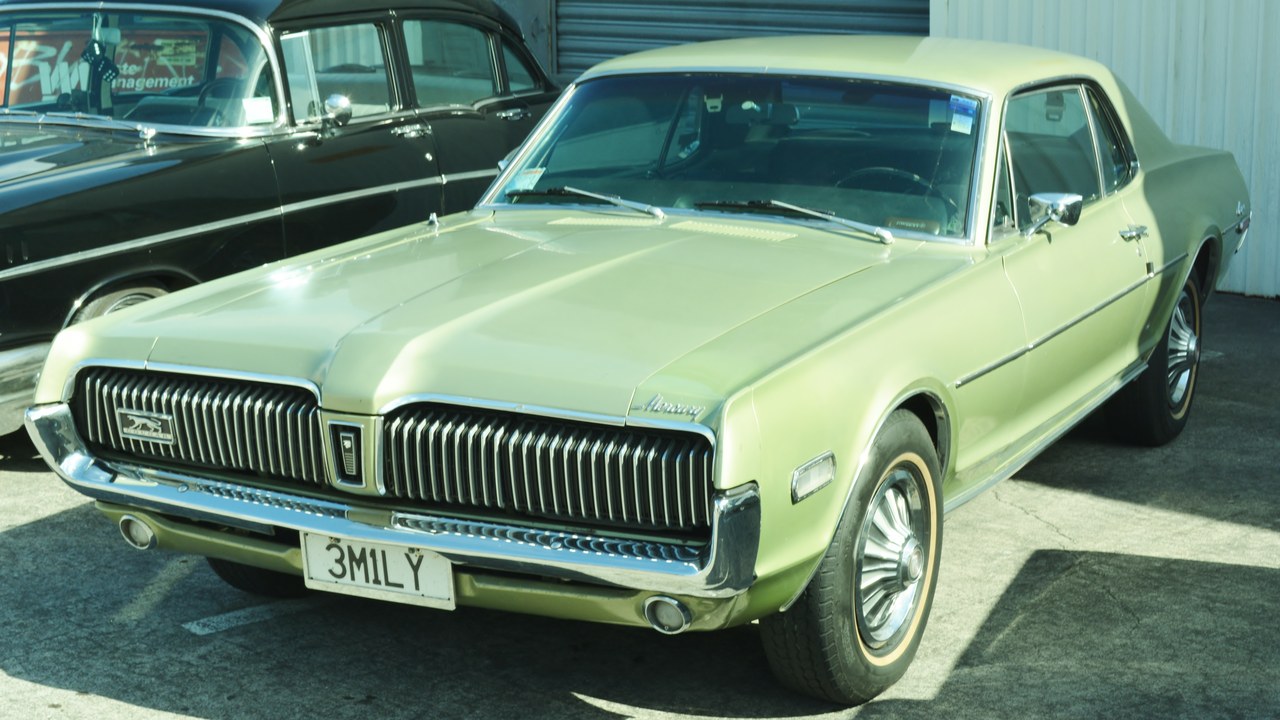
Ford’s premium division built the Cougar on the Mustang platform but added 3 inches of wheelbase, a softer-riding suspension and more sound deadening. A full-width grille, hidden headlights and wide slotted taillights set it apart from the car it was based on.
Jalopnik says the Cougar was on the drawing board first, though Mercury kept working on it only after the Mustang launched. The 1968 GT-E brought a 427-cubic-inch V8 making 390 horsepower, an engine the Mustang never offered, and most Cougars were sold with automatic transmissions rather than manuals.
6. Pontiac Firebird: Pontiac’s Own Take on the Camaro
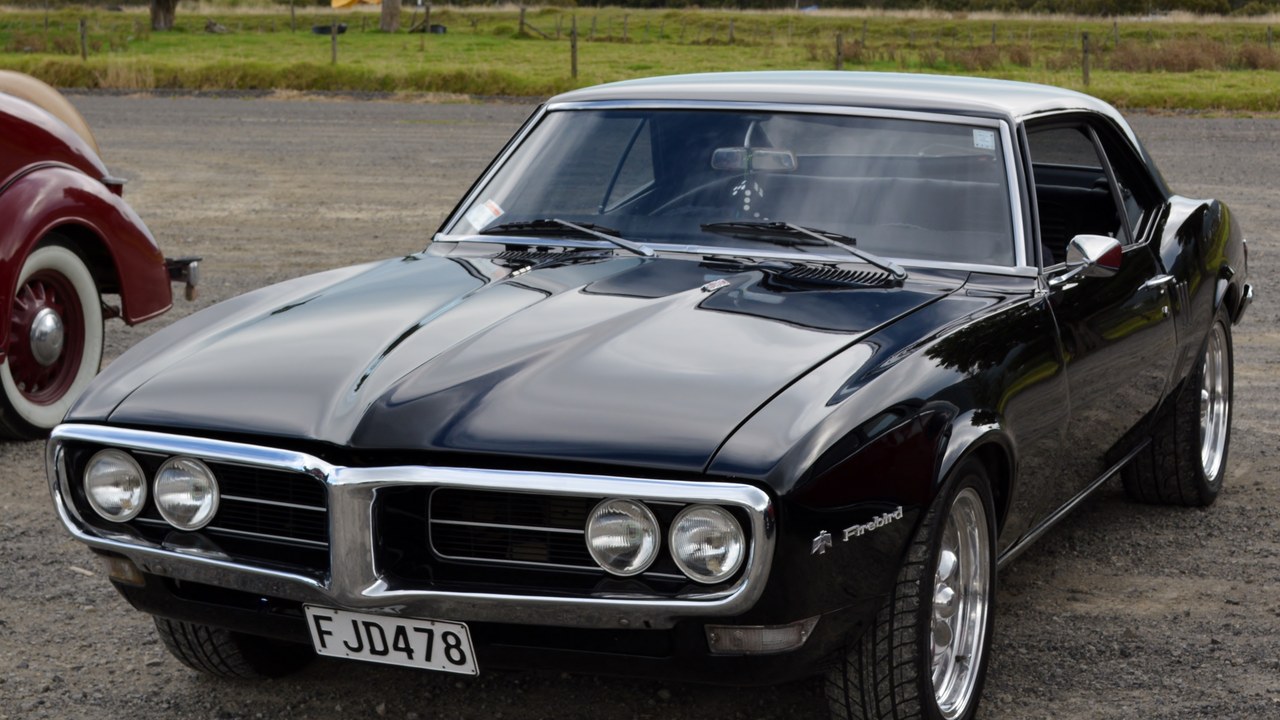
Pontiac general manager John DeLorean wanted a two-seat sports car called the Banshee, but GM let him build a version of the Camaro on the same F-body platform instead. The Firebird used a stiffer suspension and an overhead-camshaft inline-6, with the base 230-cubic-inch version making 215 horsepower.
At the top end sat a 400-cubic-inch V8 rated at 335 to 345 horsepower with the Trans Am package, which added a rear spoiler and ram air ducts. Despite the name, the engines were too big for Trans-Am racing; Pontiac simply bought the naming rights from the SCCA.
7. Chevrolet Camaro Z/28: The Homologation Special
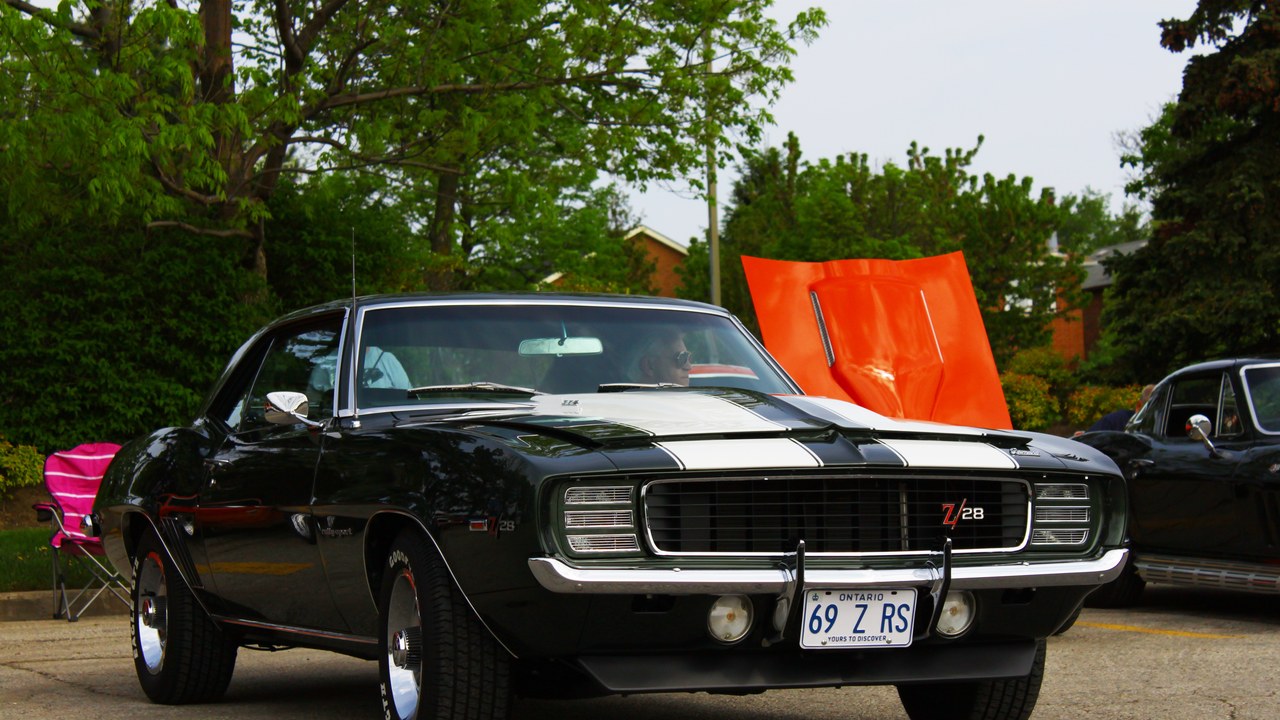
The high-revving 302-cubic-inch small-block in the Z/28 was officially rated at 290 horsepower, but Jalopnik says the real figure was probably closer to 400. It was built to meet Sports Car Club of America Trans-Am homologation requirements.
Beyond the engine, the Z/28 added a performance-tuned suspension, front disc brakes and a four-speed manual transmission. It was rare and the pick of the first-generation Camaro range of 1967 to 1969, which ran from inline-6 cars up to big-block V8s and the factory-ordered COPO models.
8. Plymouth Hemi ‘Cuda: The Segment’s Pinnacle
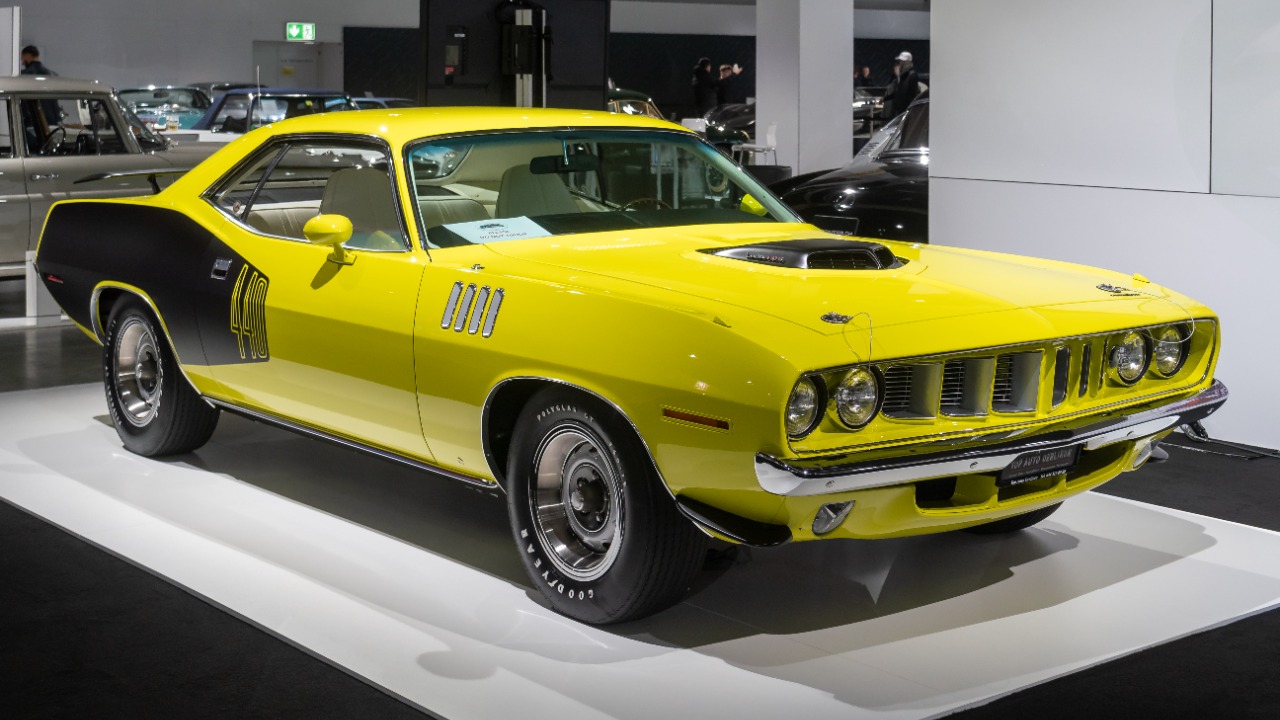
Supercars.net lists the Hemi Cudas among the most famous high-performance pony cars, and its list pictures a 1970 Plymouth Hemi Cuda. The 1970 redesign moved the Barracuda to Chrysler’s larger E-body platform, which finally let Plymouth fit big-block V8s.
Jalopnik says the 440-cubic-inch Magnum and 426-cubic-inch Hemi made 385 and 425 horsepower, and Plymouth reserved them for the high-performance ‘Cuda models. Hemi cars were among the rarest pony cars, with only 652 sold. Emissions rules replaced the big engines with a 340 in 1972.
9. Dodge Challenger: Dodge Joins the Party
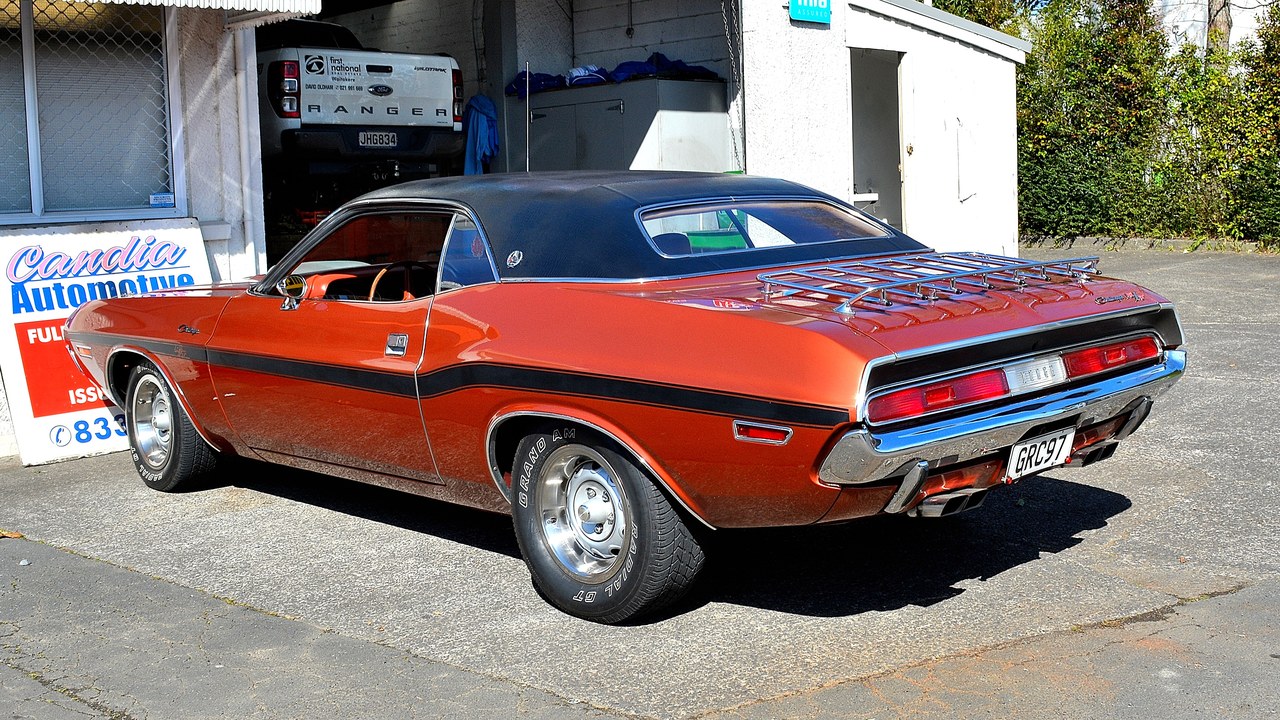
Dodge entered late with the 1970 Challenger, an enlarged version of the Barracuda according to Supercars.net. It used the same E-body platform with a 2-inch-longer wheelbase and a body 1.5 inches wider, and was styled by Carl Cameron.
The Challenger shared the Barracuda’s engines, from a 225-cubic-inch slant-6 up to the 426 Hemi, with the big-block options limited to the R/T trim. Jalopnik says the first-generation car had a basic suspension and was not particularly good in corners. Stricter emissions rules and higher insurance rates cut its engine range quickly.
10. Ford Mustang Mach 1: Cobra Jet Muscle
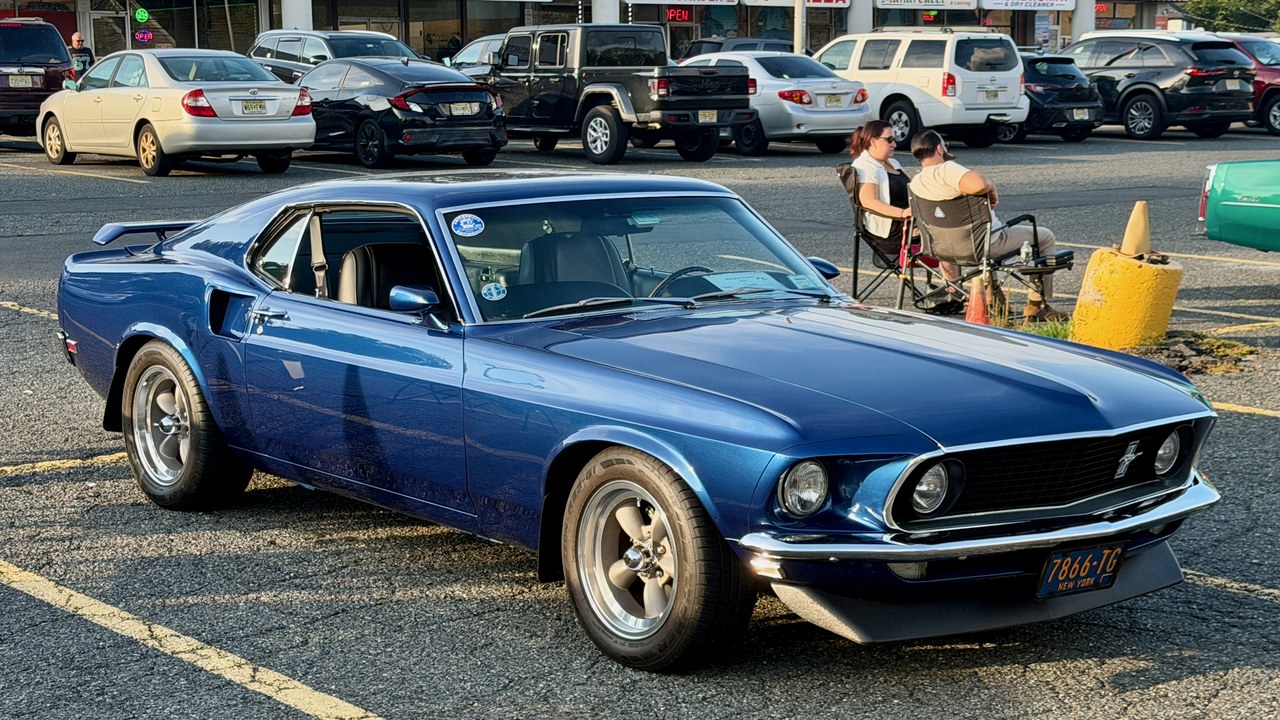
Supercars.net’s gallery of famous performance pony cars opens with a 1969 Mustang Mach One fitted with the 428 Cobra Jet, and its text singles out the Mustang 428 Super Cobra Jets by name. The car showed that the original pony car could match its rivals once big-block V8s arrived.
The same list says pony cars with the stronger V8s are generally classified as muscle cars, equalling or exceeding the performance of mid-size muscle cars. Not every Mustang was one: many were sold with six-cylinder engines or ordinary V8s, and the quick ones were largely limited to drag and road racing.
11. AMC AMX: A Design Study Goes Two-Seat
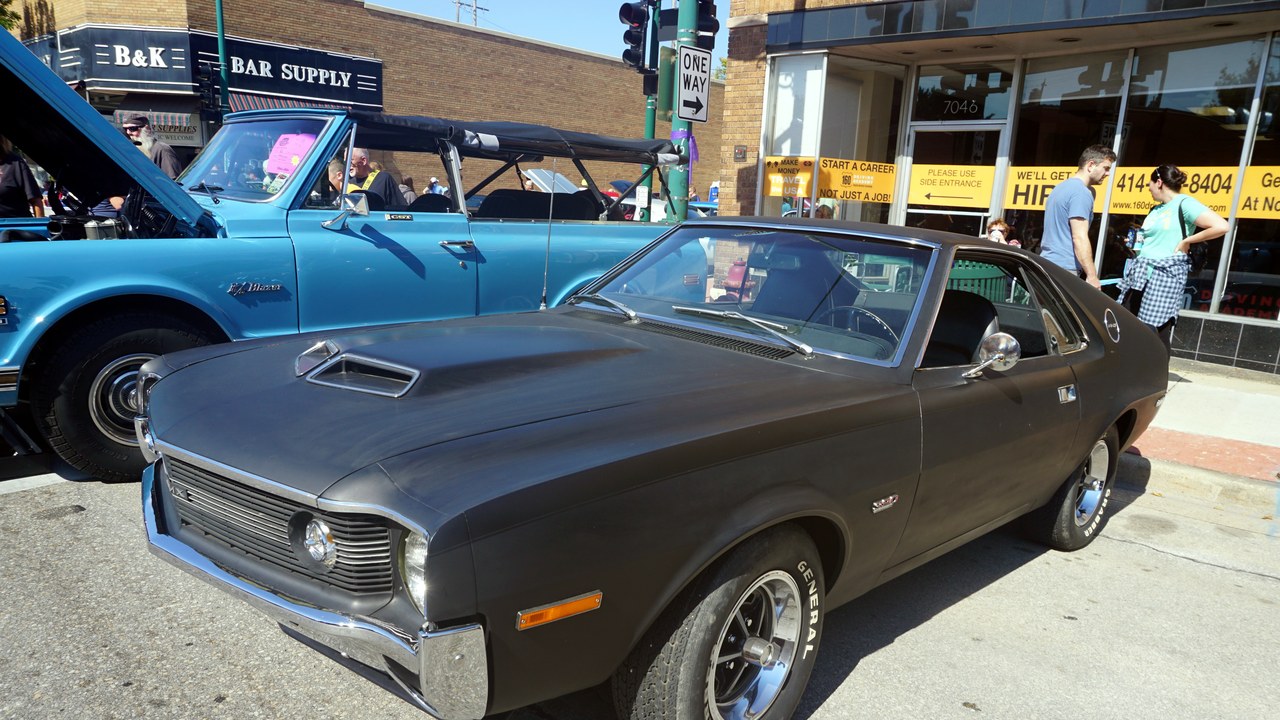
The AMX name began in October 1965, when a styling studio built a design study for a sporty two-seat fastback on the Rambler American, and Dick Teague named it American Motors Experimental. The concept toured 10 North American cities in 1966 as part of the Project IV show.
The production two-seat AMX followed in 1968. Jalopnik says AMC launched it as a lighter model with a 12-inch-shorter wheelbase than the Javelin, aimed at driving enthusiasts. For the second generation it gained four seats and stayed V8-only, and the Javelin AMX won the Trans-Am manufacturers’ title in 1971 and 1972.
More from Morning Overview
- GM’s big V8 trucks keep blowing engines after the recall fix, and NHTSA is digging deeper
- Hidden card skimmers on gas pumps and ATMs can be exposed with one quick shake
- Debris from the Greenacres Learjet crash landed on Florida rooftops, and the NTSB wants it
- Lockheed says its Valkyrie laser shot down a cruise missile stand-in with no tracking aids
