
After sunset, a different cast of animals takes over fields, canyons and backyards while most people are indoors. National Park Service pages name many of them, and their night shifts explain why they are so seldom seen. Here are twelve wild neighbors that keep to the dark, with the caveat that behavior varies by place and season.
1. Barn owl: Silent White Hunter
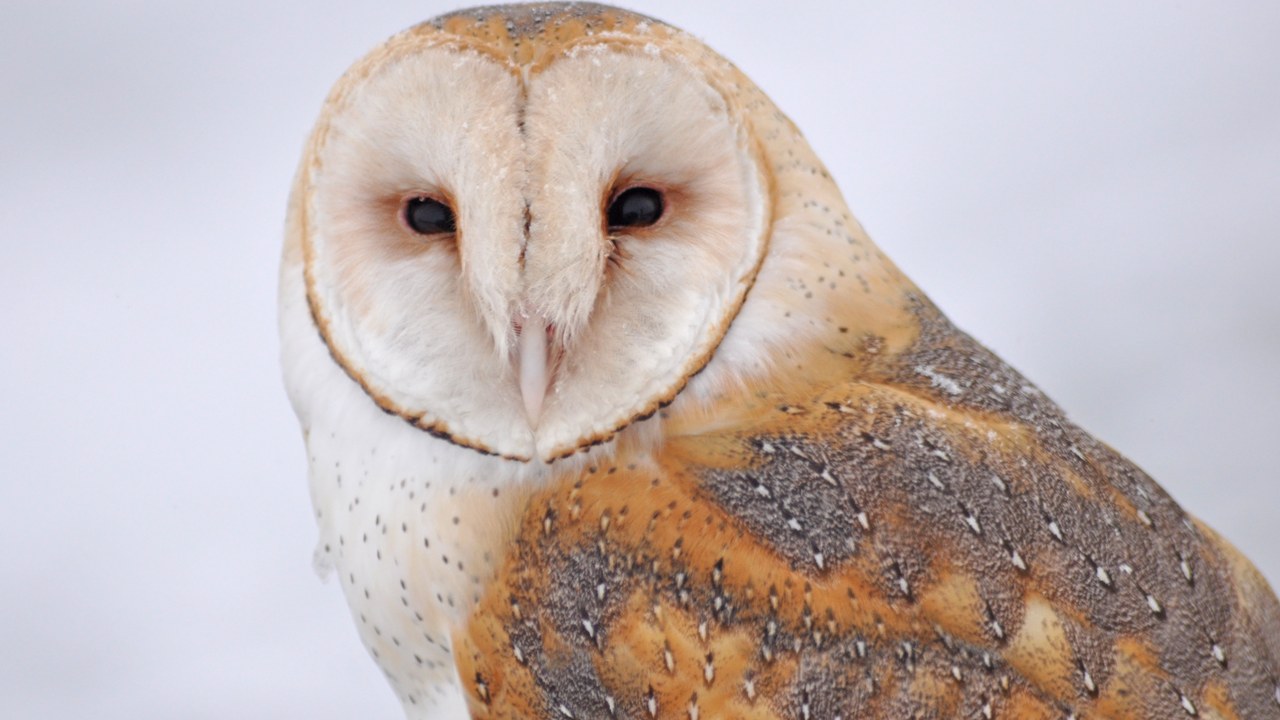
The National Park Service includes the barn owl in its North American nocturnal list. The pale, heart-faced raptor works the night while daytime observers see little of it. Its place on the agency’s list underscores how much owl activity unfolds out of public view.
Anyone hoping to catch a glimpse should look and listen after dark rather than at midday. Habits vary by place and season, so a barn owl’s schedule in one region may not match another. Simply being outdoors at dusk and staying quiet improves the odds of noticing one.
2. Gray wolf: Elusive for Good Reason
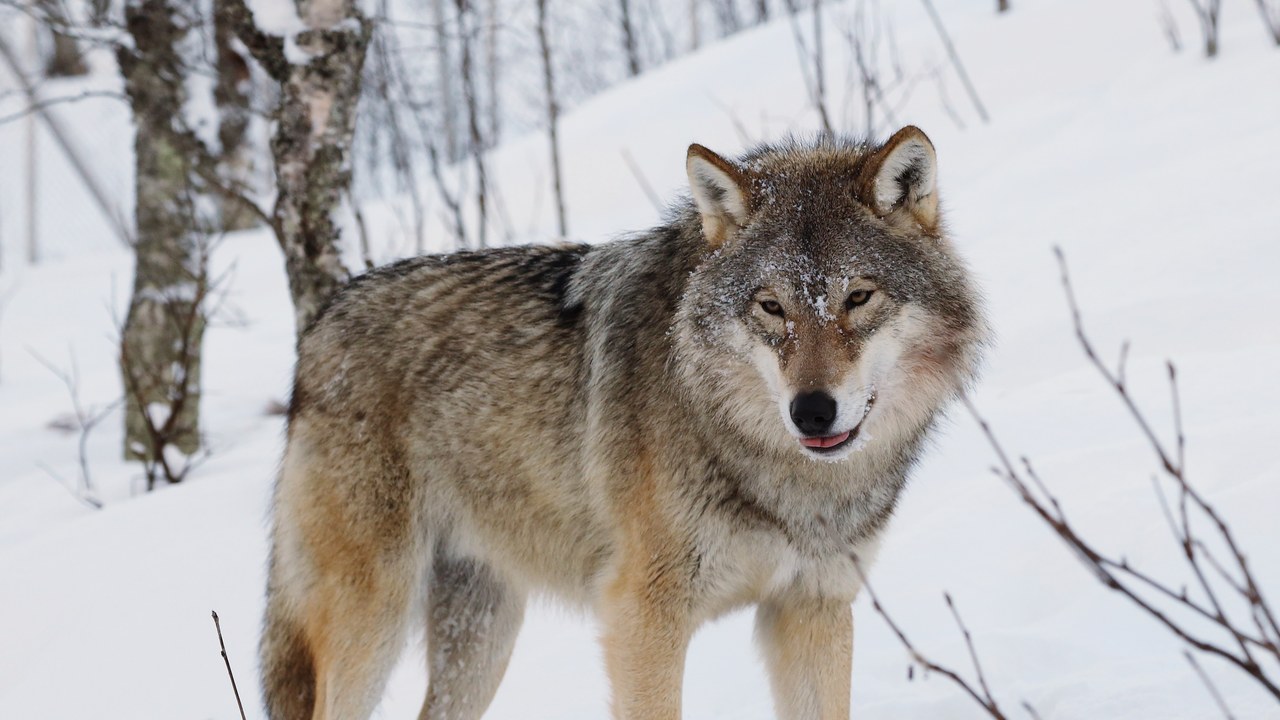
The gray wolf appears in the NPS list of nocturnal animals, and night activity helps explain why sightings are elusive, according to the park service’s Earthnight article. Few visitors ever see the big canid in the open. That nocturnal habit is a large part of why the animal feels more like a rumor than a regular sighting.
Visitors to wild country can take its absence as a sign of its habits, not of its absence. Behavior varies by place and season, so the pattern is general rather than exact. Tracks and distant sounds are often the only clues people ever get.
3. Luna moth: Moth of the Moonlight
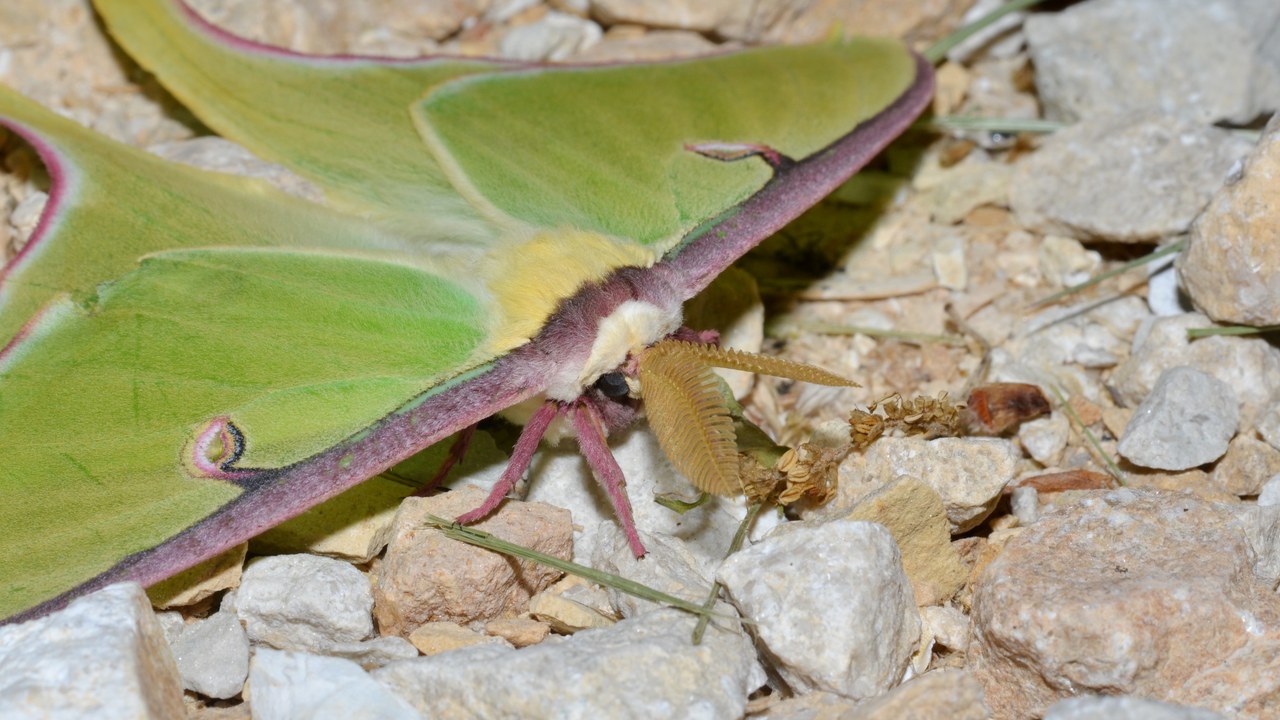
This named moth appears on the NPS nocturnal list, part of the wildlife supported by darkness, per the night wildlife feature. The pale green luna moth is the kind of insect that rewards a porch light after dusk. Its appearance beside owls and mammals shows that the list reaches well beyond furry animals.
Backyard watchers may catch it near lights on warm evenings, though sightings depend on region and time of year. Its inclusion shows that night life is not only about large mammals. A dark yard, with fewer bright lights nearby, gives such species a better chance.
4. Red fox: Fox After Dusk
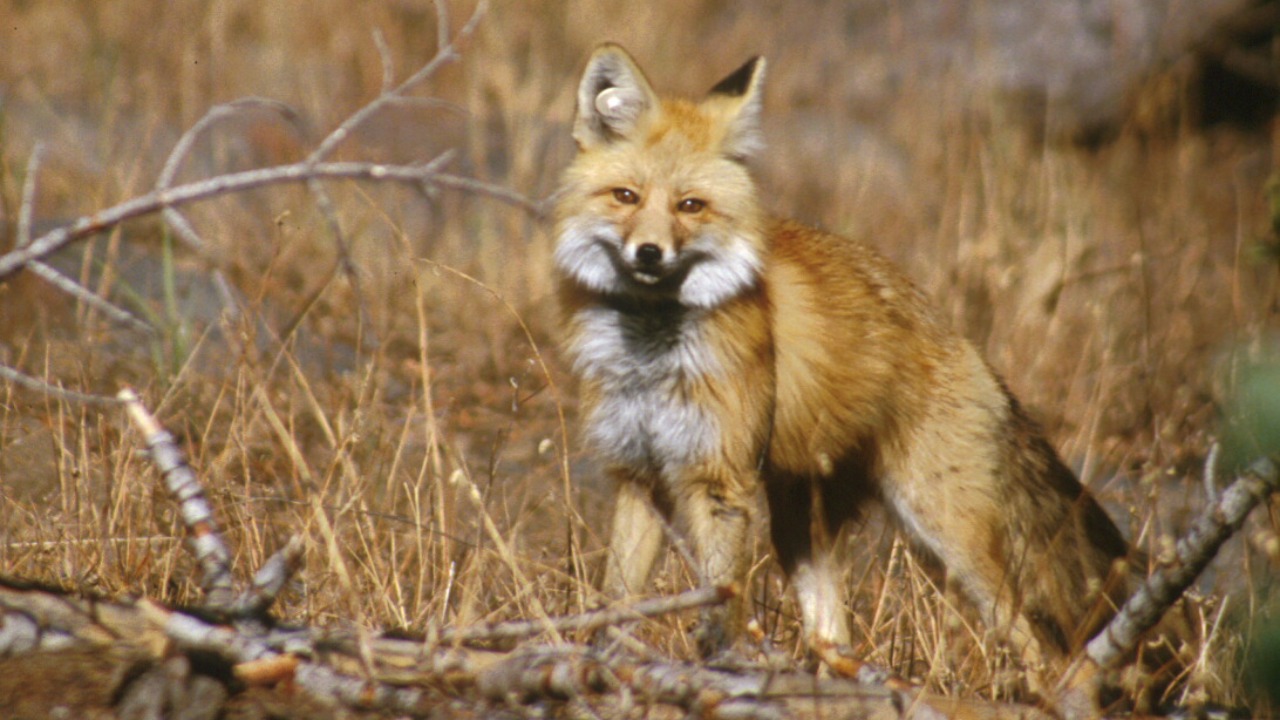
NPS lists red foxes among North America’s nocturnal animals, in its Earthnight wildlife list. The rusty-coated canine slips through neighborhoods and fields while people sleep. It is one of several familiar canids and cats that the agency groups under after-dark wildlife.
Residents who suspect a fox nearby may find tracks or hear sounds before they ever see one. Activity varies by place and season, so a fox’s rhythm in one area need not match another. A dawn or dusk walk is often the best chance to notice signs of its passing.
5. Bobcat: Desert Cat Hours
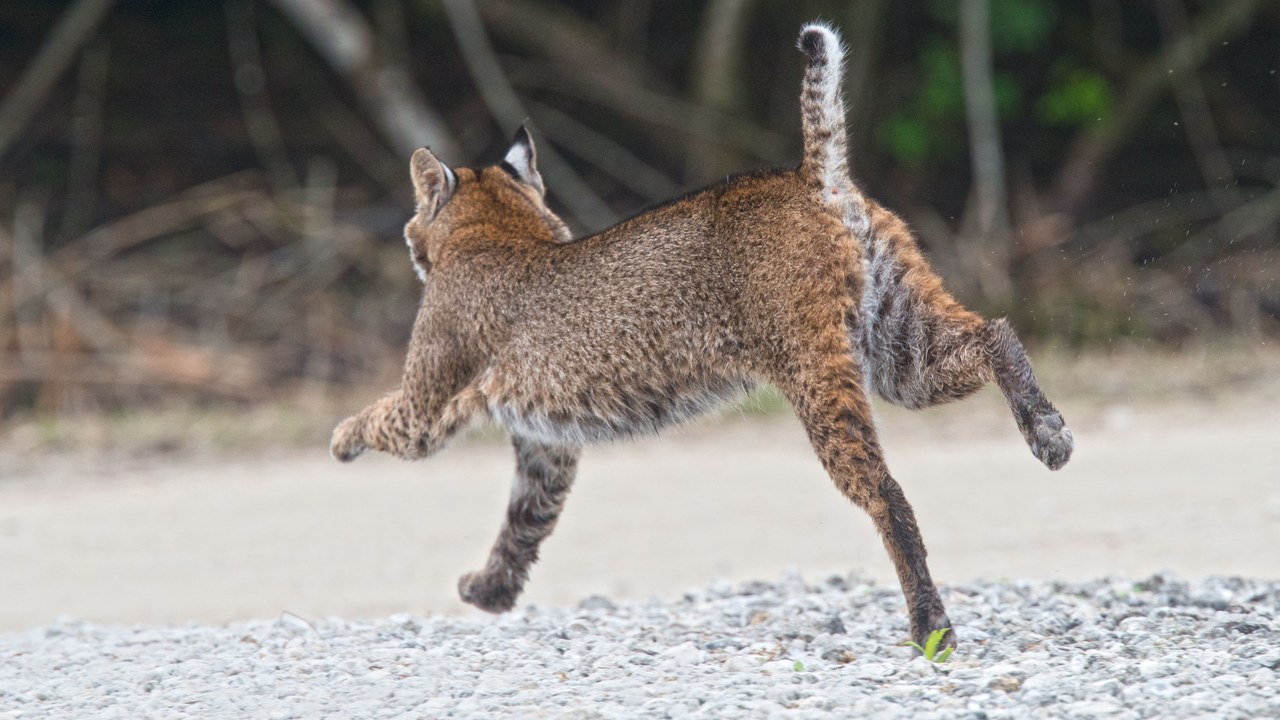
Arches National Park lists bobcats among its mostly nocturnal desert animals on its park animals page. The spotted, short-tailed cat is a quiet presence in the canyon country. The park groups it with other animals whose daily rhythm is built around the cooler hours of the night.
Hikers heading into desert parks will rarely cross paths with one in broad daylight. The designation is the park’s own, and behavior can vary by place and season. Staying on trails and keeping a respectful distance suits any wild cat.
6. Mountain lion: Big Cat, Few Sightings
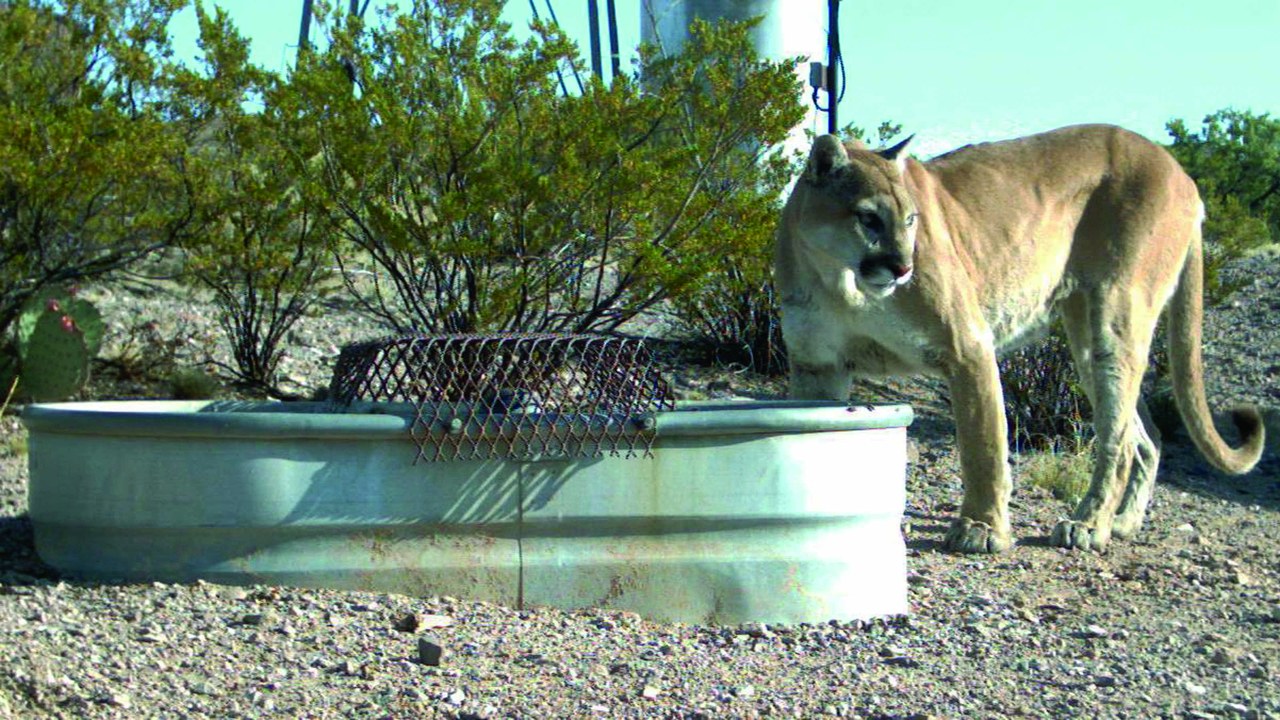
Mountain lions are among the mostly nocturnal mammals named by Arches, as the park’s wildlife overview shows. The large cat is secretive even where it lives. That quiet habit explains why encounters are so rare compared with how many might live nearby.
Visitors should not read an empty trail as proof that nothing large is nearby. The listing is specific to Arches, and activity varies by place and season. Anyone planning a trip should treat such a sighting as a rare gift rather than an expectation.
7. Bat: Night Flyers by the Group
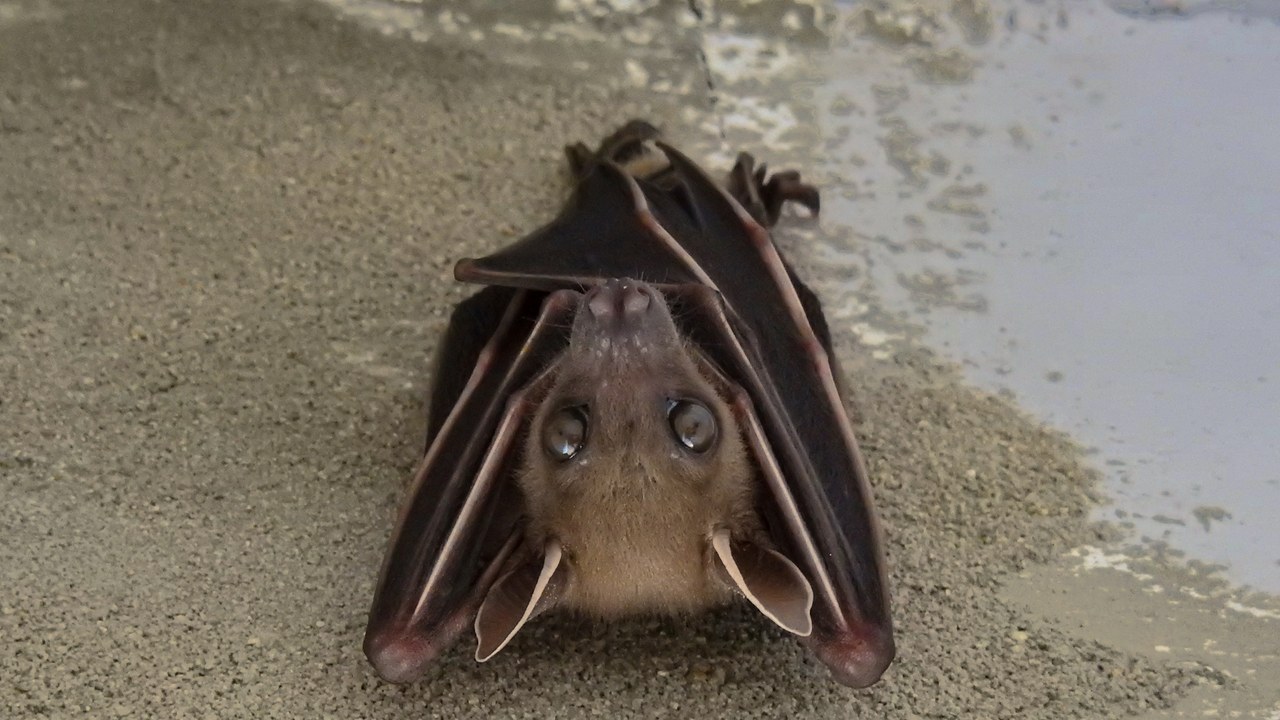
Arches identifies bats as mostly nocturnal in its park wildlife listing. The flying mammals appear in the group of animals that come out once the light fades. Their place on the park’s list reflects a lifestyle built around darkness.
Evening skywatchers near water or cliffs may spot fluttering shapes at dusk. The claim is about the named group as the park describes it, not about every bat species everywhere. Flashlights and quiet patience can help, though many will pass overhead unnoticed.
8. Skunk: Striped and Seldom Seen
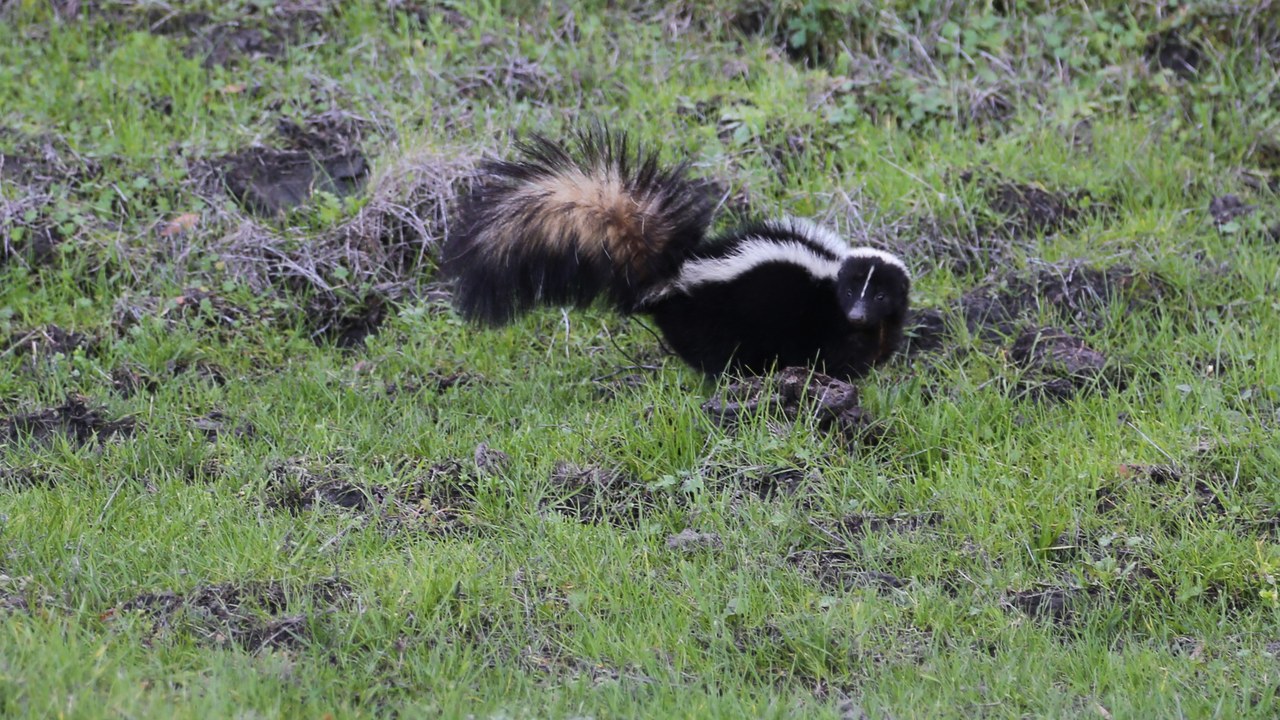
Arches lists skunks among its mostly nocturnal wildlife on the park’s animal overview. The black-and-white mammal does its foraging after dark, away from daytime crowds. Its habits keep it mostly out of sight, even in places where it is common.
Campers may notice evidence such as scent or tracks more than the animal itself. The listing is from one park, and behavior varies by place and season. Giving it space and leaving food unattended out of reach is simply good sense.
9. Raccoon: Masked Night Visitor

Zion’s wildlife lesson names raccoons as active under darkness, in the Zion distance-learning lesson. The masked scavenger is a familiar figure on the nighttime list. Its nighttime schedule is part of the lesson that Zion offers about desert and canyon wildlife.
Campers and residents near the park may find that raccoons visit camps and trash long after dinner. The lesson speaks for Zion, and activity can vary by place and season. Secure food and trash are the usual advice wherever such animals roam.
10. Beaver: Lodge Builders After Dark
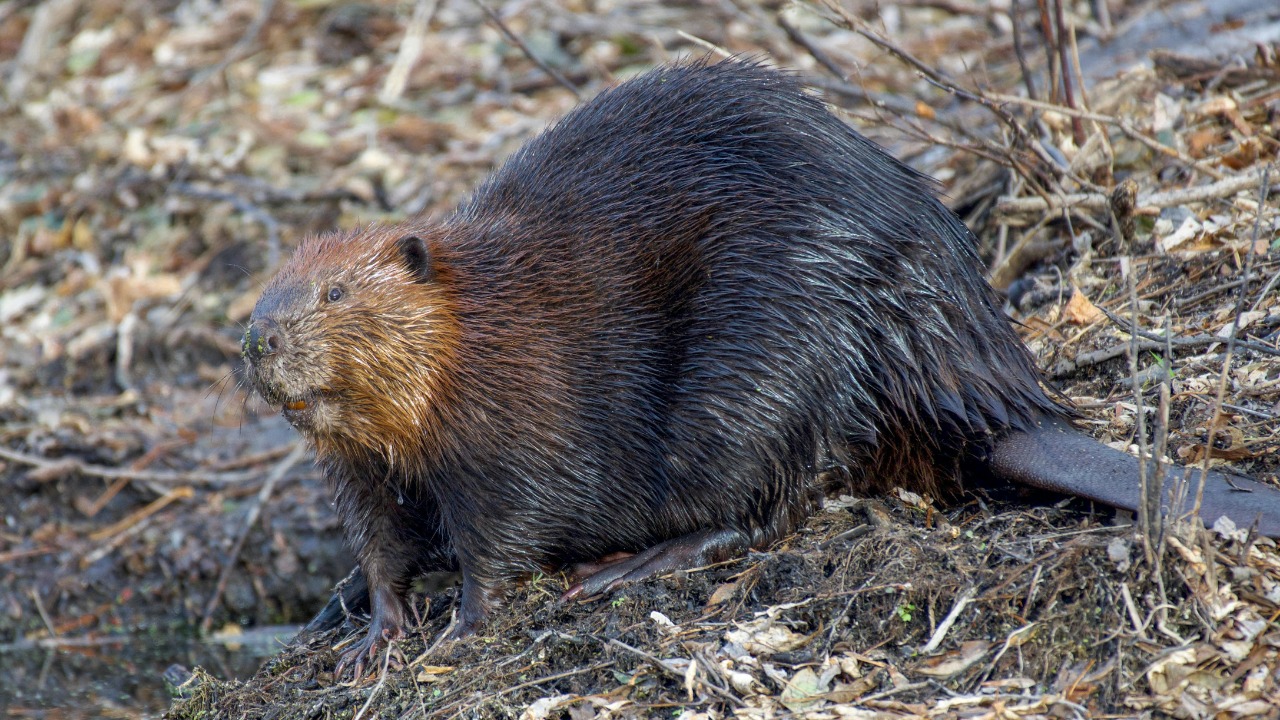
Beavers are specifically named among Zion’s after-dark wildlife, according to a classroom wildlife activity. The dam-building rodent works along the river when daytime visitors are gone. That inclusion shows that after-dark animals are not limited to dry landscapes.
A visitor who sees only a lodge or gnawed branches has found evidence of an animal that kept its distance. The lesson applies to Zion, and behavior varies by place and season. Patient watchers near calm water at dusk have the best chance of a sighting.
11. Badger: Digger of the Dusk
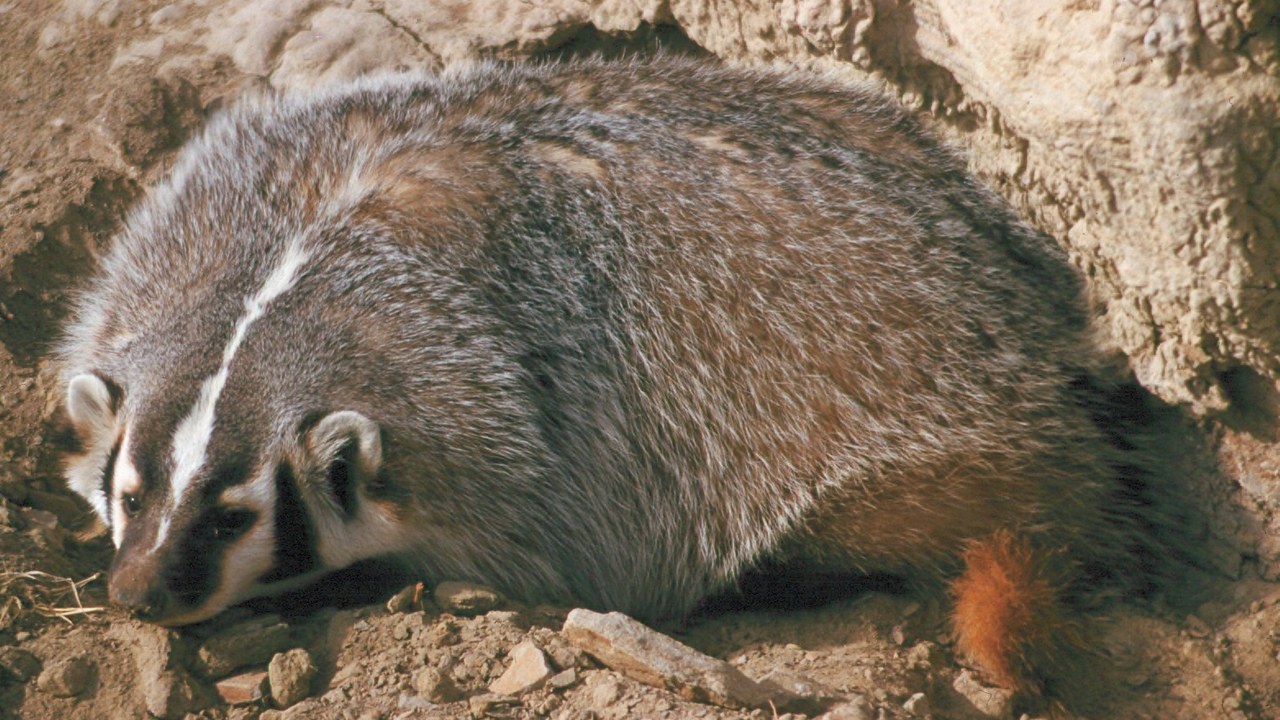
Zion names badgers among animals active under cover of darkness, per its teachers’ nature lesson. The low, burrowing mammal is hard to catch in daylight. The lesson places it alongside other animals that make their living once the sun goes down.
Observers should look for burrows and diggings instead of waiting for a daytime appearance. The statement reflects Zion’s lesson, and activity can vary by place and season. A red-filtered light and quiet footsteps are the usual tricks of night watchers.
12. Porcupine: Quills in the Night
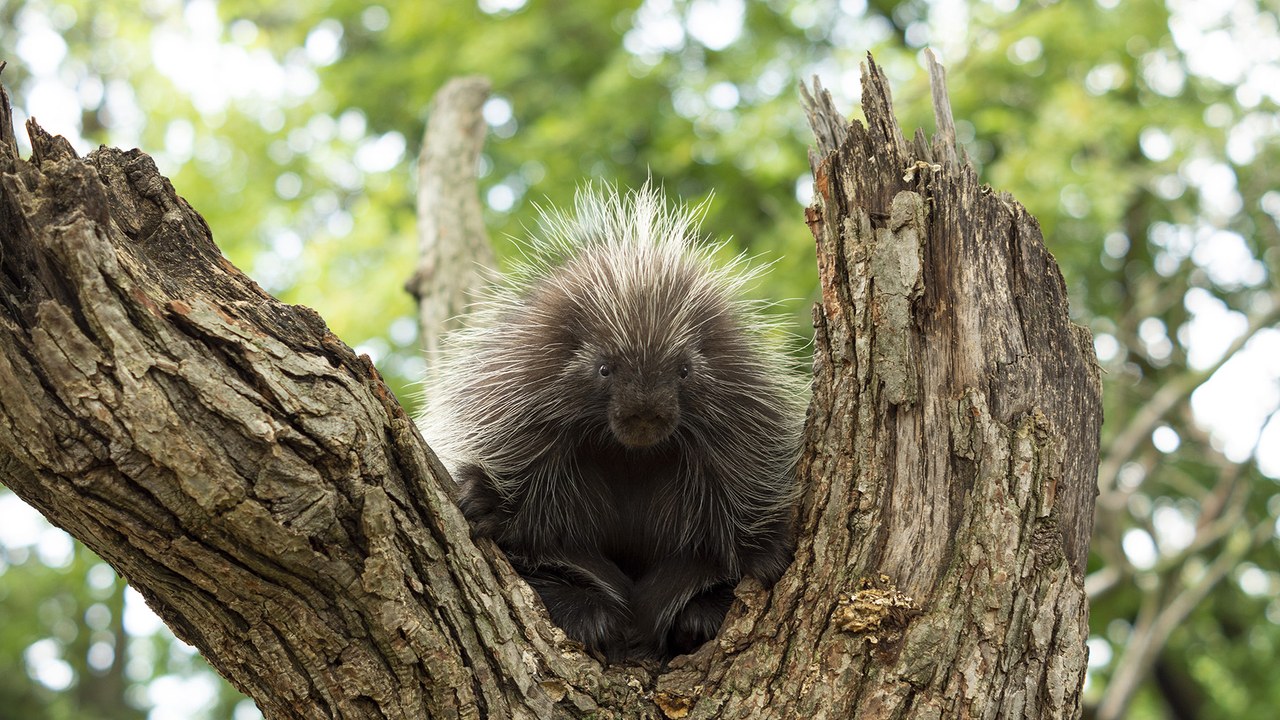
Zion’s lesson includes porcupines in its night-active wildlife, as the Zion educational page lists them. The quill-covered rodent stays out of sight in daylight. Its nocturnal routine helps explain why the animal is better known from reputation than from direct viewing.
Walkers who find chewed bark or hear rustling after dark may be near one. The listing is Zion’s own, and behavior varies by place and season. Dogs and curious children are best kept well back if one is ever found.
More from Morning Overview
- Hurricane Hunter radar shows four warning signs that a tropical cyclone is about to strengthen, a University of Miami study found
- Tropical Storm Rachel is dumping up to 12 inches on four Mexican states on its way to major hurricane strength
- The FTC says Lens.com doubled the price shoppers saw in Google ads
- Common allergy, bladder and sleep pills tied to sharply higher dementia odds
