
Not every car body can be hammered, welded and filled the way ordinary sheet steel can. Plastic, fiberglass and carbon fiber each ask for different materials, tools and habits from the person fixing a crumpled corner. Here are twelve cars whose construction changes the plan before any repair begins.
1. Chevrolet Corvette: Fiberglass From the Start
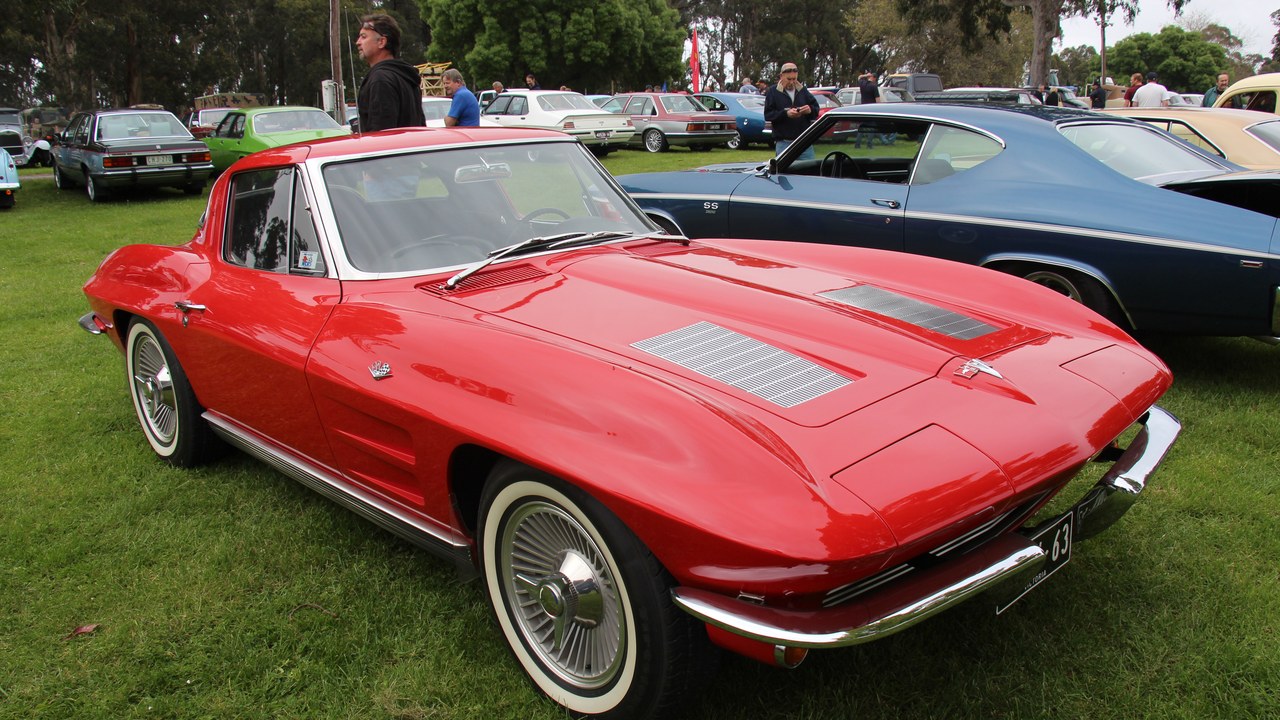
A Chevrolet engineer’s technical history documents fiberglass-reinforced plastic as the principal body material of the Corvette, which sets it apart from steel-bodied cars of its time.
A repair on this sports car therefore follows fiberglass practice, not metalwork. The entry covers the model’s body material in general and does not claim that every trim or model year is identical. Anyone assuming a quick weld or a hammered panel would be misreading what the car is made of.
2. Pontiac Fiero: Plastic Panels, New Procedures
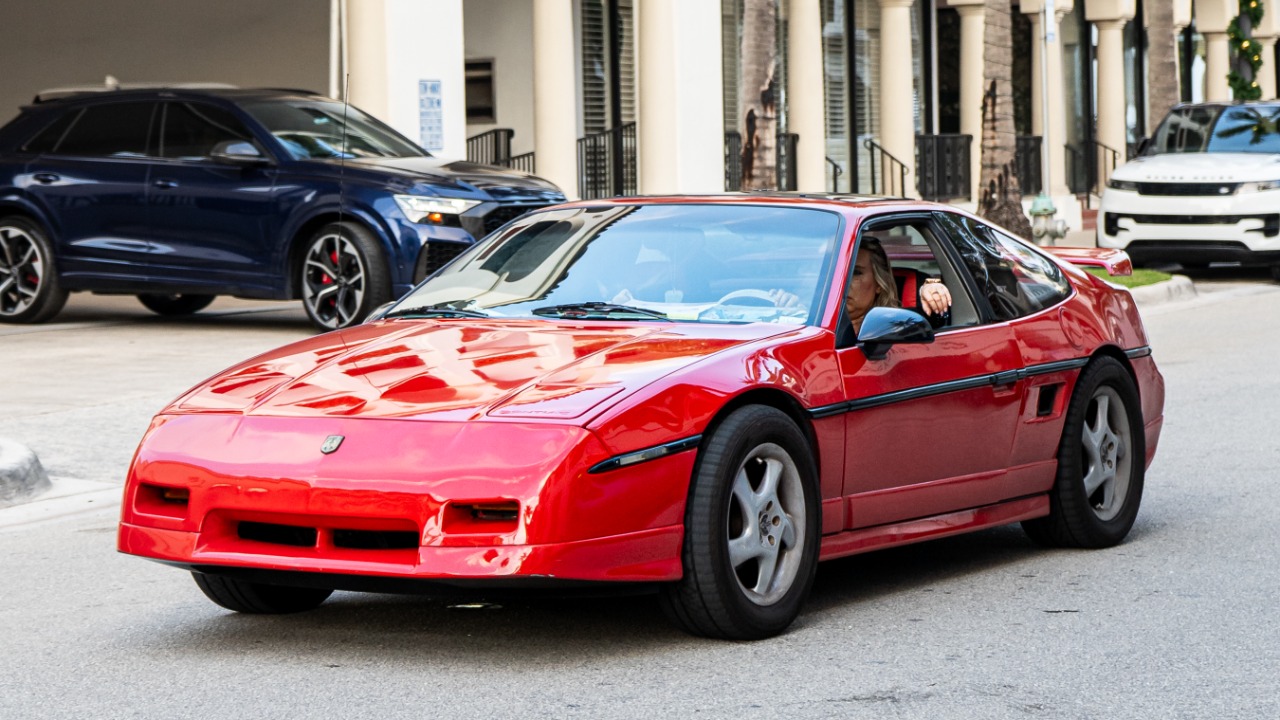
The Pontiac Fiero’s plastic body panels prompted GM to develop better repair procedures for later vehicles, a sign that the material forced the company to learn.
Owners of the mid-engine two-seater should not expect a conventional body-shop approach. The note describes the lesson GM drew, and it does not say how any single repair should be done. It is a useful case of an automaker discovering, through a new material, that the repair side needed as much design thought as the car.
3. Saturn S-Series: Dent-Resistant by Design
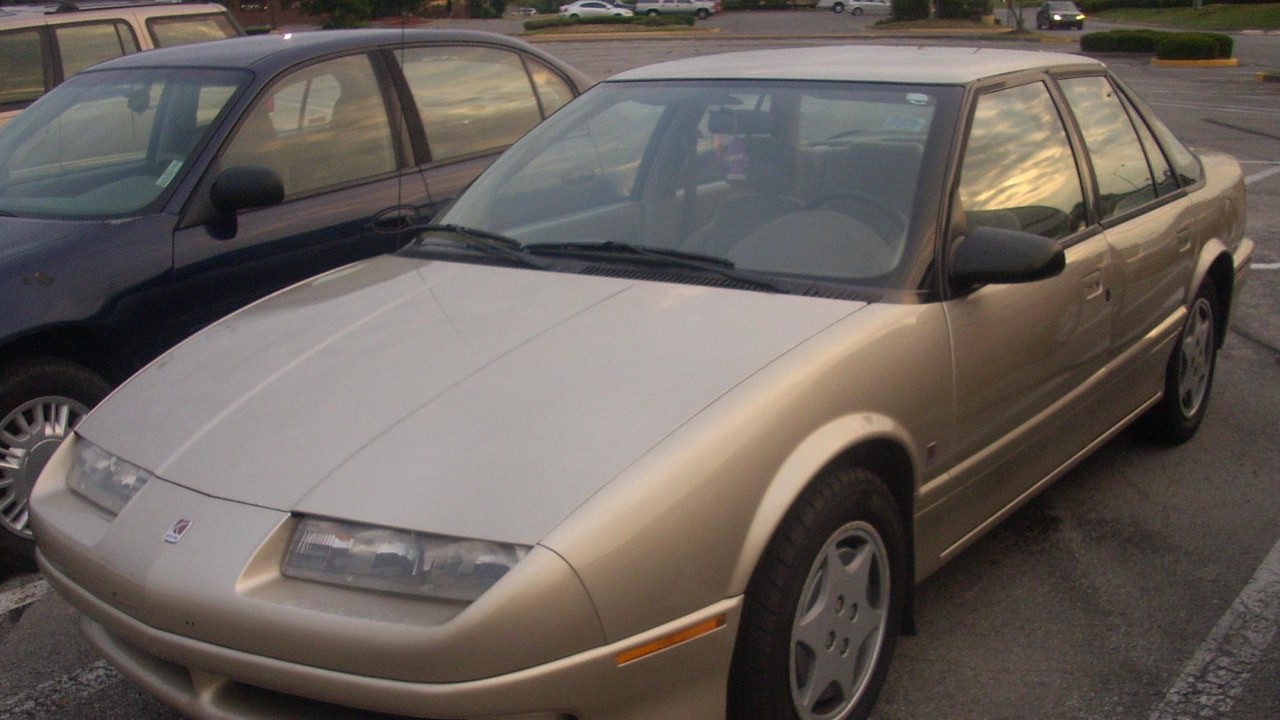
The original Saturn S-Series used dent-resistant plastic exterior panels, a feature that made the small cars stand out in a market of steel.
That choice changes how a minor knock is handled, since the panels flex instead of creasing. The entry covers the original cars, not every Saturn that followed or every model year. That resilience was a selling point, though it also means owners should learn how the material behaves.
4. Saturn Ion: Last of the Polymer Saturns
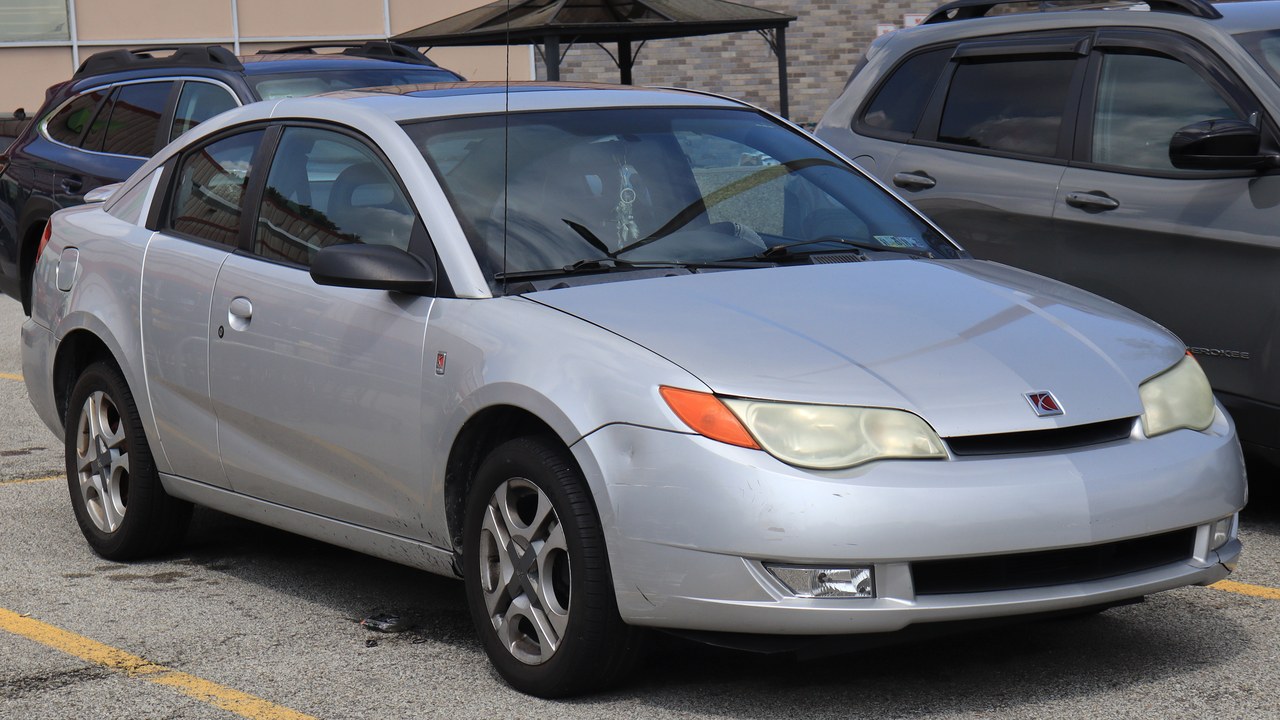
The Saturn Ion retained plastic panels through the final polymer-bodied Saturn model year, carrying the brand’s signature construction to its end.
Buyers should therefore treat the compact car’s body differently from a steel one when planning repairs. The note speaks to the panel material, not the car’s condition or any specific year-by-year change. It is a handy reminder for shoppers that a late-model car can still hide a body type unlike the steel most people expect.
5. First-generation Saturn Vue: Plastic Over a Steel Skeleton
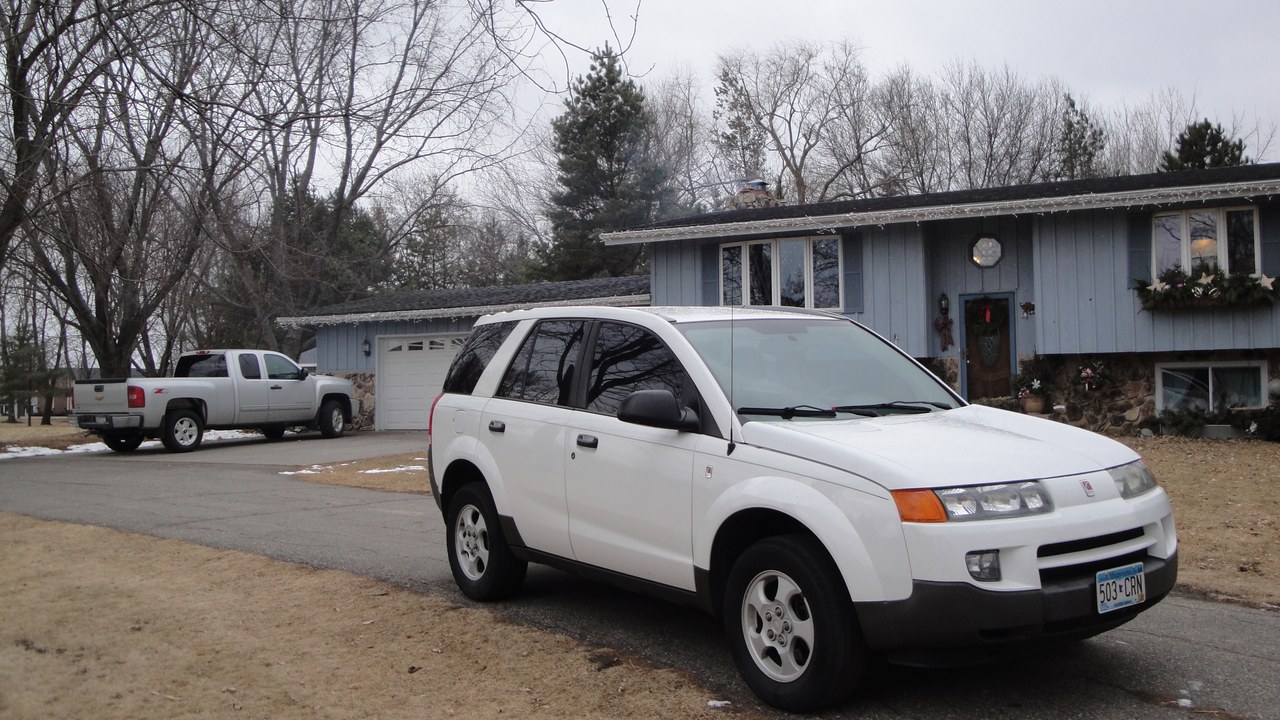
The original Saturn Vue placed plastic panels over a steel spaceframe, and the second generation abandoned them, which marks a clear split within one nameplate.
Anyone shopping for a Vue should confirm which generation is on offer, because the repair plan differs. The entry applies to the first generation and says nothing of later ones. That generational split makes the Vue a good example of why a model name alone does not settle the question.
6. Chevrolet Lumina APV: Composite Over Galvanized Steel
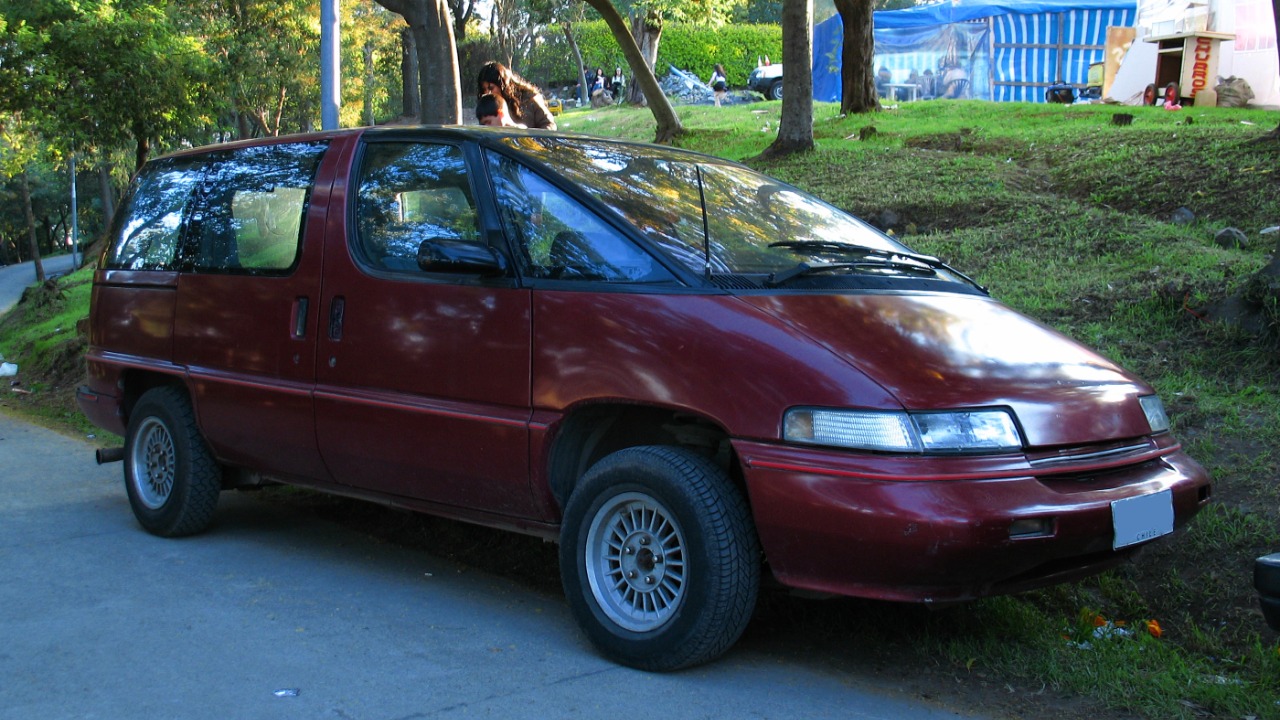
The first-generation Chevrolet Lumina APV had a body of composite plastic panels over a galvanized steel frame, an unusual mix for a family van.
The combination means the frame and skin each call for their own approach. The note concerns the first-generation body only, so later vans or other minivans cannot be assumed to share it. For anyone comparing it with an ordinary steel van, the repair costs and methods deserve research before a purchase.
7. Pontiac Trans Sport: Minivan With a Plastic Skin
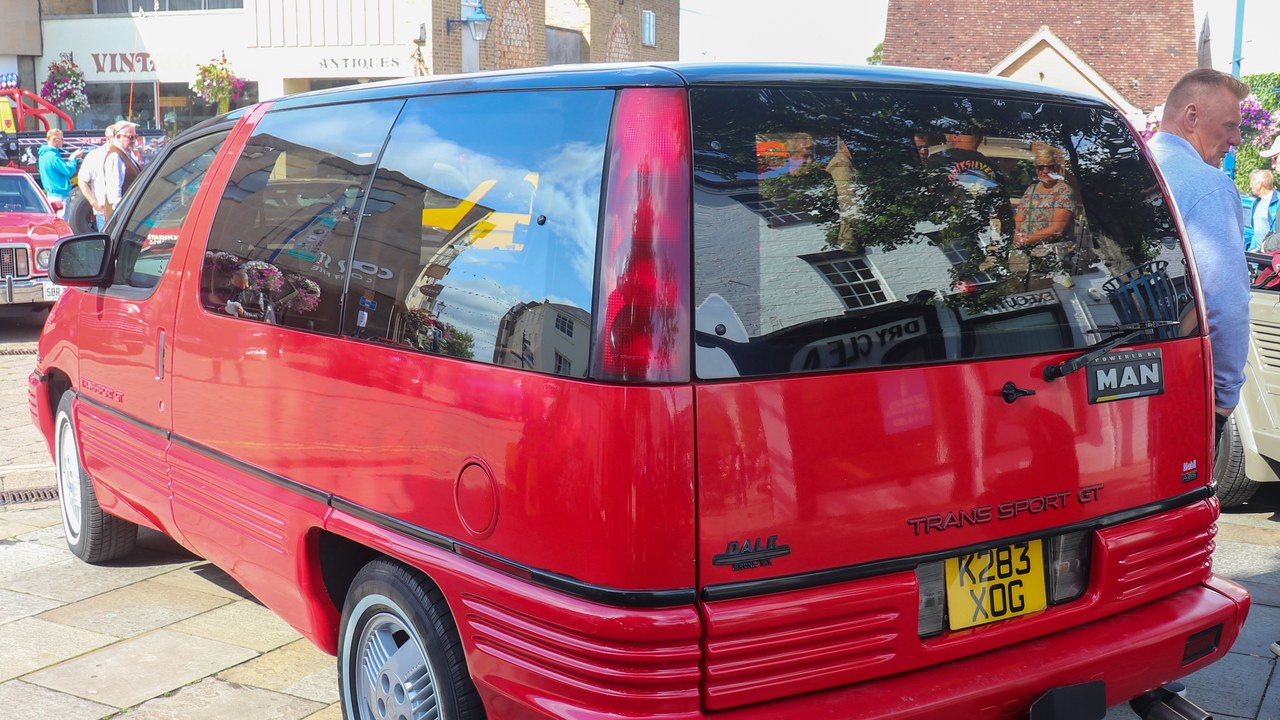
The original Pontiac Trans Sport minivan used dent-resistant composite panels instead of an ordinary steel exterior, which gave the futuristic van a distinct construction.
Repairs on it should be planned around composites, not a typical steel body. The entry covers the original van, and it does not extend to every later minivan from the brand. Its futuristic look came from this approach, which is why the van is often cited in discussions of plastic bodies.
8. First-generation Oldsmobile Silhouette: Sharing the Minivan Recipe
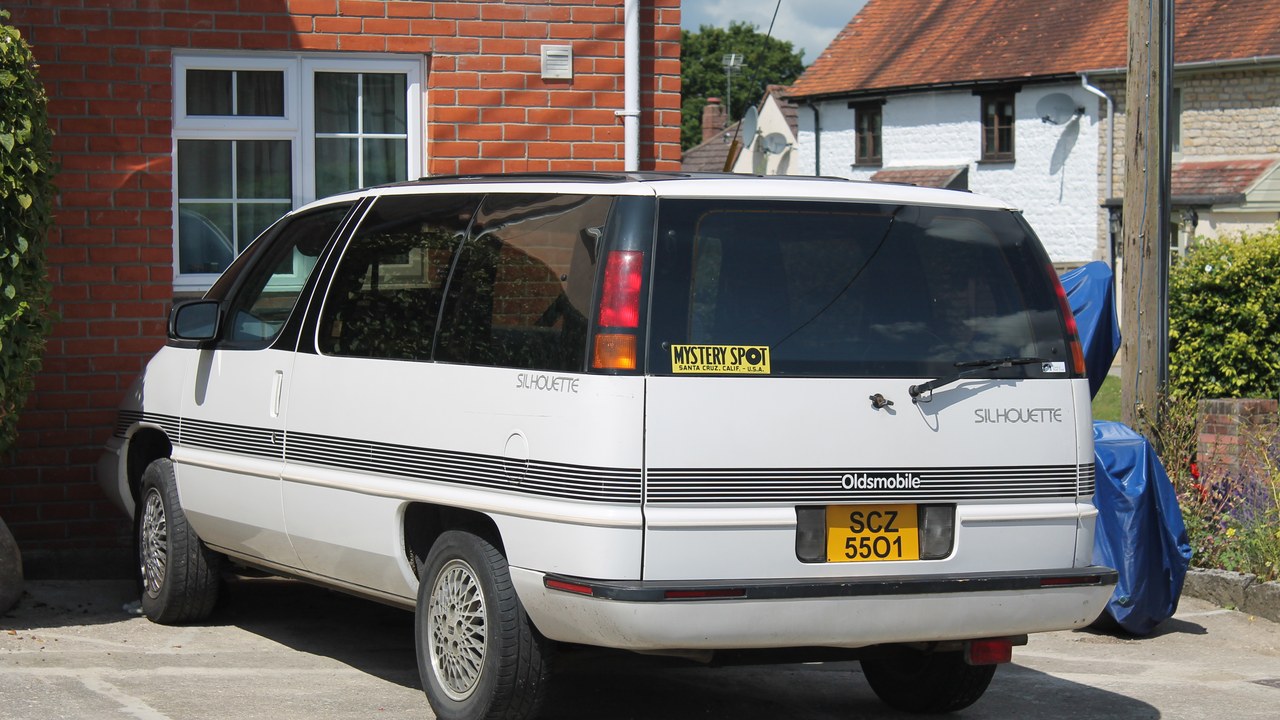
The initial Oldsmobile Silhouette shared GM’s plastic-panel minivan construction, which puts it alongside the other early vans of the same design family.
Owners should expect the same repair considerations as with its siblings. The note covers the first-generation van specifically, and later versions cannot be assumed to follow the same construction. For a buyer, that means a van that looks conventional may still need a specialist who understands composite panels.
9. Smart Fortwo: Interchangeable Plastic Panels
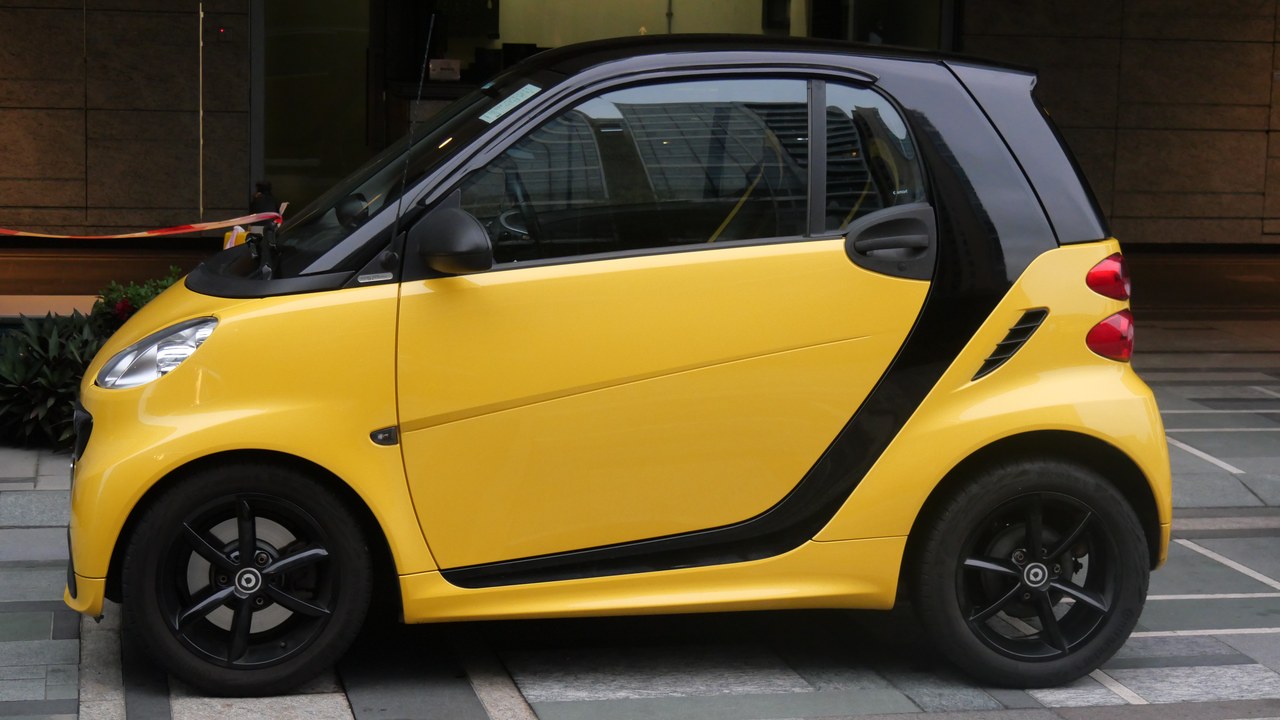
The Smart Fortwo used interchangeable plastic panels, a design that suits the tiny city car’s compact and simple body structure.
Interchangeability changes how a repair is approached, since a damaged panel can be swapped instead of worked. The entry describes the panel approach in general and does not address any single model year. Owners of the two-seater should still check the details with a qualified repairer before assuming that any panel can be simply replaced.
10. First-generation Nissan X-Trail: Fenders That Are Not Steel
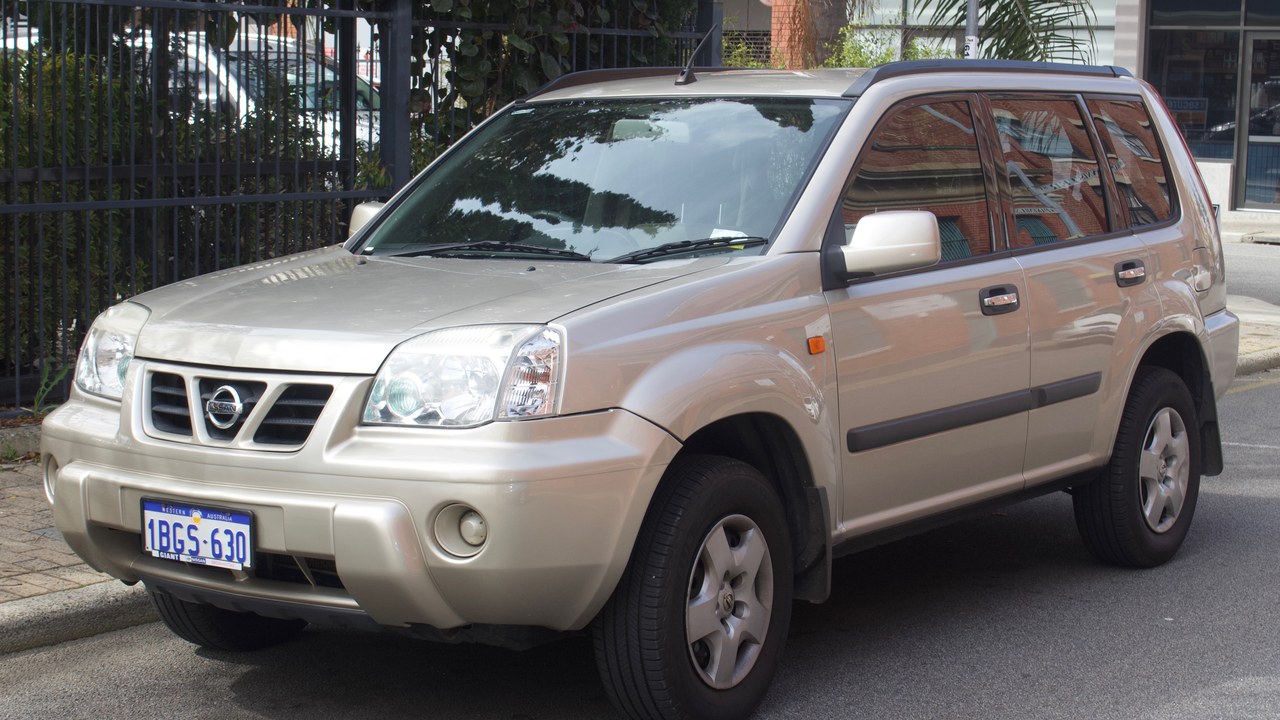
The first-generation Nissan X-Trail had front fenders that were plastic rather than steel, a small detail with large consequences in a minor collision.
A buyer or repairer looking at the boxy SUV should check what the fenders are made from before planning work. The note covers the first generation and only the front fenders. It shows that even a partial use of plastic can shift a repair plan, and that a quick glance may not reveal the difference.
11. Fiberglass Ferrari 308 GTB: Early Fiberglass Ferrari
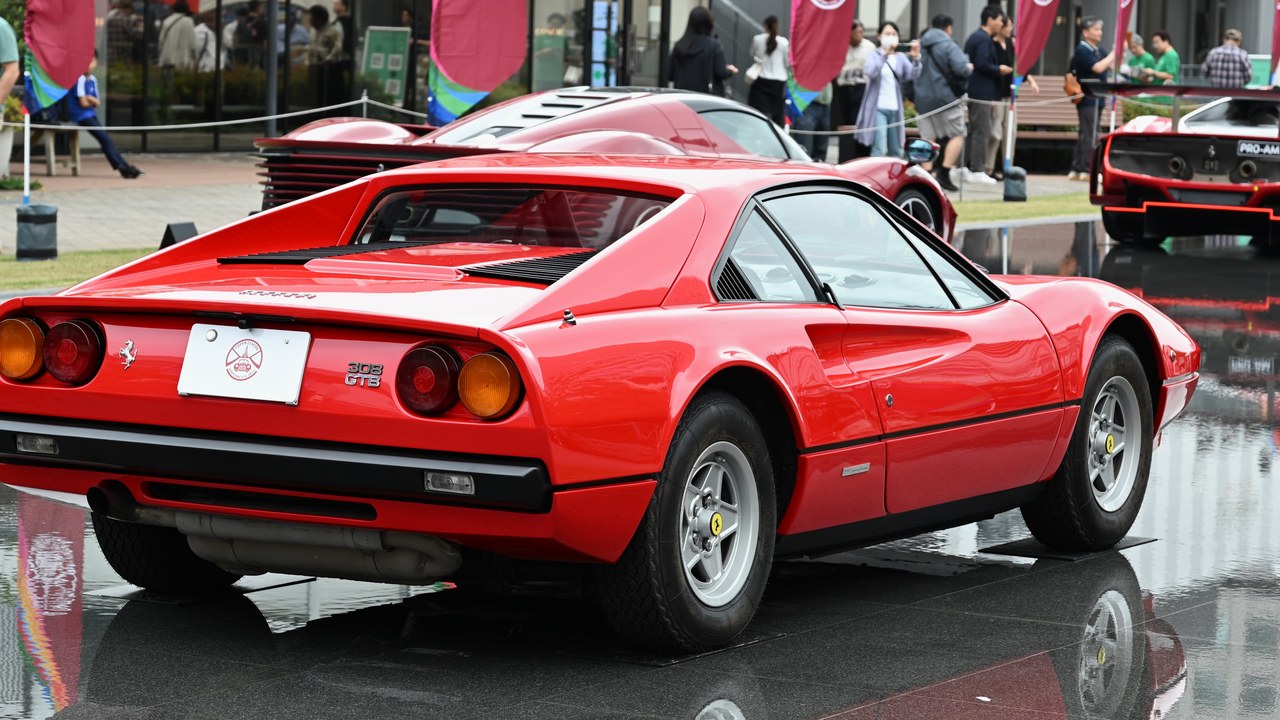
Early fiberglass-bodied Ferrari 308 GTBs require attention to their different body material, which sets them apart from the steel-bodied cars that followed.
For a restorer or buyer, that detail matters before any bodywork begins. The entry covers early cars only, and it does not claim that every 308 GTB used the material. The wording of the source is cautious, and so should be anyone reading a listing that mentions the model.
12. McLaren F1: Carbon Fiber Monocoque
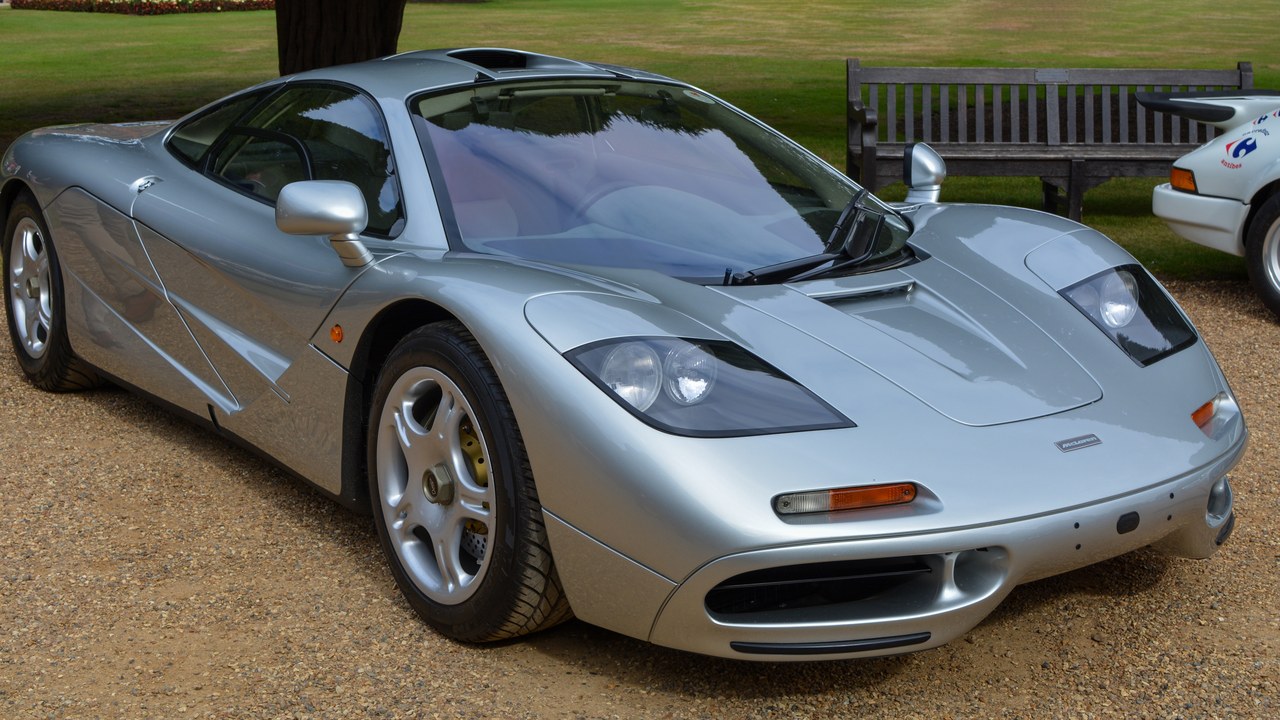
The museum describes the McLaren F1 as having a carbon-fiber monocoque body, requiring a different approach from steel construction in any repair or restoration.
A structure like that is far removed from sheet metal and calls for specialist knowledge. The entry applies to this car as described by the museum and makes no claim about value. Even among exotic cars, that construction stands out, and a repair plan has to start with the material.
More from Morning Overview
- Hybrids have 15% fewer problems than gas cars, while EVs and plug-in hybrids have about 80% more, Consumer Reports finds
- Regulators cleared the first U.S. small modular reactor, 4 months early
- Lake Powell sank to a record 3,517 feet, nearing the level that stops Glen Canyon Dam’s turbines
- Seven of Earth’s nine planetary boundaries are breached, and all seven are worsening
