
Animals have been building long before people drew up their first floor plan. Some stack mud, others weave grass, chew wood into paper or secrete wax from their own bodies. These eight builders show how many different materials and methods can end up as a home.
1. Beaver: Master Builders Of The Wetland
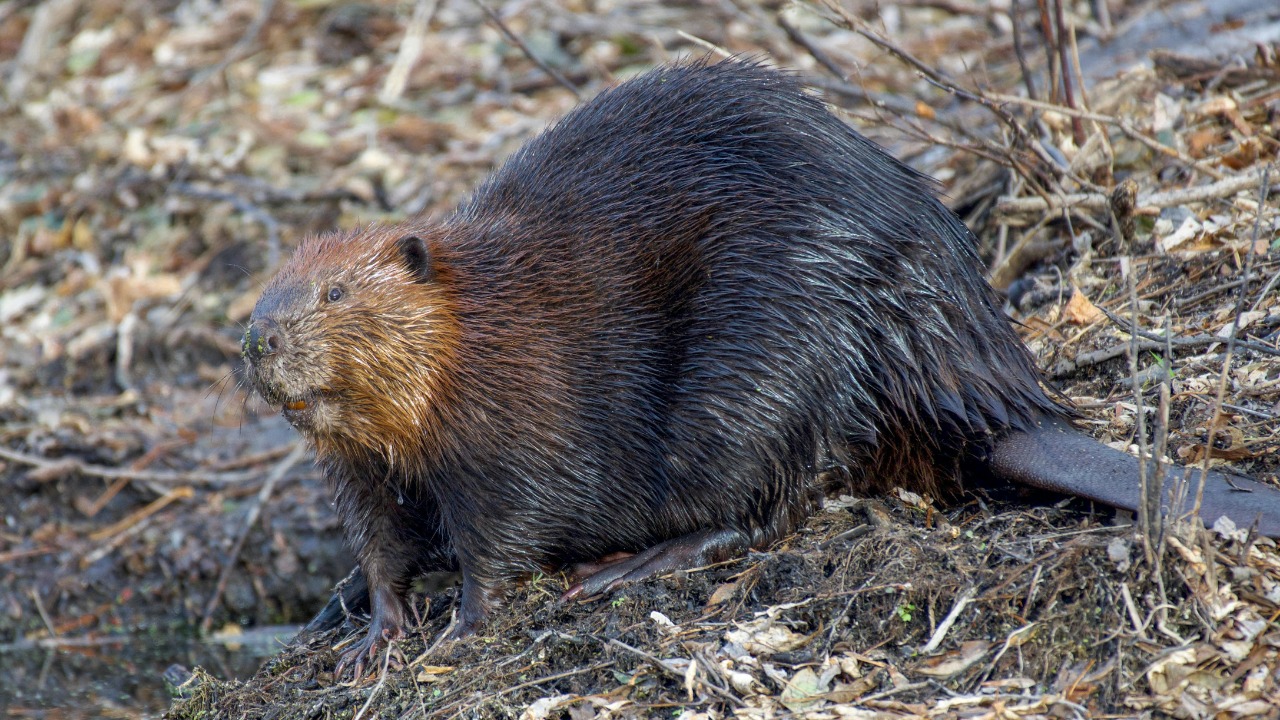
Beaver families work together on engineering projects that include lodges, channels and dams, and the Smithsonian’s National Zoo notes that the animals carry and pack mud with their front paws. The same colony stores branches underwater so that food is within reach through the winter.
The result reshapes a stream into a pond that shelters the family and keeps the lodge entrance below the surface. Dams need constant upkeep, so the building is never really finished. Nearby landscapes, and the people who live beside them, feel the effects of that steady maintenance, often for many years after the first branches go in.
2. Sociable weaver: An Apartment Block In One Tree
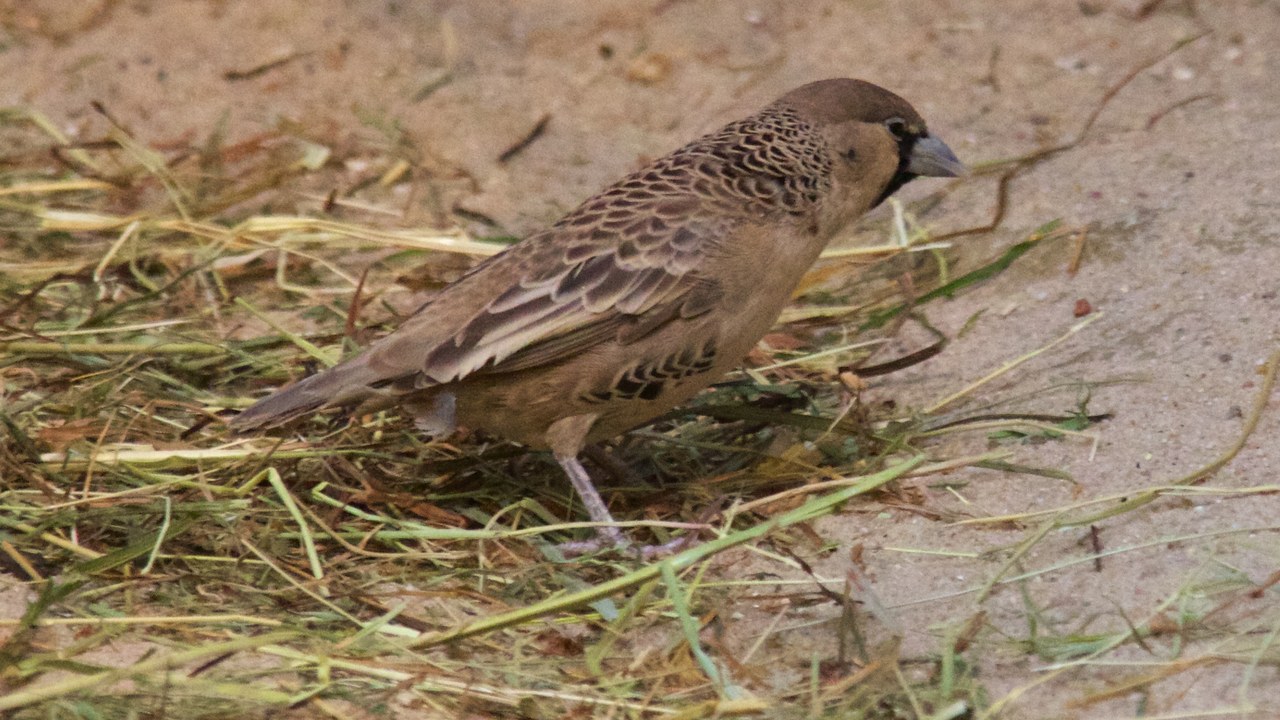
In southern Africa, sociable weavers construct enormous communal nests that the Cornell Lab of Ornithology describes as avian apartment complexes, with weaver families living in them by the hundreds. The structure hangs in a single tree and holds many separate chambers under one shared roof.
The size of the nest makes it valuable to more than its builders, and other birds compete for some of the chambers. A single shared roof also means a single repair job, which the colony handles together. The photograph shows a weaver gathering dry grass, the raw material that goes into the thatch.
3. Termite: Mounds From Simple Rules
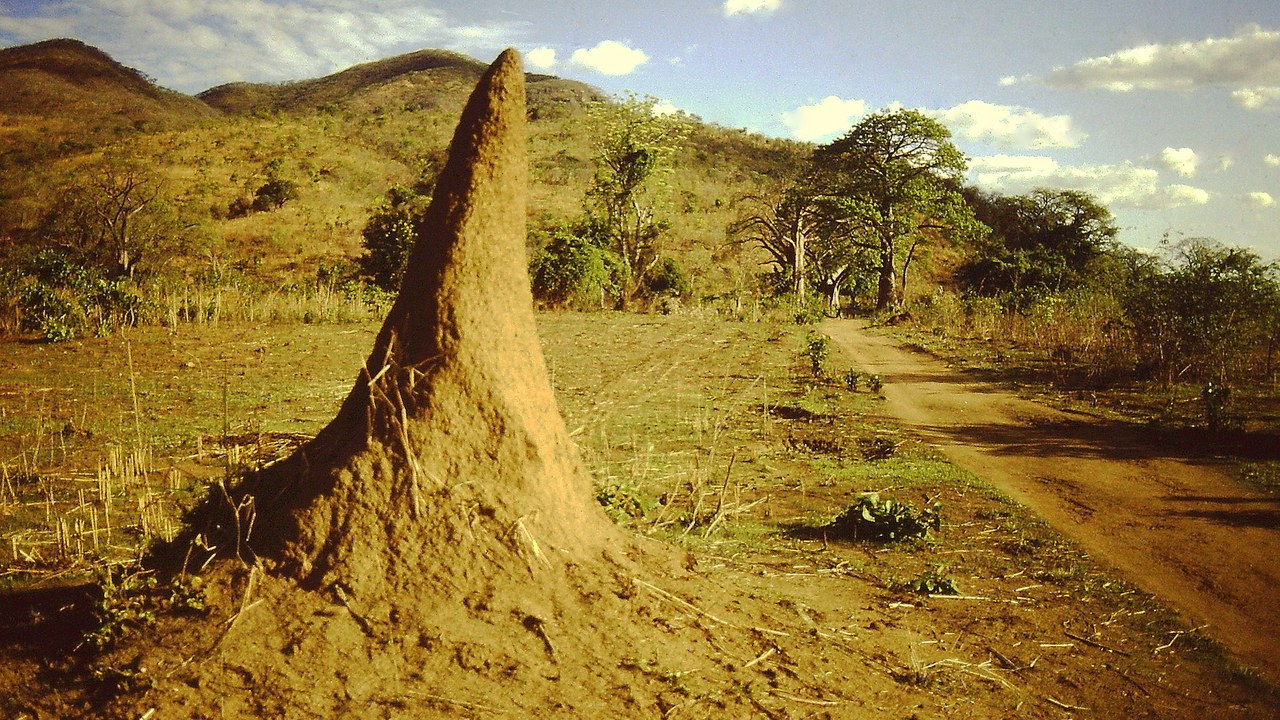
Termite mounds rise from the ground as towers of packed earth, and the account of termite mounds explains them as emergent properties of simple instinctive responses and interactions among the insects. No single termite holds a plan for the whole structure.
The image shows the structure alone, with no insects visible, and that is a deliberate choice. The text here concerns the mound itself, and a conical earthen tower of this kind is unmistakably termite work. The point stands out clearly when looking at one: a large, ordered building that grew out of countless small individual actions.
4. Paper wasp: Paper Made By Jaw
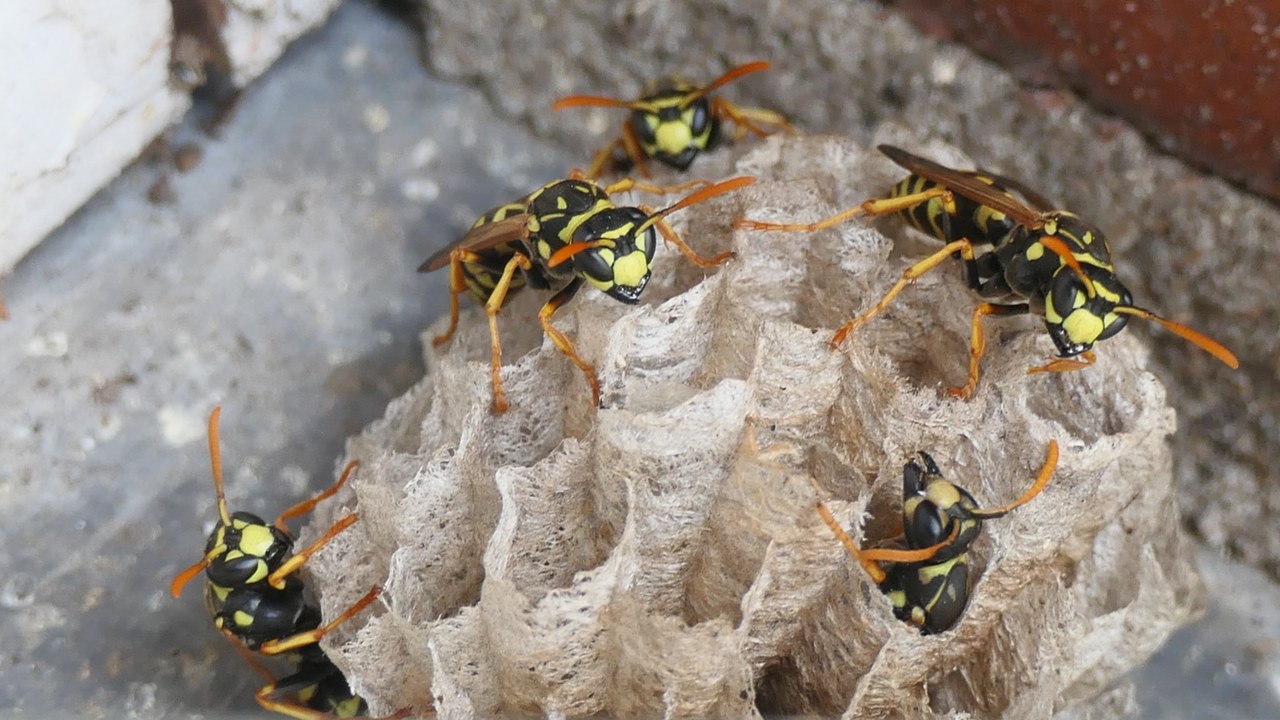
Queens of the paper wasp start the nest alone, making paper nests from pulp prepared by rasping wood with their jaws. The chewed fibre dries into a papery material that is shaped into the open cells of the comb.
Each cell holds a developing larva, and the open comb shown here is typical of the group. The nest is built from nothing more than wood and the wasp’s own mouthparts. Colonies that begin this way can grow into a busy household, which explains why these nests turn up under eaves and ledges around buildings.
5. Caddisfly: Armour Stitched From The Stream Bed
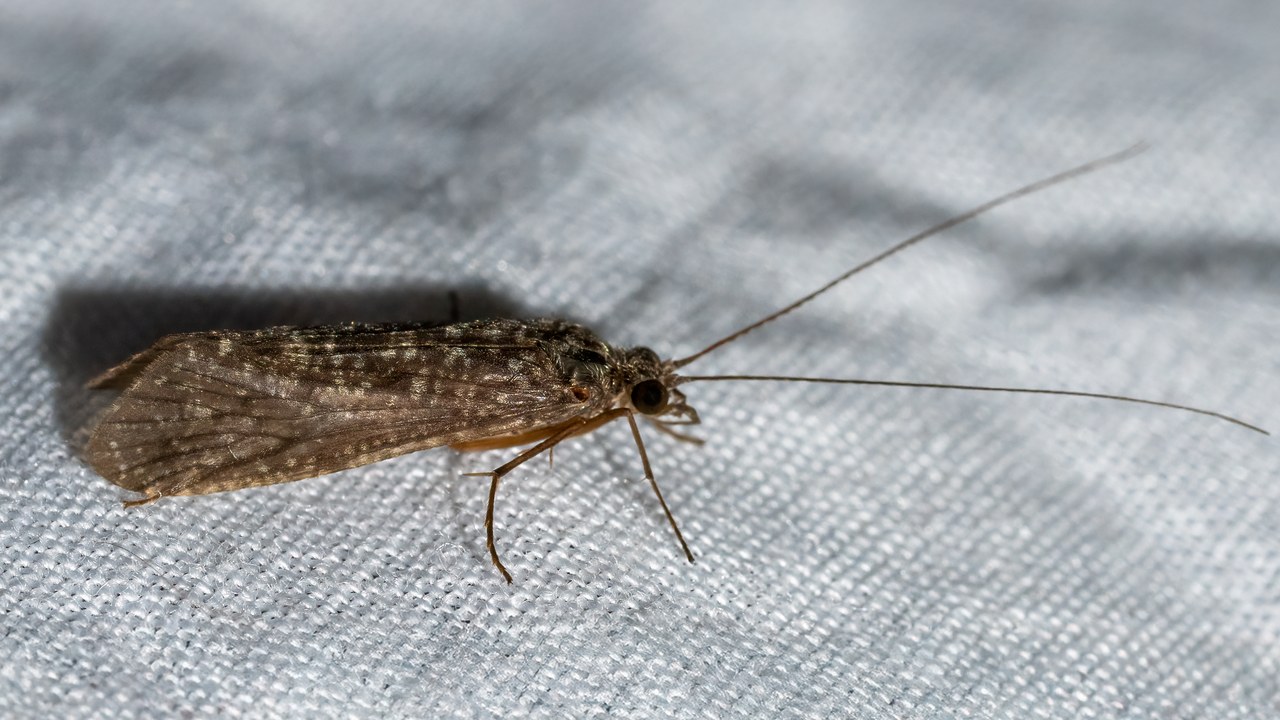
Caddisfly larvae live in water and protect their soft bodies with protective cases, assembled from pieces of stone and cut sections of green leaves. Each larva chooses and fits its own materials into a portable shelter.
The animal pictured is the adult, a moth-like insect resting on a pale surface, long after the larval case-building stage. Anglers and stream biologists often notice the cases first, as small tubes of grit on the bed of a river. The builder carries that case with it as it feeds and grows. Few insects carry their homes so openly.
6. Bowerbird: Decor For A Dating Stage
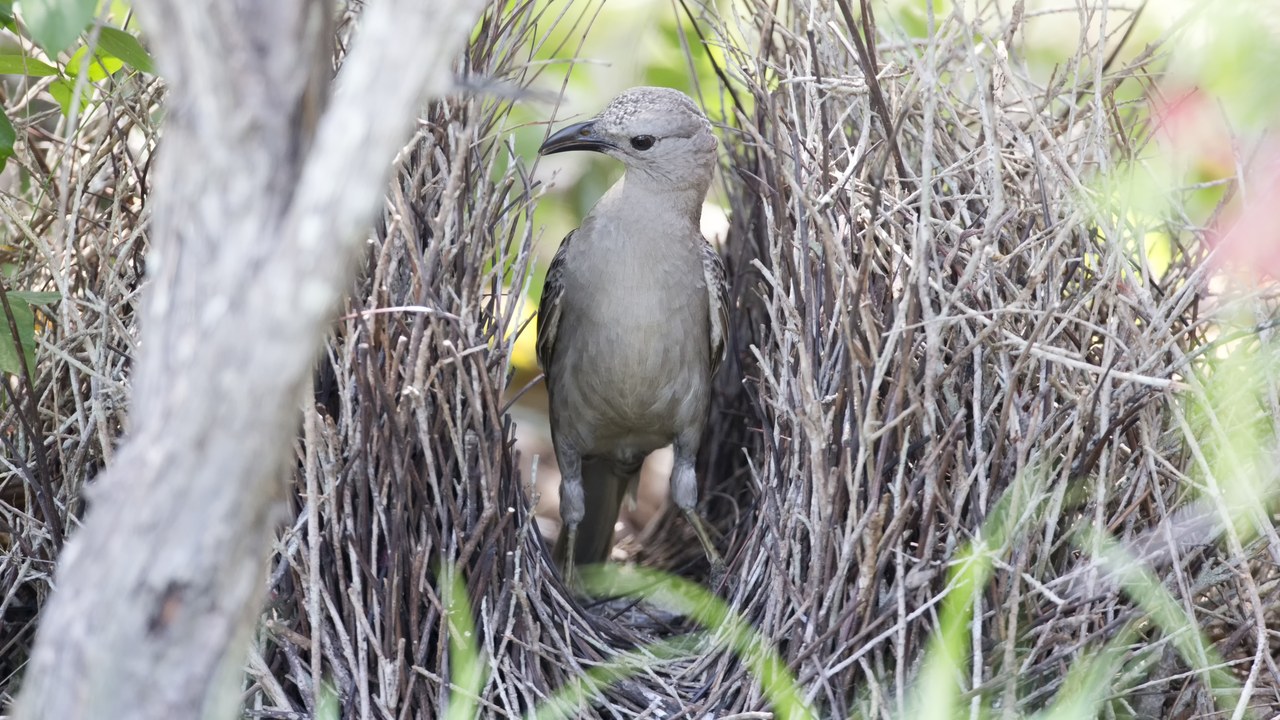
A bowerbird builds for courtship rather than for living, and male satin bowerbirds assemble bowers from twigs and colourful objects to attract females. The display structure is separate from the nest where any eggs are laid.
In the photograph, a bird stands beside the walls of a bower made of upright twigs. The male decorates the site, and the quality of the construction is part of the pitch to a visiting female. The species in this photograph may differ from the satin bowerbird named in the source, but the habit of building is shared across the group.
7. Honey bee: Wax Made From The Body
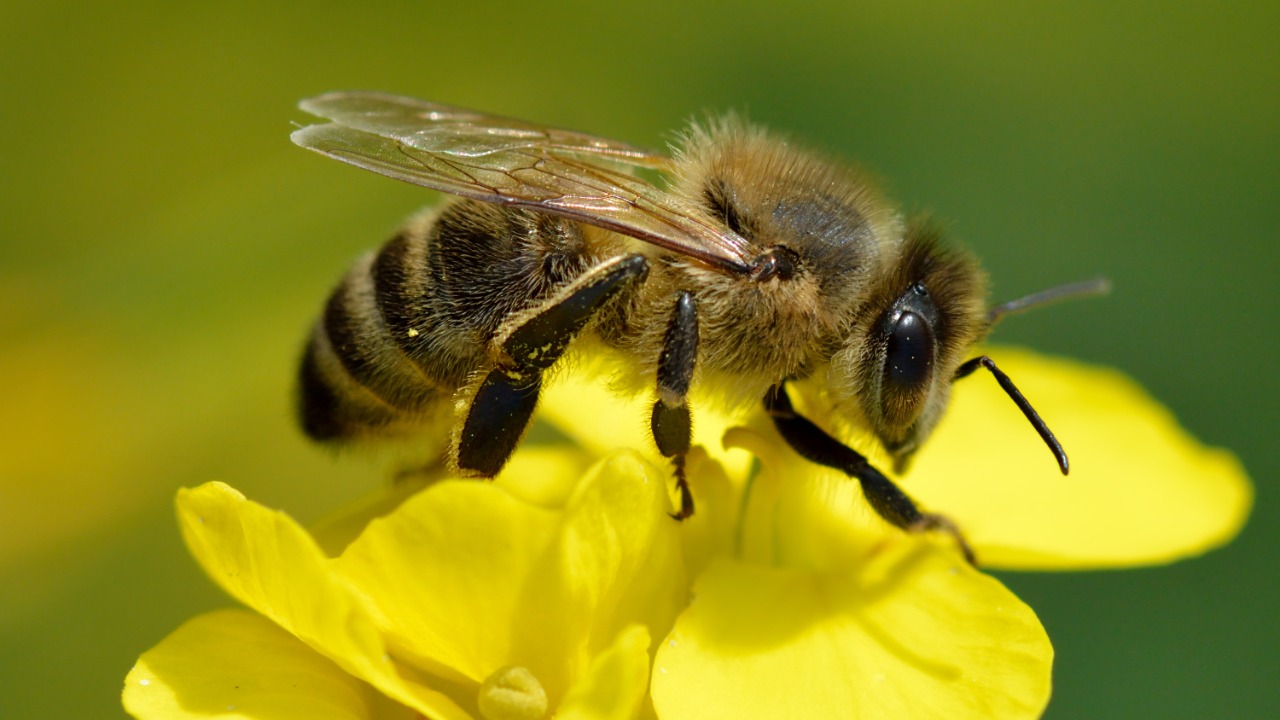
Honey bee workers produce scale wax from their own bodies, and the scale wax they secrete is gathered and blended with saliva to form the comb wax of the hive. Each hexagonal cell is shaped from that material.
The comb serves as nursery and pantry at once, holding both developing young and stored food. The worker shown here is feeding at a yellow flower, the kind of foraging trip that supplies the colony. Building material comes from the bees themselves, which sets the hive apart from nests assembled from found objects. Wax production is itself a costly effort for the workers.
8. Barn swallow: Mud Cups Under The Eaves
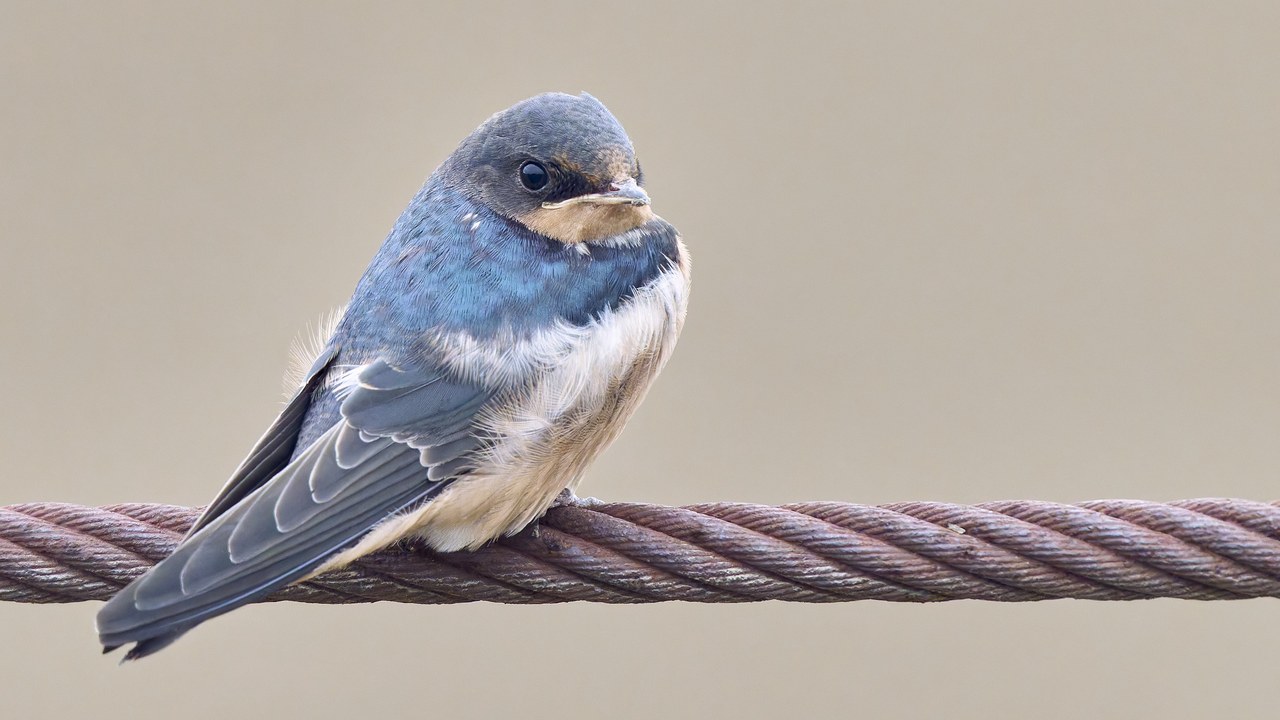
Swallows build their nests from mud that the birds collect and shape, according to the general overview of swallows. The barn swallow is the familiar example, and it often places that mud nest on a building.
The bird pictured is a young barn swallow perched on a wire, shown in side view. Mud is an unusual building material for a bird, and each nest is made one beakful at a time. Anyone who has seen a mud cup stuck to a barn rafter or porch ceiling has seen the finished result of that careful labour.
More from Morning Overview
- The FBI told the rest of ShinyHunters to surrender after a 24-year-old was arrested
- Two passengers died at an Ohio toll plaza, and the NTSB now wants the cash lanes shut
- Long use of a common prostate pill is tied to a higher chance of glaucoma
- Ford is recalling 223,472 F-150 pickups because the fuel tank can leak or detach
