
State legislatures and voters have turned a surprising range of wild animals into official symbols. Some picks reflect landscape, some reflect a nickname, and a few even reflect a vote by schoolchildren. Here are ten of them, each tied to the state that claimed it.
1. Grizzly bear: A Vote By Schoolchildren
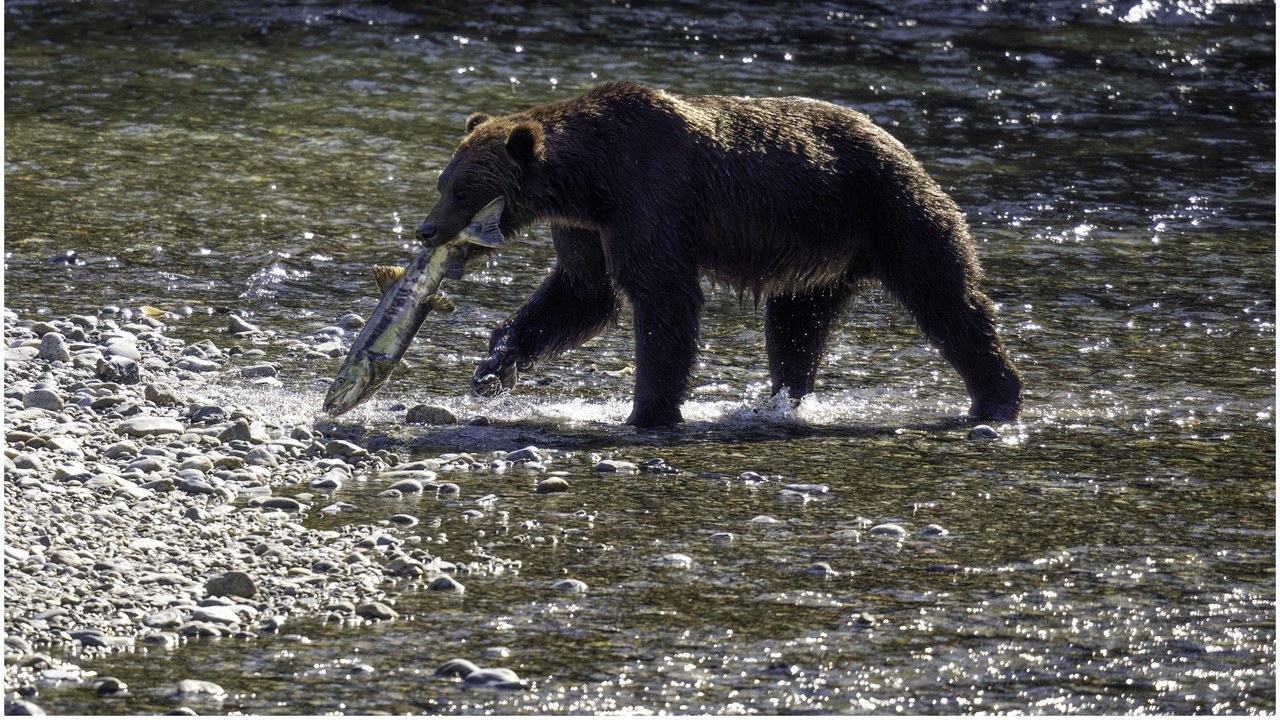
Montana’s official state animal is the grizzly bear, and the choice came by a vote of schoolchildren before it was enacted into law in 1983. The designation sits in the state’s Montana Code Annotated entry at section 1-1-508, a plain statutory entry for a species long tied to the northern Rockies.
The grizzly is a subspecies of the brown bear, which explains why photographs of coastal brown bears and inland grizzlies can look so alike. The list opens here because the Montana entry shows an unusual route to a state symbol, with young voters rather than legislators driving the pick.
2. Moose: Maine’s Antlered Giant
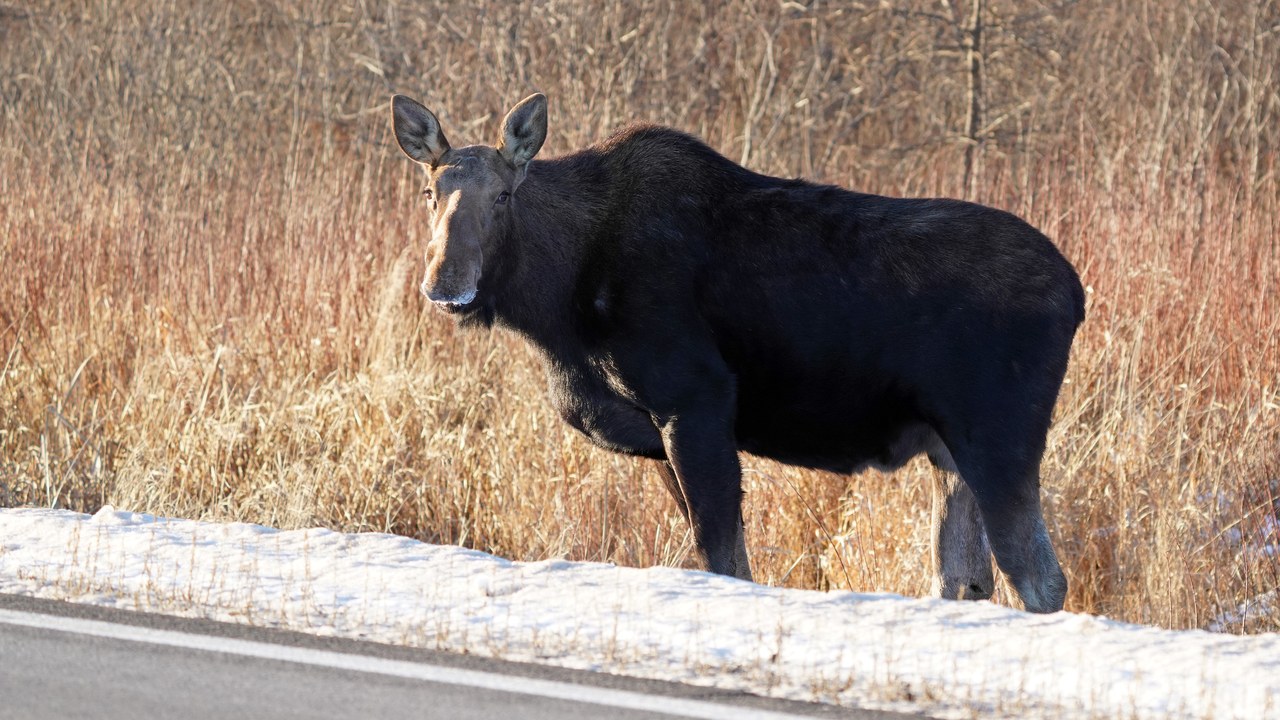
Maine placed the moose into its statutes in 1979, and the wording is blunt: the state animal shall be the moose. The provision appears in the title of Maine law covering state symbols, and the Maine statutes page records the enactment as a public law of that year.
The moose is the largest member of the deer family, so the choice suits a state known for northern woods and lakes. It also sits at the opposite end of the northern tier from the grizzly of Montana, and both animals stand as large, wild symbols of cold, forested country in their respective states.
3. American bison: The Plains Heavyweight
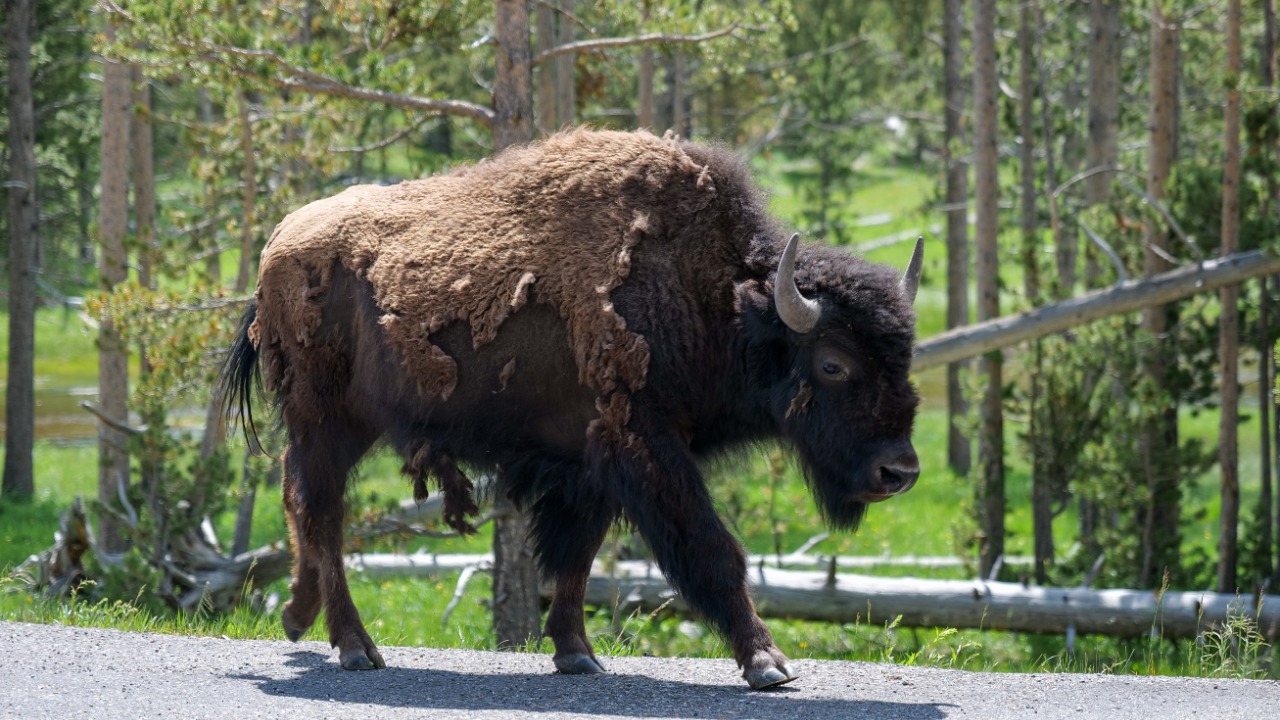
Wyoming designated the bison as its state mammal on February 23, 1985, according to the state’s official Wyoming symbols page, which lists the animal by its scientific name, Bison bison. The date is among the few on this list recorded to the exact day by the source consulted.
Bison are the heavy, shaggy grazers of the Great Plains and the Yellowstone region, and a bison silhouette is a familiar sight on Wyoming imagery. The entry shows that a state can hold a precise adoption date for a symbol whose animal needs no introduction to western travellers.
4. Beaver: Oregon’s Dam Builder
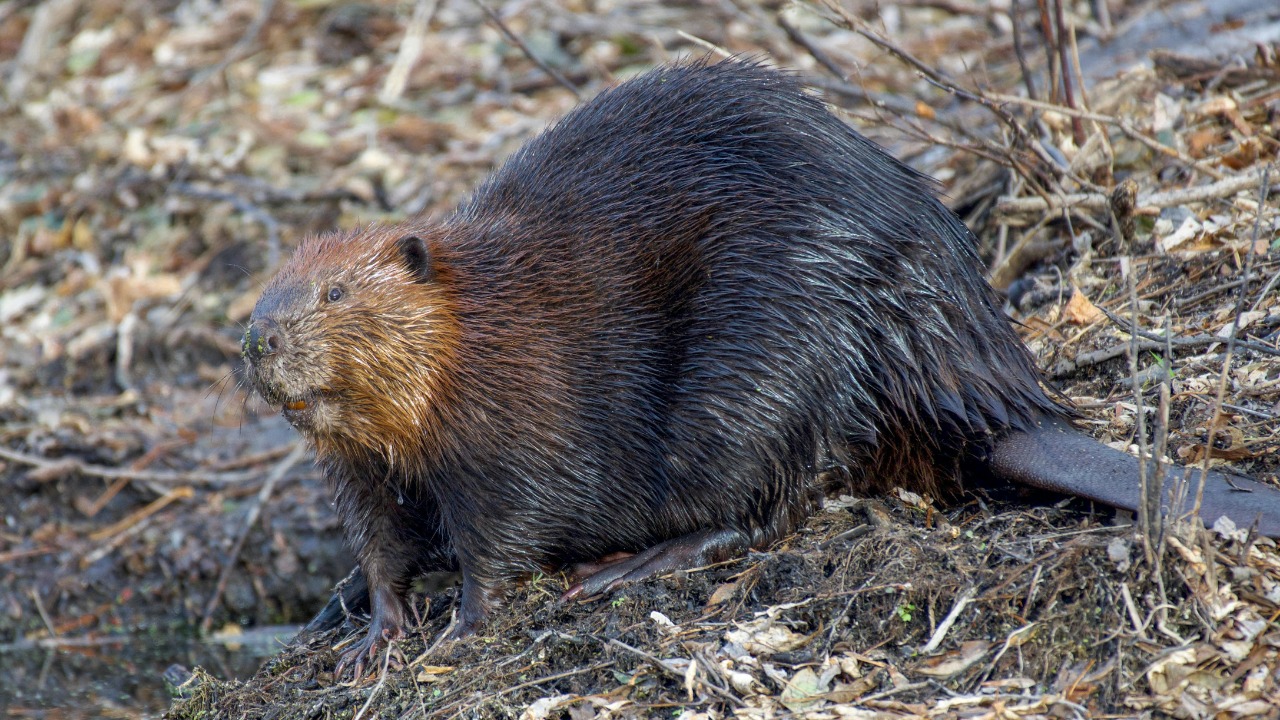
Oregon counts the beaver as its state animal, a distinction the Oregon Blue Book symbols guide notes Oregon shares with New York. The page for state symbols does not give a year of adoption, so the date is left out here rather than guessed.
The beaver is a large rodent that fells trees and builds dams, which reshape streams into ponds and wetlands. Two states sharing one animal is uncommon on a list of official symbols, and the overlap makes the beaver a useful reminder that state choices are not required to be unique. Oregon is often nicknamed for the animal as well.
5. Manatee: Florida’s Gentle Marine Mammal
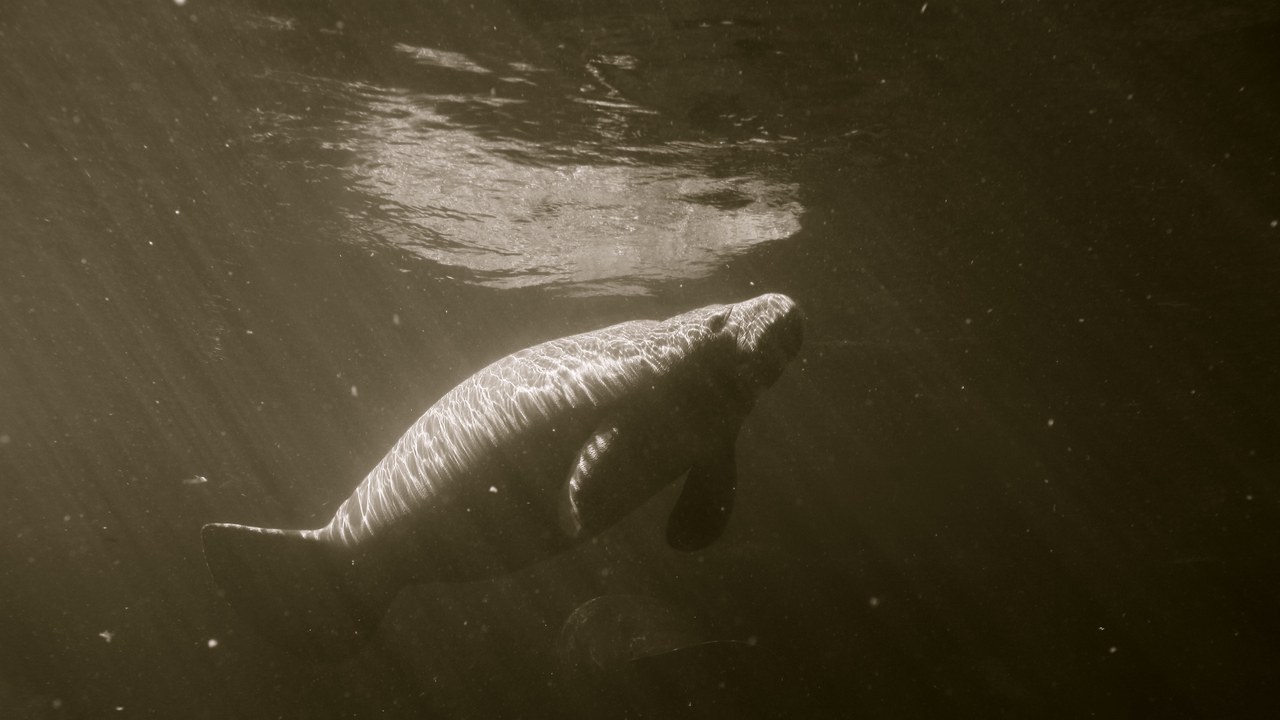
Florida’s official state marine mammal is the West Indian manatee, as the species’ encyclopedia entry on the manatee notes. The label is narrower than a general state animal, since it places the manatee in a separate category reserved for sea-dwelling mammals.
Manatees are slow, large, plant-eating animals that drift through warm shallow water, and Florida’s springs and coastal waters are familiar habitat. The marine mammal title shows how a single state can carry several animal symbols at once, each with its own statute. No adoption year is given in the source, so none is stated here.
6. White-tailed deer: Illinois Picks The Whitetail
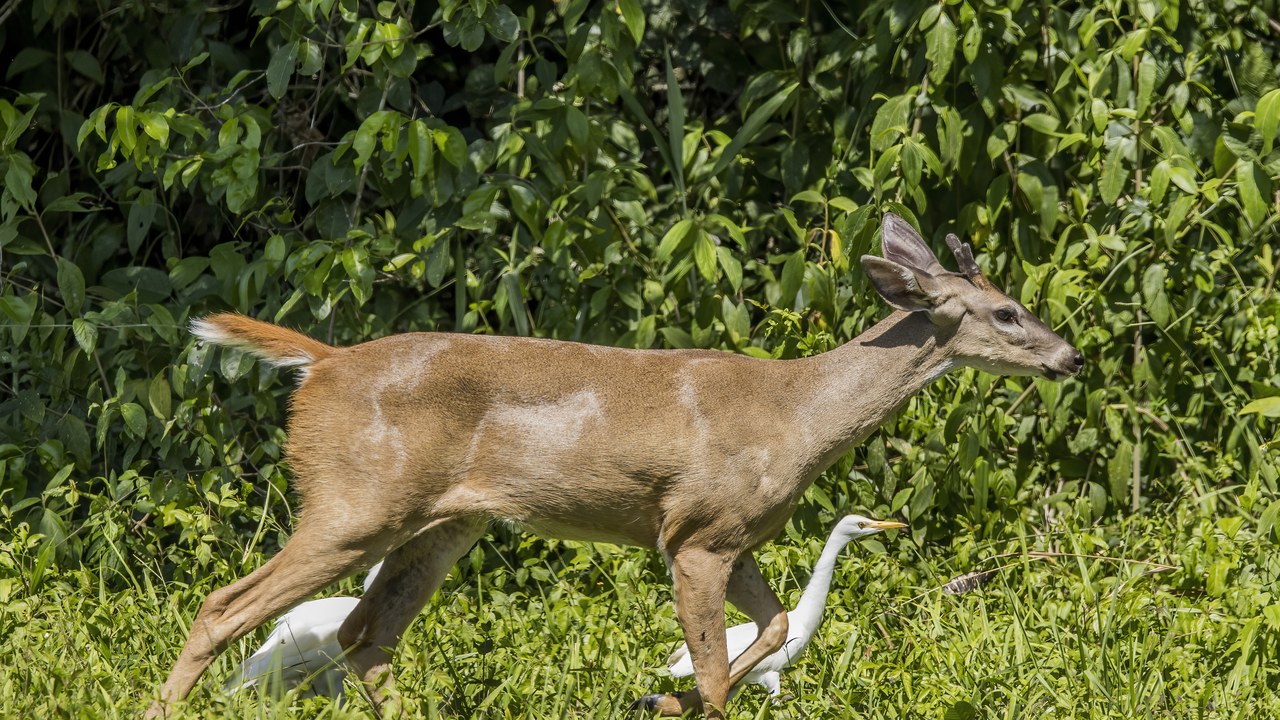
Illinois adopted the white-tailed deer as its state mammal in 1980, according to a reference list of state mammals across the country. The animal is among the most widely recognised hoofed mammals in North America, found in woods, farmland and suburban edges.
The designation illustrates how a common species can still earn an official place in law. Many state mammals are rare or iconic, while the whitetail is neither, and its selection reflects a familiarity that most residents of the state can claim from roadside or backyard sightings during any season.
7. Rocky Mountain bighorn sheep: Colorado’s Cliff Climber
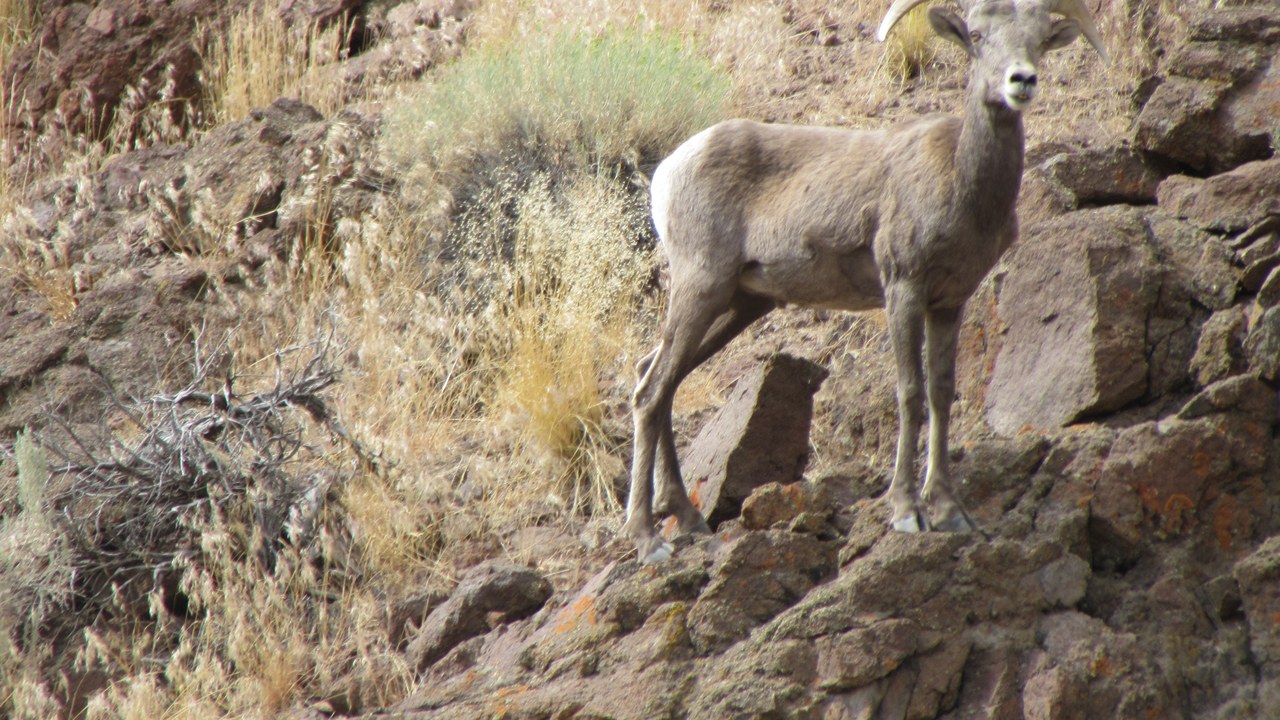
Colorado’s official state animal is the Rocky Mountain bighorn sheep, a fact set out in the encyclopedia page on bighorn sheep for the species. The animal is named for its mountain range and is closely identified with steep rocky slopes across the western part of the state.
Bighorns are known for the curled horns of the rams and for sure-footed movement on cliffs. The pick suits a state defined by high country, and it ranks among the choices on this list that match the landscape most directly. The source does not supply an adoption year, so none is claimed.
8. Raccoon: Tennessee’s Masked Forager

Tennessee made the raccoon its state animal in 1971, a date drawn from a reference list of mammals of state mammals. The animal is easily recognised by its black facial mask and ringed tail, and it is widespread across wooded and urban areas alike.
Raccoons are adaptable omnivores with nimble front paws, which helps explain their reputation for raiding bird feeders and trash cans. That familiarity makes the raccoon a more everyday choice than the grand predators or grazers elsewhere on the list, and it gives Tennessee a symbol that residents meet often.
9. American badger: The Badger State Namesake
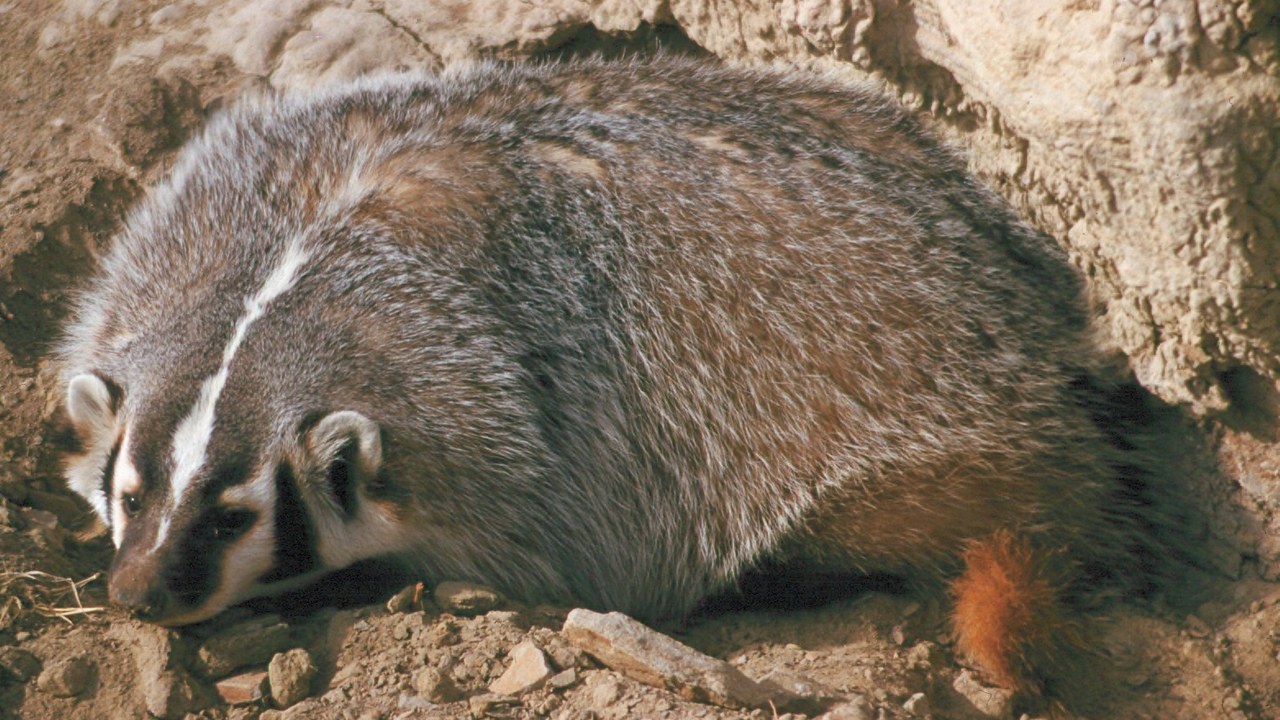
Wisconsin adopted the American badger as its state animal in 1957, according to a published list of state mammals. The choice fits the state’s nickname, the Badger State, though that name arose from lead miners who sheltered in burrows rather than from the animal itself.
The American badger is a stocky, burrowing carnivore with a white stripe down its face, built to dig after ground-dwelling prey. Among the older entries on this list, the 1957 date puts Wisconsin well ahead of states that settled on a symbol in the 1970s and 1980s.
10. Florida panther: Florida’s Big Cat
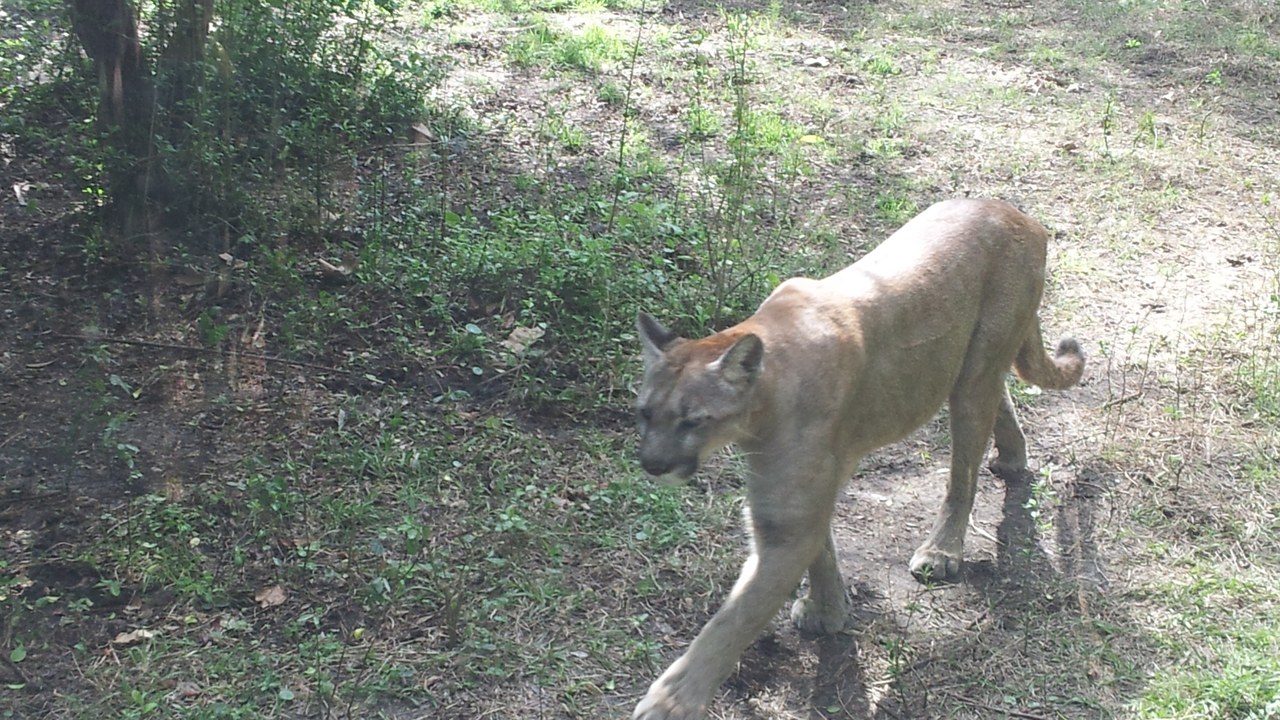
Florida’s state animal is the Florida panther, adopted in 1982 as recorded in a summary of state mammals of state mammals. The panther is a subspecies of the cougar, found in the southern part of the state, and the designation gives it the top spot among Florida’s animal symbols.
The entry sits beside the manatee, which Florida also honours as its marine mammal, so the state holds more than one official animal. That pairing shows how a single state can name a land predator and a sea mammal, each tied to a different corner of the state’s wild habitat.
More from Morning Overview
- NOAA now gives this winter a 75% chance of the strongest El Nino since 1950
- Doctors warn a silent liver disease now affects one in three American adults
- The FBI told the rest of ShinyHunters to surrender after a 24-year-old was arrested
- Two passengers died at an Ohio toll plaza, and the NTSB now wants the cash lanes shut
