
Before airbags became standard, some automakers met passive-restraint rules with shoulder belts that moved into place on their own. The catch was that the lap belt usually stayed a manual job, so an occupant still had something to buckle. Here are twelve older cars whose automatic shoulder belts left exactly that task behind.
1. Toyota Camry: Motorized but Not Complete
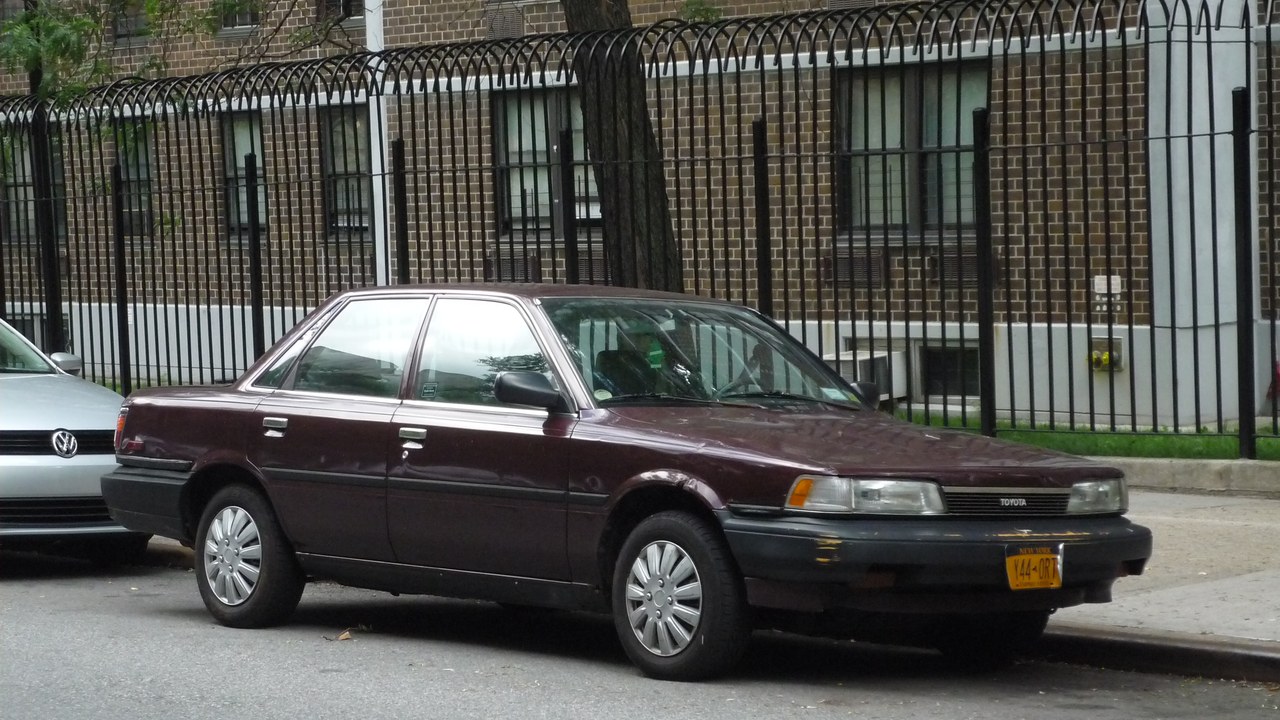
The Toyota Camry appears in an NHTSA vehicle record with a motorized shoulder belt that had no disconnect. Even so, the separate lap belt still required fastening, so the automatic part of the system covered only the shoulder strap.
For anyone who owns or restores one of these sedans, the practical point is simple: the moving strap was never the whole restraint. This applies to historic U.S.-market automatic-belt versions, not every year, market or body style of the Camry.
2. Mitsubishi Eclipse: A Strap That Slid Itself
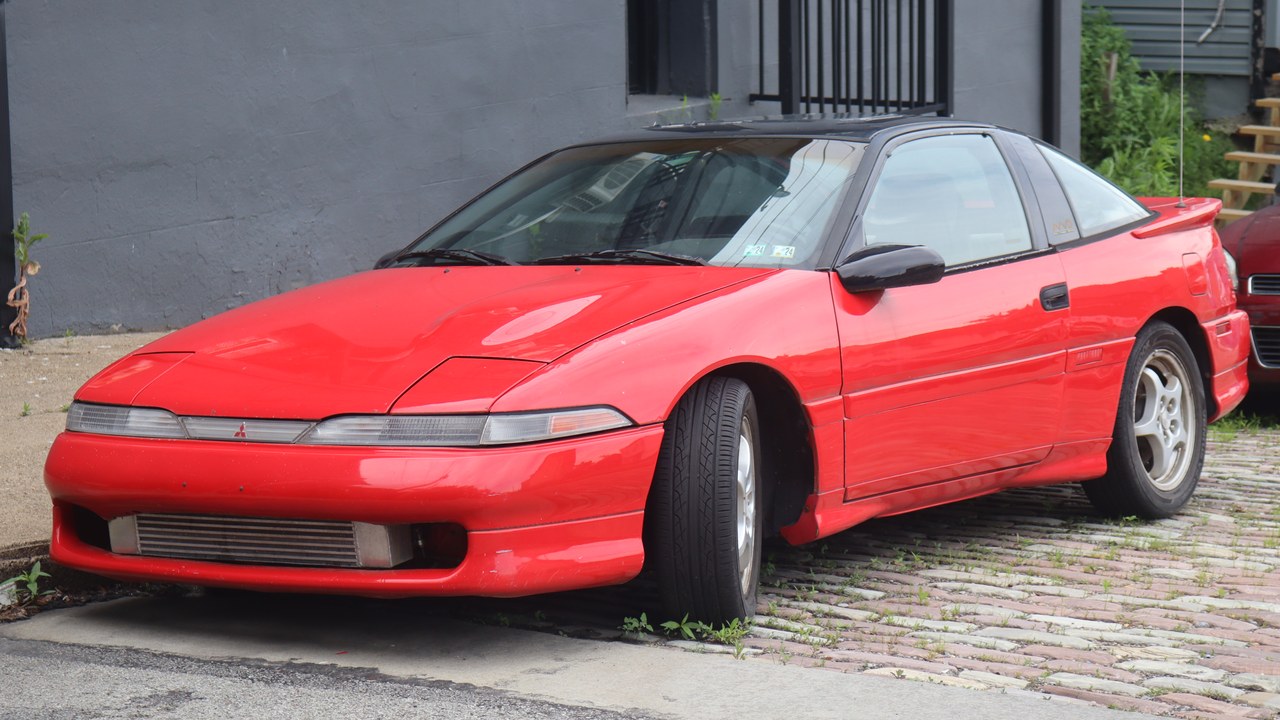
NHTSA’s list places the Mitsubishi Eclipse among cars with a motorized shoulder restraint, paired with a lap belt that was fastened separately. The sporty coupe therefore belongs in this federal restraint listing alongside far more sedate cars.
Buyers of a surviving Eclipse should expect the same two-step arrangement the listing describes. As with the rest of this gallery, the finding covers historic U.S.-market automatic-belt versions rather than every year, market or body style.
3. Nissan Maxima: Luxury Still Needed a Click
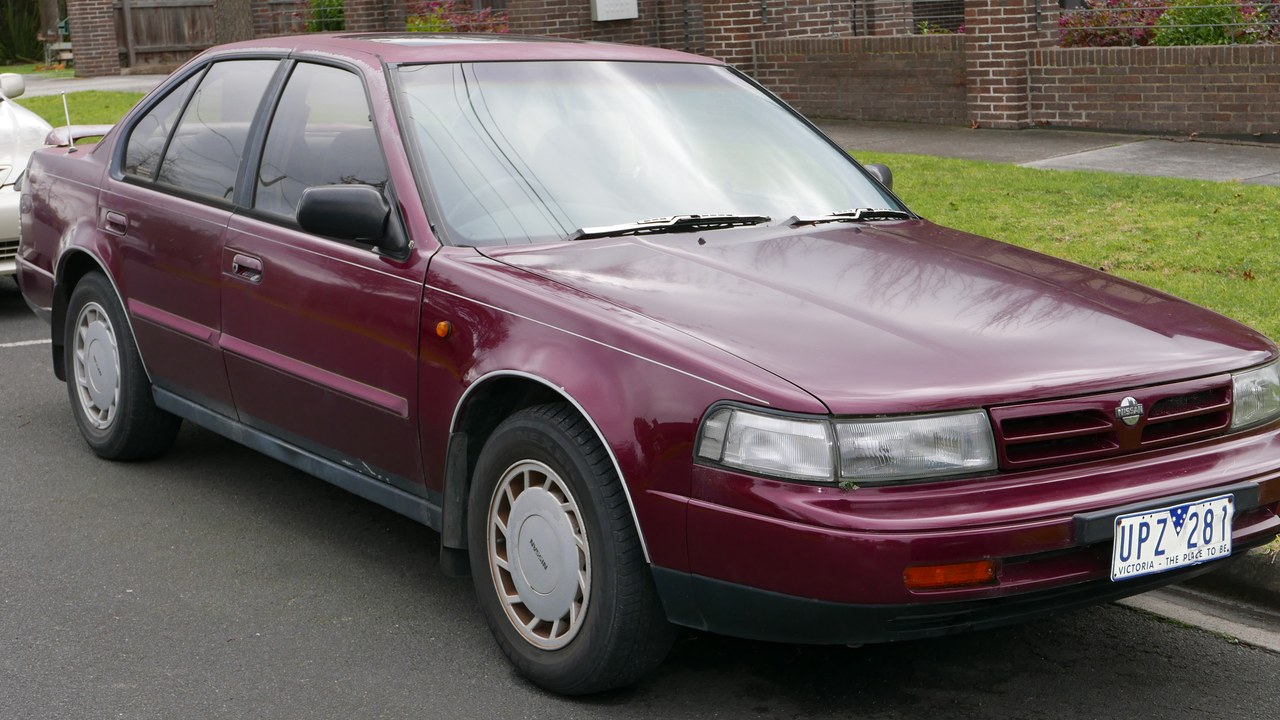
In the agency’s automatic-belt data, the Nissan Maxima carries an automatic shoulder-belt system that still left the lap belt as a manual step. The Japanese sport sedan’s passive hardware handled one strap and handed the other back to the occupant.
Anyone shopping for a clean example of this era should treat the lap belt as a normal part of getting in. The scope is historic U.S.-market versions, so other years, markets and body styles may differ.
4. Subaru Legacy: Early Legacy, Manual Lap
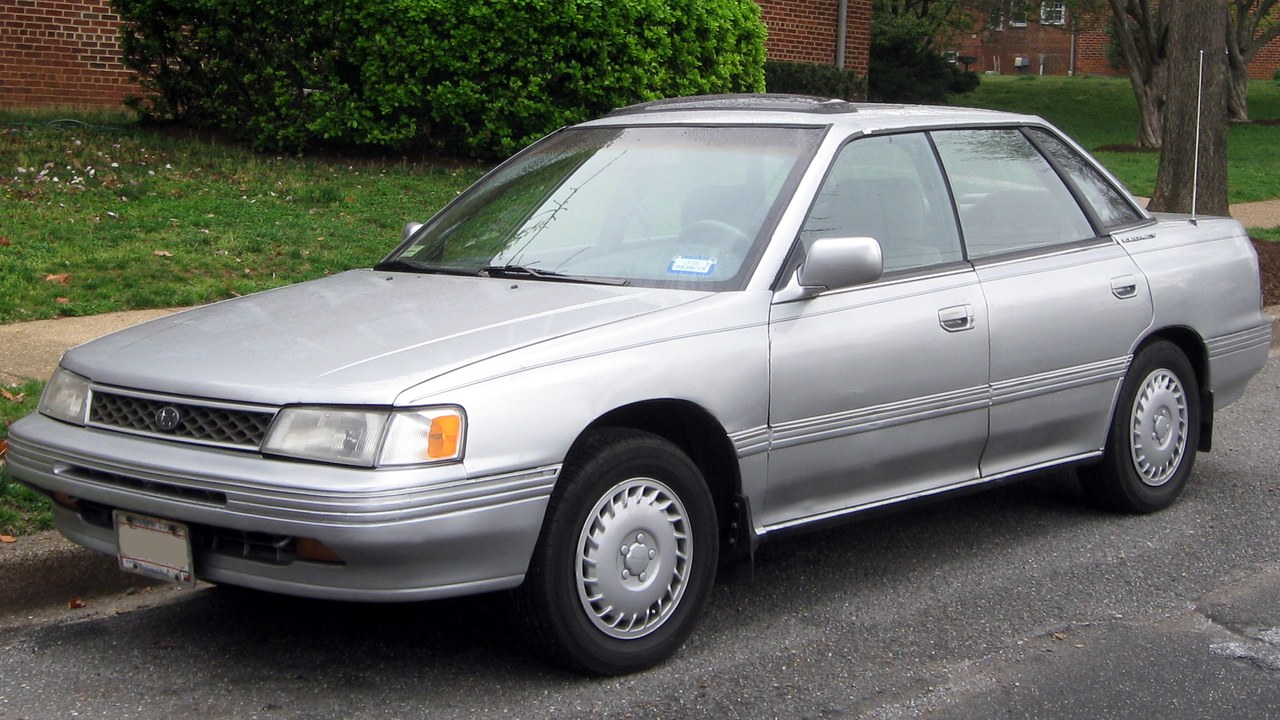
The early Subaru Legacy shows up in NHTSA’s motorized-shoulder-belt group, and that government grouping notes the system supplied a manual lap belt. The Japanese family car thus shared the same half-automatic design as many rivals.
Owners of an early Legacy who wonder why only one belt moves have their answer in the regulation-era design. It also shows how widely the half-automatic approach spread across makers. The record speaks to historic U.S.-market versions, not every year, market or body style.
5. Volkswagen Golf: Door-Mounted and Half Done
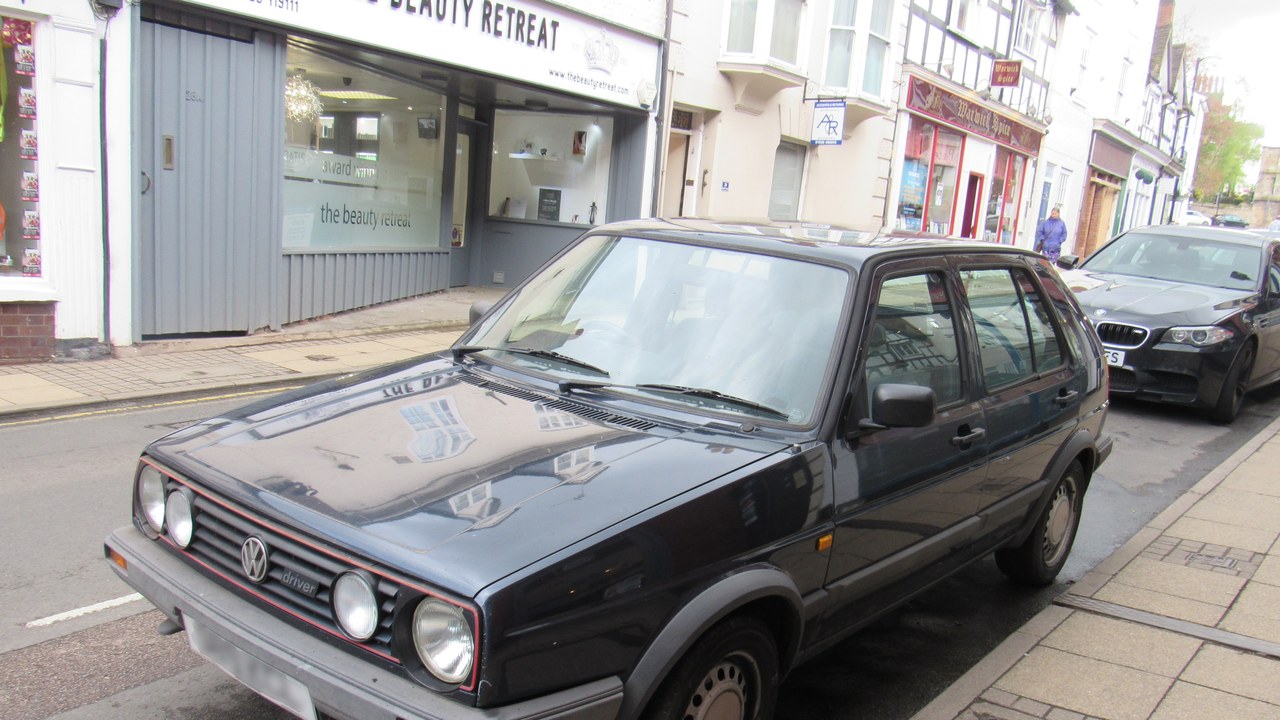
For 1990, Volkswagen added a separate, manually buckled lap belt to the Golf’s door-mounted shoulder belt, as Curbside Classic reports. The change shows that the automatic strap alone was not treated as a complete restraint.
A reader hunting for a Mk2 Golf from that period should expect to buckle the lap portion every time. The detail is a useful check for anyone judging how original a surviving car’s belts are. The account covers historic U.S.-market versions, and not all years, markets or body styles.
6. Volkswagen Corrado: Coupe With a Catch
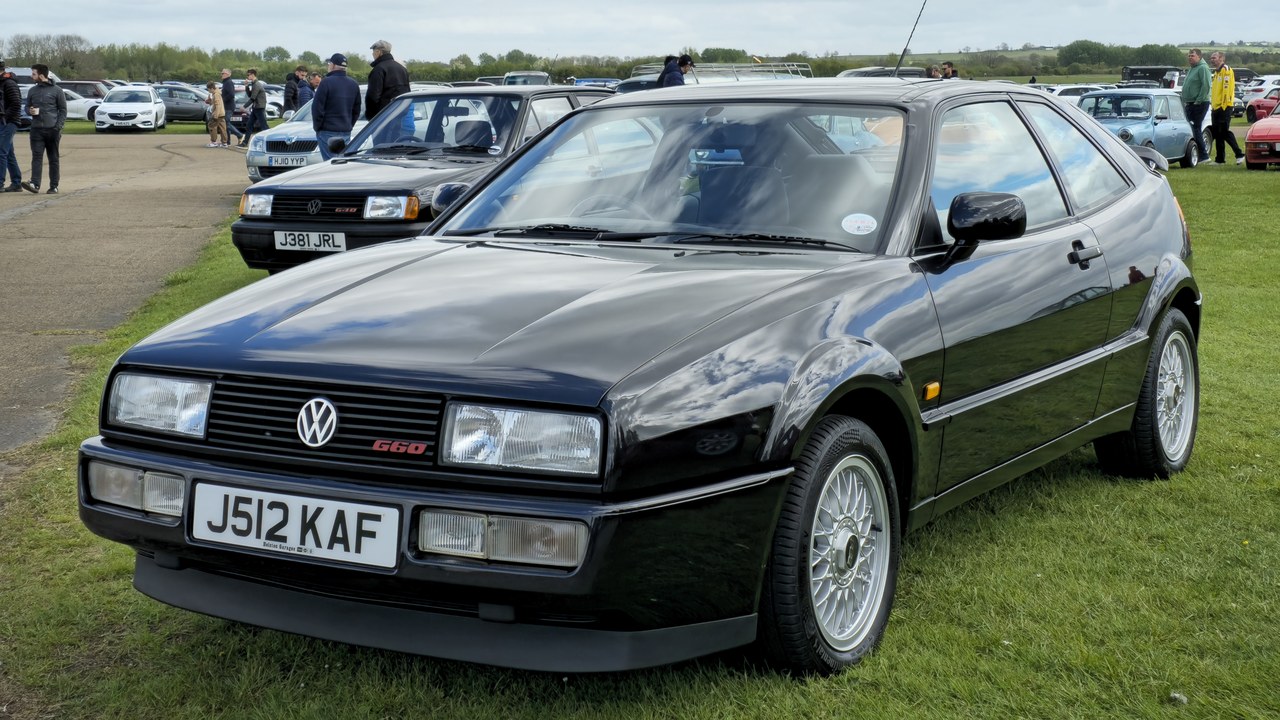
The sleek Volkswagen Corrado paired its motorized front shoulder belts with manual lap belts, according to this Volkswagen history. Even a performance-minded coupe relied on the occupant to finish the job at the hip.
Corrado shoppers and restorers should check that both belt types work, since the system depended on each. Original hardware can be hard to judge from outside, so a careful inspection matters. The detail applies to historic U.S.-market versions rather than every year, market or body style.
7. Volkswagen Fox: Small Car, Same Routine
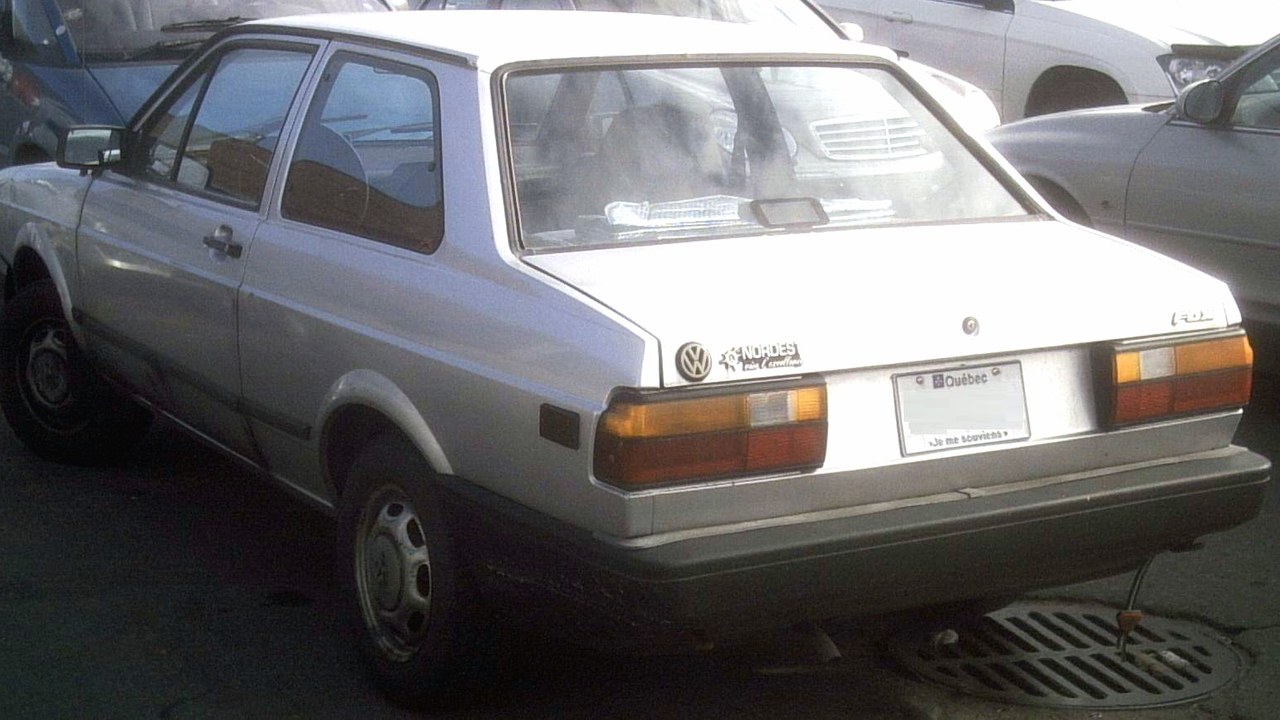
The U.S. Volkswagen Fox kept a separate manual lap belt alongside its automatic shoulder-belt arrangement, a point recorded in the Curbside Classic piece. The budget compact followed the same pattern as its larger Volkswagen siblings.
Anyone who runs across a Fox should not assume the passive strap does everything. Its small size did not change the arrangement, and the lap belt remained a daily step for driver and passenger alike. This holds for historic U.S.-market versions, not for all years, markets or body styles.
8. Volkswagen Passat: Moving Belt, Manual Buckle
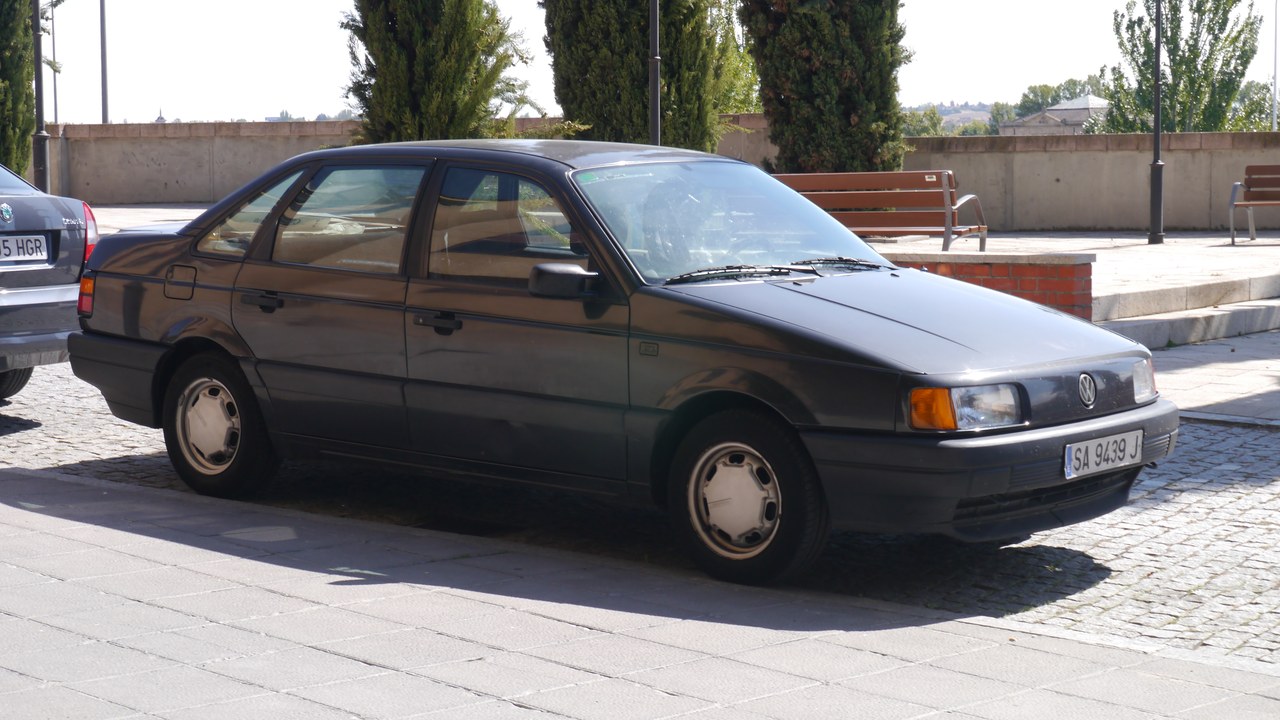
A moving shoulder belt did not remove the need to buckle the Passat’s lap belt, which Curbside Classic notes in its survey of Volkswagen’s passive restraints. The family sedan could look automatic from the shoulder while still asking for one deliberate action.
Passat owners and collectors can treat the lap belt as a required habit, not a leftover. The point is limited to historic U.S.-market versions, and not all years, markets or body styles.
9. Hyundai Excel: Fixed to the Door
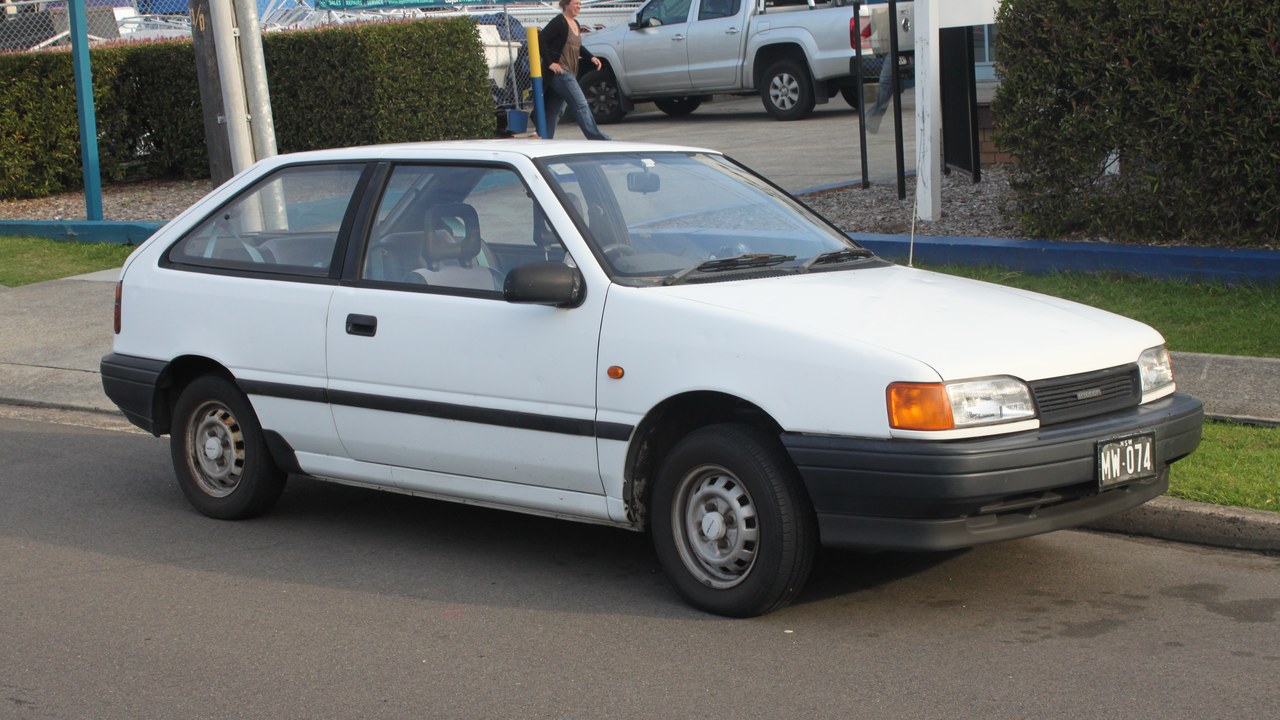
On the U.S. Hyundai Excel, the non-motorized shoulder belt was attached to the door, and the lap belt had to be fastened manually, per the seat belt overview. The small Hyundai used a simpler mechanism than the motorized systems.
That makes the Excel a reminder that automatic did not always mean motorized. Readers comparing these cars should note the difference between a door-attached strap and a motor-driven one. The description covers historic U.S.-market versions, not every year, market or body style.
10. Volkswagen Jetta: Automatic, Not Motorized
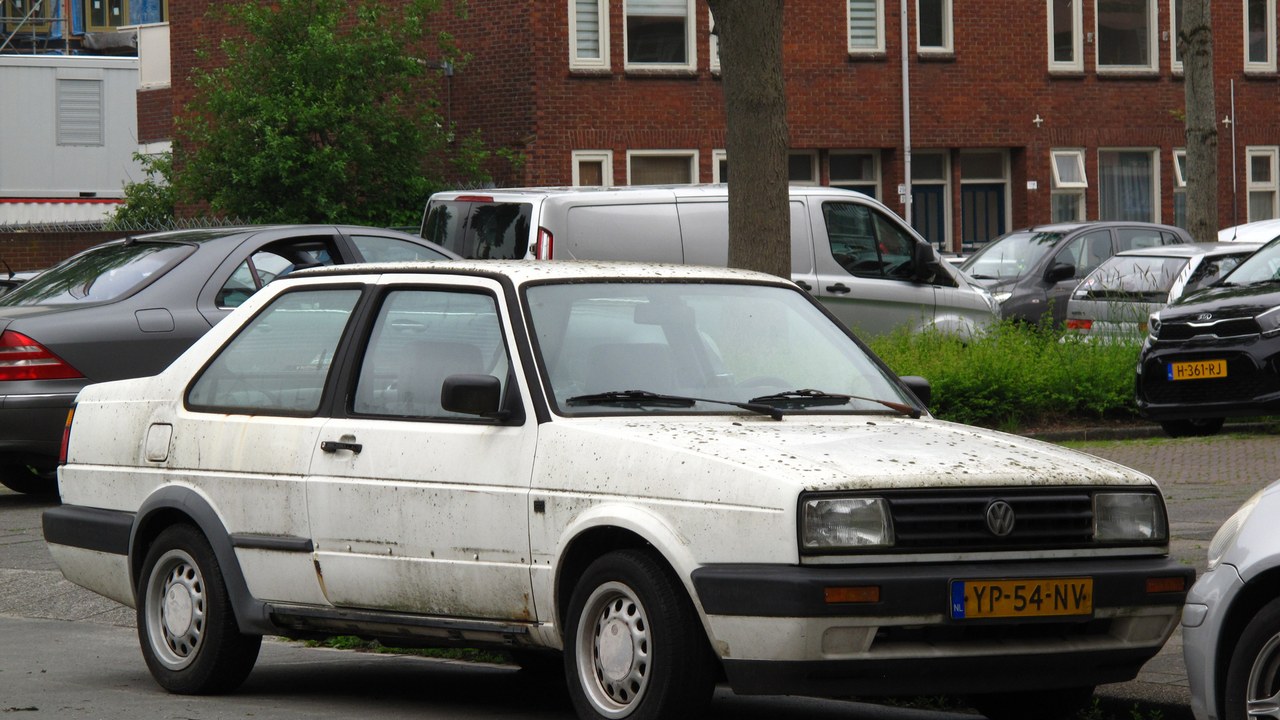
The Volkswagen Jetta used an automatic, non-motorized shoulder-belt system that still required a manually fastened lap belt, as the general belt reference describes. The notchback sedan thus joined its Golf cousin in leaving a buckle to the occupant.
Jetta fans should know the door-mounted strap was only part of the design. Anyone evaluating a survivor should expect the lap belt to matter just as much as the shoulder strap. The reference concerns historic U.S.-market versions rather than every year, market or body style.
11. Nissan 240SX: Closed Roof, Motor Drive
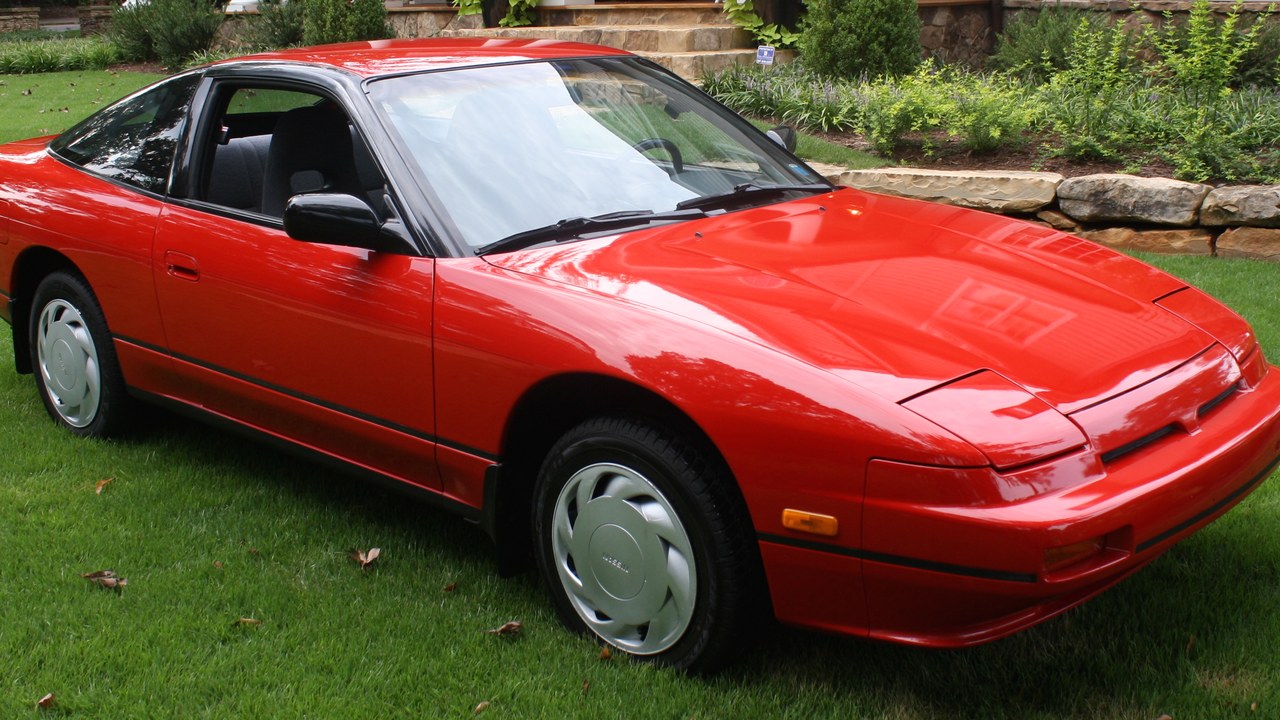
The conventional closed-roof Nissan 240SX used a motorized shoulder belt, unlike the convertible’s different passive-belt arrangement, according to the seat belt article. Body style mattered here, because the coupe and the open car did not share one approach.
A buyer comparing a 240SX coupe with a convertible should look at which restraint hardware each carries. The distinction is a handy way to avoid assuming that two cars of one model share the same belt system. The claim covers historic U.S.-market versions, not all years, markets or body styles.
12. Toyota Cressida: Where Motors Began
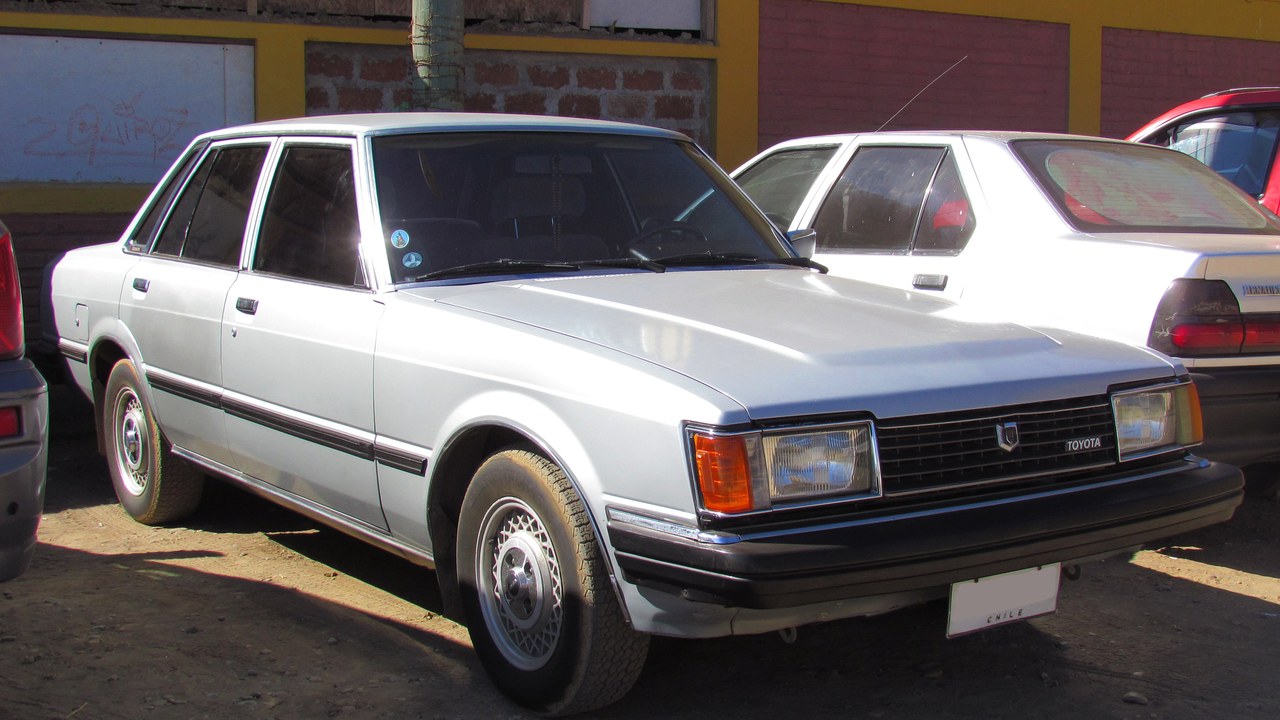
The 1981 Toyota Cressida introduced motorized passive belts, and the seat belt history describes the moving shoulder strap as part of a system with a manually fastened lap belt. The Japanese sedan is a notable early example of the approach.
Collectors of the Cressida can point to it as an early case of the half-automatic idea. It also helps explain why later cars from other makers followed a similar path. This applies to historic U.S.-market versions, not every year, market or body style.
More from Morning Overview
- Regulators cleared the first U.S. small modular reactor, 4 months early
- Lake Powell sank to a record 3,517 feet, nearing the level that stops Glen Canyon Dam’s turbines
- Seven of Earth’s nine planetary boundaries are breached, and all seven are worsening
- The NSA says three phone features should be off whenever you aren’t using them
