
Many of the foods that fill a pantry or fridge were never meant for a dog’s bowl. Veterinary and government sources flag everyday items as hazards, and some sound harmless until they are named. Here are twelve kitchen foods that can make a dog sick, each backed by a published pet-safety source.
1. Chocolate: Sweet Treat, Real Hazard
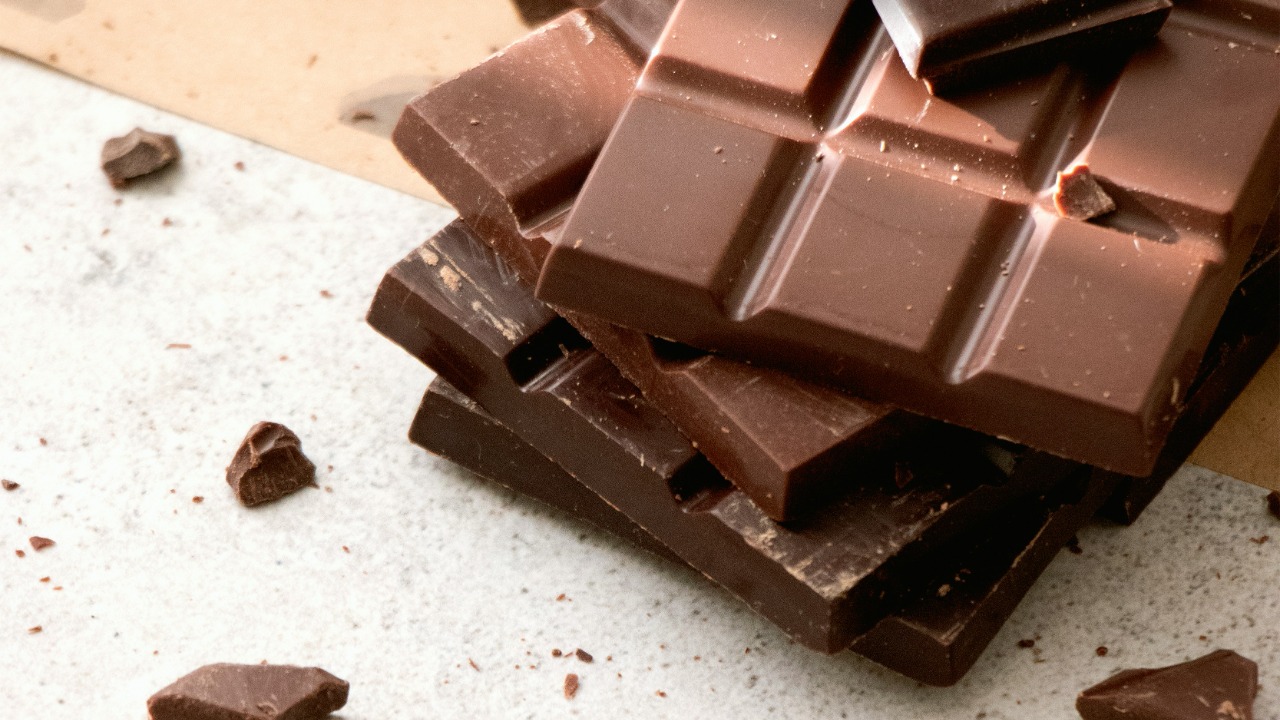
Chocolate is among the hazardous foods for pets on the FDA’s list, as its pet danger guidance shows. Risk depends on the animal and the amount, so a small taste is not automatically the same as a large one.
A dog that has eaten chocolate is a matter for a veterinarian, who can judge the situation. Contacting a veterinarian or a pet poison hotline promptly is the safer path than guessing at what is harmless. Dosing questions are for professionals, not for guesswork at home.
2. Grapes: Snack With a Catch
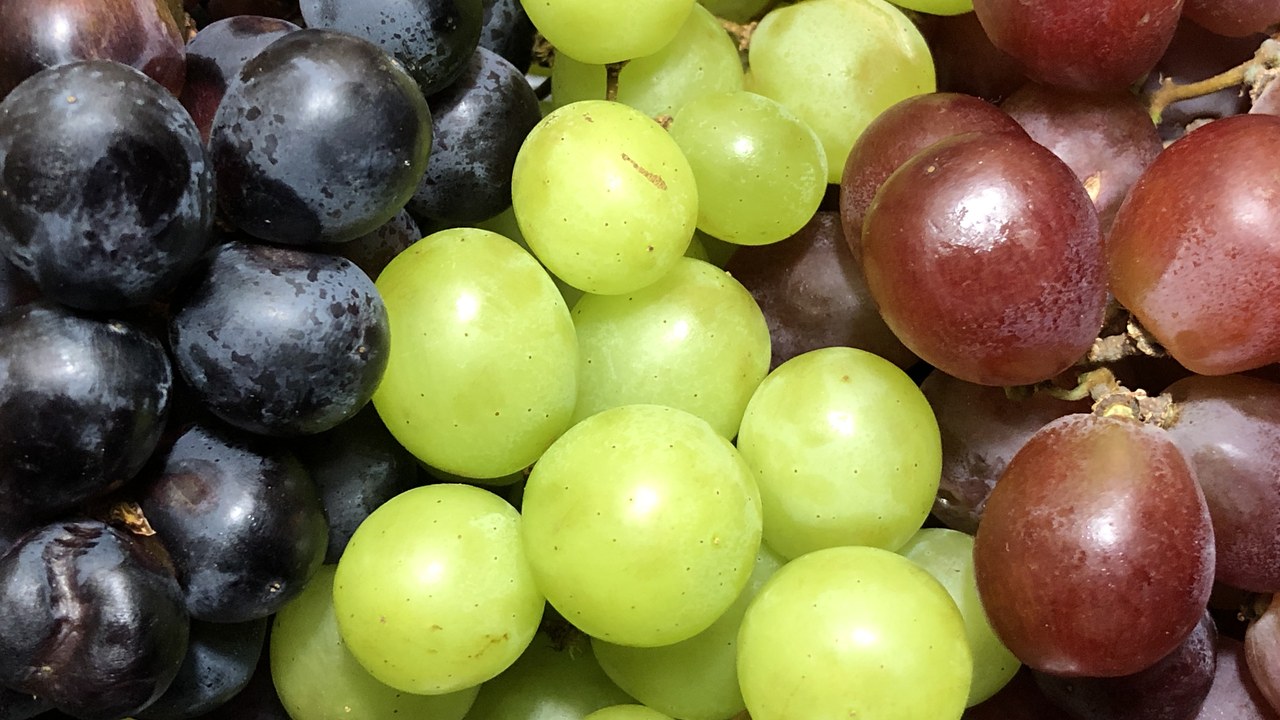
People commonly snack on grapes, yet the FDA lists grapes and raisins as hazardous pet foods in its list of dangerous items. The familiar lunchbox fruit has no place in a dog’s treat routine.
Owners who find a dog has eaten some should call a veterinarian instead of waiting to see what happens. Dried or fresh, the fruit is the same concern, and professional advice should guide the next step.
3. Macadamia nuts: Nut Worth Hiding
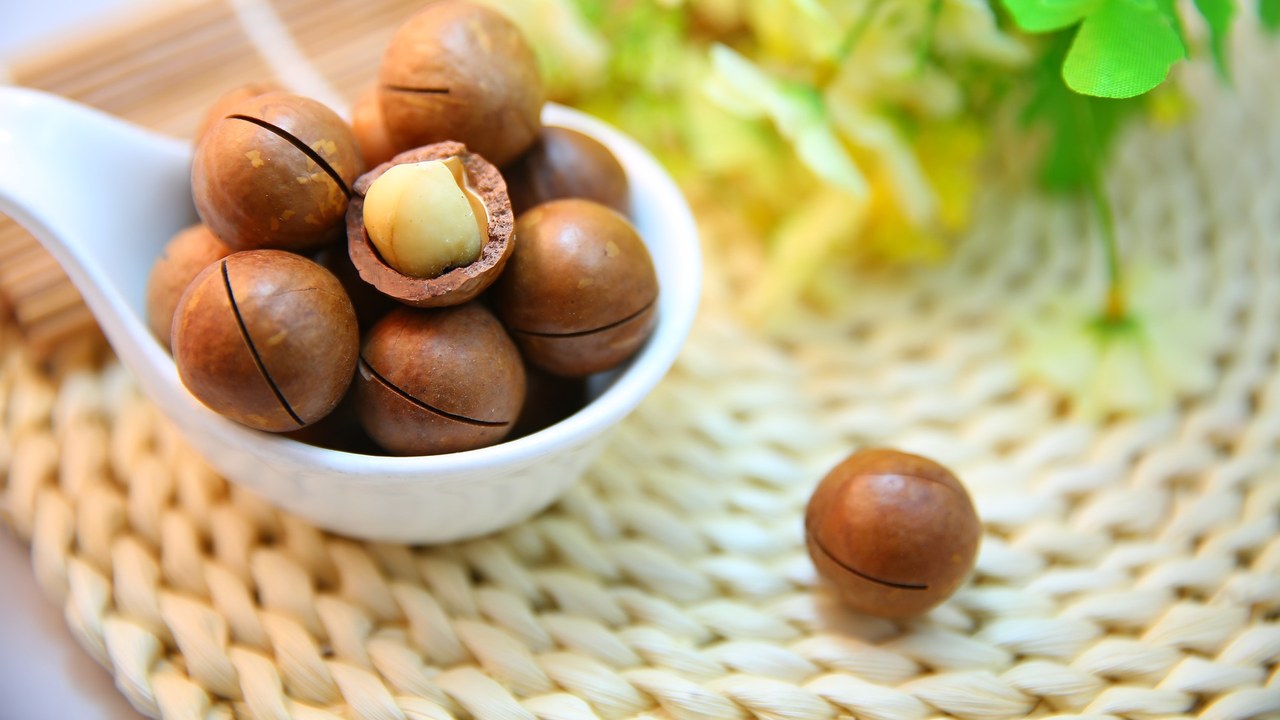
The FDA identifies macadamia nuts as a food hazard for pets, according to its pet hazard overview. They turn up in cookies and snack mixes, which makes them easy to overlook around the house. Roasted and salted varieties are still the same nut.
Households that bake with them should keep jars and cookie plates out of a dog’s reach. After any suspected ingestion, a veterinarian is the right call for advice specific to that animal.
4. Alcoholic drinks: Not a Shared Drink
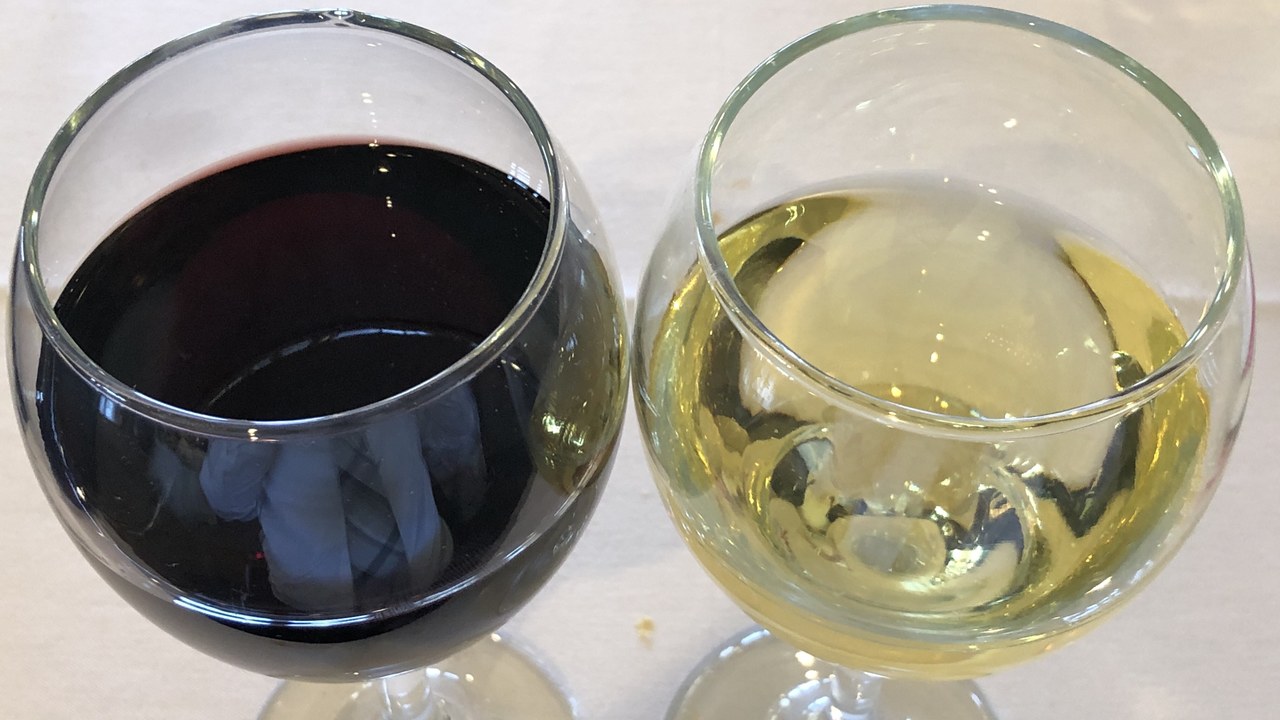
Alcohol-containing drinks and foods appear on the FDA’s list of edible pet hazards, per the agency’s guide to pet dangers. A spilled cocktail or a dessert made with liquor can fall into that category. Foods are included as well as beverages, so desserts and sauces count too.
Hosts should clear glasses and plates after gatherings, since a curious dog may lap up what is left. A veterinarian can advise on any suspected exposure, and delay is not a good plan.
5. Coffee: Morning Cup, Midnight Trouble
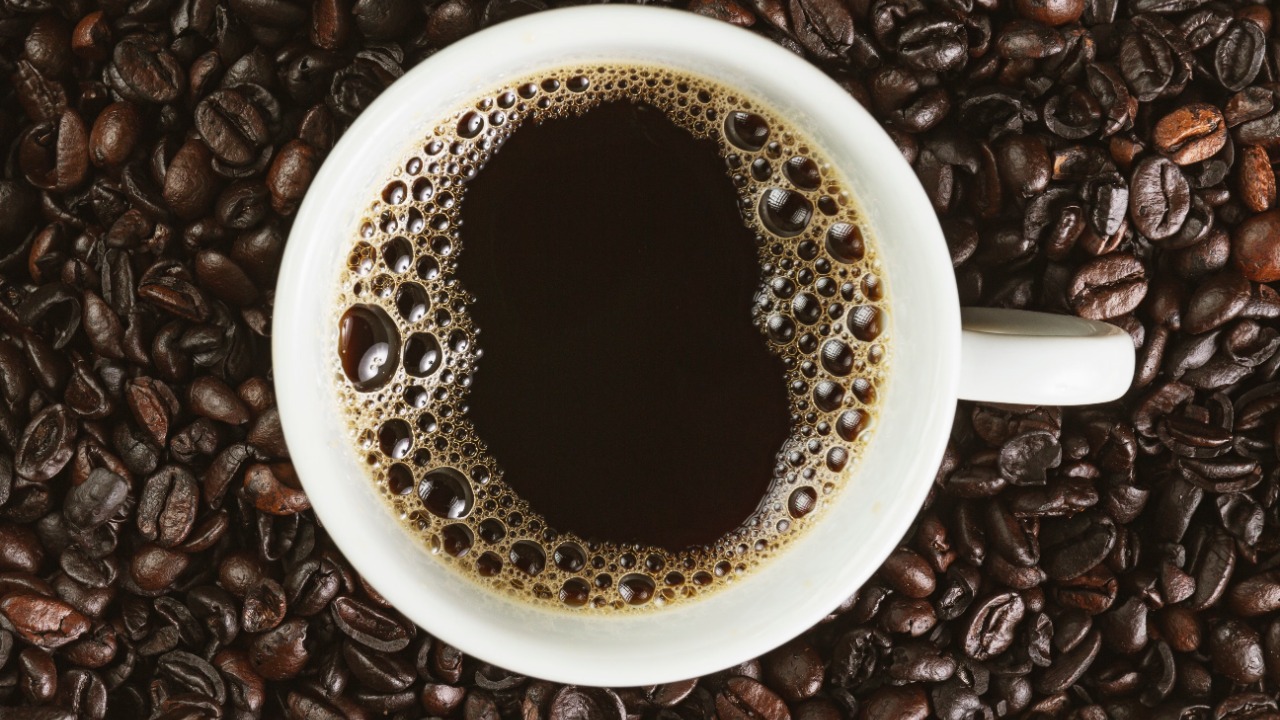
Caffeine-related methylxanthines can cause heart-rhythm and neurological problems in pets, the ASPCA’s food warning explains. Coffee brings that compound into the kitchen every morning, along with the grounds and beans that sit nearby. The concern is a pet’s heart and nervous system.
Mugs, used grounds and similar items belong out of reach of a dog. If any is eaten, contacting a veterinarian or poison-control service is the sensible response rather than home remedies.
6. Raw yeast dough: Dough That Keeps Rising
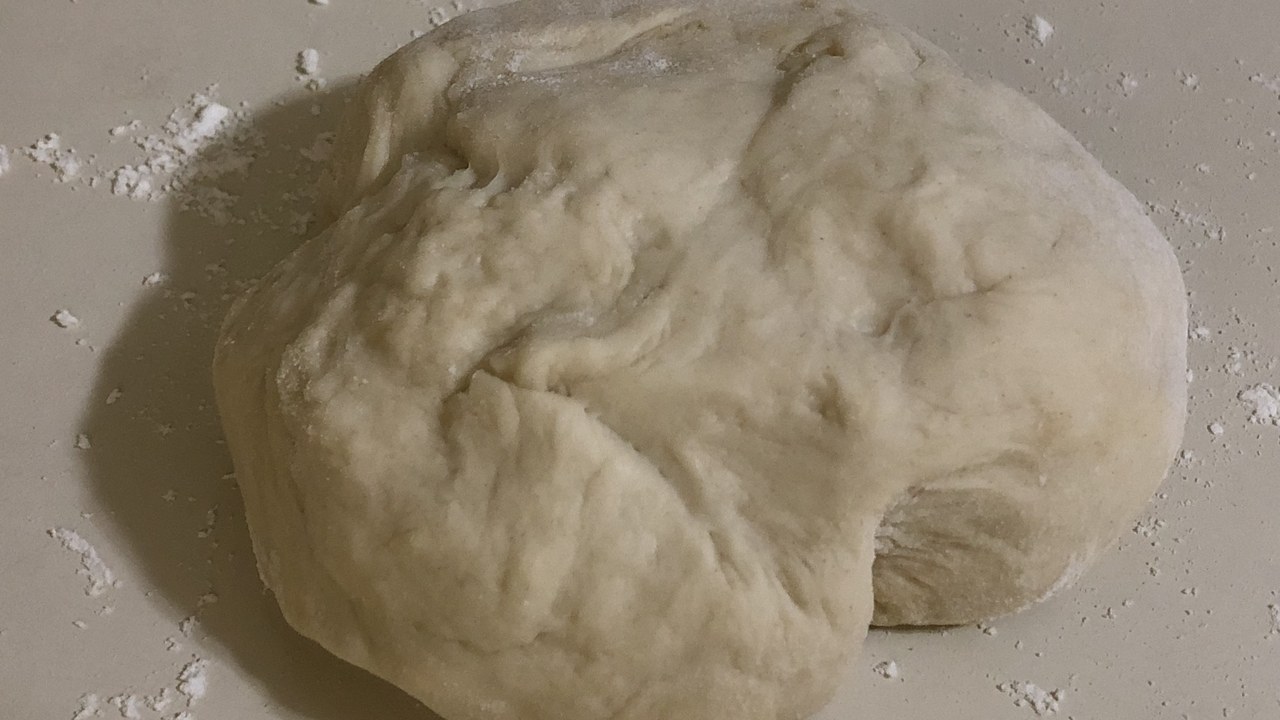
Unbaked yeast dough can expand in the digestive tract and also produce alcohol, notes the ASPCA’s people-food list. The danger comes from both the swelling and the fermentation. Rising dough is therefore a double concern rather than a simple stomach upset.
Bakers who proof loaves on a counter should keep the bowl well away from dogs. A veterinarian should be contacted at once if raw dough is swallowed, since the guidance describes more than one risk.
7. Milk: Dairy Dilemma
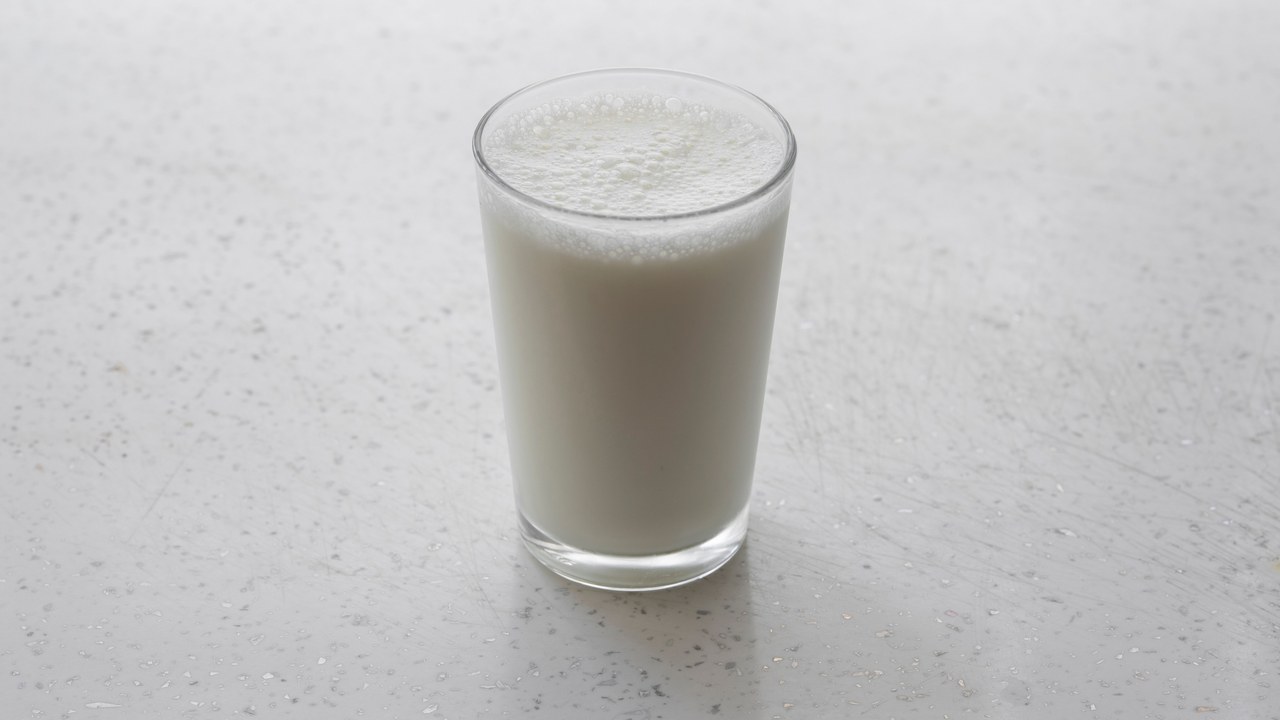
Low lactase levels can leave pets with diarrhea or other digestive upset after dairy, the ASPCA people-foods page says. Milk may feel like a gentle gesture, yet it can leave a dog with an upset stomach.
That does not make milk the most dramatic item here, but it still matters to owners who pour leftover milk into a dog’s dish. A veterinarian can suggest what is suitable for a particular dog.
8. Walnuts: Fats in the Nutshell
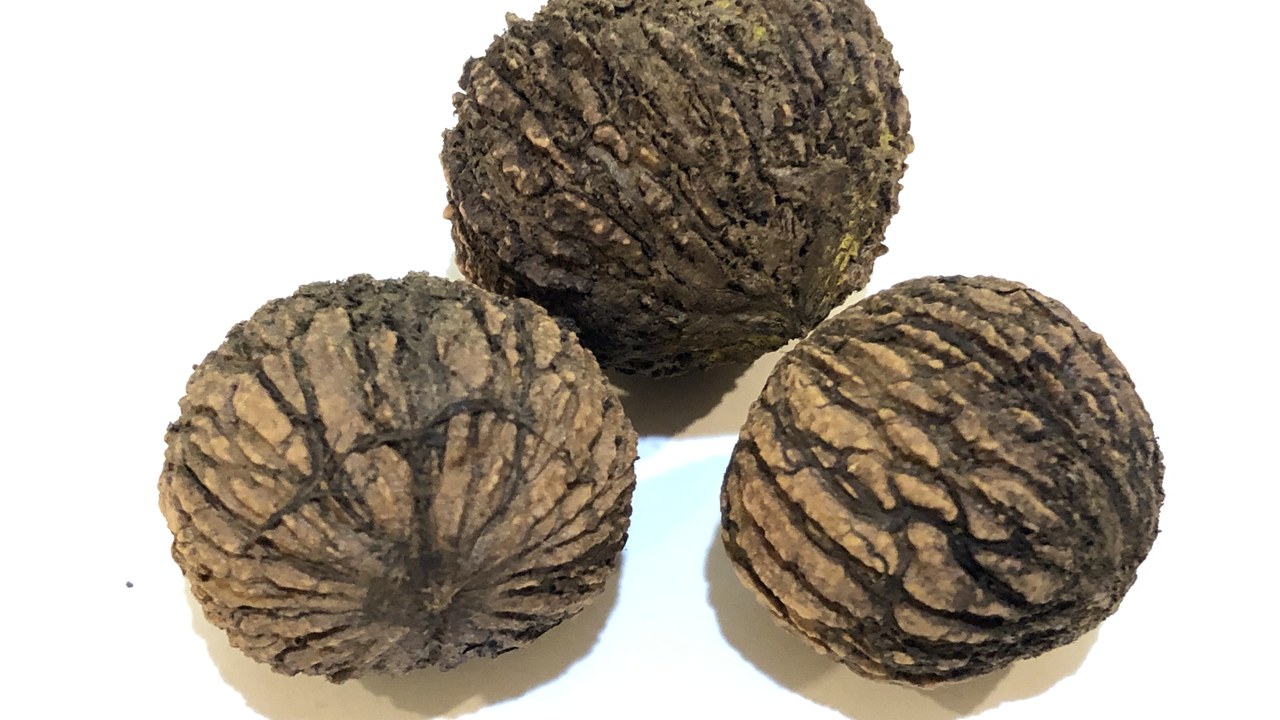
The oils and fats in walnuts can cause vomiting or diarrhea and sometimes pancreatitis in pets, ASPCA guidance states. A handful dropped from a baking project can carry that risk. Pancreatitis is one of the outcomes the source names.
Pet owners should treat a bowl of mixed nuts as a hazard, not a harmless snack. A veterinarian is the proper contact if a dog has eaten walnuts or shows signs of illness.
9. Onion: Delayed Warning Signs
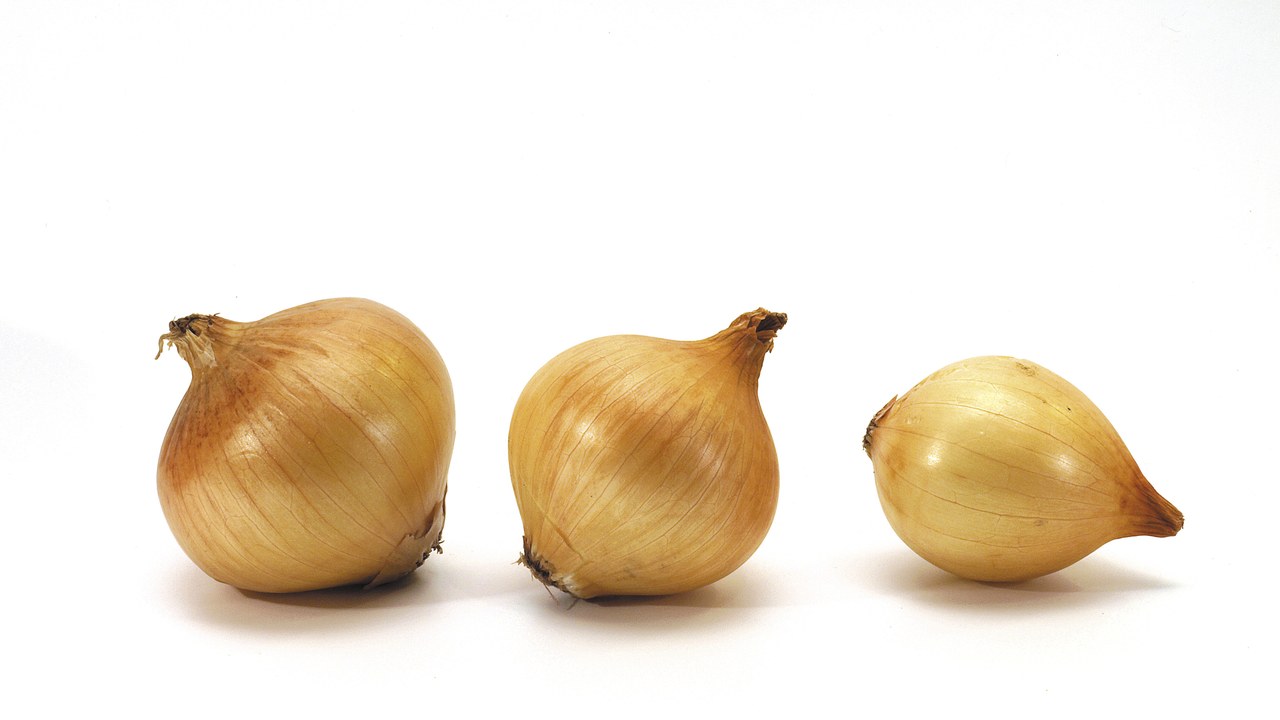
Raw, cooked and concentrated onion can damage red blood cells, and symptoms can be delayed, according to the Merck Veterinary Manual. A dish that has been cooked does not erase the concern. The red blood cells at stake are the ones that carry oxygen.
Because signs may not appear right away, owners should not wait for symptoms before calling. A veterinarian can assess a dog after any suspected onion eating, including food from the table.
10. Garlic: Allium Family Member
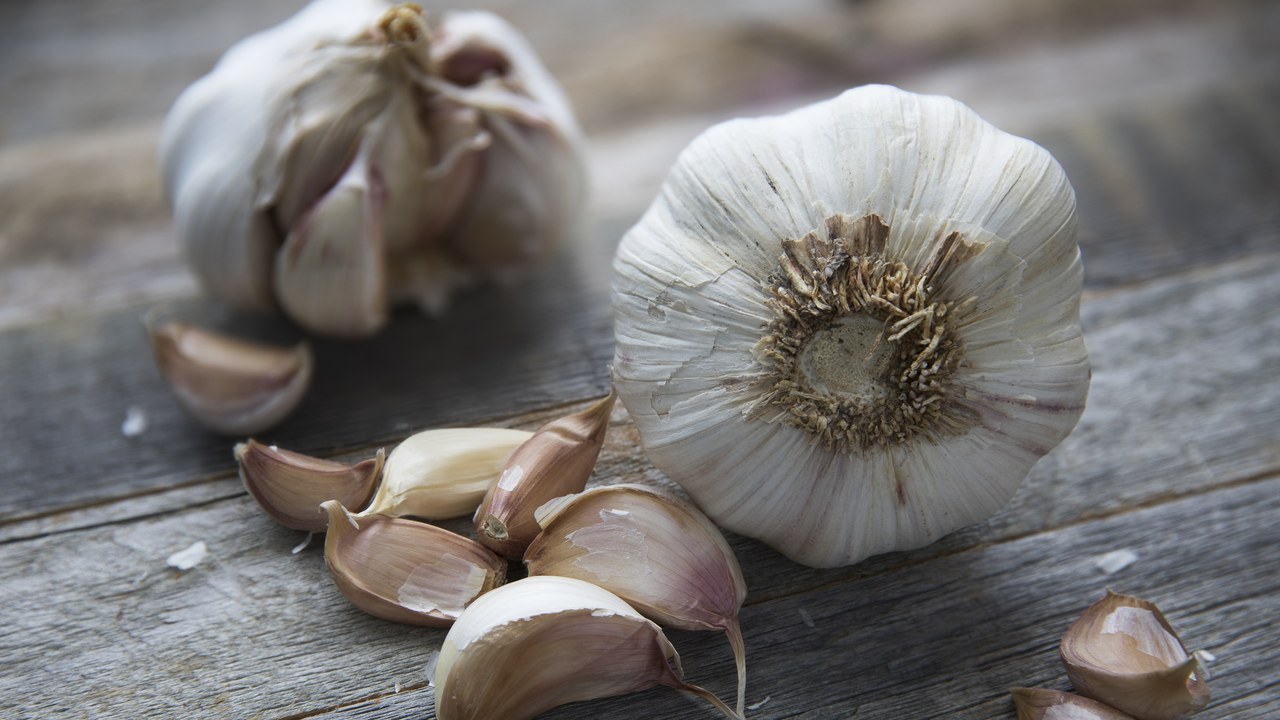
Garlic belongs to the Allium group implicated in hemolytic anemia in dogs and cats, as the Merck manual entry explains. It is a staple of seasoning, which makes accidental exposure more likely.
Cooks who season generously should keep scraps and plates away from pets. A veterinarian is the best source of advice for a dog that has eaten garlic in any form. Garlic often hides in sauces and seasoned dishes, so label and recipe checks matter.
11. Chives: Green Garnish, Same Group
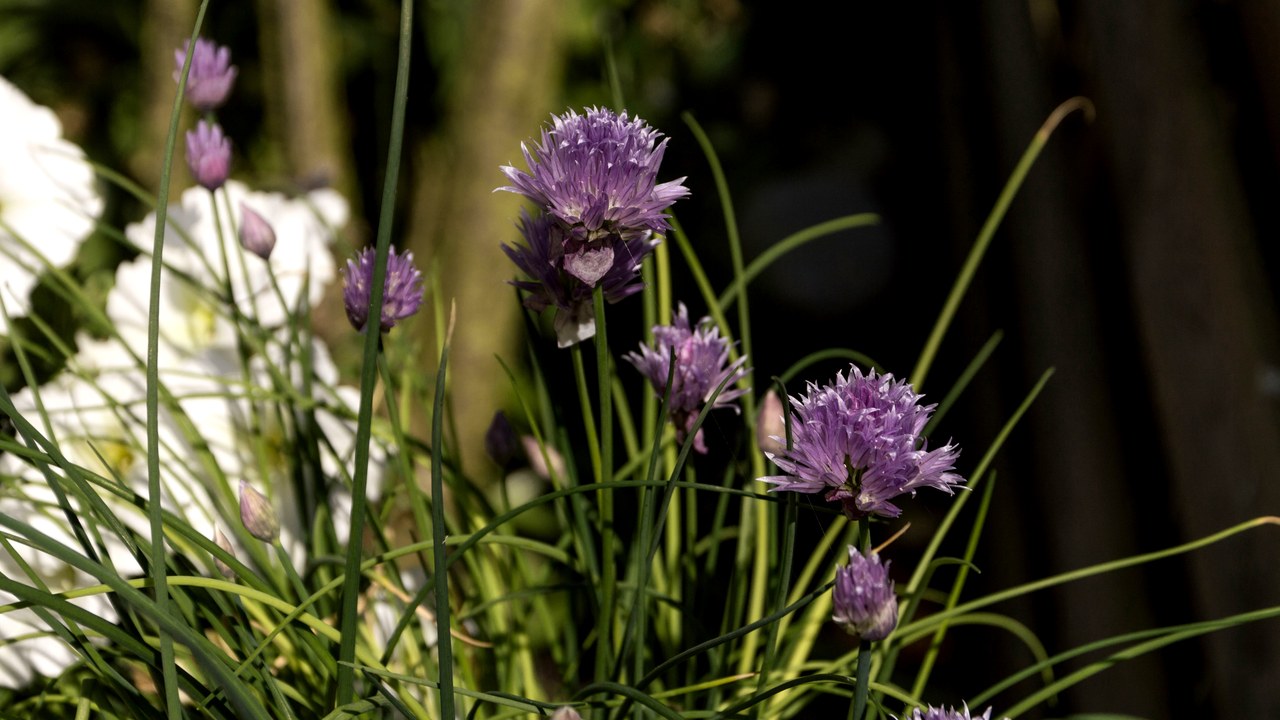
Chives are among the Allium foods in Merck’s animal-toxicity guidance, as the veterinary toxicology guide lists them. The delicate herb is a common garnish on baked potatoes and eggs. Merck groups it with garlic and onion in a single guidance page.
A small snip on a plate may not look like a threat, but owners should keep it out of a dog’s reach anyway. A veterinarian can answer questions about any chive exposure.
12. Leek: Human Food Is Not Dog Safe
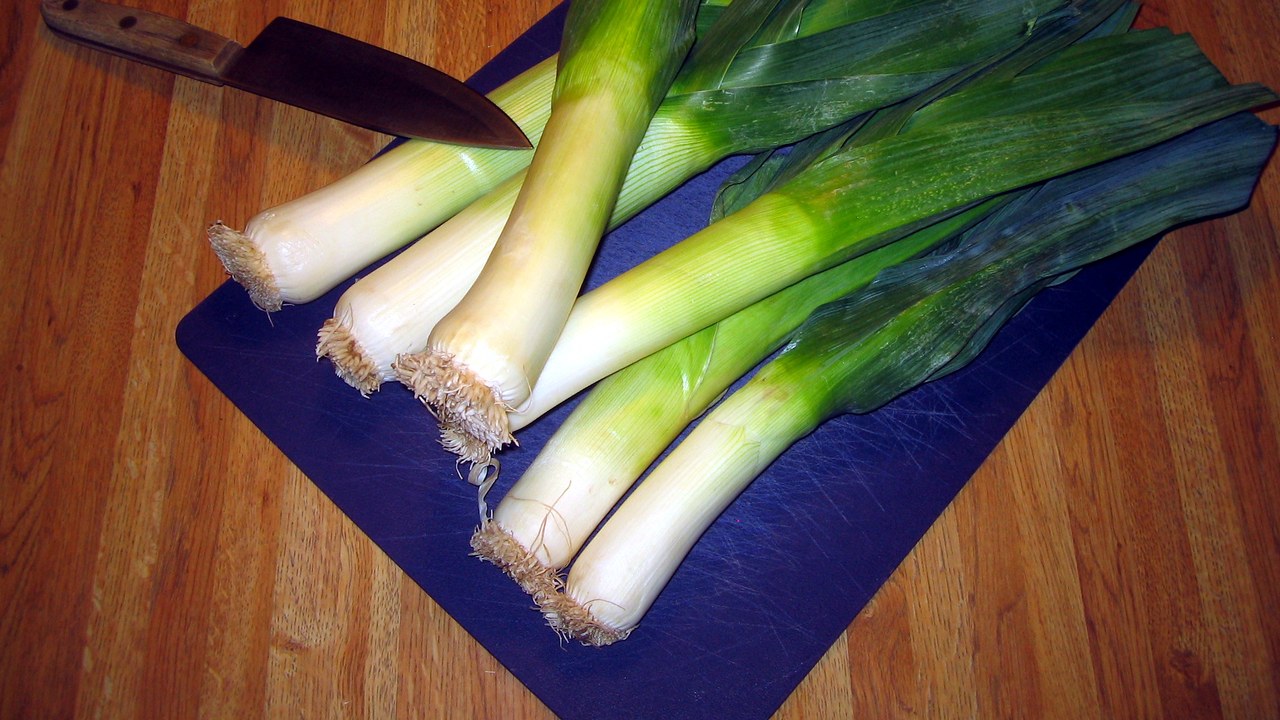
Leeks belong to the same Allium group, and being a human food does not establish safety for a dog, the Merck Veterinary Manual makes clear. The mild vegetable shares the family concern. Its long white stalks and green tops are part of many recipes.
Soups and stews that contain leeks should stay away from a dog’s bowl. A veterinarian can advise what is safe, and contacting one is the right step after any suspected eating.
More from Morning Overview
- The NSA says three phone features should be off whenever you aren’t using them
- Hurricane Hunter radar shows four warning signs that a tropical cyclone is about to strengthen, a University of Miami study found
- Tropical Storm Rachel is dumping up to 12 inches on four Mexican states on its way to major hurricane strength
- The FTC says Lens.com doubled the price shoppers saw in Google ads
