
Exotic animals are regulated state by state in America, and the rules range from full bans to registration schemes. Some of the listed animals are native, others come from far away, and the legal treatment of each depends on the statute cited. Here are ten animals that states ban or tightly license.
1. Tiger: Texas Registration Required
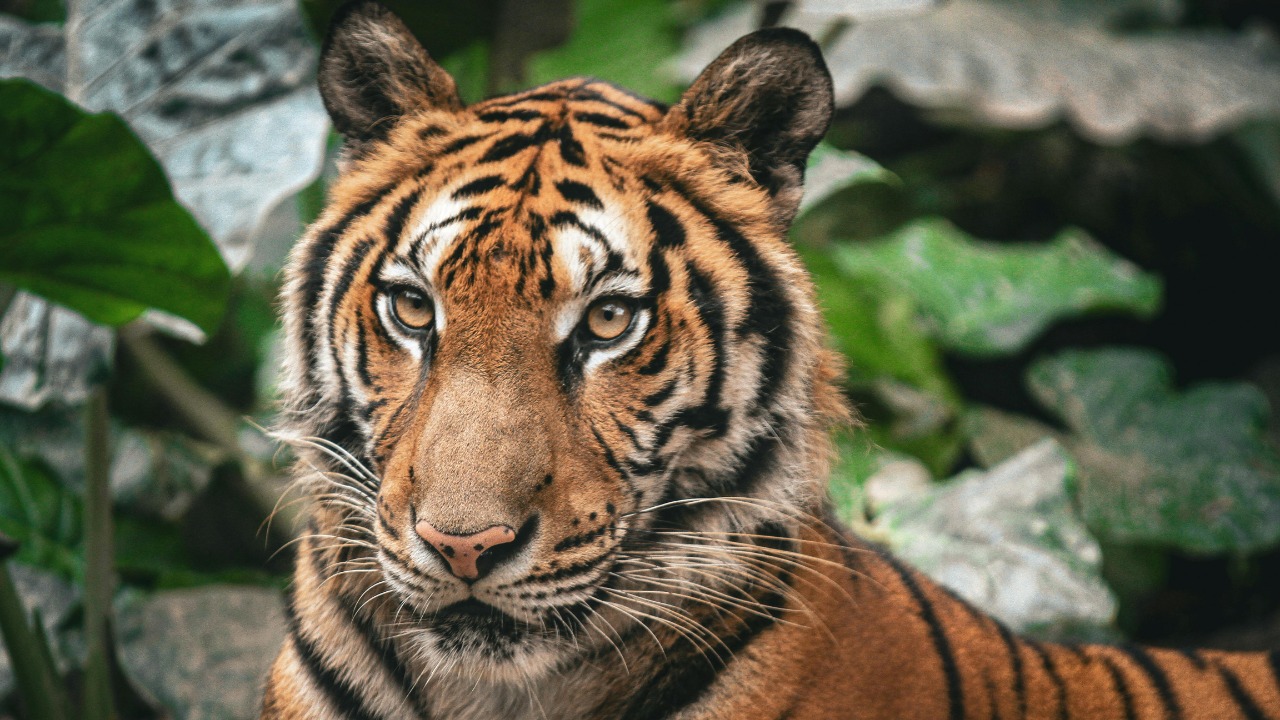
The Texas Health and Safety Code names the tiger in its definition of a dangerous wild animal, and the consequence is practical: keeping one in Texas requires a certificate of registration. The statute lists tigers alongside lions, cougars, leopards and other large carnivores.
The rule is a state one, not a national one. Other states handle tigers through outright bans or different permit systems, so the legal status of the same animal changes at each border. The Texas requirement is a licensing regime rather than a prohibition.
2. Black bear: Wyoming Draws A Line
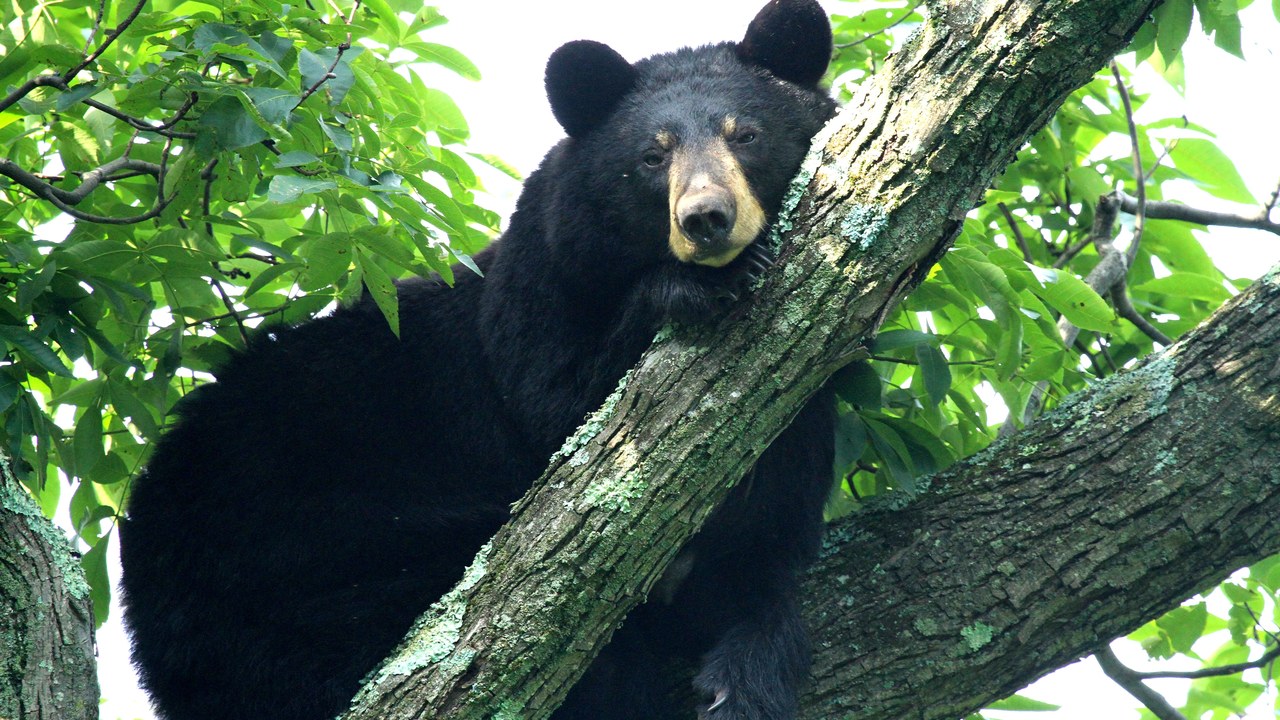
Wyoming restricts private ownership of bears, but the ban is narrow. According to a state-by-state summary from Born Free USA, it covers black bears, grizzly bears and trophy-class bears held privately.
The summary comes from an animal-protection group and carries its own caveat about how current the entries are. Bear rules differ widely across the country, so the Wyoming wording describes one state’s approach only. Anyone needing the current text should consult the state statute directly. The black bear is the species most likely to be seen in the wild across many regions, which makes the legal distinction between wild and captive animals especially relevant.
3. Grey wolf: Wolves And Their Hybrids
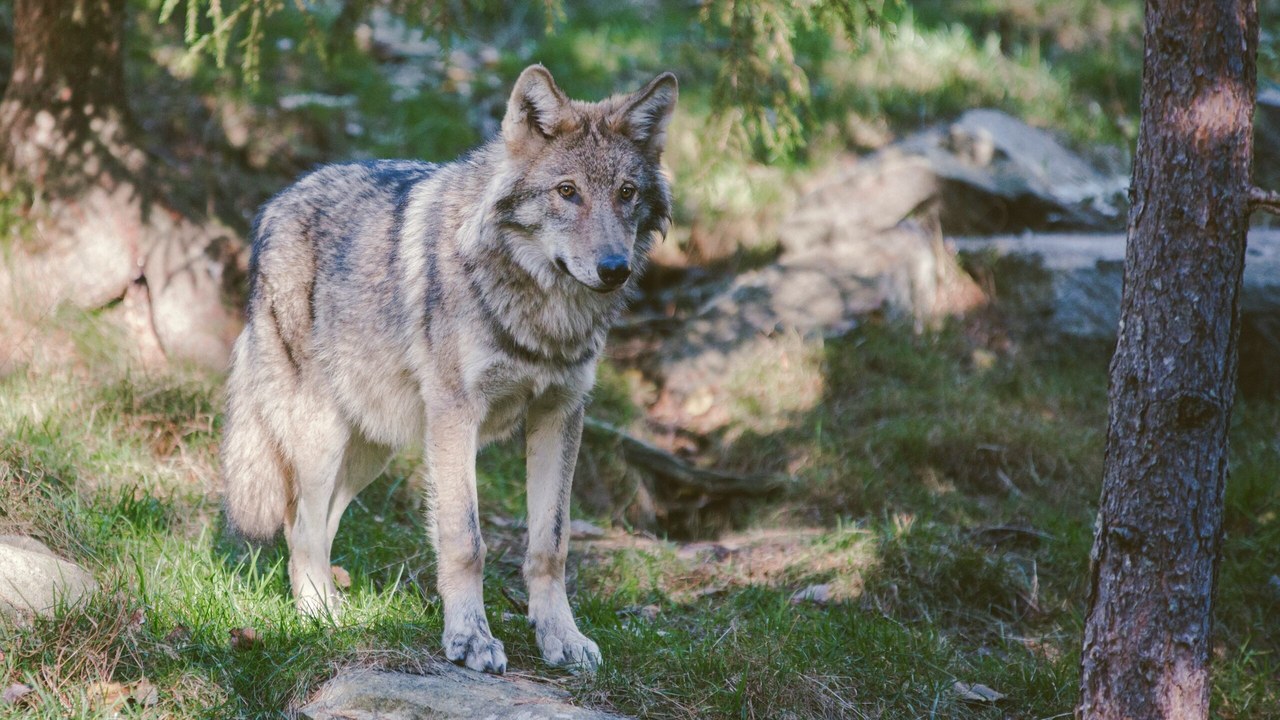
Nebraska bans keeping any wolf, with an exception for animals already in possession when the rule took effect, according to a state-law summary by Born Free USA. Wyoming likewise bans wolves and wolf hybrids.
Including hybrids matters, since crosses between wolves and domestic dogs are often sold under looser labels. Wording on that point varies between states, and the summary notes that its own entries may lag behind later amendments. The two states cited are examples, not a count of every state with a wolf rule.
4. American alligator: Louisiana Bars Possession
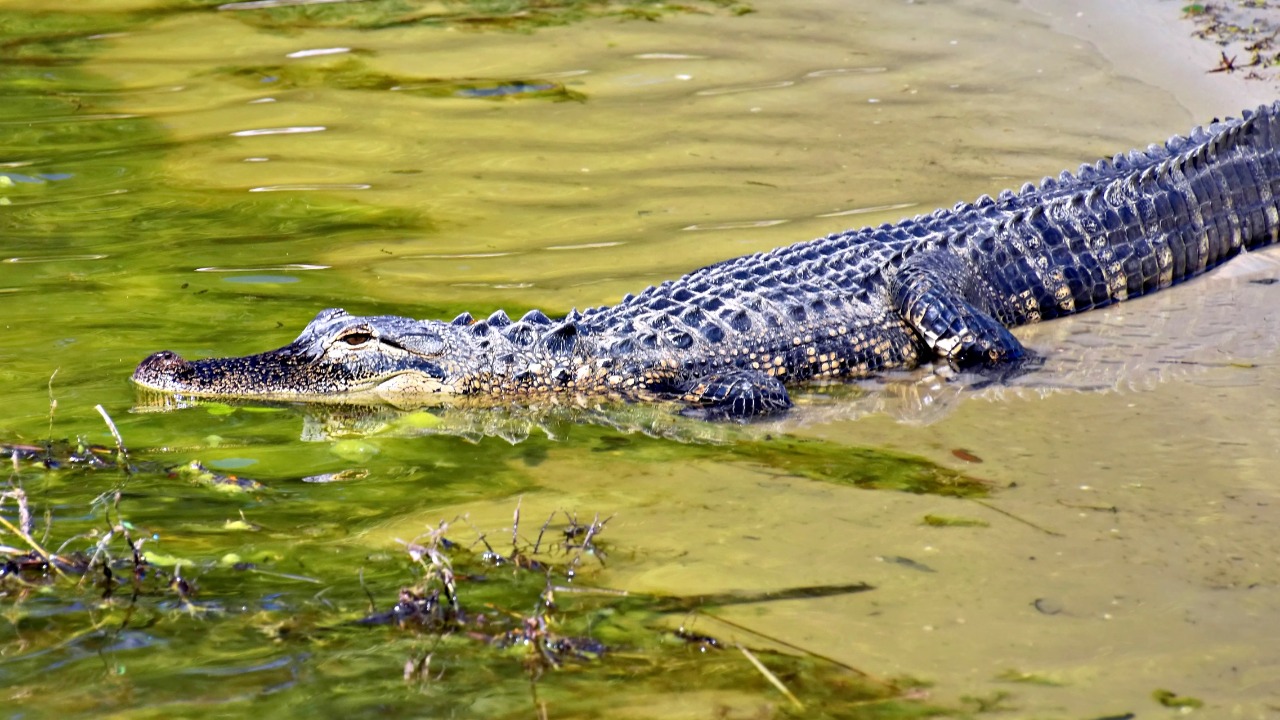
Louisiana’s rule is blunt, and the Born Free USA summary quotes it directly: no person shall take, possess, purchase, or sell alligators or their eggs. The wording covers the animals and their eggs alike.
That makes Louisiana an unexpected entry on a list of exotic animals, because the American alligator is native to the state. Native status does not mean free possession. Wildlife agencies regulate native species too, usually through permits tied to farming, research or exhibition rather than private keeping. Exceptions exist in the statutes.
5. Chimpanzee: A Primate On Texas’s List
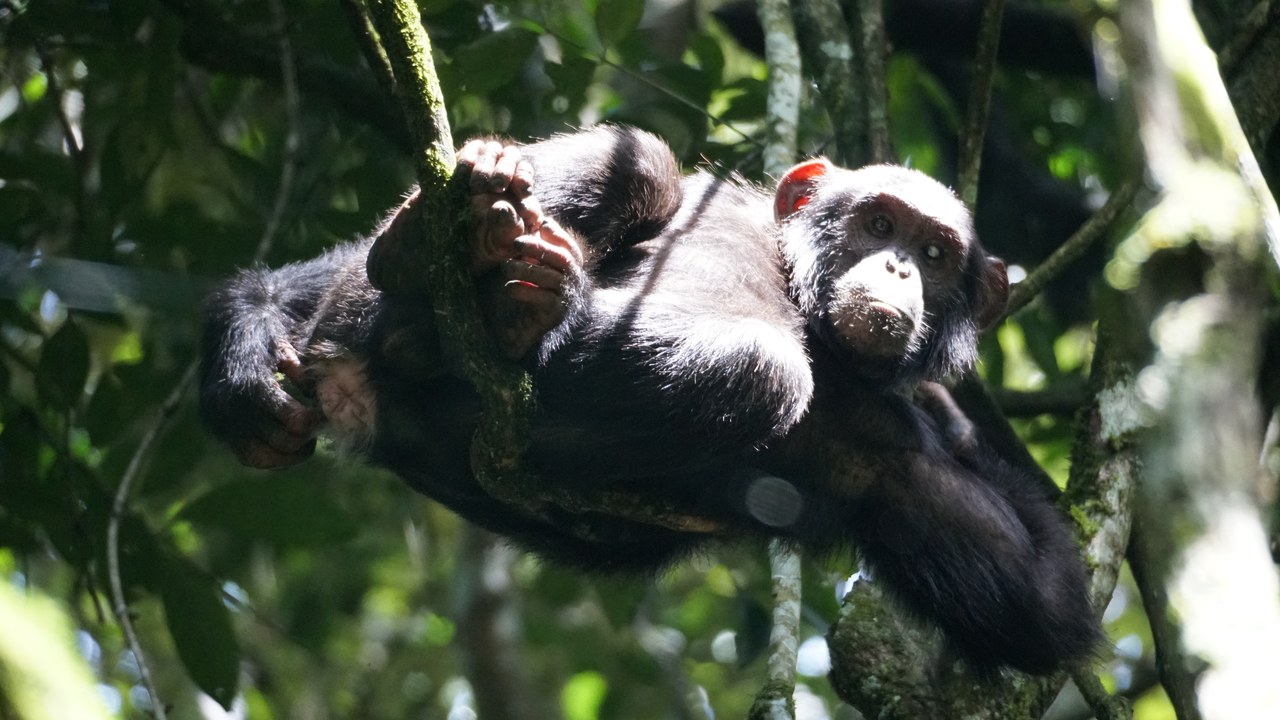
Chimpanzees appear in the Texas dangerous wild animal definition in the Health and Safety Code, which means keeping one in the state requires a certificate of registration. The list also includes baboons, orangutans and gorillas.
The statute places great apes in the same legal category as big cats and bears. That reflects the strength and unpredictability of adult animals, a concern behind many state exotic-animal laws. The requirement applies in Texas; other states set their own rules for primates, and some prohibit them entirely.
6. Cougar: One Of Four Big Cats
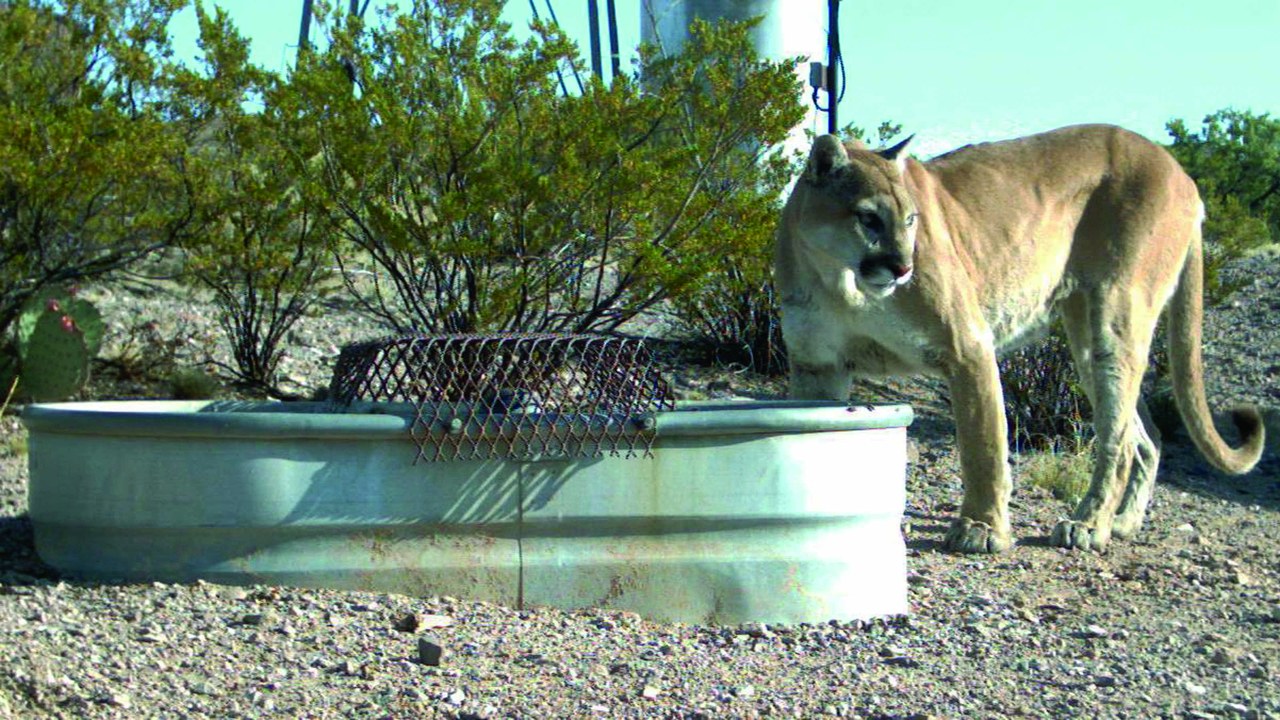
Cougar is one of the species named in the Texas dangerous wild animal list, so keeping one in Texas requires a certificate of registration. The same definition names the lion, tiger and ocelot.
Michigan takes a different route, as quoted by a state-law summary: a person shall not own or possess a large carnivore, a category that includes cougars. Texas licenses, while Michigan prohibits. The same animal is also called mountain lion or puma, and the legal term in each state follows its own statute.
7. Burmese python: Arkansas Names The Giant Snakes
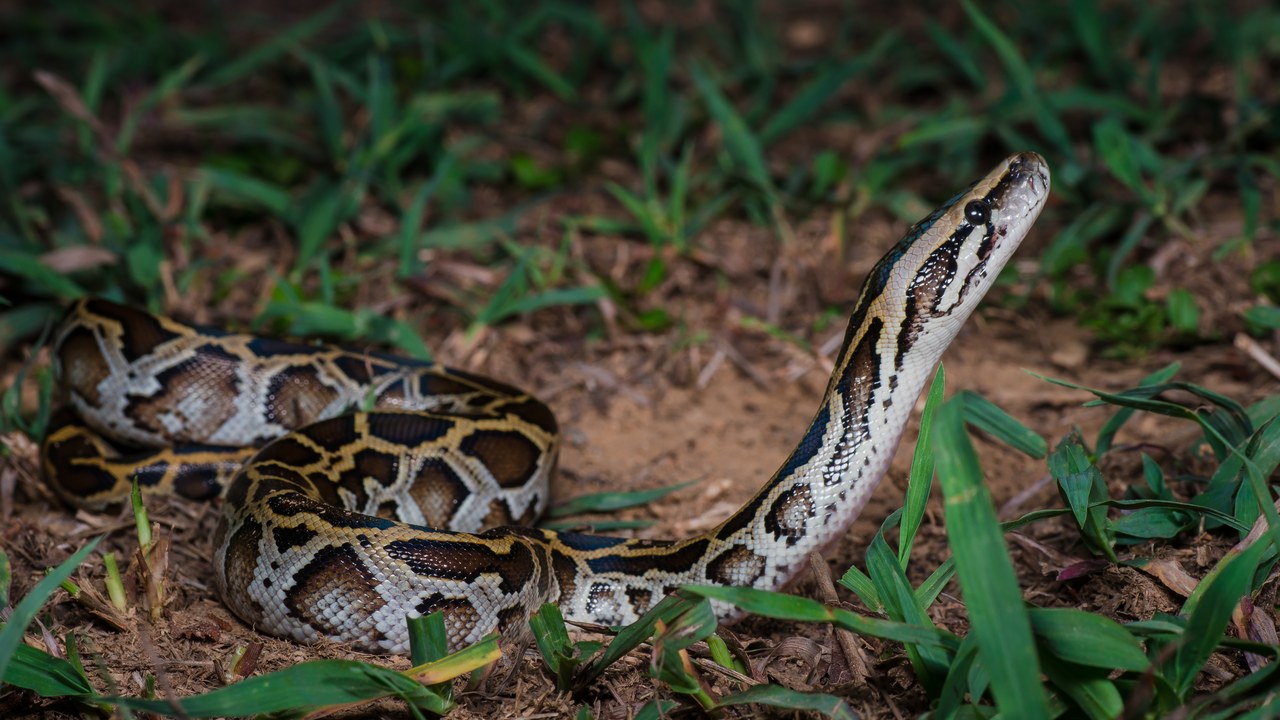
Arkansas keeps a Prohibited Captive Wildlife Species List, and its regulation names “Reticulated, Burmese, and Rock Pythons” under the heading of large Asian and African pythons. Burmese pythons are therefore barred from private captivity there.
Big constrictors are a recurring subject of state lawmaking because of escape risk and the size adults reach. Rules still differ by state, and a species banned in Arkansas may be permitted or merely licensed elsewhere. The regulation cited is the Arkansas text, not a nationwide standard.
8. Raccoon: Not Even The Backyard Regular

A familiar backyard animal sits on Arkansas’s Prohibited Captive Wildlife Species List: the regulation names Raccoon (Procyon lotor). Private captivity of the species is therefore not allowed under that state rule.
Raccoons surprise many readers because they are common and widespread. Abundance in the wild does not translate into permission to hold one, and the law treats a captive wild animal differently from a free one. Other states handle raccoons through permits or bans of their own, so Arkansas is one example. The regulation itself is the authority on the list.
9. Lion: The Lion On The Statute
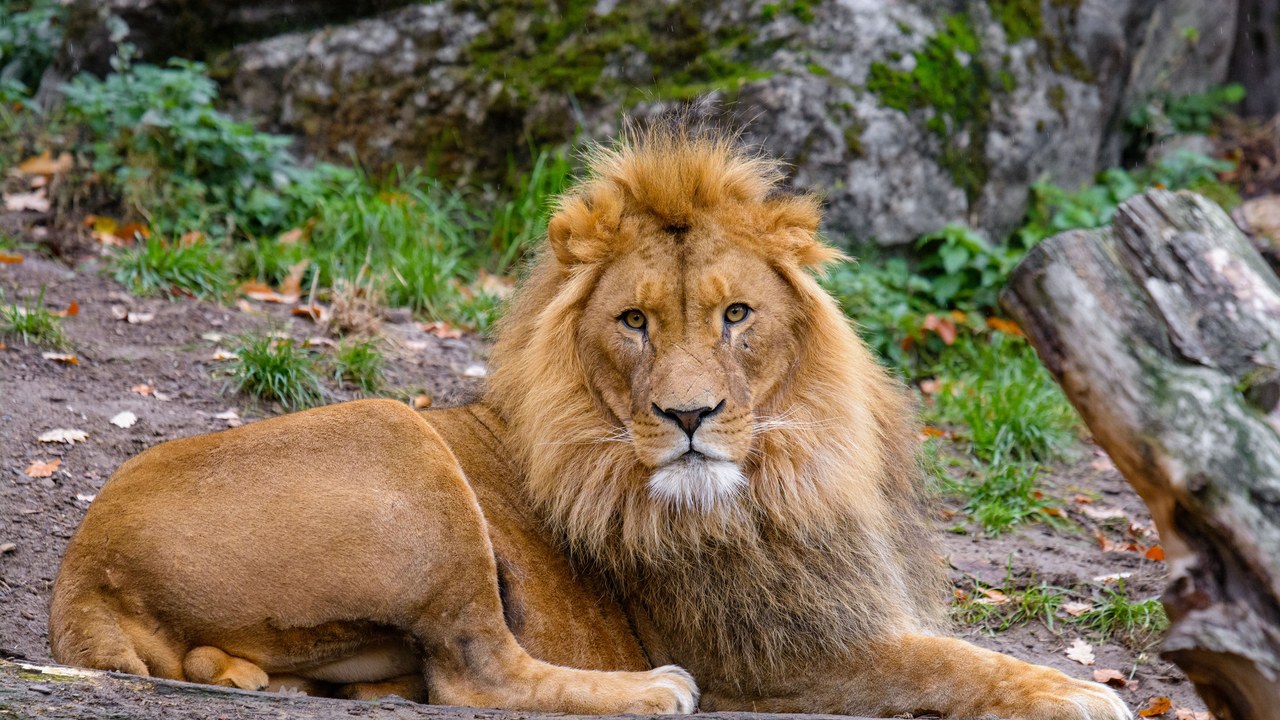
The lion is named in the Texas statute defining dangerous wild animals, which requires a certificate of registration to keep one in Texas. It appears first in the list, ahead of the tiger, ocelot and cougar.
Registration is the mechanism, not a flat ban, which sets Texas apart from states that prohibit large carnivores outright. Michigan’s law, for instance, lists lions among the large carnivores nobody may own or possess. The Texas provision describes only that state, and the legal position varies elsewhere.
10. Bobcat: A Small Cat With Big Restrictions
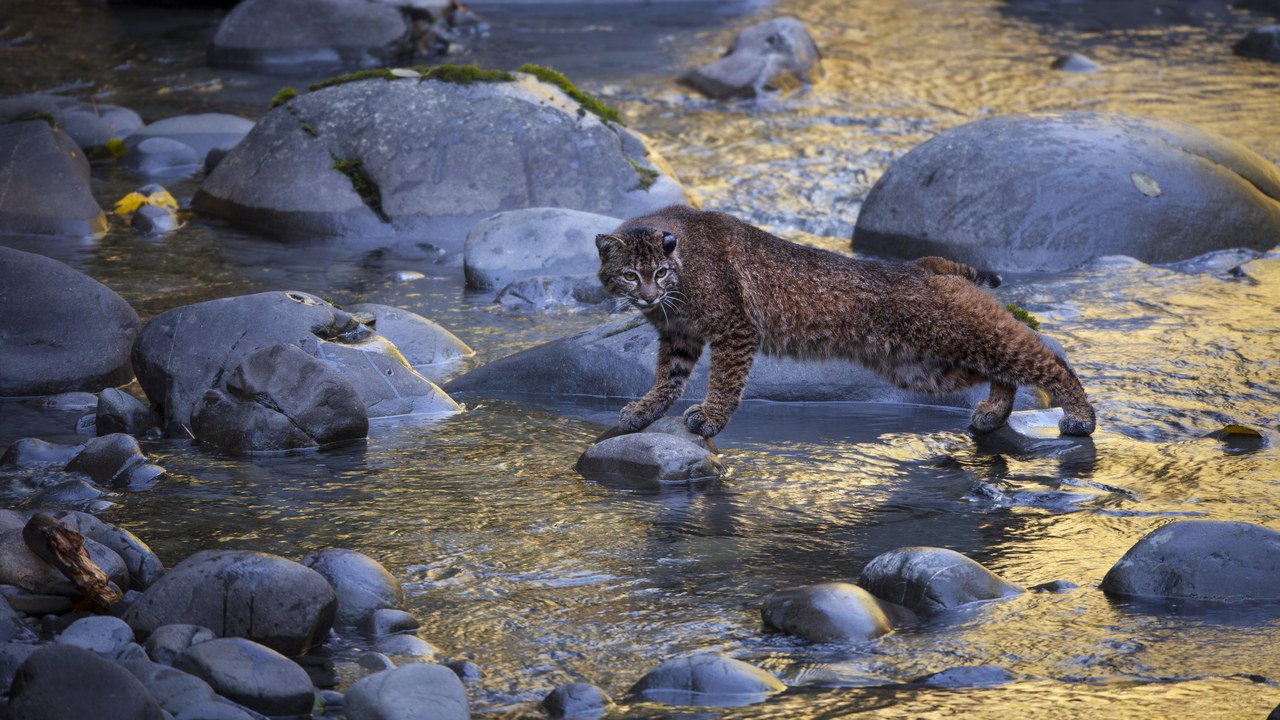
Alabama bans bobcat possession, and Connecticut treats bobcats as potentially dangerous animals, according to the Born Free USA state summary. Texas also lists the bobcat among the species in its dangerous wild animal definition.
Bobcats are far smaller than lions or tigers, yet the laws reach them. The two states cited use different tools, one a prohibition and the other a dangerous-animal classification with its own conditions. The summary’s publisher notes that its details can date, so current statutes remain the authority.
More from Morning Overview
- Doctors warn a silent liver disease now affects one in three American adults
- The FBI told the rest of ShinyHunters to surrender after a 24-year-old was arrested
- Two passengers died at an Ohio toll plaza, and the NTSB now wants the cash lanes shut
- Long use of a common prostate pill is tied to a higher chance of glaucoma
