
Government agencies take two very different approaches to unwanted animals, paying cash for some and threatening heavy penalties over others. The sums range from a few dollars per tail to a possible $1 million fine and 25 years in jail. Here are eleven animals that US agencies pay bounties on or fight with fines.
1. Burmese python: Paid Hunters, Annual Contest
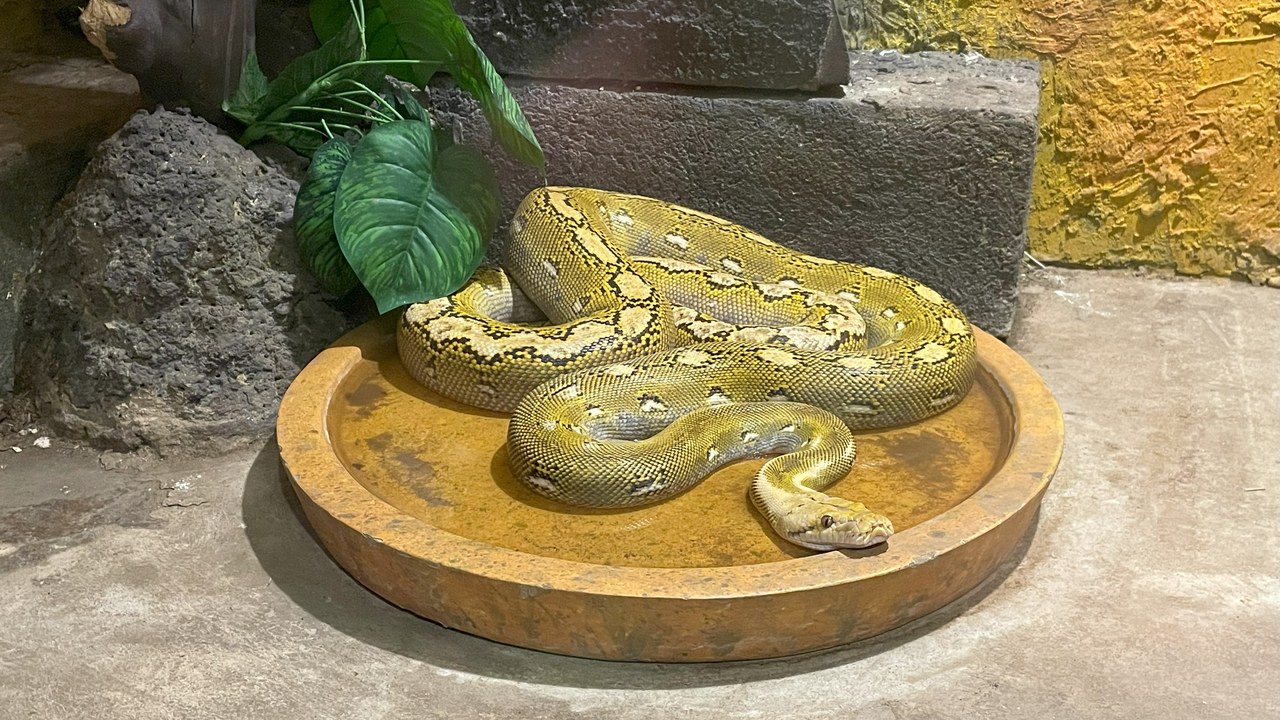
Florida treats the Burmese python as a problem worth paying to solve. In 2017 the South Florida Water Management District created a permanent team of 50 contracted bounty hunters, and the 2023 Florida Python Challenge resulted in 209 pythons removed by 1,050 participants.
The two figures show how hard the snakes are to find even with large numbers of searchers. Hundreds of people produced only a couple of hundred removals in one contest, which suggests a standing, paid effort matters more than a single event. Residents who spot a python are generally better off reporting it than approaching it.
2. Nutria: Paid By The Tail
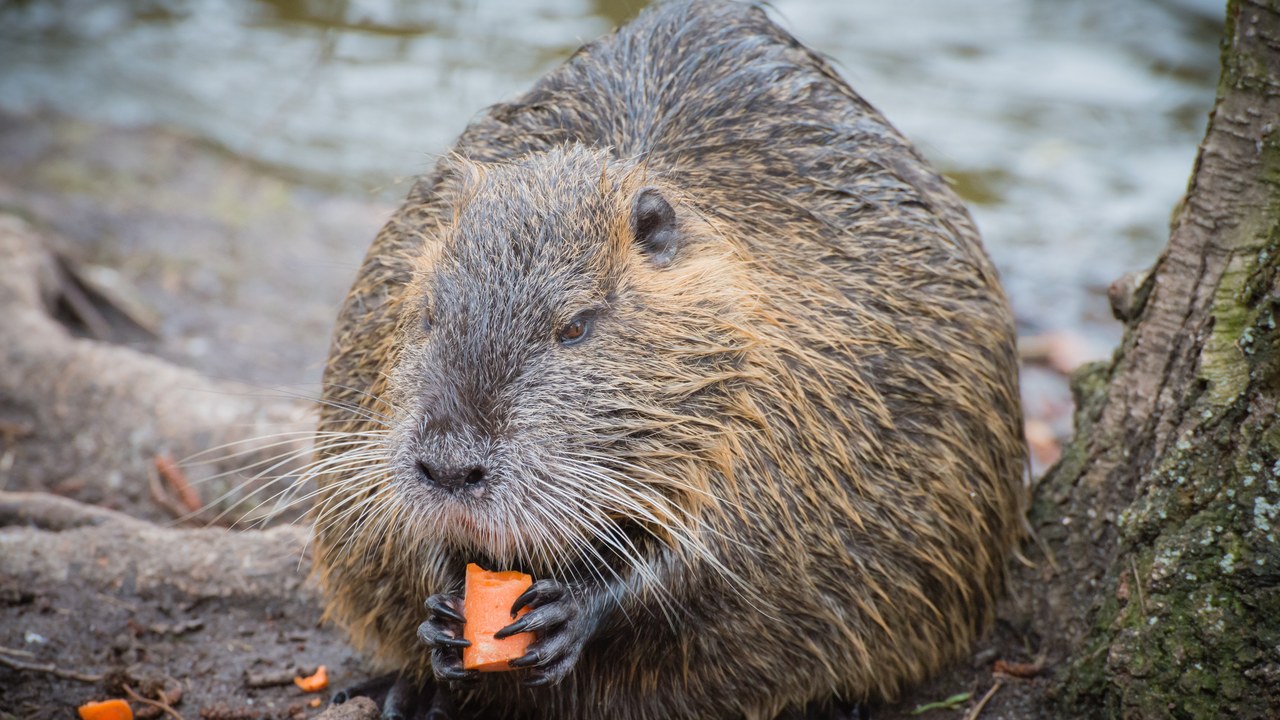
Louisiana’s Coastwide Nutria Control Program pays hunters for each tail turned in. The coypu entry on Wikipedia notes that as of 2019 each nutria tail is worth $6, up from $4 before the 2006-2007 season, and that in 2009-2010 hunters turned in 445,963 tails worth $2,229,815 in incentive payments.
The rising rate shows a program adjusting its price to keep hunters interested. The totals also show that a few dollars per animal adds up quickly when hundreds of thousands of tails are involved. Other sources quote a lower figure for the payment, so the rate can differ depending on the source and the year.
3. Feral swine: Billions In Damage
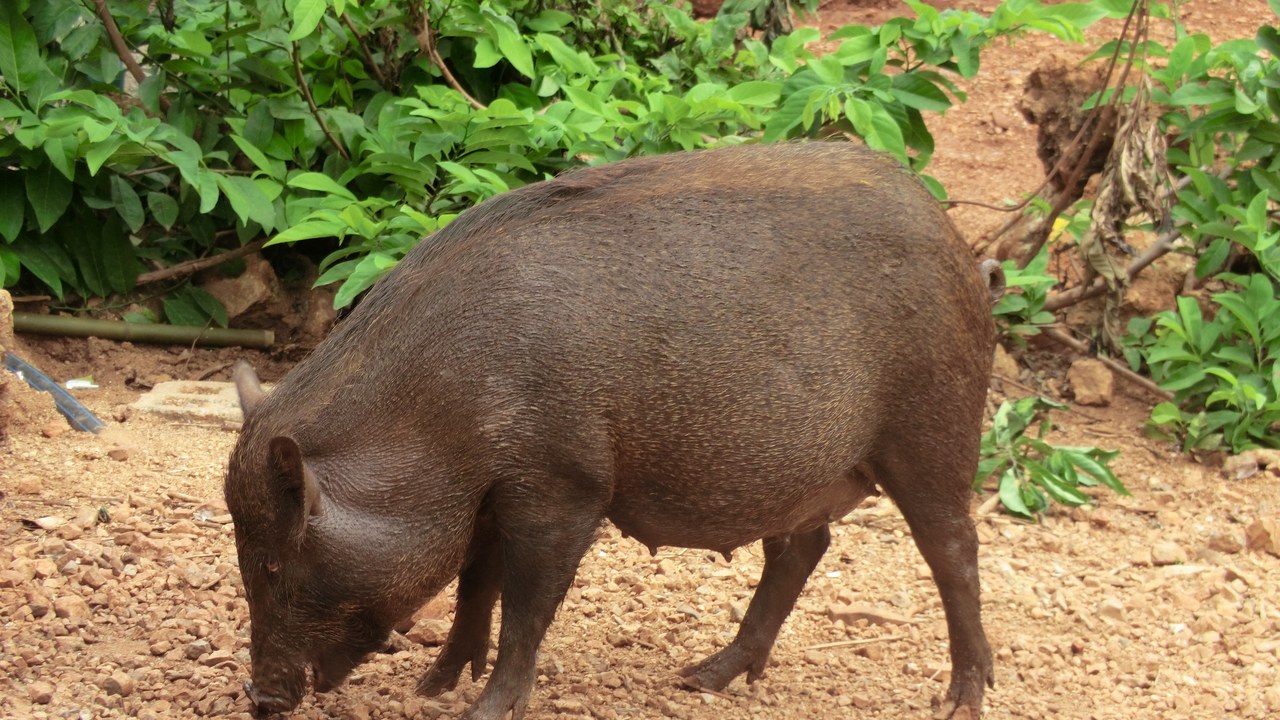
The federal case against feral swine rests on cost. USDA APHIS puts the minimum annual cost of feral swine damages in the United States at $3.4 billion, and it asks the public to report sightings through an online form or the Squeal on Pigs! app.
The agency also reports that 12 states have eradicated feral swine since 2014, which shows the problem can be beaten locally. For landowners and hunters, the practical takeaway is that a sighting is useful information to the agency, and reporting one takes only a few minutes online or through the app.
4. Coyote: Highest Bounty On The List
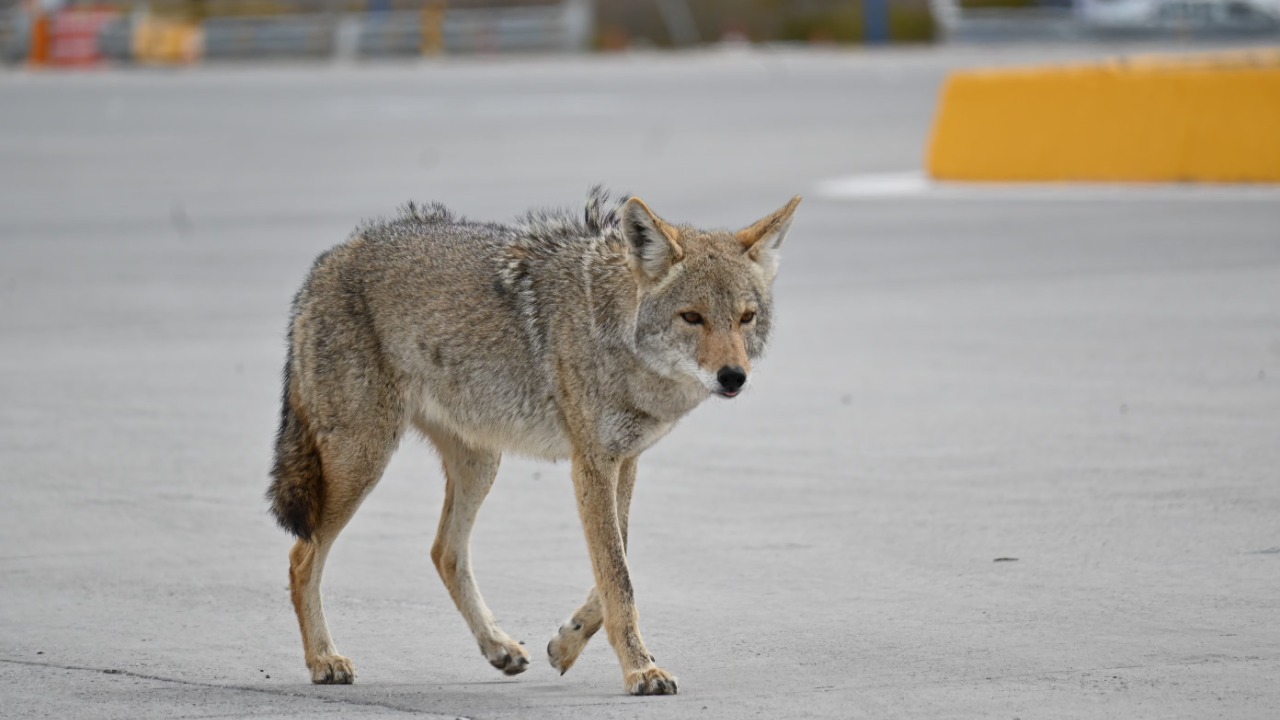
Coyotes carry the richest per-animal payment in this gallery. Utah and South Carolina pay $25 to $75 per tail for coyotes, a range that tops every other bounty collected here.
The spread between $25 and $75 is wide, so the actual payout can triple depending on the program and its rules. Anyone considering such a bounty would need to check the current terms with the relevant state agency, since the figure comes from a round-up of programs rather than from a state payment schedule.
5. Raccoon: Nest Predator Payment

South Dakota pays $10 per tail for raccoons as part of a nest-predator program aimed at protecting ground-nesting birds. The payment treats the raccoon less as a pest in its own right and more as a threat to the species it feeds on.
The bounty is modest next to the coyote’s, but it shows the reasoning behind many such programs: removing a predator in order to help something else. Whether payments of this size change bird numbers is a separate question that the program summary does not answer.
6. Gray wolf: Wolves Carry A Price
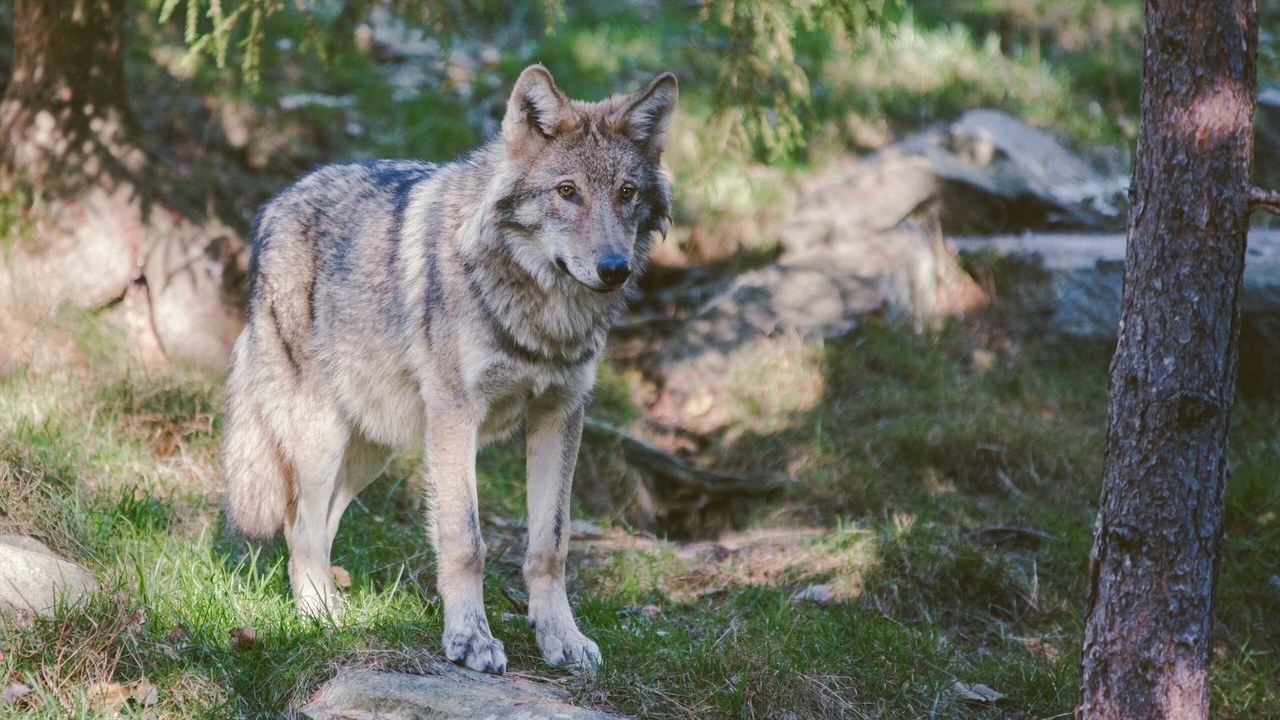
Idaho pays $25 per tail for wolves, making the gray wolf the only large carnivore on the bounty list. The figure sits at the bottom of the coyote range, even though the animal is far larger.
The comparison shows that a payment rate does not simply track an animal’s size or the effort of taking it. Wolf management is also among the more contested topics in wildlife policy, so a bounty of this kind is best read as one state’s tool, not as a national position on the species.
7. Northern snakehead: Illegal To Keep Alive
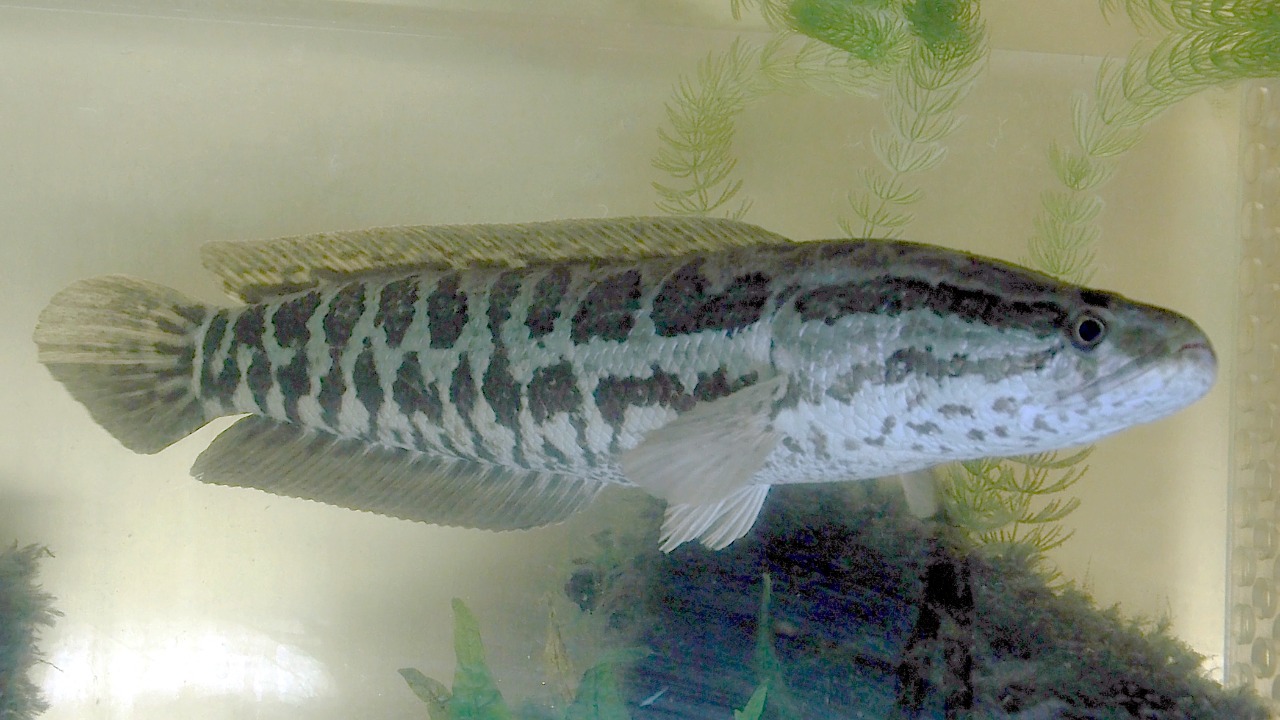
No agency pays for northern snakeheads, because the rule runs the other way. Wikipedia’s survey of invasive species in the country lists the snakehead among the animals for which possession of a live specimen is illegal in many U.S. states.
That makes the offence a matter of ownership, not of hunting. A fish that once looked like an unusual aquarium or food-market purchase can carry legal penalties if kept alive, and the practical lesson for anglers and hobbyists is to check state rules before holding one.
8. Brown tree snake: Hotline Species
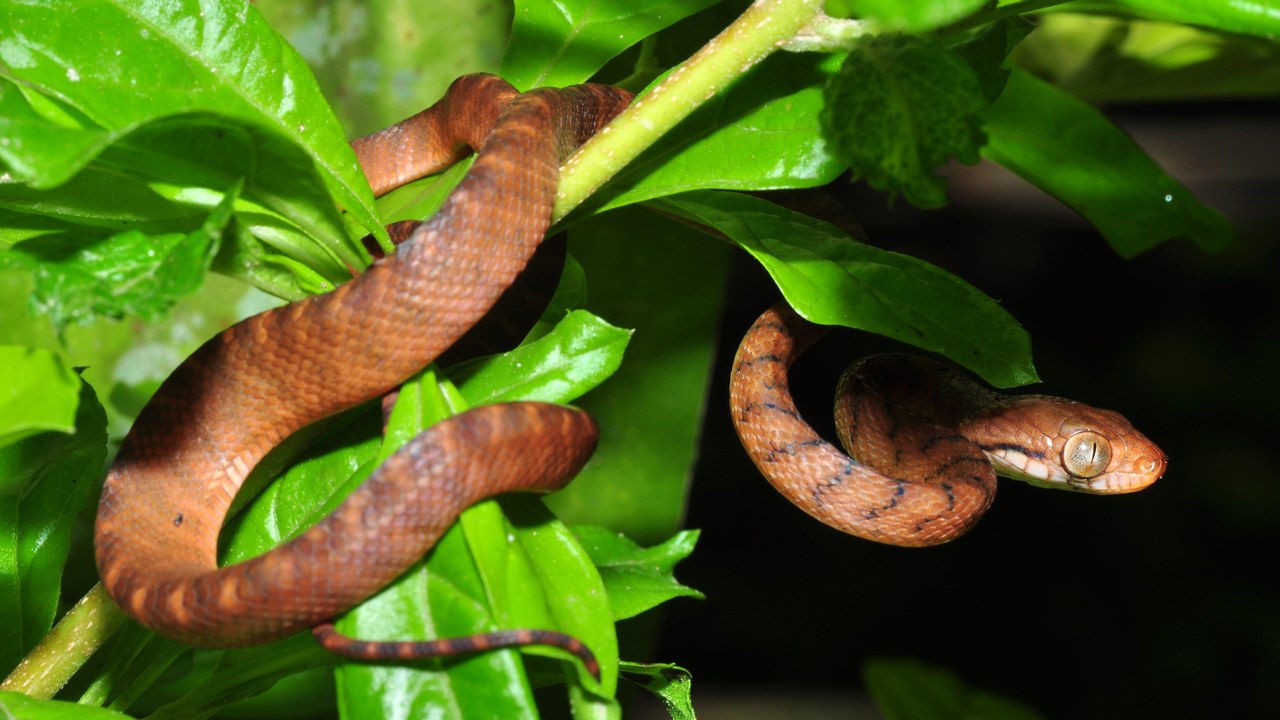
Federal officials want brown tree snake sightings phoned in. The same overview describes a reporting hotline for known potential invaders, like the brown tree snake, treating the animal as a species to watch for instead of one to hunt for pay.
The approach is an early-warning model: a report costs nothing, and quick notice is the point. For residents and travelers, the useful step is to call the hotline when a suspected snake is seen, instead of trying to handle it, since the program depends on public sightings.
9. Emerald ash borer: Million-Dollar Firewood
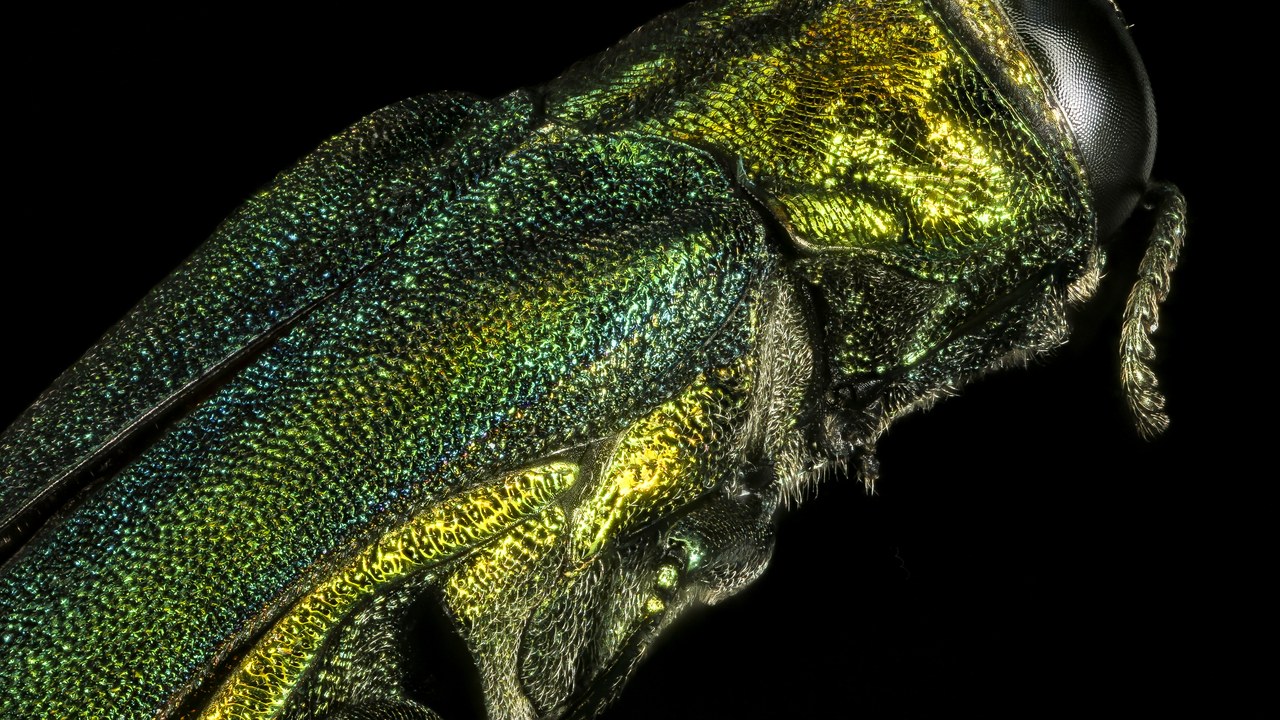
The stiffest penalty attached to any animal on this list involves a beetle. Moving firewood out of an emerald ash borer quarantine zone can result in a fine of up to $1 million and 25 years in jail.
The rule targets people, not insects, because infested firewood is a way for the beetle to travel far beyond its starting point. The maximum is a ceiling instead of a typical outcome, but the practical message for campers and homeowners is plain: buy firewood near where it will be burned and leave quarantined wood where it is.
10. Zebra mussel: Ballast Water Felony
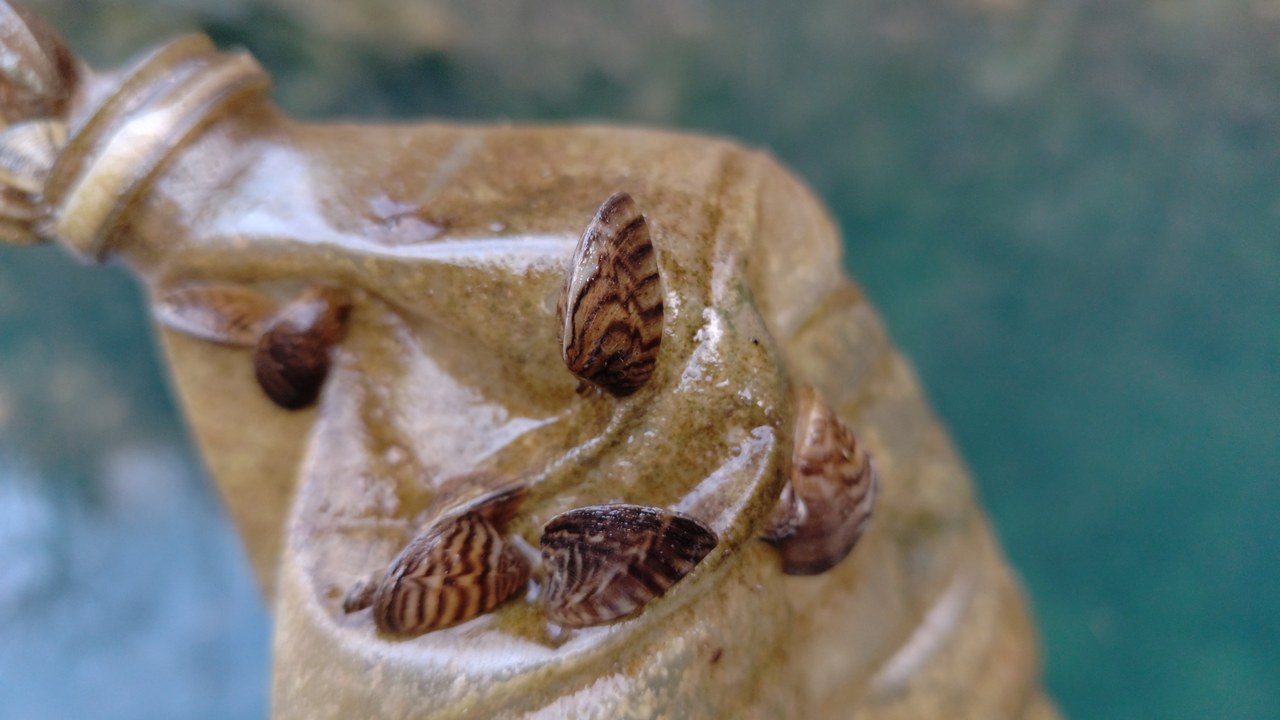
Zebra mussels are policed through the water ships carry. Ballast-water rules enforced by the Coast Guard apply to this and other invaders, and noncompliance can result in a class C felony, according to the Wikipedia overview.
The penalty falls on vessel operators, which fits the way the mussels spread: hidden in the water that ships take on in one place and release in another. For boaters and shipping companies, the consequence is that ballast handling is a legal matter with felony exposure, not only a housekeeping step.
11. Lionfish: Unlimited Harvest
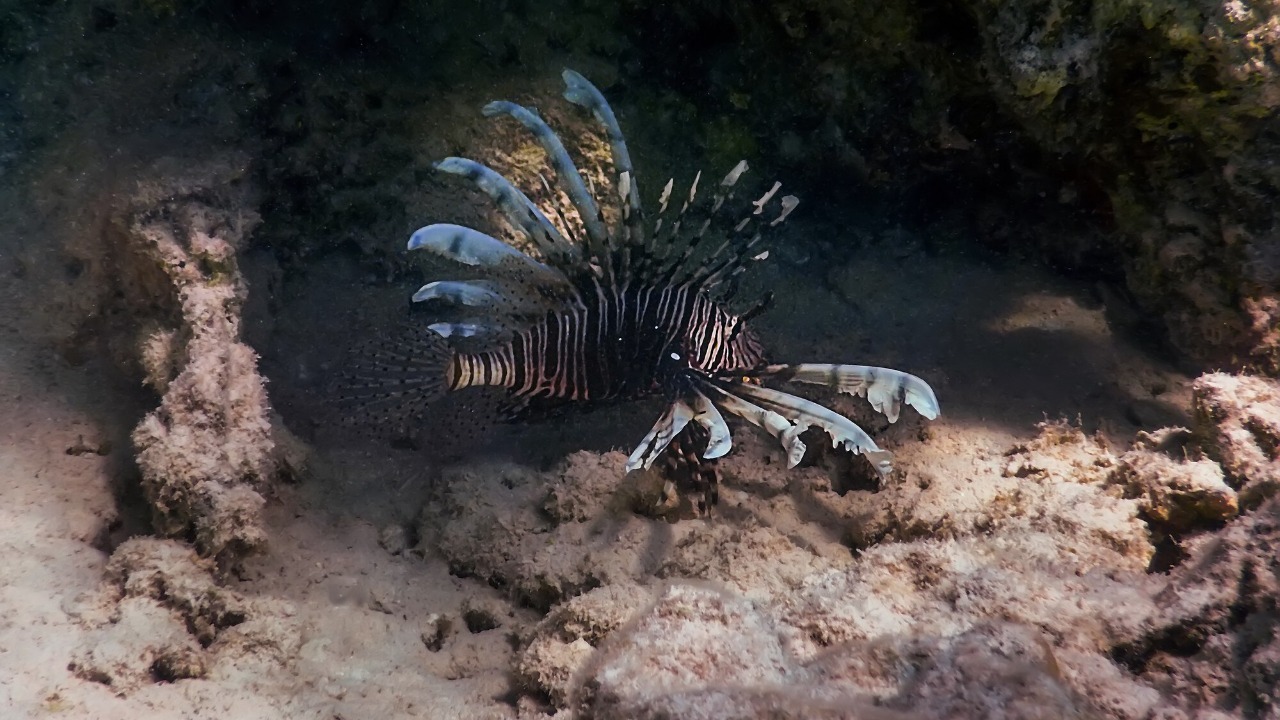
Florida answers the lionfish by removing every limit. The state’s Keys regulation summary lists no size limit and no bag limit, noting that this species is not regulated in Florida state waters.
The absence of a cap is itself the policy: divers and anglers can take as many as they find. Lionfish derbies, listed in the national overview as a control method, build on that freedom. The summary covers Florida Keys waters, so rules elsewhere or in federal waters may differ.
More from Morning Overview
- Long use of a common prostate pill is tied to a higher chance of glaucoma
- Ford is recalling 223,472 F-150 pickups because the fuel tank can leak or detach
- Hybrids have 15% fewer problems than gas cars, while EVs and plug-in hybrids have about 80% more, Consumer Reports finds
- Regulators cleared the first U.S. small modular reactor, 4 months early
