
Few events rattle air travel like an order that keeps an entire fleet on the ground. Regulators and manufacturers have issued such orders after crashes, engine failures and newly found design weaknesses, and each one reshaped how the type was viewed. Here are eight airliners that faced groundings or urgent safety fixes, drawn from named historical interventions.
1. Boeing 737 MAX: Worldwide Grounding Begins
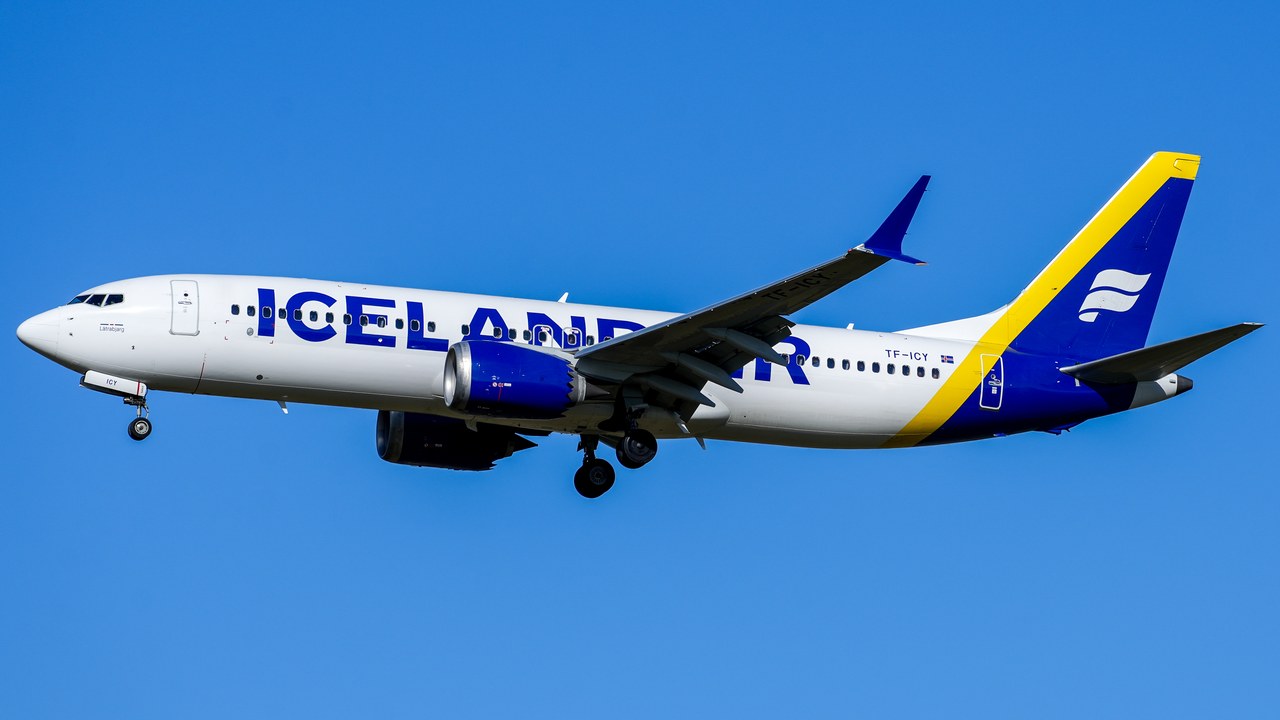
The Boeing 737 MAX was grounded worldwide beginning in March 2019, following the Lion Air and Ethiopian Airlines crashes, according to a grounding history roundup. It stands as one of the most far-reaching fleet stoppages in modern commercial aviation.
For travelers and airline planners, the episode showed how a single design question can idle an entire model across many carriers, with schedules and fleet plans reshuffled as a result. The entry describes a historical safety intervention with operator and subfleet limits, and it is not a claim that any aircraft is grounded today.
2. Boeing 787 Dreamliner: Battery Trouble Aloft
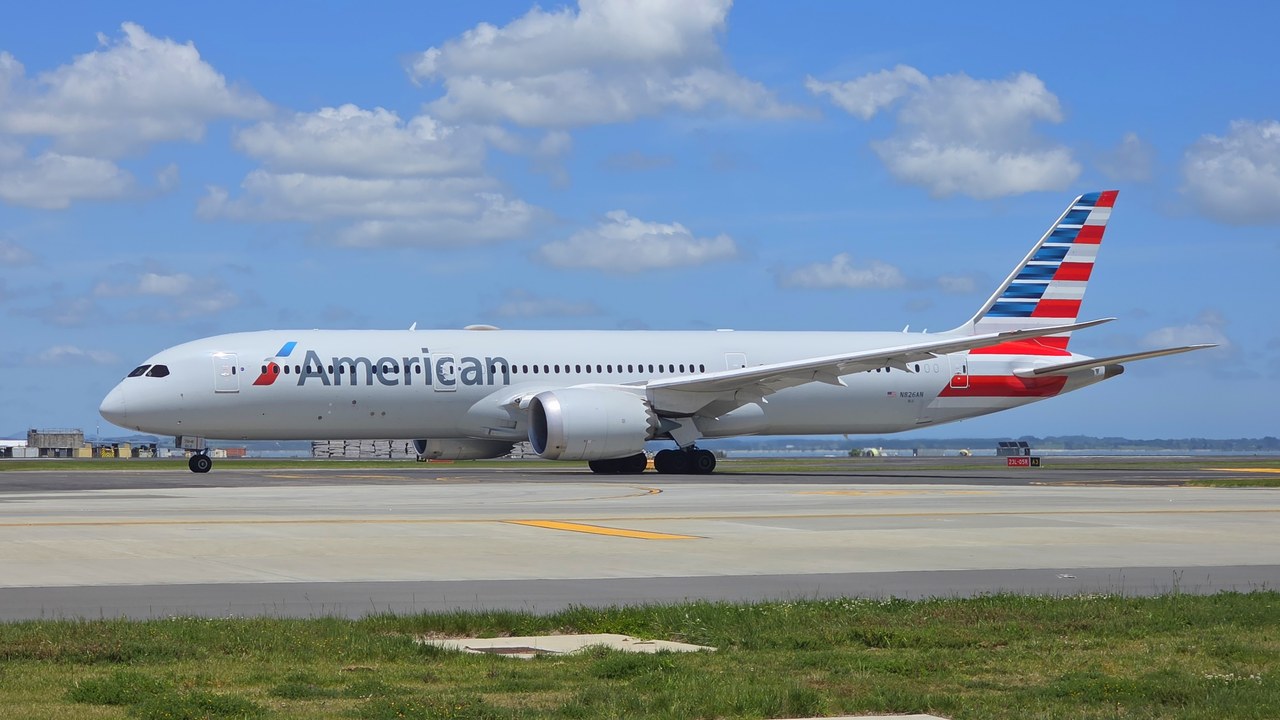
Battery failures on the Boeing 787 Dreamliner led the FAA to issue an emergency grounding directive in 2013, as the same grounding history recounts. The advanced twin-aisle jet had its lithium-ion batteries at the center of the concern.
Passengers who fly the type now can read this as a past safety fix rather than a current restriction, and as proof that regulators will act quickly on a new hazard. The entry is a named historical intervention with operator and subfleet limits, not a statement about any grounding in force today.
3. Concorde: Supersonic Service Suspended
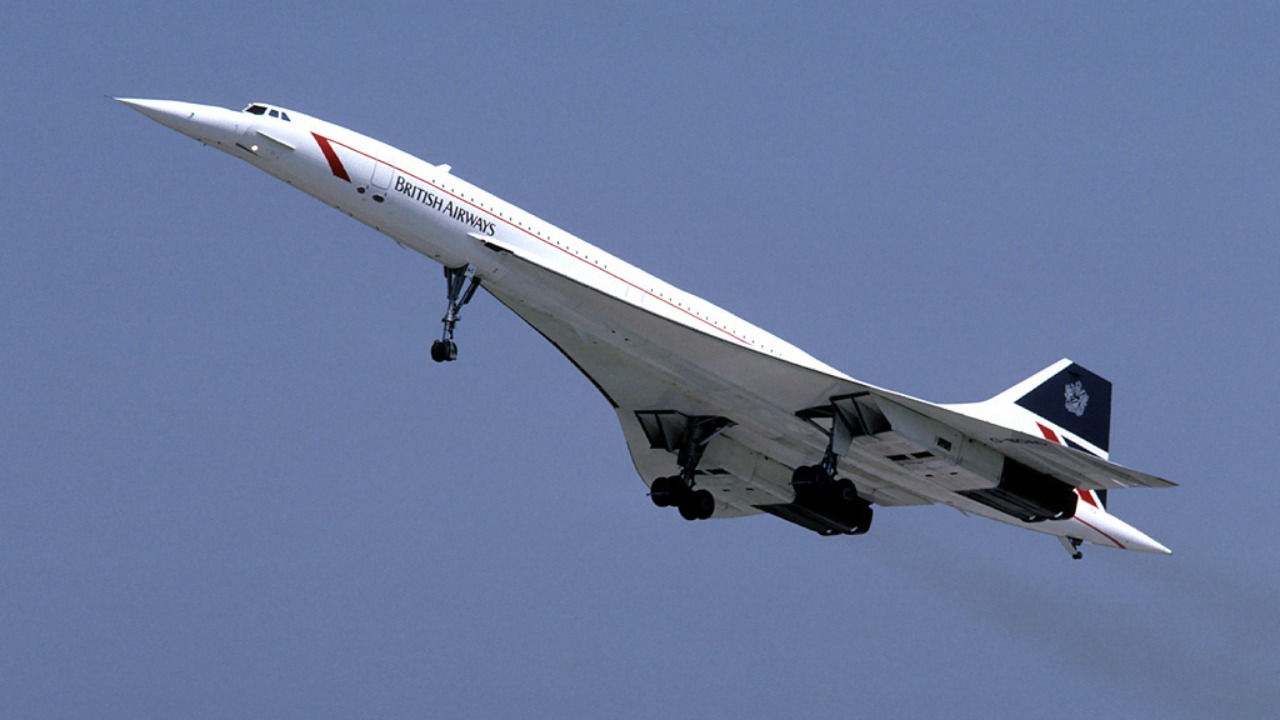
The fatal 2000 crash of a Concorde exposed a fuel-tank vulnerability and led to a suspension of service, per a fleet grounding overview. The supersonic transport, long a symbol of premium speed, faced a serious reckoning. The exposed weak point was in the fuel tanks.
For aviation enthusiasts, the case shows how one accident can expose a weakness that demands a redesign before flights resume, even for an aircraft with a proud reputation. The note covers a historical intervention with operator limits, and it does not describe any aircraft grounded now.
4. Boeing 777: Engines Under Inspection
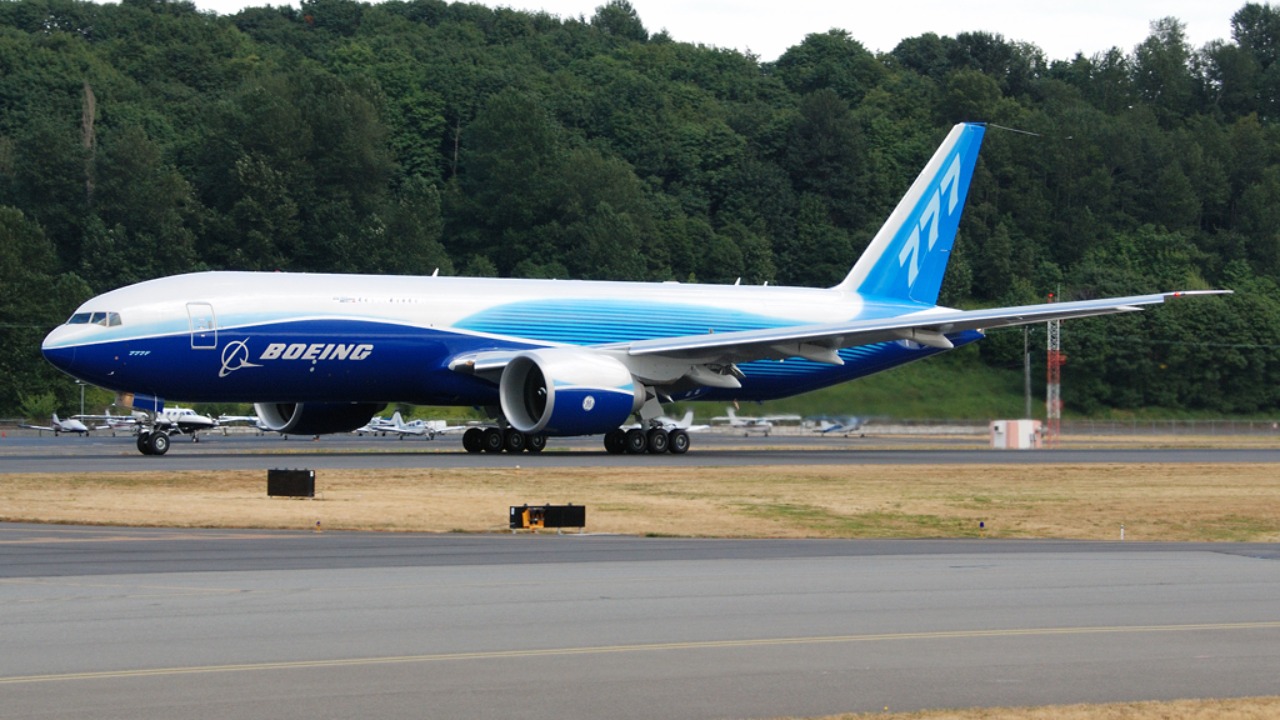
After the 2021 United engine failure over Denver, Boeing 777 jets powered by PW4000 engines were grounded for inspections, as this grounding report explains. The action targeted a particular engine group rather than every 777 in service. Inspections of the engines were the stated reason for pulling those jets out of service.
Readers should note that the stoppage applied to PW4000-powered jets only, and fleets with other engines were outside it. That narrow scope is typical of targeted airworthiness actions, which aim at the suspect component. The entry is a historical intervention with operator and subfleet limits, not a claim of any grounding today.
5. De Havilland Comet: Early Jet Age Breakups
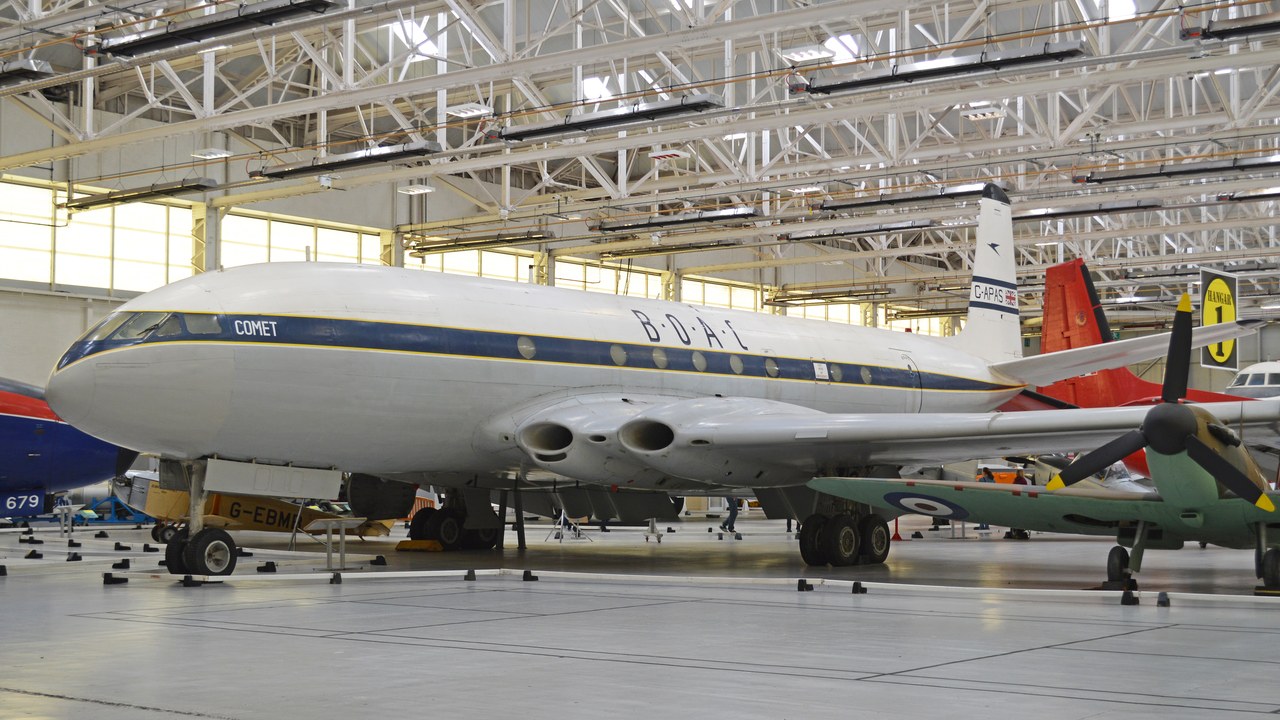
In-flight breakups led to another fleet grounding of the De Havilland Comet in 1954, and a major Royal Aircraft Establishment investigation followed, according to the Comet’s history page. The British jetliner was a pioneer of the early jet age. The grounding and the inquiry that followed became a landmark in aviation safety history.
The episode is a reminder that early jet travel taught hard lessons about how airframes behave in service, and that careful investigation can reshape later aircraft design for the better. It is a historical intervention with operator limits, and it does not imply that any aircraft is grounded now.
6. McDonnell Douglas DC-10: Certificate Pulled
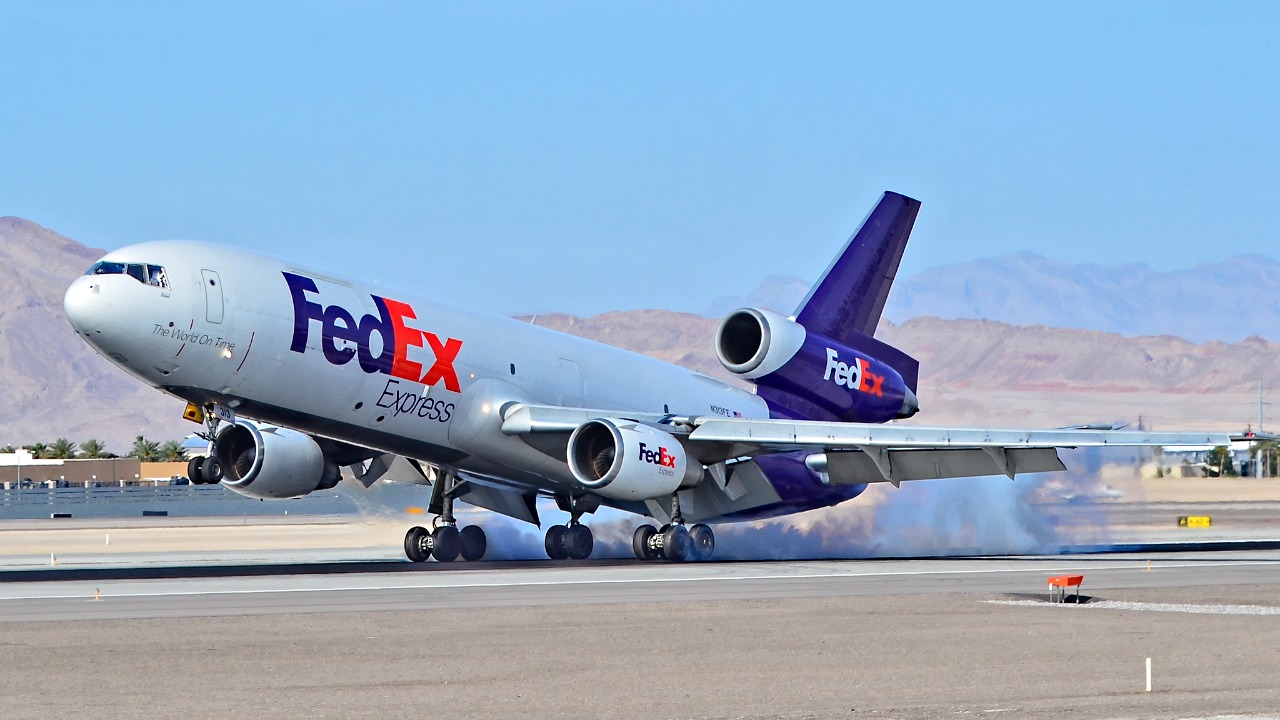
The FAA withdrew the McDonnell Douglas DC-10 type certificate on June 6, 1979, grounding U.S.-registered examples after the Chicago crash, as the DC-10 overview records. Withdrawing a certificate is a notably severe step for a regulator. The grounding of U.S.-registered examples came in the wake of the Chicago crash.
The trijet’s story shows how a regulator can halt a whole type in its own country, leaving airlines to park aircraft until the concerns were addressed. This entry reflects a named historical intervention with operator limits, and it does not suggest any current grounding.
7. Airbus A320 family: Radiation and Flight Controls
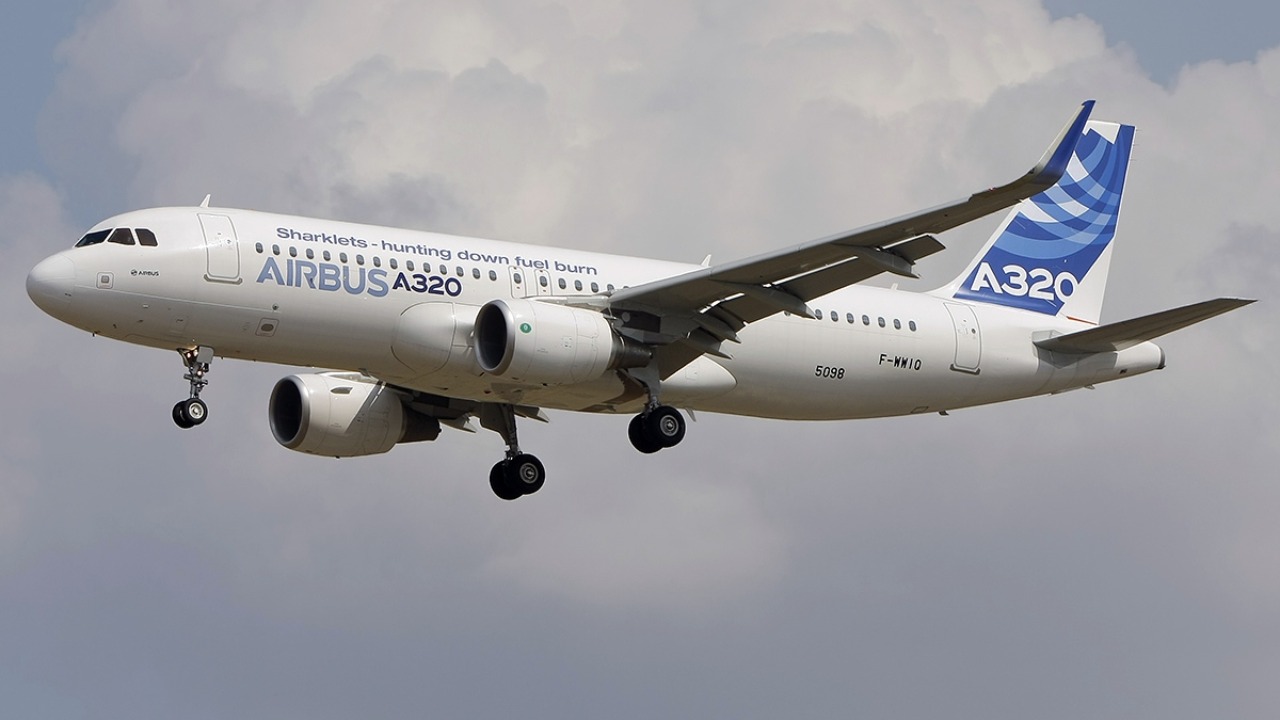
Airbus requested immediate software or hardware protection in November 2025 after identifying a flight-control data vulnerability linked to intense solar radiation, per its own fleet action notice. The step covered the A320 family as a precaution. The concern centered on data used by the flight-control system, not on a mechanical part.
Operators and flyers can read it as a manufacturer-led safety fix rather than a crash response, an example of a maker asking for protection once a weakness was identified. The entry is a named intervention with operator and subfleet limits, and it is not a claim that aircraft are grounded today.
8. Airbus A220: Swiss Pulls Its Fleet
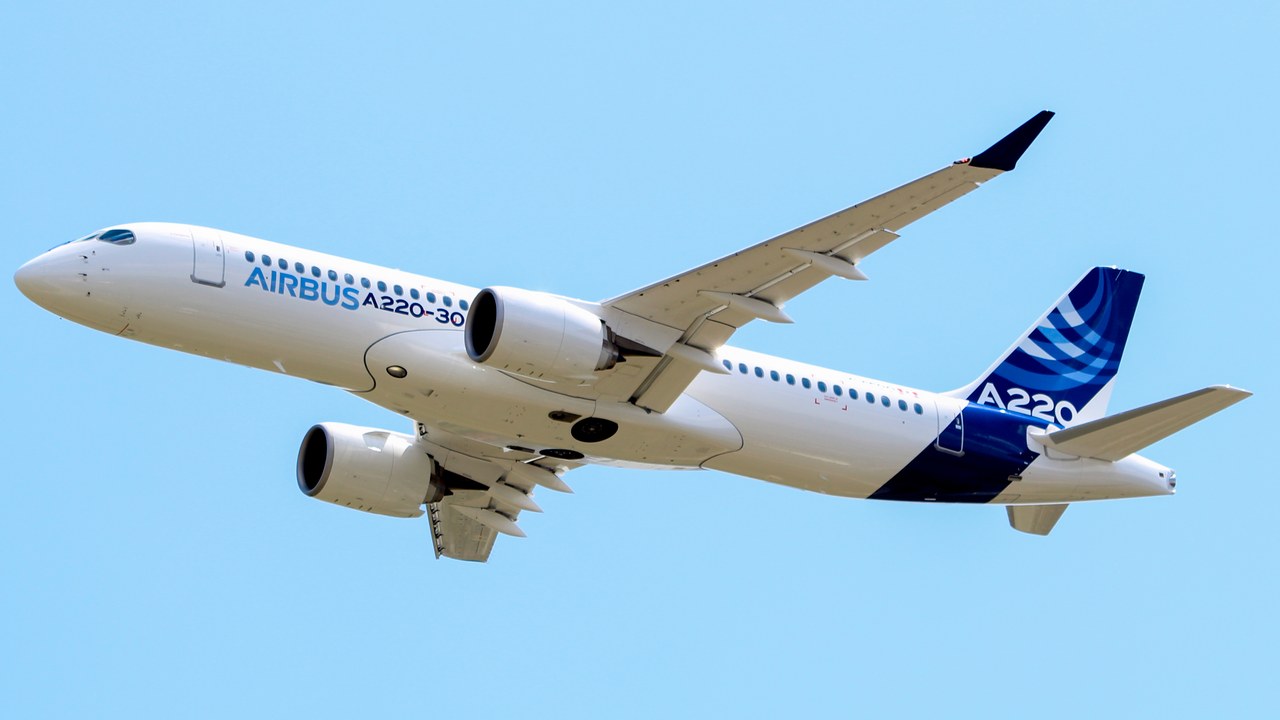
Swiss grounded all 29 of its Airbus A220 jets for engine checks in October 2019, after another in-flight technical problem, Swissinfo reported. The carrier acted across its entire fleet of the type rather than a handful of aircraft.
The decision applied to one airline’s A220s, so it should not be read as a ruling on every operator. Travelers booked on that carrier would have seen the practical effect, since checks took the jets out of service. It is a historical intervention with operator limits, not a claim that any aircraft is grounded today.
More from Morning Overview
- Lake Powell sank to a record 3,517 feet, nearing the level that stops Glen Canyon Dam’s turbines
- Seven of Earth’s nine planetary boundaries are breached, and all seven are worsening
- The NSA says three phone features should be off whenever you aren’t using them
- Hurricane Hunter radar shows four warning signs that a tropical cyclone is about to strengthen, a University of Miami study found
