
Seat belts and airbags are supposed to be the parts of a car nobody has to think about, yet a wave of 2026 recalls has exposed flaws in exactly those systems. The defects range from twisted retractors to corroded connectors, spanning economy sedans, minivans, and luxury SUVs alike. Here are twelve vehicles now under recall for a seat belt or airbag problem that could fail when it matters most.
1. Ford Bronco: A Burr In The Bracket
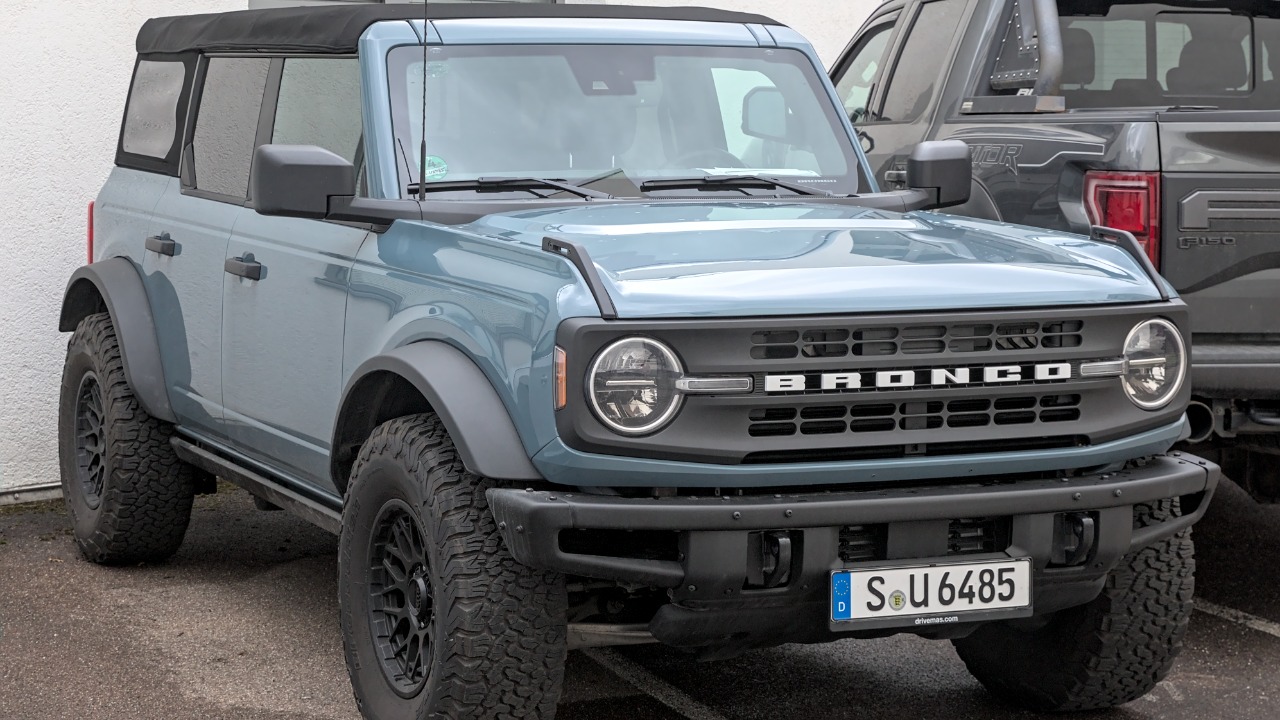
A stray metal burr on the mounting bracket for the Ford Bronco’s right-side curtain airbag can tear the airbag as it inflates. NHTSA’s recall campaign 26V580000 traces the defect to that single manufacturing flaw, which turns a device meant to cushion a side-impact crash into one that can fail at the exact moment it is needed.
A torn airbag no longer restrains an occupant properly, and the failure only shows up during deployment, when there is no chance to catch it beforehand. Owners are advised to have dealers inspect and replace the bracket rather than wait for a crash to reveal the flaw.
2. Dodge Hornet: Seat Belts That Will Not Retract
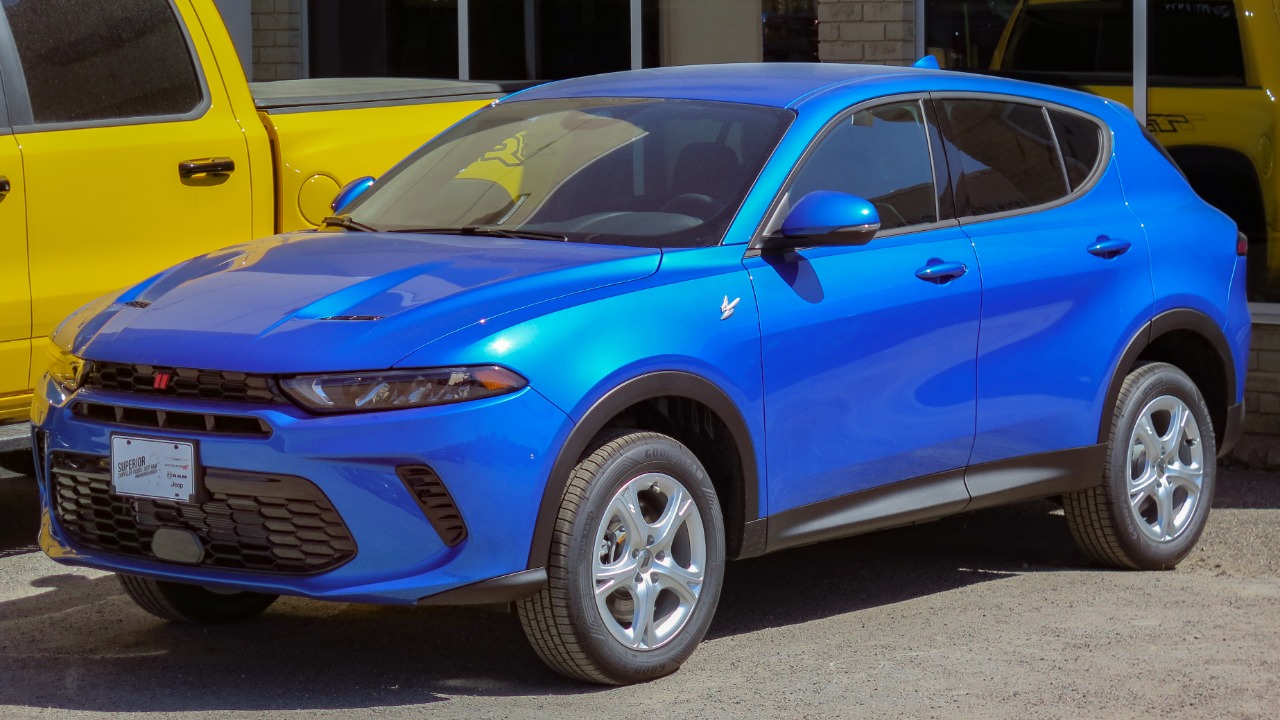
Rear outboard seat belts in the Dodge Hornet can become twisted inside their own housing, which stops them from retracting the way they are designed to. NHTSA’s recall campaign 26V510000 found the twist prevents the belt from taking up slack, leaving a rear passenger with webbing that sits loose instead of snug.
A belt that will not retract properly cannot restrain a passenger the way it is supposed to in a crash, and the twist is not something a driver would notice from the front seat. Dealers will inspect and, if needed, replace the affected belt assemblies at no cost to owners.
3. Nissan Leaf: A Retractor That Quits Early
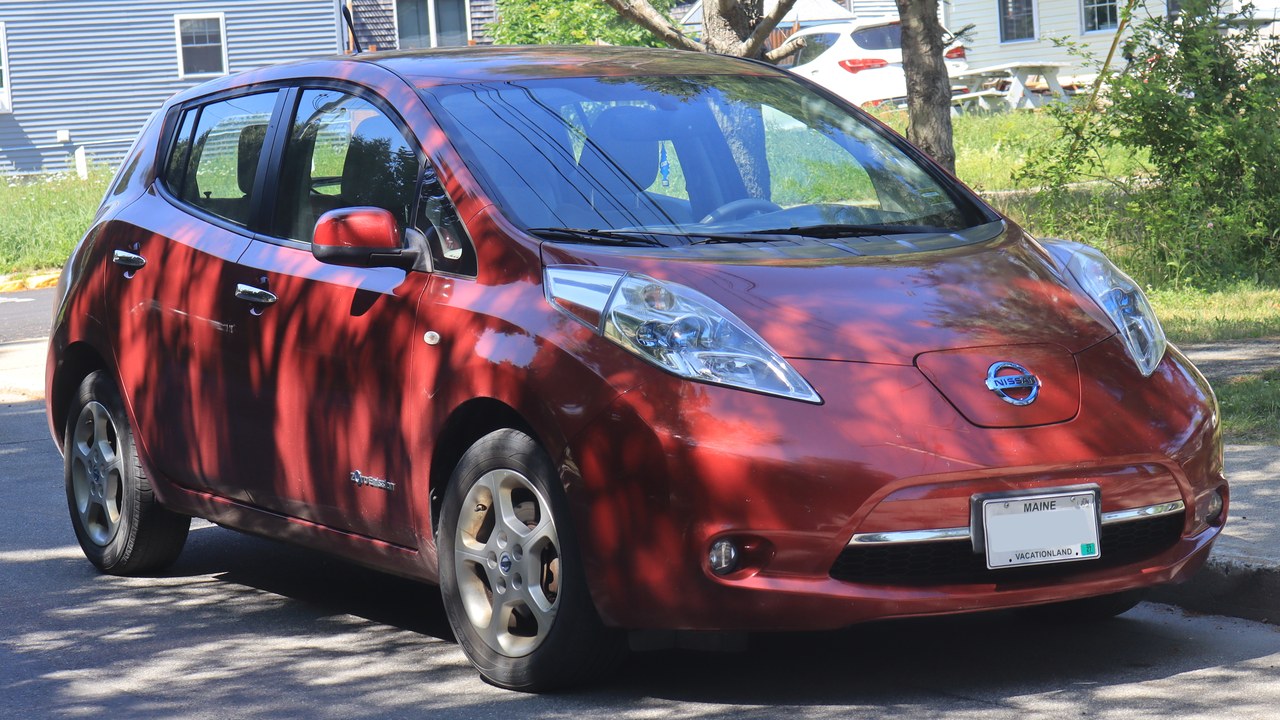
The outer rear seat belt retractors in the Nissan Leaf can switch into locking mode too soon, a glitch that keeps a child restraint from cinching down the way it should. NHTSA’s recall campaign 26V425000 ties the defect to the automatic locking retractor deactivating early, before a car seat is fully secured.
A loose child restraint can shift out of position long before a crash ever happens, since the belt looks fastened even when it is not holding the seat tight. Nissan dealers are being directed to inspect and correct the retractor’s timing free of charge.
4. Kia EV9: A Miswired Sensor
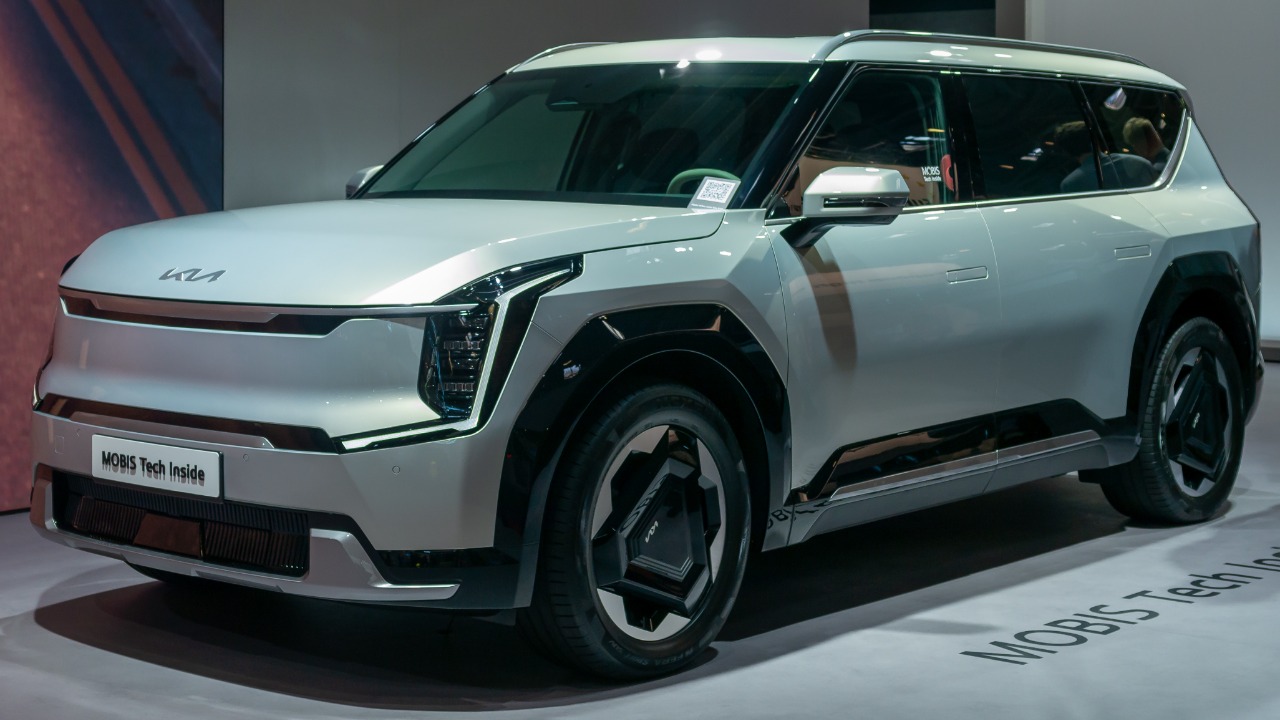
A wiring error in the Kia EV9’s occupant detection system can leave the front passenger airbag active even when a child sits in that seat. NHTSA’s recall campaign 26V545000 attributes the mix-up to improper routing that keeps the sensor from reading the seat correctly and switching the airbag off.
An airbag that deploys against a child in the front seat can cause more harm than the crash itself, which is why automakers wire that seat to disable the bag automatically. Kia is instructing dealers to reprogram or rewire the sensor system on affected vehicles.
5. Ram 1500: 1.27 Million Trucks, One Anchor Flaw
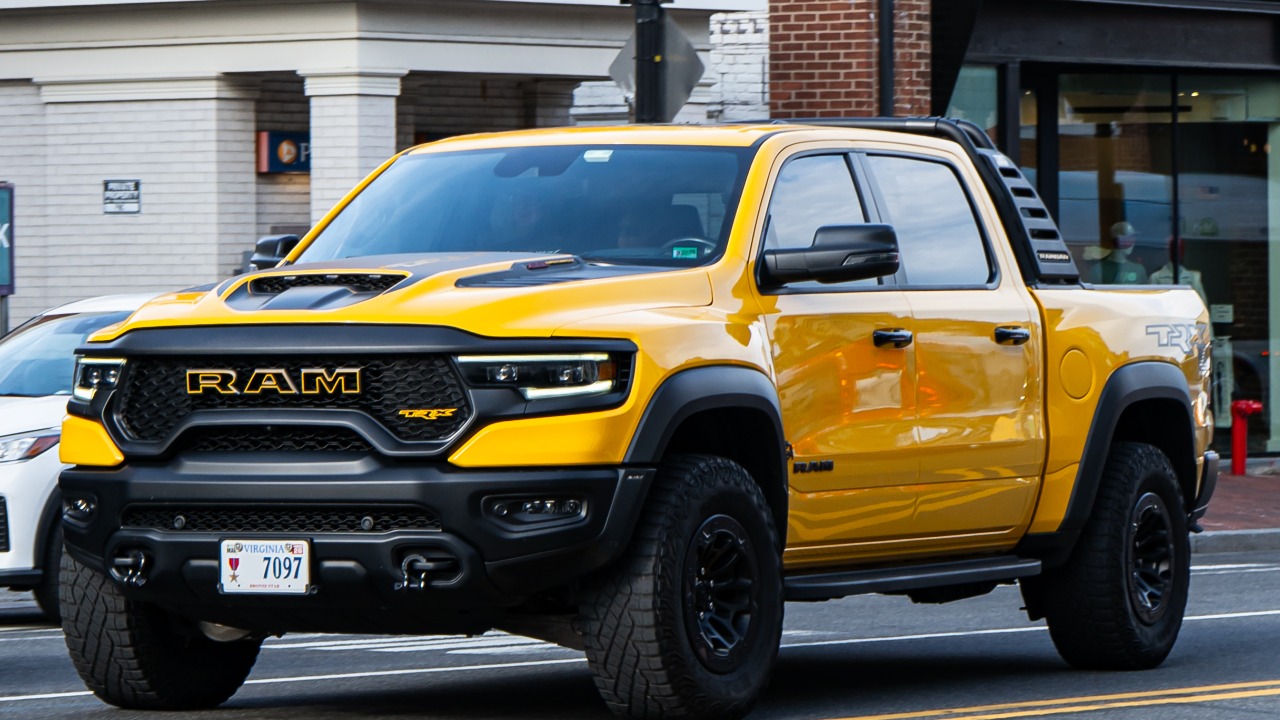
Second-row seat belt buckle anchors on roughly 1.27 million Ram 1500 pickups may not have been installed correctly at the factory. NHTSA’s recall campaign 26V495000 lists 1,271,294 affected units, the largest single count among this year’s seat belt and airbag recalls.
An anchor that is not properly installed can let the buckle pull free exactly when a seat belt needs to hold an occupant in place. Ram dealers will inspect the second-row anchors and correct the installation on any truck found to be affected.
6. Ford Explorer: Loose Bolts, Second Row
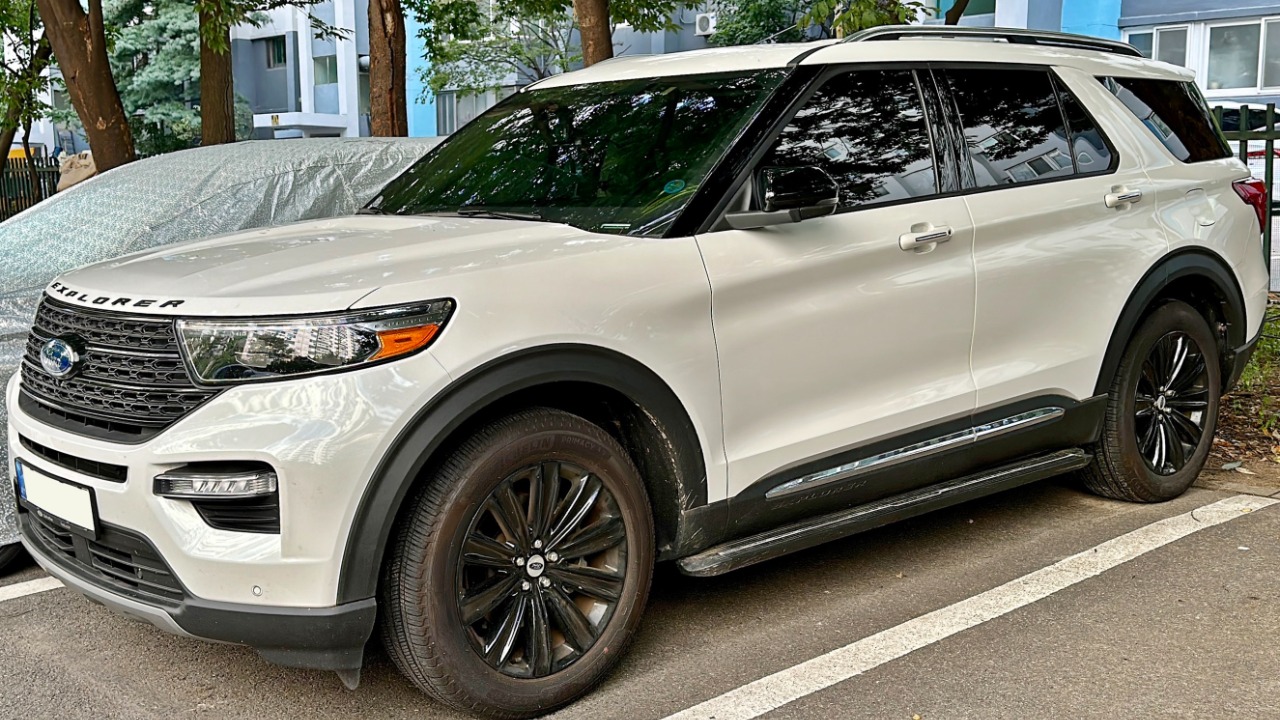
Bolts anchoring the second-row seat belts in the Ford Explorer can work loose, leaving the belt buckle without a solid attachment point. NHTSA’s campaign 26V159000, filed against the 2025 model, describes anchor bolts at the outer second-row positions that may not be properly secured from the factory.
A loose buckle anchor can let the whole belt shift during a crash instead of holding an occupant steady, defeating the point of wearing it at all. Ford is directing dealers to check torque on the anchor bolts and tighten or replace them as needed.
7. Chrysler Pacifica: A Spring Near The Airbag Circuit
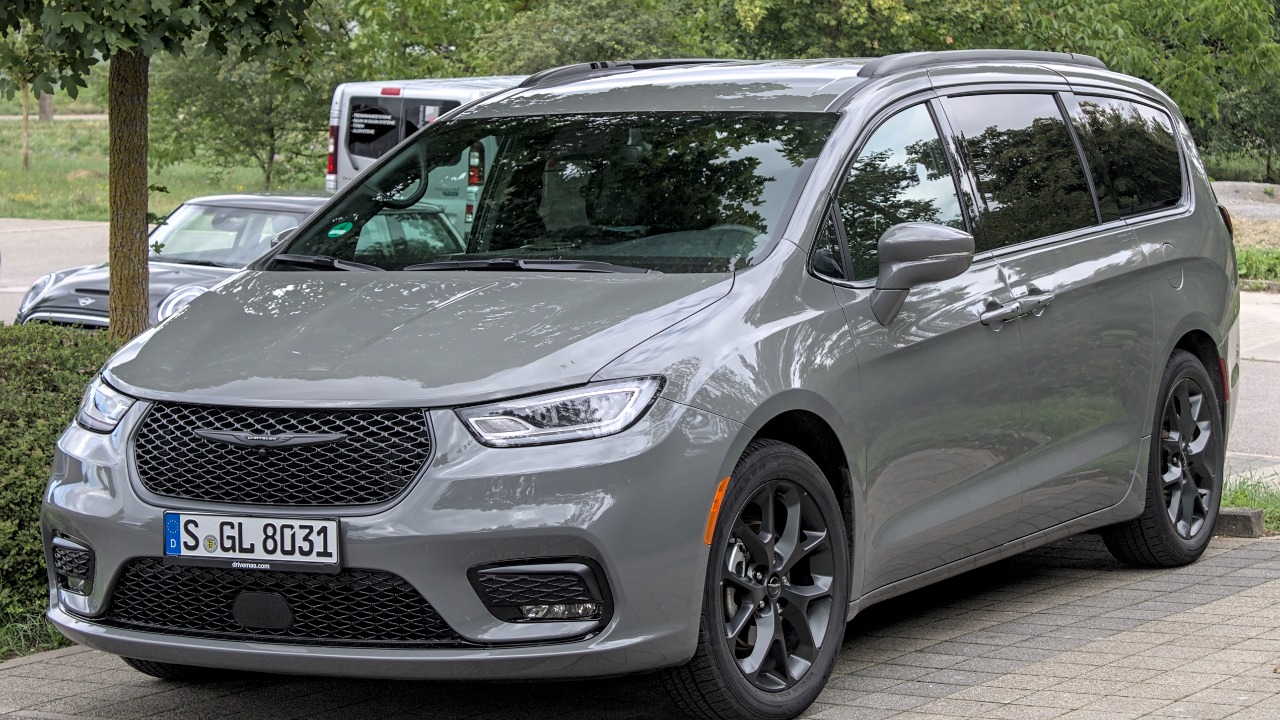
Inside the Chrysler Pacifica’s front seat harness connector, a small spring can shift out of place and touch electrical terminals it was never meant to reach. NHTSA’s campaign 26V358000, covering the 2026 model, says that unintended contact can interrupt the circuit that tells the frontal airbags to fire.
An airbag that does not deploy offers no protection at all in a frontal crash, which makes a wiring fault inside the seat harness one of the more serious defects on this list. Dealers will inspect and replace the affected connector free of charge.
8. Jeep Grand Cherokee: A Software Delay
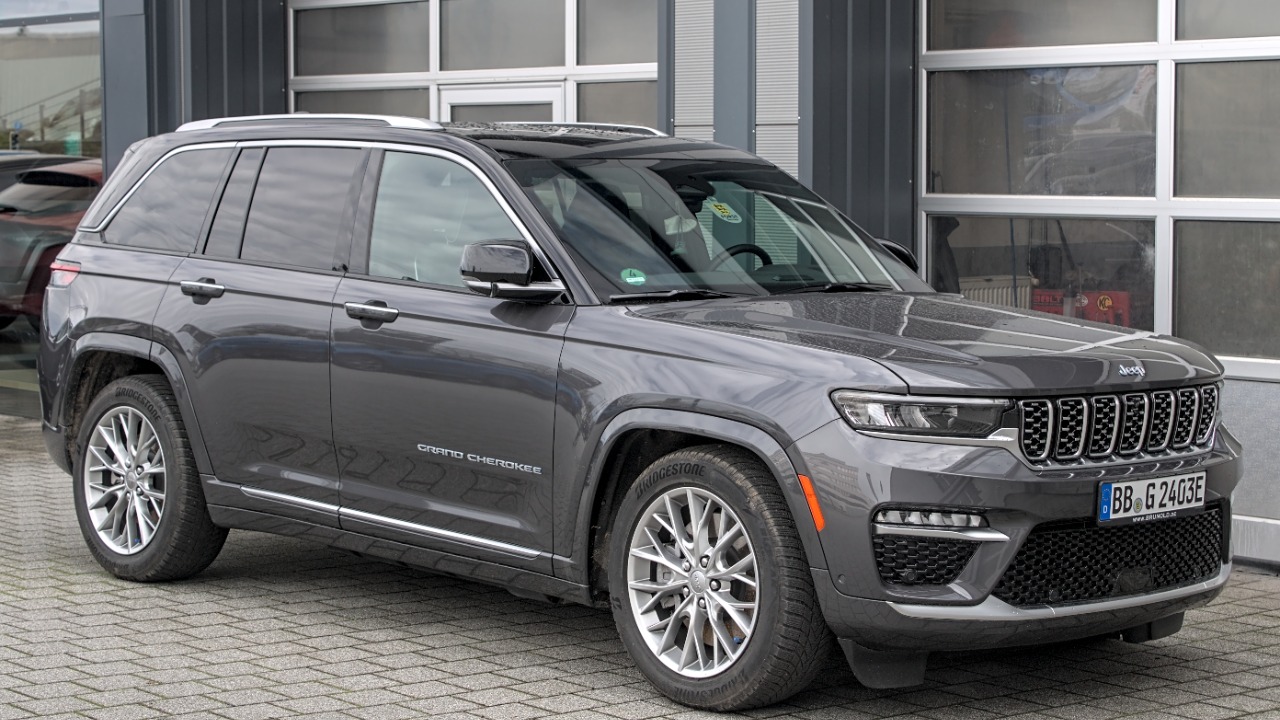
A software bug in the Jeep Grand Cherokee’s airbag control module can slow how quickly the side airbags fire once a crash begins. NHTSA’s campaign 26V328000, tied to the 2026 model year, describes the error as a timing fault inside the restraint control module rather than a hardware defect.
Airbags are timed to inflate within milliseconds of impact, so any delay narrows the window in which they can actually protect an occupant’s head and torso. Jeep plans to fix the issue with an over-the-air or dealer-applied software update.
9. Hyundai Santa Fe: Anchors That Can Detach

Front seat belt anchors on the driver and passenger sides of the Hyundai Santa Fe can detach entirely rather than simply loosen. NHTSA’s campaign 26V218000, filed for the 2025 model, describes an anchorage defect that leaves the belt with nothing solid to hold onto at one end.
A fully detached anchor means the belt cannot restrain an occupant in any meaningful way, regardless of how well the rest of the system functions. Hyundai dealers are inspecting front seat belt anchors on affected vehicles and replacing them where the defect is confirmed.
10. Honda Accord: A Loose Driver’s Seat
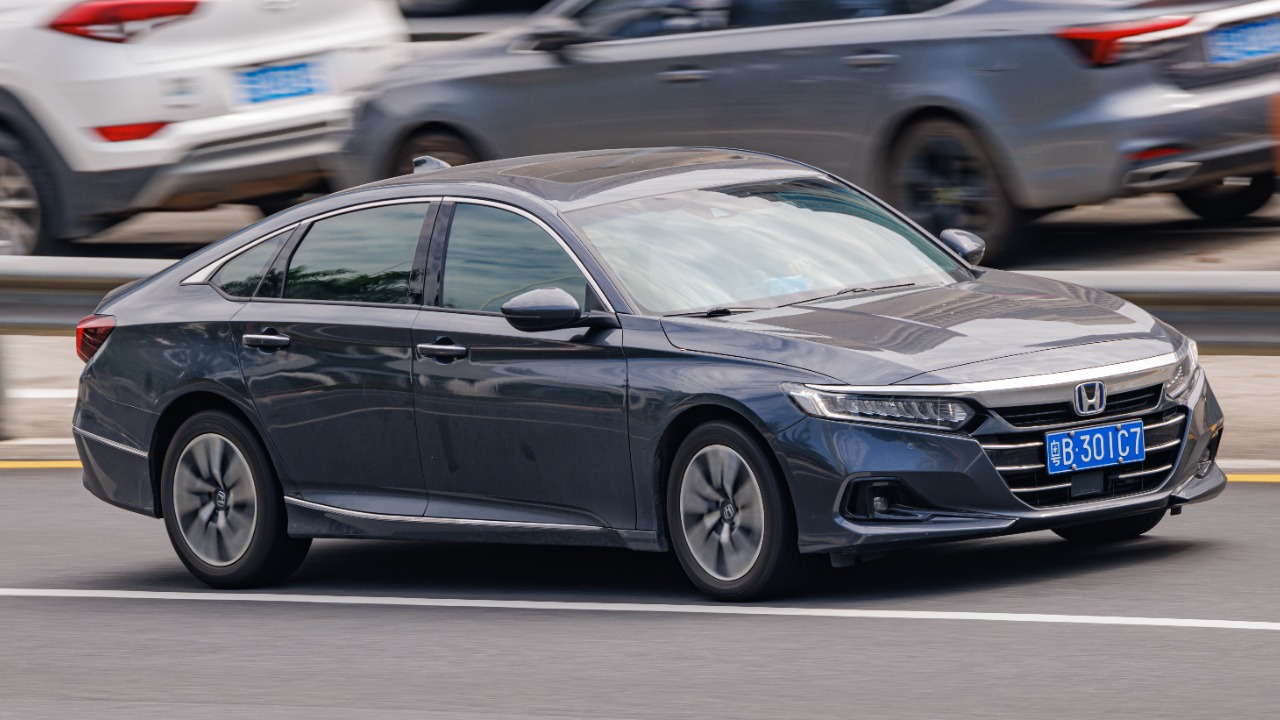
An improperly tightened frame beneath the driver’s seat cushion in the Honda Accord can leave the entire seat loose rather than fixed in place. NHTSA’s campaign 26V054000, covering the 2023 model, traces the issue to critical fasteners that were not torqued correctly during assembly.
A seat that shifts under braking or impact cannot properly anchor the driver, undermining the seat belt and airbags that depend on the driver staying roughly in position. Honda dealers are checking and retightening the seat cushion frame on affected cars.
11. Honda Odyssey: A Cracked Weight Sensor
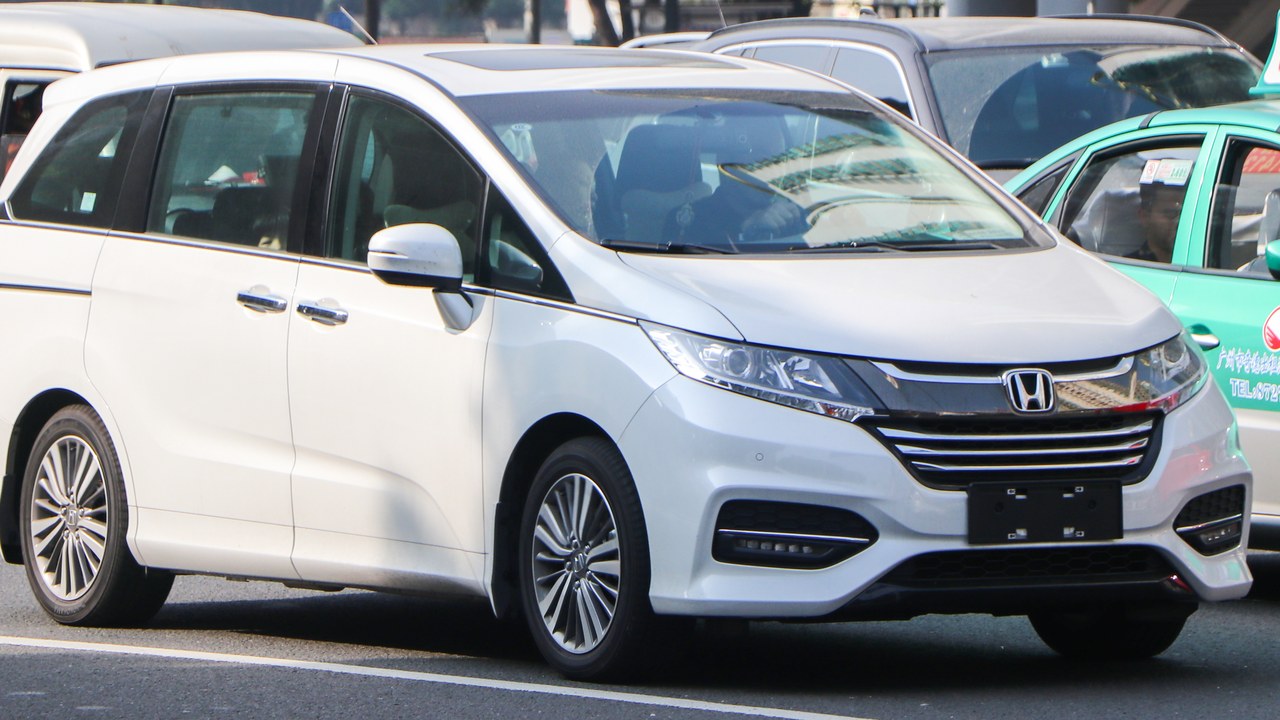
The front passenger seat weight sensor in the Honda Odyssey can crack and short circuit, a fault that can set off an unintended airbag deployment. NHTSA’s campaign 26V332000, filed against the 2023 model, identifies the occupant classification sensor as the source of the short.
An airbag that deploys without warning during ordinary driving can injure the very passenger it is supposed to protect, especially at close range. Honda is replacing the affected weight sensors during dealer service visits at no charge to owners.
12. Land Rover Defender: A Corroded Connector
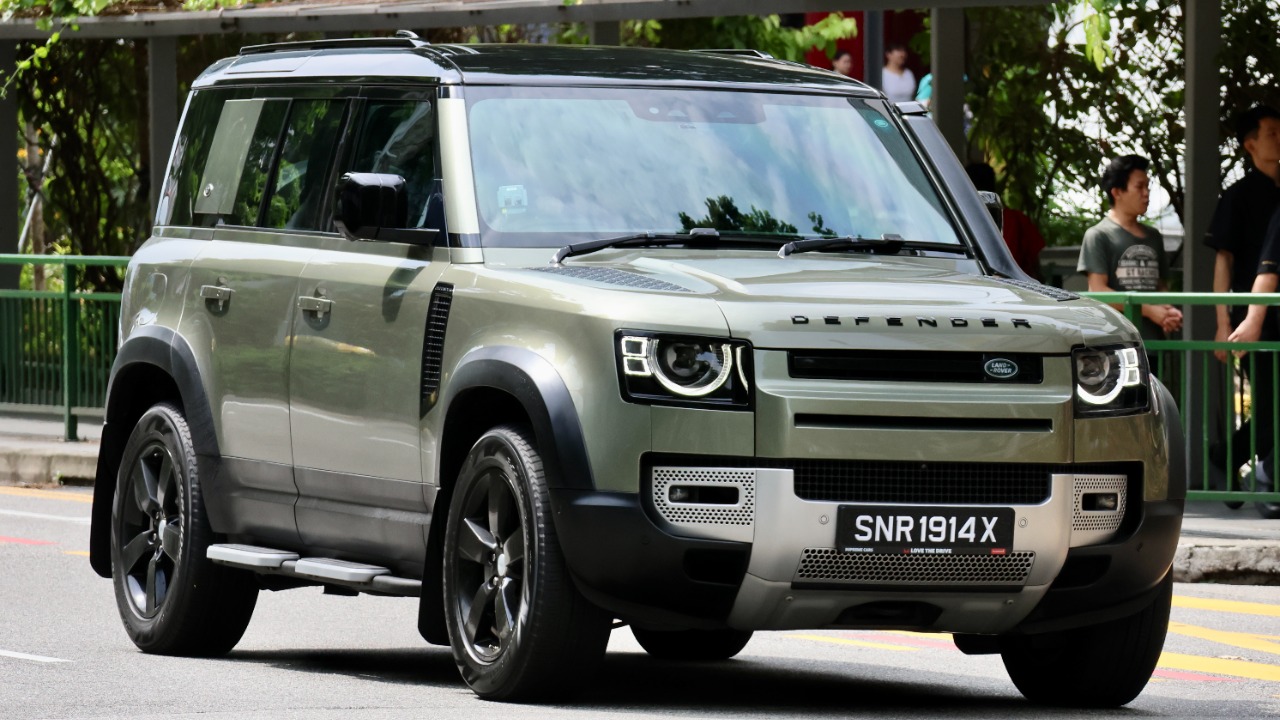
Corrosion inside the driver’s airbag clockspring connector on the Land Rover Defender can sever the electrical path the airbag needs to fire. NHTSA’s campaign 26V389000, covering the 2023 model, says the corroded connector can prevent the driver’s frontal airbag from deploying at all in a crash.
A frontal airbag that never deploys leaves a driver with only the seat belt for protection in exactly the kind of head-on impact the airbag was designed for. Land Rover dealers are inspecting and replacing the clockspring assembly on affected vehicles.
More from Morning Overview
- The NSA is again telling phone owners to switch off one location setting
- Supplements now rank as the fifth-leading cause of death from liver disease.
- Herbal supplements are landing Americans in the hospital with liver damage, doctors warn
- General Motors is switching on cameras that record inside your vehicle by update
