
American caves range from vast limestone mazes mapped over decades to short lava tubes that visitors can walk in an afternoon. Length and depth tell part of the story, but the practical question for travelers is which of these underground places can actually be visited. Here are eight of the biggest and best known, led by the longest cave system anywhere.
AI, explained every day: The Deep View is the go-to daily newsletter for 600,000+ founders, knowledge workers and professionals who want to stay up to date with artificial intelligence.
We may earn a commission if you sign up.
1. Mammoth Cave: The Longest Anywhere
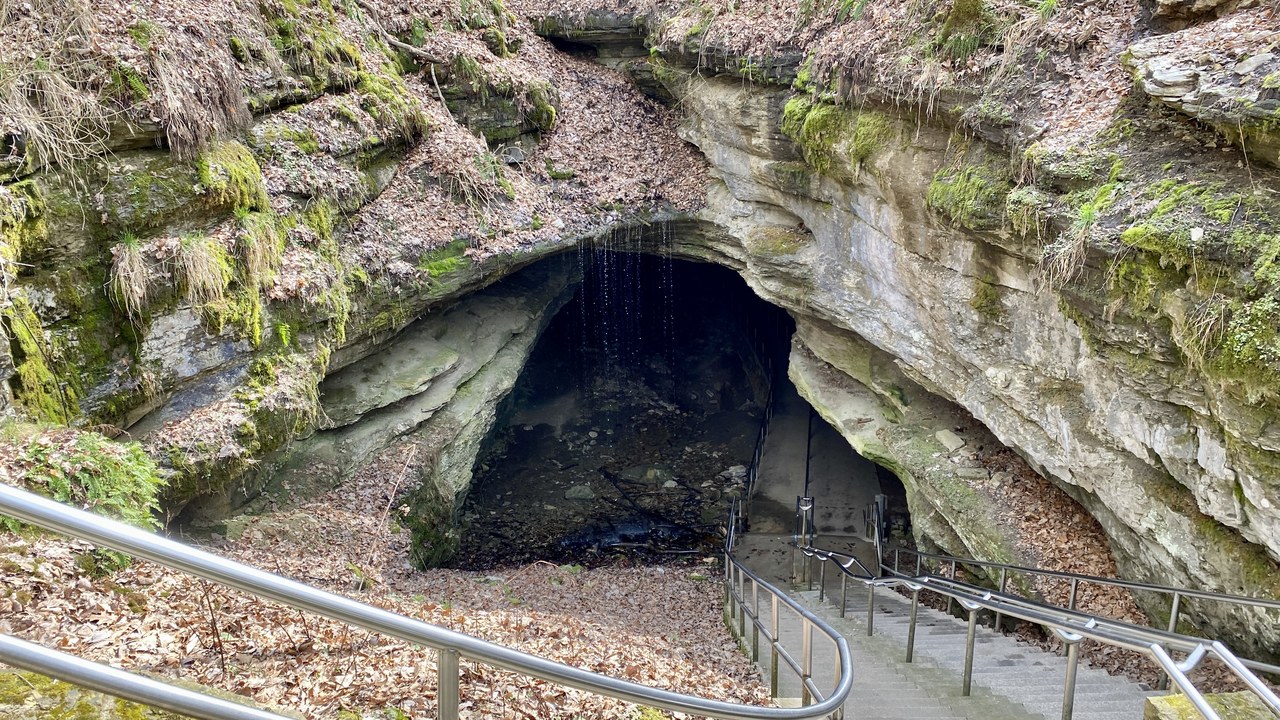
Surveyors have mapped 426.0 miles of passage in Mammoth Cave, Kentucky, making it the longest cave system in the country and in the world. The figure comes from a national list of the longest caves.
Survey totals keep growing as explorers push into new passages, so the number is a floor rather than a ceiling. For visitors, the national park offers guided tours that reach only a small slice of that enormous underground network. Anyone planning a trip should expect to see a fraction of the total, and to book tours ahead in busy seasons.
2. Jewel Cave: South Dakota’s Runner-Up
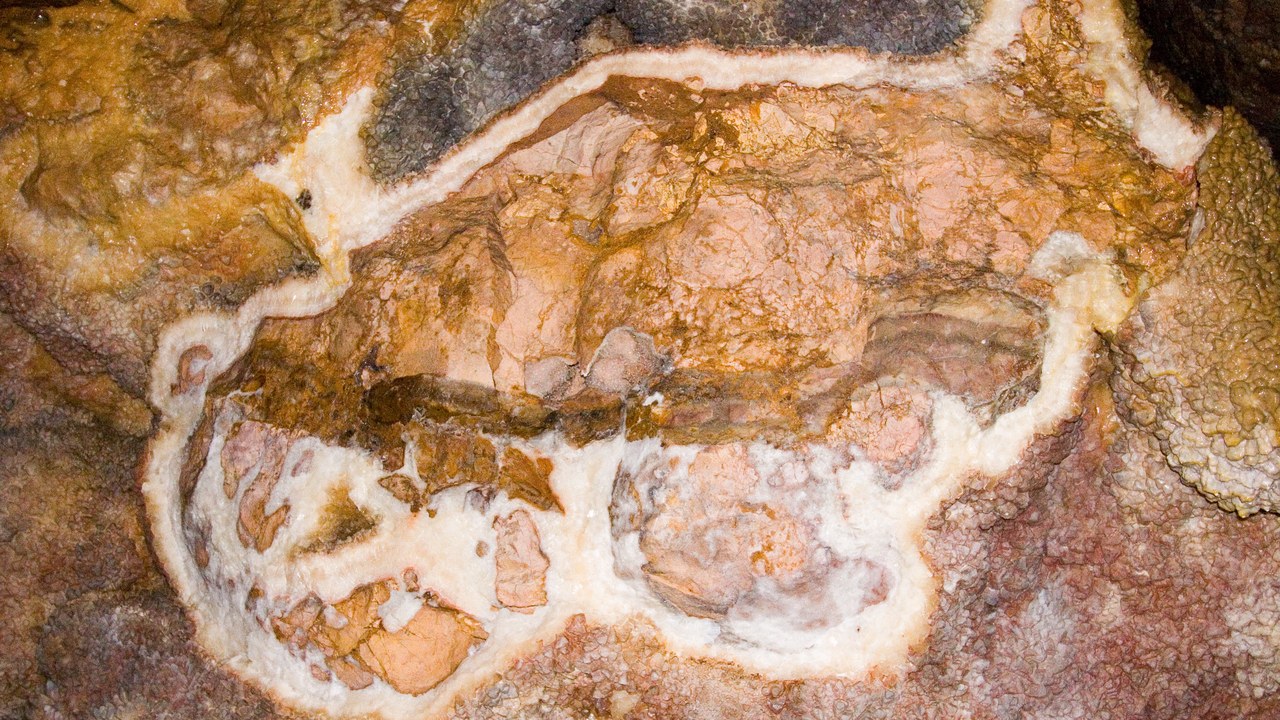
Jewel Cave in South Dakota holds 220.5 surveyed miles, the second-longest cave in the United States according to the same national ranking. It trails Mammoth by a wide margin but still dwarfs nearly every other known cave.
The cave sits within a national monument, which means access is managed and tours are the normal way in. Its length was established by patient survey work, a reminder that a cave’s measured size depends on how much of it has been explored. Rankings like this one can shift whenever a new connection is found between passages.
3. Wind Cave: Small Footprint, Huge Maze
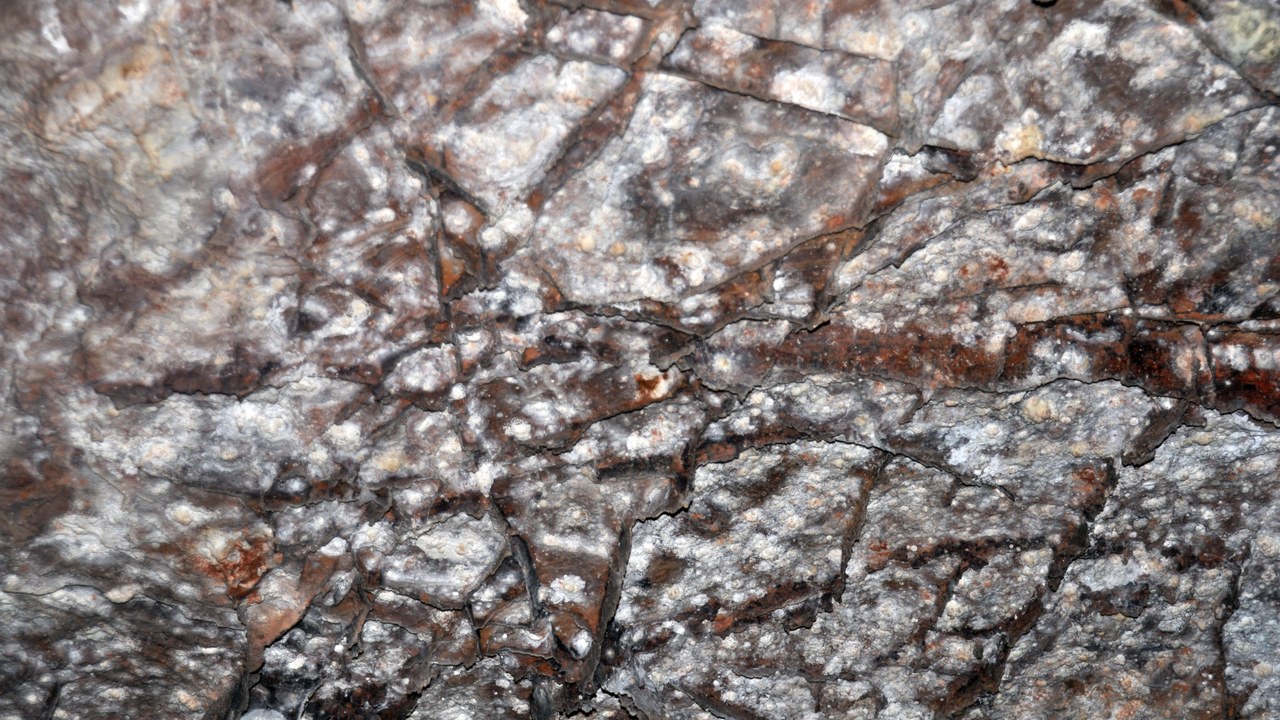
Wind Cave holds at least 167 miles of known passageways beneath a surface footprint of just 1.25 square miles. Two brothers found it in 1881.
That density makes the cave one of the most compact mazes on this list, with passages stacked and twisting beneath a small patch of ground. Visitors tour it as part of a national park, so only a tiny portion of the labyrinth is open to the public. The statistic is a good example of how a modest patch of surface can hide a very large three-dimensional space.
4. Carlsbad Cavern: Room With a Record
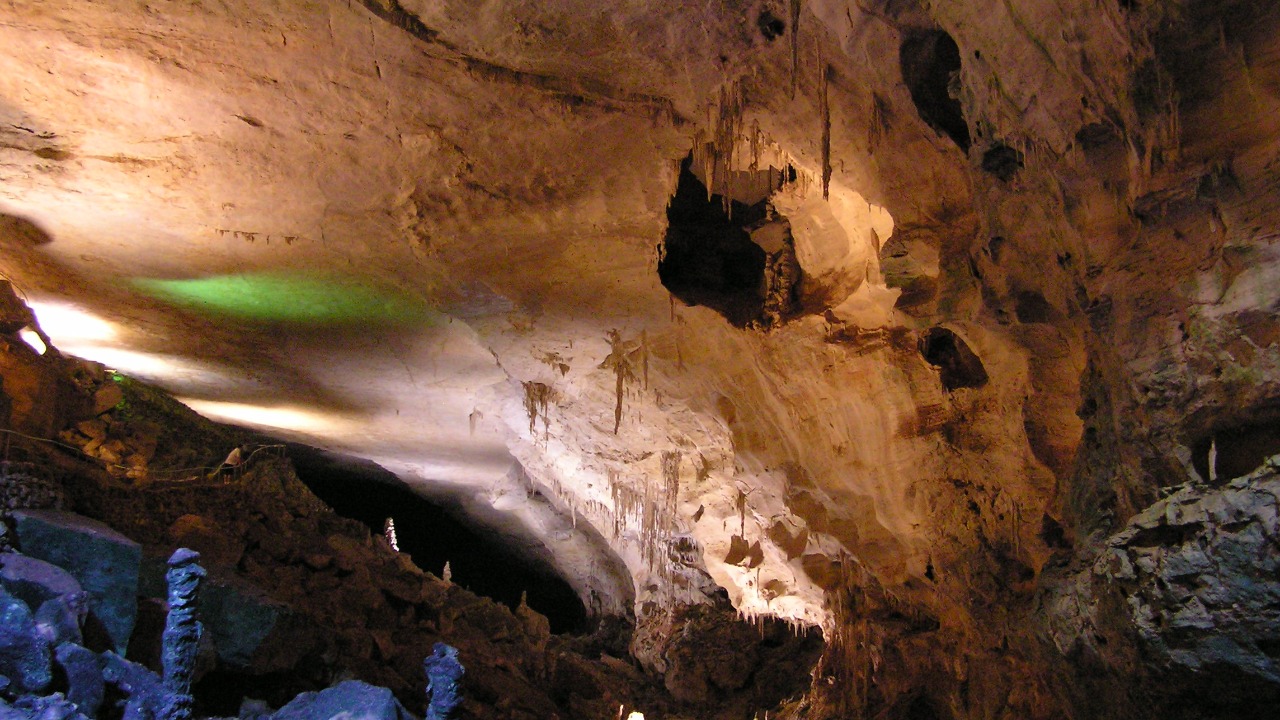
Carlsbad Cavern runs over 32 miles, but its fame rests on the Big Room, which the National Park Service calls the largest readily accessible chamber in North America at 8.2 acres. The chamber is open to walkers.
The phrase readily accessible matters, because larger and deeper spaces exist in restricted caves nearby. Carlsbad stands out because ordinary visitors can walk through a space of that scale without technical gear or special permission. That accessibility, more than raw length, explains why the cavern became one of the best known in the country and a long-standing national park.
5. Fort Stanton Cave: New Mexico’s Long Cave
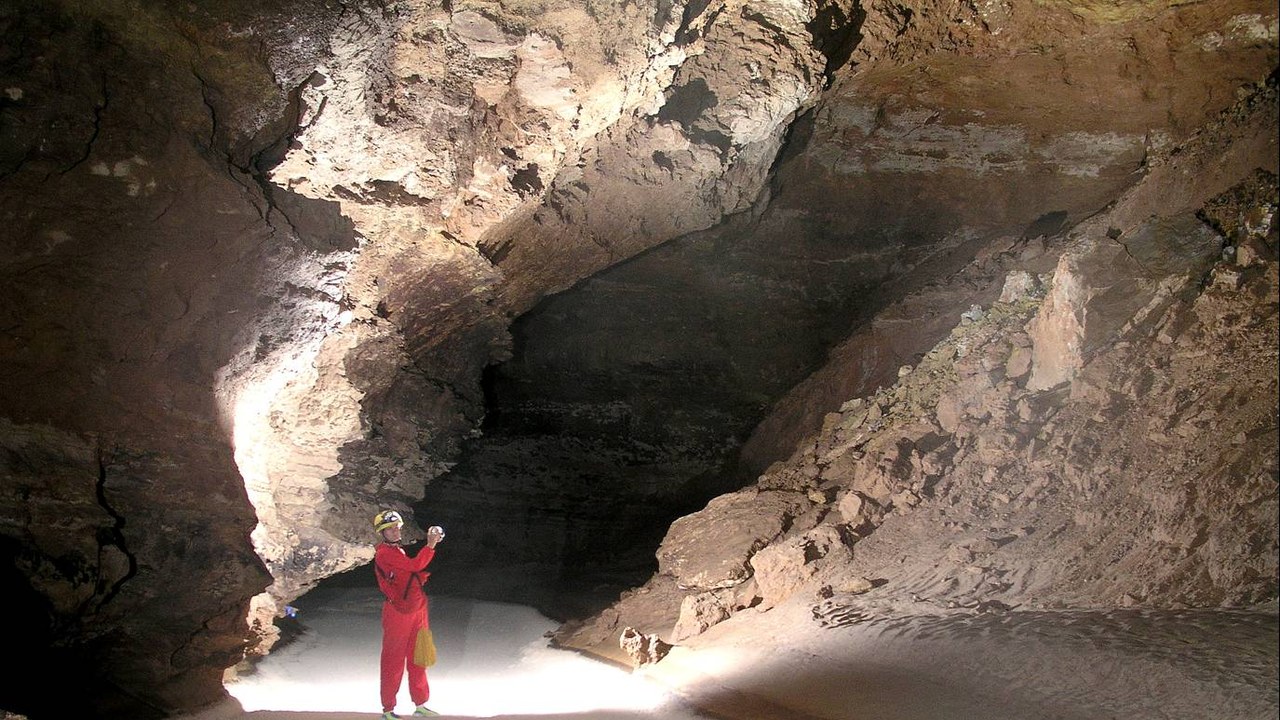
Fort Stanton Cave in New Mexico has 56.23 miles surveyed, placing it among the longest caves in the country. It is less famous than the national park caves, yet its length rivals many that draw far larger crowds.
Access to Fort Stanton is far more limited than at the headline attractions, so its place on the list reflects exploration rather than tourism. The cave shows how much of the country’s underground remains known mostly to surveyors and researchers. Travelers hoping to visit should confirm access rules in advance rather than assume the cave is open like a standard park attraction.
6. Lava Beds National Monument: Hundreds of Lava Tubes
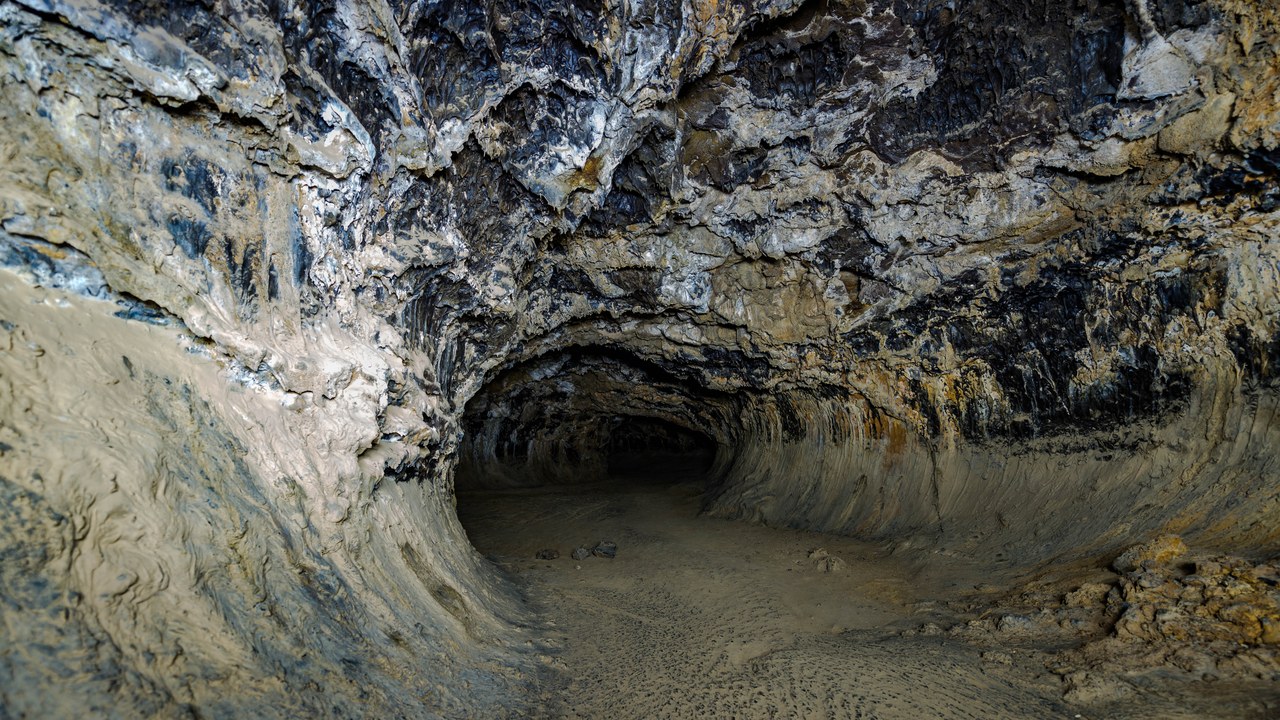
Lava Beds National Monument in California contains 700 lava caves, of which 25 are open for exploration. That makes it North America’s greatest concentration of lava caves.
Lava tubes form differently from limestone caves, created when the outer crust of a flow hardens while molten rock drains away inside. With so many open to explore, visitors can choose among tubes of different sizes and difficulty. Only a small share of the total are open, so the monument manages access to protect fragile formations and the animals that use the caves.
7. Crystal Cave (Sequoia): The Tour Cave
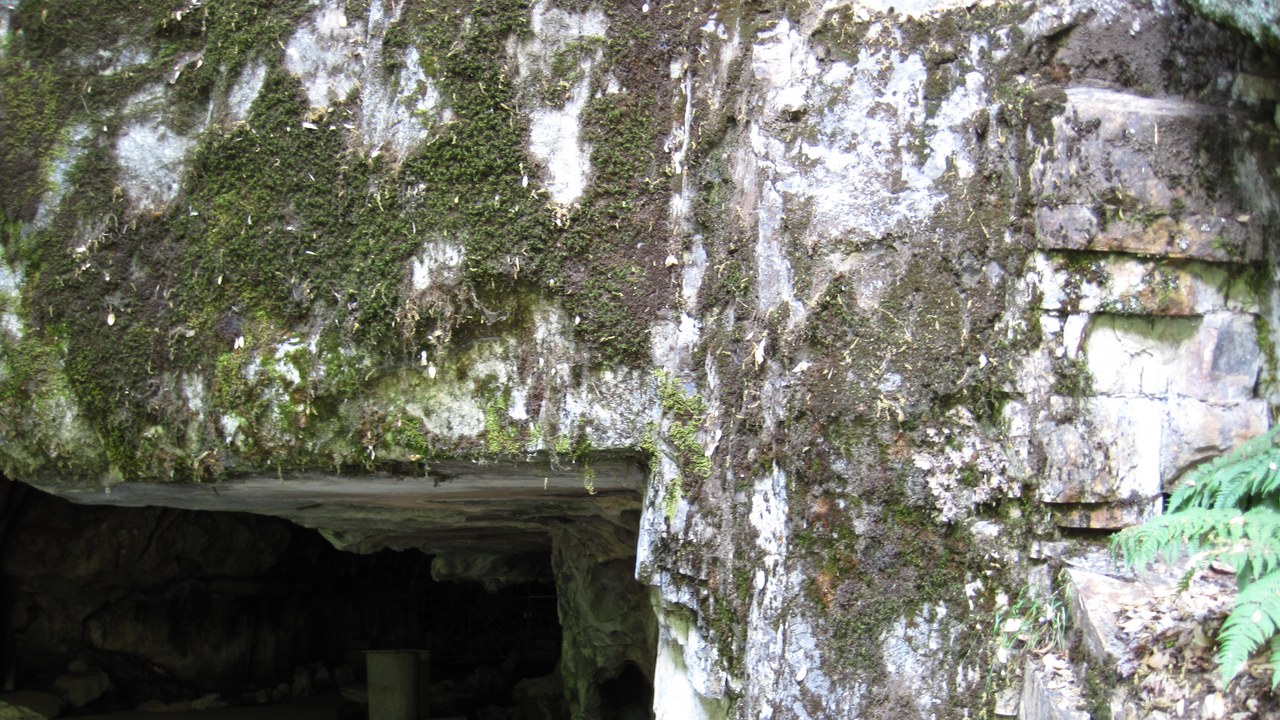
Sequoia National Park has dozens of documented caves, and Crystal Cave is the one that offers guided tours. It is the practical way for visitors to see the marble caverns beneath the Sierra Nevada.
Most of the park’s other caves are not open to casual visitors, which is why one tour cave carries so much of the attention. Anyone planning a visit should check the park for current tour availability before making the trip. The cave’s tours are the main reason the park appears on a list of places to see the underground, since the surrounding wilderness is better known for its giant trees.
8. Thurston Lava Tube: An Easy Hawaiian Tube
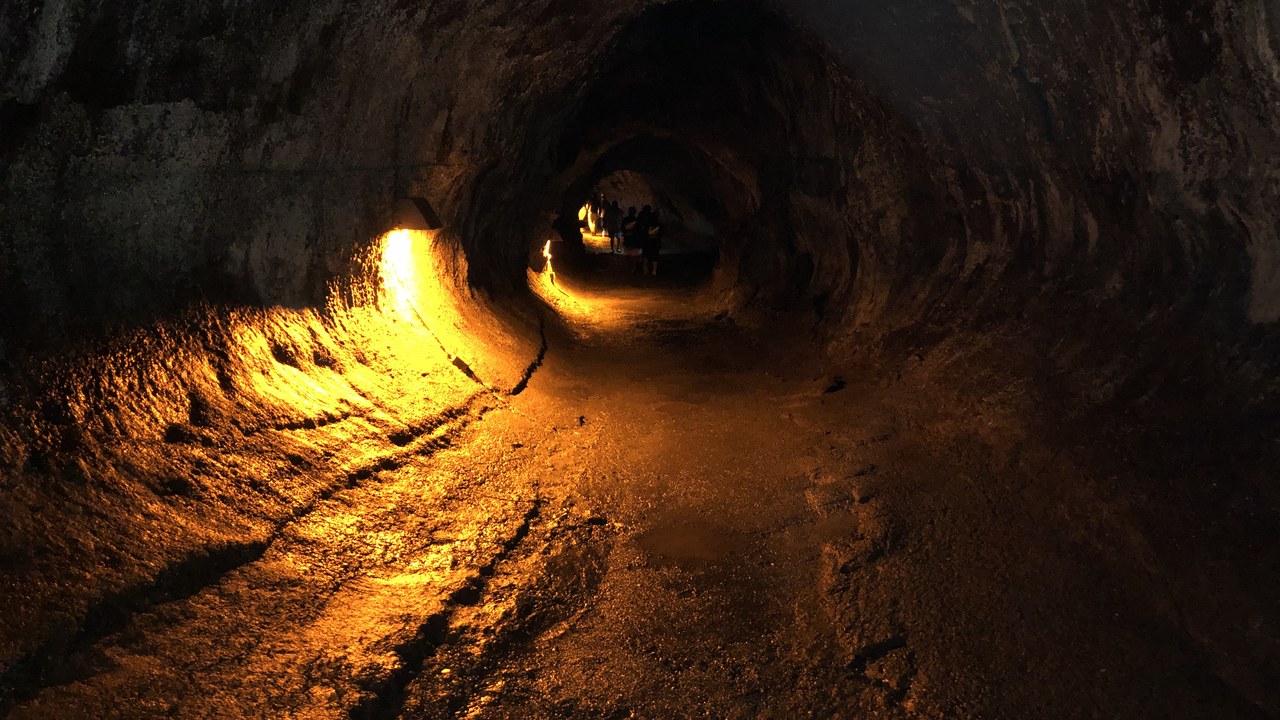
Nāhuku, better known as Thurston Lava Tube, in Hawaiʻi Volcanoes National Park is reached by a 1.5-mile hike of moderate difficulty. It is a lava tube rather than a limestone cave, formed by flowing volcanic rock.
The tube offers the shortest and most approachable underground experience here, a contrast to the long guided tours at the big limestone systems. It also shows that American caves include volcanic features shaped by an active landscape. The short hike makes it a rare cave experience that does not require a long tour or an advance commitment, though walkers should still be prepared for wet, uneven ground.
AI, explained every day: Get The Deep View →
We may earn a commission if you sign up.
More from Morning Overview
- The FBI told the rest of ShinyHunters to surrender after a 24-year-old was arrested
- Two passengers died at an Ohio toll plaza, and the NTSB now wants the cash lanes shut
- Long use of a common prostate pill is tied to a higher chance of glaucoma
- Ford is recalling 223,472 F-150 pickups because the fuel tank can leak or detach
