
Detroit’s factory horsepower race of the 1960s and early 1970s produced some of the most extreme street machines ever sold. Big-block engines, high compression and limited production runs defined the cars at the top of the order sheet. Here are twelve muscle cars, from Chevrolet, Ford, Plymouth, Dodge, Pontiac, Buick, AMC and Oldsmobile, that earned their place in the story.
Stay ahead on AI: Join 600,000+ professionals who read The Deep View, the daily newsletter that keeps you up to date with artificial intelligence.
We may earn a commission if you sign up.
1. 1971 Ford Mustang Boss 351: Last Of The Bosses
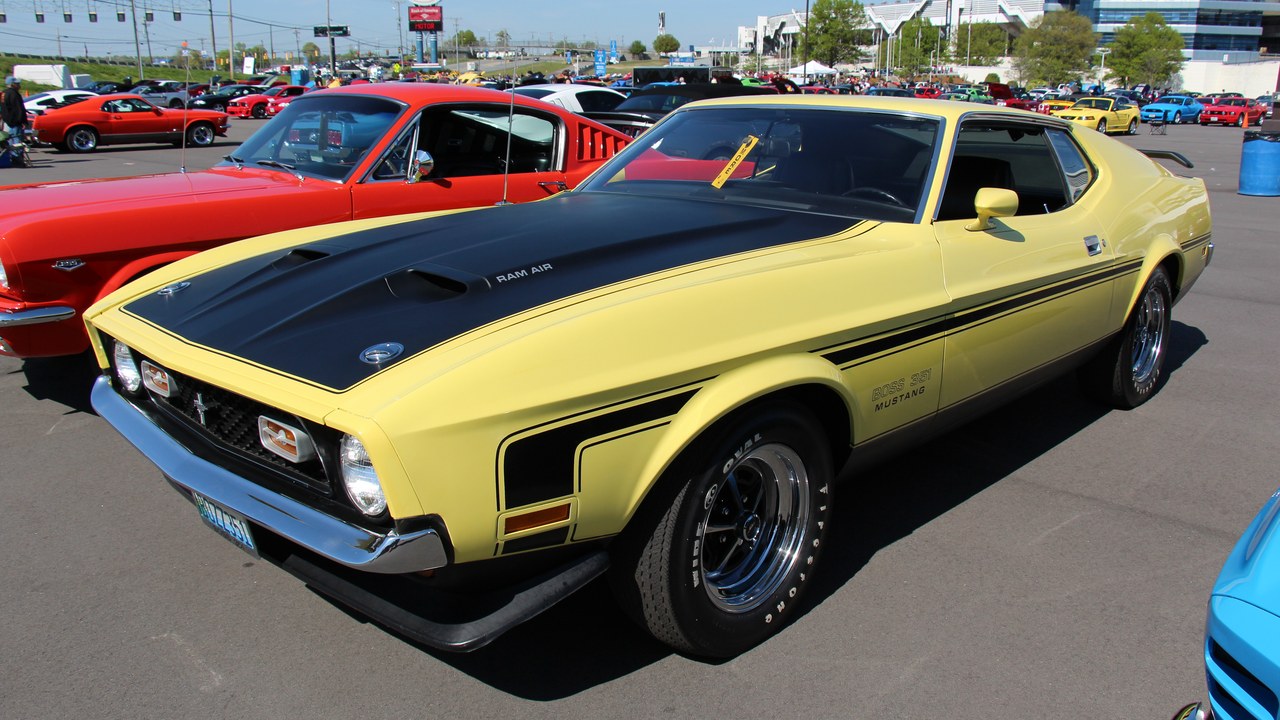
The 1971 Mustang Boss 351 carried a 330 hp rating, and its 351 Cleveland V8 also made 370 lb-ft of torque. Ford offered the model for one year only.
The Boss 351 arrived at the tail of the muscle-car era and was the last Boss Mustang of that period. It closed out a line of high-output Fords that had helped define the horsepower wars, which makes this short-lived car a fitting entry in the story.
2. 1963 Ford Galaxie 427 R-code: Ford Answers Back
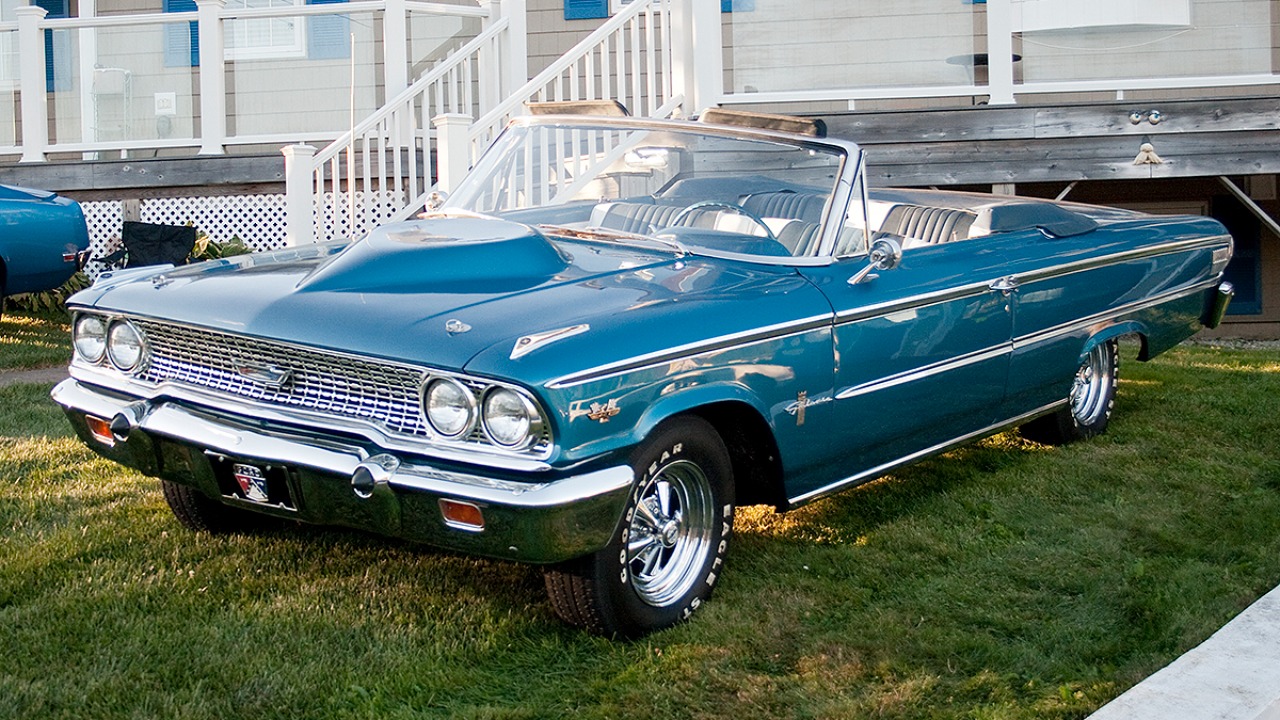
Ford countered the big Chevrolets with the 427 R-code Galaxie, and the Galaxie’s 427 rating was 425 hp. Ford built just 200 of them, making the car a rare sight even in its own era.
The Galaxie was a full-size family sedan and hardtop line, yet the R-code option turned it into a serious track weapon. Ford aimed the package at stock-car racing and drag strips, where large displacement and light trim mattered more than comfort. Its place in the early 1960s power struggle is secured by that combination of size and output.
3. 1965 Chevrolet Corvette L78 396: Corvette Goes Big
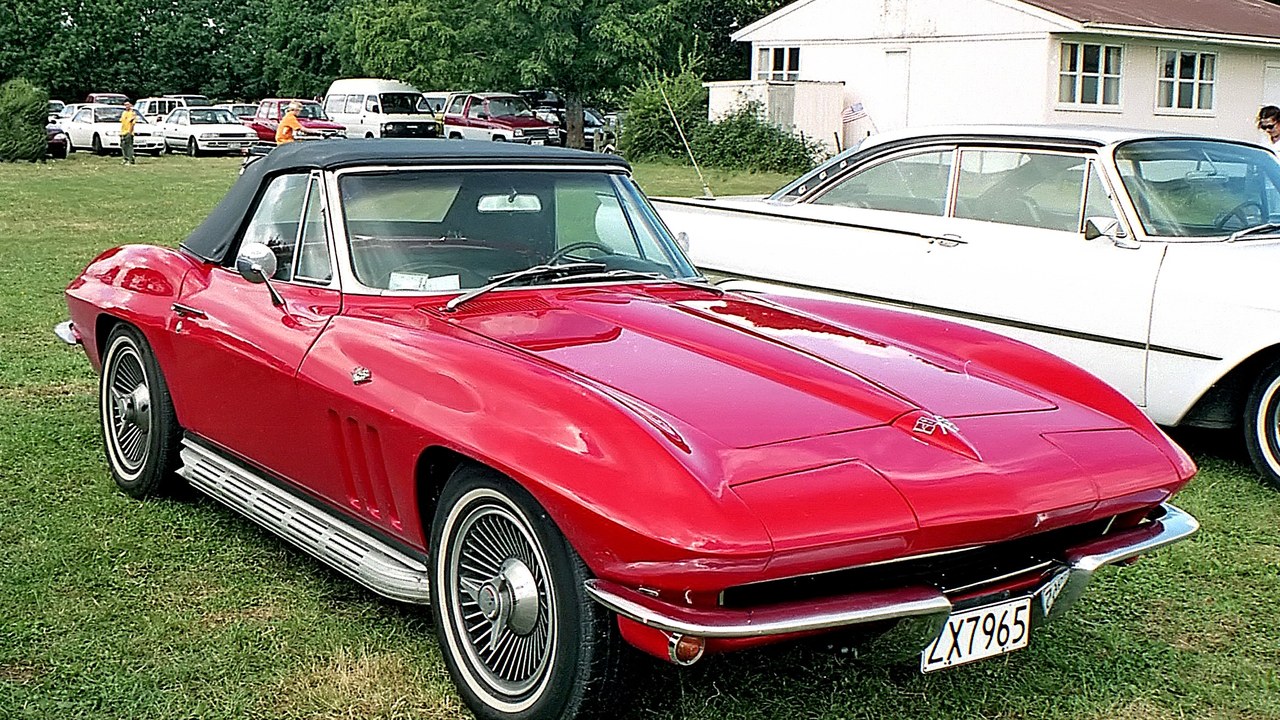
Chevrolet put a 396 cubic-inch big-block into the Sting Ray for 1965, and Hagerty’s Corvette facts note that the engine went into 2,157 cars. At 425 hp, it was the most powerful Corvette up to that time.
The L78 marked a shift for America’s sports car, which had relied on smaller-displacement V8 power in earlier years. Adding a big-block brought the Corvette squarely into the horsepower contest, and a bulged hood was needed to clear the engine. The second-generation car, with its independent rear suspension, handled the extra output with composure.
4. 1966 Plymouth Satellite 426 Hemi: Hemi in the Midsize
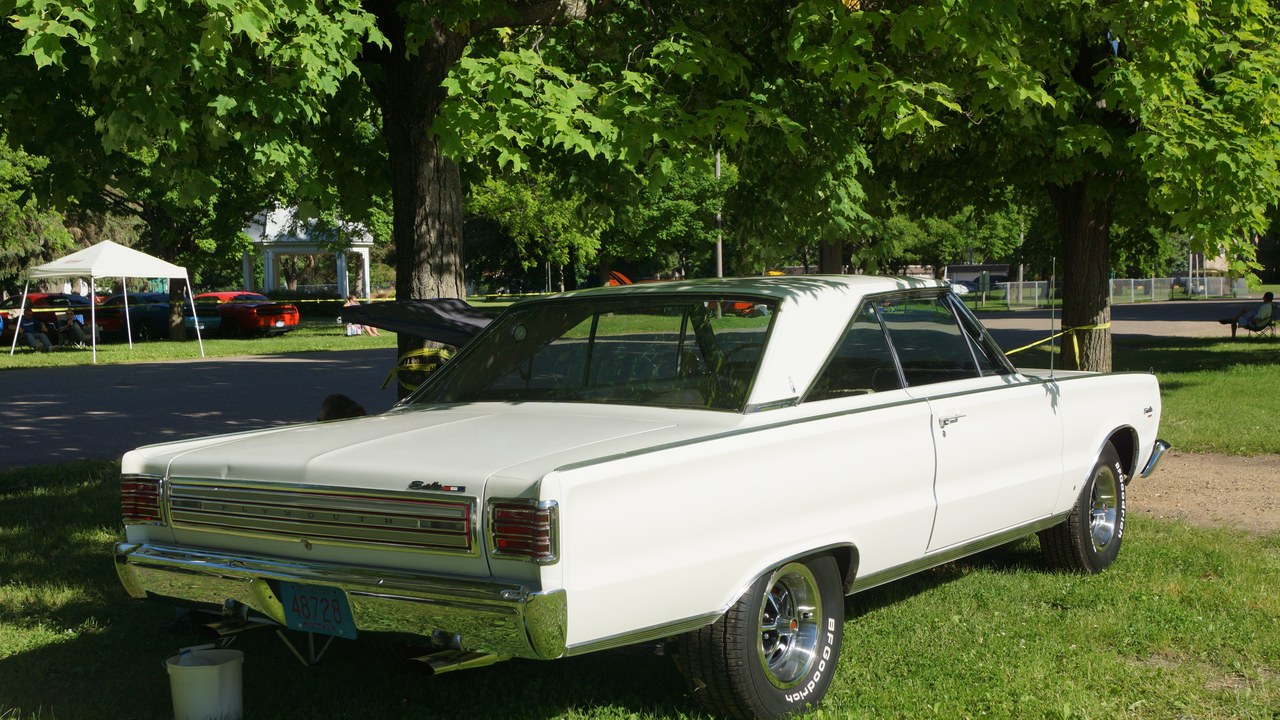
Plymouth dropped the race-bred 426 Hemi into its midsize Satellite in 1966, and the Hemi’s 425 bhp rating made the car a force on the street. The base price was listed at $3,850, a sum that bought a great deal of performance.
The Satellite name belonged to the upper trim level of the Belvedere line, which gave the Hemi a more upscale home than the stripped-down racing specials. Chrysler’s hemispherical combustion chambers had already earned a reputation in competition. Bringing that engine to dealers let ordinary buyers own a piece of NASCAR-derived technology.
5. 1968 Pontiac GTO 428: The Sneak Attack
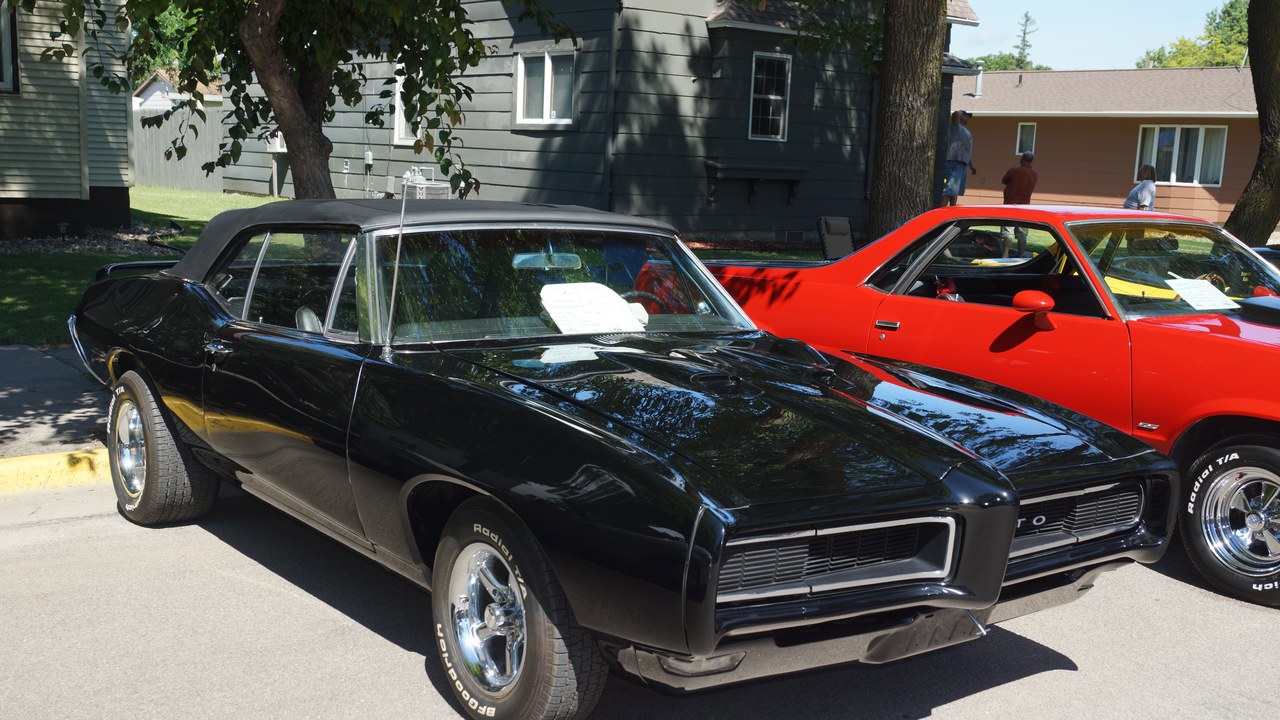
Pontiac’s 428 cubic-inch V8 gave the GTO fresh strength, and the Hagerty history of the 428 calls it a sneak attack in the horsepower wars. The engine was rated at 375 hp in 1968, then 390 hp in 1969.
The GTO is widely credited with popularizing the muscle car formula of a big engine in a midsize body. By the end of the decade, rivals had pushed displacement ever higher, and Pontiac responded with more torque and a distinctive bumper-integrated nose. The 428 kept the car competitive without a headline-grabbing displacement jump.
6. 1969 Chevrolet Corvette ZL1: Two Were Built
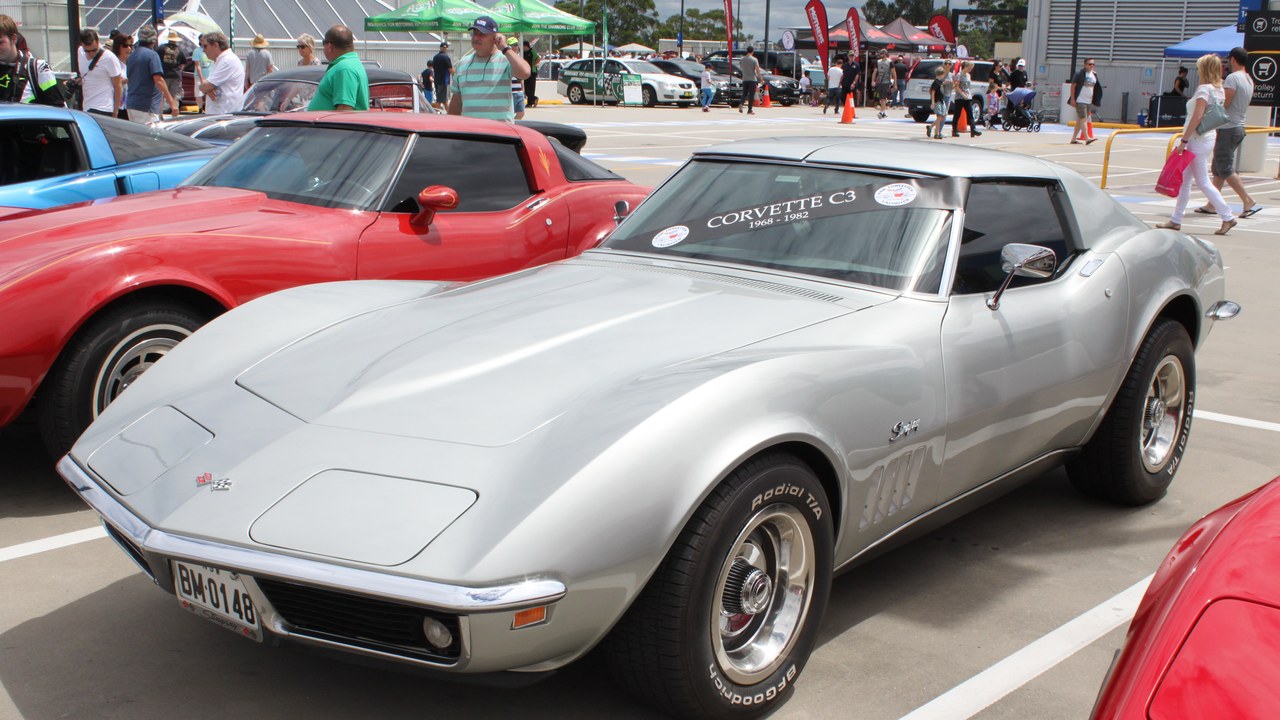
Few road cars are rarer than the ZL1 Corvette. Chevrolet built only two with the all-aluminum ZL1 427, one yellow and one white, according to Hagerty’s Corvette facts, and the engine was rated at 430 hp.
The all-aluminum big-block weighed far less than a conventional cast-iron 427, a key advantage for a car meant to run hard. The ZL1 option was originally conceived for racing, and its extreme cost kept production almost nonexistent in the Corvette. That scarcity turned the pair of cars into some of the most famous Corvettes ever built.
7. 1970 AMC Rebel Machine: Red, White and Blue Brawler

American Motors joined the muscle car race with the Rebel Machine, whose 390 cubic-inch V8 made 340 hp. That output was enough to take the Rebel from 0 to 60 mph in 6.8 seconds.
AMC was a smaller automaker than the Detroit giants, and the Machine was its bold bid for performance credibility. The car stood out for a flamboyant patriotic paint scheme and a prominent hood-mounted scoop. While its power figures trailed the biggest Hemi and big-block rivals, it gave AMC a genuine entry in the segment.
8. 1970 Buick GSX Stage 1: Stage 1 Heavyweight
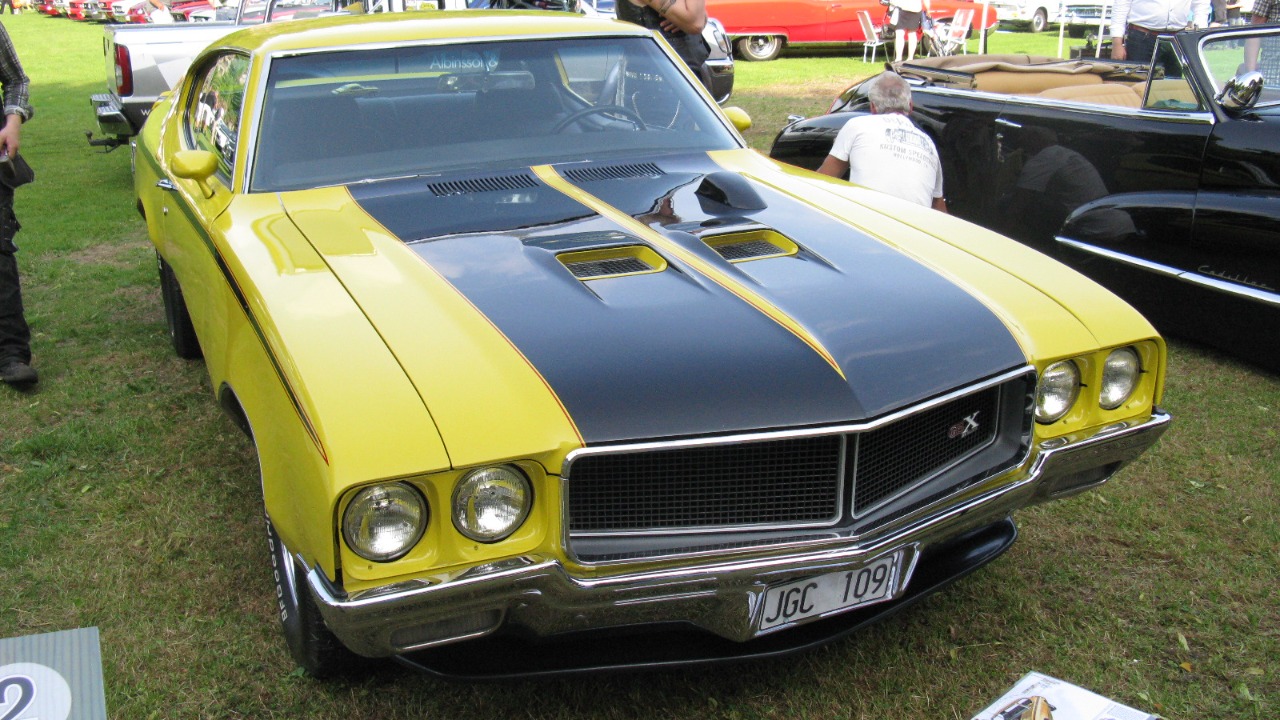
Buick’s GSX was the brand’s loudest muscle car statement, and the SlashGear muscle car list reports that only 678 units were built. The Stage 1 455 V8 produced 360 hp and 510 lb-ft of torque.
That torque figure was among the highest of the period, delivering strong acceleration from low engine speeds. The GSX package added spoilers, stripes and handling upgrades to the Gran Sport, turning a refined Buick into a street fighter. Its limited production run has made it one of the more sought-after Buicks among collectors.
9. 1970 Chevrolet Chevelle SS 454 LS6: King of the Ratings
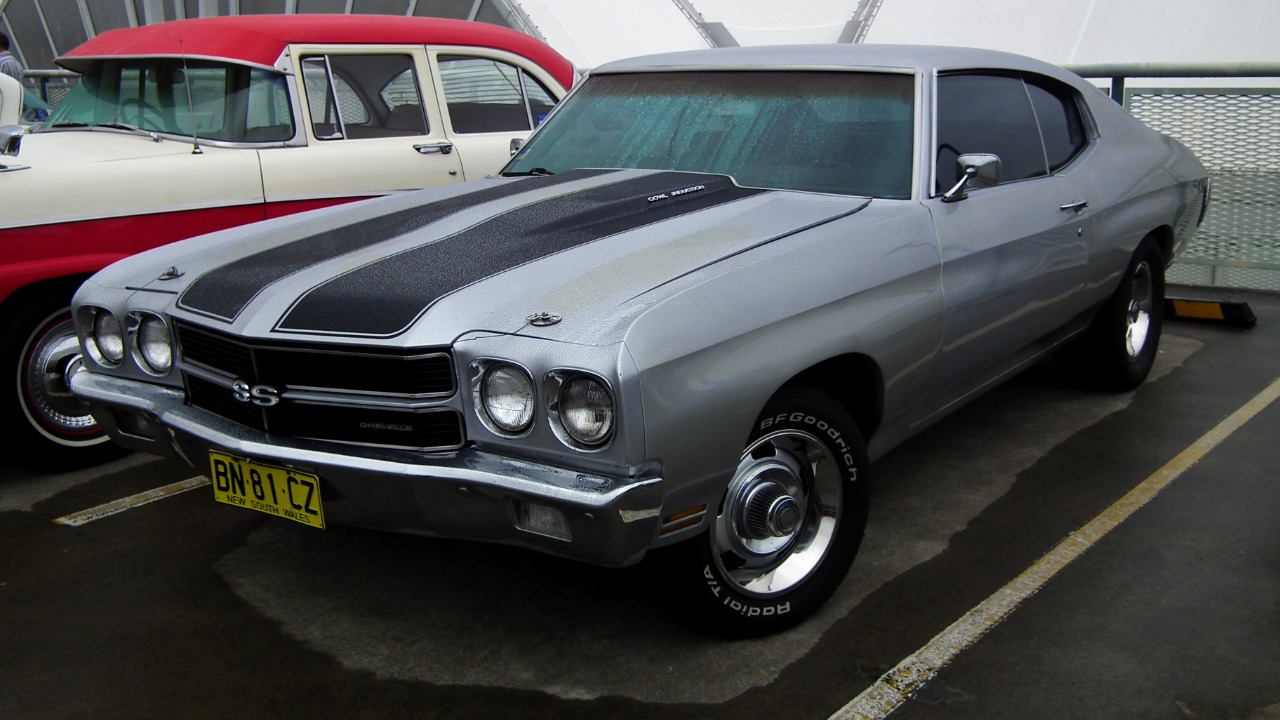
Chevrolet’s LS6 option put the Chevelle at the top of the factory rating chart. Rated about 450 hp, it carried the highest factory number of the era, and SlashGear’s 1970s list says Chevrolet built 4,475 LS6 Chevelles.
The LS6 used the largest big-block Chevrolet offered in a midsize car, and the engine was paired with heavy-duty drivetrain parts. Buyers who chose the option got a car capable of dominating stoplight contests. Gross ratings of the time overstated real-world output compared with modern methods, yet the number still defines the peak of the era.
10. 1970 Dodge Challenger R/T 426 Hemi: Hemi Pony Car
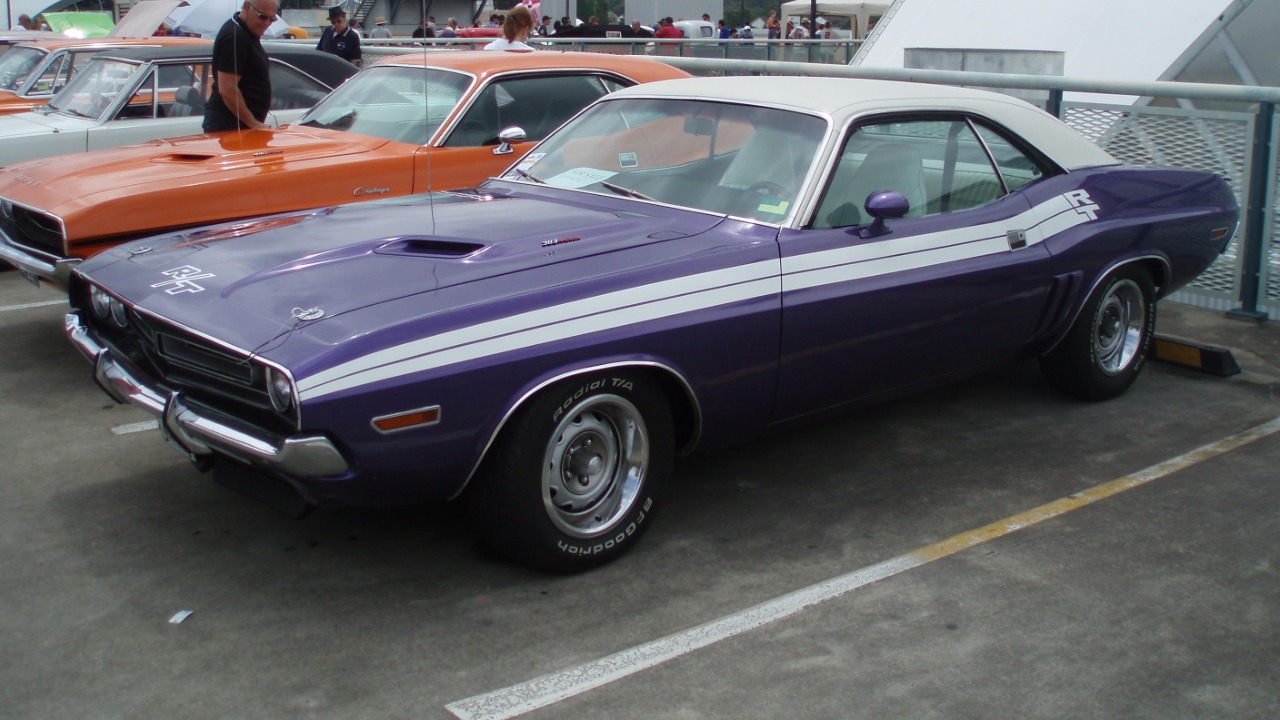
Dodge introduced the Challenger for 1970, and the R/T with the 426 Hemi was its flagship. According to SlashGear’s 1970s ranking, the Hemi version made 425 hp and 490 lb-ft, while about 19,000 Challengers were sold in 1970.
The Challenger arrived late to the pony car segment, sharing its E-body platform with the Plymouth Barracuda. Its wide stance and long hood made a strong visual impression, and the Hemi gave it credentials to match. Rival automakers were already facing tightening regulations, so the car stands near the end of the golden age.
11. 1971 Plymouth Hemi ‘Cuda: Pricey Powerhouse
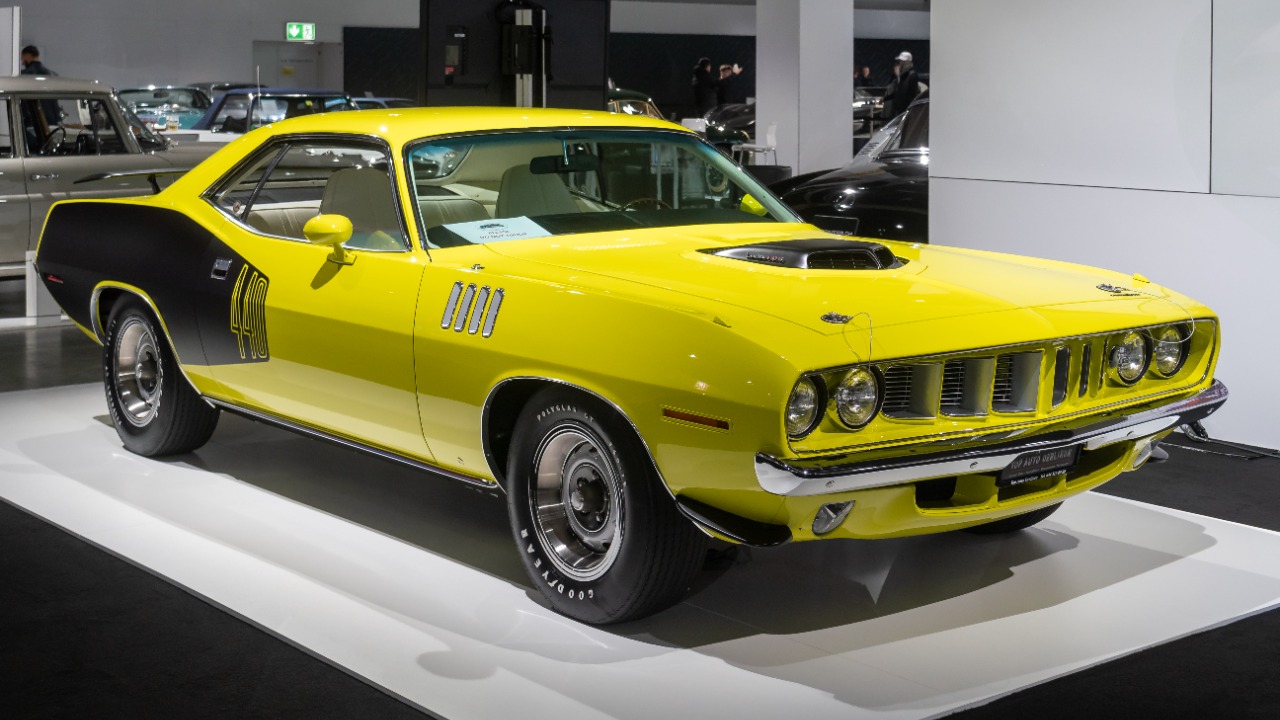
The Hemi ‘Cuda was among the most extreme Plymouth products of the early 1970s. Per SlashGear’s muscle car list, the 426 Hemi added $900, which was almost a third of the car’s base price, and output stayed at about 100 hardtops.
That premium reflected the complexity of the engine, which was built in small numbers and demanded specialized assembly. The Barracuda body, shared with the Dodge Challenger, gave the Hemi a compact and aggressive shell. Such tiny production totals and the high option cost have made surviving examples a centerpiece of the collector market.
12. 1966 Oldsmobile Toronado: Front-Drive Muscle
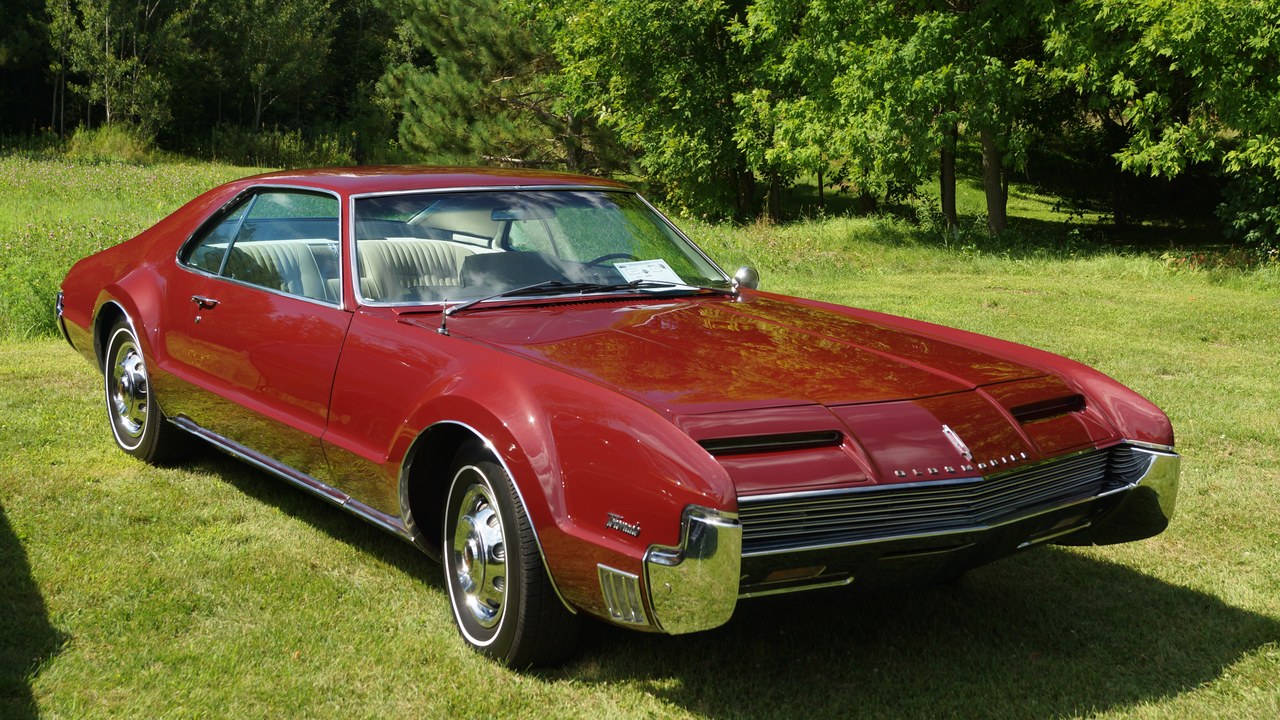
Oldsmobile took a different route with the Toronado, which paired front-wheel drive with a 385-hp 425 cubic-inch V8. According to Hagerty’s Toronado history, Motor Trend named it its 1966 Car of the Year.
The layout was a bold departure in a period dominated by rear-drive performance cars, and the Toronado drew on engineering ideas associated with the earlier Cord 810. Its long hood and sharp fastback roofline gave the personal luxury coupe a dramatic presence. It showed that big horsepower and sophisticated packaging could coexist in one American car.
Stay ahead on AI: Subscribe to The Deep View →
We may earn a commission if you sign up.
More from Morning Overview
- Ford is recalling 223,472 F-150 pickups because the fuel tank can leak or detach
- Hybrids have 15% fewer problems than gas cars, while EVs and plug-in hybrids have about 80% more, Consumer Reports finds
- Regulators cleared the first U.S. small modular reactor, 4 months early
- Lake Powell sank to a record 3,517 feet, nearing the level that stops Glen Canyon Dam’s turbines
