
Few automotive jobs carry as much spotlight as leading the field around Indianapolis Motor Speedway before the green flag. Over the decades, the cars chosen for that duty have included muscle machines, luxury convertibles, a sports-car legend and even a pickup. Here are twelve of the pace cars, each with the story that made it memorable.
Tech news worth reading: Get Techpresso, the daily email with the most interesting tech news and insights, read by 400,000+ professionals from Google, Apple and OpenAI.
We may earn a commission if you sign up.
1. 1964 Ford Mustang: Pony Car Pacesetter
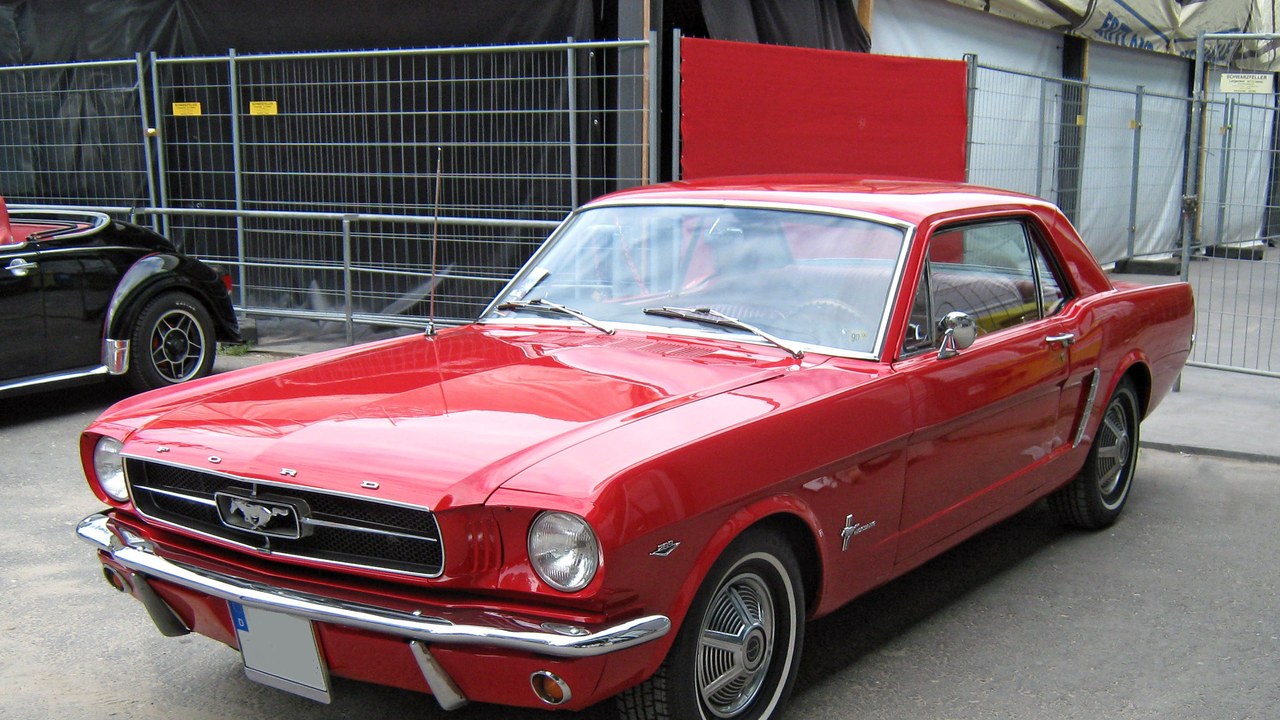
The first-generation Mustang earned its Indianapolis assignment in 1964, and Hagerty’s Mustang facts notes that the pace car packed a hopped-up 450-hp 289. Ford also sold 35 convertible and 185 hardtop pace car replicas, a tiny run next to the enormous sales the model would later enjoy.
Ford had introduced the Mustang only shortly before the race, so leading the field at the most famous event in American motorsport worked as a high-profile showcase for the new sporty compact. The replicas let buyers own a piece of that moment, and the small production numbers make surviving examples a point of pride for collectors of early Mustangs.
2. 1969 Chevrolet Camaro SS: Two Cars, Two Tire Brands
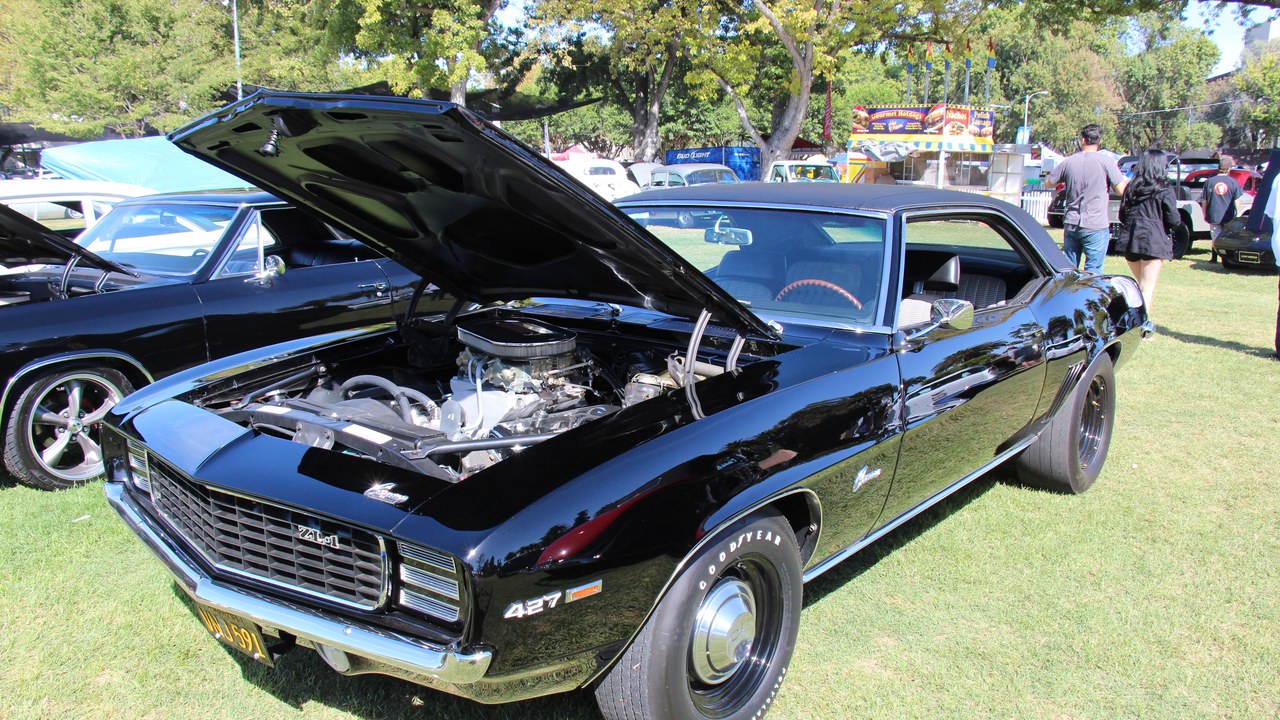
Chevrolet’s 1969 Camaro SS pace car came in a pair, and Autoblog’s pace car feature explains the setup: two Dover White and Hugger Orange cars were prepared, one on Firestone tires that started the race and one on Goodyears for post-race duty.
The arrangement shows how closely tire makers and automakers are tied to the speedway. The Camaro was Chevrolet’s answer to the Mustang, and the white body with orange stripes became one of the best-known looks of the muscle-car years. A pace car assignment gave the new nameplate a stage few advertising campaigns could match, with the whole grid and a huge crowd watching.
3. 1971 Dodge Challenger: Crash on Pit Road
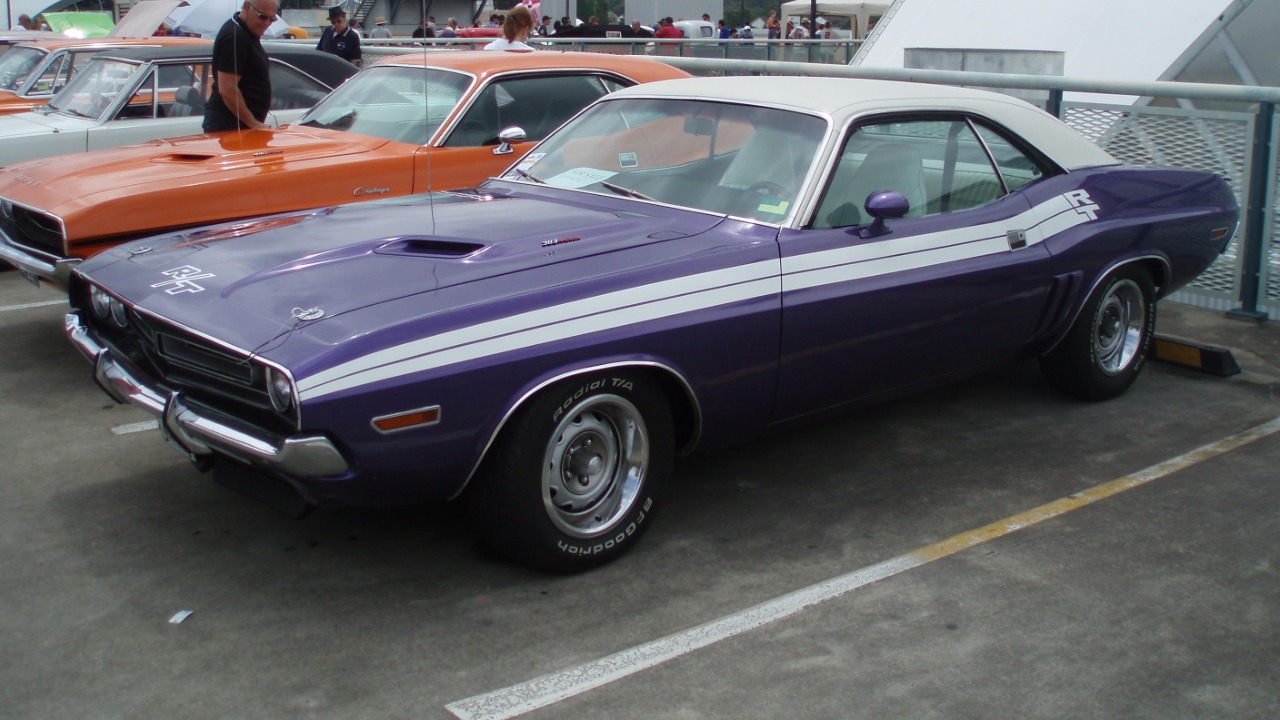
Dodge’s Challenger is remembered for a mishap rather than a clean lap. According to Motorsport.com’s pace car table, the 1971 car crashed into a photographers’ stand on pit road after the cone marking the driver’s braking point had been moved, and several people were injured.
The incident remains one of the best-known pace car stories at Indianapolis, a reminder that the job means slowing a heavy car from high speed to the pit lane within a tight margin. The Challenger itself was Dodge’s entry in the pony-car wars, launched for 1970, and its muscular styling has made it a favorite among classic Mopar fans ever since.
4. 1975 Buick Century: Garner Takes the Wheel
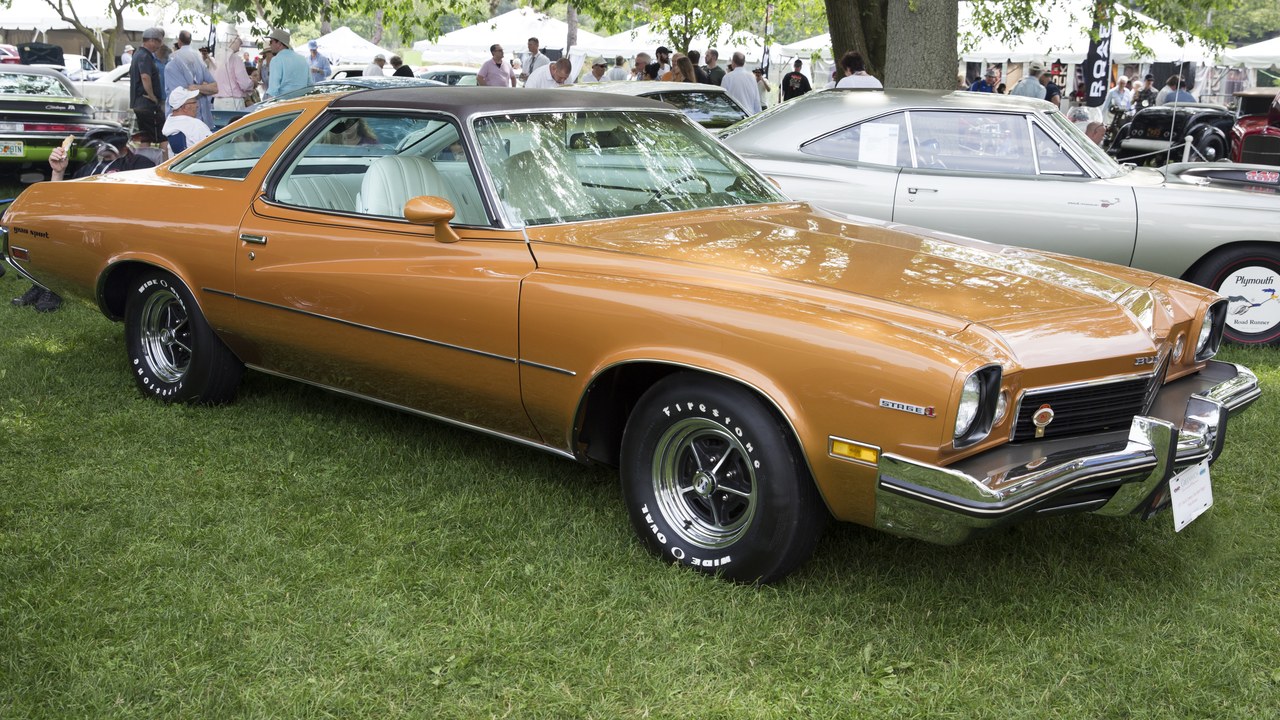
Actor James Garner drove the Buick Century Custom V-8 that paced the 1975 race, and Motorsport.com’s driver list notes that he jumped at the chance to pace the field. Celebrity drivers have long been part of the pace car tradition, adding Hollywood glamour to the pre-race ceremonies.
Garner was already a familiar face from television and film, and his long interest in motor racing made the assignment a natural fit. The Century was a mid-size Buick, a more everyday choice than the sports cars and exotic specials that often draw the spotlight, which gives this pace car a quietly American character.
5. 1978 Chevrolet Corvette: First of a Long Run
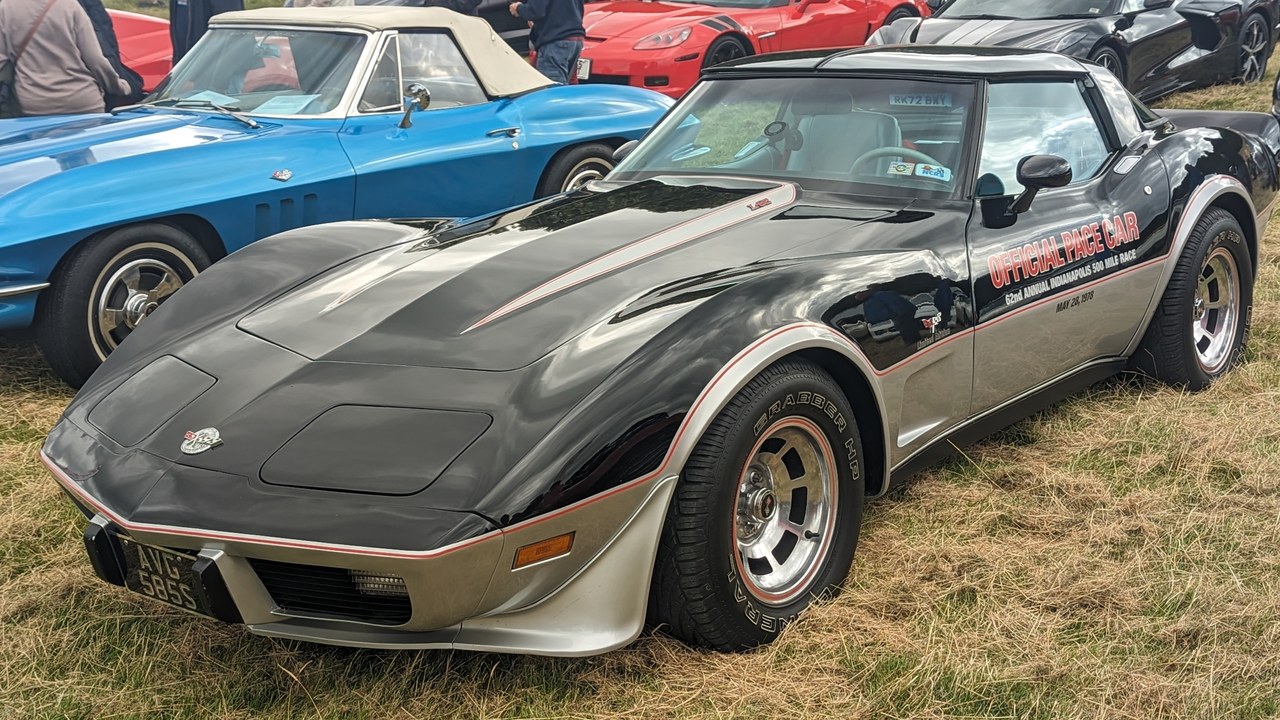
Chevy sold 6,502 Pace Car Editions of the 1978 Corvette, according to Hagerty’s Corvette facts, and the car was the first of a record run of Corvette Indy pace cars. That string of appearances ties the sports car more closely to the race than any other nameplate.
The Pace Car Edition was dressed in special two-tone paint and graphics that set it apart from regular Corvettes, and the 1978 model year also marked the Corvette’s 25th anniversary. Selling thousands of replicas turned a single day of pace duty into a showroom event, and the limited edition remains a recognizable piece of late third-generation Corvette history.
6. 1979 Ford Mustang: Mears Wins, Rules Change
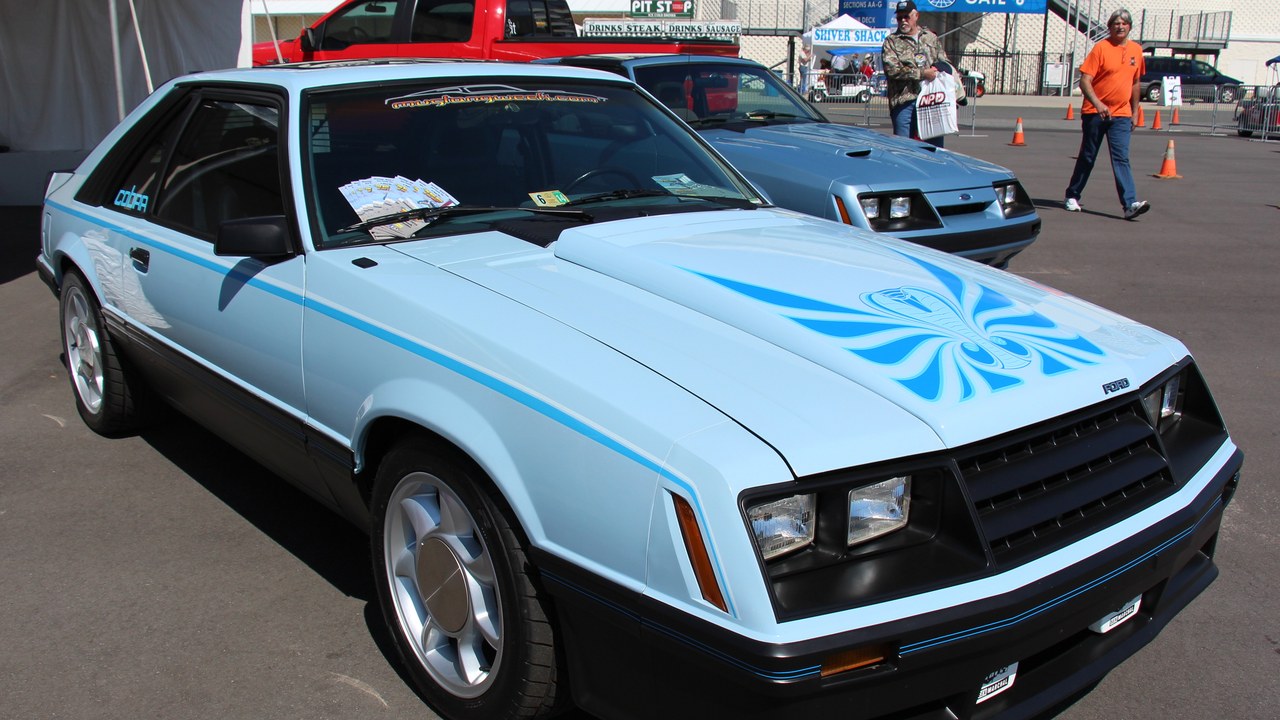
The Fox-body Mustang paced Rick Mears’s first win, and from 1979 the pace car also leads the field during caution periods, as Wikipedia’s pace car list records. The new duty changed the car’s role from a ceremonial starter into a working part of race management.
The Fox platform was new for 1979, replacing the Mustang II with a larger, more modern car, and it would stay in production for well over a decade. Its appearance at Indianapolis helped announce that the Mustang was recovering from its leaner years, and the later caution-period routine meant the pace car became a familiar sight during every race.
7. 1983 Buick Riviera convertible: Brown and Beige Cruiser
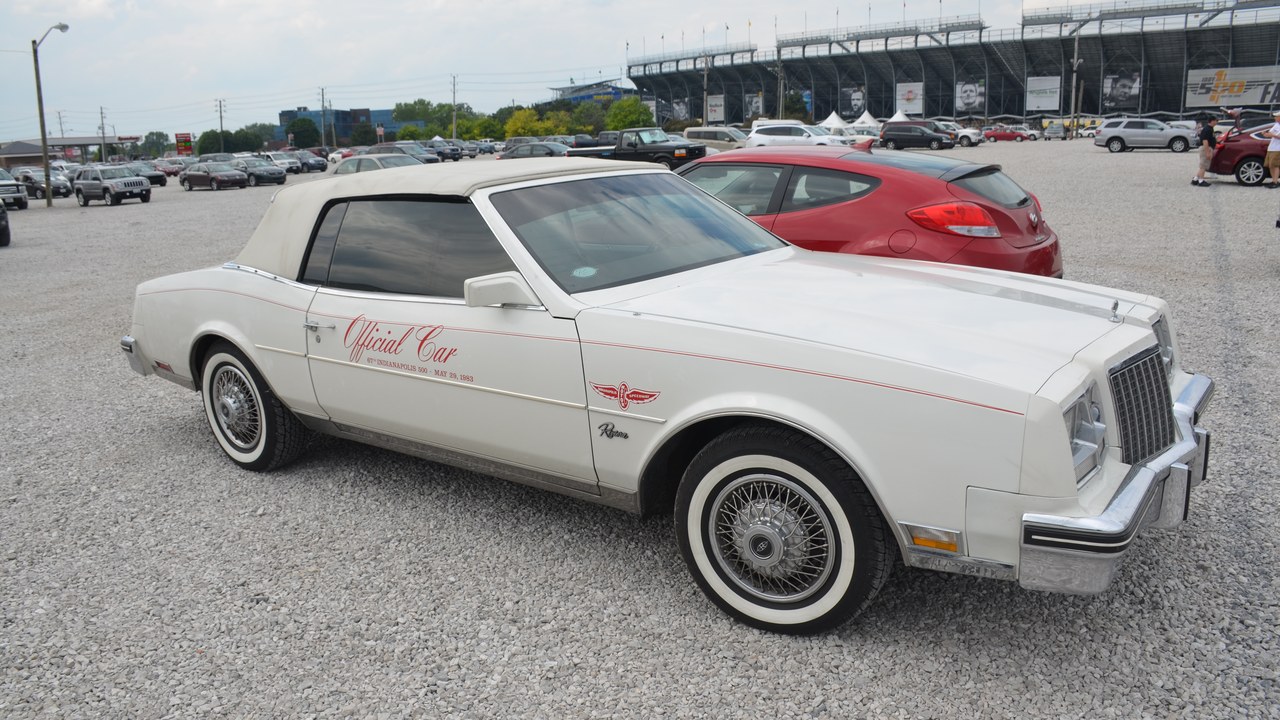
The two-tone brown and beige Riviera convertible that paced in 1983 carried a twin-turbo V6 that Autoblog’s pace car roundup rates at 410 horsepower. The color scheme was an unusual choice for a race famous for bold reds, whites and yellows.
Buick’s Riviera was the division’s personal-luxury coupe, so an open-top pace car stood apart from the versions that filled dealer lots. Turbocharging was a favorite performance route for Buick’s V6 engines in that period, and the pace car gave the brand a chance to put that approach in front of a huge audience at the speedway.
8. 1991 Dodge Viper RT/10: Stealth Out, Viper In
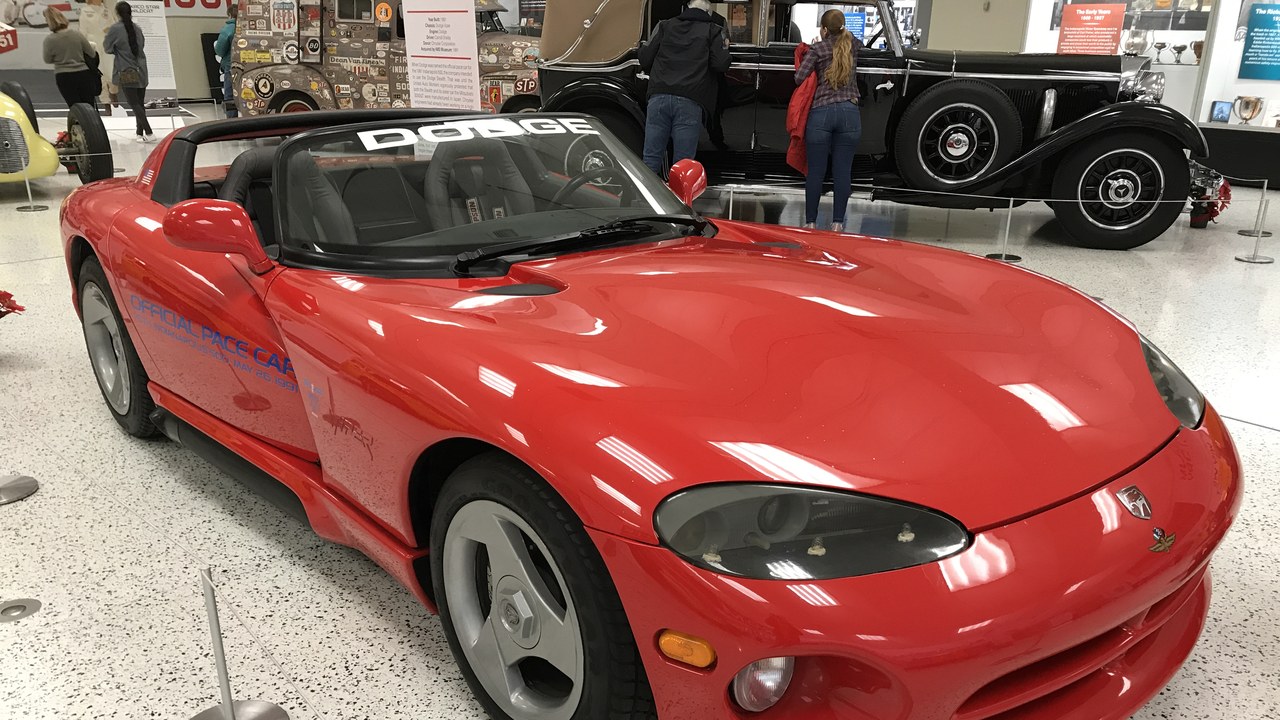
Dodge first chose its Mitsubishi-built Stealth, then pulled it after a United Auto Workers outcry. Critics claimed it was not American and that an American car should pace this American race, as Autoblog’s pace car feature reports, and a pre-production Viper took its place.
The substitution turned a controversy into a launch event for Dodge’s new halo sports car. The Viper RT/10 was a bare-bones open roadster built around a large V10, and it needed little help standing out at Indianapolis. Chrysler gained a far better story than the original plan offered, with a homegrown muscle machine leading the field.
9. 1996 Dodge Viper GTS: Coupe at the Front
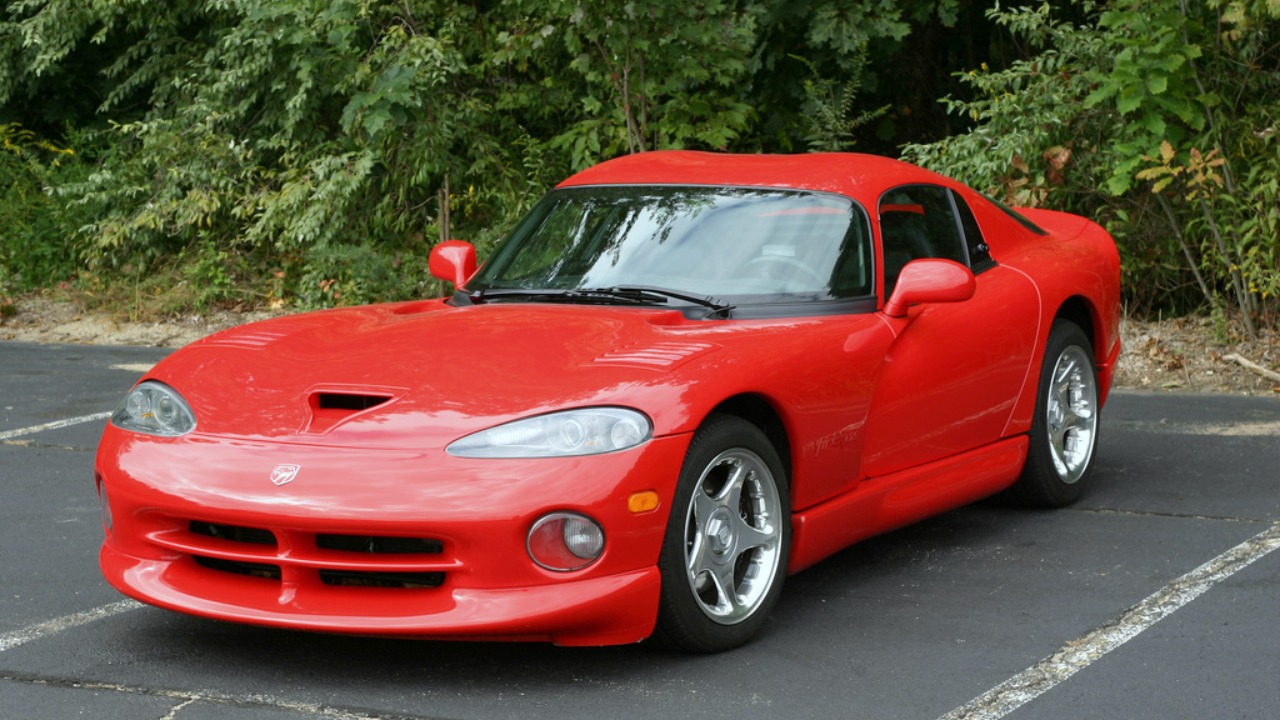
Bob Lutz drove the Viper GTS coupe in 1996, and Wikipedia’s pace car list notes that Chrysler supplied Stratus, Intrepid and Ram festival cars rather than a fleet of Vipers. The arrangement spread the Chrysler lineup across the month’s events.
Lutz was a senior Chrysler executive and a well-known champion of the Viper project, which made him a fitting driver for the car. The GTS was the closed-roof version of the Viper, easy to recognize by its double-bubble roofline. The second Viper pace car appearance showed how firmly the model had become part of Dodge’s image.
10. 2003 Chevrolet SSR: The Only Truck
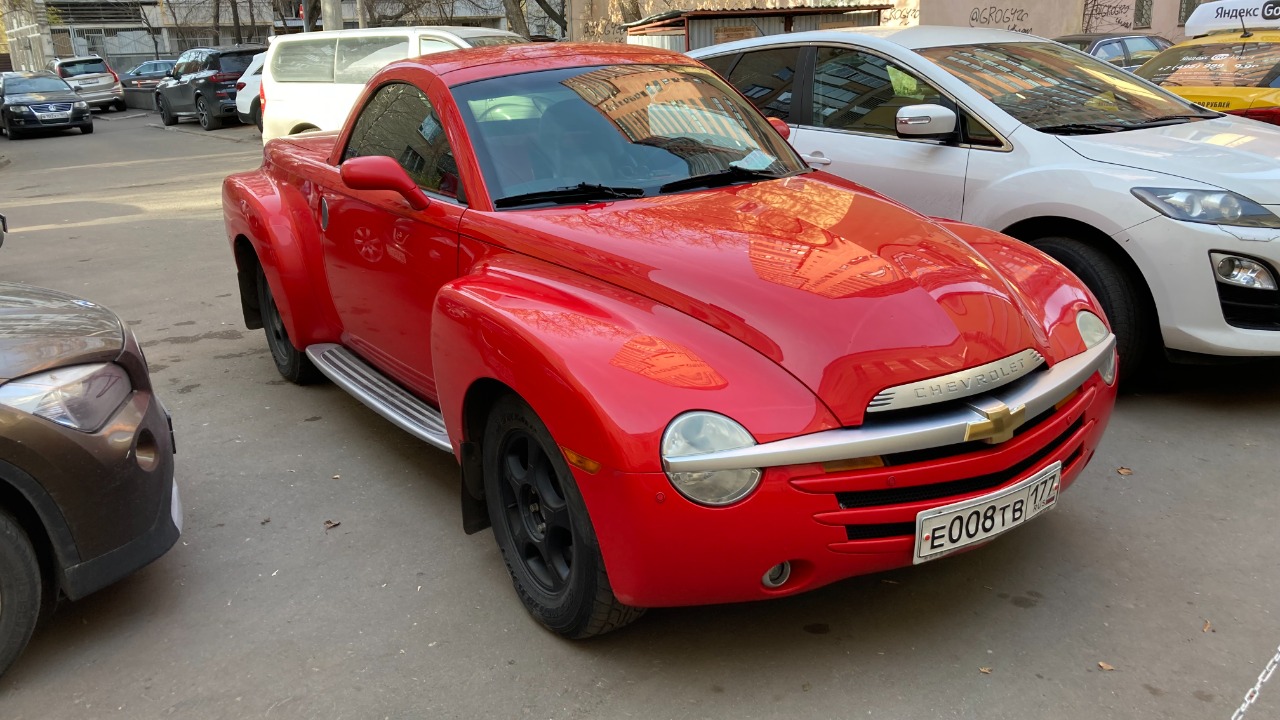
The retro Chevrolet SSR is the only pickup truck ever to pace the Indy 500, a distinction recorded in Autoblog’s pace car roundup. Every other pace car has been a car, which gives this one a permanent place in the race’s trivia.
SSR stood for Super Sport Roadster, and the vehicle blended 1940s-inspired pickup styling with a retractable hardtop. It was a niche product rather than a work truck, and its mix of nostalgia and show-car flair suited a ceremonial assignment. The red SSR leading the field remains one of the odder sights in pace car history.
11. 2012 Chevrolet Corvette ZR1: Fieri at the Start
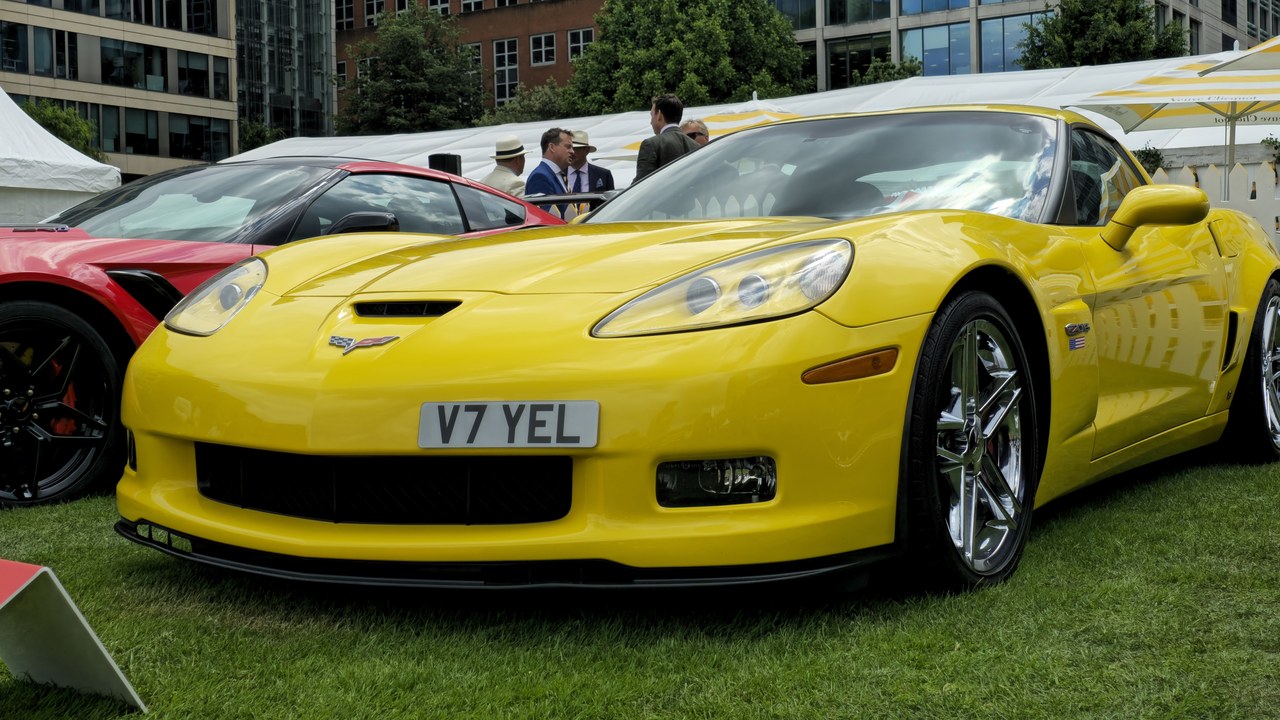
The C6 ZR1 led the 2012 field with celebrity chef Guy Fieri driving at the start, as Motorsport.com’s driver table lists. Pairing the fastest Corvette of its generation with a television personality continued the tradition of famous guests taking the wheel before the green flag.
The ZR1 sat at the top of the sixth-generation Corvette range and used a supercharged V8, making it a performance flagship rather than a showroom-standard model. Having Corvette duty at Indianapolis again was nothing new, since the nameplate had paced the race repeatedly, but the combination of chef and supercar gave the 2012 start a lively feel.
12. 2018 Chevrolet Corvette ZR1: Oladipo Leads the Field
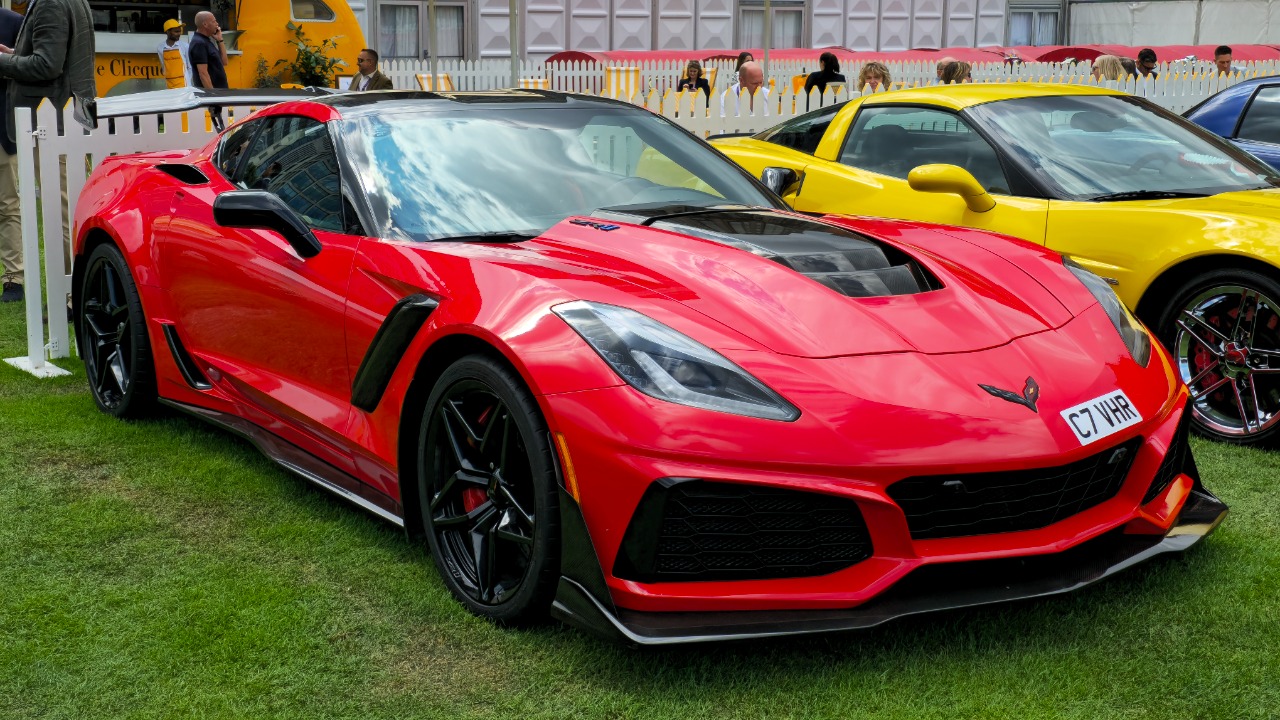
A ZR1 paced again in 2018 with NBA player Victor Oladipo driving, part of a Corvette run of 22 Indy pace appearances according to Wikipedia’s pace car list. The car was the latest Corvette flagship to take the honor.
This ZR1 belonged to the seventh-generation Corvette and again carried a supercharged V8 as the range-topping model. Oladipo played for the Indiana Pacers at the time, so the choice tied the local sports scene to the race. The pairing of a hometown basketball star with a Corvette flagship fit the long pattern of athletes and entertainers starting the race.
Tech news worth reading: Get Techpresso →
We may earn a commission if you sign up.
More from Morning Overview
- The FBI told the rest of ShinyHunters to surrender after a 24-year-old was arrested
- Two passengers died at an Ohio toll plaza, and the NTSB now wants the cash lanes shut
- Long use of a common prostate pill is tied to a higher chance of glaucoma
- Ford is recalling 223,472 F-150 pickups because the fuel tank can leak or detach
