
Wood-paneled wagons hauled American families for decades, in forms that ranged from genuine timber bodies to vinyl stick-on trim. Some were rare and costly, while others sold in huge numbers and defined the suburban road trip. Here are twelve woodies, real and fake, that earned a place in that story.
The tech news worth your time: 400,000+ professionals from Google, Apple and OpenAI read Techpresso, a daily email with the most interesting tech news and insights.
We may earn a commission if you sign up.
1. 1941 Chrysler Town & Country: Wood Trim Before the War
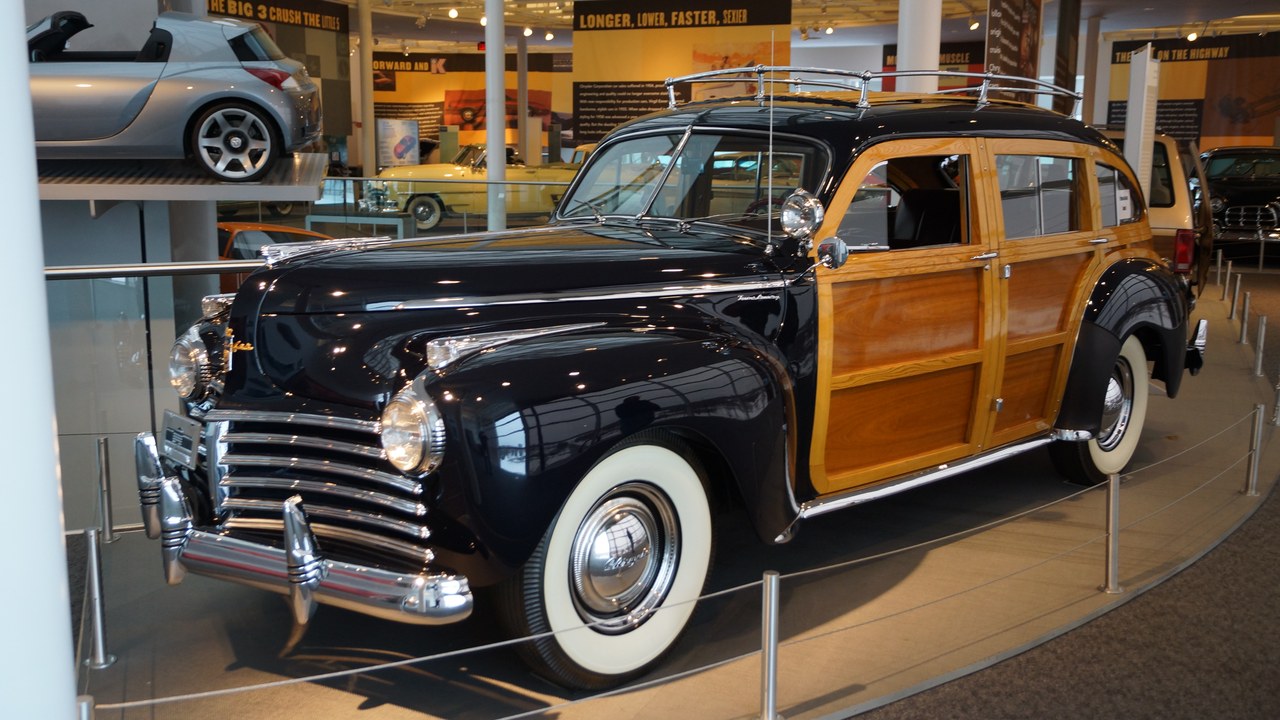
The Chrysler Town & Country arrived as a station wagon dressed in real wood trim, and it became an early reference point for the whole woodie idea. The six-passenger version sold for $1,412, while the nine-passenger version cost $80 more.
Chrysler sold almost 2,000 before WWII stopped production. The framed wooden panels gave the body a custom, country-estate look that ordinary wagons lacked, and the Town & Country name would return on later Chrysler wagons and minivans. Surviving examples are now treasured by collectors of prewar American design.
2. Willys Jeep Station Wagon: Steel Dressed as Wood
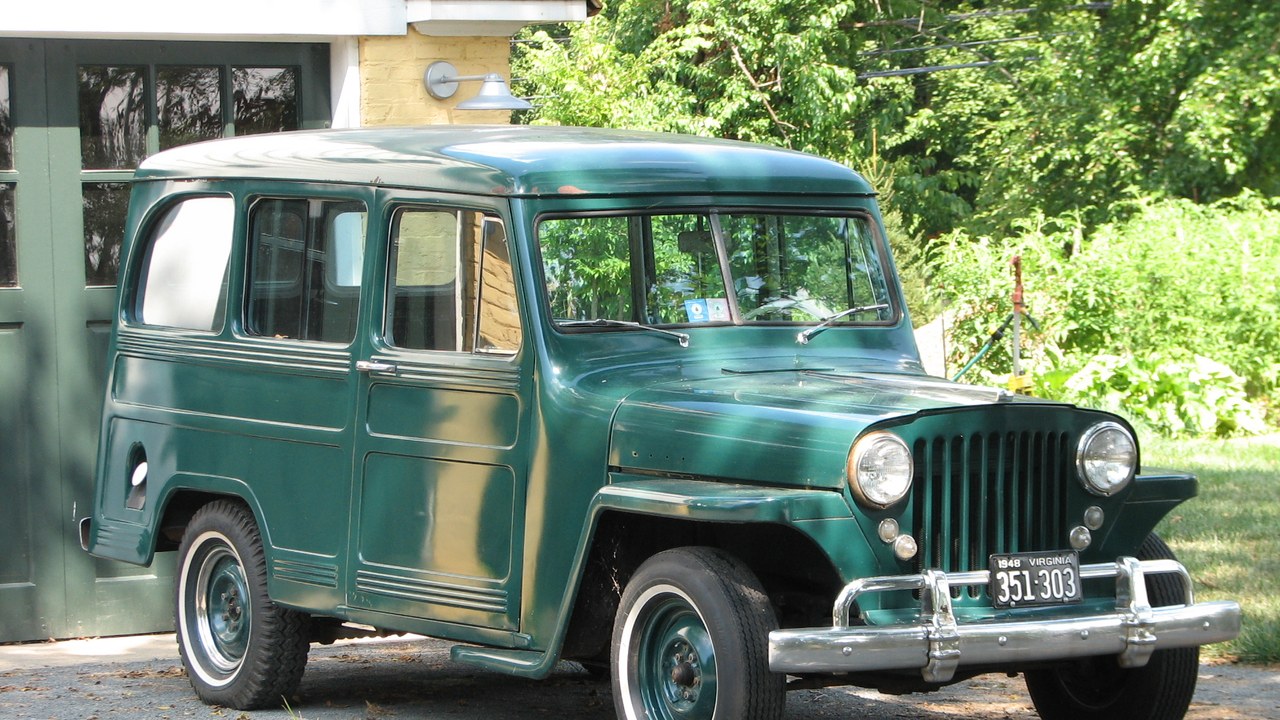
Not every woodie needed lumber, and the Willys Jeep Station Wagon proved it. This all-steel wagon styled to look like a woodie used painted body panels to suggest timber framing, which made it simpler to build and far easier to maintain than a body made of real wood.
Some 300,000 examples were sold from 1946 to 1965, before the Station Wagon was replaced. That long run made it one of the more successful wood-look designs of its day, and it is often described as a forerunner of the family sport utility vehicle that Jeep later helped popularize.
3. 1953 Buick Roadmaster Estate: The Last Real Wood
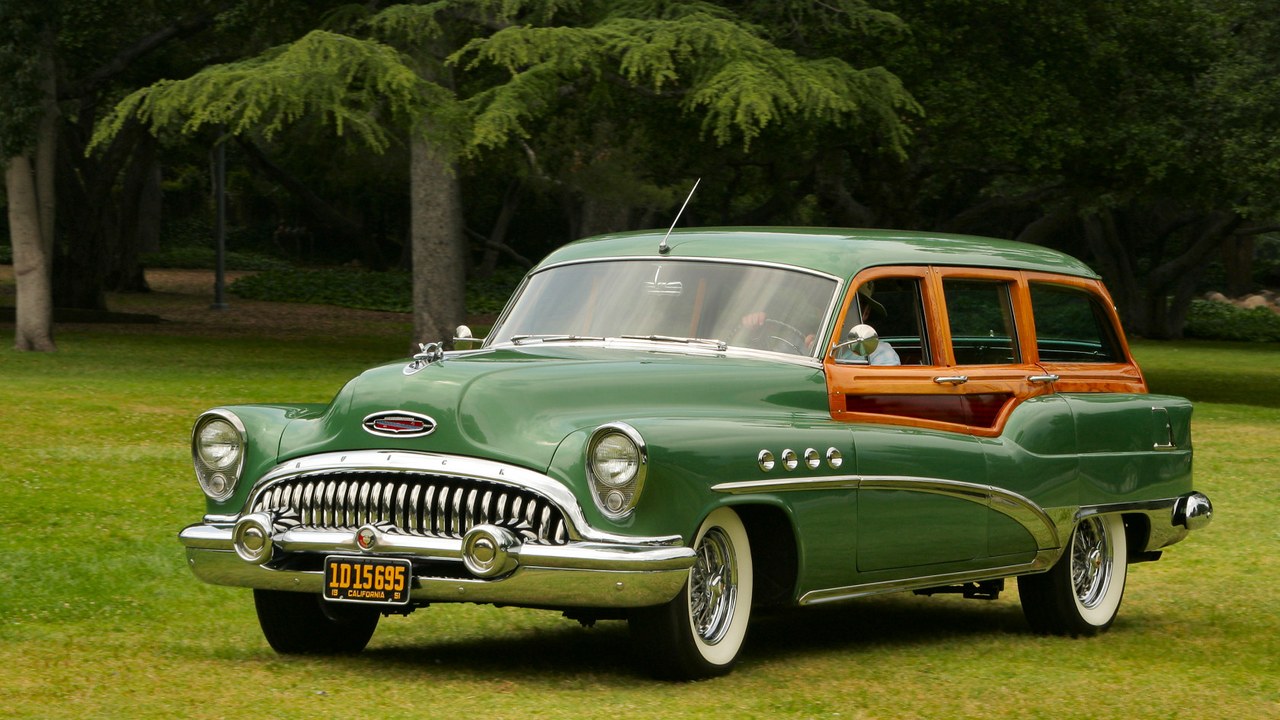
Real timber construction faded out of American showrooms with the 1953 Buick Roadmaster Estate. Just 670 of the last wood-bodied American wagons were sold in 1953, which puts it among the rarest of all the woodies and a fitting end to an era.
Buick sat near the top of the General Motors ladder, so the Estate carried a premium look and a premium price in its day. Hand-finished wood framing was costly and demanding to maintain, which helps explain why steel bodies took over. Survivors are scarce and prized by collectors today.
4. Chevrolet Bel Air Nomad: Tri-Five Style Icon
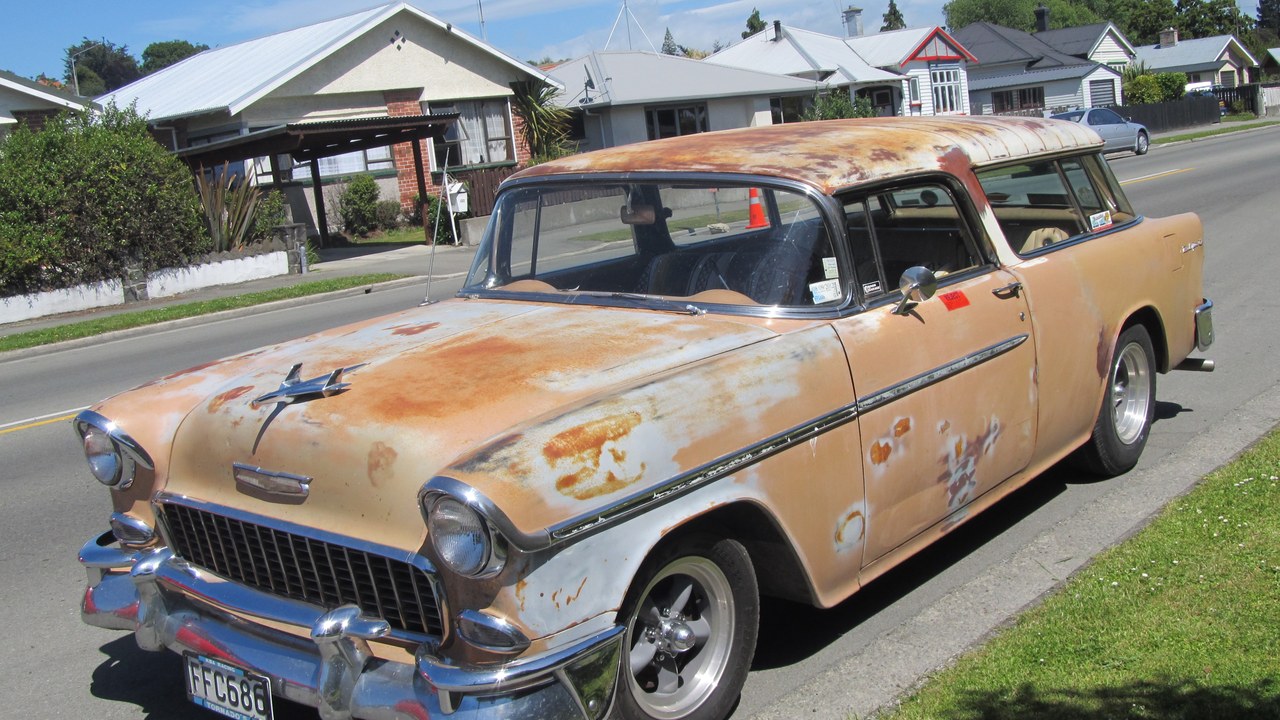
Chevrolet’s Bel Air Nomad took the wagon in a sporty direction, with a raked roofline and distinctive styling that set it apart from ordinary family haulers. A Hagerty past-sale listing shows a 1955 example with a 162-horsepower V8 at $78,100.
Only 22,375 Nomads were made in 1955-57, a small slice of Chevrolet’s output in those years. The model became a favorite of collectors and a symbol of mid-1950s American design, even though it was a steel-bodied wagon rather than a true timber construction.
5. Ford Country Squire: Faux Wood Family Hauler

Few wagons are more closely tied to simulated wood paneling and suburban road trips than the Ford Country Squire. A 1968 LTD Country Squire offered a 428 V8 making 345 hp, which was serious power for a family wagon, according to the woodie wagon history.
The market was turning, though. Sales of the wagon had declined from more than 130,000 in 1971 to just 13,000 by 1989, as minivans and sport utility vehicles took over the family-hauler job. The woodgrain sides remain a visual shorthand for the era.
6. International Harvester Travelall: Truck-Based Woodgrain
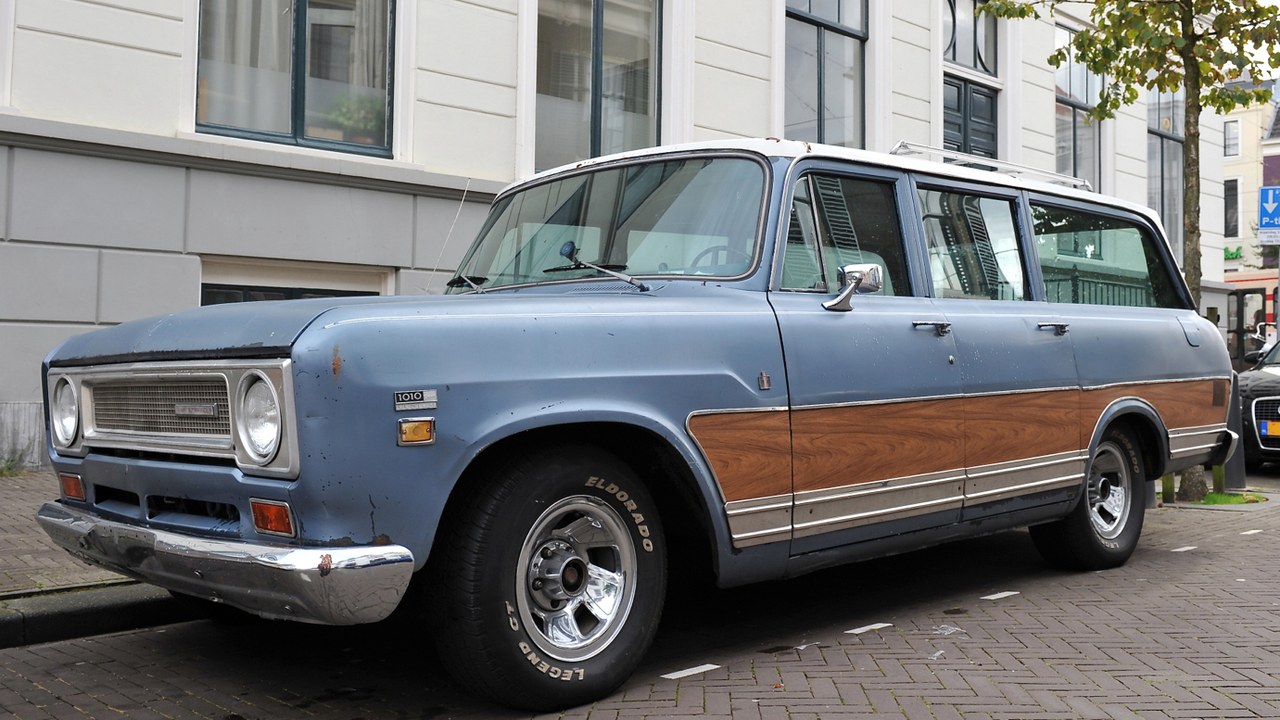
Built by a company better known for farm and work machinery, the International Harvester Travelall was a big, truck-based wagon that could carry a crowd. Woodgrain appliqué on some models gave the rugged body a touch of family-wagon style, and the Travelall price range today is wide.
Prices range from $6,500 for a 1969 diesel without fake wood to $110,000 for a restored 1970 Custom with applique. The spread shows how strongly condition, restoration quality and trim level shape values among vintage trucks and wagons.
7. Ford Pinto Squire: Compact With Wood Trim
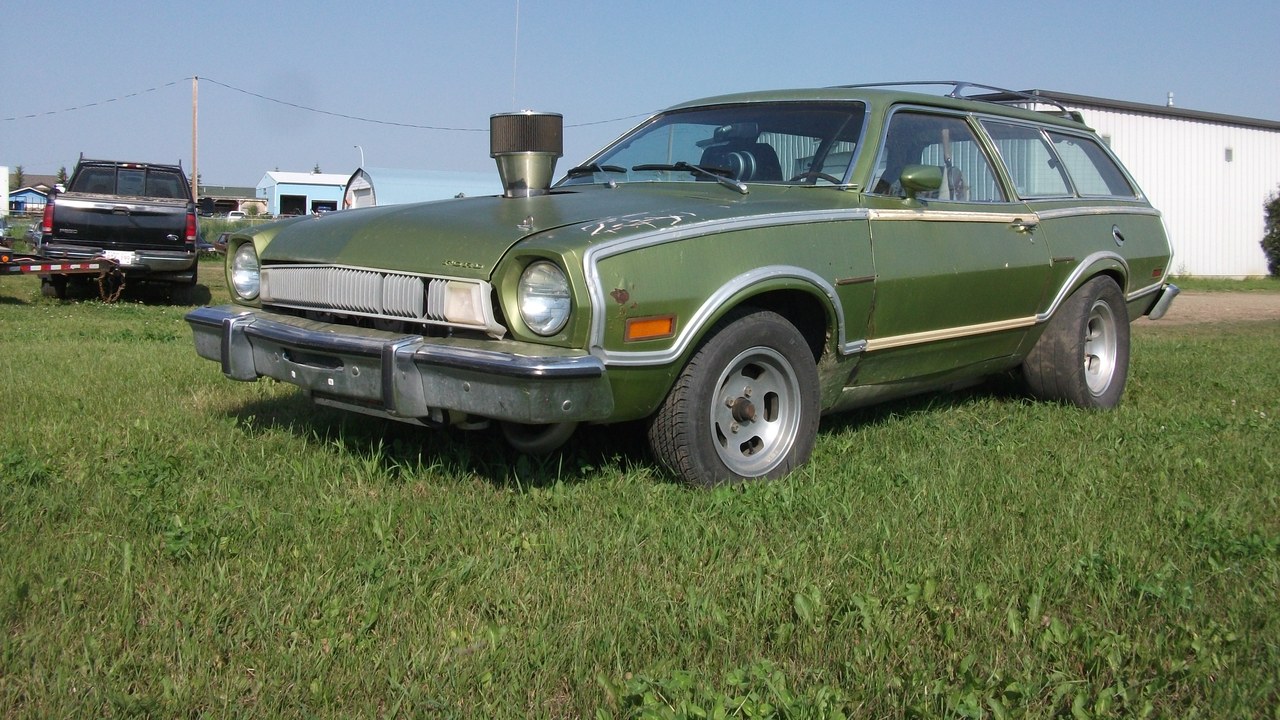
Wood-look trim was not reserved for giant wagons, as the Ford Pinto Squire showed. In the early 1970s the Pinto wagon wore vinyl simulated wood trim, a cosmetic package that borrowed the look of Ford’s larger Country Squire.
The Pinto was one of Ford’s small cars, so the Squire option brought a bit of full-size wagon flavor to a much smaller and cheaper package. It reflects how widely the woodgrain look spread through the American lineup, reaching buyers who wanted economy without giving up the styling cue.
8. Ford Ranchero Squire: Pickup With Squire Trim
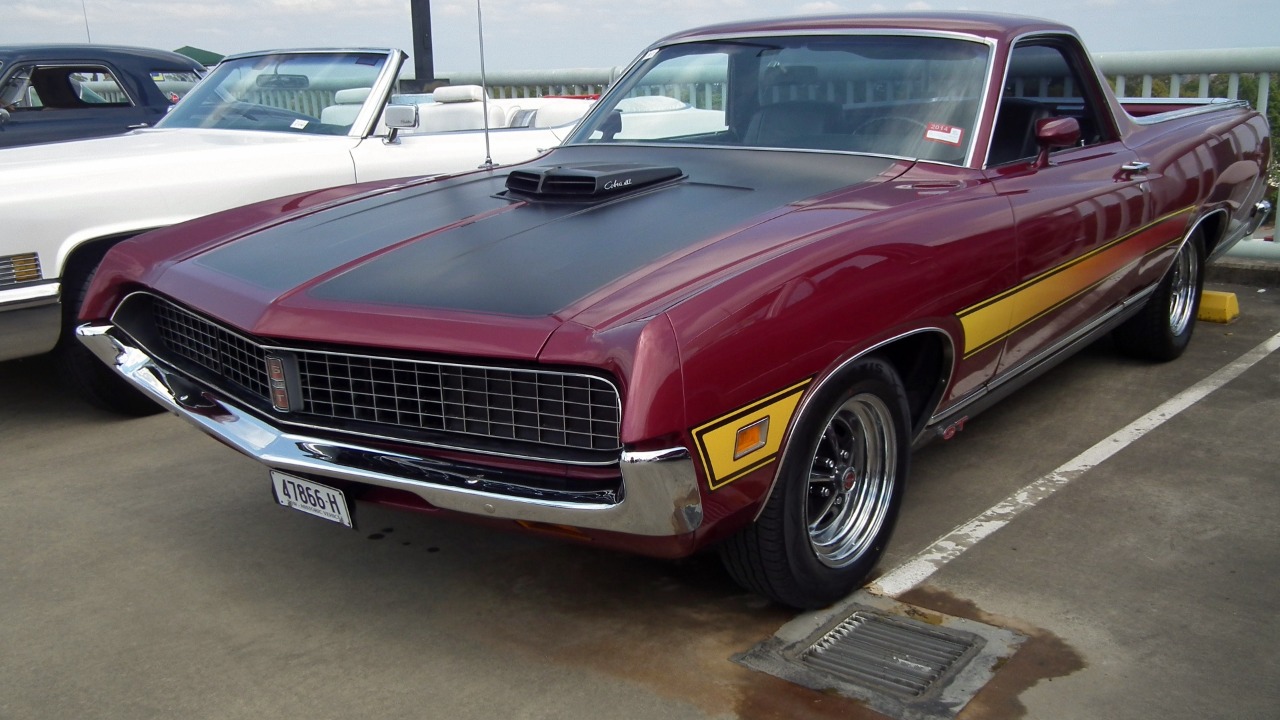
The Ford Ranchero blended a passenger-car front end with an open cargo bed, and the Squire trim brought woodgrain styling to that unusual body. The Ranchero sales figures show a modest but steady seller, with just over half a million built across its run.
The Squire accounted for almost one in five Rancheros in 1970, a sign that buyers liked the dressy look on a working vehicle. Car-based pickups of this kind occupied a niche between wagons and trucks, and the Ranchero remains the best-known American example.
9. Pontiac Grand Safari: Land Yacht Wagon
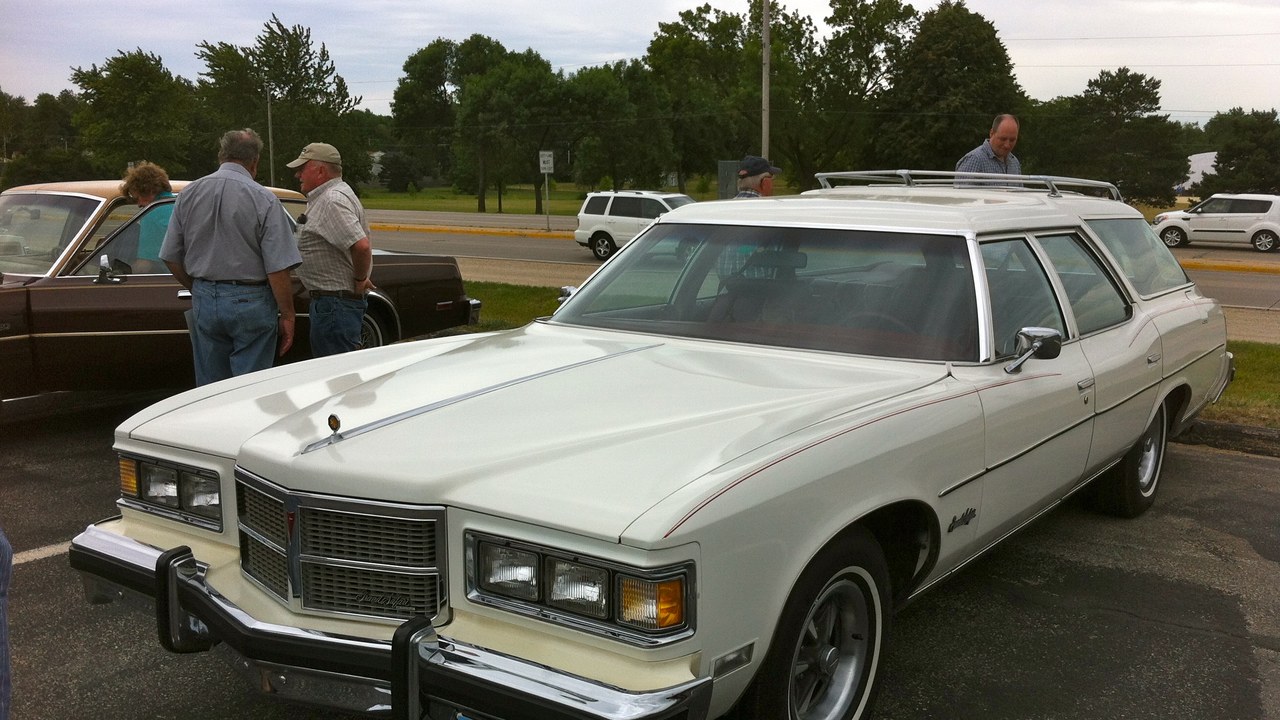
Size was the whole point of the Pontiac Grand Safari. The 1974 wagon stretched 231.3 inches in length and tipped the scale at 5,300 lb, dimensions that place it among the largest family vehicles American roads have seen.
Pontiac, a General Motors division, built the Safari name into a long-running line of full-size wagons, and the Grand Safari sat at the top of that range. Big, V8-powered haulers like it were the standard for long family trips in the 1970s, before fuel prices and changing tastes pushed buyers toward smaller vehicles.
10. AMC Pacer Wagon: Fishbowl With Faux Wood
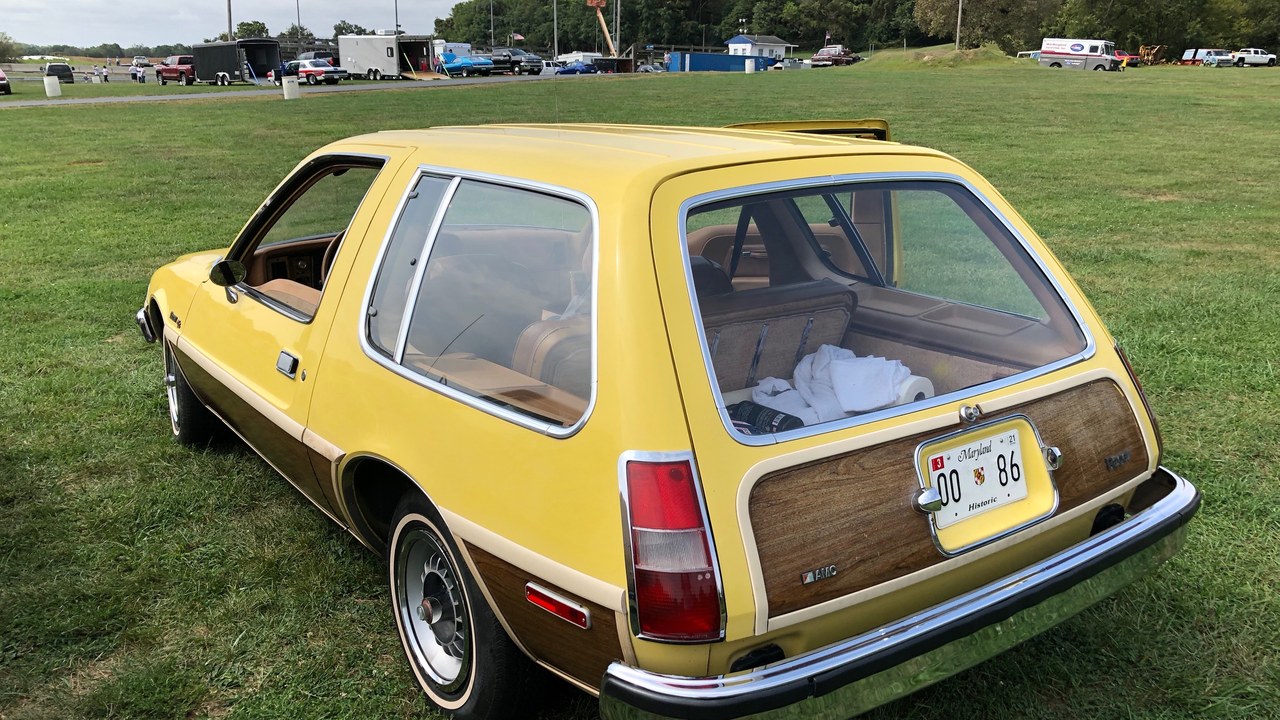
The AMC Pacer was among the most unusual cars of the 1970s, known for rounded styling and an enormous amount of glass. The 1977 Pacer wagon added a more practical body and offered optional simulated wood trim for buyers who wanted the classic wagon look.
The combination was a curious one: a futuristic-looking small car wearing a styling cue from the 1940s. American Motors, a smaller rival to the big automakers, often relied on bold ideas to stand out, and the woodgrain Pacer wagon is a memorable example of that approach.
11. AMC Eagle: Four-Wheel-Drive Pioneer
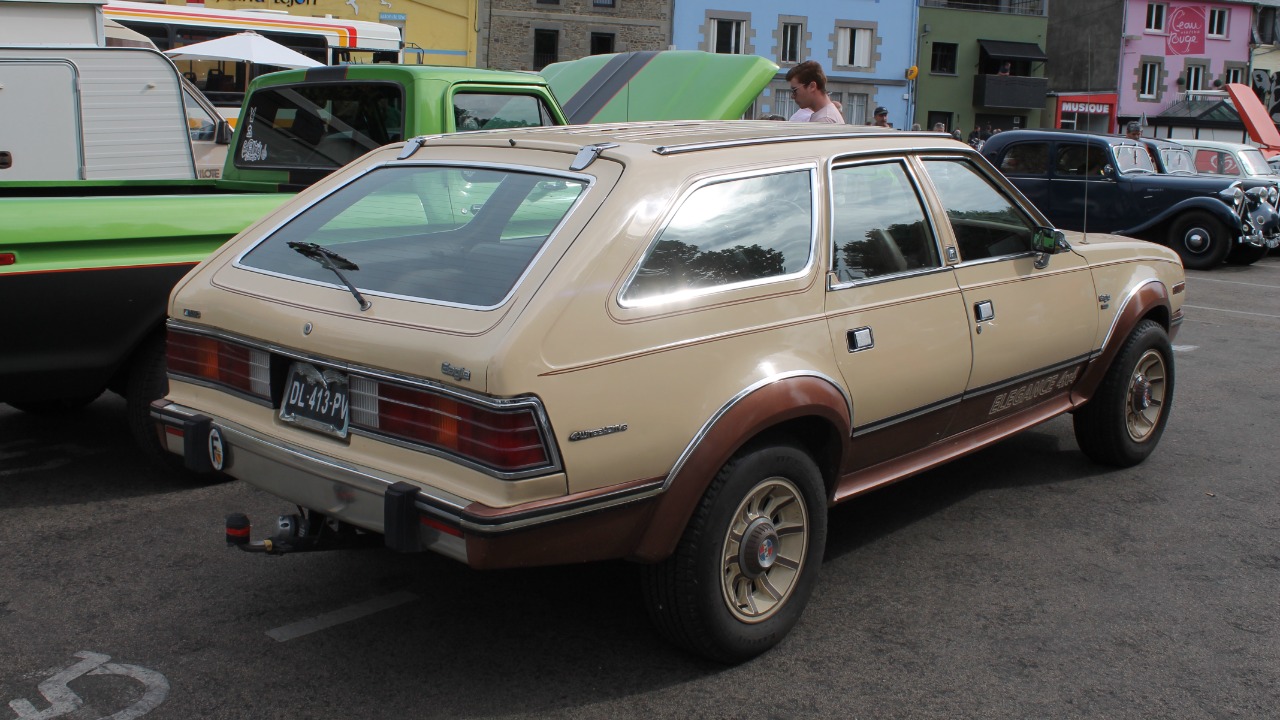
American Motors took a passenger-car wagon and gave it four-wheel drive, creating the AMC Eagle. Demand ran high, with a six-month waiting list by February 1980, according to the report.
Car and Driver offered strong praise, saying the Eagle drove better than most U.S. sedans at any price. The wagon-based 4×4 is widely seen as an early step toward the crossover vehicles that later dominated the market, and some versions carried woodgrain side trim in the tradition of the classic woodie.
12. Ford Flex: Grooves Instead of Wood
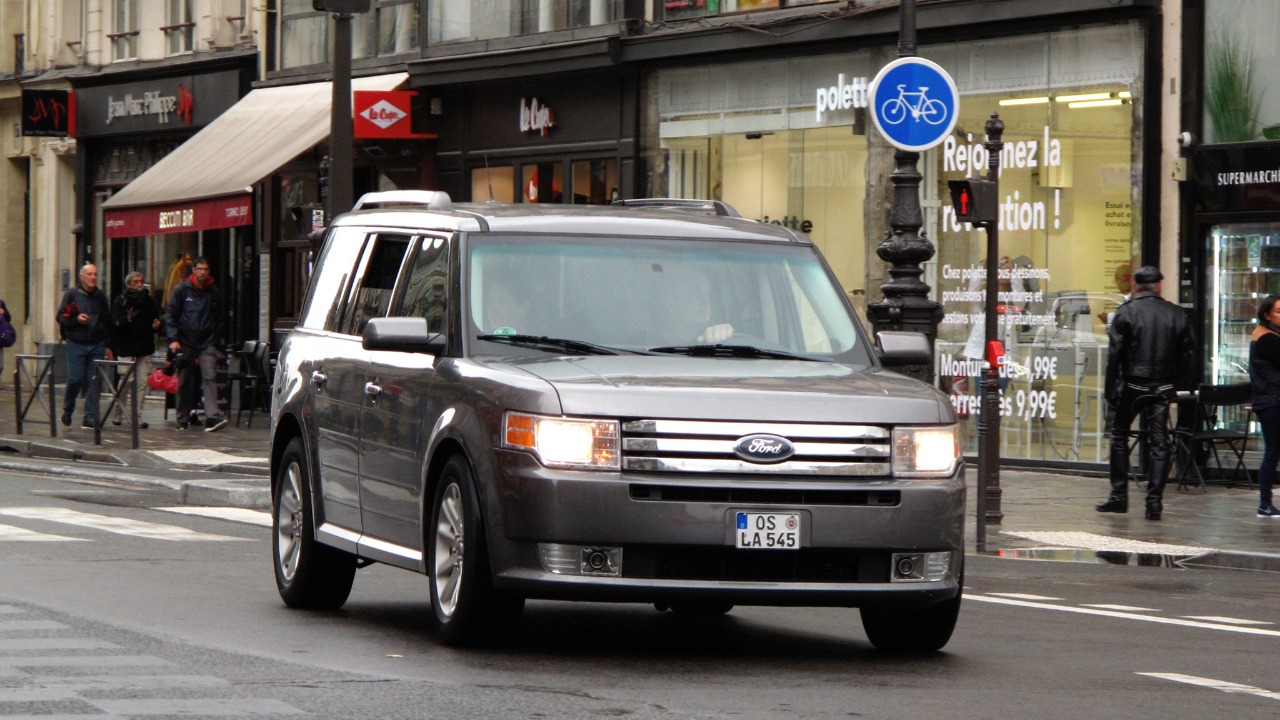
The Ford Flex proved the woodie look could survive without a single plank. The 2009 Flex used horizontal grooves to evoke the woodie look with no wood at all, not even simulated wood.
Ford built the Flex as a boxy, three-row family vehicle, and the grooved body sides gave the tall shape a distinctive retro flavor. As a modern crossover rather than a traditional wagon, it showed how the styling language of the woodie could be reinterpreted for a new century.
The tech news worth your time: Subscribe to Techpresso →
We may earn a commission if you sign up.
More from Morning Overview
- Hybrids have 15% fewer problems than gas cars, while EVs and plug-in hybrids have about 80% more, Consumer Reports finds
- Regulators cleared the first U.S. small modular reactor, 4 months early
- Lake Powell sank to a record 3,517 feet, nearing the level that stops Glen Canyon Dam’s turbines
- Seven of Earth’s nine planetary boundaries are breached, and all seven are worsening
