
Few nameplates have shaped American performance cars as thoroughly as the Ford Mustang. From the debut-year sales surge of the mid-1960s to the supercharged Shelby models of the 2020s, the lineup has swung between mass-market appeal and extreme rarity. Here are twelve landmark Mustangs, chosen for sales, scarcity and horsepower.
The day in tech, in one email: TLDR is the daily newsletter with links and TLDRs of the most interesting stories in startups, tech and programming.
We may earn a commission if you sign up.
1. 1965 Ford Mustang: Best Year Ever
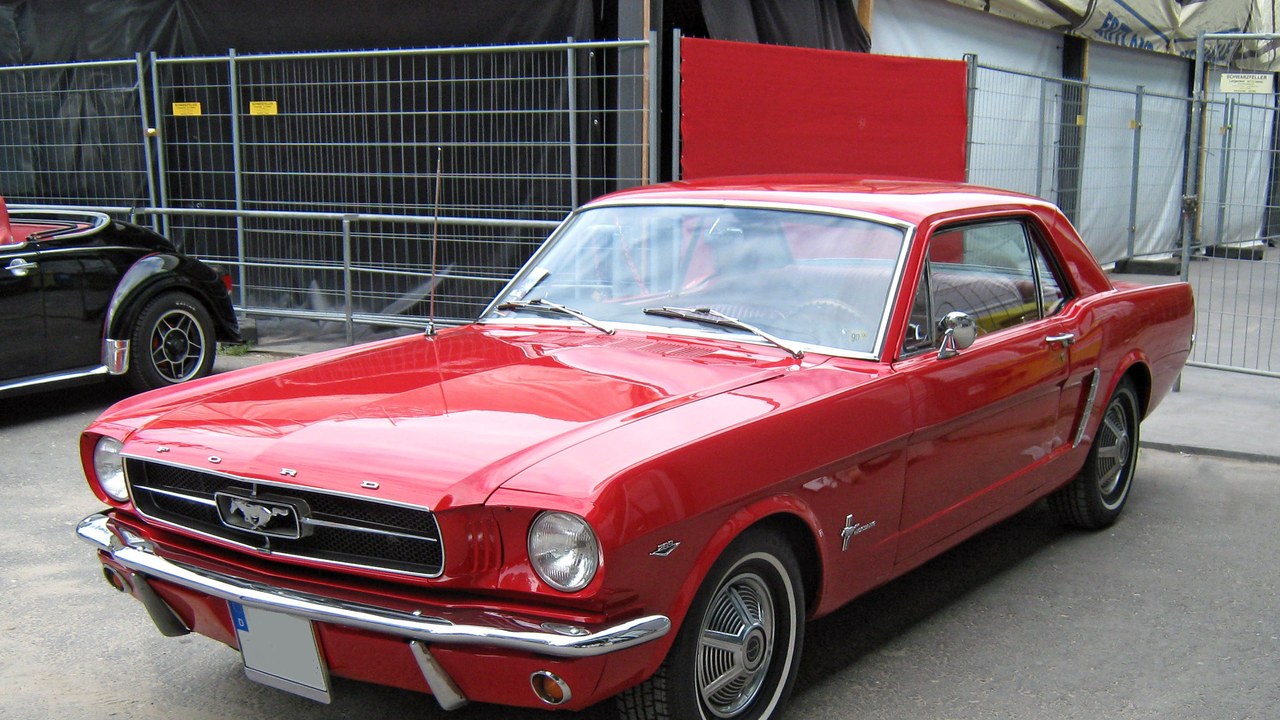
The original Mustang arrived as an affordable, sporty coupe that created the pony car class, and Hagerty’s Mustang facts identify 1965 as the best-selling model year at 680,969 units.
That total followed a debut run in which Ford sold more than 400,000 cars, an exceptional start for a brand-new nameplate. Buyers could pick from several body styles and a long list of options, so the same basic car could serve as a commuter, a cruiser or a weekend performer. The formula set the template that rival American manufacturers soon copied.
2. 1965 Shelby GT350: Shelby’s First
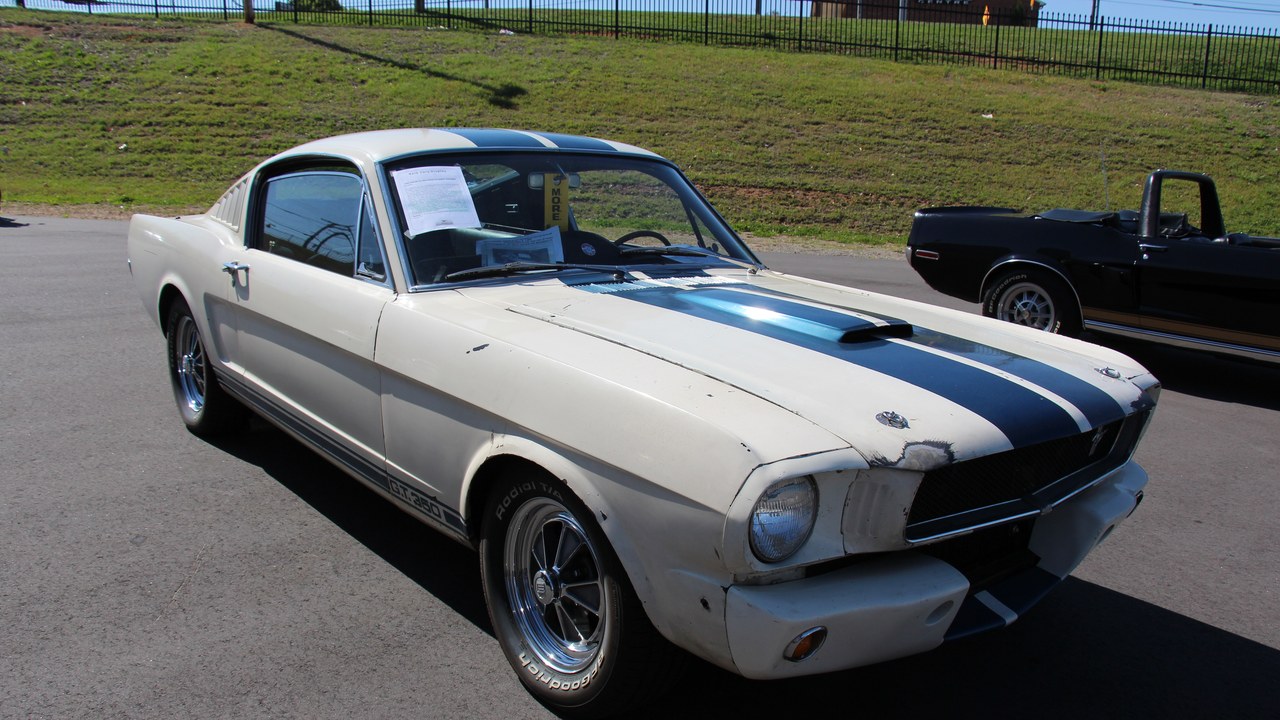
Carroll Shelby’s first Mustang was built in tiny numbers, and Wikipedia’s Shelby Mustang entry records total 1965 model year production at 562 units.
Shelby American took the standard Mustang and reworked it for track-minded drivers, giving the car a performance identity far removed from the regular model. The low production figure helps explain why the GT350 attracts so much attention from collectors, and it launched a Shelby and Mustang partnership that would produce many more models across the following decades.
3. Mustang GTD: Track Bred
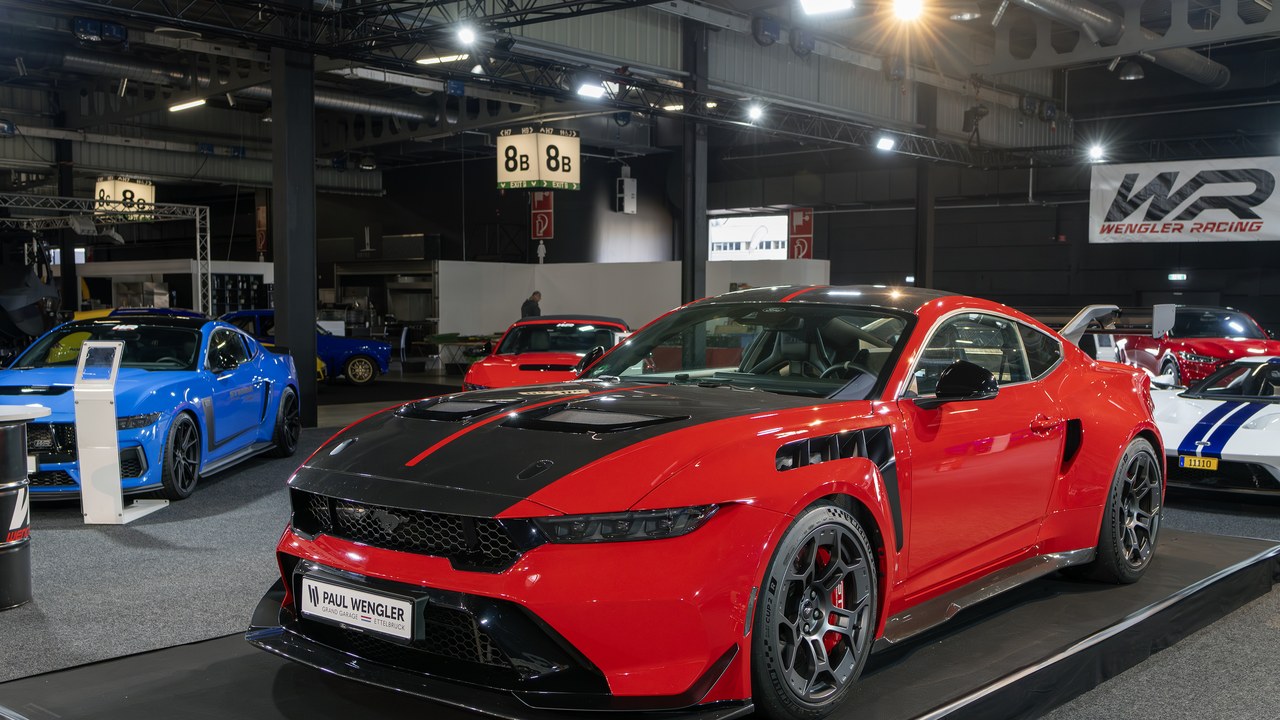
The Mustang GTD is a road-going Mustang developed alongside Ford’s GT3 racing program, and Motor1’s Mustang generations feature lists it at 815 hp with a starting price of $327,960.
It sits at the top of the seventh-generation S650 line, far above the mass-market coupes that built the nameplate’s reputation. Those figures place it in supercar territory, a long way from the affordable 1965 original, and show how far the badge has stretched from everyday transport to track-bred exclusivity.
4. 1968 Shelby GT500KR: King of the Road
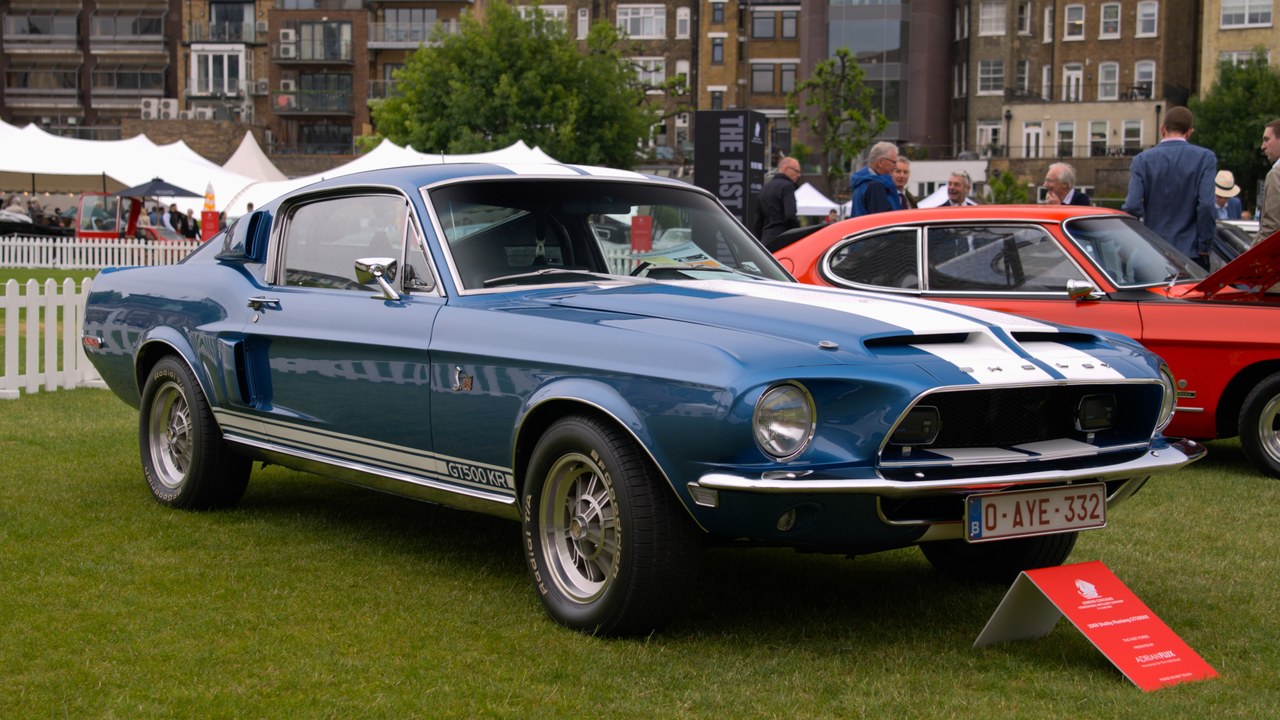
The letters in the name have a simple explanation, because the Shelby Mustang history notes that the initials KR stood for King of the Road.
The 1968 GT500KR carried that title on top of the GT500 badge, signalling that the model was meant to be a headline performer in the Shelby range. The nickname suited the era’s marketing style, when manufacturers leaned on bold slogans to separate high-performance variants from ordinary models, and the KR badge became one of the best-known in Shelby history.
5. 1969 Mustang Boss 429: Kar Kraft Rarity
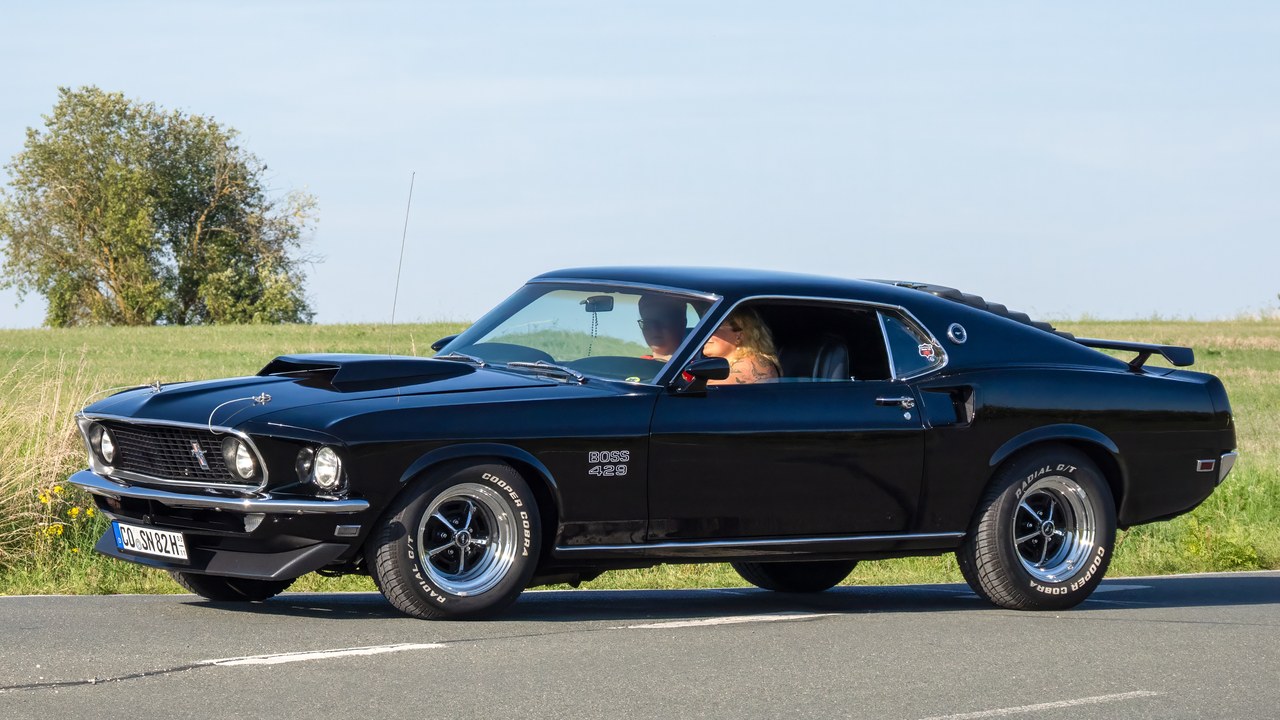
The Boss 429 is defined by its engine and its scarcity, and Hagerty’s Mustang facts report that Kar Kraft installed the Boss 429 engine in just 1,357 Mustangs across 1969 and 1970.
Kar Kraft was the specialist firm that handled the work, so these cars stand apart from the everyday Mustang. Production of that size makes the model a favorite among collectors, and the number contrasts sharply with the hundreds of thousands of Mustangs sold in the peak year of 1965. Few Mustangs have ever paired such a large engine with such small volume.
6. Ford Mustang II: Unlikely Sales Hit
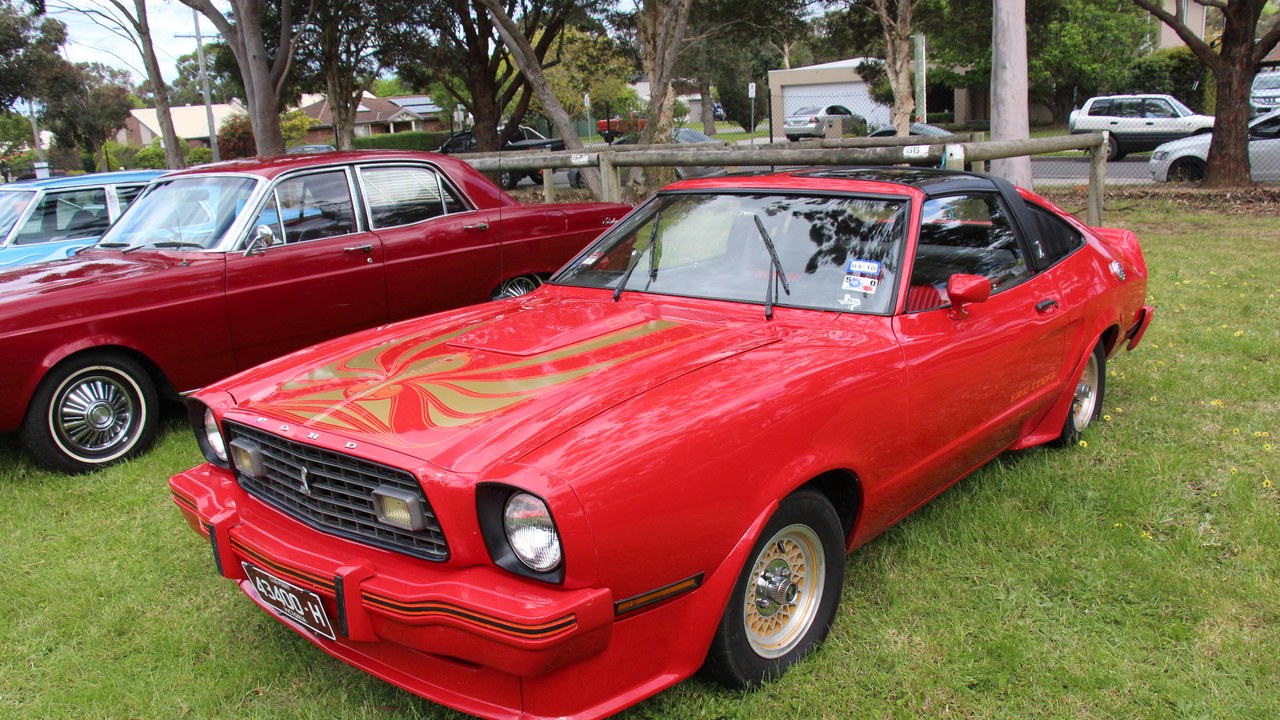
Often remembered as the Mustang that shrank the formula, the Mustang II was a commercial success, and Motor1’s generation guide says Ford sold more than 1.1 million copies over four years.
The car also earned the title of MotorTrend’s 1974 domestic Car of the Year. Arriving as a smaller and more compact machine than the models before it, it kept the Mustang name in showrooms through a challenging stretch for performance cars. Those sales figures show that buyers responded strongly to a downsized take on the nameplate.
7. Fox-body Ford Mustang: Long-Running Workhorse
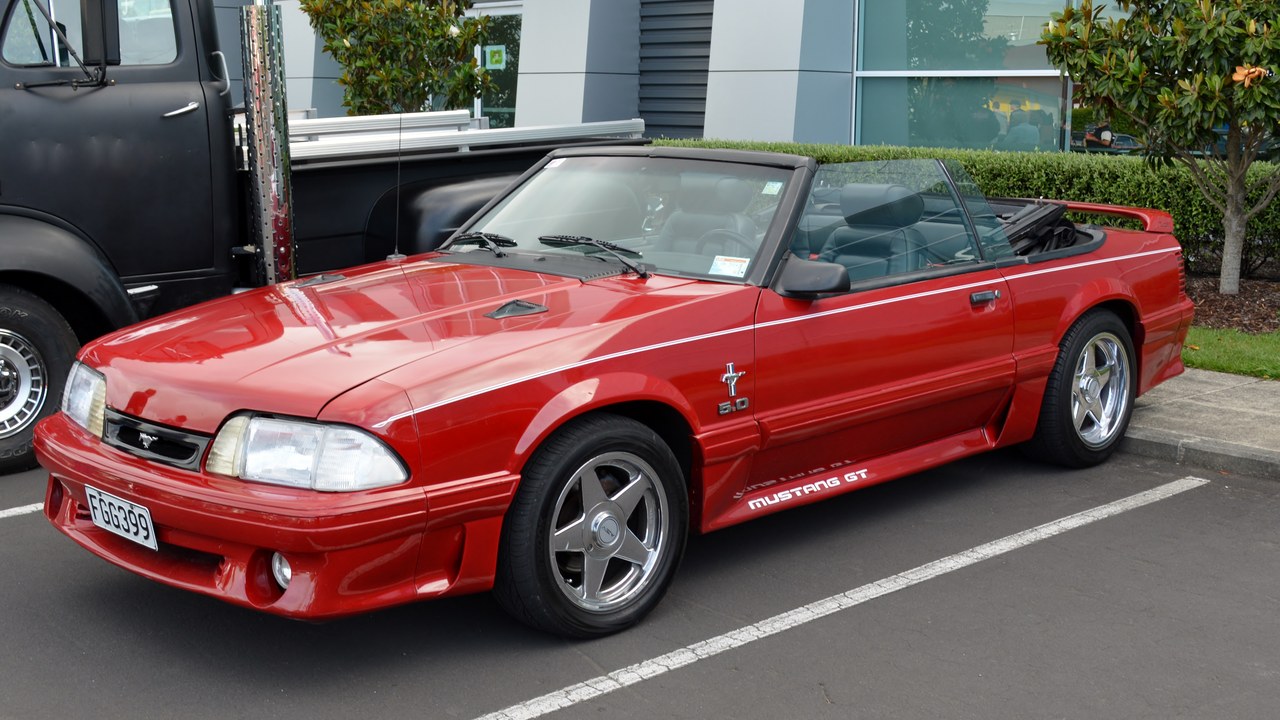
Spanning 1979 to 1993, the Fox-body generation stayed in production far longer than most Mustang eras, and Motor1’s generation rundown lists sales of 2.5 million units.
Power ranged from 105 to 235 hp across the run, so the same basic platform covered everything from modest commuters to quick street cars. The Fox name refers to the Ford platform beneath the body. That breadth of output and the sheer volume made the Fox-body a staple of grassroots racing and a favorite of the aftermarket.
8. 2003 Ford Mustang SVT Cobra: The Supercharged Finale
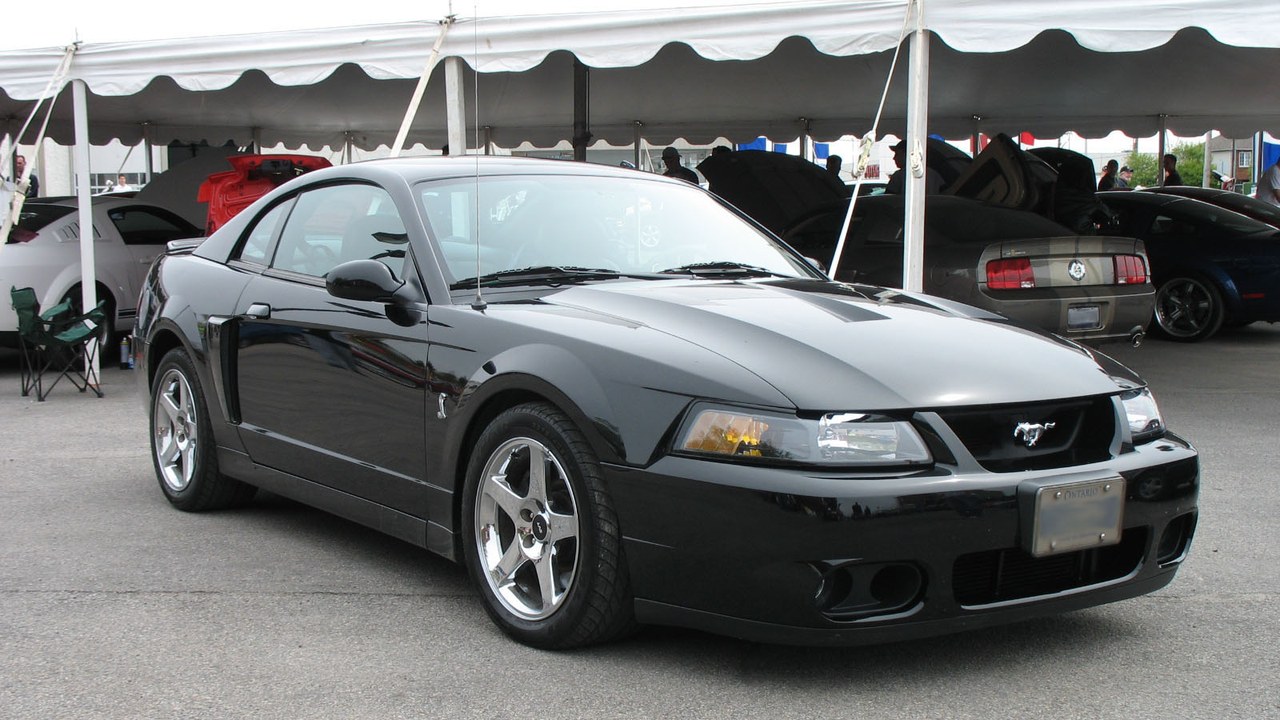
By the early 2000s the SVT Cobra was the sharpest Mustang Ford sold, and the 2003 model added a supercharger to its V8. Hagerty’s Mustang fact file credits that car with 390 hp and notes that the design peaked in 2003 and 2004.
Built by Ford’s Special Vehicle Team, the Cobra sat at the top of the regular Mustang lineup of its era, above the GT in both price and performance. Forced induction then became a recurring theme for the fastest Mustangs that followed, starting with the 500-hp Shelby GT500 that arrived for 2007.
9. 2007 Shelby GT500 (S197): Supercharged Flagship
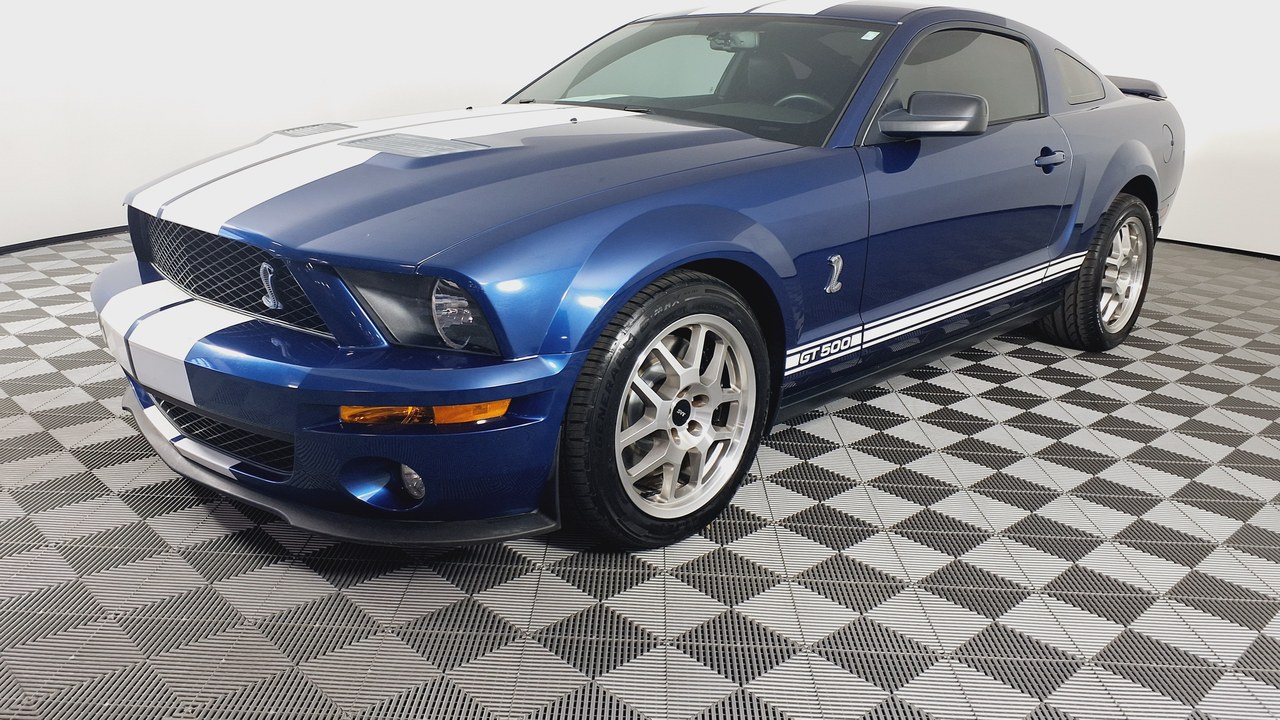
The S197 GT500 carried a supercharged 5.4-liter V8 rated at 500 hp, and the Motor1 Mustang guide places it within a generation that sold over a million in the U.S.
The same guide counts those sales across nine years in the U.S. alone, so the GT500 sat atop a very popular lineup. S197 is Ford’s internal code for the fifth-generation platform, and the Shelby version served as its headline performance model, bringing forced induction and big power to a retro-styled coupe.
10. 2013 Shelby GT500: Peak Pony Power
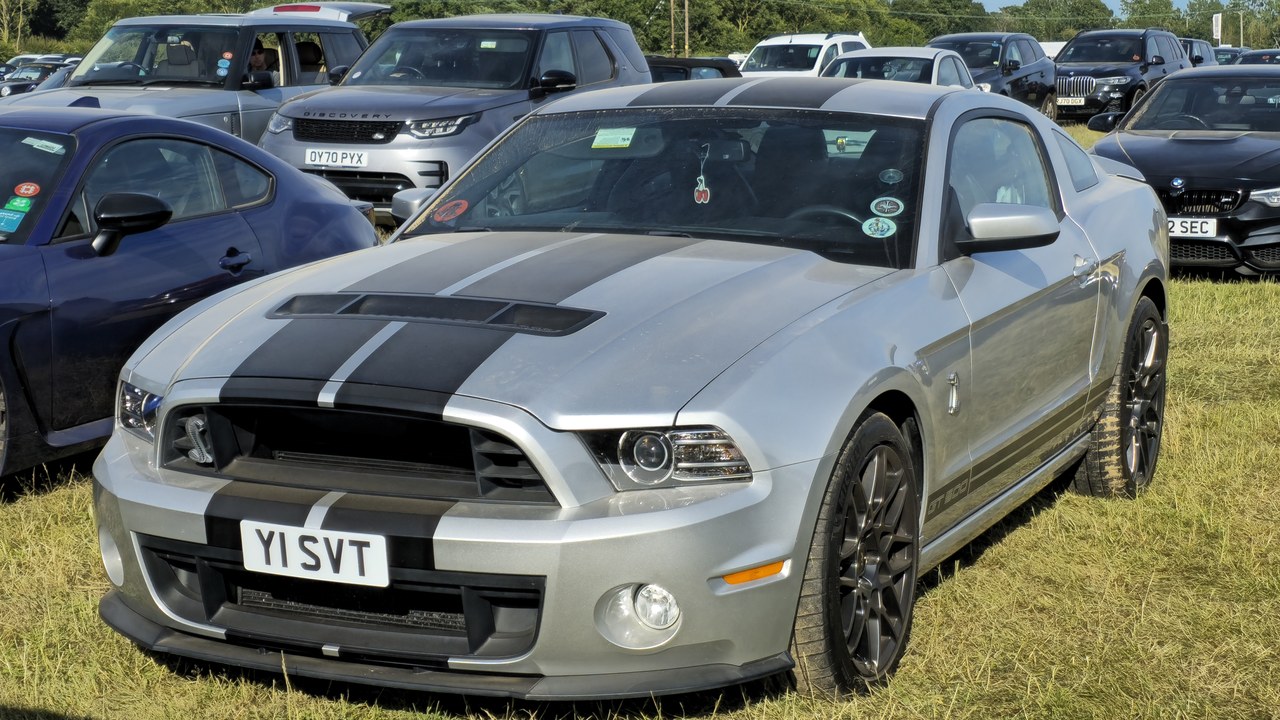
Output reached 662 hp at 6,250 rpm in the 2013 Shelby GT500, with 631 lb-ft of torque at 4,000 rpm, according to Hagerty’s Mustang facts.
A Car and Driver test also recorded 0 to 60 mph in 3.5 seconds. Those figures place the car far beyond the ordinary Mustang of its day, and they show how much the supercharged Shelby formula had advanced since the 500 hp rating of the S197 debut. The horsepower race among American performance cars was in full swing.
11. 2016 Shelby GT350: Flat-Plane Howler
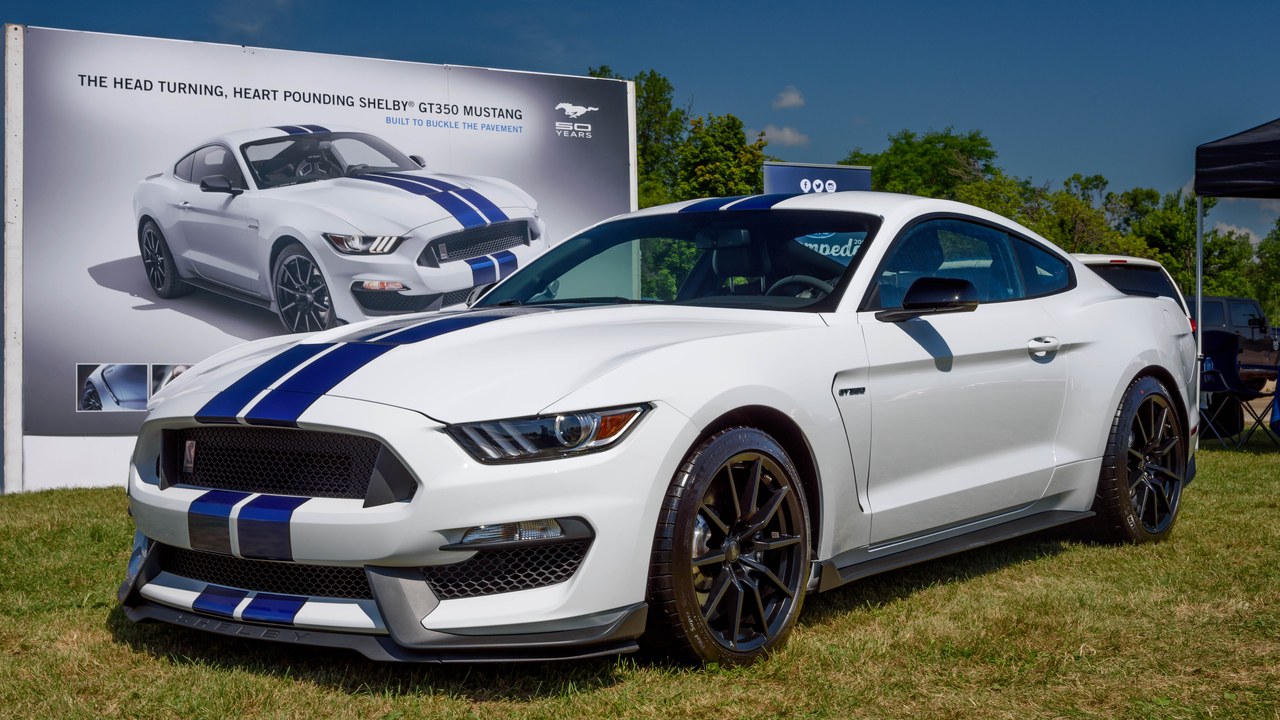
The 2016 Shelby GT350 relied on a flat-plane-crank 5.2-liter V8 that made 526 hp, as Wikipedia’s Shelby Mustang entry records.
A flat-plane crankshaft is a layout more often associated with race engines, and it lets a V8 rev with a distinct, high-pitched character. The GT350 belonged to the sixth generation of the Mustang and leaned on a high-revving engine rather than forced induction, giving the Shelby badge a sharper, more track-oriented personality.
12. 2020 Shelby GT500: Supercharged Summit
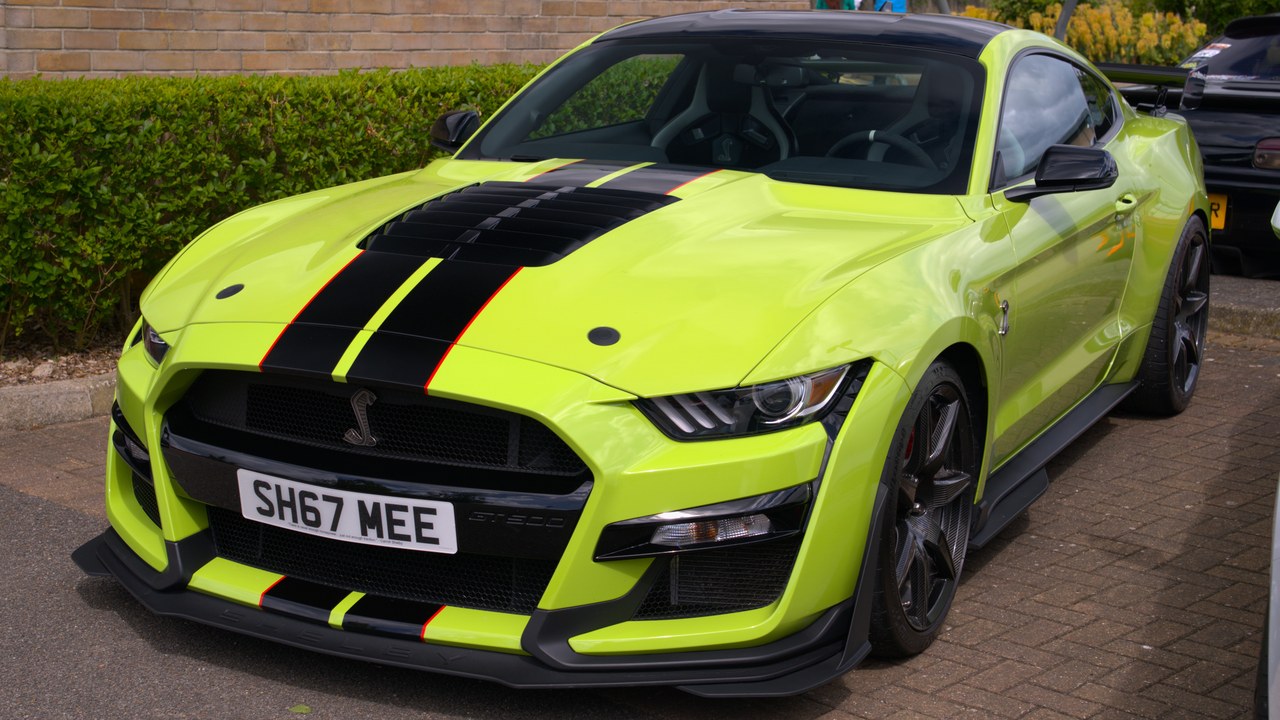
The 2020 Shelby GT500 sits at the top of the Mustang range, and Wikipedia’s Shelby Mustang entry says the supercharged car produces 760 hp.
That output exceeds the 662 hp of the 2013 car, showing how the Shelby badge kept climbing across the decades. As a sixth-generation Mustang, it carried the pony car formula far beyond what the 1965 original could have imagined. The whole-car stance of the 2020 model makes that progression easy to see against its predecessors.
The day in tech, in one email: Get TLDR →
We may earn a commission if you sign up.
More from Morning Overview
- Two passengers died at an Ohio toll plaza, and the NTSB now wants the cash lanes shut
- Long use of a common prostate pill is tied to a higher chance of glaucoma
- Ford is recalling 223,472 F-150 pickups because the fuel tank can leak or detach
- Hybrids have 15% fewer problems than gas cars, while EVs and plug-in hybrids have about 80% more, Consumer Reports finds
