
Many features drivers now take for granted first reached the road on American cars from Detroit’s busiest decades. Some arrived as luxury novelties, others as styling tricks or engineering experiments that later spread across the whole industry. Here are ten American models that pioneered a feature or technology, each with the story of what made it special.
Help yourself and the planet: The Cool Down makes it easy to help yourself while helping the planet, with smart, simple changes to save more and waste less in your everyday life.
We may earn a commission if you sign up.
1. 1958 Chrysler Imperial: Cruise Control Arrives
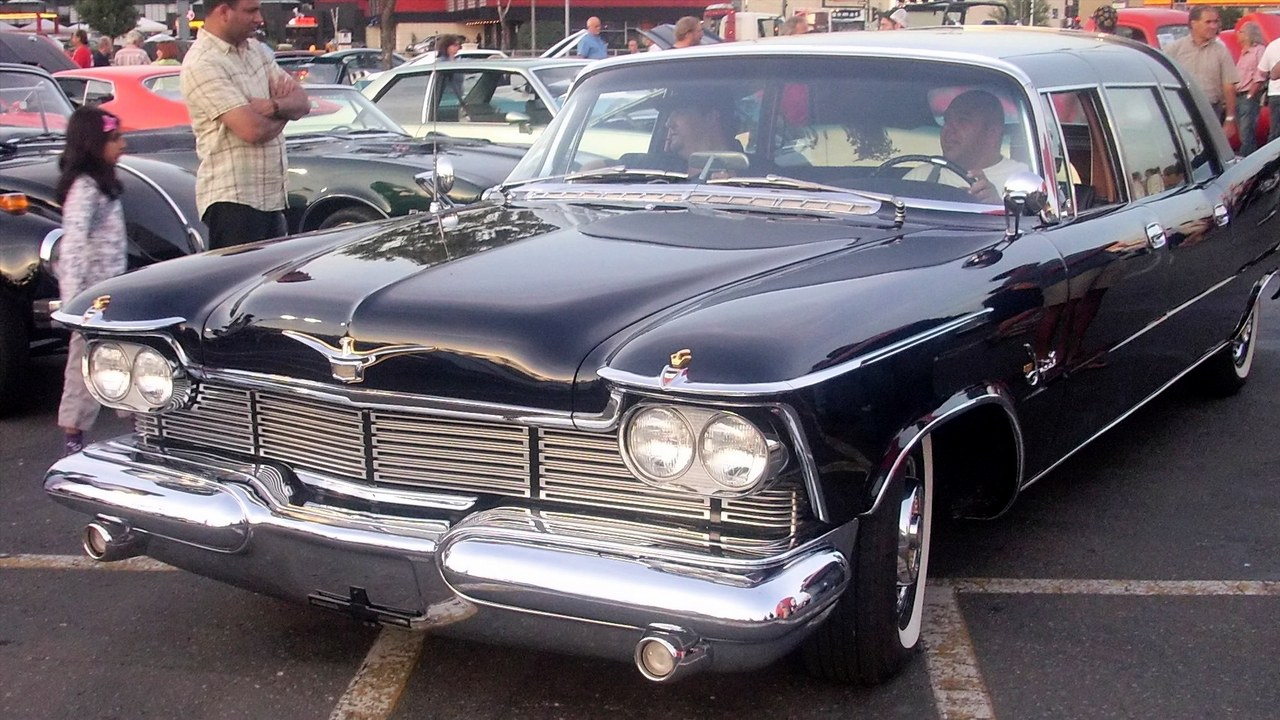
Chrysler positioned the Imperial as its flagship luxury model, so it made sense for the brand to showcase new comfort technology. Its optional cruise control system let a driver select a speed between 30 and 80 mph and have the car hold it without constant pedal work.
The idea behind it was conceived by Ralph Teetor in the 1940s, meaning the concept waited well over a decade before reaching a production car. Today the feature is routine on nearly every new vehicle, which makes this large Chrysler product an early step on a long road toward modern driver-assistance systems.
2. Chevrolet Corvair Monza: Boosted Rear-Engine Oddball
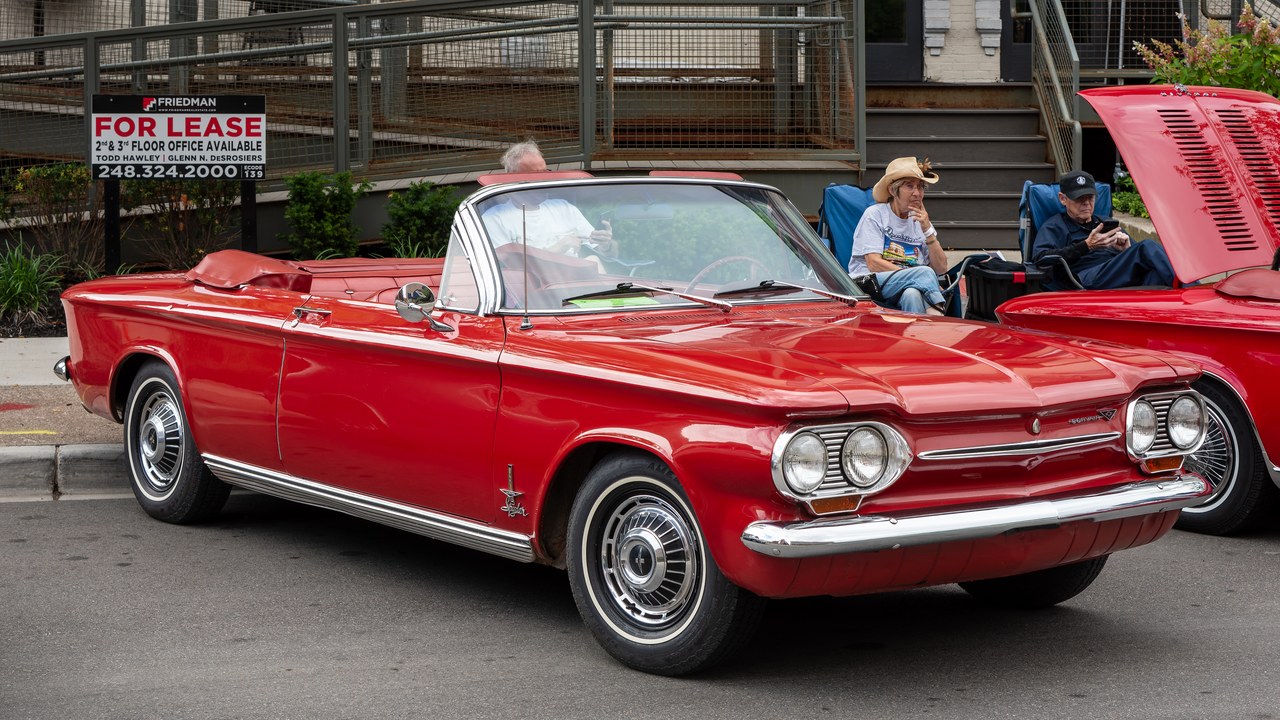
Chevrolet built the Corvair around an unusual air-cooled flat-six engine mounted at the back, a layout that set it apart from the front-engine cars of its day. The sporty Monza version stood out further when fitting a turbocharger almost doubled the 80 bhp of that flat-six.
Forced induction was a rare idea on American passenger cars, and applying it to a compact rear-engine model made the Monza a genuine curiosity. Collectors still seek out these cars for their unconventional engineering, which showed how far a small, relatively modest engine could be pushed with a little extra air.
3. 1965 Ford Thunderbird: Lights That Sweep
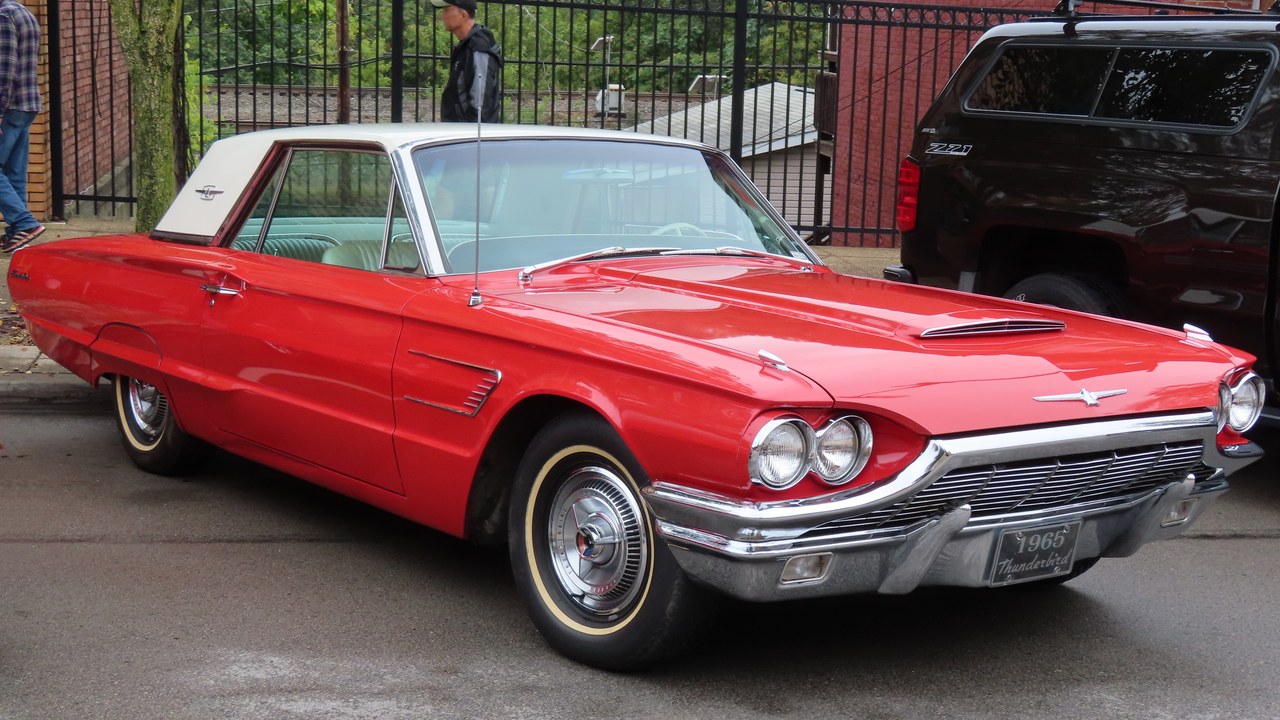
Ford gave the Thunderbird a styling touch that drew attention on the road at night. The company offered sequential turn signals on its 1965 model, with the lights flashing in a moving pattern instead of simply blinking all at once.
The idea proved popular enough to spread across the Ford family, later appearing on the Mercury Cougar and on the Shelby GT350 and GT500. Sequential signals remain a recognisable design feature today, and many drivers still associate the effect with classic American performance and personal luxury cars of the mid-1960s.
4. 1968 Pontiac GTO: Bumper That Bounces Back
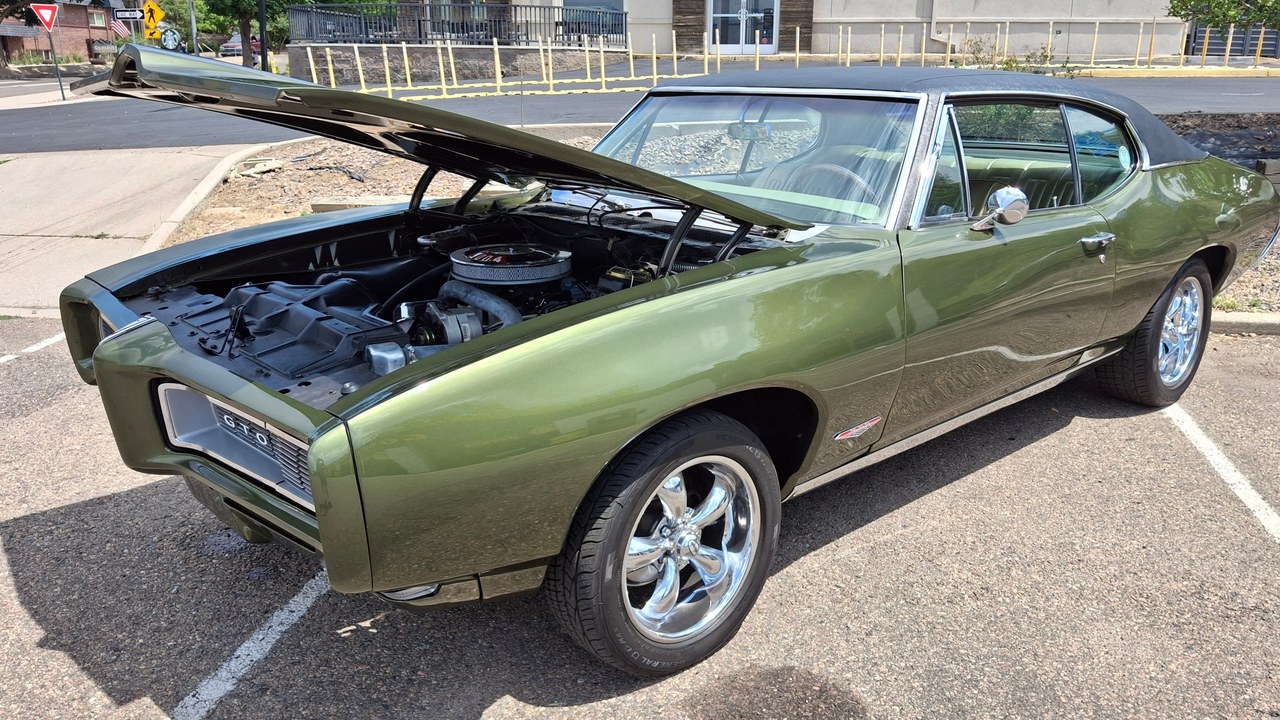
Pontiac’s GTO is remembered mainly for muscle-car performance, yet its front end carried a clever piece of practical design. The polyurethane Endura bumper was painted in the same color as the body panels rather than finished in conventional chrome.
Beyond its clean look, the material gave the car a useful ability to resist minor parking impacts that would dent or mark a metal bumper. The approach changed how designers thought about front ends, letting the bumper blend into the bodywork while still doing its protective job in everyday traffic.
5. Chrysler Airflow: Streamlining Goes Mainstream
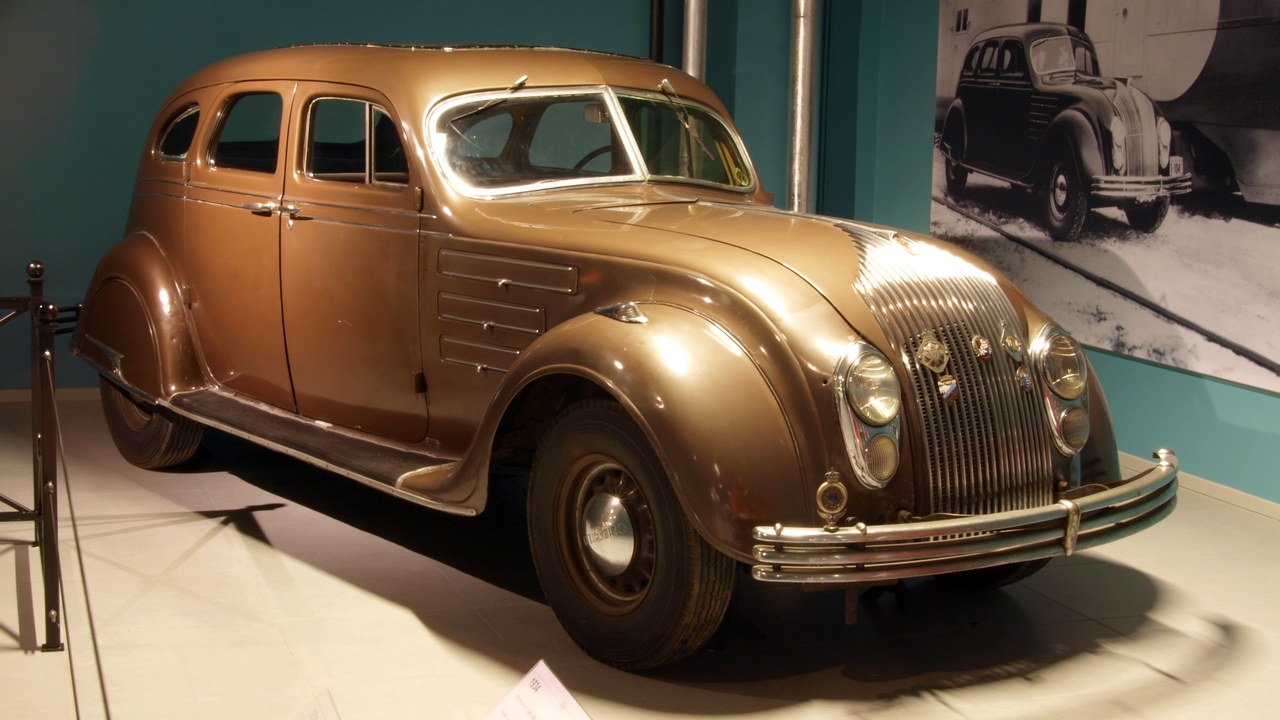
Boxy, upright shapes dominated automobile design until Chrysler tried something radically different in the 1930s. The 1934 Airflow was the first full-size American production car to use streamlining as the basis for building a sleeker automobile.
Buyers responded in notable numbers, with 10,839 sold in its first year. The rounded body, shaped with airflow in mind, pointed toward the smooth forms that later became standard across the industry. Its unusual appearance divided opinion at the time, but historians now treat the model as a genuine turning point in car styling.
6. Plymouth Valiant: Generator Gives Way
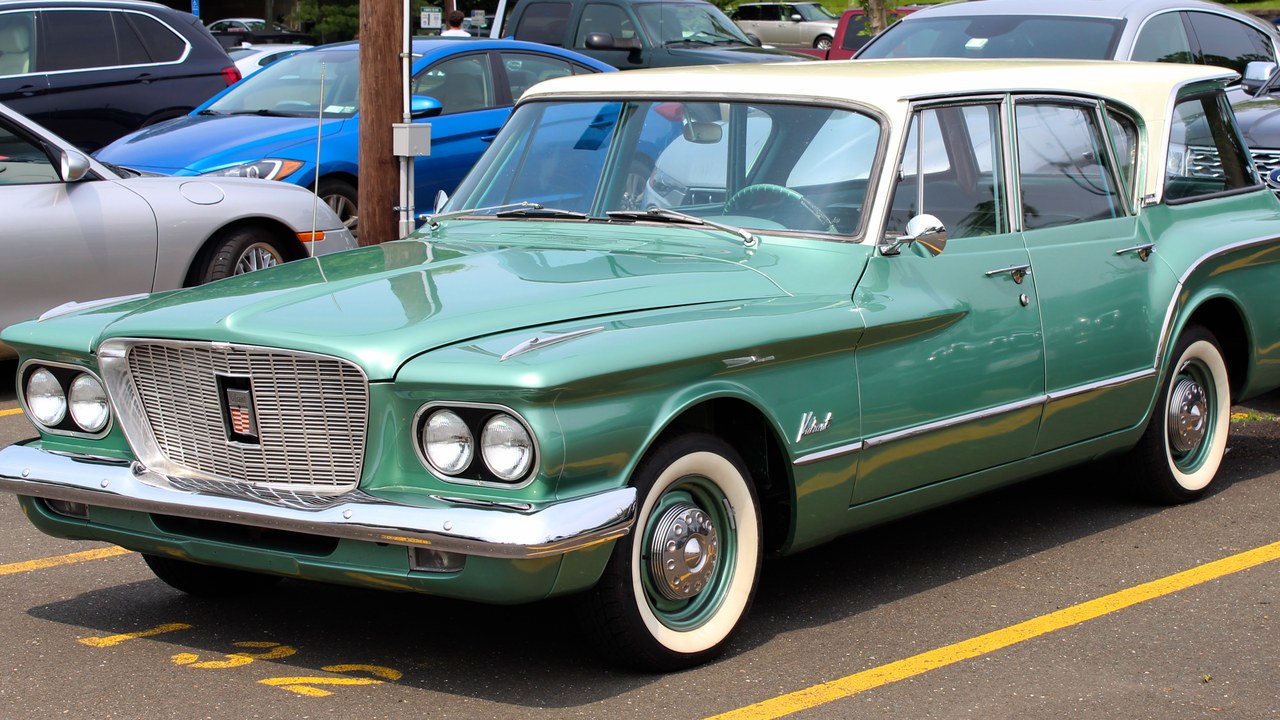
Plymouth introduced the Valiant as a compact car, but its most lasting contribution sat under the hood. According to a technology roundup, the 1960 Valiant was the first car in the world fitted with an alternator.
Alternators replaced the older generator because they can produce useful electrical output even at low engine speeds, which suited the growing number of electrical accessories in cars. That change quietly improved battery charging and reliability. Almost every vehicle built since has relied on the same basic approach, giving the humble Valiant an outsized place in automotive engineering history.
7. Cadillac Eldorado Brougham: Floating on Air
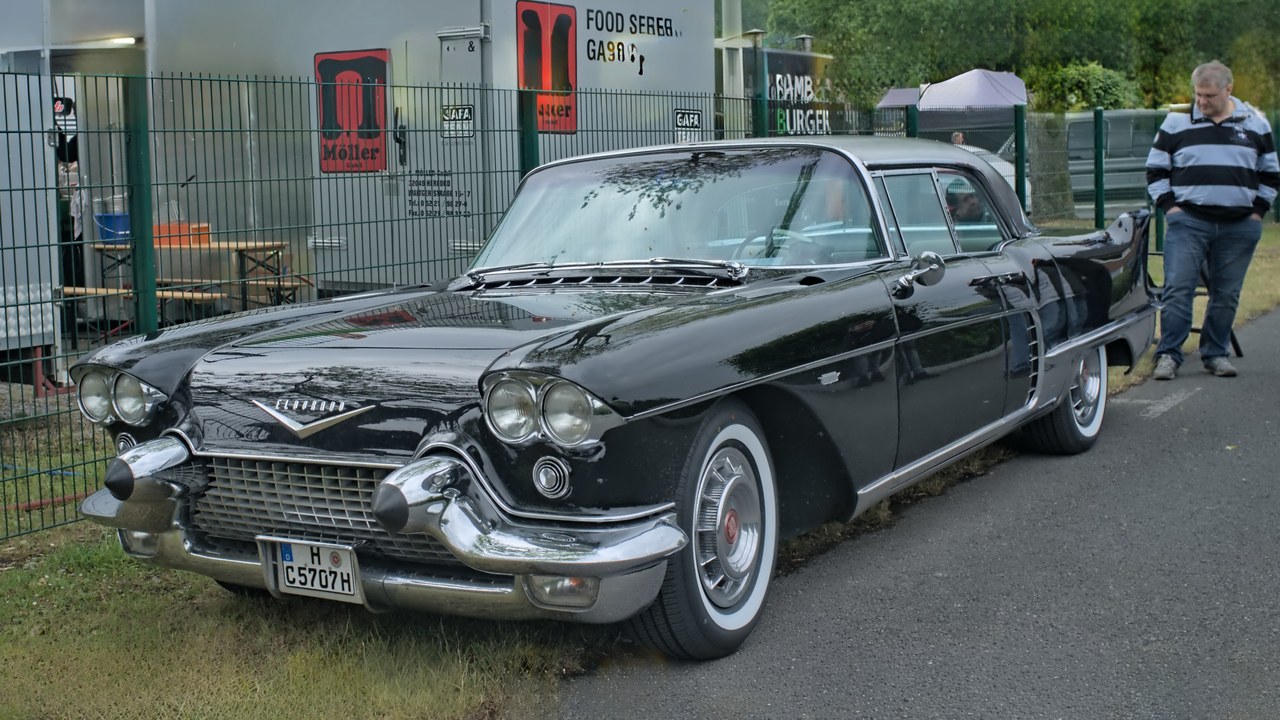
Cadillac aimed the Eldorado Brougham at buyers who wanted the most luxurious car the company could build. It was in this model that air suspension was introduced, arriving in 1957 as a new way to cushion passengers from the road.
Instead of relying only on conventional steel springs, the system used air to support the car, promising an especially smooth ride. The technology was complex for its era, and that complexity became part of the Brougham’s reputation as an ambitious, expensive showcase. Air suspension later became a familiar feature on premium vehicles.
8. Cadillac DeVille: Comfort at the Dial
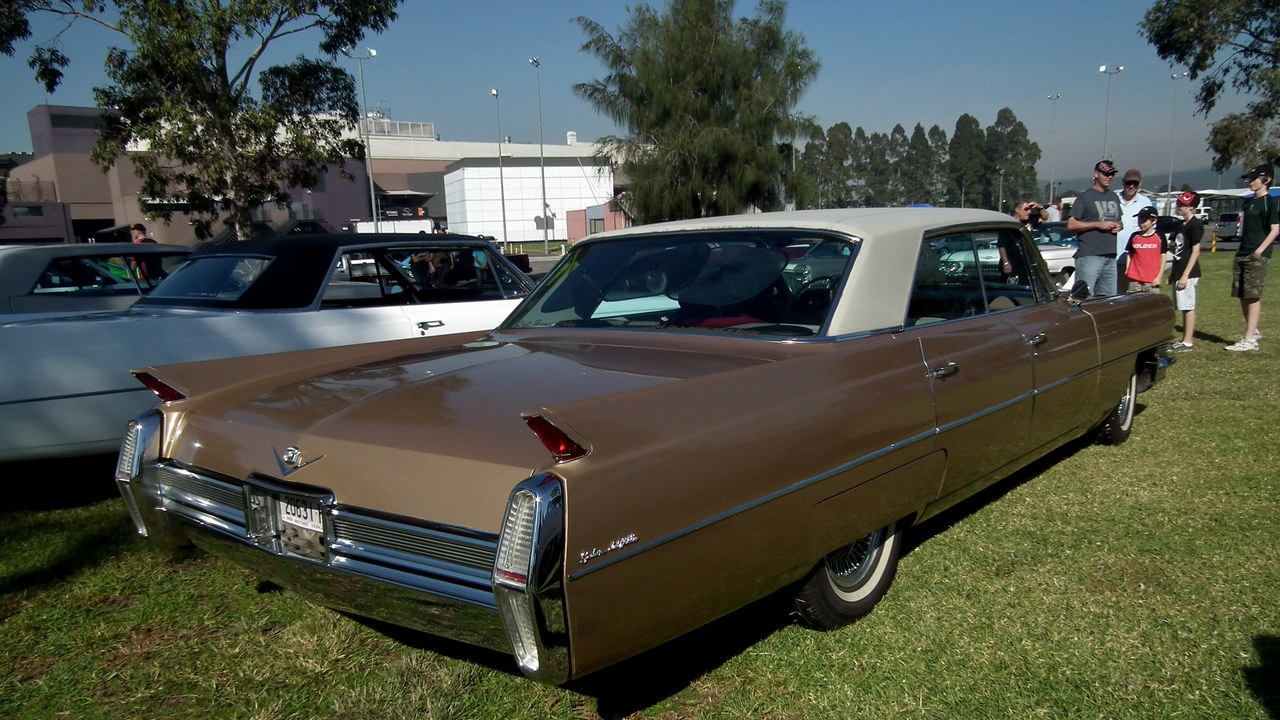
Cadillac has long used the DeVille name for its comfort-focused sedans. In 1964, the company offered climate control in its DeVille sedan, giving occupants a way to set a desired temperature instead of constantly adjusting heater and air conditioning controls.
That convenience was a notable step for American luxury cars, since it moved the interior toward the automatic comfort that buyers now take for granted. Automatic climate systems have since spread from top-tier models to ordinary family vehicles, and the DeVille remains one of the early names linked with the idea.
9. Oldsmobile Toronado: Front Wheels Take the Lead
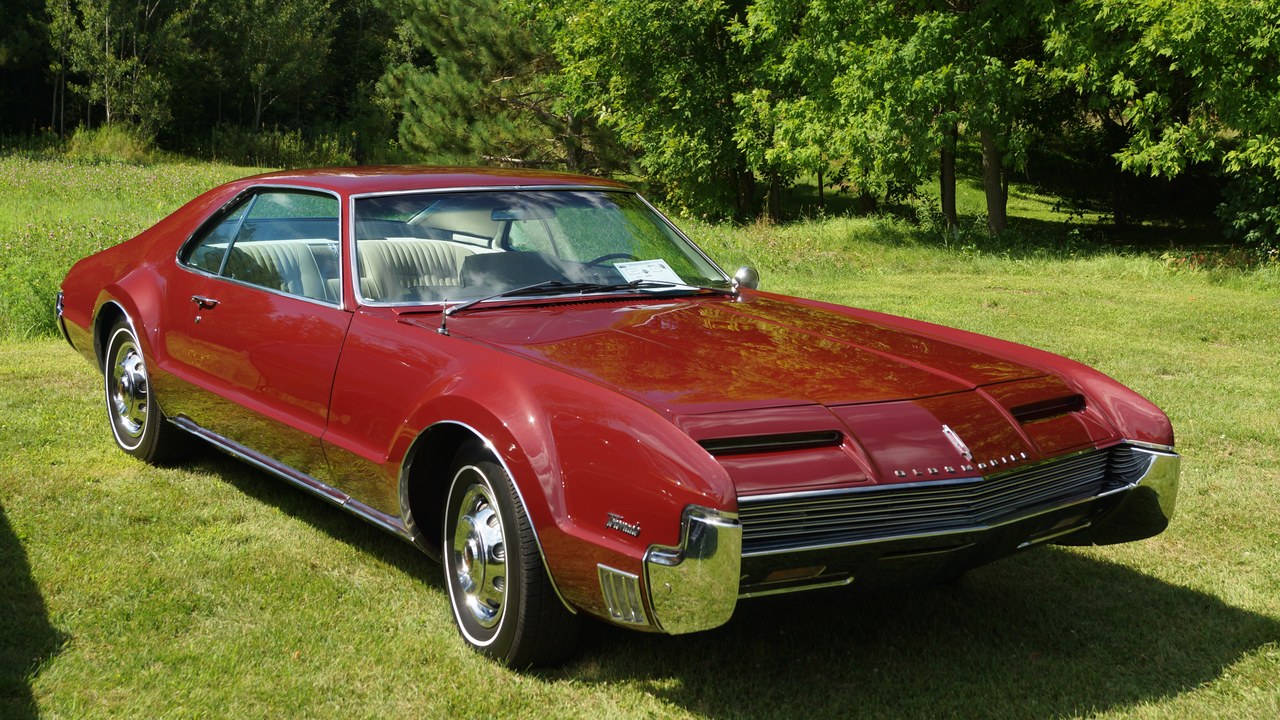
Large American cars of the mid-1960s sent power to the rear wheels, which made Oldsmobile’s decision with the Toronado especially bold. The 1966 model was the first mass-produced front-wheel-drive American car, and it paired that layout with a 425 V8 making 385 hp.
Driving the front wheels with such a large engine was a major engineering challenge, and the car’s low, wide, sculpted shape made it look as unconventional as it was underneath. The Toronado showed that front-wheel drive was not limited to small economy cars, an idea that later became standard practice across the industry.
10. Oldsmobile F-85 Jetfire: Turbo Before Its Time
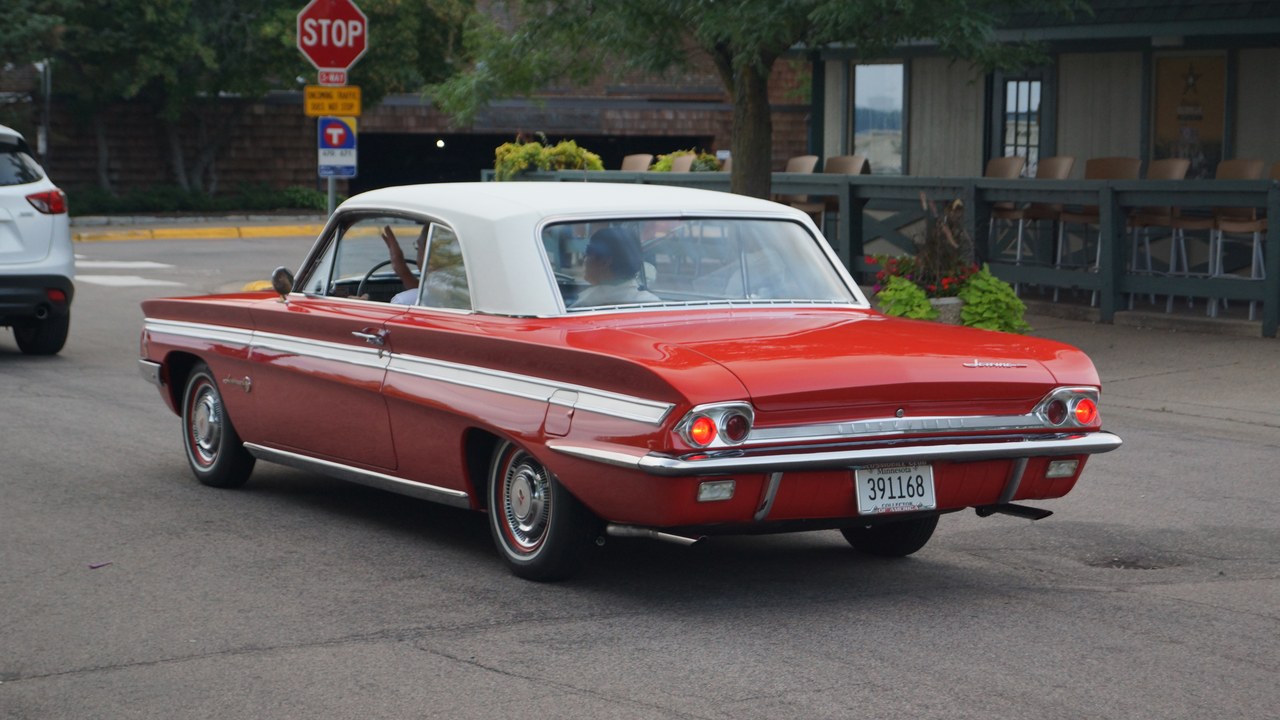
Oldsmobile used its compact F-85 line to experiment with technology that was unusual for the early 1960s. The 1962 Jetfire is listed as the first production turbocharged car, bringing forced induction to showroom buyers well before the idea became common.
A turbocharger uses exhaust energy to push extra air into the engine, raising power without a larger displacement. Putting that concept into a regular production model took considerable nerve at a time when engine size was the usual measure of performance. Turbos are now everywhere, and this small Oldsmobile helped show where the industry was heading.
Help yourself and the planet: Get The Cool Down →
We may earn a commission if you sign up.
More from Morning Overview
- Hurricane Hunter radar shows four warning signs that a tropical cyclone is about to strengthen, a University of Miami study found
- Tropical Storm Rachel is dumping up to 12 inches on four Mexican states on its way to major hurricane strength
- The FTC says Lens.com doubled the price shoppers saw in Google ads
- Common allergy, bladder and sleep pills tied to sharply higher dementia odds
