
Amtrak’s long-distance trains draw many of the headlines, but a large share of its ridership rides shorter corridor and state-supported services. These routes tie big cities and regional hubs together with frequent departures, and several have posted strong growth. Here are eleven of them, from the Northeast Corridor to the Pacific coast.
Help yourself and the planet: The Cool Down makes it easy to help yourself while helping the planet, with smart, simple changes to save more and waste less in your everyday life.
We may earn a commission if you sign up.
1. Northeast Regional: Regional Backbone
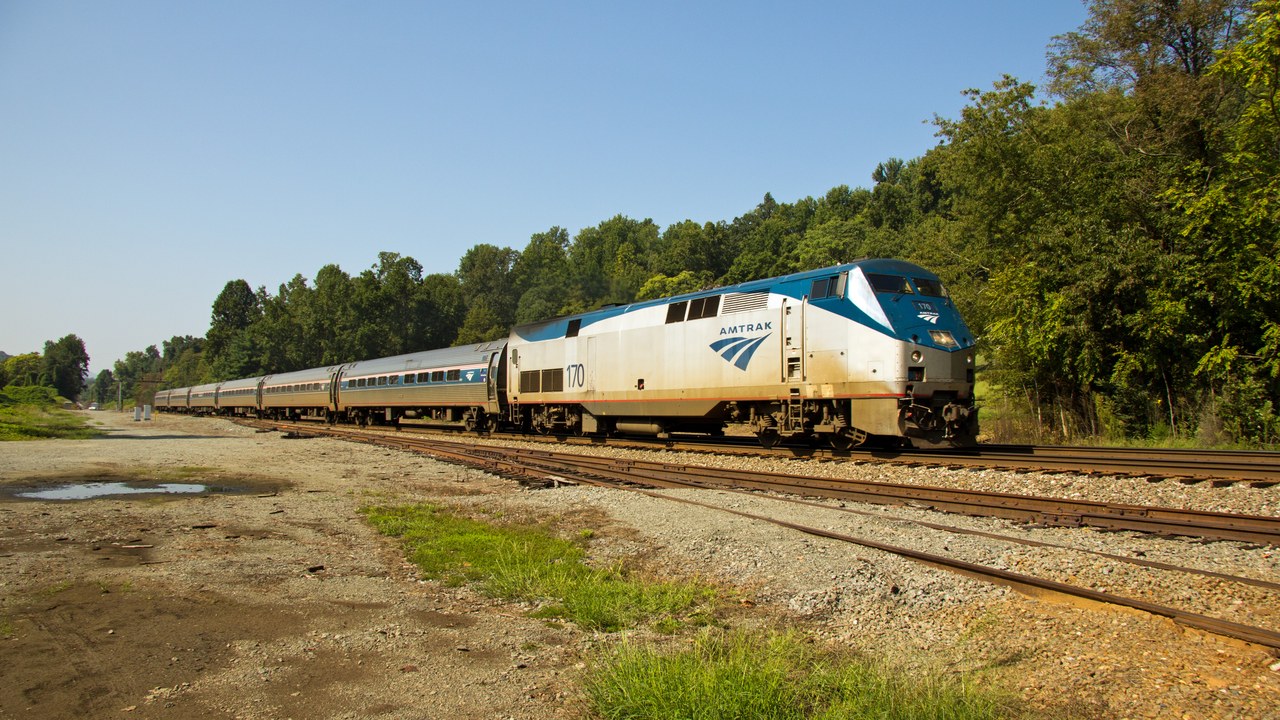
Amtrak’s busiest route carried 12,018,536 riders in fiscal 2025, up 11.3% from the year before, according to Amtrak’s year-end ridership figures. The Northeast Regional serves the Northeast Corridor, the heavily traveled rail spine linking Boston, New York, Philadelphia and Washington, with many intermediate stops along the way.
Unlike the premium Acela, it makes more station calls and is the train most commuters, students and leisure travelers use between the region’s big cities. A route of that scale shows how much demand exists for intercity rail where stations sit in the middle of downtowns while highways and airports are often congested.
2. Acela: Premium Corridor Flagship
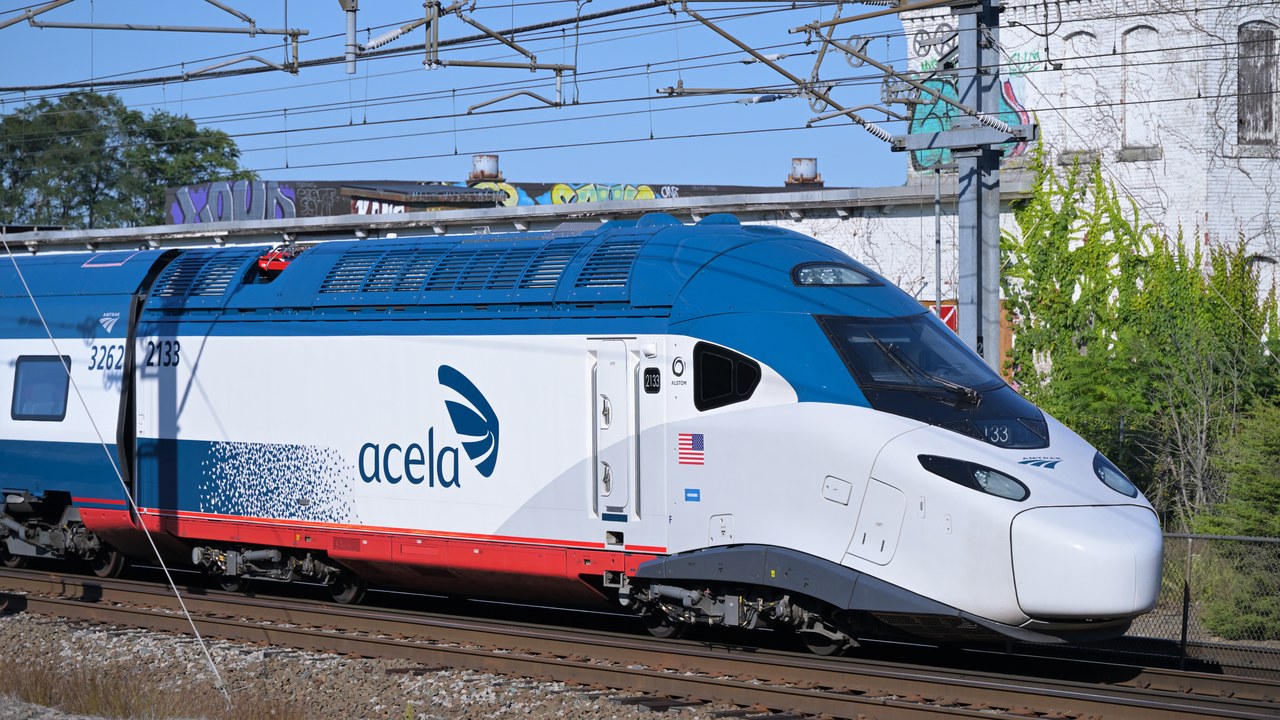
Boston-New York-Washington’s premium train ran 12 round trips a day in fiscal 2025 and added a 13th in 2026, carrying 3,153,621 riders, based on Amtrak’s New York fact sheet.
Acela is Amtrak’s high-speed flagship on the Northeast Corridor, marketed to business and premium leisure travelers with reserved seating and fewer stops than the Northeast Regional. Fares sit above those of regional service, and the limited stops are meant to shorten trip times between the corridor’s major cities. The extra daily round trip adds capacity in one of the country’s most valuable rail markets.
3. Pacific Surfliner: Rail Along the Pacific
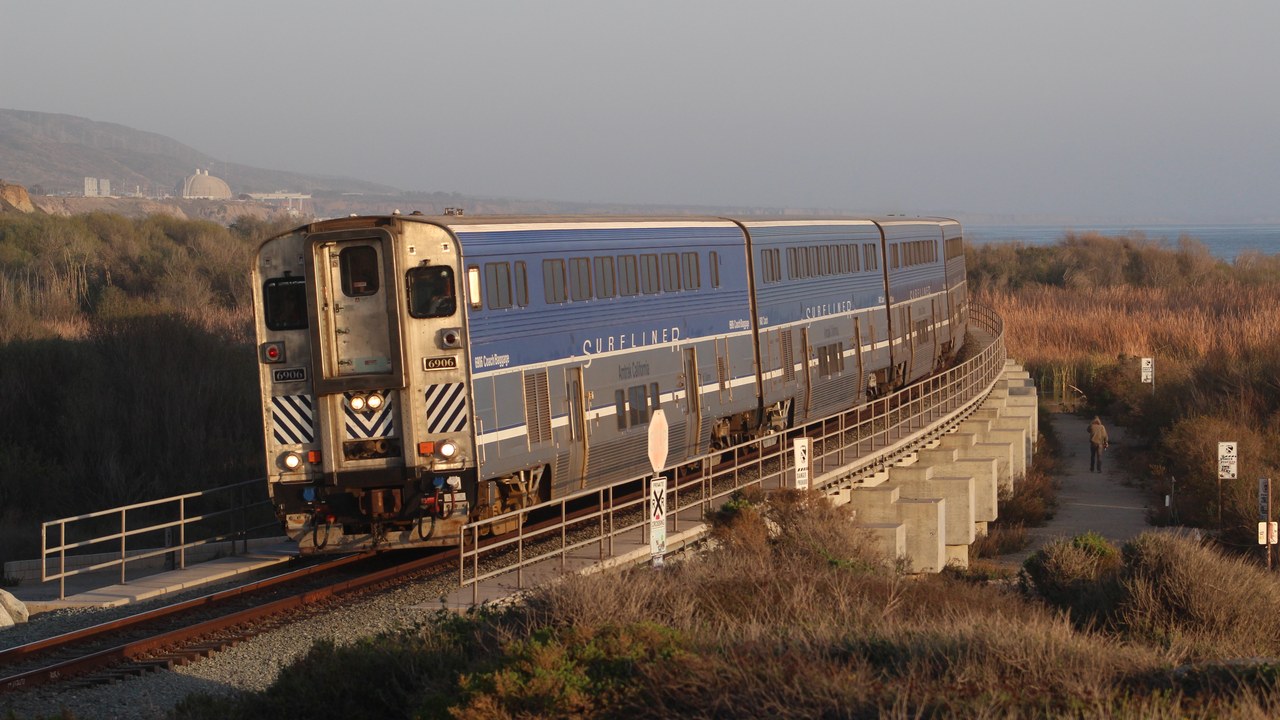
The San Luis Obispo-Los Angeles-San Diego coast run carried 2,043,059 passengers in fiscal 2025, a gain of 3.0% over the prior year, as listed on Amtrak’s year-end ridership sheet. The route is California’s state-supported coastal corridor, and the line runs close to the Pacific in several stretches, giving riders ocean views that few American rail routes can match.
It connects major population centers in Southern California, including Los Angeles Union Station and downtown San Diego, and serves commuters, beachgoers and visitors alike. State sponsorship means California helps shape service levels, which is the model shared by many of the corridor trains in this group.
4. Empire Service: Up the Hudson
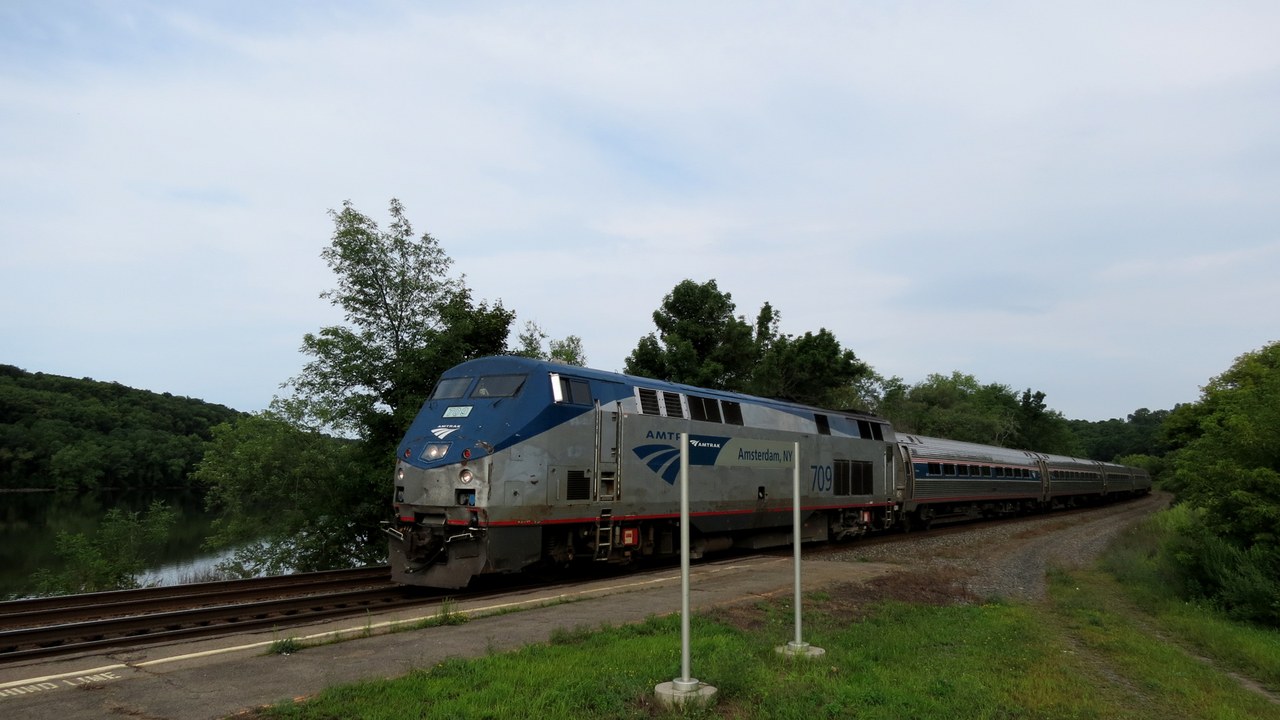
The New York-Albany-Niagara Falls route runs 460 miles and restored a sixth daily New York-Albany round trip in fiscal 2026, according to Amtrak’s New York fact sheet. Empire Service follows the Hudson River north from Penn Station before turning west across upstate New York toward Buffalo and the Canadian border at Niagara Falls.
The Hudson stretch is among the more scenic in the Amtrak network, with the river and its valley visible from the train’s windows. Upstate cities such as Syracuse, Rochester and Buffalo gain a rail link to the metropolitan area, and the added frequency between New York and Albany gives travelers more departure choices through the day.
5. Keystone Service: Pennsylvania’s Punctual Performer
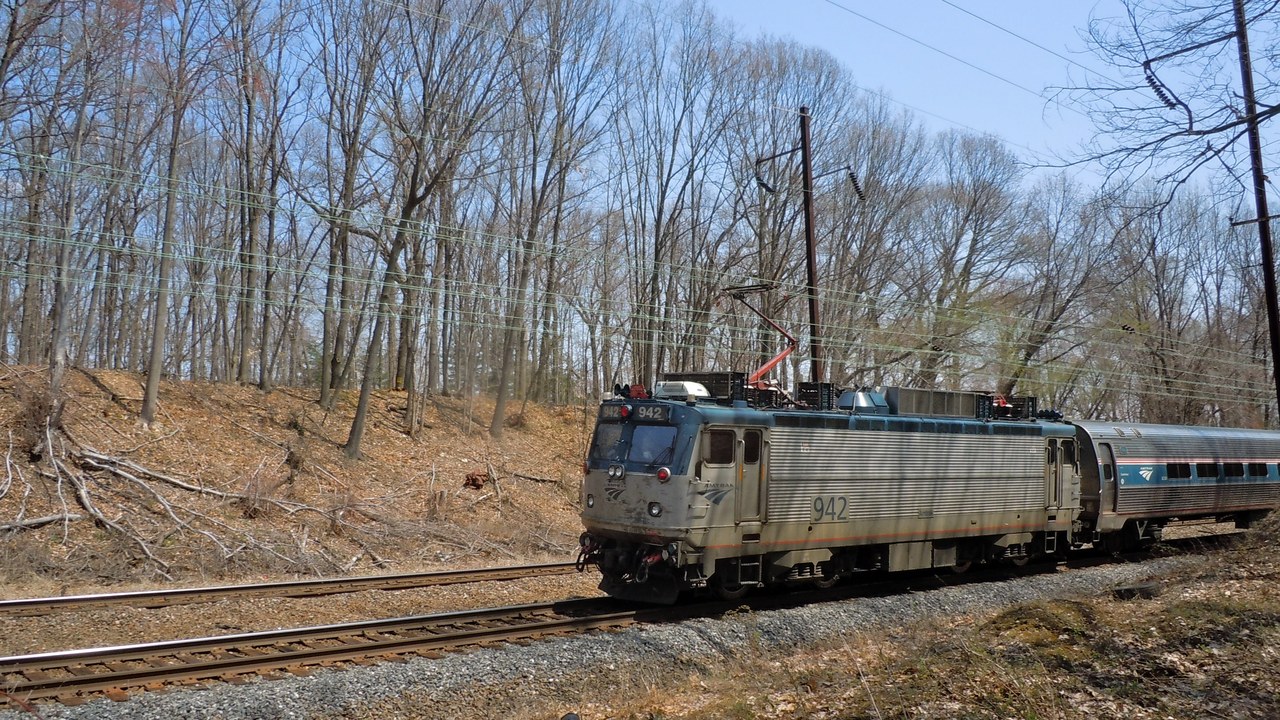
New York-Harrisburg’s Keystone runs 13 round trips a day and posted the best on-time score of New York’s routes at 87.7%, based on Amtrak’s New York fact sheet. The Keystone Service travels through Philadelphia and across eastern Pennsylvania, using an electrified line for much of its journey.
Pennsylvania supports the train, which serves commuters and students as well as visitors heading to the state capital. Frequent departures and a reliable record make the route one of the more practical rail alternatives to driving between Pennsylvania and New York City.
6. Capitol Corridor: Capital to Silicon Valley
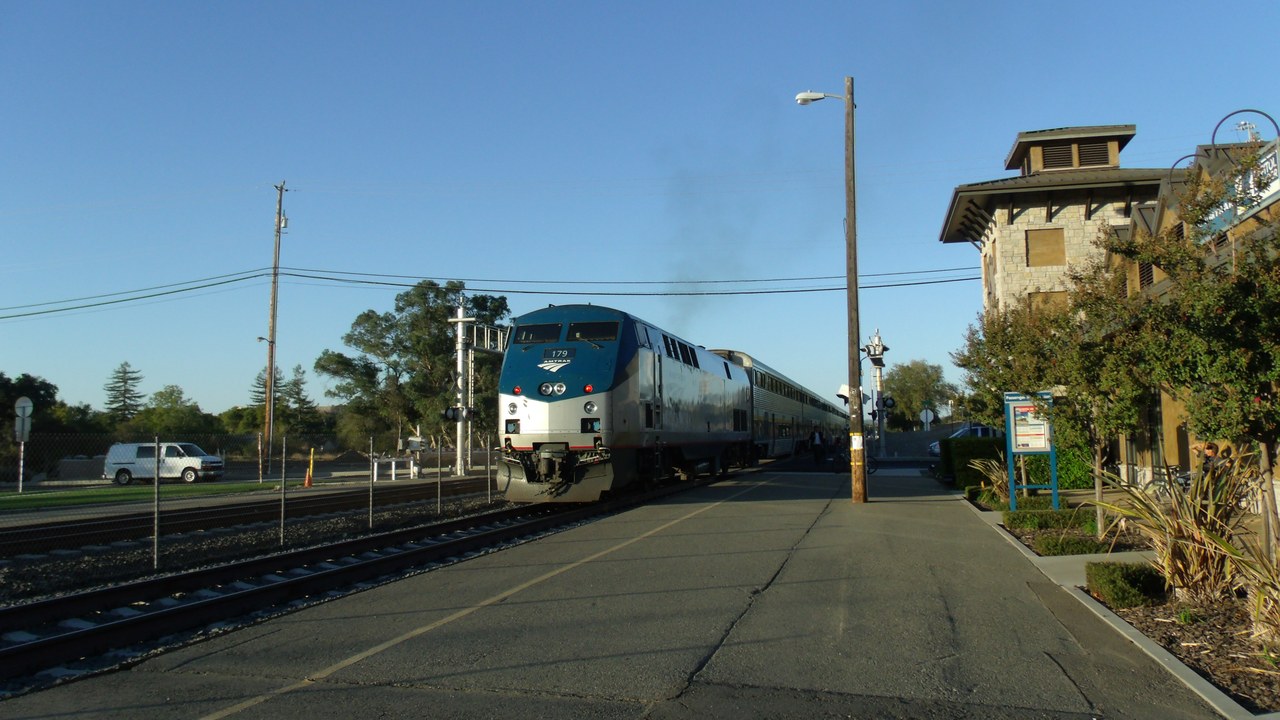
The 172-mile Auburn-Sacramento-Oakland-San Jose route grew 10.3% to 1,138,753 riders in fiscal 2025, according to Amtrak’s year-end ridership figures. Capitol Corridor links the state capital with the San Francisco Bay Area and Silicon Valley, and it is managed by a regional joint powers authority in partnership with Amtrak.
Its stations include Sacramento, Davis, Berkeley and Oakland, putting a university town, a capital and major job centers on a single line. Commuters, students and day-trippers all use the service, and the double-digit gain shows the route winning riders.
7. Gold Runner: A New Name for the Valley
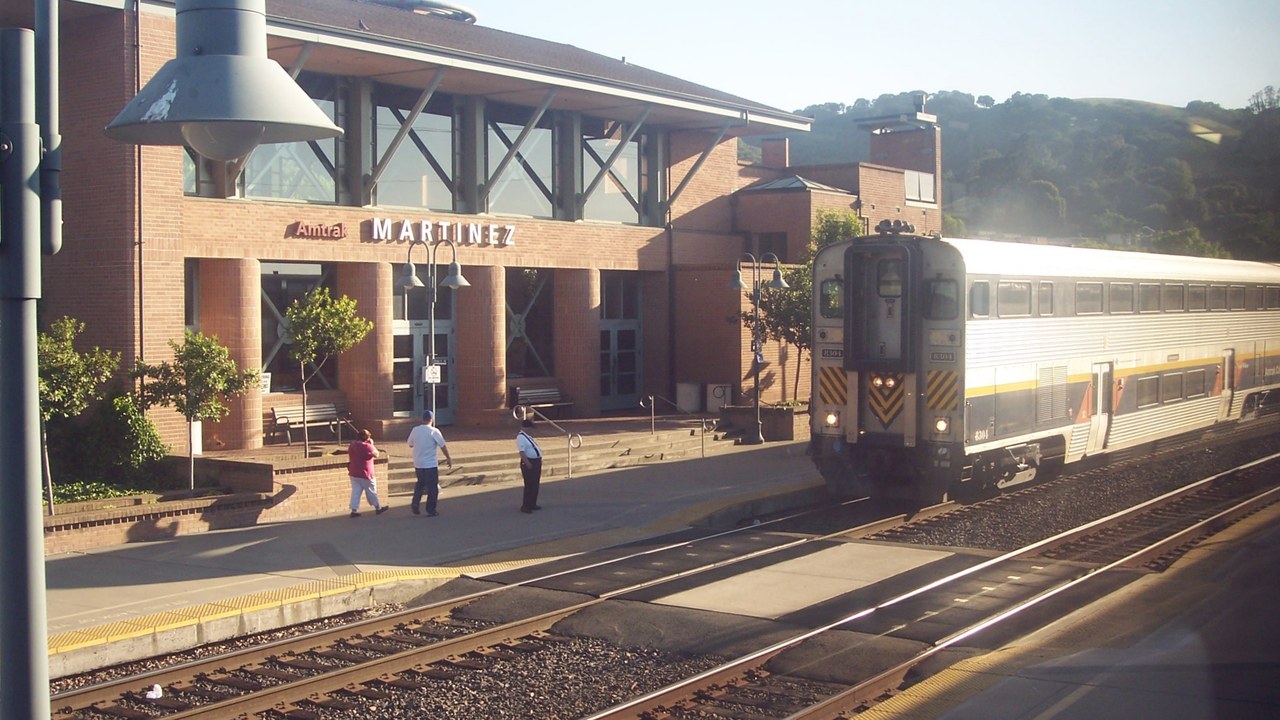
California’s Central Valley train (the San Joaquins, renamed Nov. 3, 2025) carried 899,903 riders, down 1.0% from the previous year, per Amtrak’s year-end ridership figures. The route is now branded Gold Runner and runs through the San Joaquin Valley, serving cities such as Bakersfield, Fresno, Modesto and Stockton.
The Central Valley is a major agricultural region whose cities are often far from airports with extensive service, so rail gives residents a way to reach the Bay Area and Sacramento without driving. The new name replaces the long-familiar San Joaquins branding.
8. Amtrak Cascades: Cross-Border Coast Line
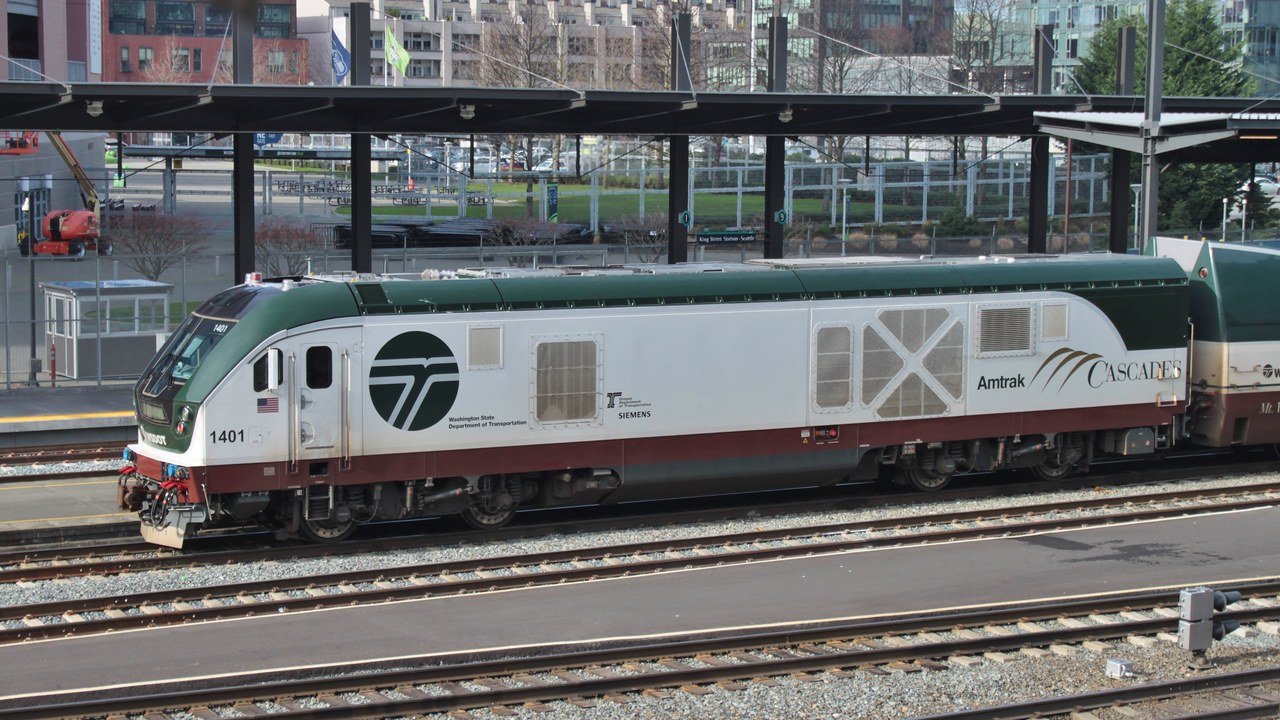
The 467-mile Vancouver-Seattle-Portland-Eugene corridor carried 951,397 riders in fiscal 2025, as summarized in Wikipedia’s list of Amtrak routes.
Amtrak Cascades follows the Pacific Northwest corridor, passing stretches of Puget Sound shoreline and running through the region’s largest cities. It is supported by Washington and Oregon, and its Vancouver link makes it one of the few Amtrak services that reaches into Canada. Riders use it for commuting, business trips and weekend getaways between the Northwest’s major urban centers.
9. Hiawatha: Short Hop, Big Draw
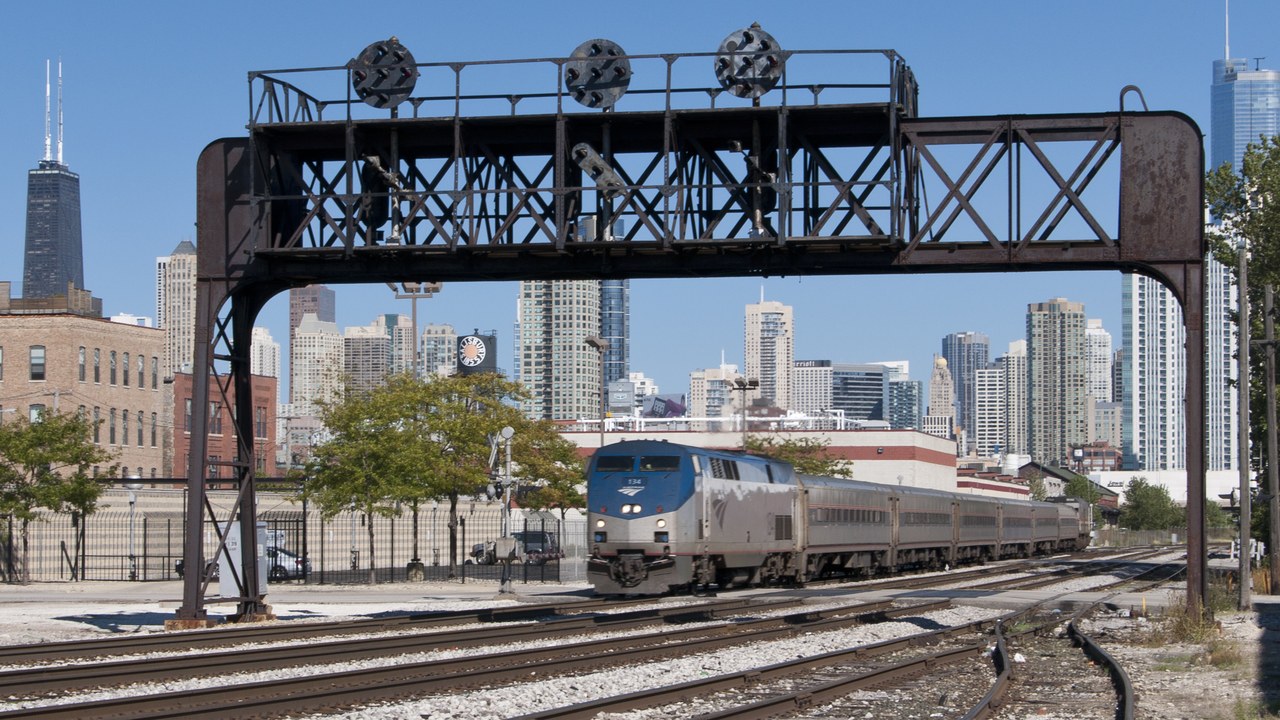
The 86-mile Chicago-Milwaukee Hiawatha carried 631,990 riders despite being one of the shortest routes, according to Wikipedia’s list of Amtrak routes.
The Hiawatha Service connects two of the Midwest’s largest cities, running between Chicago Union Station and Milwaukee, and is a popular choice for commuters, sports fans and weekend visitors. Its short distance and frequent trips make it a rail alternative to the busy highway between the two cities. The name recalls a historic passenger train that once served the same market.
10. Downeaster: Maine to Boston
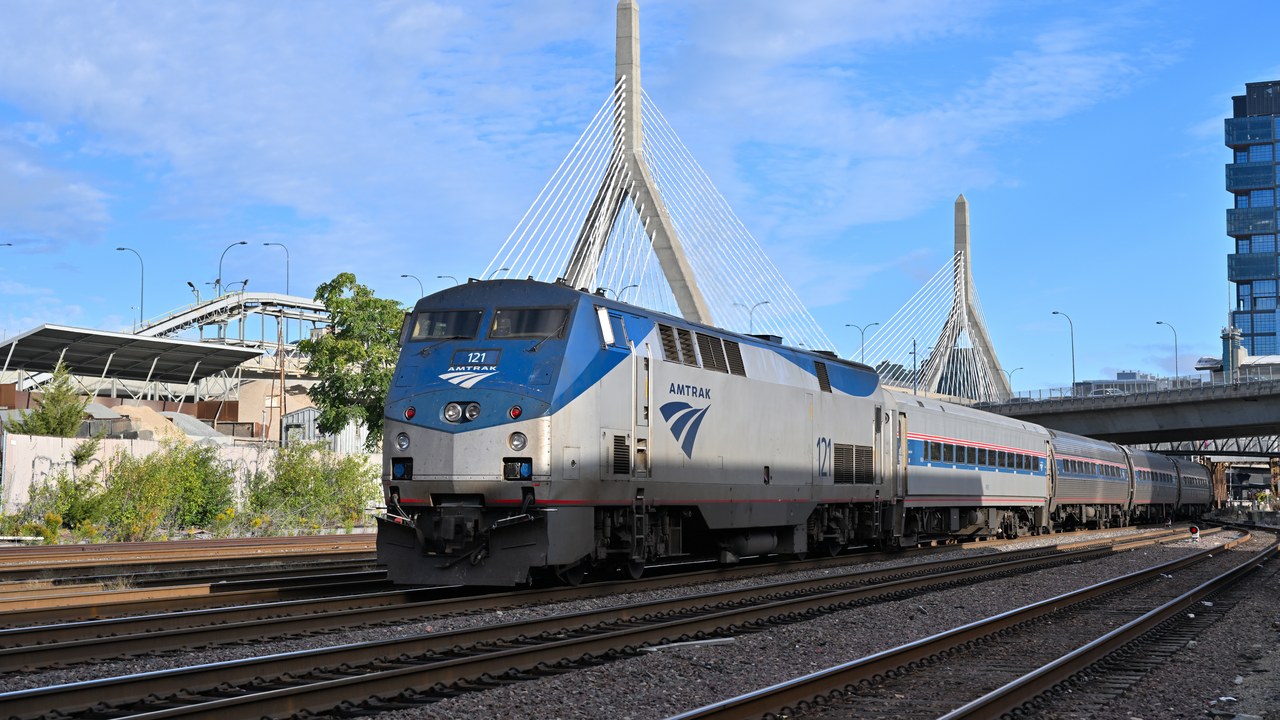
The 145-mile Brunswick-Portland-Boston run carried 549,120 passengers in fiscal 2025, per Wikipedia’s list of Amtrak routes.
The Downeaster links Maine with Boston’s North Station, with stops in coastal New England communities along the way, and it operates with support from a state rail authority in Maine. Its route passes seaside towns and marshland, and it gives travelers heading to Portland a way to skip Interstate 95 traffic. Coastal scenery and a direct downtown Boston arrival add to its appeal for leisure riders.
11. Lincoln Service: Prairie State Connector
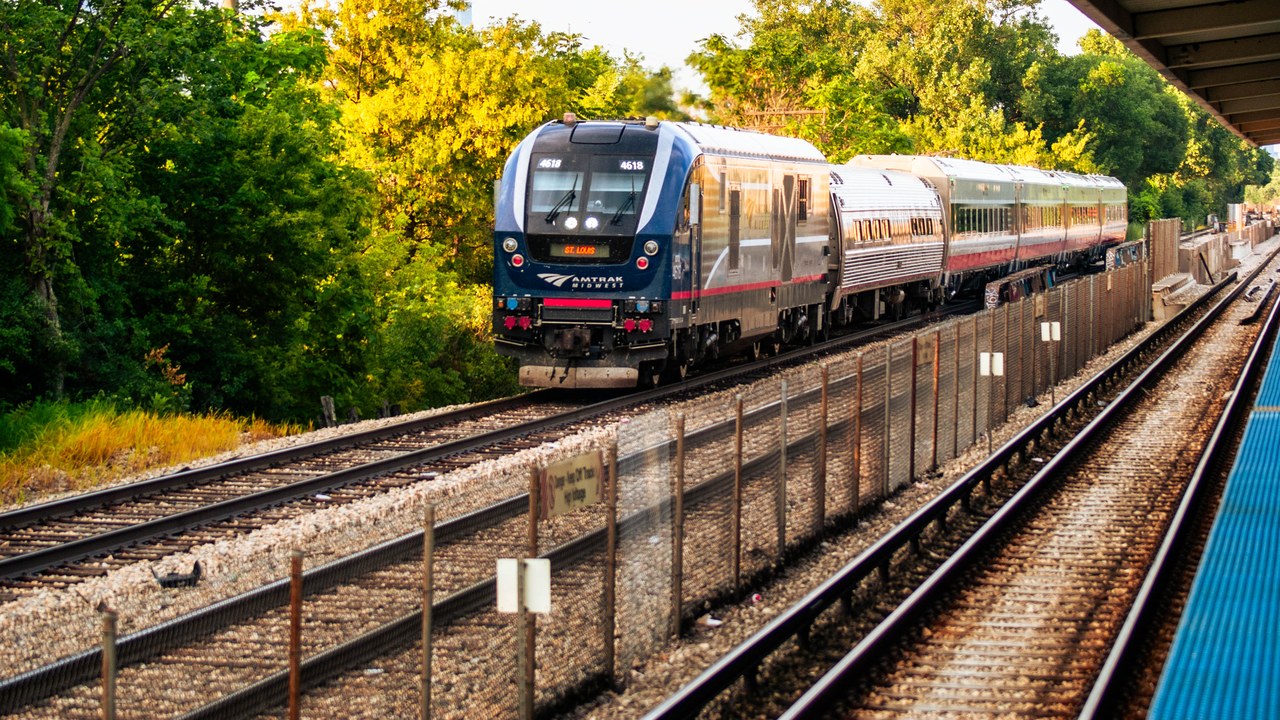
The 284-mile Chicago-St. Louis route carried 592,735 riders in fiscal 2025, as listed in Wikipedia’s list of Amtrak routes. Lincoln Service links Chicago Union Station with the Mississippi River at St. Louis, passing through central Illinois cities including Springfield, Bloomington-Normal and Joliet.
The corridor has been a focus of Illinois rail investment for years, with track improvements meant to speed up trips and raise reliability. Its name honors Abraham Lincoln, whose home was in Springfield, and the route serves students, state government workers and travelers between two major Midwest hubs.
Help yourself and the planet: Get The Cool Down →
We may earn a commission if you sign up.
More from Morning Overview
- Tropical Storm Rachel is dumping up to 12 inches on four Mexican states on its way to major hurricane strength
- The FTC says Lens.com doubled the price shoppers saw in Google ads
- Common allergy, bladder and sleep pills tied to sharply higher dementia odds
- NOAA now gives this winter a 75% chance of the strongest El Nino since 1950
