
A famous badge on the nose does not always mean a famous engine under the hood. Carmakers have long borrowed powertrains from rivals, partners and parent companies, and owners who know the origin can shop for parts and service with fewer surprises. Here are twelve familiar badges whose engines came from another manufacturer.
1. AC Cobra: Ford Power for a British Icon
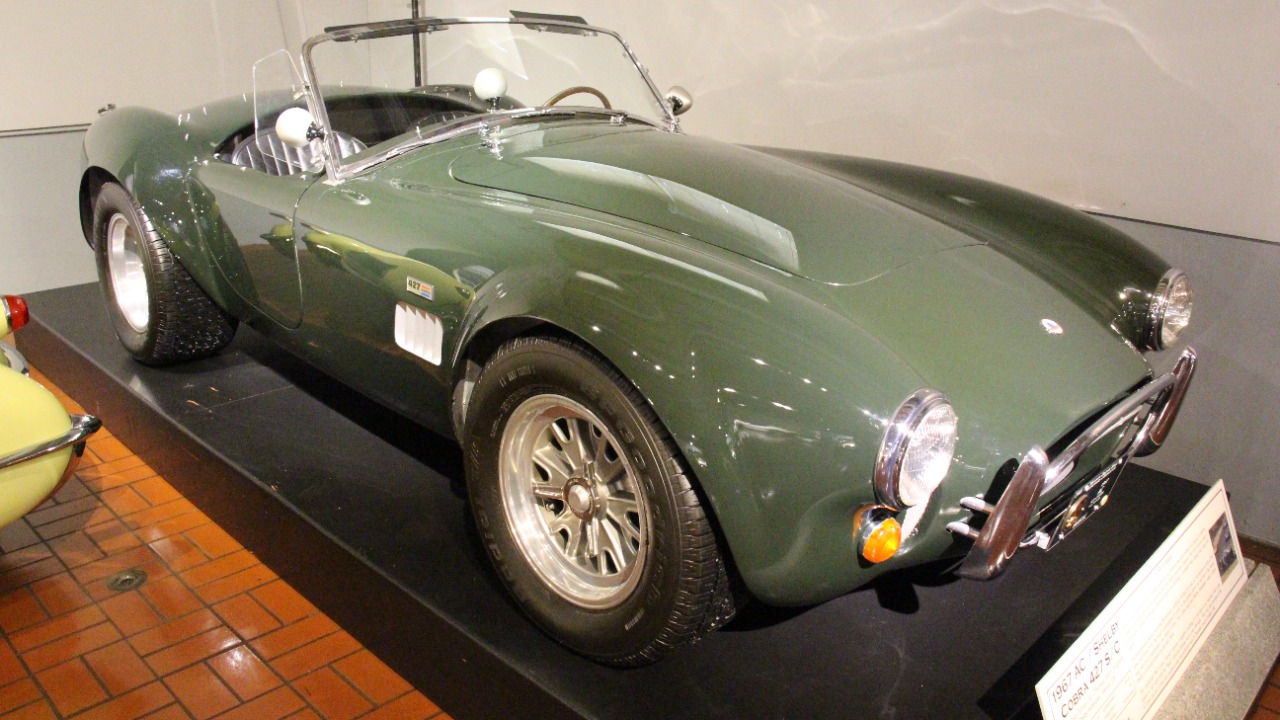
Ford supplied the V8 for the AC Cobra after Chevrolet declined to power what could have been a Corvette rival, a decision that shaped the car’s character.
The lightweight roadster is British by name and American at the engine bay, which matters when sourcing parts. The entry covers this named model and engine pairing, not every trim or model year. For a buyer, the practical lesson is that the nameplate and the engine can tell two different stories.
2. DeLorean DMC-12: Shared French and Swedish V6
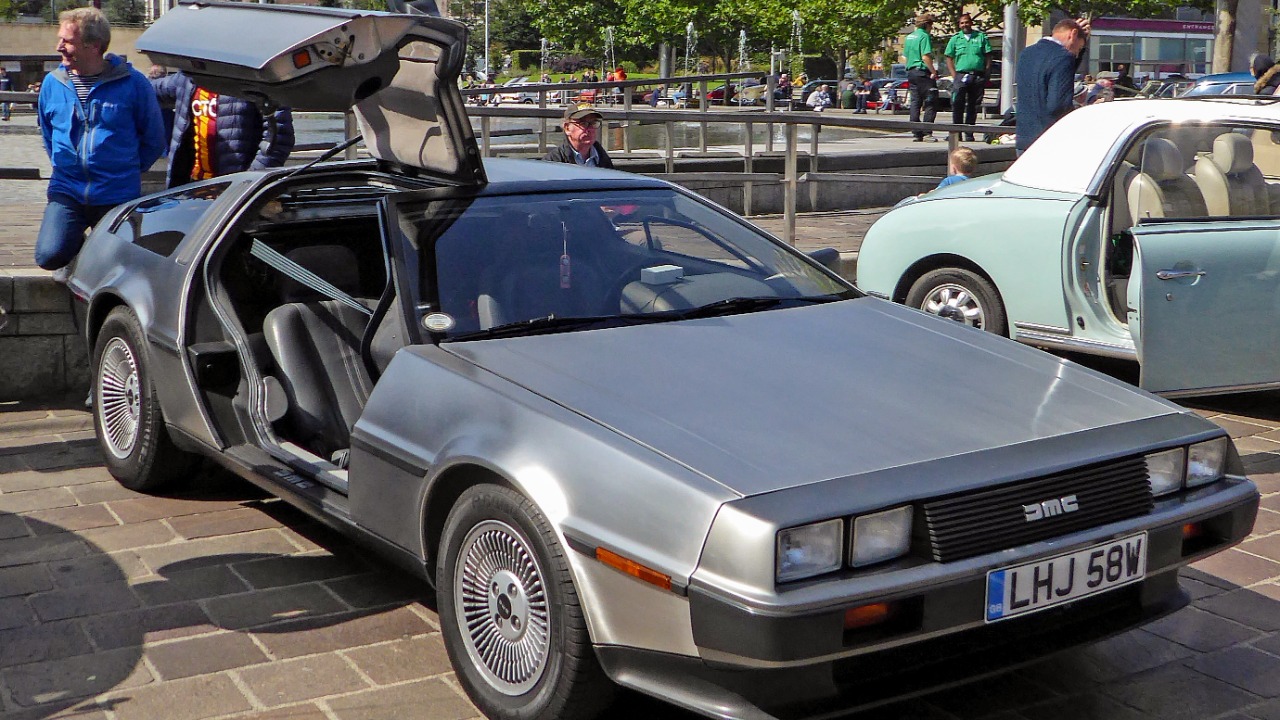
The DeLorean DMC-12’s rear-mounted V6 came from the Peugeot-Renault-Volvo partnership, not from an engine house of its own.
Anyone researching a stainless-bodied gull-wing coupe should therefore look to that shared engine family for mechanical support. The note covers this historical engine option, not every variant. Engine-specific knowledge from the partner companies can be more helpful than anything tied to the car’s own brand. Buyers should confirm details for the exact car in front of them.
3. Lincoln Mark VII diesel: A BMW Diesel in a Lincoln
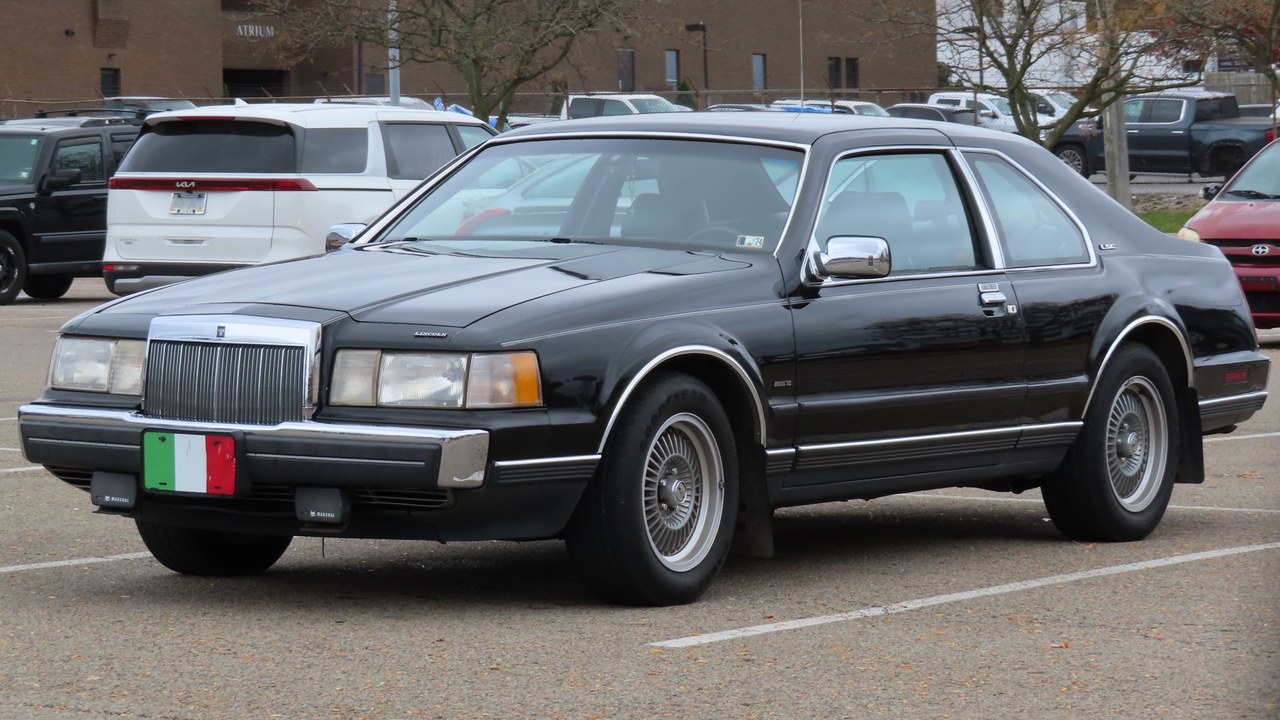
Lincoln bought BMW’s turbodiesel to offer an alternative to its gasoline V8 in the Mark VII, an unusual pairing for an American personal-luxury coupe.
Owners of that diesel should expect German engineering under an American badge. The entry concerns that named option only, and it does not describe the standard gasoline cars. That makes it a fascinating oddity for collectors, and a reminder to verify what is installed. Parts and service knowledge for the engine may sit with BMW specialists as much as with Lincoln ones.
4. Porsche 924: Audi Heart, Porsche Badge

The original Porsche 924 used a four-cylinder engine from Audi, as the project changed hands from Volkswagen to Porsche.
That history explains why the front-engine coupe feels different from the rear-engine cars the maker was known for. The note refers to the original engine, not to later versions. For a buyer, it is a useful reminder to read the history of a model before assuming where its parts come from. Specialists who know the Audi side can be valuable.
5. Toyota 86: Subaru Boxer in a Toyota
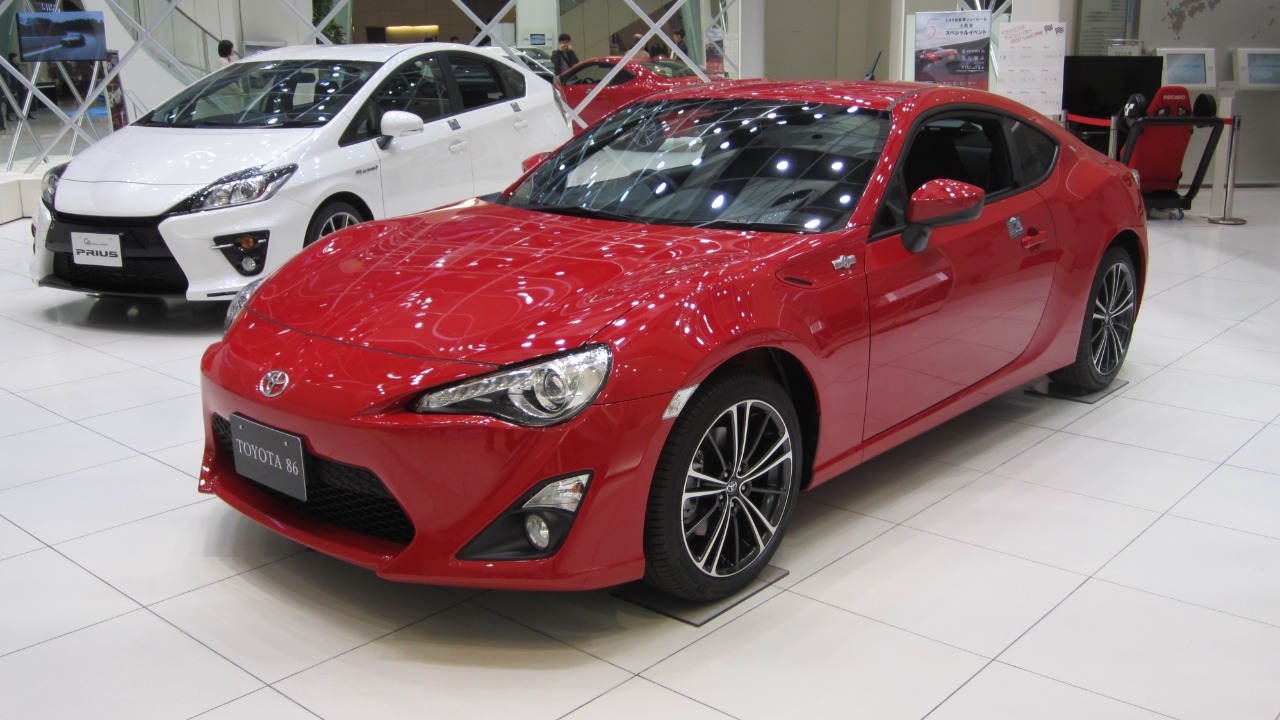
The original Toyota 86 coupe used Subaru’s boxer four-cylinder, with output varying by transmission, a result of the two companies’ joint effort.
Anyone shopping for one should think of the engine as a Subaru design when planning service. The entry covers the original coupe and its named engine, not every later or related model. The shared project also explains why enthusiasts treat the coupe’s mechanical story as a two-company affair. Buyers should confirm which exact version a given car represents before planning any work.
6. Toyota Yaris sedan: Mazda Engine, Toyota Name
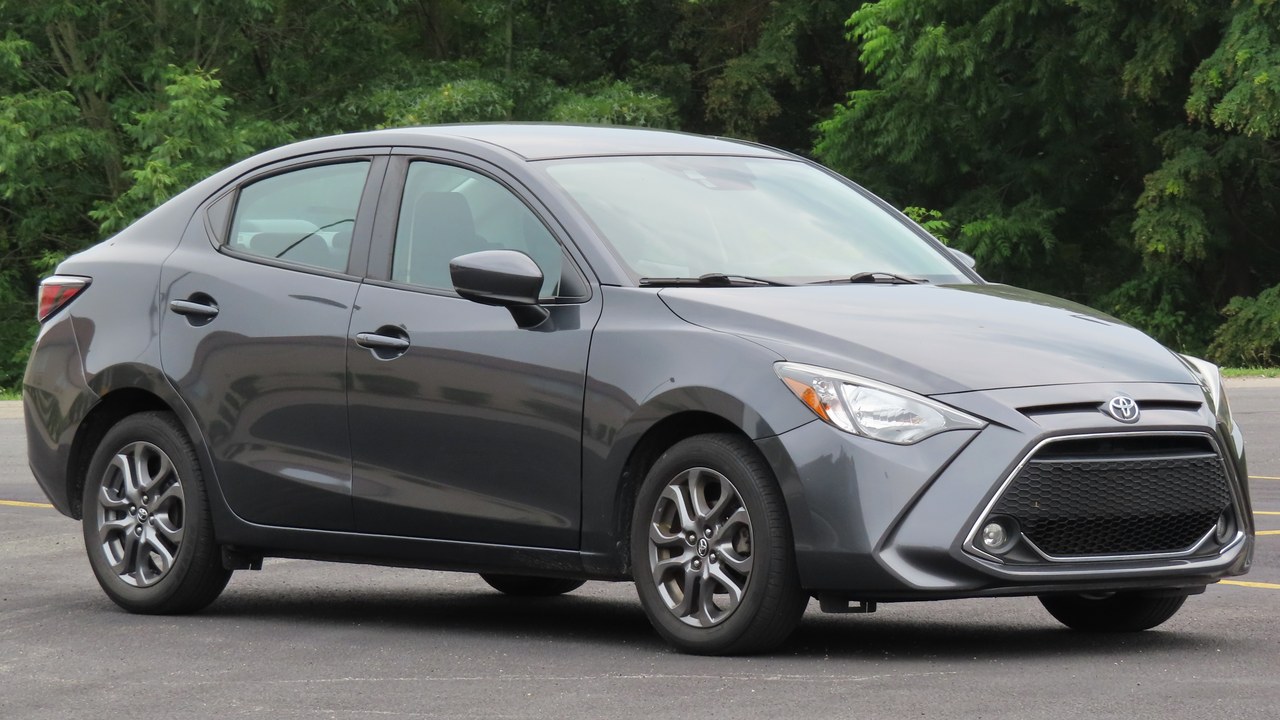
The Mazda-derived Toyota Yaris sedan used a Mazda SKYACTIV engine rather than a Toyota-designed unit, an example of cross-brand sharing in a small car.
Owners looking up technical information should search for the Mazda unit and not assume a Toyota design. The note applies to this named sedan, not to every Yaris sold elsewhere. That kind of arrangement is common in modern cars, and it often goes unnoticed by buyers. Checking the engine’s actual origin before ordering parts can save time and confusion.
7. Infiniti QX30: Crossover With Mercedes Roots
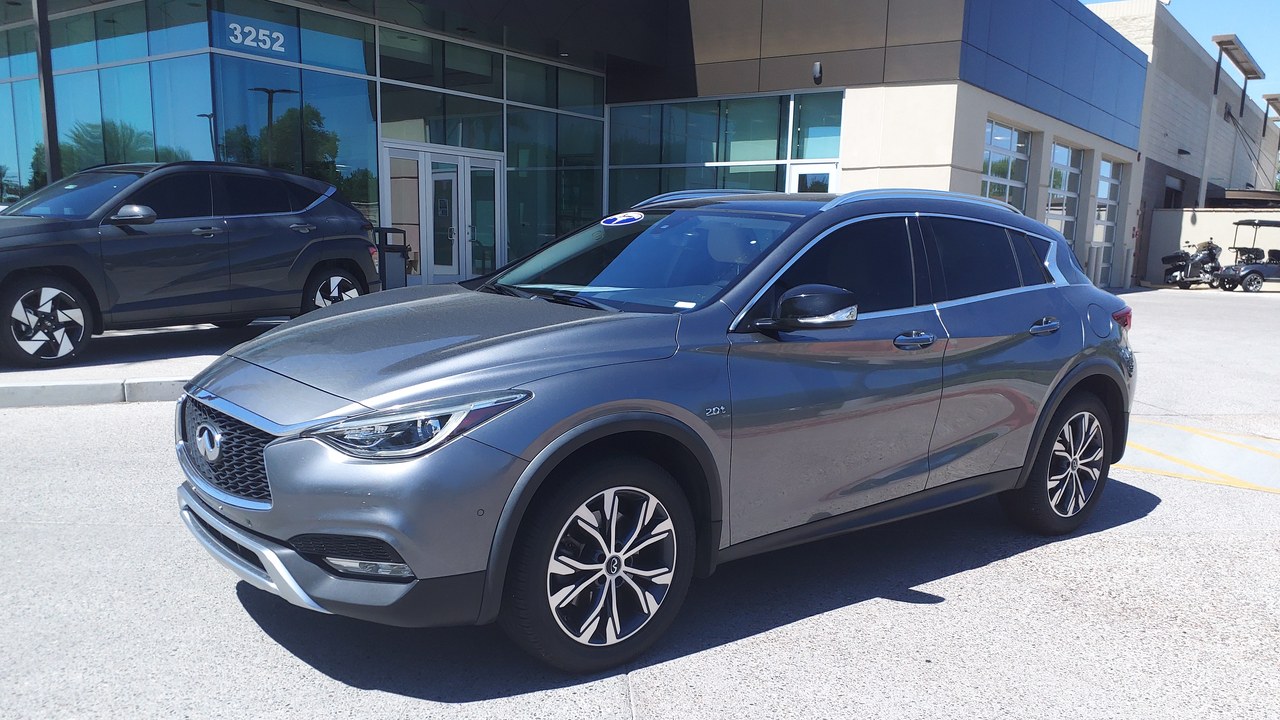
The Infiniti QX30 crossover shared its turbocharged engine with the Mercedes-Benz GLA, a product of the partnership between Infiniti’s parent and the German maker.
Buyers of the compact SUV can expect Mercedes familiarity in the engine bay. The entry covers this named model and engine, not every trim or model year the car was offered. Shoppers who want to understand what powers the car, or what to ask a mechanic, should look past the badge on the grille. The practical takeaway is to verify details for the specific car.
8. 2019 Aston Martin Vantage: AMG Muscle at Aston
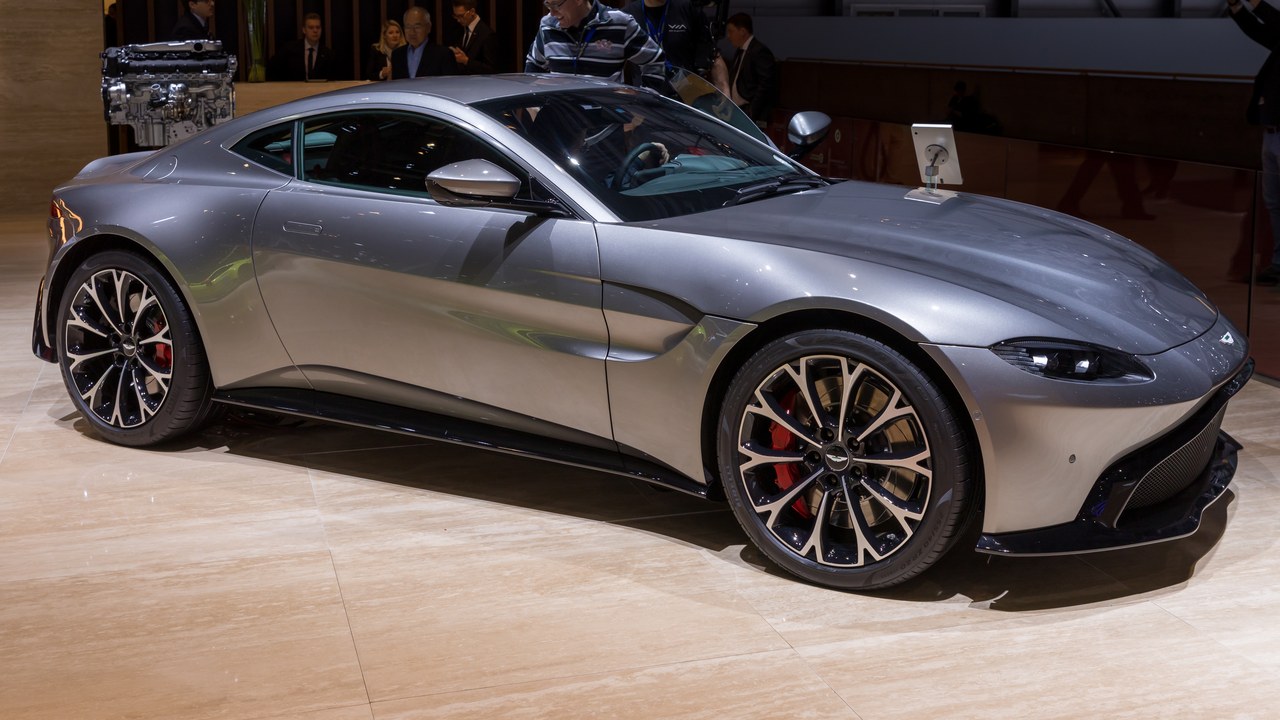
Mercedes-AMG supplied the twin-turbo V8 used for this generation of the Aston Martin Vantage at its launch, giving a British sports car a German heart.
The arrangement shows how small makers can lean on larger partners for powertrains. The claim covers the launch engine for this generation, not every later configuration. Buyers comparing it with earlier Vantage models should note that the engine story changed with this generation. Knowing the supplier also helps when asking technical questions of a dealer or specialist.
9. Toyota GR Supra: Modern Supra, BMW Engine
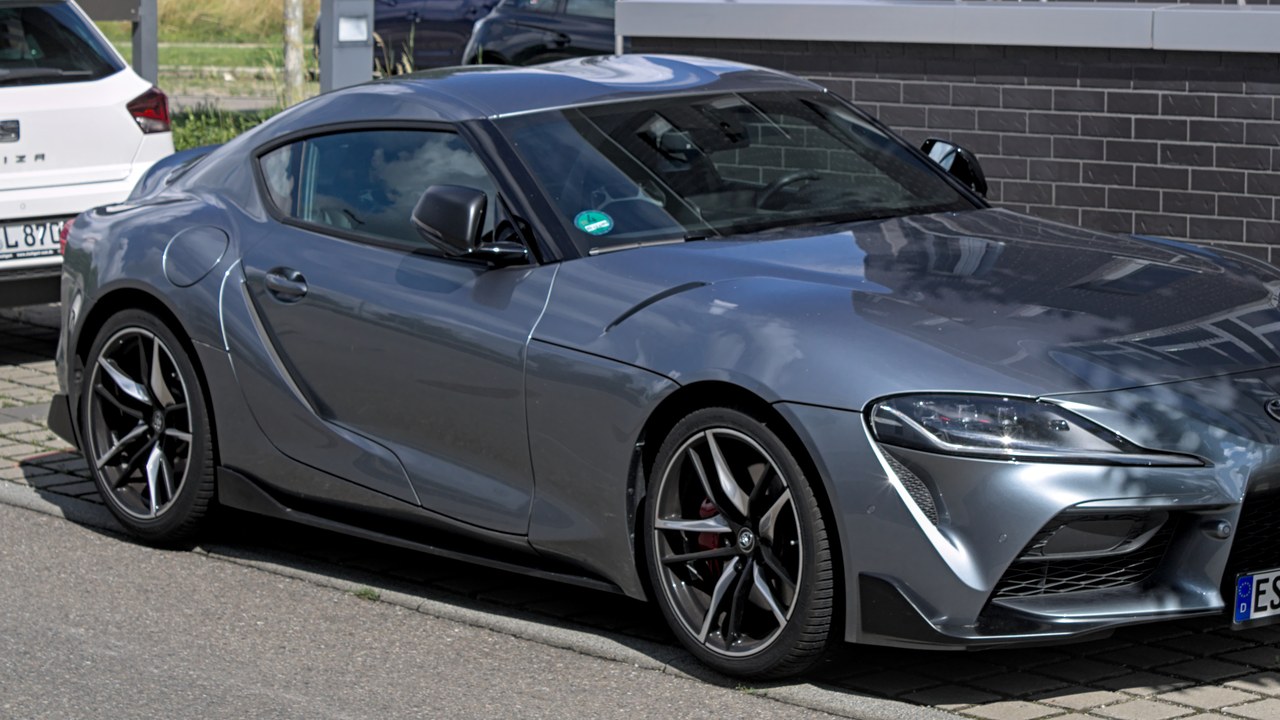
BMW’s B58 straight-six powered the modern Toyota GR Supra, reviving a famous name with a German engine under the hood.
Owners should know the powertrain comes from BMW when looking for maintenance information. The entry names that engine for this car and does not address every trim or model year. That heritage can be reassuring for those who value proven hardware, and it is worth knowing before a purchase. Maintenance advice for the engine often comes from the BMW world.
10. Rover 75 diesel: Diesel on Loan
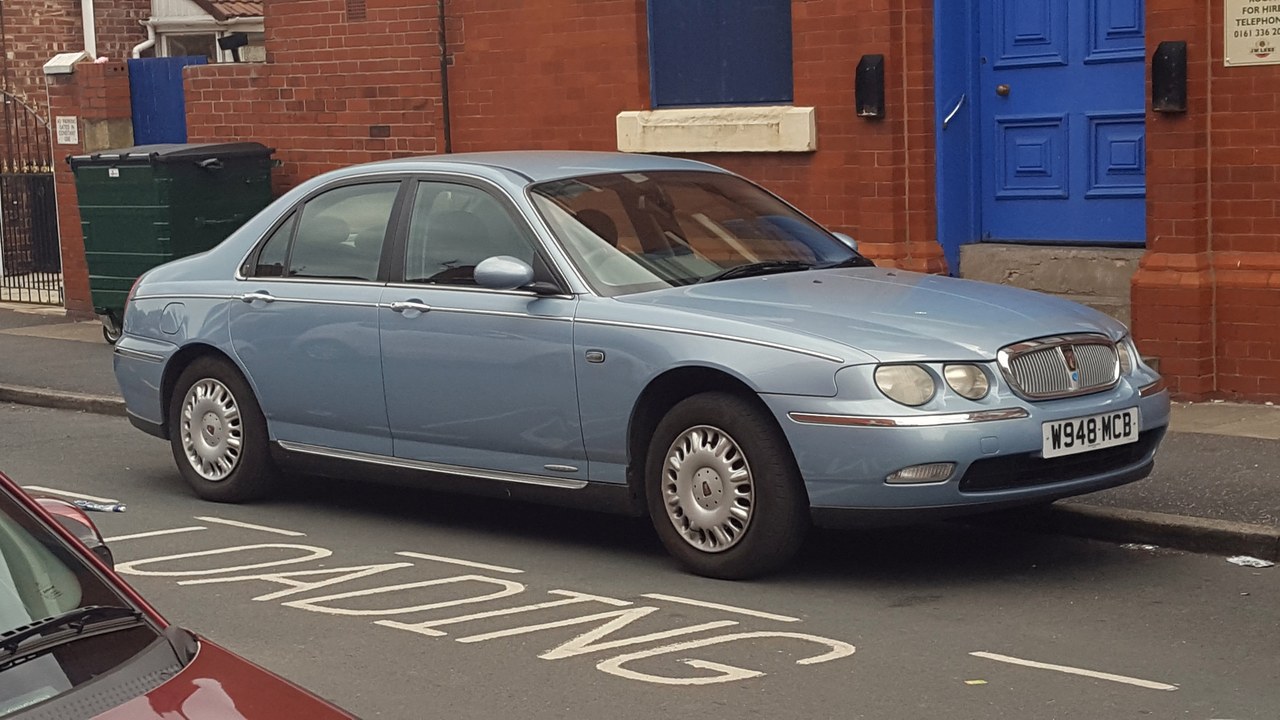
Rover used BMW’s M47 diesel in the Rover 75 because it lacked a suitable diesel of its own, a practical solution to a gap in the range.
The loan reflects the era when Rover and BMW were connected. The note covers this named diesel option, not the petrol versions of the saloon. For an owner or shopper, that means the engine’s service history and specialists may sit outside the Rover name. It is also a neat example of one maker filling a gap by buying from another.
11. Bentley Arnage Green Label: Early Arnage, BMW Roots
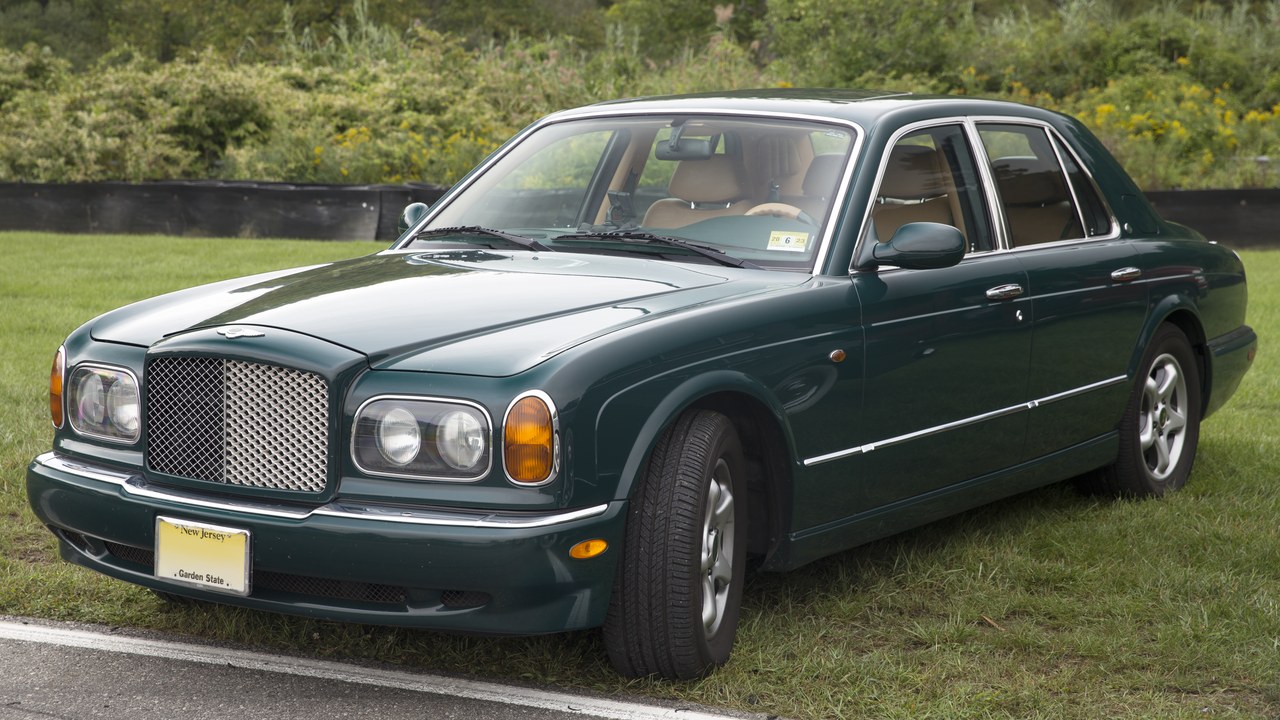
The early Bentley Arnage Green Label used a BMW-derived twin-turbo V8 before Bentley changed engines, a notable detail for such a traditional name.
Prospective owners of the luxury saloon should check which engine a car carries. The entry applies to the early cars, not to later Arnage models once Bentley changed engines. Because the engine changed during the car’s life, the badge alone does not settle what is under the hood. A careful check of the specific car is worth the effort before any purchase.
12. McLaren F1: Bavarian V12 in a McLaren
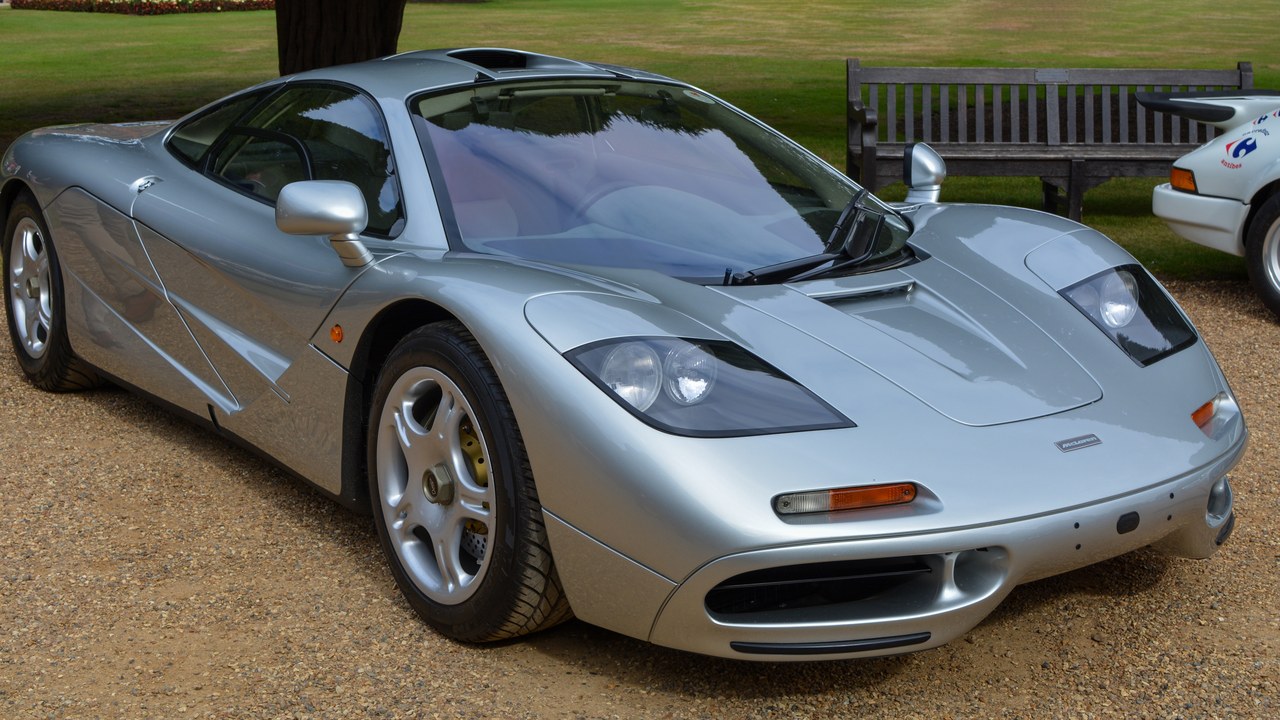
A BMW S70/2 V12 powered the McLaren F1 despite the McLaren name on its body, one of the best-known examples of a supplied engine.
The supercar’s reputation rests on its design, yet the engine’s origin matters for anyone studying it. The note names the specific engine for this car and makes no wider claim. Anyone discussing the car’s mystique should recognize that its engine came from outside. That knowledge is useful when researching how such a rare machine is maintained and understood.
More from Morning Overview
- Ford is recalling 223,472 F-150 pickups because the fuel tank can leak or detach
- Hybrids have 15% fewer problems than gas cars, while EVs and plug-in hybrids have about 80% more, Consumer Reports finds
- Regulators cleared the first U.S. small modular reactor, 4 months early
- Lake Powell sank to a record 3,517 feet, nearing the level that stops Glen Canyon Dam’s turbines
