
Cars rarely announce when a big repair is coming, but owner complaint data shows the pattern clearly. Six-figure mileage tends to bring a single failure, from transmissions to engines to brakes, that costs thousands of dollars. Here are twelve cars where one repair bill stands out, using average figures reported by owners.
1. 2008 Toyota Camry: Oil Appetite
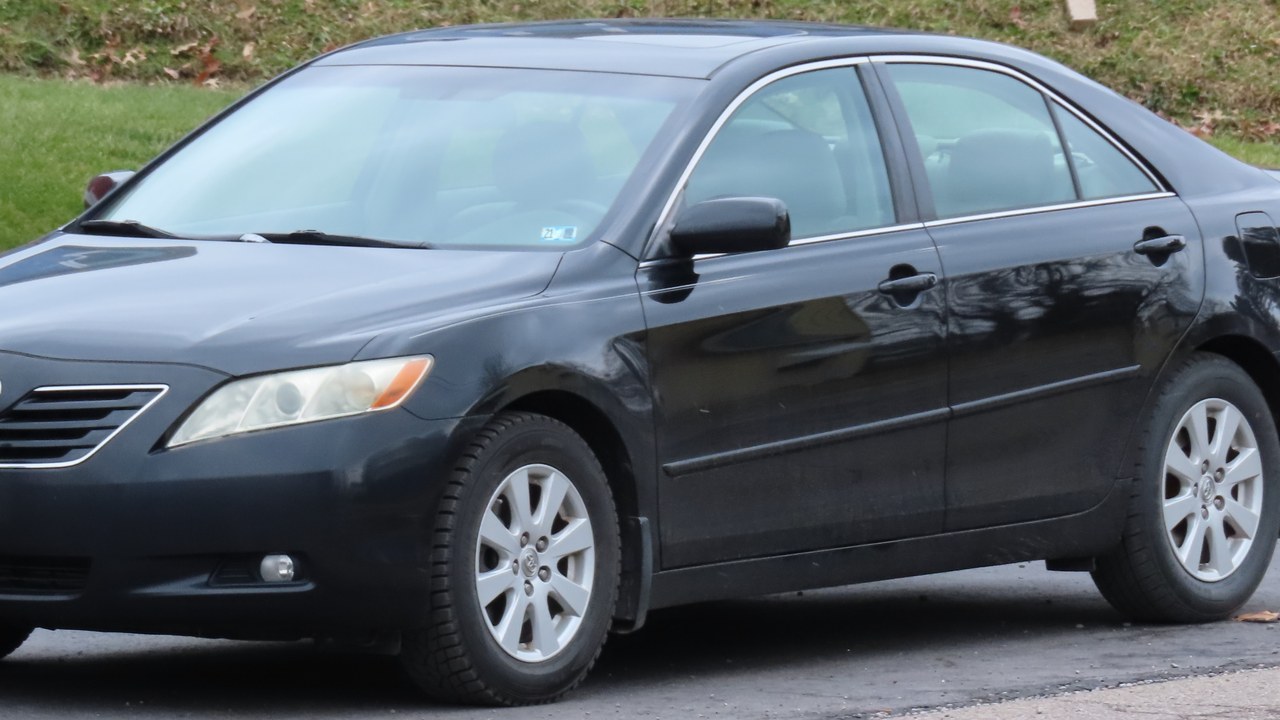
An engine that drinks oil is the headline failure here. Owner reports tallied by CarComplaints put excessive oil consumption at an average of 107,000 miles, with the average repair cost landing at $2,700. An engine burning oil between changes can run low without any warning light.
The sting is the timing. By 107,000 miles a car is typically well past its warranty, so the entire invoice falls on the owner. Checking the dipstick between changes is cheap insurance against a dry engine.
2. 2001 Honda Civic: Gearbox Gamble
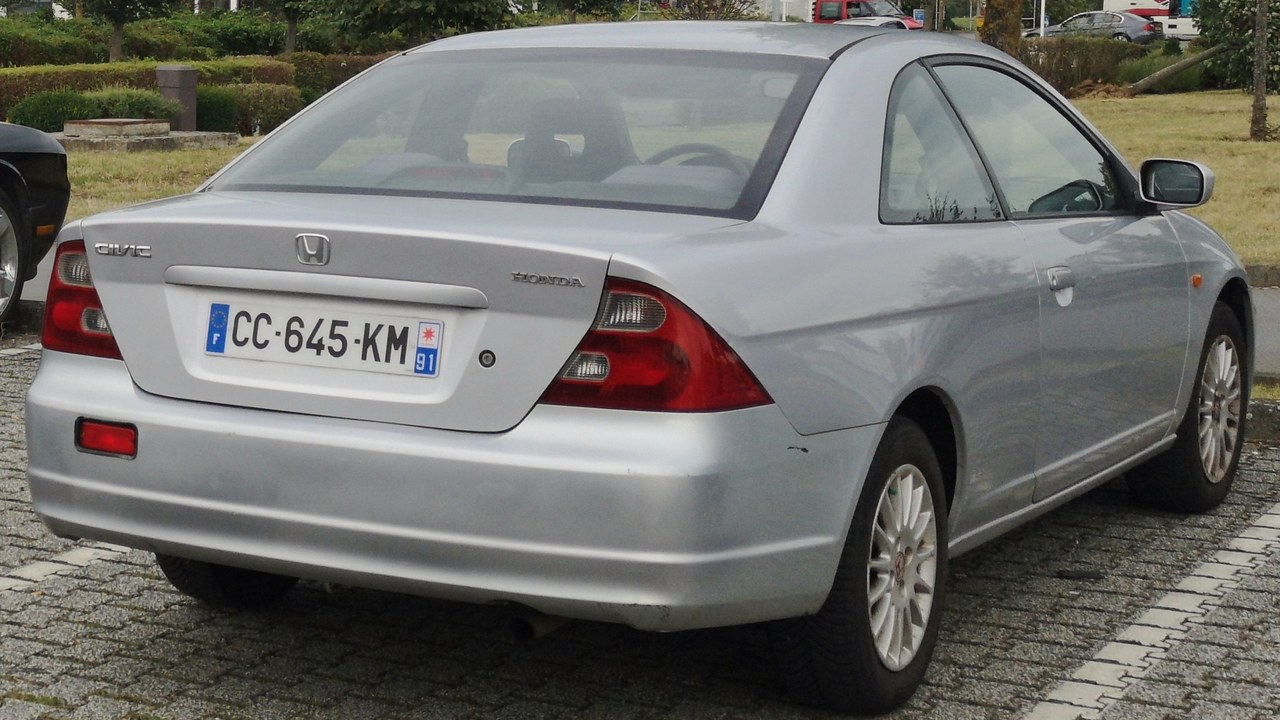
Transmission failure is the recorded complaint on this compact. The CarComplaints Honda listing shows an average mileage of 105,000 miles and an average repair cost of $2,300 for the automatic gearbox, a figure that usually means a rebuilt or replacement unit rather than a patch.
A car this old is often worth less than the repair, which turns a single failure into a decision about whether to keep the car at all. Fluid changes on schedule are the commonly cited mitigation.
3. 2003 Honda Accord: Same Brand, Same Fate
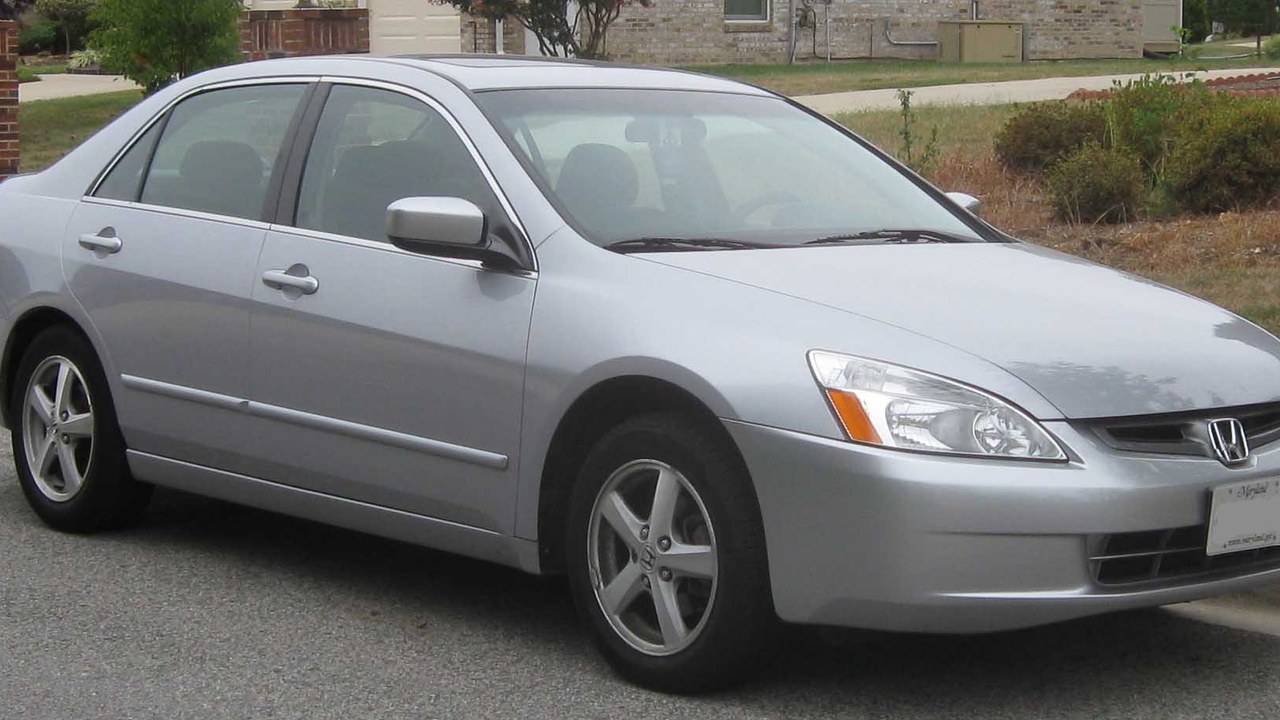
A near-identical gearbox story follows this midsize sedan. Owners quoted on the brand complaint page report transmission failure at an average of 98,000 miles, with the repair averaging $2,700. Automatic units of this era slipped, flared between gears, or refused to engage altogether.
The earlier arrival, compared with the compact sibling, makes this one riskier for buyers eyeing a car just under six figures on the odometer. A service history showing transmission fluid changes counts for more than a clean interior.
4. 2007 Nissan Frontier: Coolant Crossover
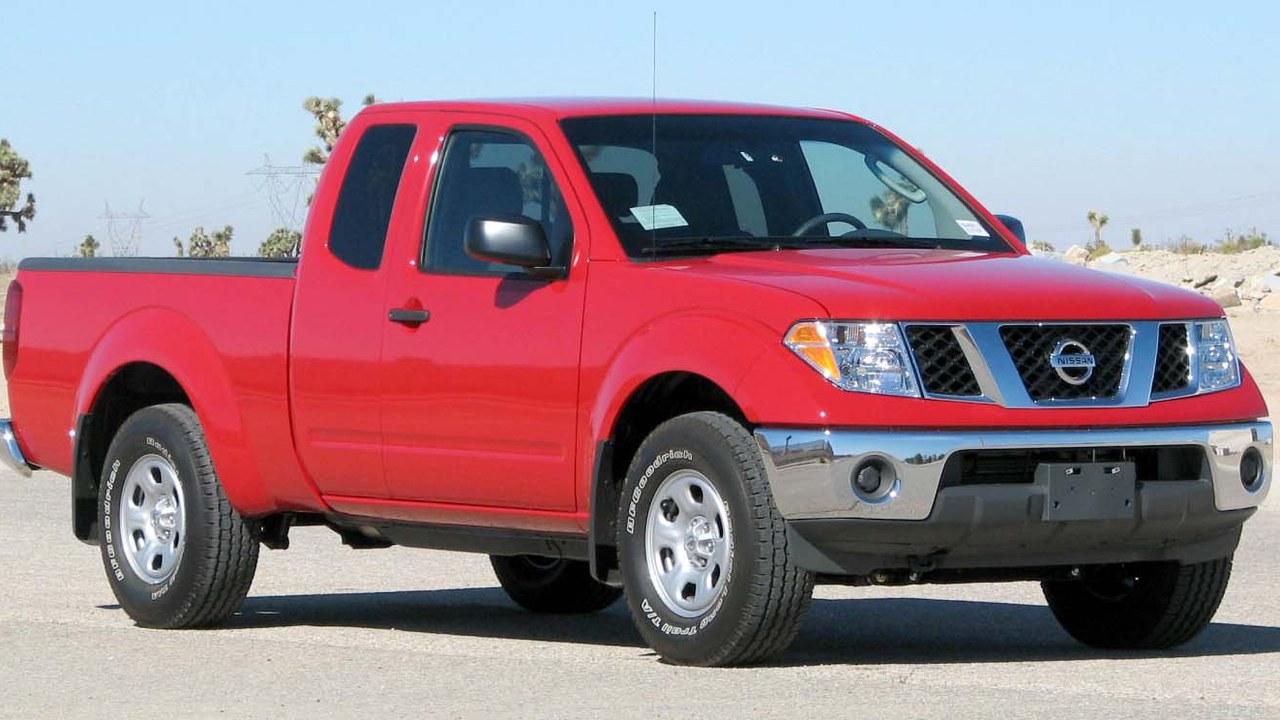
A radiator flaw sits behind this pickup’s costly failure. According to the Frontier complaint record, coolant leaked into the transmission and ruined it, with repairs averaging $3,600 at 110,000 miles. The cooler inside the radiator separates the two fluids, and when it breaks they mix.
Pink, milkshake-colored fluid on the transmission dipstick is the classic warning sign. Catching it early can limit the damage, but once the mixture circulates, a full transmission replacement is the typical outcome.
5. 2006 Nissan Pathfinder: Repeat Offender
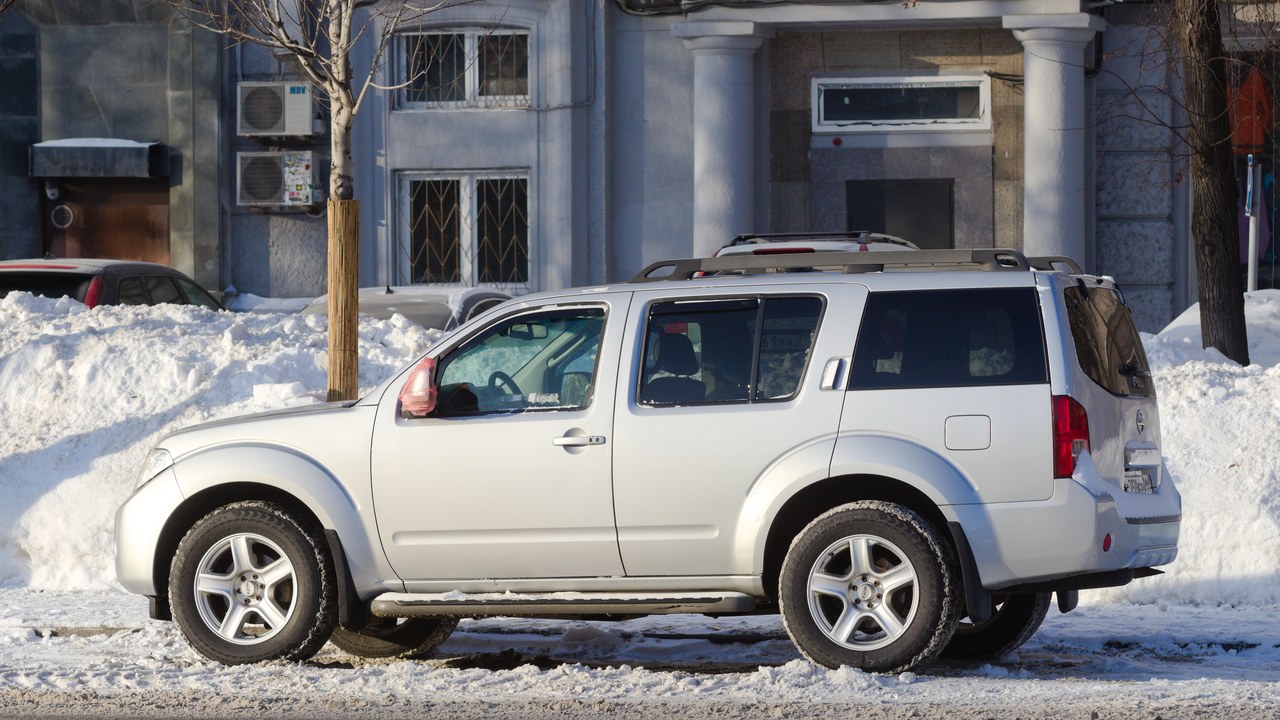
The same radiator-to-transmission coolant leak shows up on this three-row SUV. The Nissan complaint page logs an average repair cost of $4,000 at 110,000 miles, a notch above the pickup that shares the same brand-wide complaint.
Shared parts across a manufacturer’s lineup mean one weak design can punish several buyers at once. Shoppers considering a used example would do well to ask whether the radiator has ever been replaced or the cooler bypassed.
6. 2011 Kia Optima: Engine Meltdown
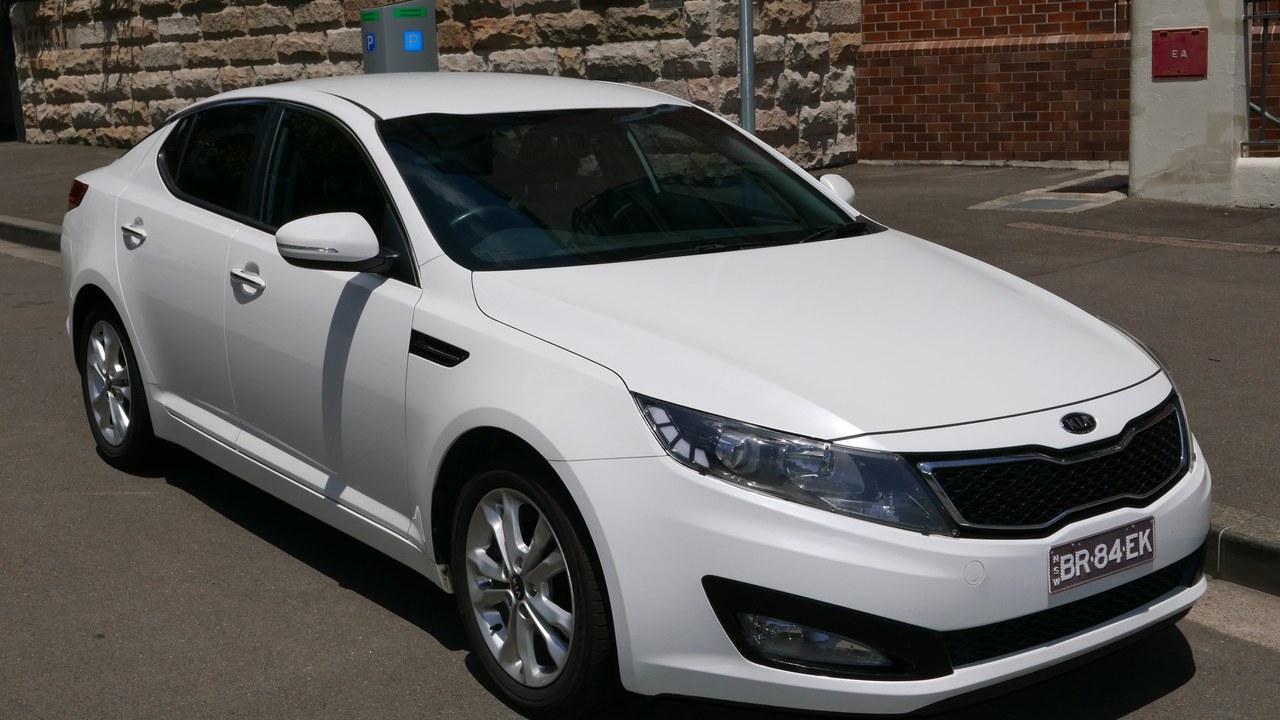
Engine failure is the single costliest entry for this mid-size sedan. Owner data on the Kia complaint page shows an average repair cost of $4,600 at roughly 103,000 miles, a bill that usually covers a replacement or rebuilt engine after bearings or internal parts give out.
A repair at that level can exceed the car’s resale value outright. Records of regular oil changes and any engine recall work are the strongest evidence a used example will avoid the problem.
7. 2003 Ford Taurus: Cheap Fix, Still Painful
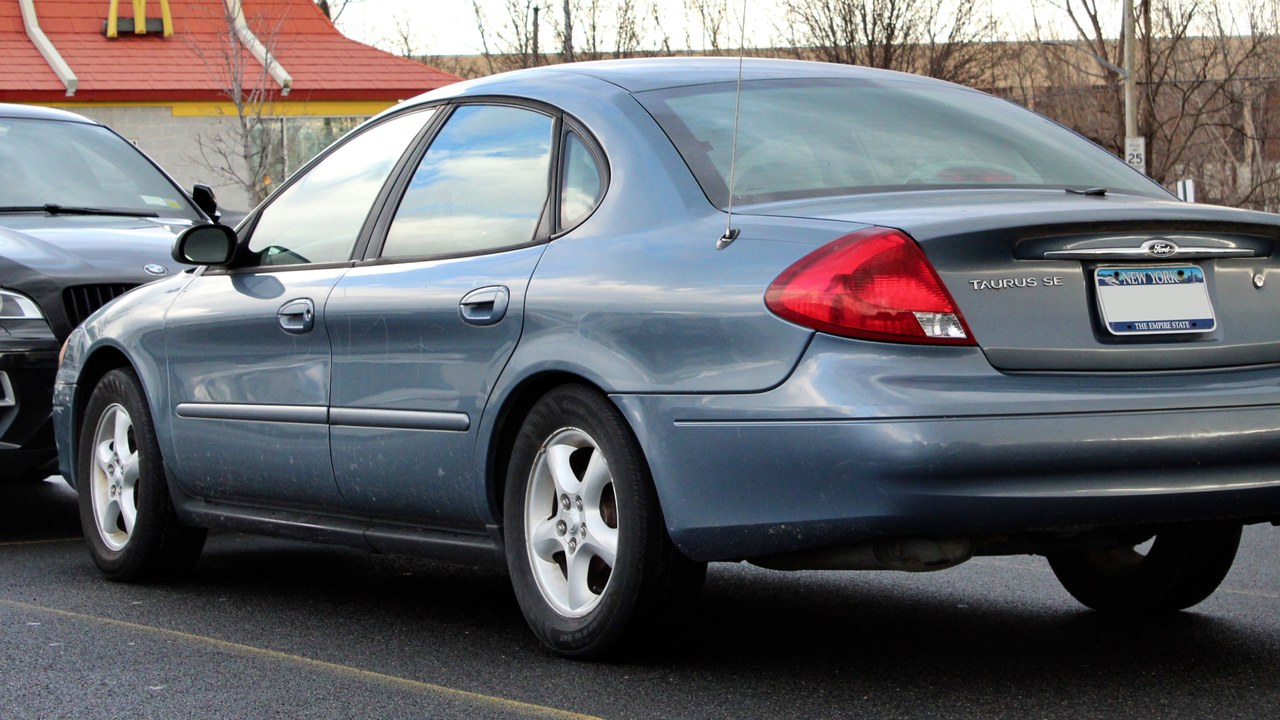
This is the smallest bill in the lineup, but not a small one. A failed transmission on this large sedan averages $1,900 at 93,000 miles, according to the Ford complaint page, and the fault arrives earlier than most on the list.
Low purchase prices on older sedans tend to hide this exposure. Money saved at the dealership can vanish with a single gearbox job, so a pre-purchase inspection matters more here than a low sticker.
8. 2010 Buick Enclave: Chain Reaction
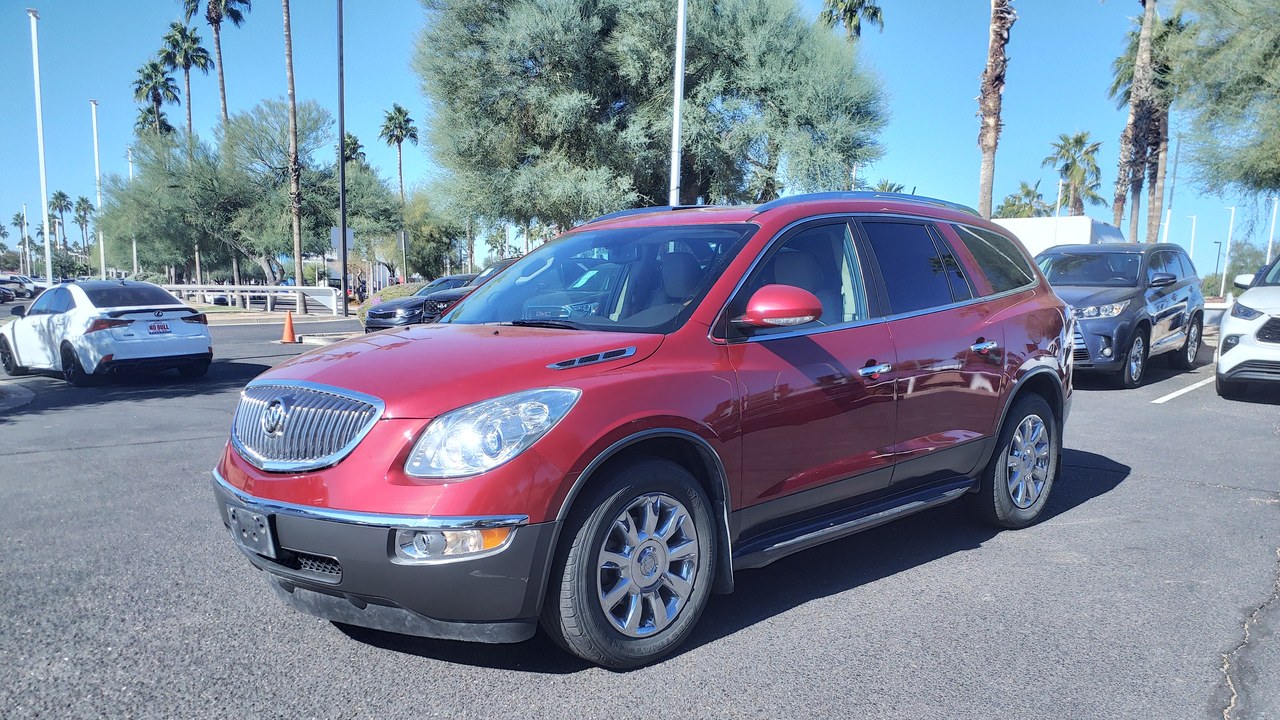
A stretched timing chain is the weak point on this three-row crossover. The Buick complaint page reports an average repair cost of $3,000 at 105,000 miles. When the chain lengthens, valve timing drifts, which causes rough running, a check-engine light, and eventually engine damage.
The job is labor-heavy because the chain sits behind the front of the engine. Rattling on a cold start is the sound owners describe first, and ignoring it risks turning a repair into a replacement.
9. 2011 GMC Terrain: Priciest Pour
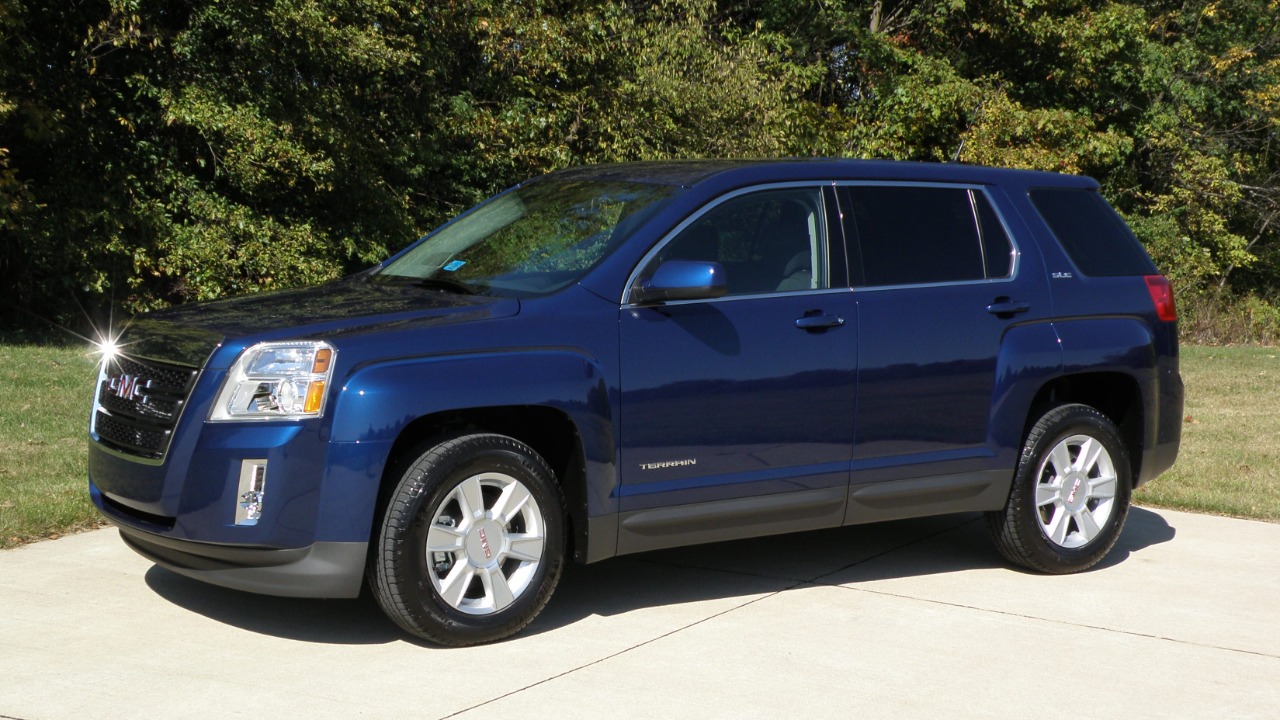
This compact crossover carries the highest bill on the list. Excessive oil consumption averages $5,100 at 93,000 miles, based on the GMC complaint listing, and it is also among the earliest to arrive. An engine that burns oil this early leaves little margin for neglect.
A fix at that price often means replacing major engine components, which is why used buyers should check the oil level and ask for maintenance records. A low dipstick on a test drive is a red flag worth walking away from.
10. 2009 Nissan Murano: Soft Pedal
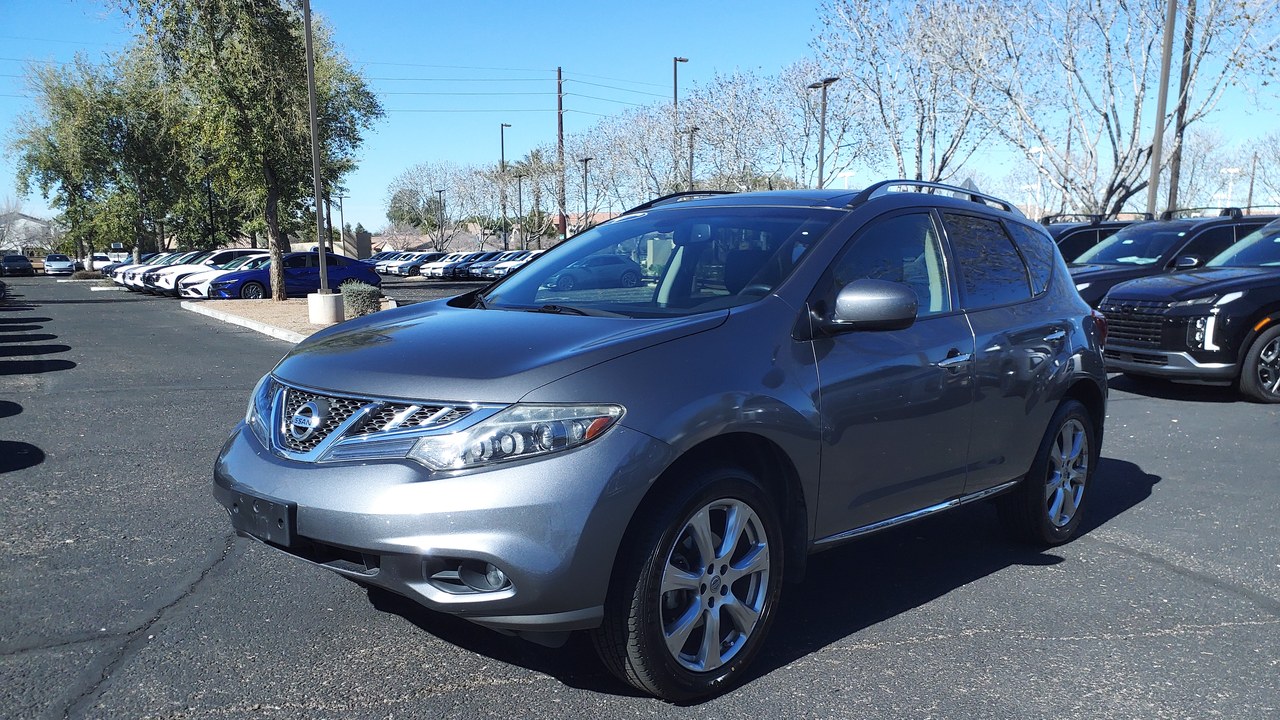
Brakes, not the engine, drive this entry. The Murano complaint page records a soft brake pedal with an average repair cost of $2,400 at 93,000 miles, a symptom that leaves the pedal feeling spongy under the driver’s foot.
Safety makes this failure different from a gearbox or oil complaint, since stopping distance suffers before the car stops running. A pedal that feels spongy deserves attention immediately, not at the next scheduled service.
11. 2011 Hyundai Sonata: Seized Solid
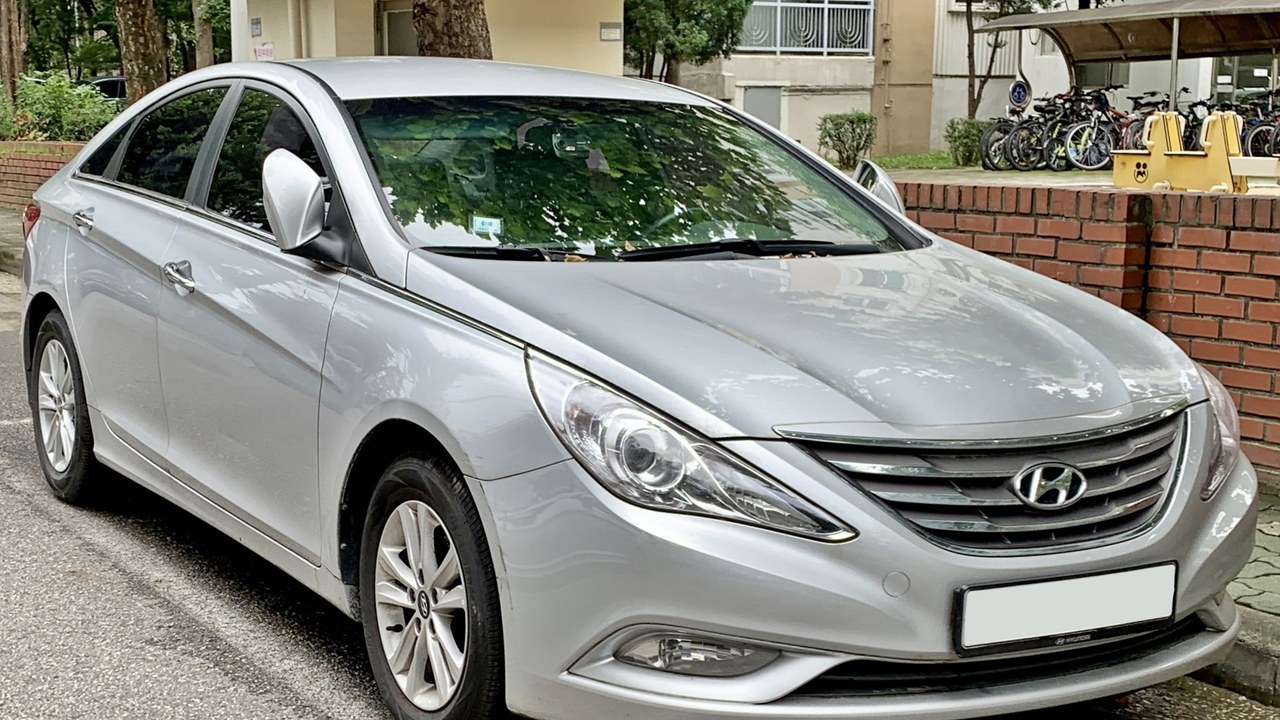
The harshest failure on the list belongs to this midsize sedan. A seized engine averages $5,100 at 96,000 miles, according to the Hyundai complaint page, which describes an engine that locks up outright rather than degrading slowly.
Seizure usually means a full engine replacement, which ties this entry for the highest bill on the list. Owners facing a quote would be wise to ask a dealer about recall or warranty coverage before paying, since a quote this large deserves a second opinion.
12. 2002 Chrysler Sebring: Sludge Trap
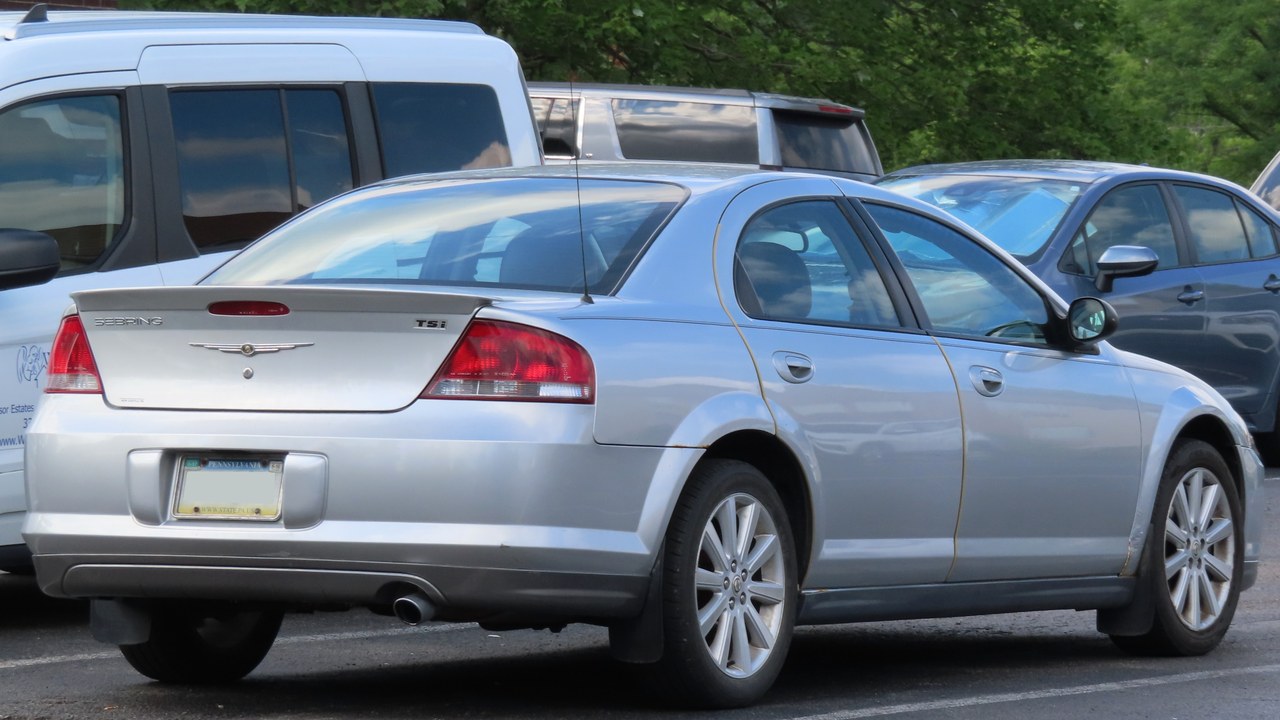
Oil sludge is the culprit on this older midsize sedan. Per the Chrysler complaint page, sludge taking out the engine averages $4,000 at 94,000 miles. Oil that breaks down and thickens starves the engine of lubrication, then clogs passages.
Frequent oil changes are the standard defense, and skipped intervals tend to be what pushes an engine into this territory. A bad history on a used example is hard to see from the outside, which makes service receipts essential.
More from Morning Overview
- NTSB report details how a family of four died when their plane’s nose suddenly pitched up
- Doctors warn a silent liver disease now affects one in three American adults
- Common allergy, bladder and sleep pills tied to sharply higher dementia odds
- The second-largest U.S. reservoir just fell to its lowest level ever recorded
