
A new industry study tracked hundreds of thousands of five-year-old trade-ins and found a wide gap between vehicles that hold their money and ones that do not. Electric SUVs, three-row luxury haulers and one flagship sedan turned out to shed value far faster than the industry norm of under forty-two percent. Here are twelve models where the depreciation curve is especially steep.
1. Nissan Leaf: Biggest Value Drop

Among every five-year-old vehicle included in the study, the Nissan Leaf depreciated the fastest, shedding 63.1 percent of its original price according to a nationwide depreciation study.
The compact hatchback was one of the first mainstream electric cars sold in the United States, and its steep drop reflects used-market caution toward aging EV batteries and shorter real-world range compared with newer models. That same discount, though, makes a secondhand Leaf one of the cheapest ways to try electric driving.
2. Infiniti QX80: Costliest Dollar Loss
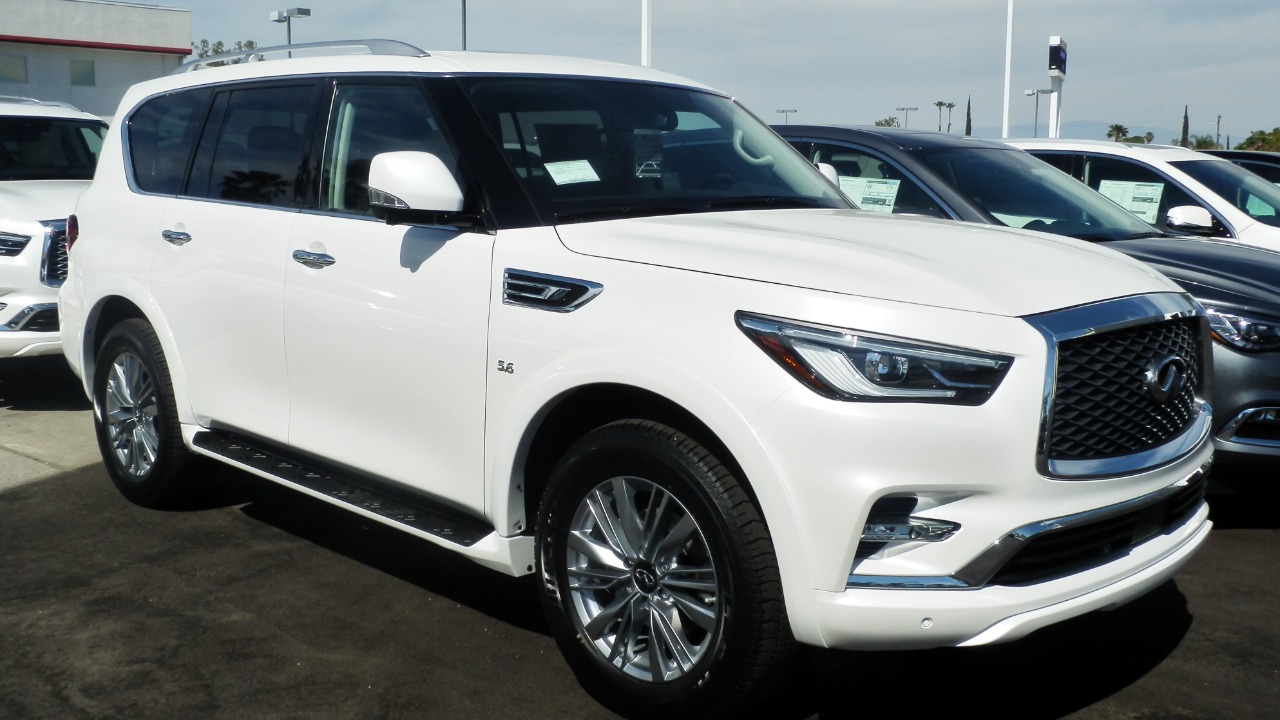
The Infiniti QX80 lost 62.8 percent of its value in five years, a $52,631 swing that the iSeeCars depreciation study ranked among the largest dollar losses of any vehicle it tracked.
Infiniti’s full-size flagship SUV competes with the Cadillac Escalade and Lincoln Navigator on size and features, but that price tag is exactly what makes the five-year-old resale numbers sting for original owners, while handing later buyers a much cheaper path into a three-row luxury SUV.
3. Volkswagen ID.4: Electric SUV Slide
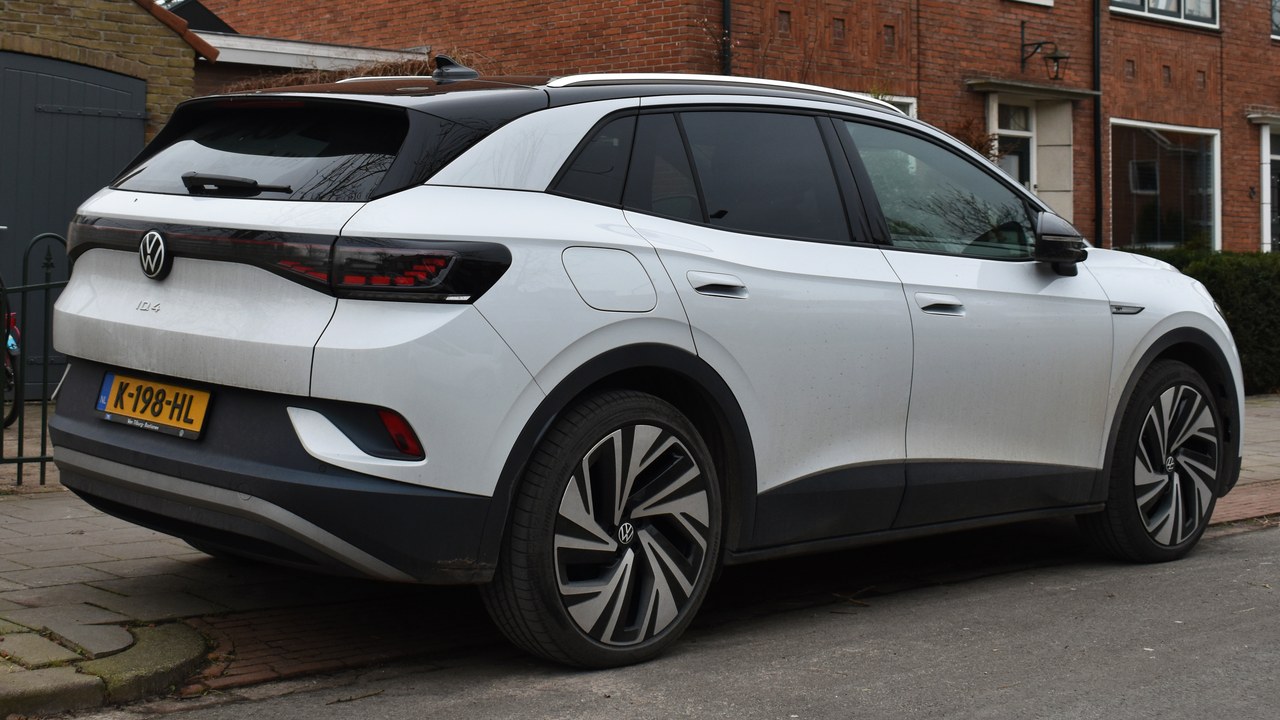
Volkswagen’s electric crossover, built to compete with Tesla and other mainstream EVs, shed 62.1 percent of its value over five years, landing it among the fastest-depreciating vehicles in the same industry ranking.
Built on the same electric platform as several other Volkswagen Group models, the ID.4 was among five electric vehicles that landed in the study’s top ten fastest-depreciating list, a pattern that tracks with broader used-EV price softness as battery technology keeps improving.
4. Tesla Model S: Flagship EV Discount
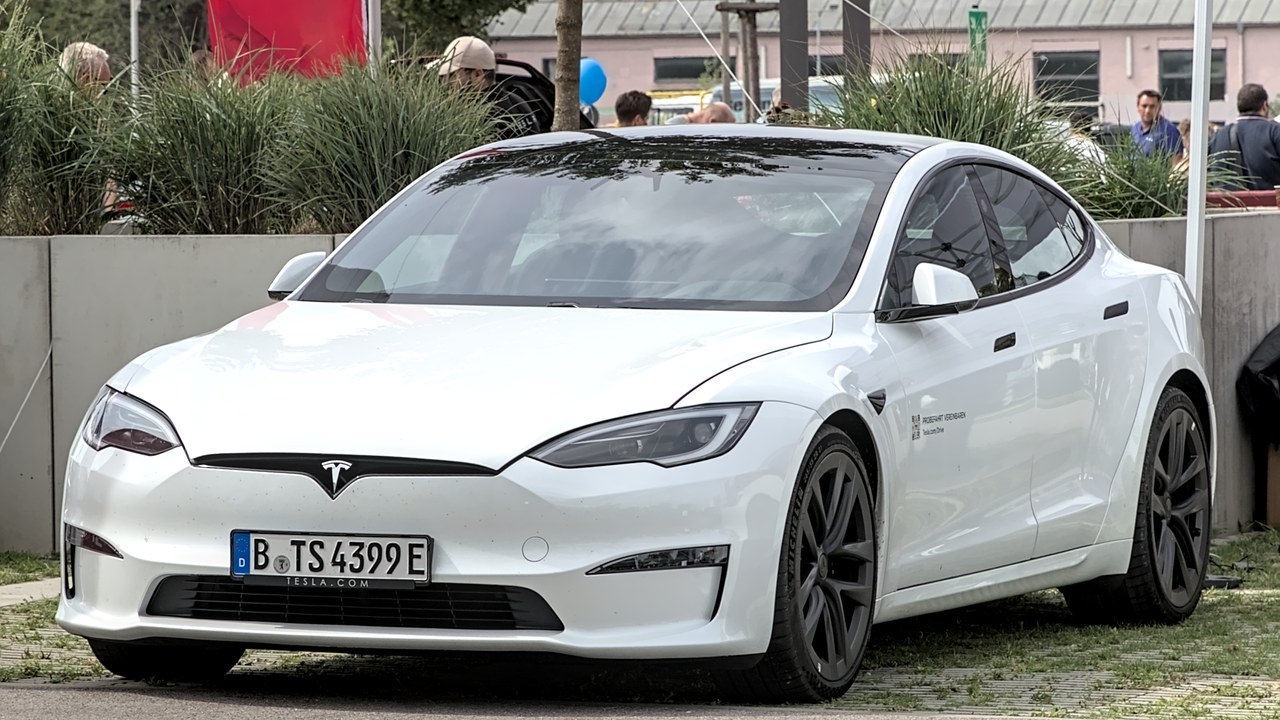
Tesla’s flagship sedan lost 62 percent of its value across five years, one of several Tesla and legacy-luxury electric vehicles the same nationwide study flagged for unusually steep depreciation.
Frequent price cuts on new Model S units, along with fast-evolving battery and driver-assistance hardware, have made older examples feel dated sooner than a comparable gasoline-powered luxury sedan, pushing five-year-old resale values sharply down even though the car itself remains just as capable on the road.
5. Land Rover Range Rover: Biggest Dollar Loss
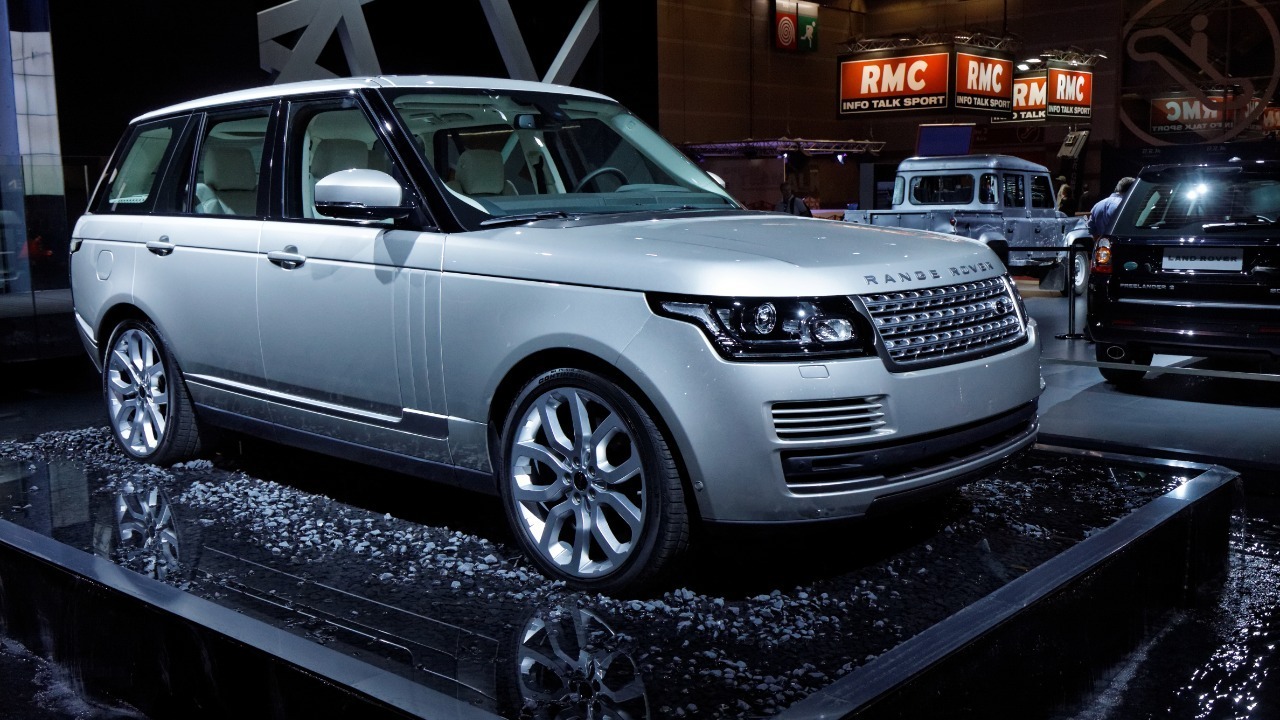
The Land Rover Range Rover posted the single largest dollar loss on this list, down $69,856, or 61.7 percent, over five years according to a used-car depreciation report.
As one of the priciest SUVs sold new, the Range Rover simply has more sticker price to lose, and its reputation for costly repairs and complex electronics once out of warranty tends to push wary used buyers toward a steep discount before they commit to one.
6. BMW 7 Series: Luxury Sedan Slump
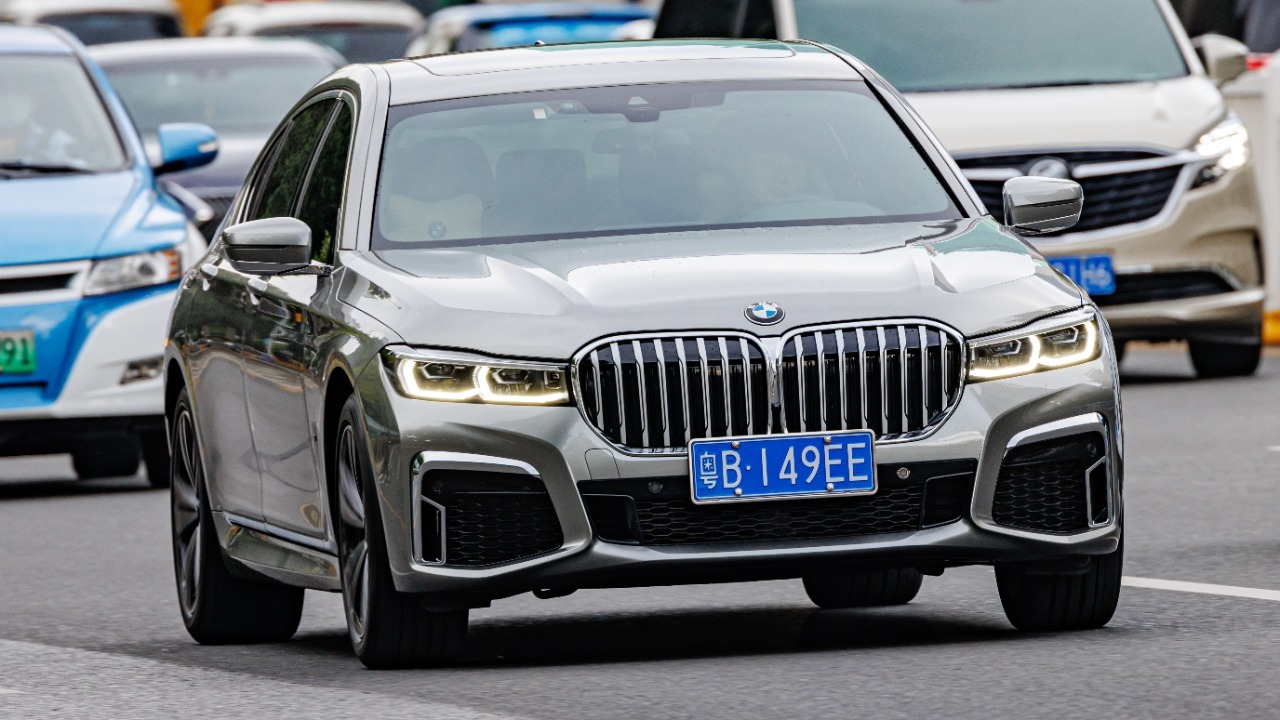
BMW’s flagship 7 Series lost 61.6 percent of its value in five years, a $61,141 drop reported by the same iSeeCars value study.
Full-size luxury sedans have fallen out of favor with buyers who increasingly choose SUVs instead, and a used 7 Series also carries a reputation for pricey German-brand upkeep once its factory warranty runs out, both of which weigh on what a five-year-old example can fetch. The 7 Series has long served as BMW’s technology flagship, debuting features that trickle down to cheaper models years later, but that same complexity adds to repair bills once a car ages out of warranty.
7. Tesla Model X: Falcon-Door Freefall
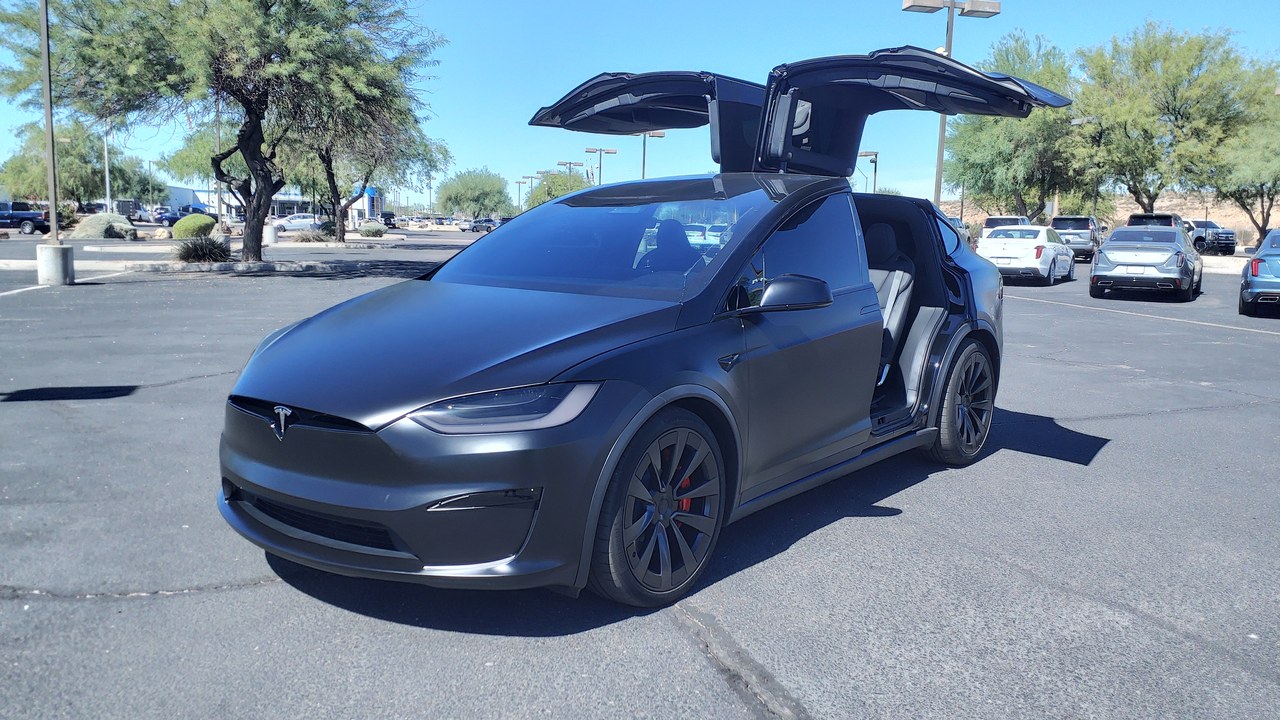
Tesla’s falcon-wing SUV depreciated 61.2 percent, a $61,216 loss over five years, per the same used-car depreciation report.
The Model X shares the Model S’s pattern of frequent price cuts on new units and rapidly evolving battery and software hardware, and its complex falcon-wing doors add another maintenance worry that can make a used example a harder sell than a conventional three-row SUV. Even so, the Model X remains one of the few three-row electric SUVs on the market with genuine towing capability, a trait that keeps some shoppers interested despite the steep depreciation hit.
8. Ford Mustang Mach-E: Electric Mustang Markdown
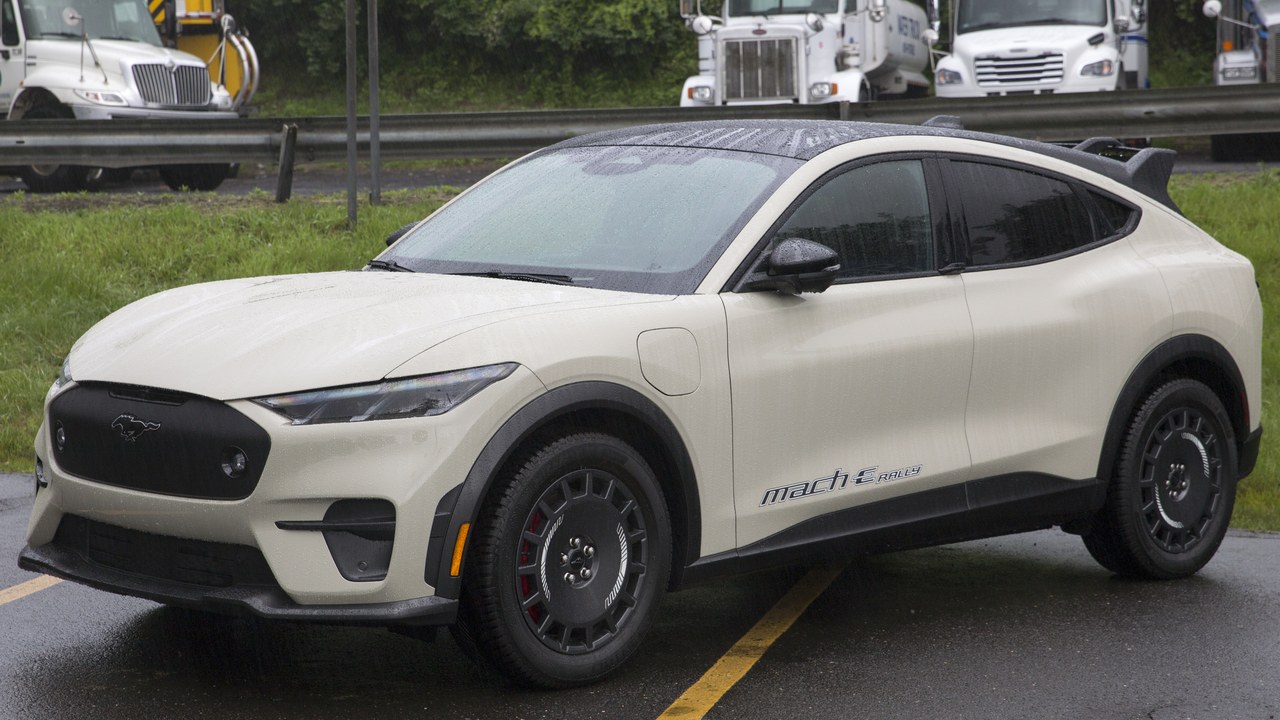
Ford’s electric crossover lost 60.8 percent of its value, a $22,976 drop that was still enough to land it on the same depreciation list.
Borrowing the Mustang name for a crossover body style drew plenty of early attention, but the Mach-E’s smaller dollar loss compared with pricier EVs on this list mostly reflects its lower starting price rather than any better ability to hold value over time. Even with the smaller dollar loss, the Mach-E still illustrates how quickly electric vehicle resale values can slide as newer battery ranges and faster charging arrive on the market almost every year.
9. BMW 5 Series plug-in hybrid: Plug-In Hybrid Slide
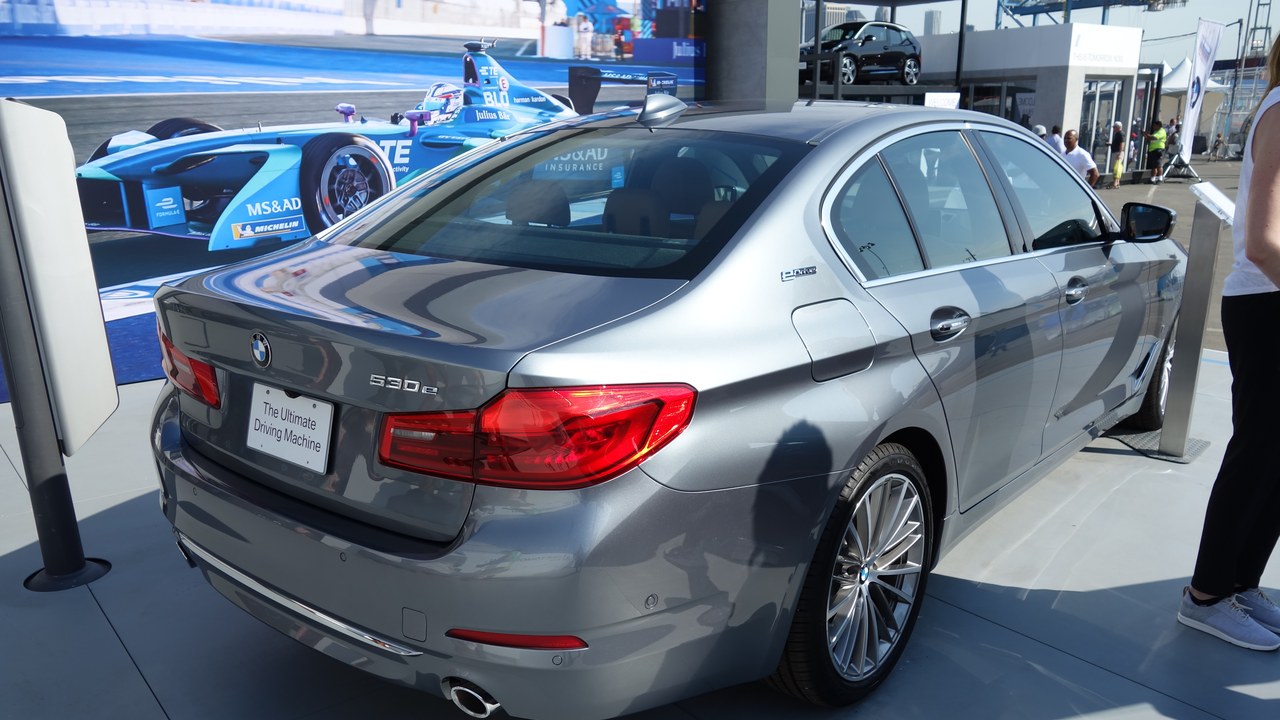
The plug-in hybrid version of BMW’s 5 Series lost 59.5 percent of its value, or $44,921, across five years, according to the used-car depreciation report.
Plug-in hybrids often depreciate faster than their gasoline-only counterparts because battery technology keeps advancing and incentives on new models change the math for shoppers, leaving early adopters of the hybrid 5 Series absorbing a bigger loss than a standard gas-powered version might see. Buyers cross-shopping a plug-in 5 Series against a standard gasoline model should weigh that steeper depreciation against the fuel savings a hybrid powertrain can offer over years of ownership.
10. Infiniti QX60: Three-Row Value Drop
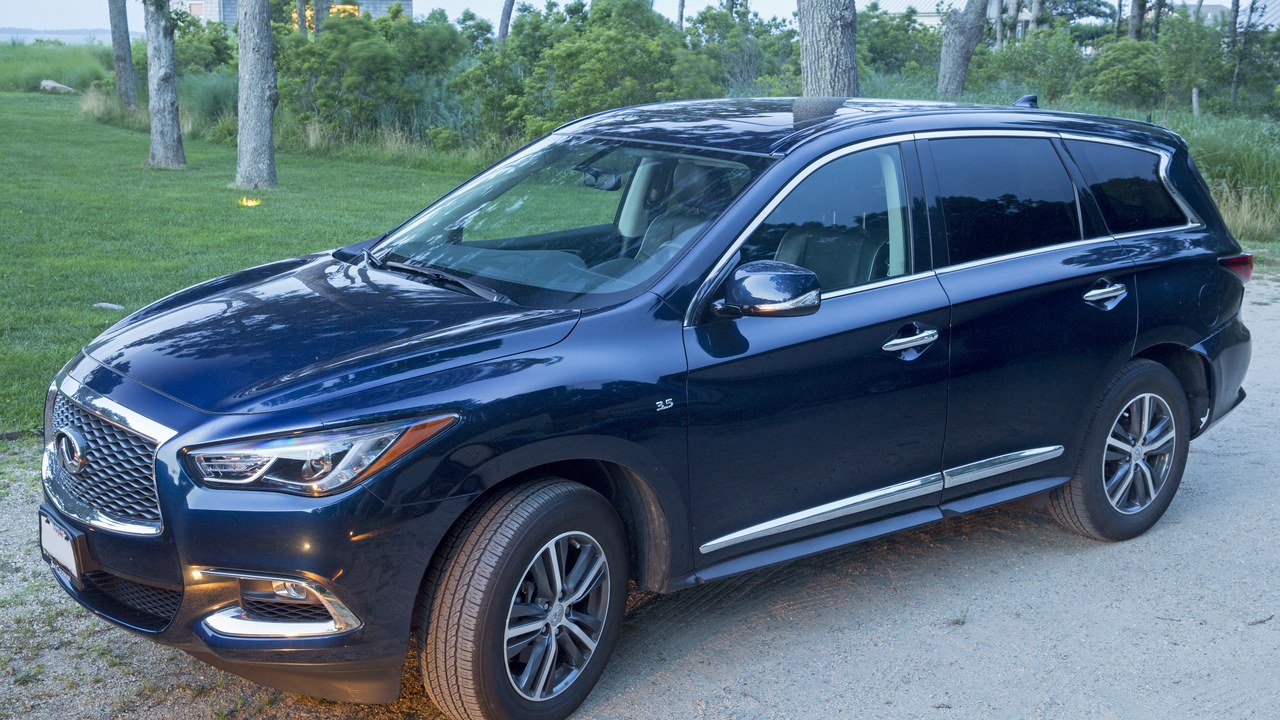
The three-row Infiniti QX60 lost 58.3 percent of its value in five years, according to the same nationwide depreciation ranking.
Infiniti’s family-hauling SUV competes in a crowded segment against the Kia Telluride, Honda Pilot and other three-row rivals, and softer brand demand relative to those competitors tends to translate into a bigger price cut for buyers shopping the used market five years later. Nissan’s Pathfinder shares much of its underlying platform with the QX60, so shoppers cross-shopping the two can see how badge and trim differences translate into resale value five years down the road.
11. Audi Q5 plug-in hybrid: Hybrid Crossover Dip

The plug-in hybrid Audi Q5 shed 58.2 percent of its value, a $34,063 loss, over five years, per the iSeeCars value study.
As with other plug-in hybrids on this list, the Q5’s battery-and-gasoline drivetrain adds cost and complexity that used buyers seem to discount for, even though the compact luxury crossover otherwise holds a strong reputation for everyday drivability and cabin quality. Audi has increasingly leaned on plug-in hybrid variants across its SUV lineup to meet emissions targets, a strategy that adds technology cost up front but does not always translate into stronger resale value later on.
12. Land Rover Discovery: Land Rover Repeat
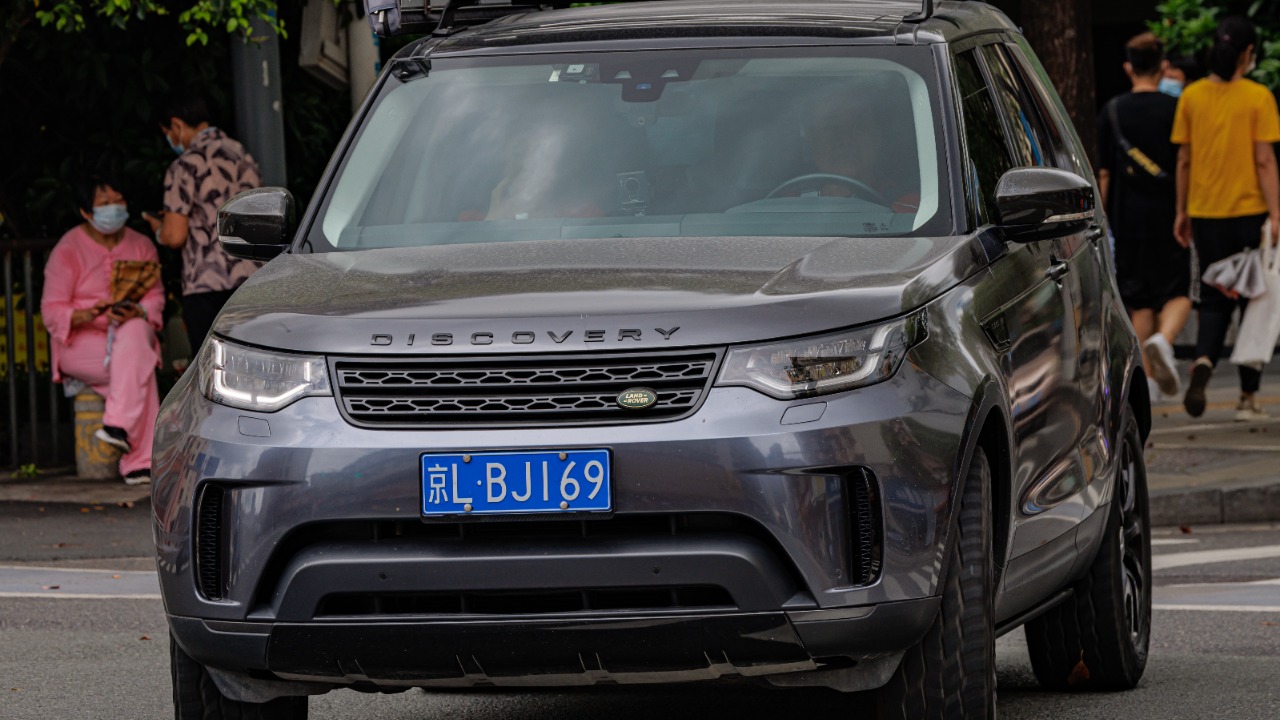
The Land Rover Discovery rounds out the list at 57.9 percent depreciation, a $34,878 drop, the second Land Rover model the iSeeCars value study flagged.
Two Land Rover models landing on the same depreciation list underscores a brand-wide pattern: buyers pay a premium for the off-road-focused SUV’s capability and interior when new, but grow more cautious about the cost of ownership once the factory warranty expires. The Discovery slots below the Range Rover in Land Rover’s lineup but shares many of the same off-road-focused engineering traits, along with a similar reputation for expensive upkeep as the vehicle ages.
More from Morning Overview
- Amazon’s Prime refunds are rising to $200 as millions more customers become eligible
- A handful of car engines are so tough mechanics say they almost never wear out
- The NSA is again telling phone owners to switch off one location setting
- Supplements now rank as the fifth-leading cause of death from liver disease.
