
Automakers spend years and fortunes on new models, yet some of them become cautionary tales for reasons that range from safety scares to sales that never arrived. The reasons behind these misses run from recalls and fires to prices buyers refused to pay. Here are twelve cars whose numbers explain why their makers would rather move on.
1. Edsel: Ford’s Costly Experiment
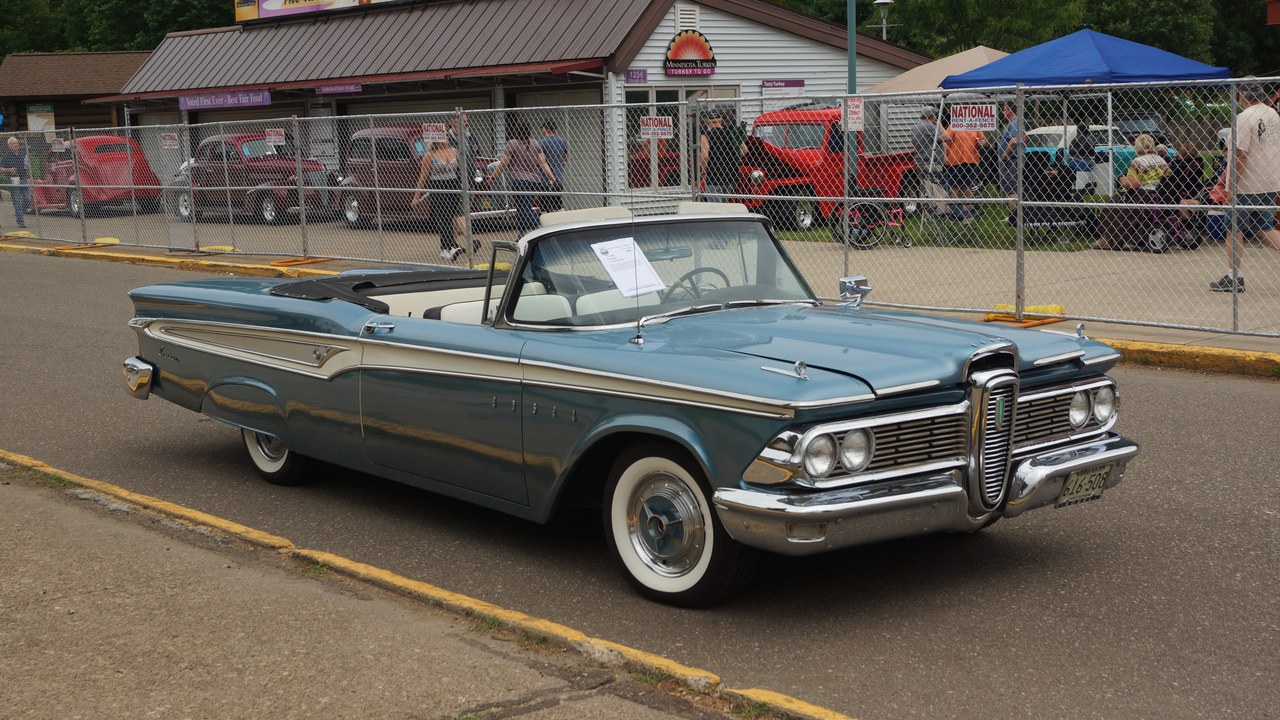
Sold a dismal 84,000 cars, about half the projected rate, and the brand cost Ford between $200 million and $250 million in losses, according to NBC News’ flop rundown.
The gap between forecast and reality turned the name into shorthand for a product launched on hope rather than demand. For buyers and automakers alike, the lesson is that a projection is only a guess until customers show up, and here they largely did not.
2. Cadillac Cimarron: Short Run for a Small Caddy
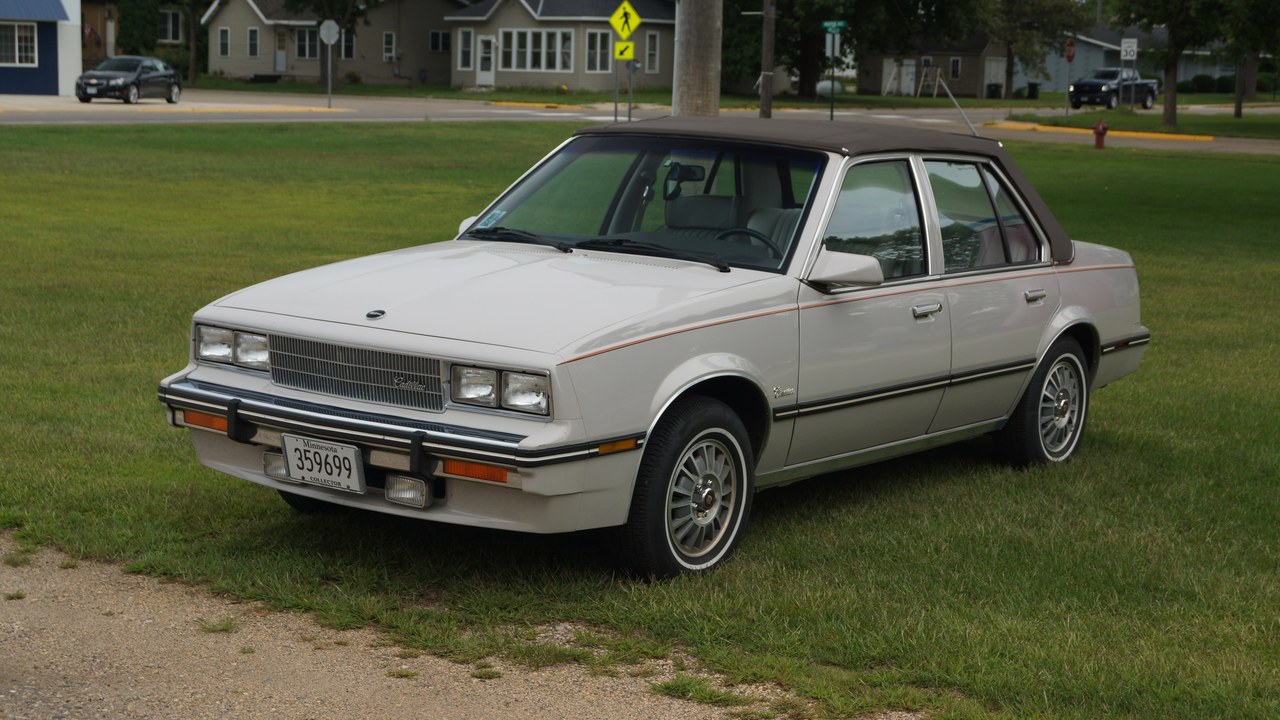
Cadillac’s small car was discontinued after just six years of production, a brief life that NBC News’ summary counts among the industry’s notable misfires.
A luxury badge could not make a compact feel like a luxury product, and the short production run reflects that mismatch. The takeaway for owners and collectors is that scarcity here came from a model that failed to win over its intended customers, not from any deliberate limited edition.
3. Pontiac Fiero: Fires Burned the Reputation
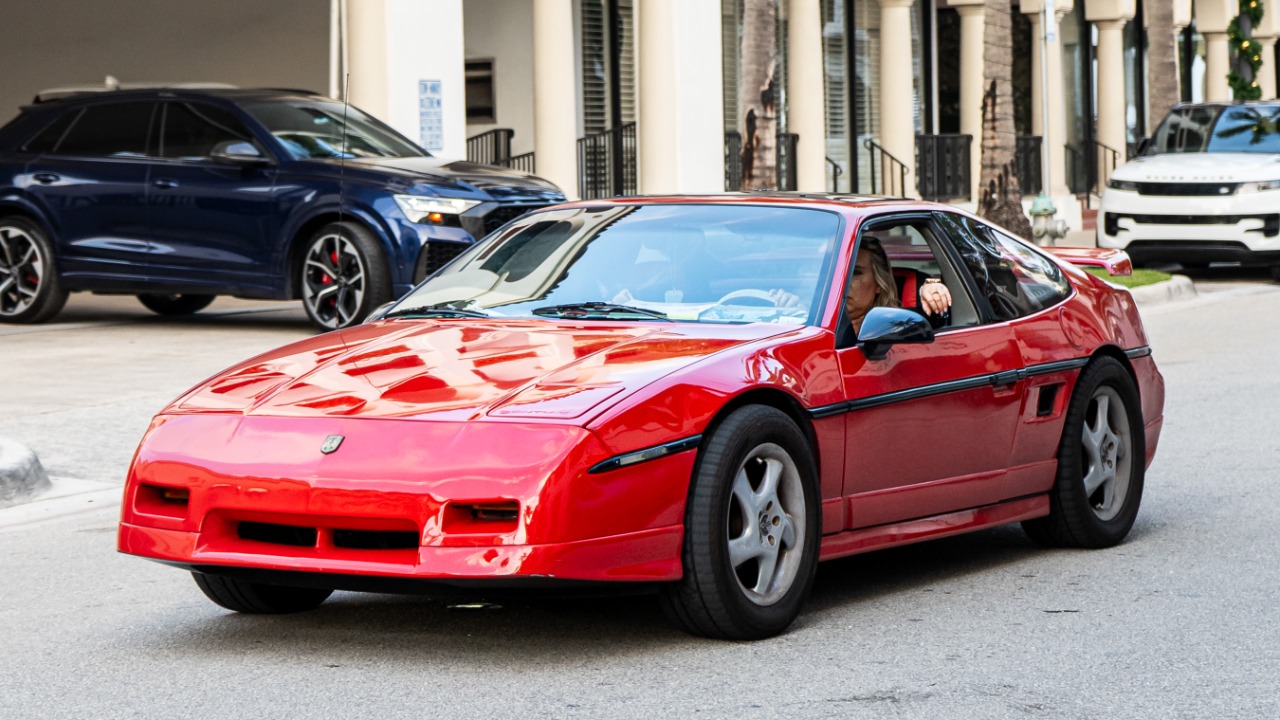
Engine oil problems led to roughly 200 reported fires and dozens of injuries, per NHTSA and GM figures cited in coverage of the sporty two-seater.
Fire reports are the kind of failure that sticks to a nameplate far longer than any styling or performance praise. Owners of surviving examples are generally advised to treat any oil-related maintenance history as important, since the mechanism behind the fires involved the engine rather than a cosmetic or comfort issue.
4. Ford Pinto: The Fuel Tank Problem
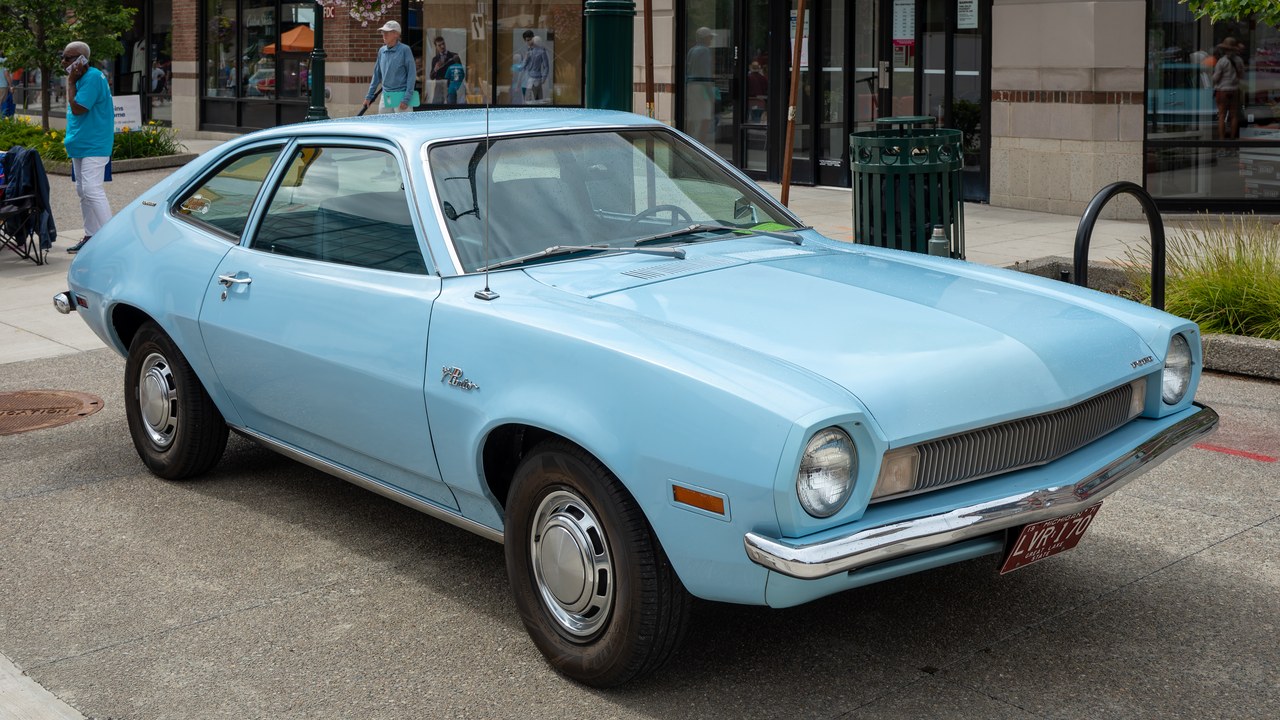
Its fuel tank was a fire risk in rear-end collisions, and fuel tank fire risk reports that hundreds were killed in fire-related accidents.
That single design weakness defined the small car far more than its low price or compact size. Shoppers weighing any vehicle can take from it that crash behavior in a rear impact matters as much as sticker price, and that a safety flaw can outlast the model that carried it.
5. Chevrolet Vega: Back-to-Back Recalls
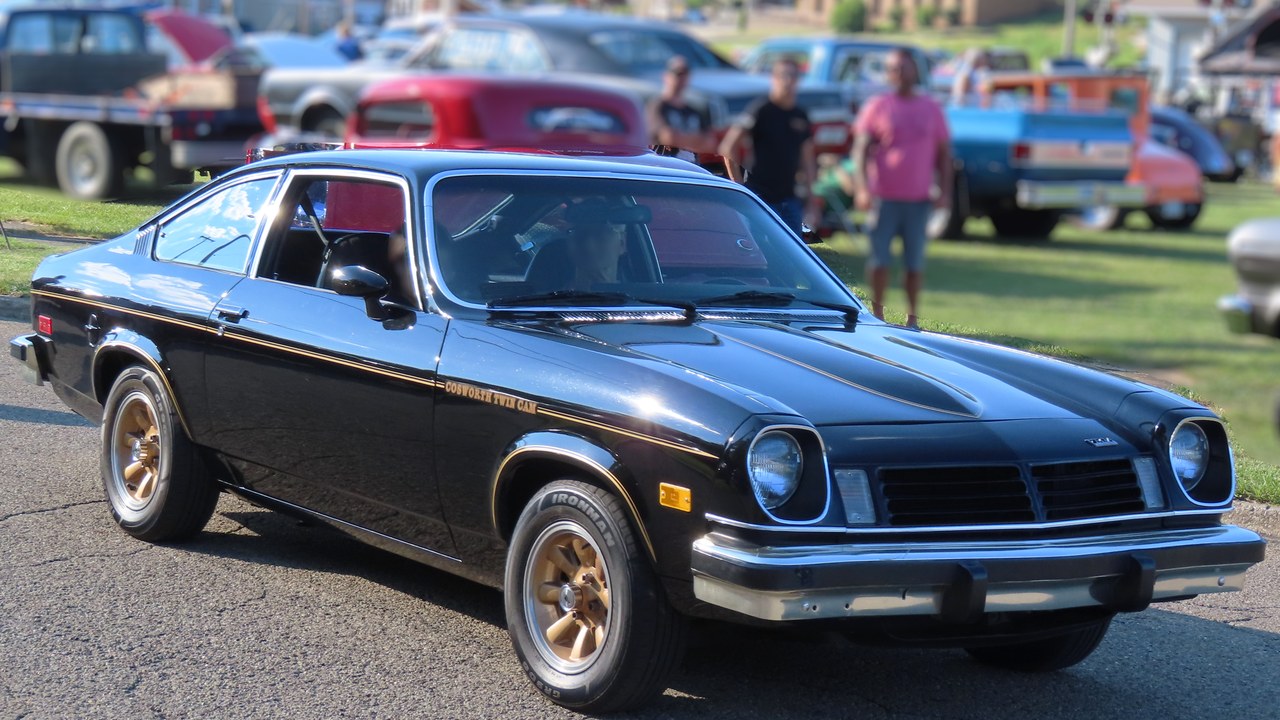
GM recalled 130,000 Vegas in April 1971, then 500,000 in July 1972, a pair of campaigns Slashgear’s Chevy flop list places among the compact’s defining troubles.
Two recalls in barely more than a year, the second nearly four times the size of the first, showed how quickly a quality problem could snowball. Anyone shopping a surviving Vega today faces a car whose reputation was shaped by those repairs, so documentation of past fixes counts for a lot.
6. Chevrolet SSR: Pricey and Scarce
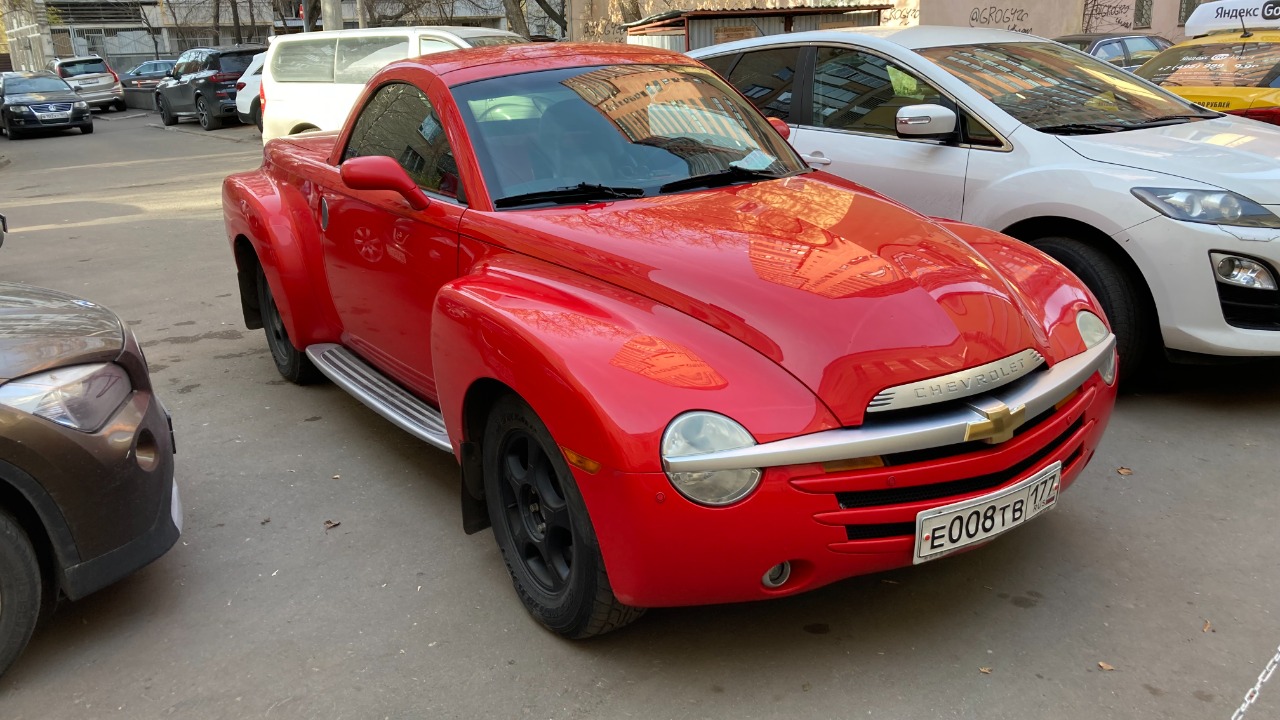
Only 24,112 were built from 2003 to 2006, at a price of almost $50,000, a production tally that just 24,112 built presents as a sign of weak demand.
A retro convertible pickup with a near-$50,000 price asked buyers to pay a premium for novelty, and too few did. The small production total now gives the model a curiosity value among enthusiasts, though it also signals how limited the original audience was.
7. Chevrolet Corvair: Sales Fell Off a Cliff
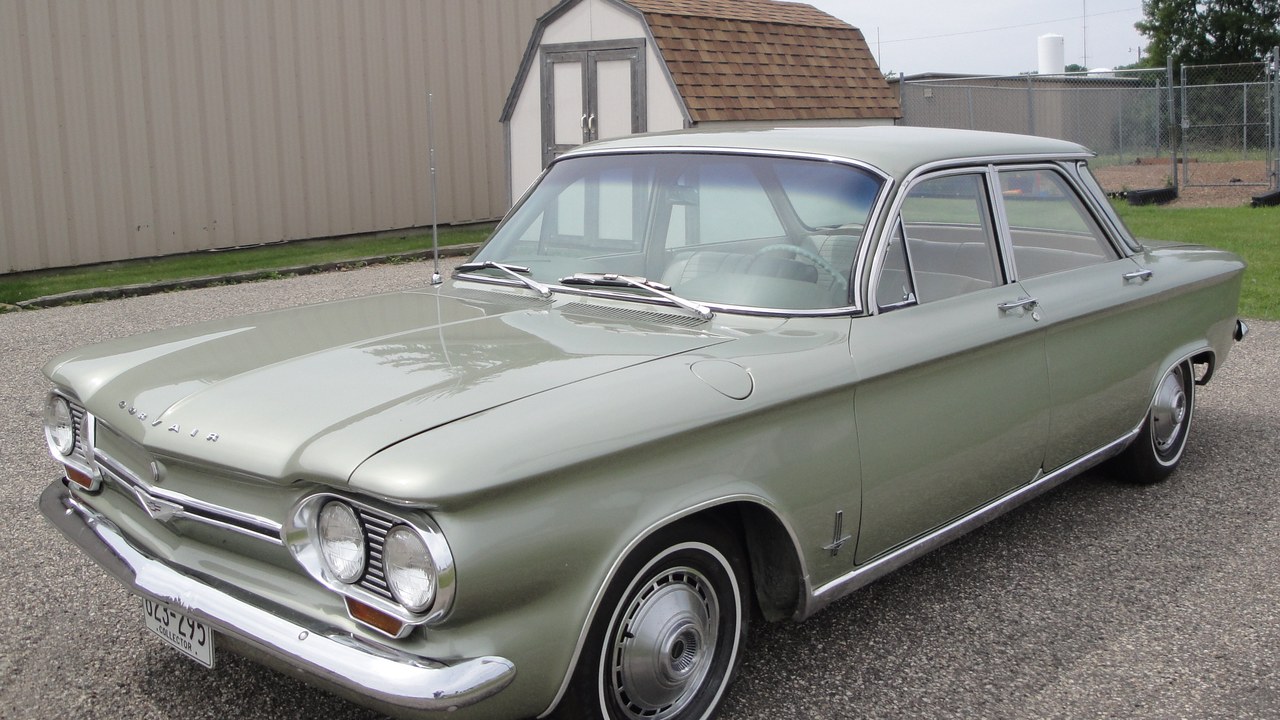
After selling at least 200,000 a year from 1960 to 1965, it sold fewer than 50,000 from 1967 to 1969, a collapse Corvair sales swings tracks across those years.
Dropping from six-figure annual sales to under a quarter of that mark is among the steepest slides in the Chevrolet record. The numbers show how fast confidence can disappear once a model is tarnished, leaving a once-popular compact as a cautionary tale about reputation.
8. AMC Pacer: Five Years, 280,000 Units
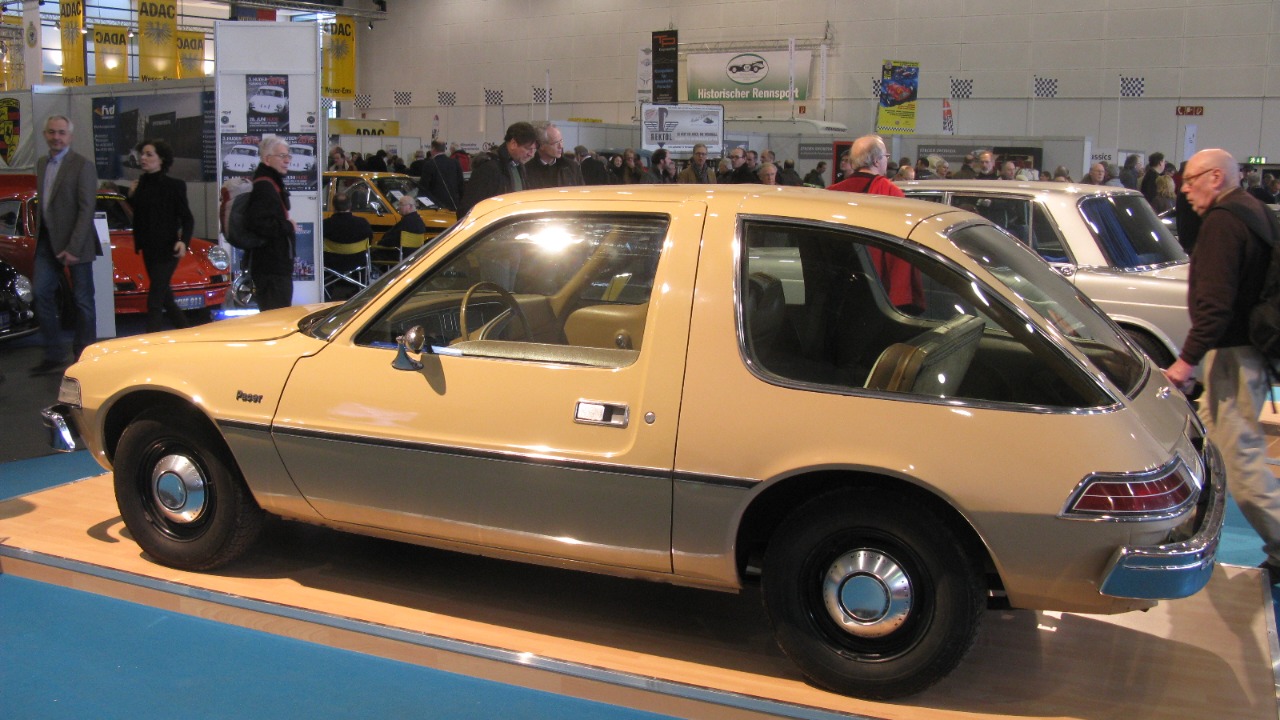
Sold only 280,000 units over five years, a modest total that Money Inc’s disaster list includes among discontinued cars it calls disasters.
The odd, rounded styling made the car instantly recognizable, but recognition did not translate into volume. For anyone studying why cars fail, the Pacer shows that a distinctive look can draw attention yet still leave a model short of the sales it needed to justify its run. Averaged out, that works out to roughly 56,000 cars a year, a pace that helps explain why the compact never became a mainstream fixture.
9. Pontiac Aztek: The $600 Million Gamble
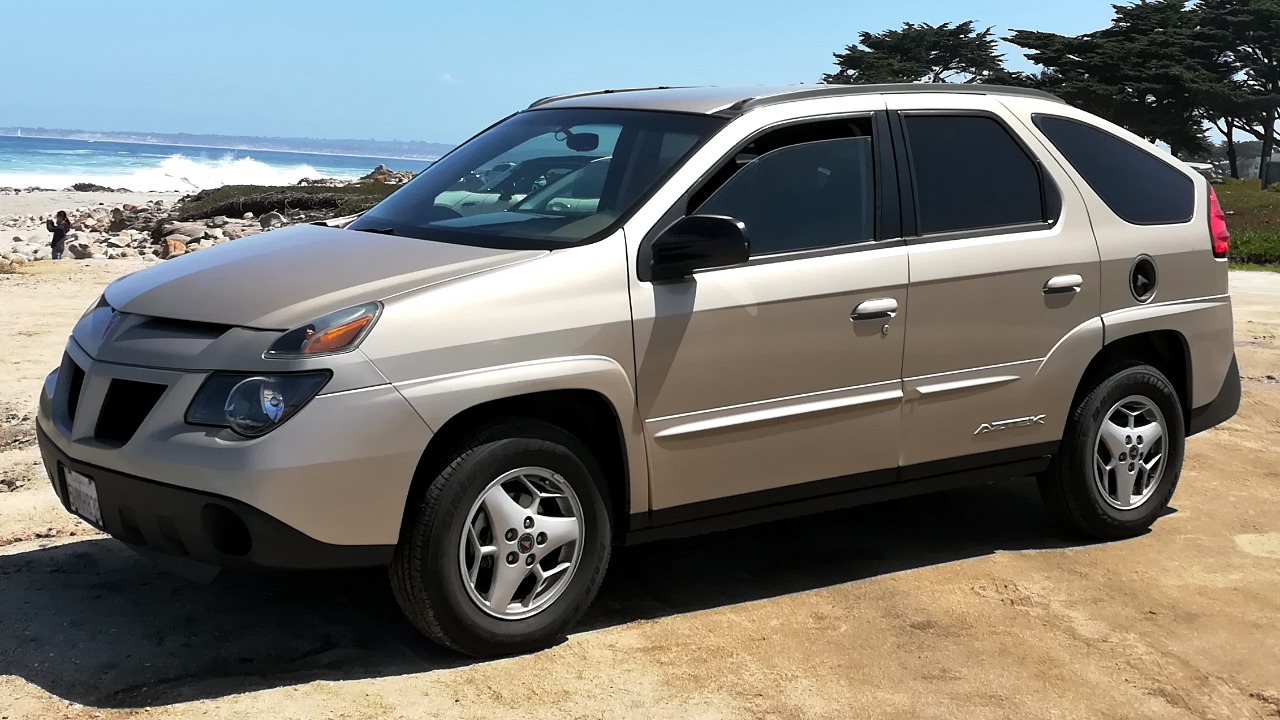
Development costs exceeded $600 million, yet it sold 119,692 in total, according to development cost estimate.
Spending that much to reach under 120,000 buyers made the crossover a textbook case of cost outrunning payoff. The takeaway for automakers is that heavy investment guarantees nothing, and for used shoppers it means the model carries a reputation far larger than its modest sales footprint. The two figures together, a development bill above $600 million and a lifetime sales total of 119,692, are why the crossover keeps appearing whenever the subject is expensive misjudgments by a major automaker.
10. Plymouth Prowler: Rare and Expensive
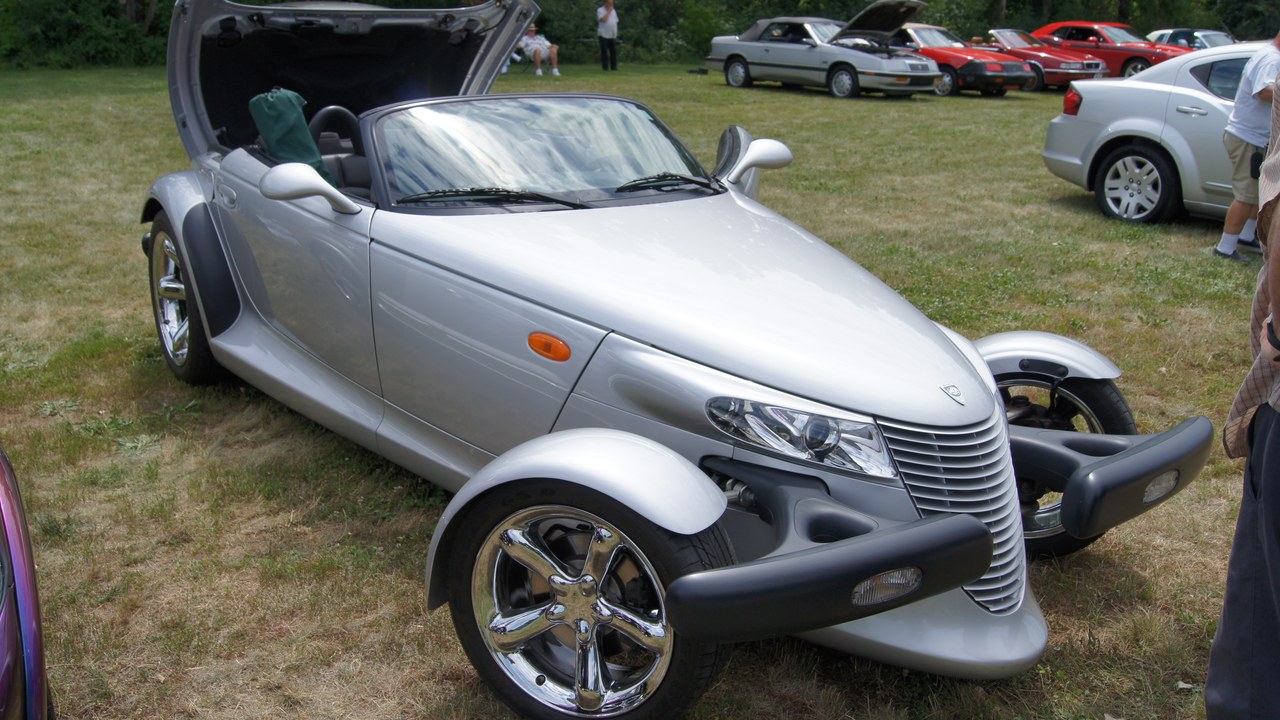
Only 11,702 sold, at a $44,000 launch price, figures Prowler sales and price cites as evidence of its limited appeal.
A hot-rod-styled roadster at that price drew admirers but relatively few buyers, which left the production total small. Collectors may value that rarity today, though the sales record shows the market for an expensive, impractical specialty car was thin when new. Set against a $44,000 launch price, the 11,702 total shows how a striking design can still struggle when its price and limited practicality narrow the pool of likely buyers considerably.
11. Lincoln Blackwood: A Luxury Pickup Nobody Wanted
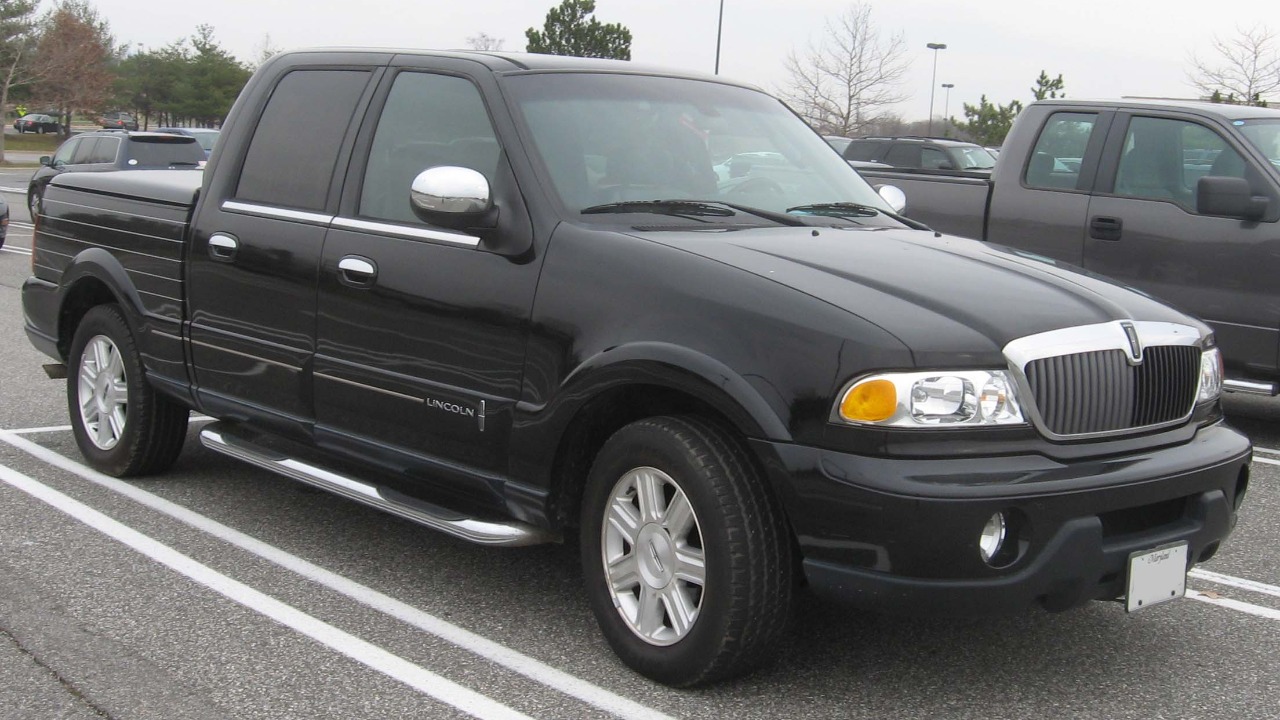
Just 3,356 sold, at a $52,500 price, a result Blackwood’s weak sales lists among the weakest in its roundup.
Asking more than $50,000 for a truck wearing a luxury badge proved a hard sell, and the tiny sales figure reflects it. The lesson for buyers is that premium trim alone rarely justifies a large price jump, and automakers learned the same about how far a nameplate could stretch. Against a $52,500 price, the 3,356 total is small enough that the truck is now remembered more as a curiosity than as a product that found its audience among truck shoppers.
12. Cadillac Allante: Built in Italy, Flown to Detroit
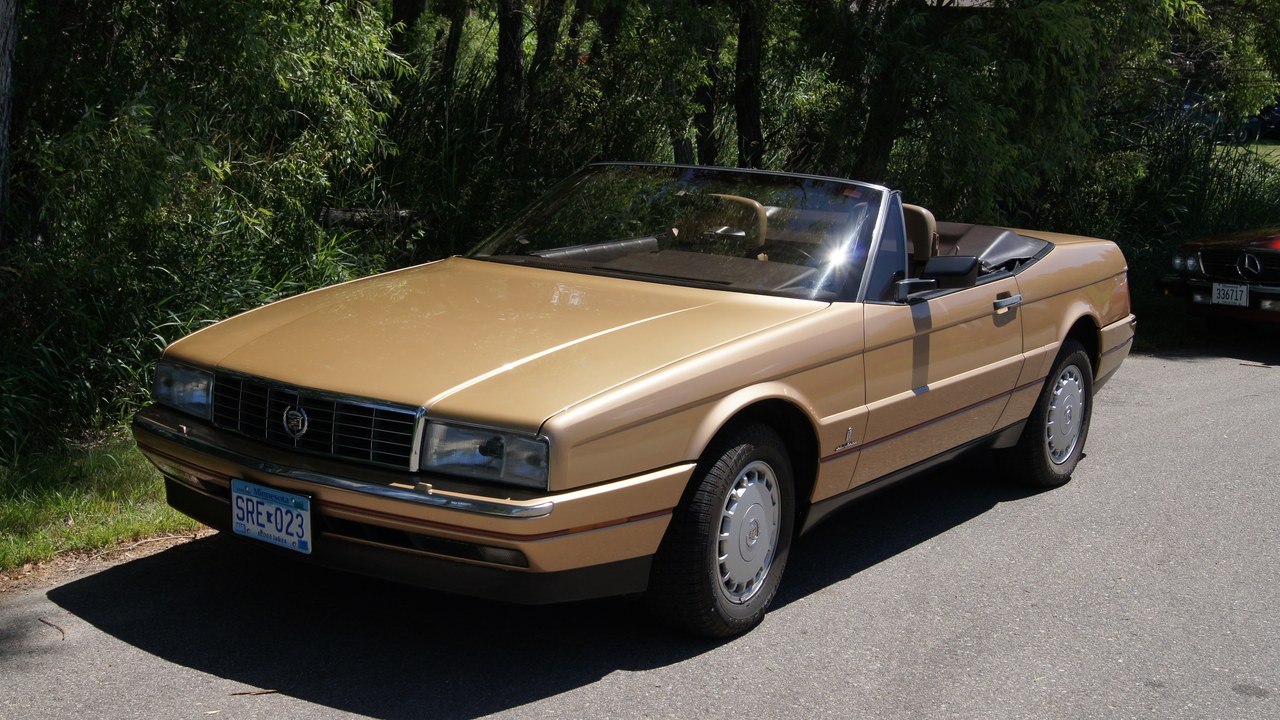
Bodies were built in Italy and flown to Detroit, and its biggest year, 1993, was only 4,670 cars, per Hagerty’s Allante data.
The cross-ocean production process added cost and complexity, and even the best sales year stayed small. Shoppers eyeing one today get a convertible whose unusual manufacturing story is part of its appeal, and whose modest volumes help explain why the model never became a sales success. With 4,670 cars in the best year, 1993, the convertible never approached the volumes that would have made its unusual international supply chain easy to justify financially.
More from Morning Overview
- Seven of Earth’s nine planetary boundaries are breached, and all seven are worsening
- The NSA says three phone features should be off whenever you aren’t using them
- Hurricane Hunter radar shows four warning signs that a tropical cyclone is about to strengthen, a University of Miami study found
- Tropical Storm Rachel is dumping up to 12 inches on four Mexican states on its way to major hurricane strength
