
Federal wildlife law does more than protect animals from poachers. Whales, dolphins, seals, turtles and eagles are covered by distance rules and harassment bans that can turn a close look into a costly mistake. Here are twelve species where getting too near carries real legal risk, each tied to a specific federal rule.
1. North Atlantic right whale: Half a Mile of Space
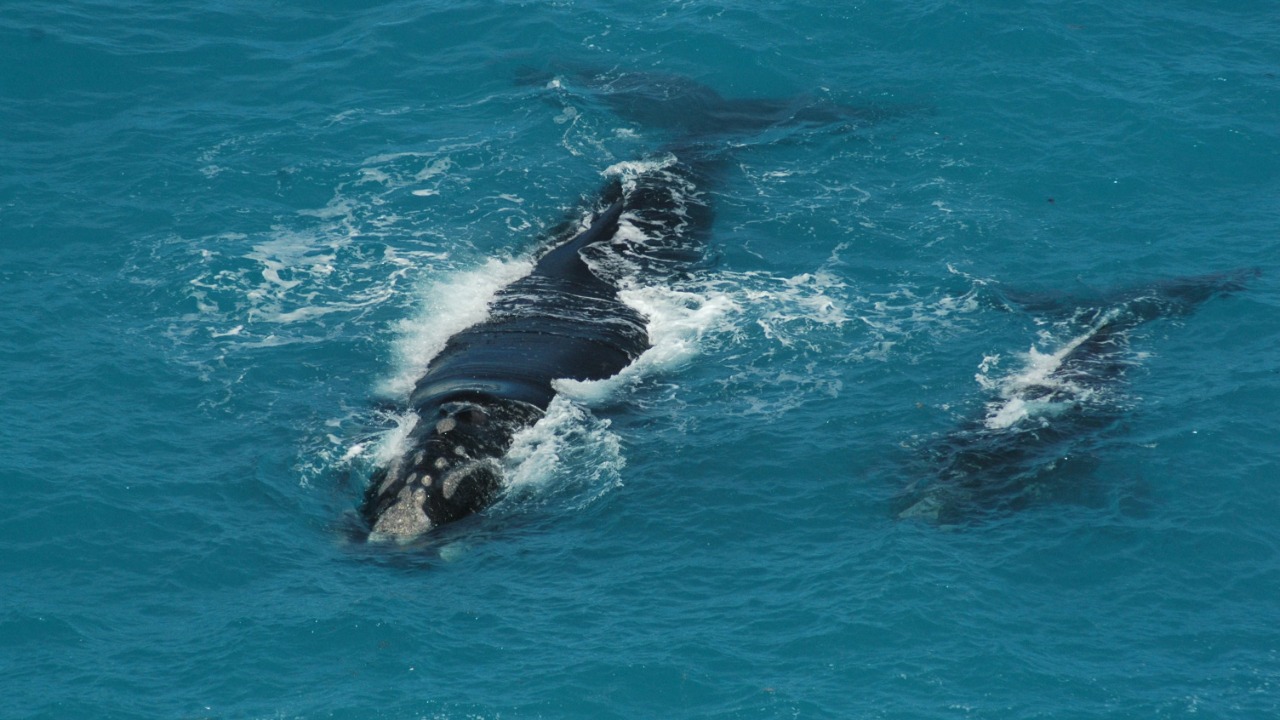
Federal regulation sets a 500-yard buffer rule around these whales, roughly a quarter mile. Aircraft face a limit as well, with a 1,500-foot minimum altitude over the animals.
Boaters and pilots alike get no exemption for a close look at one of the rarest large whales. Keeping well back is the only safe way to watch, and the distance applies whether the whales approach or not. Half a mile of water is a lot to give up, but that margin is the requirement rather than a suggestion.
2. Humpback whale: A Hundred Yards Back
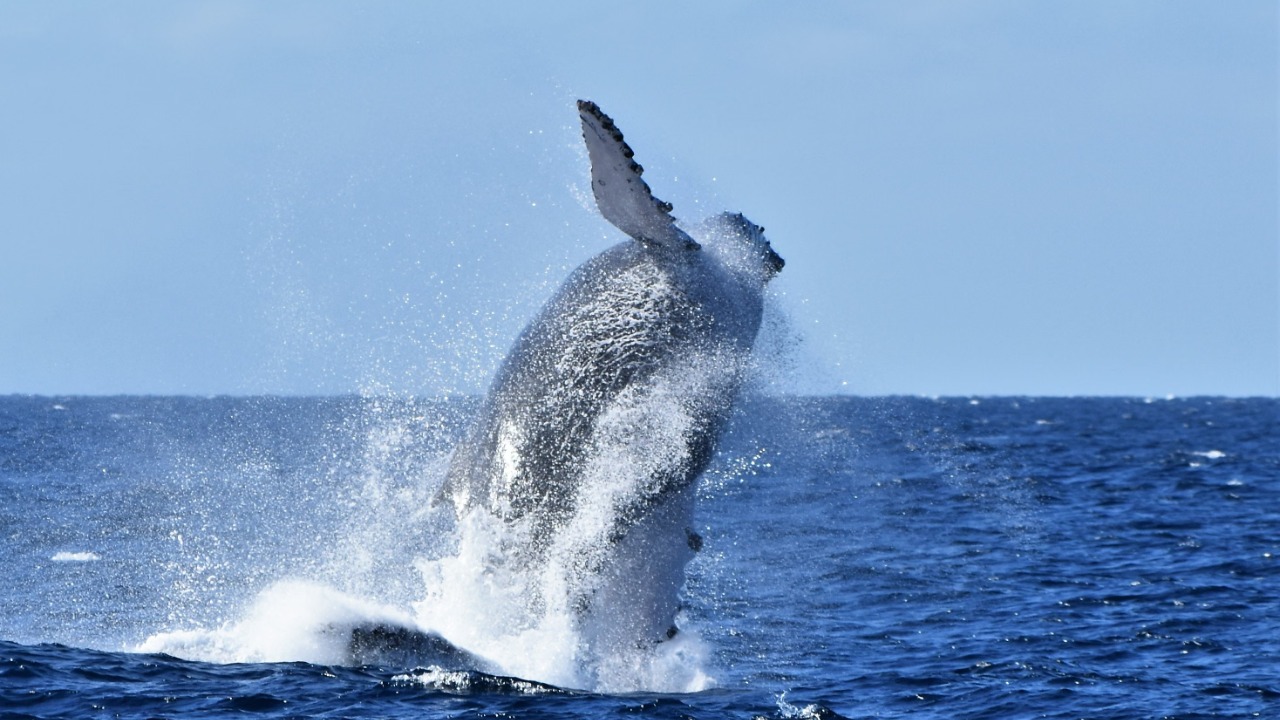
Boaters in Hawaii and Alaska must stay 100 yards from humpbacks under federal viewing regulations. Over Hawaii, aircraft are held to a minimum altitude of 1,000 feet above the whales.
Breaching animals draw crowds, and the temptation to edge closer is strongest at exactly those moments. Skippers and tour passengers who treat the 100-yard line as a hard limit avoid becoming the next enforcement example. Distance, not intent, is what the rule measures, so a drifting boat can still be out of compliance.
3. Killer whale: Closer in Puget Sound
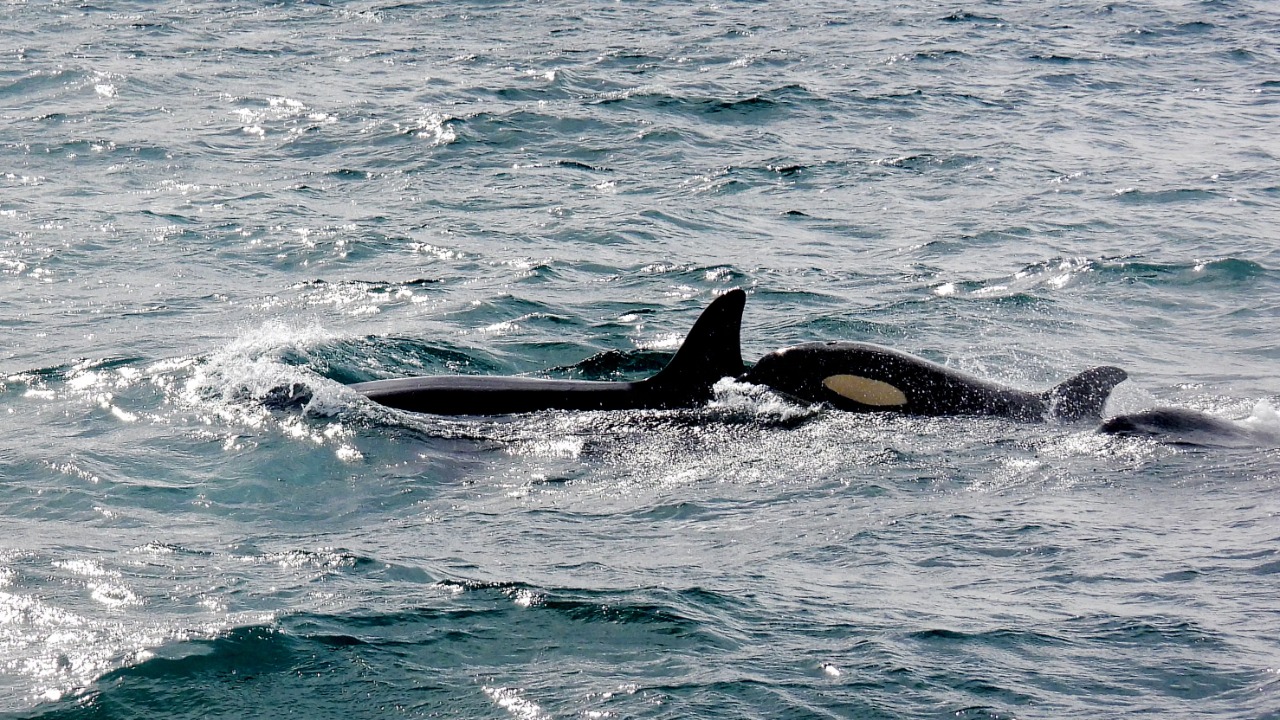
In Washington’s Puget Sound, federal law sets distances of 200 yards from killer whales. The buffer grows to 400 yards whenever a boat sits directly in the path of the animals.
Kayakers and small-boat owners are covered as much as whale-watch operators. Drifting ahead of a traveling pod to get a better view is the very move the longer distance was written to stop. Because the figure changes with the boat’s position, skippers need to watch the whales’ heading and not only the gap.
4. Spinner dolphin: No Swimming With the Pod
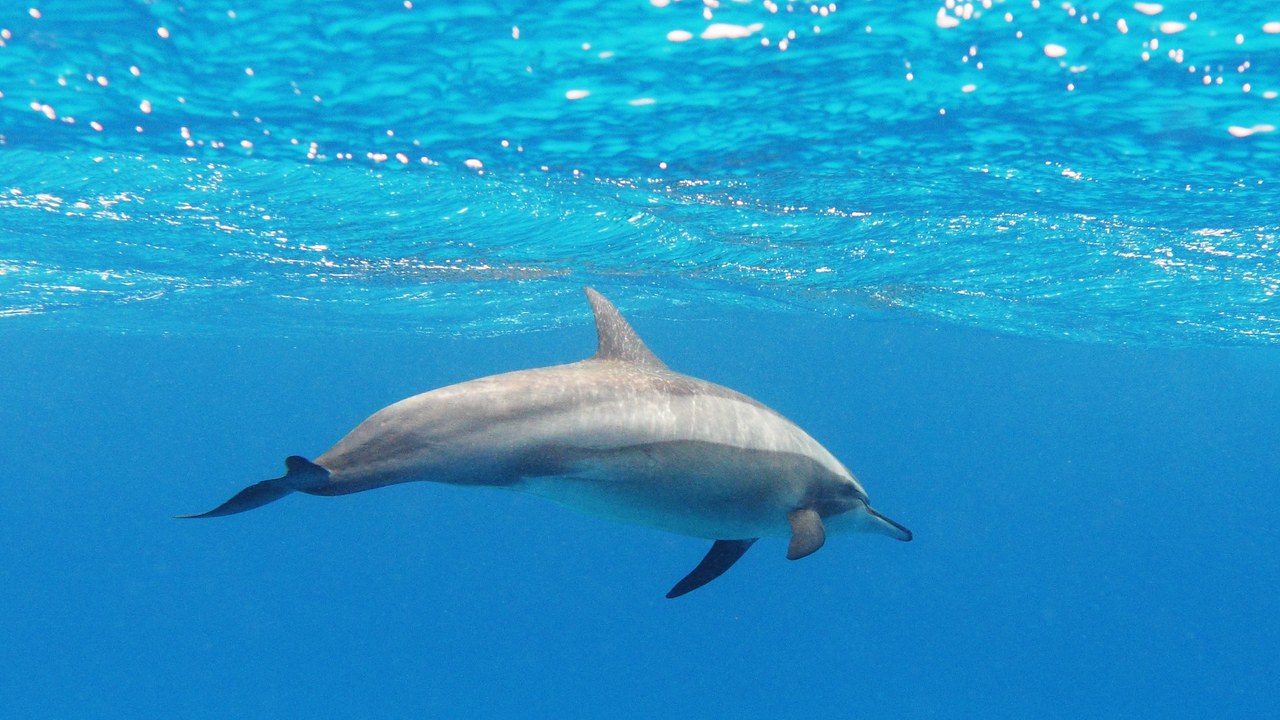
Off Hawaii, federal rules prohibit swimming with spinner dolphins, approaching them or remaining within 50 yards of them.
Resting bays where the dolphins spend their days are popular with snorkelers, which makes casual encounters easy to stumble into. Backing away and leaving the water is the compliant response when a pod drifts nearby. The rule covers approaching as well as entering the water, so even a boat idling toward a pod can run afoul of it.
5. Bottlenose dolphin: The Cost of a Snack
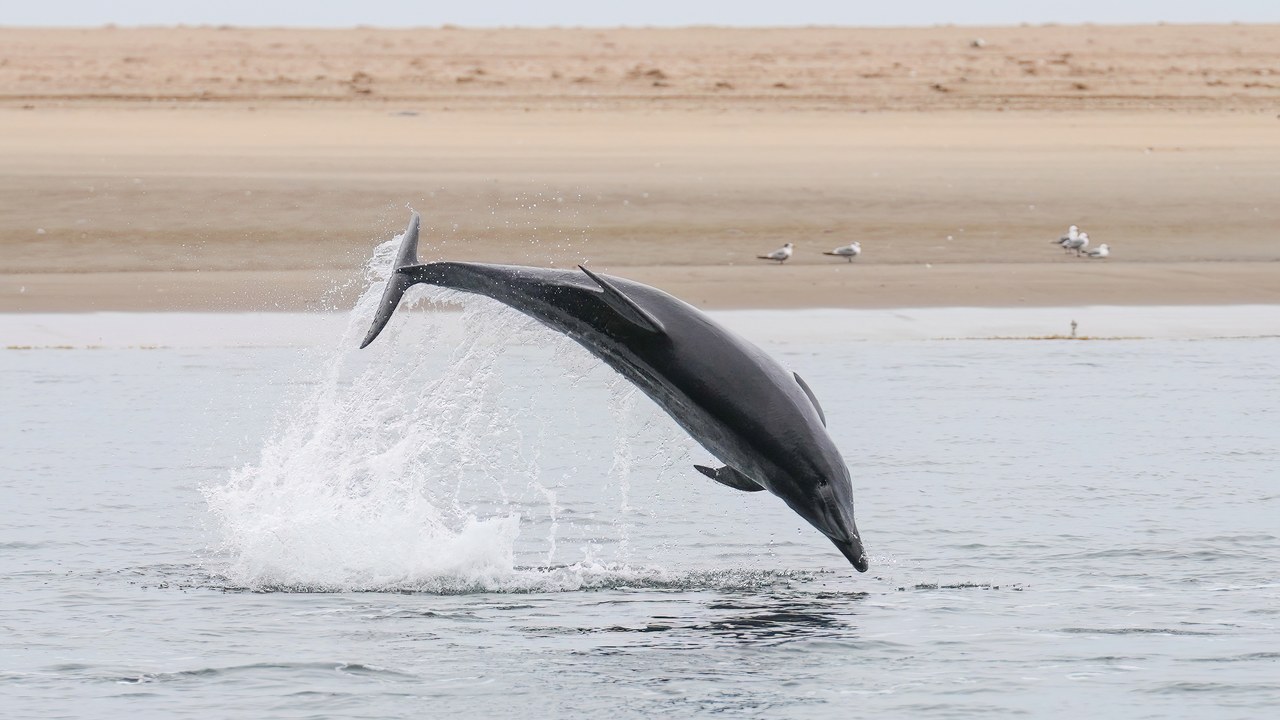
Feeding wild dolphins is illegal, and NOAA’s enforcement example involved a Panama City boat rental operator who was fined $4,500 for doing it.
Tossing food may feel harmless, yet it teaches dolphins to approach boats and exposes them to injury. Rental customers and operators both stand to be cited, so the safest habit is simply never to offer anything. The case shows that enforcement is real for commercial operators, and a fine of that size follows a single feeding charge.
6. California sea lion: Harassment Has a Price Tag
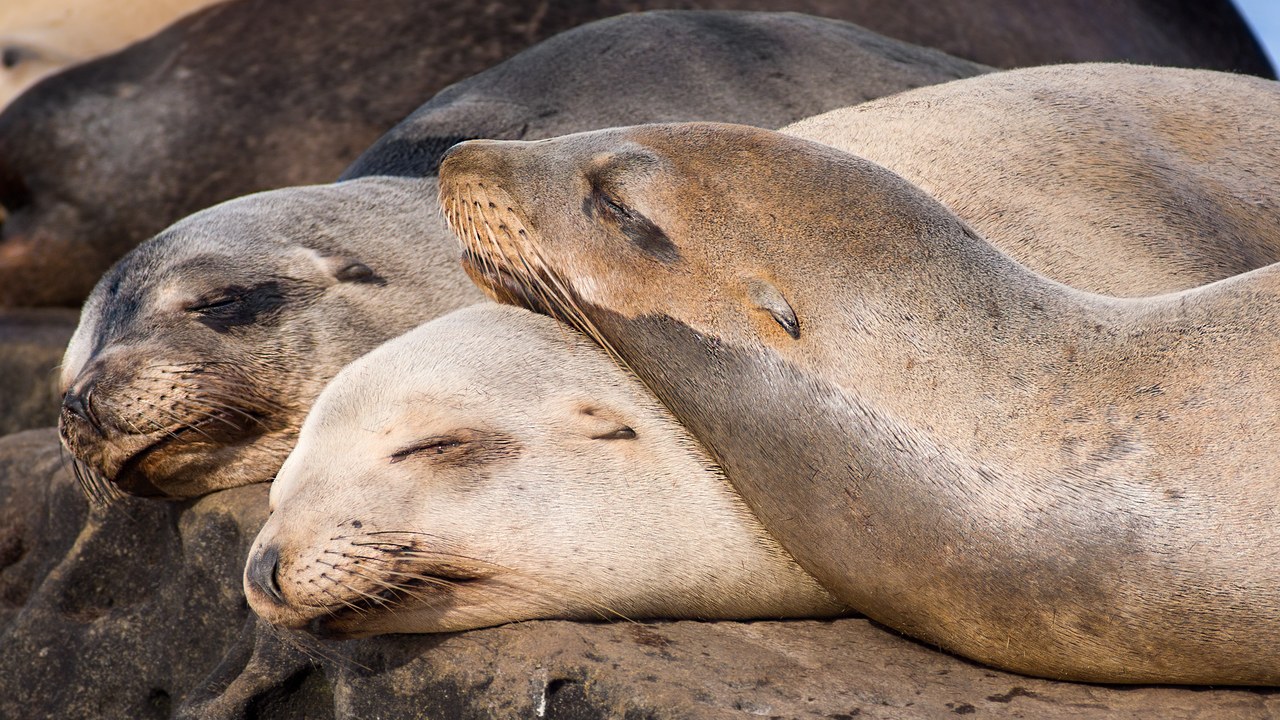
Harassing a seal or sea lion under the Marine Mammal Protection Act carries civil penalties of up to $36,498. Criminal charges are possible as well, adding up to one year in prison plus fines.
Sea lions hauled out on docks and beaches look tame, which invites selfies and pokes. Staying back and letting the animals rest keeps visitors on the right side of a statute with real teeth. The figure is a ceiling on civil penalties, which means the final amount can vary, while the prison term sits on top for criminal cases.
7. Harbor seal: Resting Counts as Disturbed
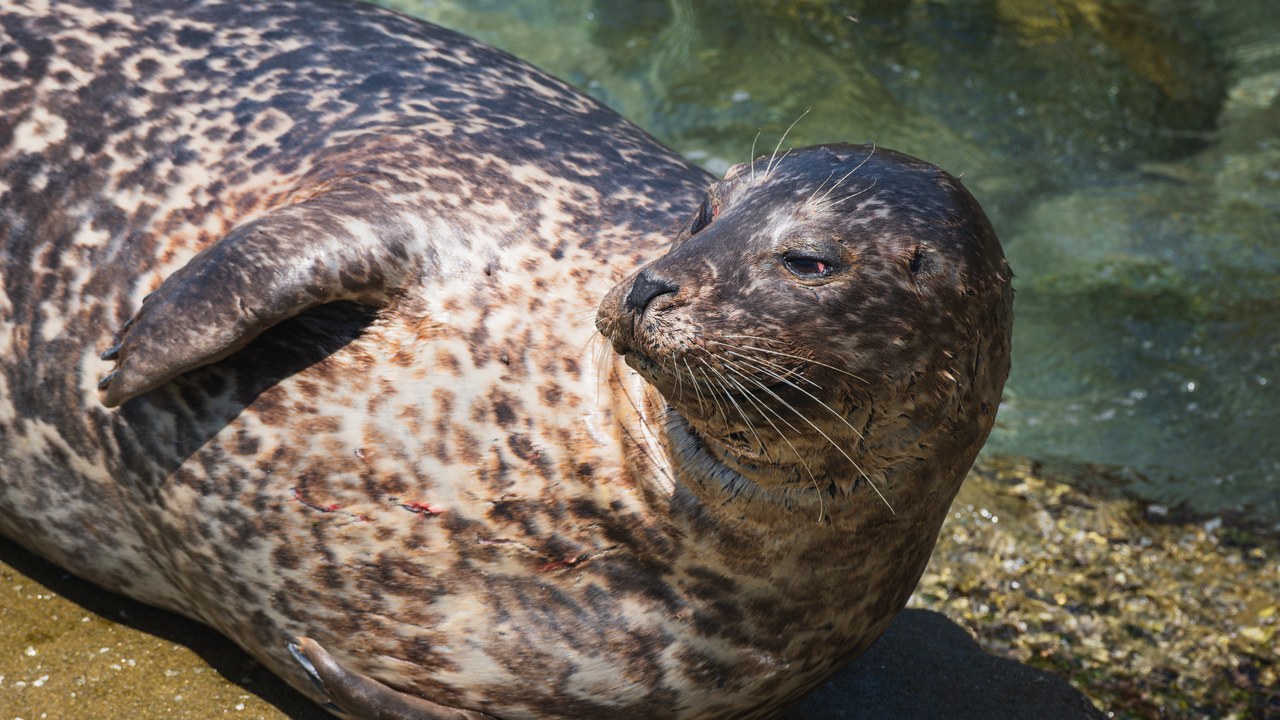
NOAA advises watching seals from at least 50 yards, or 150 feet. Even disturbing a seal that is resting or nursing qualifies as Level B harassment under the rules.
A pup left alone on a beach is usually not abandoned, so approaching it can do harm. Photographers who zoom in from a distance protect both the animals and themselves from penalties. The 50-yard figure works as a practical baseline: if an animal lifts its head, shifts or heads for the water, the viewer is already too close.
8. West Indian manatee: Lose the Boat Itself
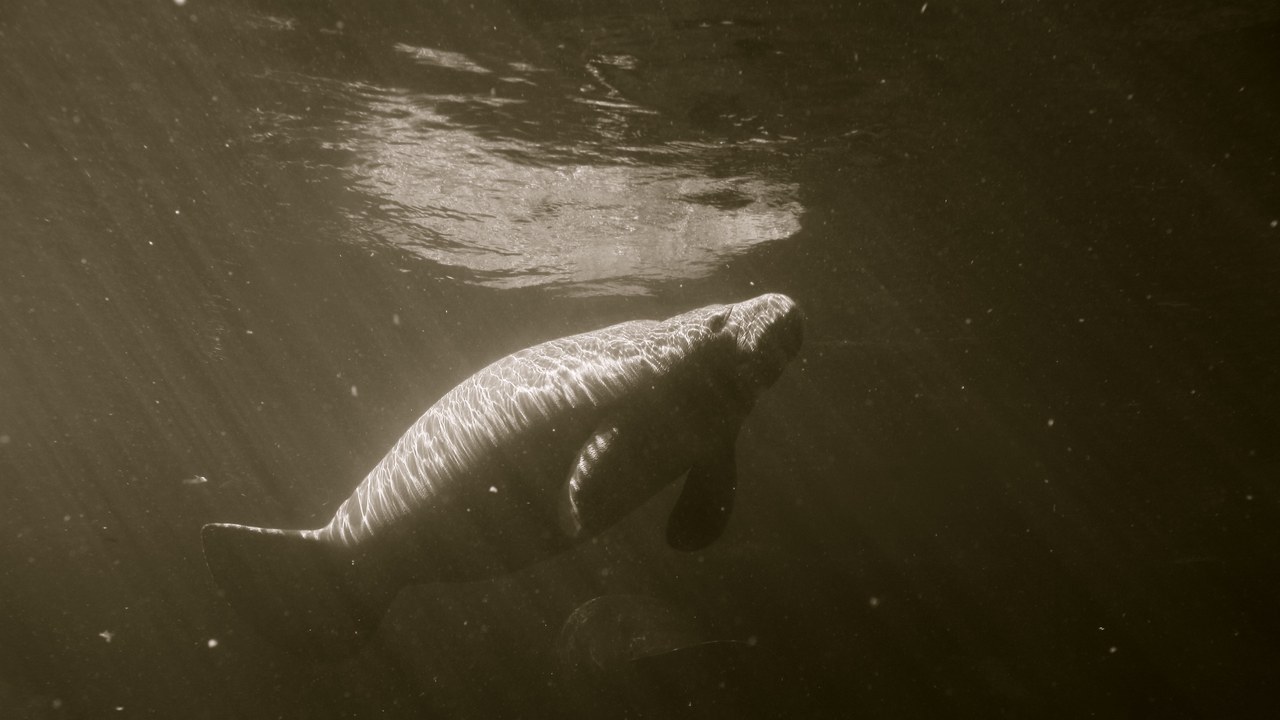
Manatees appear on NOAA’s list of protected marine mammals, and a violation can put the boater’s vessel at stake. Penalties of up to $25,000 apply to that vessel.
Slow, curious animals in shallow springs and canals are easy to approach, which is the problem. Boat owners risk far more than a ticket when a careless pass or a deliberate chase turns into a violation. Seizure risk is the unusual feature here, since most wildlife penalties fall on the person and not the equipment.
9. Hawaiian monk seal: Fifty Feet From a Sleeper
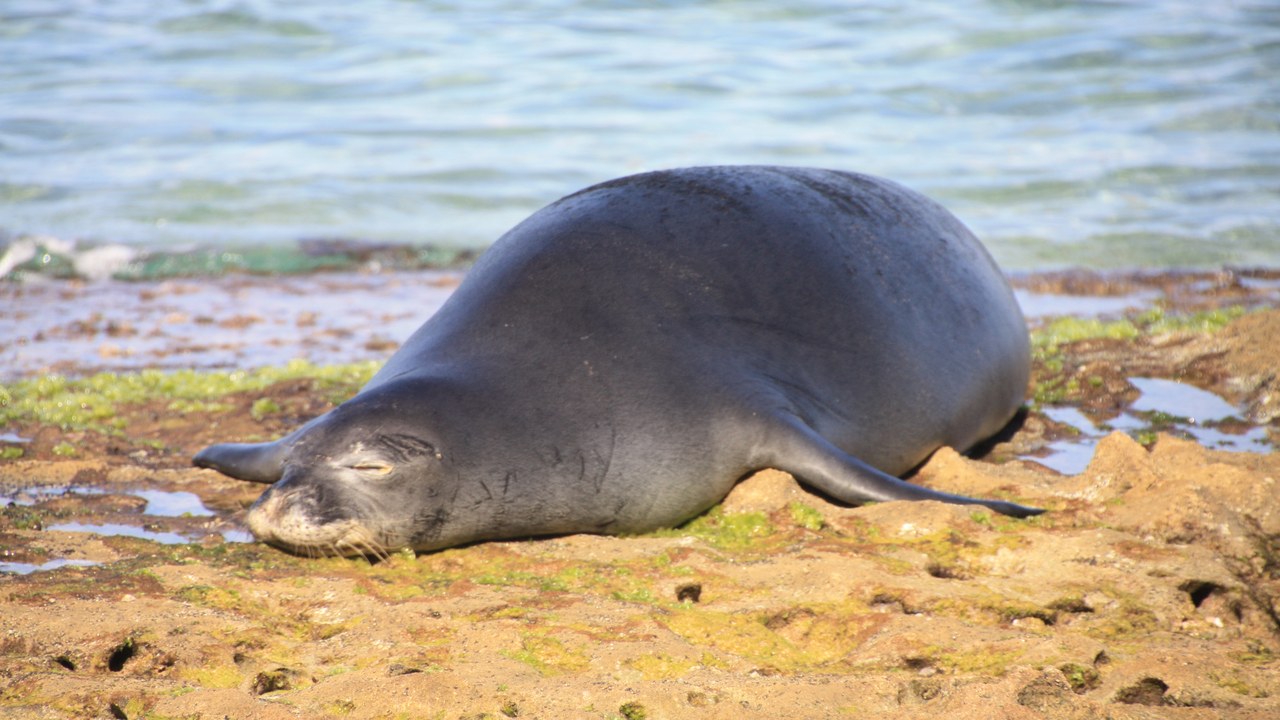
This endangered species numbers about 1,600 seals, with around 400 in the main Hawaiian Islands, according to NOAA species data. Its rule of thumb is to stay at least 50 feet from a resting seal.
Beachgoers often mistake a hauled-out monk seal for a stranded one. With so few animals left, giving each a wide berth matters more than a close photograph. The 50-foot guideline is a rule of thumb from NOAA, not a ceiling on caution, and extra distance only helps a resting animal.
10. Green sea turtle: Look, Do Not Touch
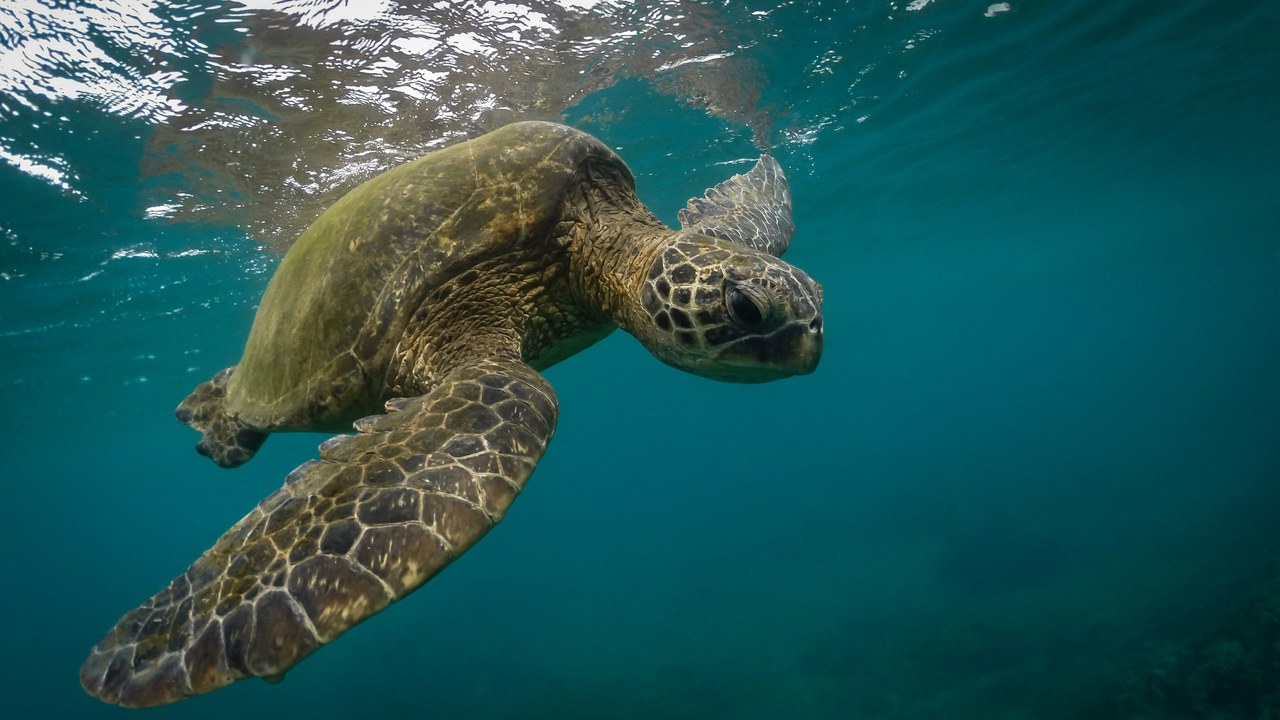
NOAA says never to feed or touch sea turtles and to keep boats at least 50 yards away. Its green turtle profile notes that 3 populations are listed as endangered and 8 as threatened.
Snorkelers who reach out for a closer look are breaking that guidance, however gentle the contact seems. Floating at a distance lets a turtle surface and graze undisturbed. Those listing counts show why even a single sea turtle encounter is treated seriously, as the species is split into separately protected populations.
11. Bald eagle: Disturbing Is Taking
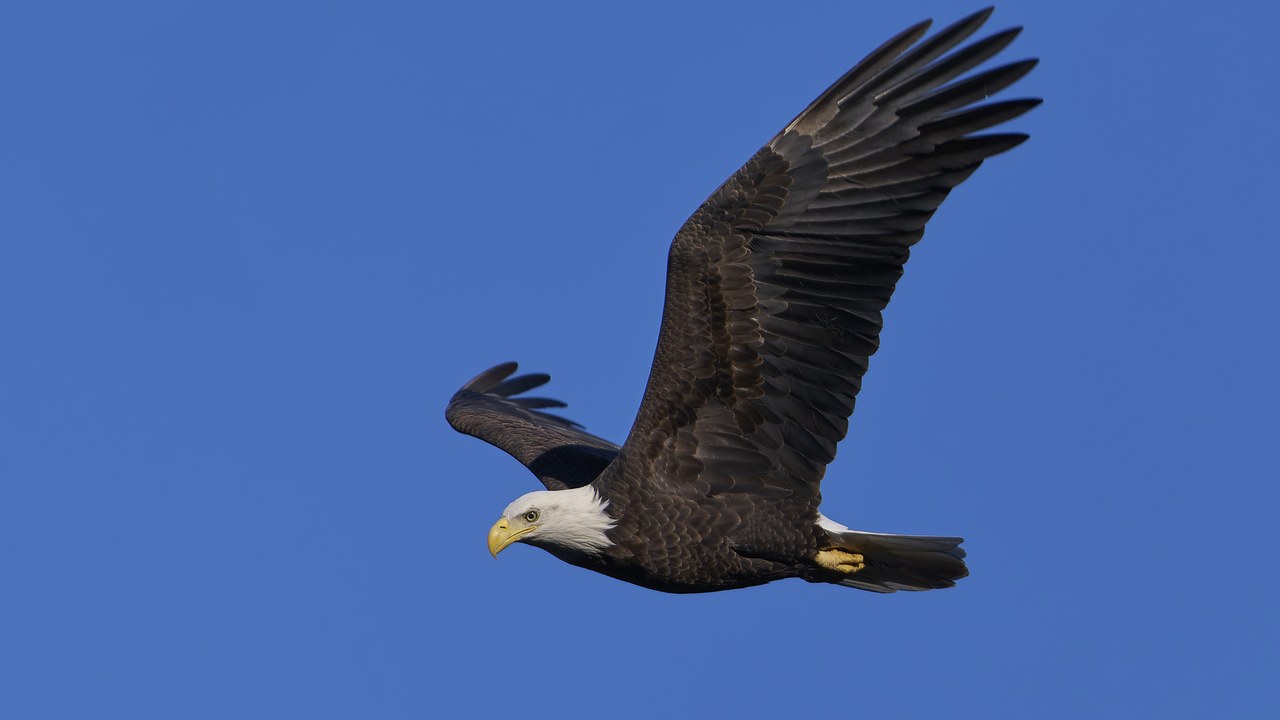
The Bald and Golden Eagle Protection Act treats even a decision to ‘molest or disturb’ an eagle as a take. The first-offense penalty is a $100,000 fine, one year in prison or both, and $200,000 for organizations.
Nest sites draw hikers, photographers and landowners with work to do nearby. Anyone who sees an active nest has strong reason to keep away rather than test how close counts as disturbing. Because the fine applies to a first offense, there is no warning tier that excuses a first misstep near a nest.
12. Golden eagle: The Feather Is Evidence Too
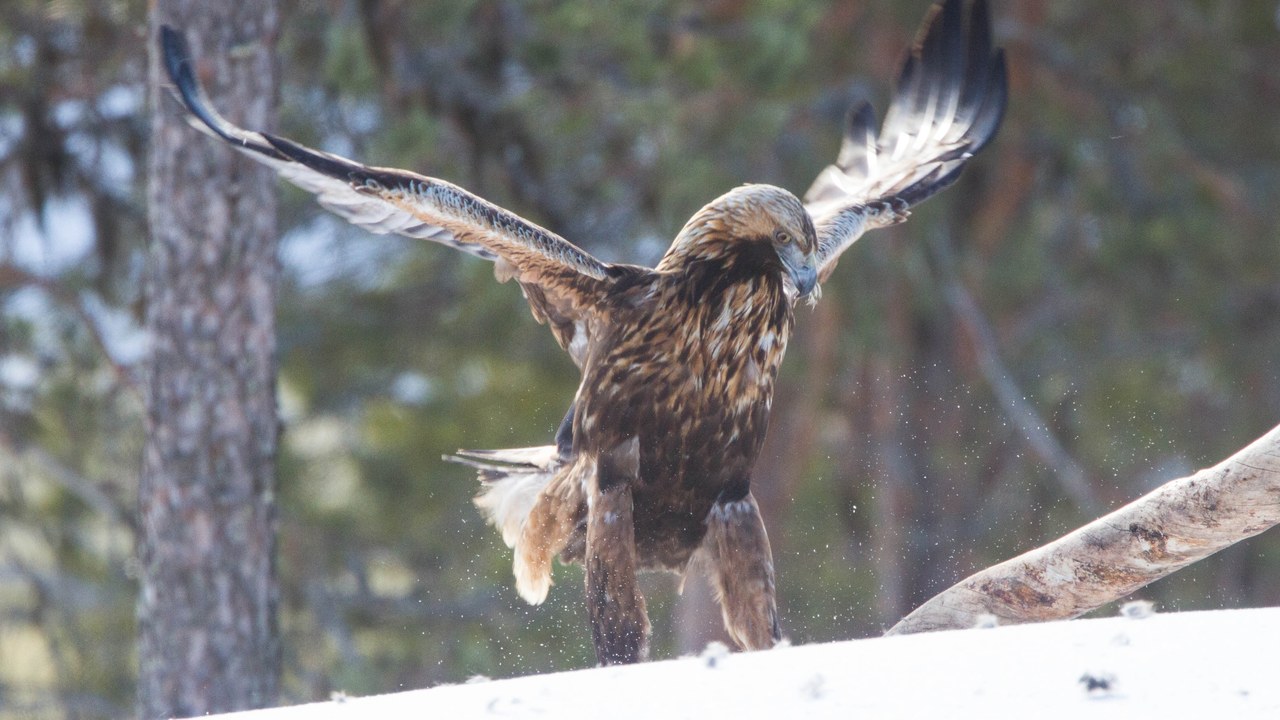
Covered by the same federal eagle law, golden eagles are protected even down to a single feather, which is illegal to possess. A second violation is a felony.
Souvenir collectors who pocket a feather found on a trail can be caught by the same statute that shields the live bird. Leaving it where it fell is the cautious choice. The felony tier for repeat violations makes this one of the harsher penalties in the gallery, even when the first offense involves only a feather.
More from Morning Overview
- Verizon just moved to cut landline phone service in 9 states within weeks
- Tropical Storm Rachel is dumping up to 12 inches on four Mexican states on its way to major hurricane strength
- The NSA is again telling phone owners to switch off one location setting
- Card skimmers hidden on gas pumps and ATMs are draining accounts, and here’s the tell
