
Wild animals share trails, shorelines and canals with millions of visitors across the country, and the official record shows that encounters sometimes end in injury or death. These entries draw on park-service guidance, a state wildlife agency’s verified attack register and dated incident lists, placing each case at a specific location. Here are twelve American places, from Alaskan forest to Florida waterways, where those encounters have been documented.
1. Glacier National Park: Bear Country Headcount
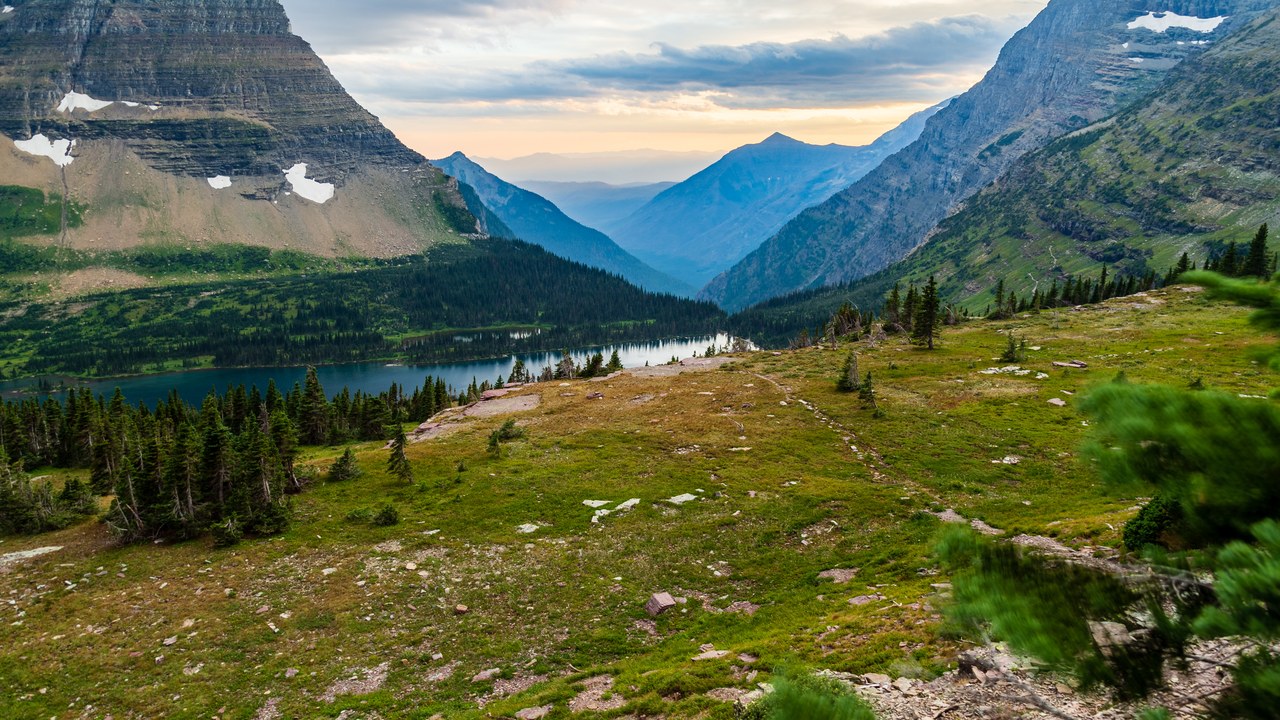
The National Park Service’s bear population estimates put Glacier at around 300 grizzly bears and 600 black bears, and describe them as “large and potentially dangerous animals.” The estimate covers a park where hikers, bears and narrow trails overlap across a very large area of mountain terrain.
A grizzly killed a hiker on the Mt. Brown trail on May 3, 2026, the most recent fatal bear attack on record in the United States. Those figures explain why bear awareness is treated as a basic part of any backcountry trip in the park, and why a hiker’s route and group size matter.
2. Yellowstone National Park: The Bison Problem
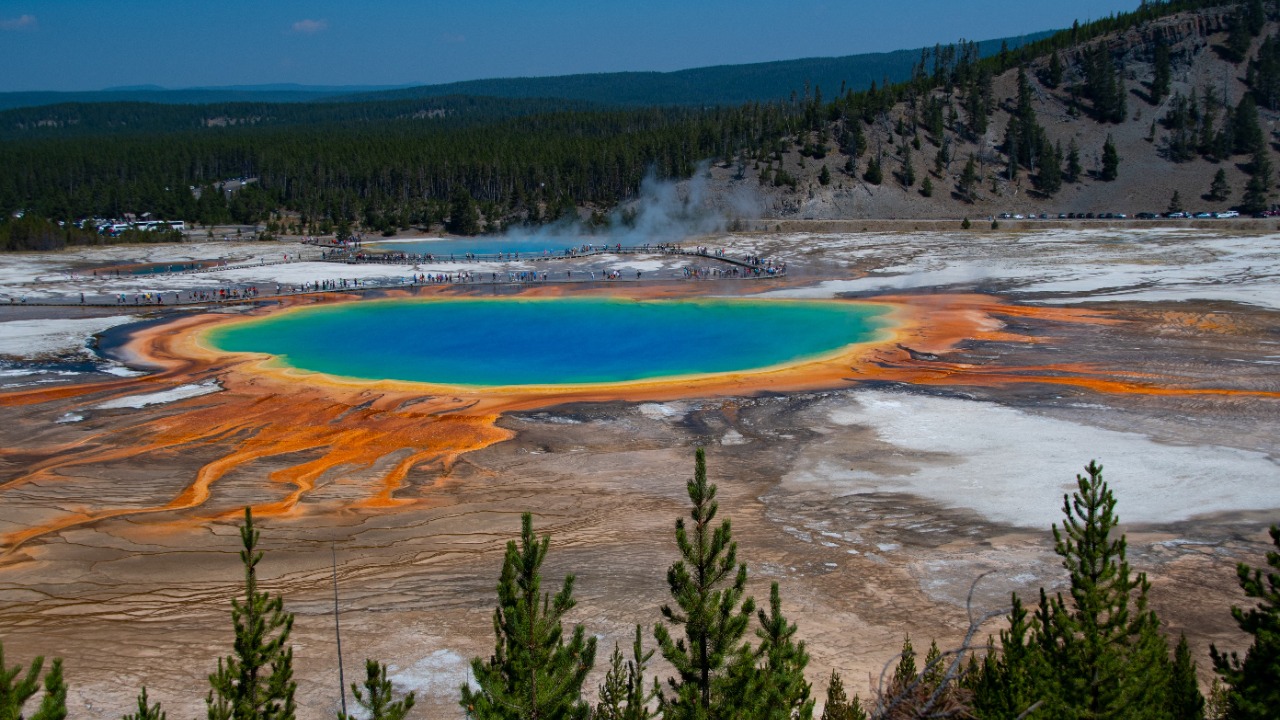
Park guidance in Yellowstone’s safety rules states that bison “have injured more people in Yellowstone than any other animal,” and the rules require visitors to stay 100 yards from bears, wolves and cougars and 25 yards from every other animal.
The finding runs against instinct, because the animal behind the most injuries is the one that can look tranquil rather than a predator. The distance rules apply to a roadside herd as much as to a backcountry trail, so a photo stop beside a grazing animal falls under the same 25-yard line as any other encounter.
3. Durango, Colorado: A Trail Above Town
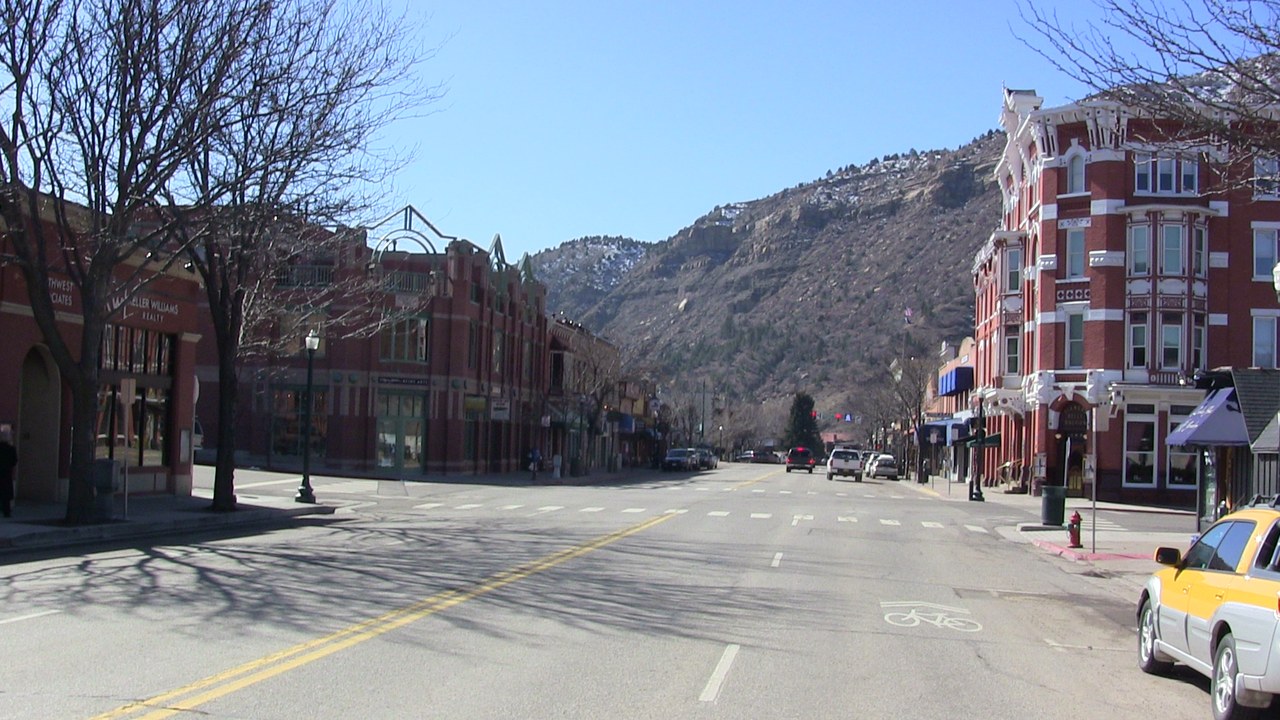
A black bear killed Laney Malavolta, 39, while she was hiking with her dogs on April 30, 2021, an incident recorded for Durango, Colorado, in the list of fatal bear attacks across North America.
The entry shows that serious bear risk is not confined to national parks or Alaska, since a trail near a Colorado town sits in the same record as far wilder country. Black bears are the species most hikers expect to meet, which makes a documented fatality a reminder that distance, noise and awareness still count on familiar ground.
4. Sitka, Alaska: Overdue From the Hunt

A grizzly killed Tad Fujioka, 50, who was reported overdue from a deer hunting trip near Sitka, Alaska, on October 29, 2024, as documented in the North American bear attack list.
The date places the death in autumn hunting season rather than summer hiking time, a reminder that encounters follow human activity across the calendar. Sitka lies in coastal Alaska, where forest runs to the water’s edge, and the case shows that bears are a factor for hunters as well as for hikers in the high country.
5. Rocky Mountain National Park: A Child on the Trail
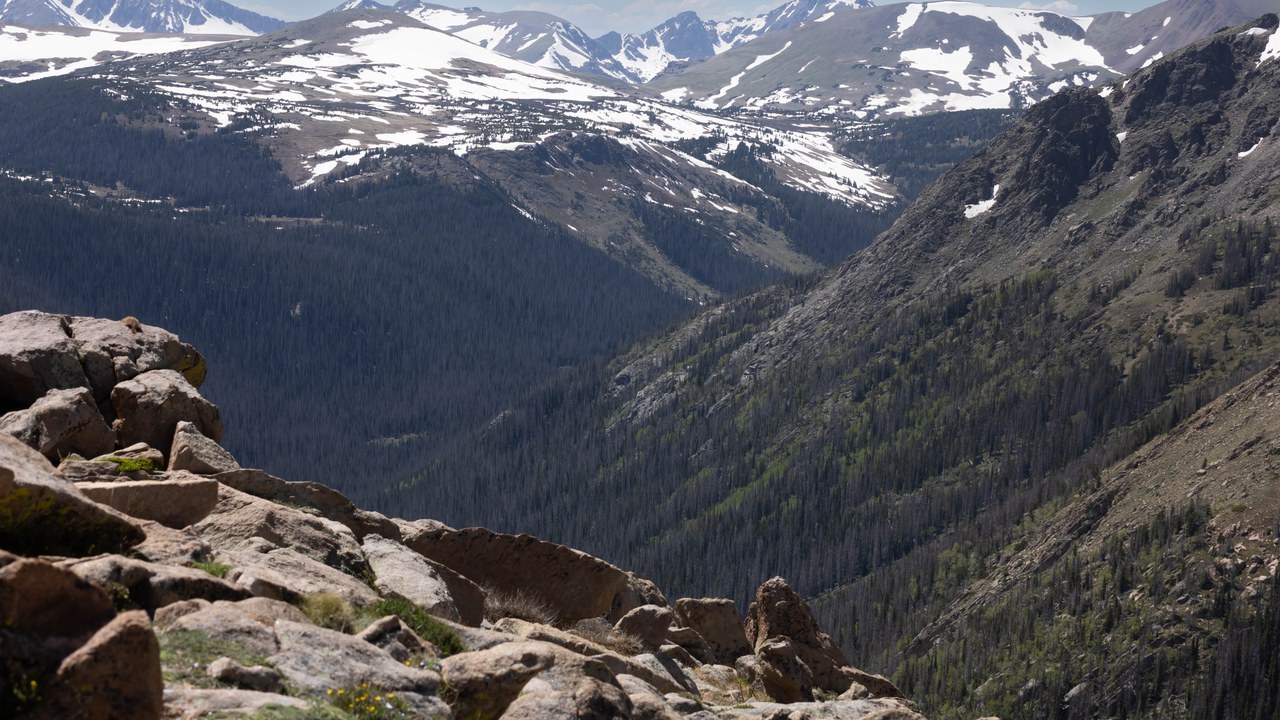
The record of fatal cougar attacks includes 10-year-old Mark Miedema, who was killed by a cougar while hiking in Rocky Mountain National Park, Colorado, in 1997.
Cougar attacks on people are rare, but the entry shows that the risk reaches a heavily visited park and has fallen on a child as well as on adults. Families hiking in cougar country are commonly advised to keep children close and within sight in a park that draws large crowds every summer.
6. Cuyamaca Rancho State Park: Two Attacks, 15 Months Apart
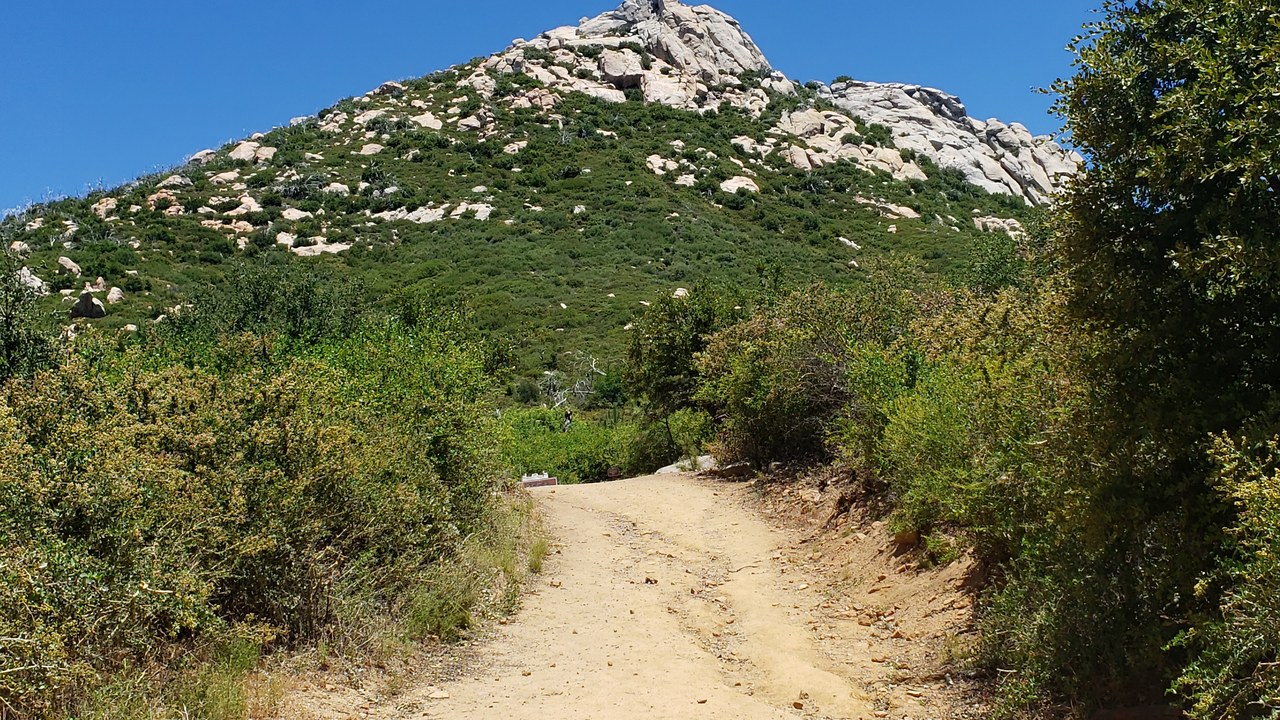
California’s verified mountain lion attack register, the Fish and Wildlife attack table, lists two attacks at Cuyamaca State Park: a 10-year-old girl injured in September 1993 and a 56-year-old woman killed in December 1994.
The register covers 28 verified attacks statewide since 1890, six of them fatal, so a single park in San Diego County accounting for two entries stands out. Both incidents fell within 15 months of each other, and the table remains a useful check on how rarely, but how concretely, mountain lion encounters happen.
7. Whiting Ranch Wilderness Park: Three Entries at One Park
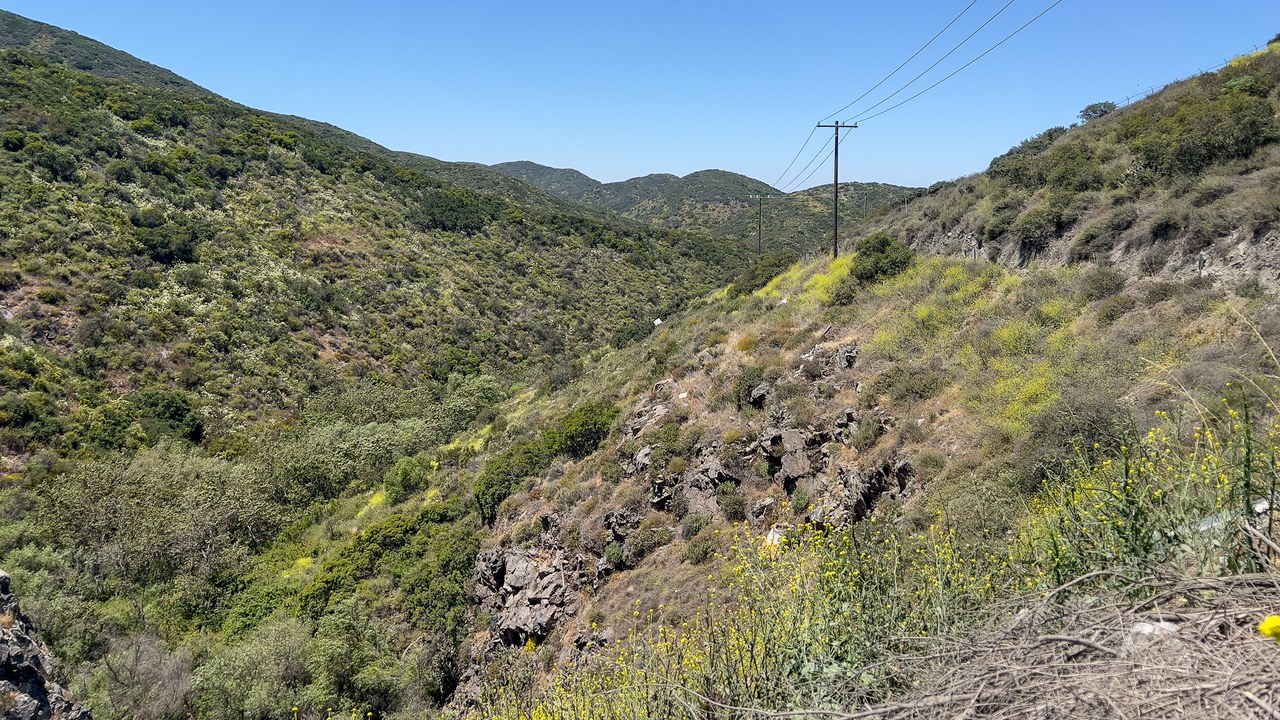
The state mountain lion register records three attacks at Whiting Ranch: a 35-year-old man killed and a 30-year-old woman injured in January 2004, and a 3-year-old boy injured in January 2020.
Three of the 28 verified attacks in the state’s register are tied to this one park in Orange County, and the 2020 entry shows the risk persisted 16 years after the fatal 2004 incident. The park sits at the edge of suburban development, so the entries reflect wildlife habitat meeting everyday recreation.
8. Hilton Head Island, South Carolina: Fourth of July Fatality
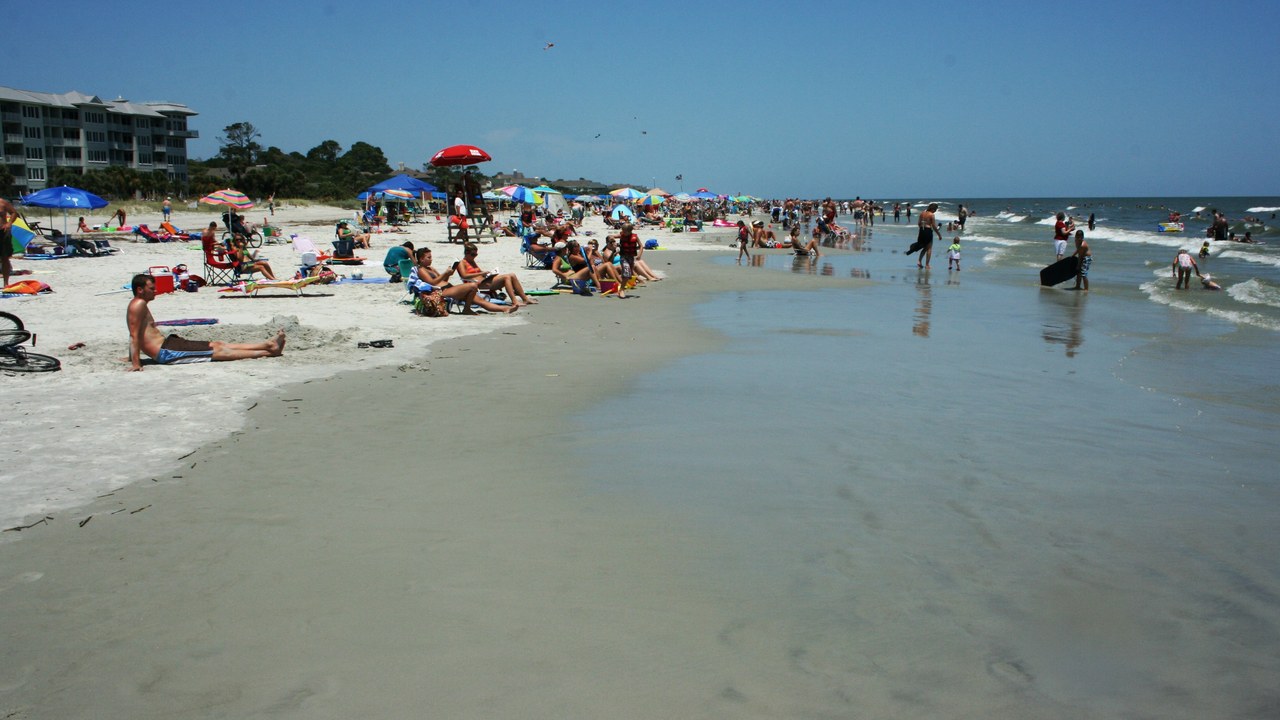
An alligator killed Holly Jenkins, 69, on July 4, 2023, at Hilton Head Island, South Carolina, one of the entries in the fatal alligator attack list.
The death happened on a barrier island known for resorts and residential communities, a setting where freshwater ponds and tidal waters sit close to ordinary daily activity. The case shows that alligator risk in the Lowcountry is tied to everyday neighborhoods and holiday weekends, not only to wilderness refuges or swamps.
9. Myrtle Beach, South Carolina: Coastal Carolina Gator

An alligator killed Michael Burstein, 75, on June 24, 2022, in the Myrtle Beach area of South Carolina, according to the list of fatal alligator attacks.
Myrtle Beach is best known for its oceanfront and boardwalk, yet its surrounding freshwater ponds, golf-course lakes and waterways hold alligators. The entry sits in the same record as the 2023 Hilton Head death, so the Carolina coast accounts for two documented fatalities within a little over a year of each other.
10. Lake Kissimmee: Tiger Creek
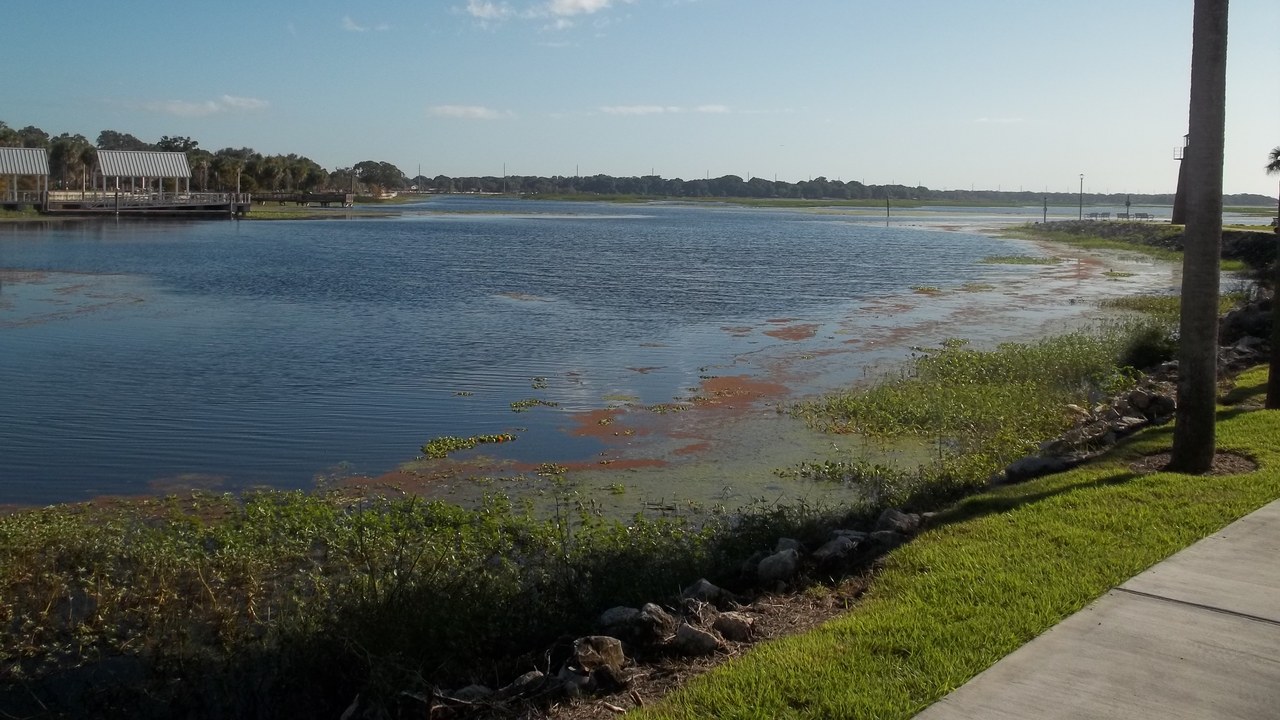
An alligator killed Cynthia Diekema, 61, in Tiger Creek near Lake Kissimmee in Polk County, Florida, on May 6, 2025, as recorded in the fatal alligator attack record.
Florida has kept alligator attack records since 1948, and the lake and its connected creeks sit in the central part of the state, far from the coasts most visitors picture. The date falls in early May, at the start of the warm months when the animals grow more active, so shorelines and creek banks deserve distance.
11. New Orleans: A Canal in the City

An alligator killed 12-year-old Bryan Vasquez, who was found in a canal in New Orleans on August 14, 2025, an incident listed in the fatal alligator attack list.
The entry places the danger inside a major American city, where canals, drainage channels and the water around Lake Pontchartrain sit within reach of neighborhoods. The victim was a child, and the case shows that an urban waterway in Louisiana can be a place of real risk, not only the bayous outside the city.
12. Everglades National Park: The 15-Foot Rule
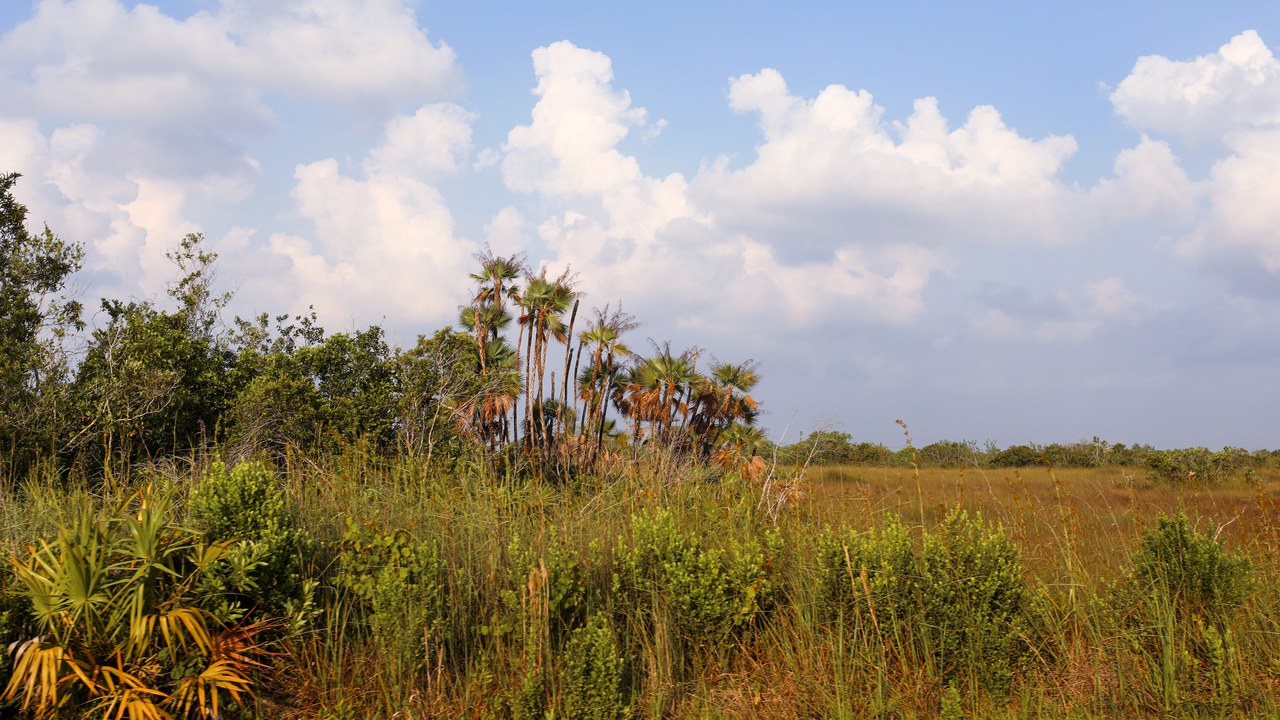
Everglades guidance in the Everglades safety page sets a minimum distance of 15 feet from alligators and crocodiles, and adds that “if an animal is hissing, you are too close, even if it is more than 15 feet.”
The wording makes the animal’s behavior, not a tape measure, the real test of distance. A hiss is a warning from the animal itself, and a photograph taken right at the edge of the 15-foot line is the situation the rule exists to prevent. The park’s warning applies equally to crocodiles in its brackish areas.
More from Morning Overview
- Verizon just moved to cut landline phone service in 9 states within weeks
- Tropical Storm Rachel is dumping up to 12 inches on four Mexican states on its way to major hurricane strength
- The NSA is again telling phone owners to switch off one location setting
- Card skimmers hidden on gas pumps and ATMs are draining accounts, and here’s the tell
