
Few backyard and garden creatures look threatening, yet several carry venom or germs that affect people in outsized ways. Government health agencies and university extension services single out specific species and explain what makes each one worth respect. Here are ten stinging, biting and disease-spreading arthropods that outdoor workers and homeowners are most likely to meet.
1. Arizona bark scorpion: Sting Can Be Life-Threatening
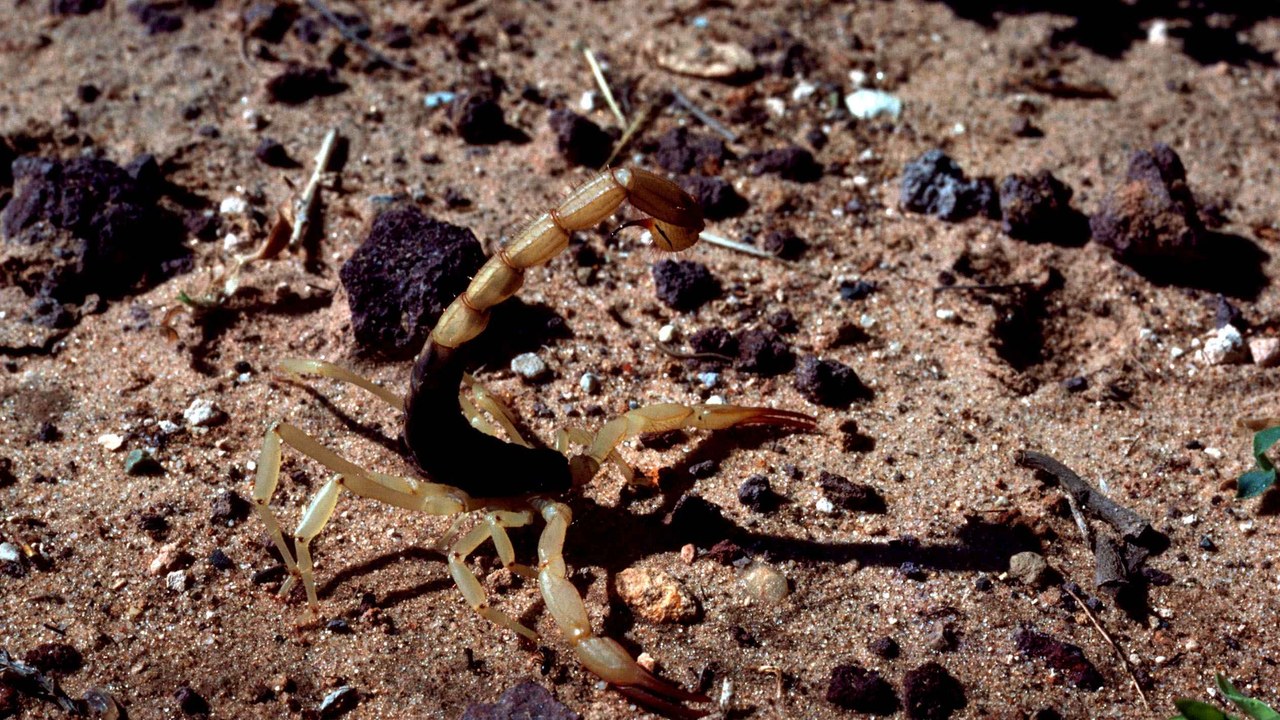
Most scorpion stings in the United States cause symptoms that fade quickly, but the Arizona bark scorpion is the exception worth knowing. According to CDC outdoor-worker guidance, symptoms usually subside within 48 hours, “although stings from a bark scorpion can be life-threatening.”
That single caveat sets this small desert arachnid apart from its relatives. Anyone working or hiking in scorpion country has reason to treat the species as more than a nuisance, and to remember that the typical two-day course does not describe every sting from this animal.
2. Red imported fire ant: Pustules and Warning Signs
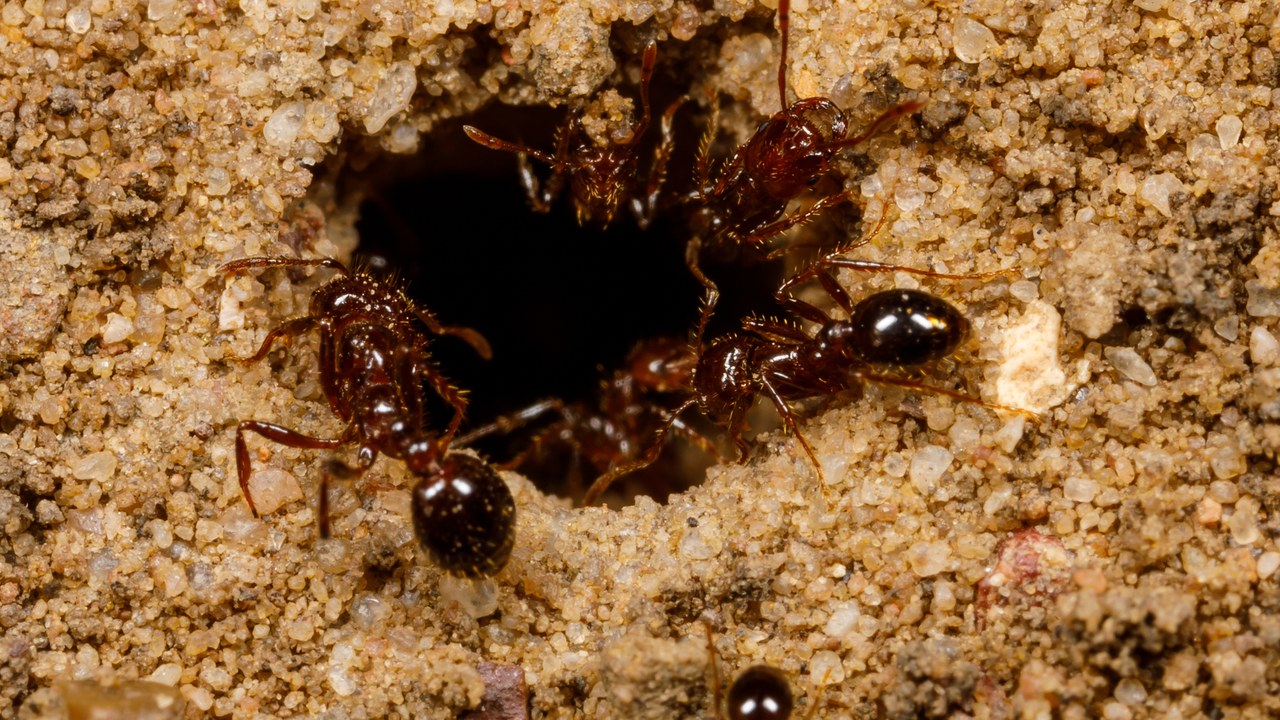
Concentrated mostly in the Southeast, the red imported fire ant leaves stings that form red bumps, which then turn into white pustules. The CDC fire ant guidance also lists severe chest pain, loss of breath or slurred speech as reasons to seek emergency care.
Those symptoms matter because they point past the usual itch and welt of a mound encounter. Outdoor workers in the region face the most exposure, and the pustules that follow a sting are a recognizable sign that the ants, rather than another pest, were responsible.
3. Western honey bee: Allergy Turns a Sting Serious
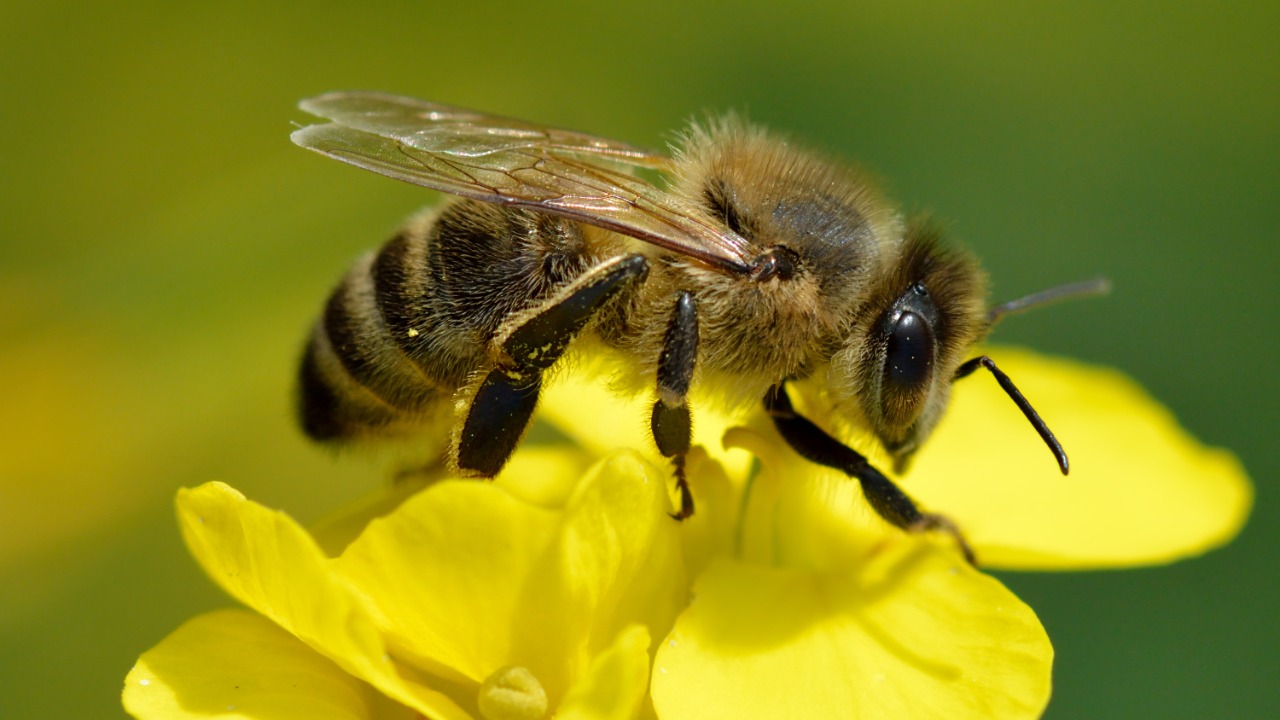
Found throughout the United States, the Western honey bee is usually a minor stinger, yet for people allergic to its venom a single sting can trigger anaphylaxis. The CDC insect sting advice says that reaction requires immediate emergency care.
The danger therefore lies with the person stung, not the size of the insect. Because the species is so widespread, allergic individuals can meet it almost anywhere, from flowering gardens to work sites, which makes the allergy itself the thing that decides how serious a sting becomes.
4. Paper wasp: Nests in Ordinary Places
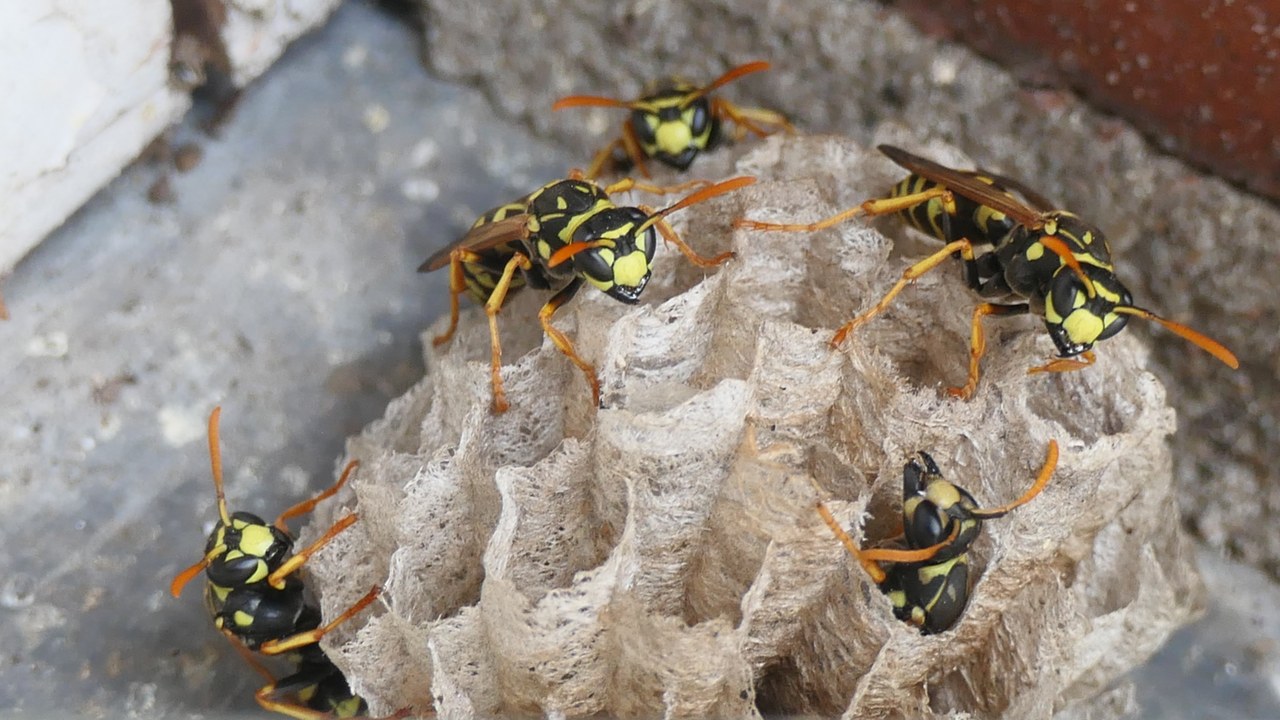
Paper wasps build nests where people least expect them: in trees, under roof eaves and even on ladders, as the CDC wasp nest warning points out. Those spots put the insects within easy reach of anyone climbing, trimming or repairing something outdoors.
The same anaphylaxis risk applies here as with bees, so an allergic person who disturbs a nest faces the danger the agency describes. Checking a ladder or eave before using it is a small habit that follows directly from where the wasps are known to settle.
5. Black widow spider: Red Mark Below, Pain Spreading
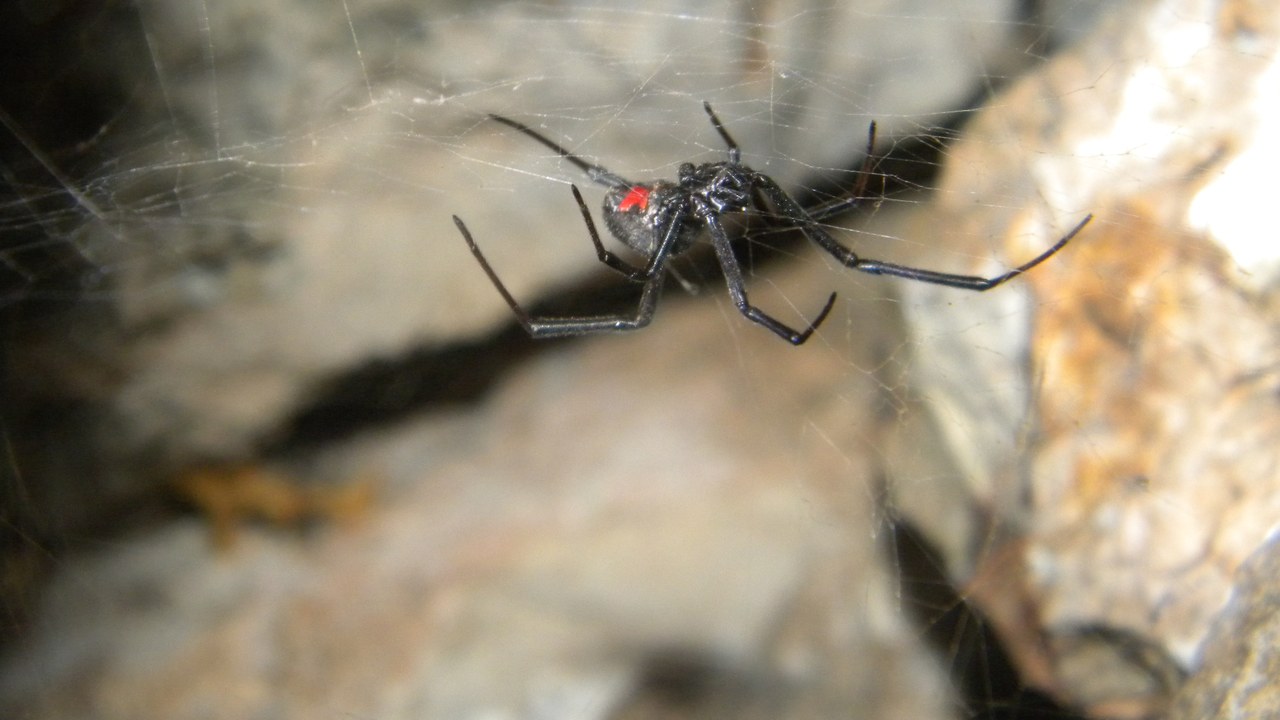
The black widow carries a recognizable sign: red coloration on the underside of its abdomen. Its neurotoxic venom is the concern, and CDC spider venom details describes pain that begins at the bite and spreads through the body.
That spreading pain is what separates a widow bite from an ordinary local sting. Because the red marking sits underneath, a spider caught in the open may not show it at a glance, so the identifying feature is easy to miss on a quick look.
6. Brown recluse spider: Violin Mark and Six Eyes
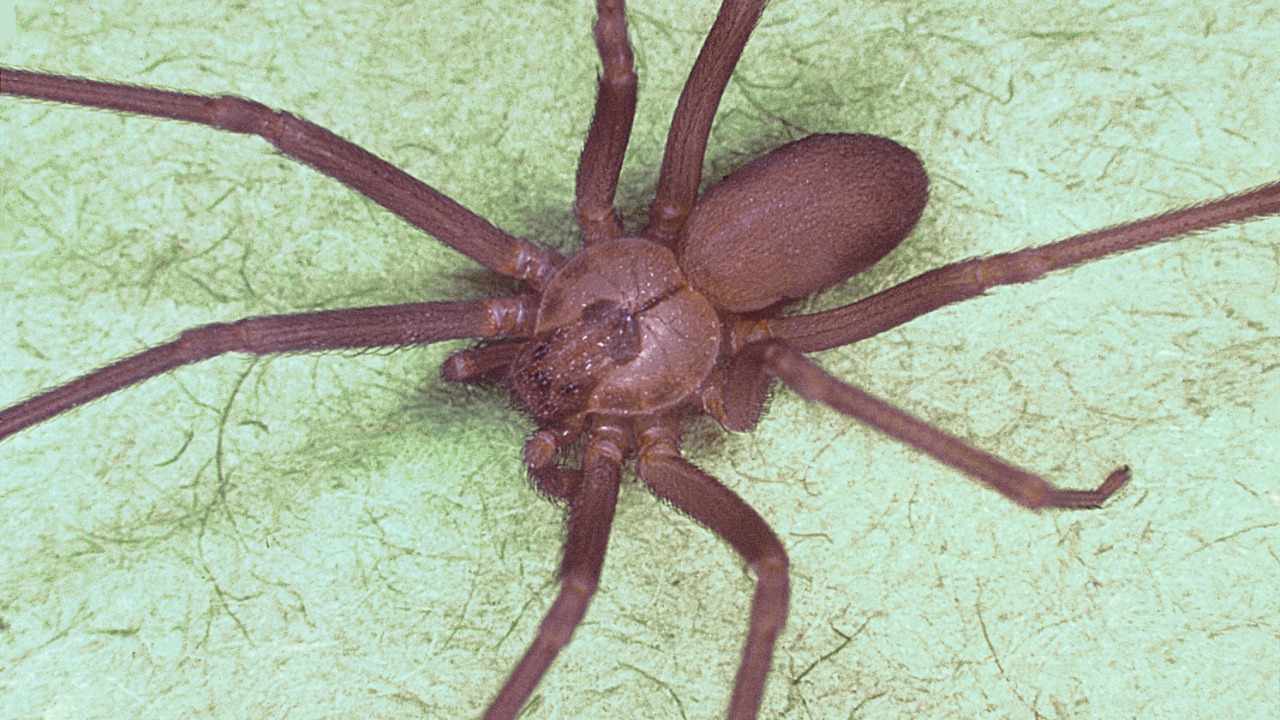
Two features identify the brown recluse: a dark violin-shaped marking and six eyes in place of the usual eight. Per the CDC venomous spider page, its venom can destroy skin tissue, a condition called skin necrosis, and a bite needs medical attention.
The eye count is a detail few people will check on a live spider, but it explains why the species is singled out among household arachnids. The source treats its bite as a case for professional care, not for waiting to see what develops.
7. Kissing bug: Spreader of Chagas Disease
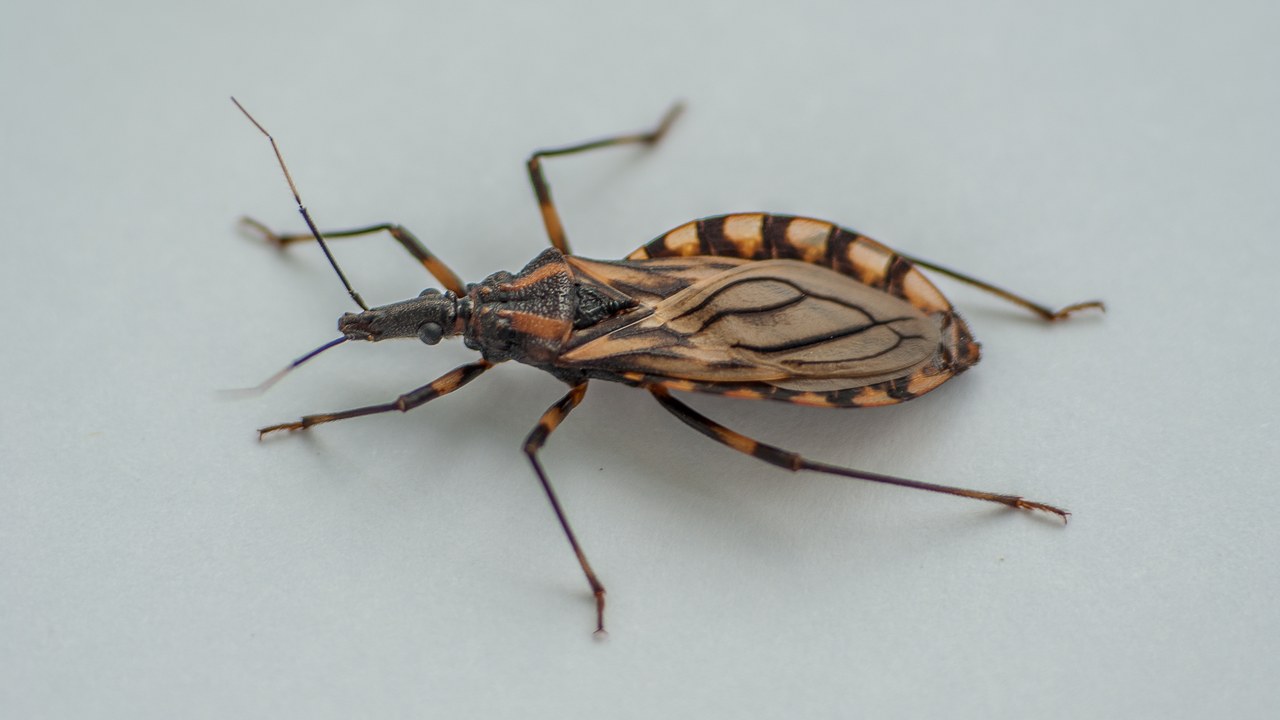
Triatomine bugs, nicknamed kissing bugs, spread the parasite behind Chagas disease, and the CDC Chagas overview estimates that 280,000 people in the United States have it. Many of them are unaware of the infection.
The insect itself draws less concern than the quiet illness it can pass along. That an estimated quarter-million-plus Americans carry the parasite, often without symptoms they recognize, is the main reason this bug earns a place among the animals worth knowing about. The figure also shows how a bug that seldom draws attention can leave a lasting public health footprint.
8. Saddleback caterpillar: Spines That Burn Like a Bee
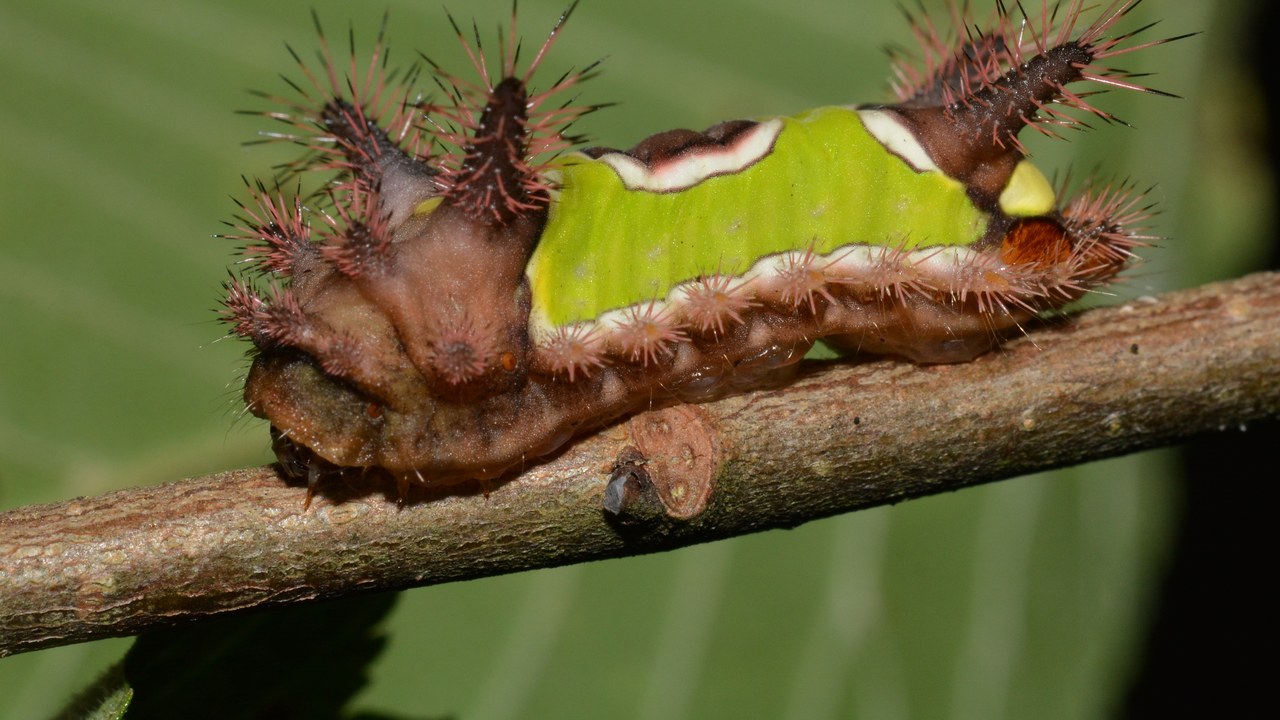
Marked by a green “saddlecloth” over a purplish-brown saddle, this caterpillar carries spines that break off and inject poison. The University of Maryland Extension profile compares the burning sensation to a bee sting.
The bright pattern works as a warning, and the detachable spines explain why a brush against a leaf can hurt. Shrubs and trees are where the larva feeds, so gardeners and landscapers are the people most likely to run into it by accident. The poison, in short, is delivered by contact, with no need for the caterpillar to bite anyone.
9. Puss caterpillar: Soft Look, Poisonous Hairs
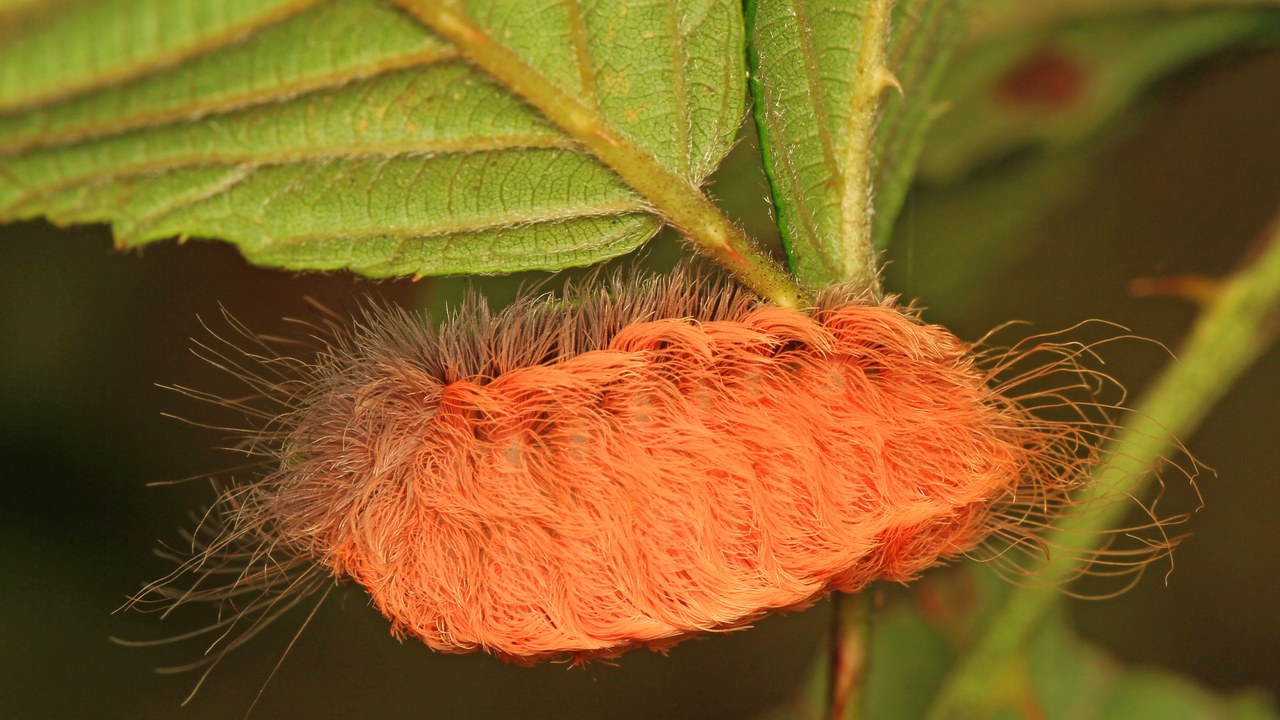
About an inch long and furry, gray to reddish brown, the puss caterpillar looks as gentle as its name suggests. University of Maryland Extension notes, however, that its hairs inject poison that inflames the skin.
Appearance is the trap here: the fuzz that invites a touch is the delivery system. The extension source stresses the contrast between the harmless look and the irritating reality, a useful reminder that a soft-looking larva on a shrub is best left alone. Its modest size, around one inch, makes it easy to overlook among the leaves.
10. Io moth caterpillar: Bright Stripes, Stinging Spines
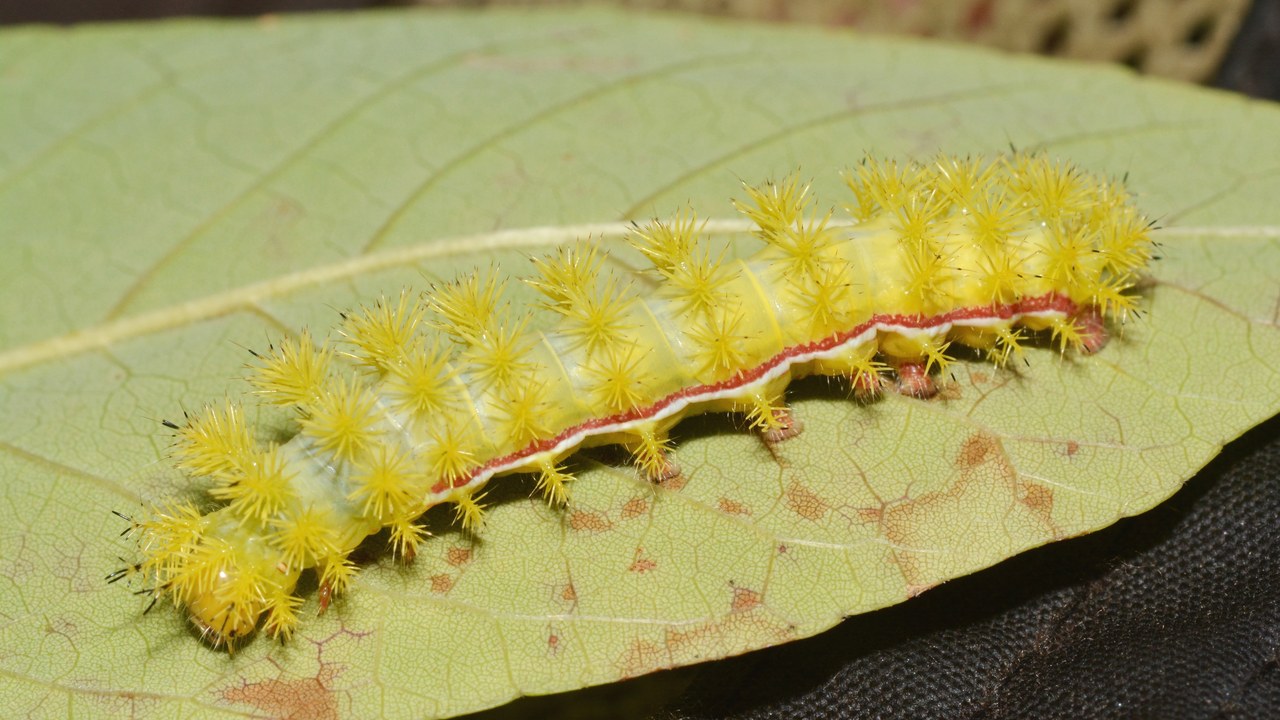
Bright green with red and white stripes, the Io moth caterpillar grows to roughly 2 1/2 inches and wears four rows of short stinging spines, according to a University of Maryland Extension guide.
Its colors announce that the spines are not decorative. Since the larva is larger than several other stinging species on the list, it is easier to spot, and the vivid striping offers a clear visual cue for anyone who wants to avoid contact with the spines. Handling it for a closer look is the situation the warning coloration is meant to discourage.
More from Morning Overview
- The NSA is again telling phone owners to switch off one location setting
- Card skimmers hidden on gas pumps and ATMs are draining accounts, and here’s the tell
- Hurricane Hunter radar shows four warning signs that a tropical cyclone is about to strengthen, a University of Miami study found
- NTSB report details how a family of four died when their plane’s nose suddenly pitched up
