
UNESCO keeps a danger list of World Heritage properties facing serious threats, and it currently names 58 of them. The entries range from American wetlands to Saharan mosques, Ukrainian cathedrals and Asian rainforest. Here are eleven of those places, with the reason each one is on the roster.
1. Everglades National Park: Wetland on the Watch List
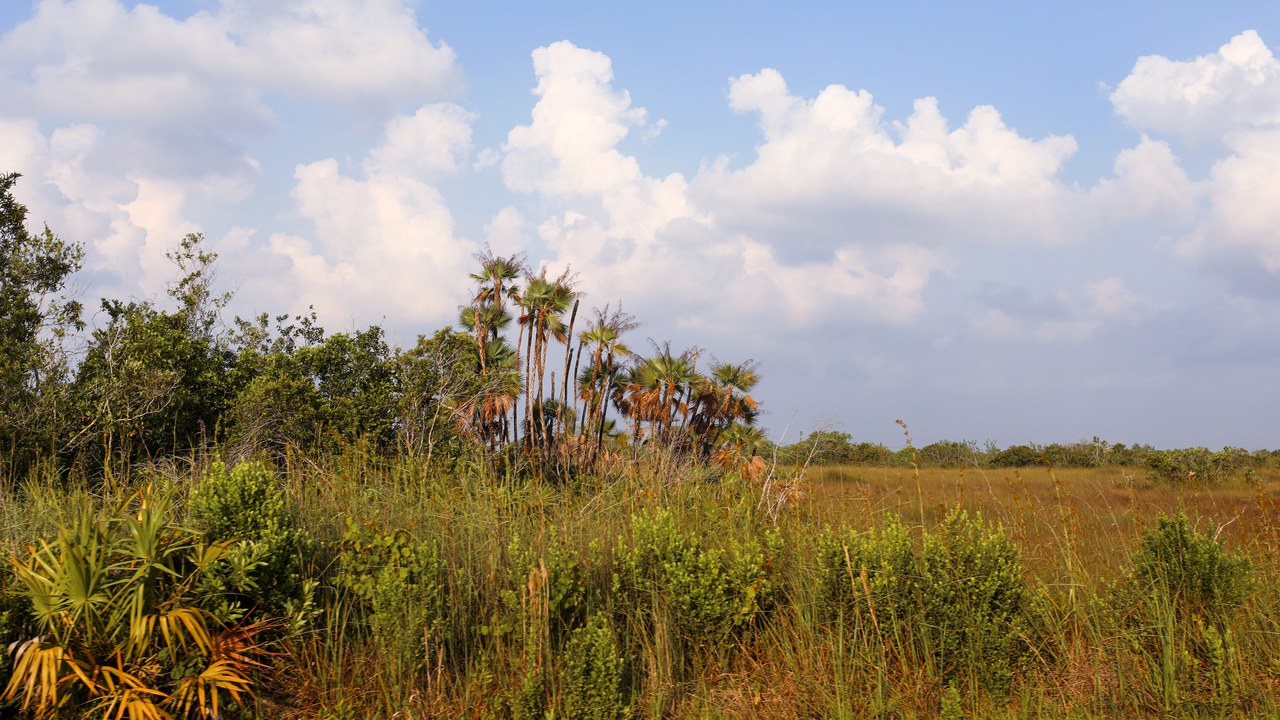
Florida’s great river of grass joined the danger roster in 2010, and the UNESCO danger list entry counts it among 58 properties the World Heritage Committee has flagged there. Its presence shows the designation reaches well beyond war zones, touching a famous American wilderness as well.
Sawgrass prairie, hardwood hammocks and alligators make the park a headline name in North American conservation, so the label carries weight for anyone planning a visit. A listing works as a warning and a call for corrective action, not as a ban on entry.
2. Chan Chan Archaeological Zone: Adobe Capital Under Erosion
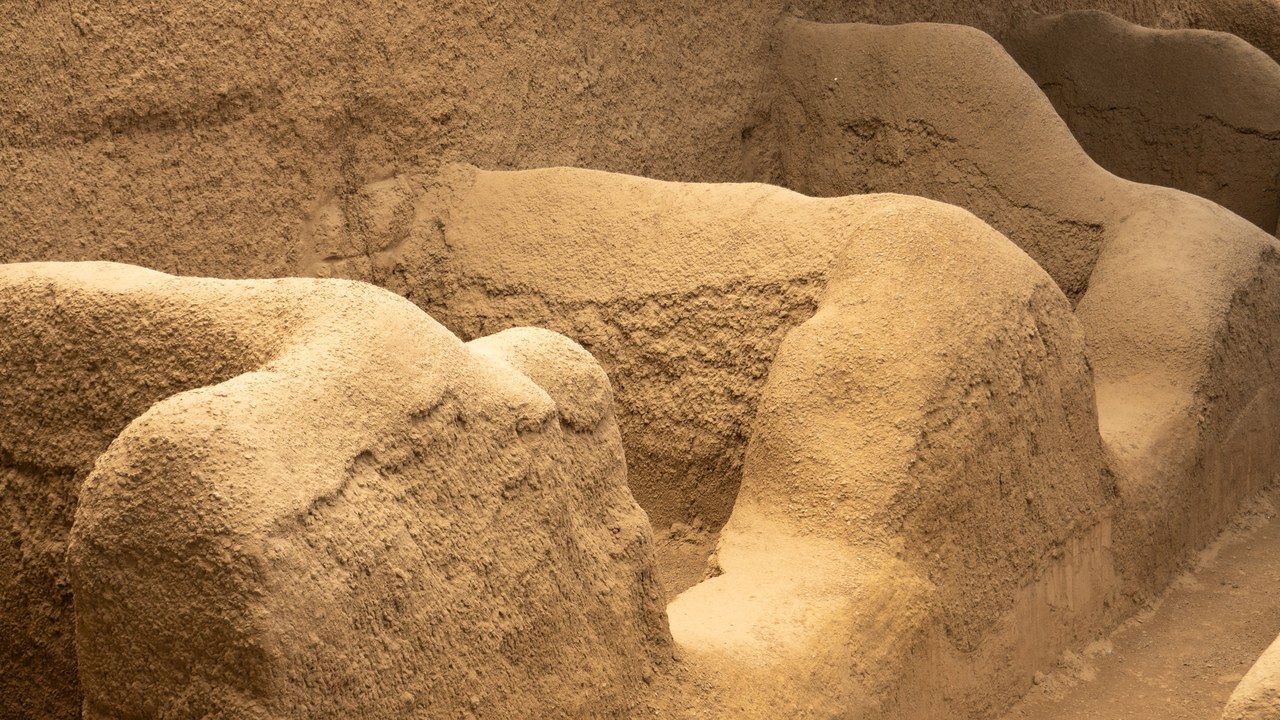
Peru’s vast adobe city has sat on the danger list page since 1986, with natural erosion named as the threat. Built from earth rather than stone, its walls are exposed to the weather that slowly wears them away.
Few places show so plainly how a masterpiece of mud-brick architecture can last for centuries and still remain fragile. Visitors to the coastal ruins see a site where conservation is a constant race against the elements, under a protective listing now running for decades.
3. Timbuktu: Mud Mosques in Peril
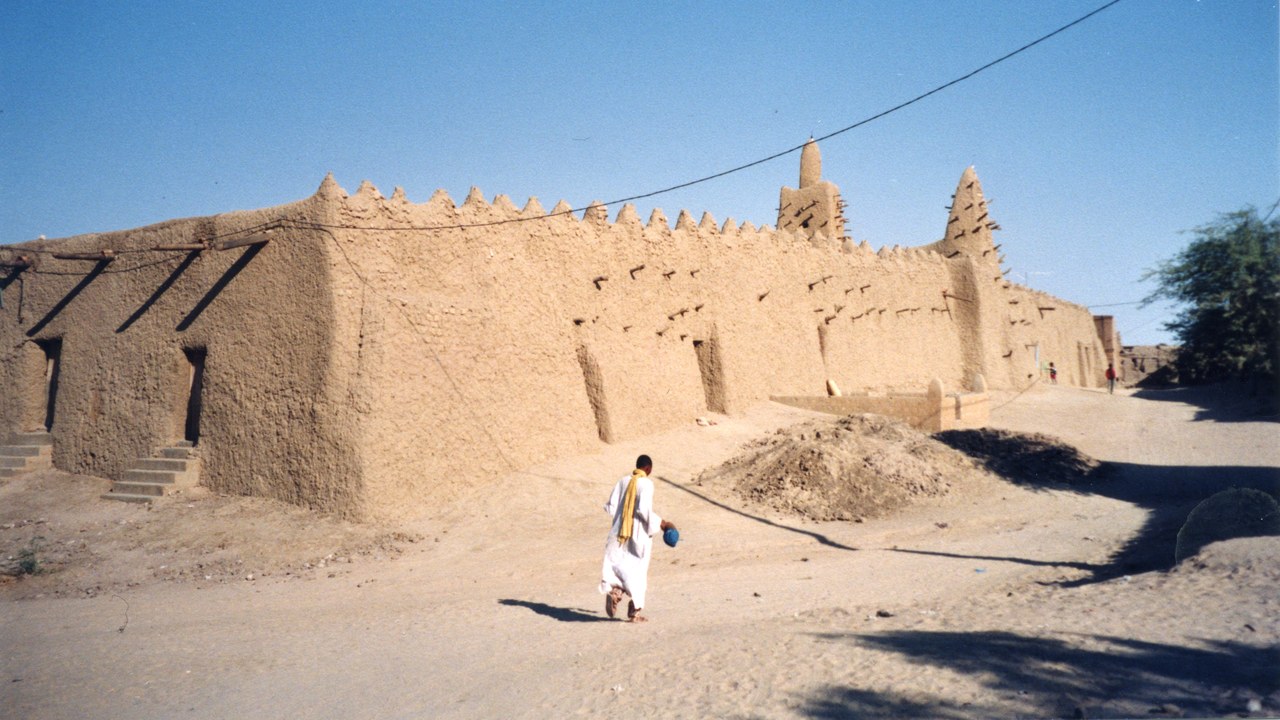
Mali’s desert city of mud mosques went onto the UNESCO’s danger roster in 2012. Its earthen religious buildings are among the most recognisable structures of the Sahel, which made the listing a prominent heritage alert.
Earthen architecture depends on regular upkeep by the communities around it, so protection here is as much about local access and stability as about funding. For travellers and scholars, the status marks one of Africa’s best-known cities as a place needing sustained care.
4. Saint Sophia Cathedral, Kyiv: Gold Domes Under a Warning
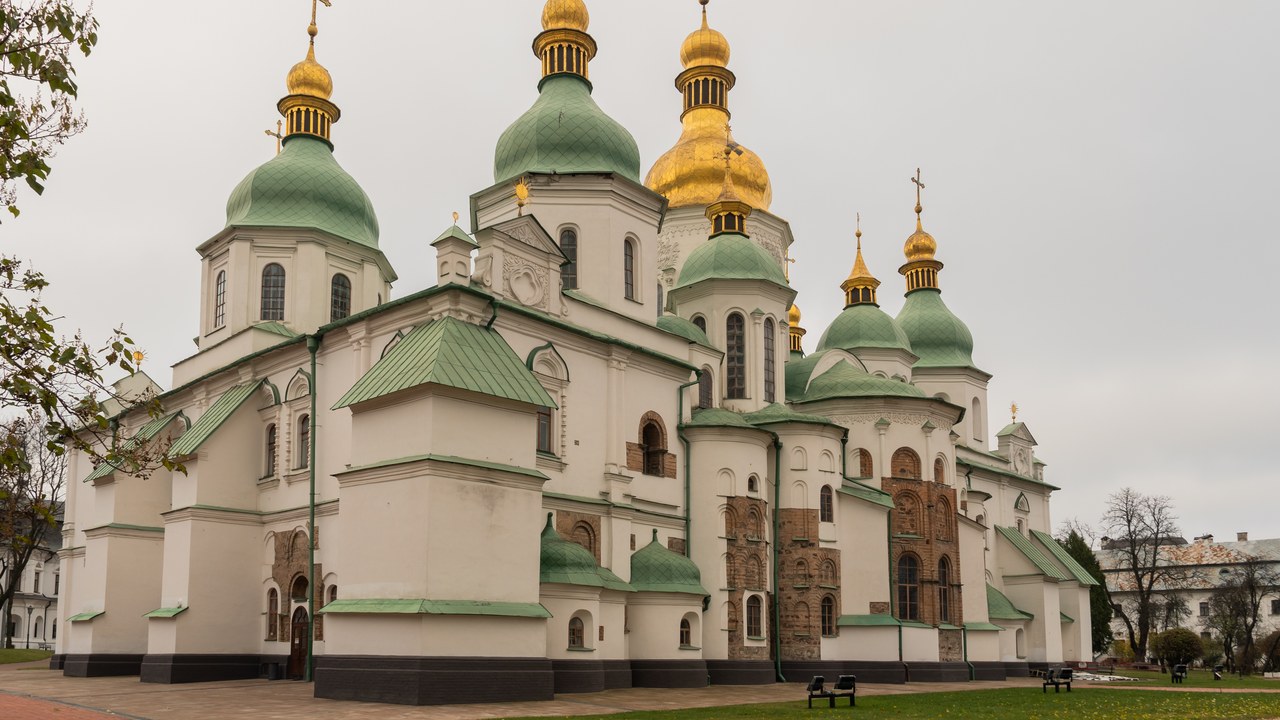
Kyiv’s Saint-Sophia Cathedral and the Kyiv-Pechersk Lavra were put on the danger list decision in 2023. The decision ties two of the Ukrainian capital’s best-known religious complexes together under a single emergency designation.
The cathedral’s green and gold domes make it a skyline icon, which helps explain the attention the decision drew. The status opens the way to international assistance and monitoring, though a listing alone cannot shield buildings from the circumstances that prompted it.
5. Historic Centre of Lviv: An Old Town Since 1998
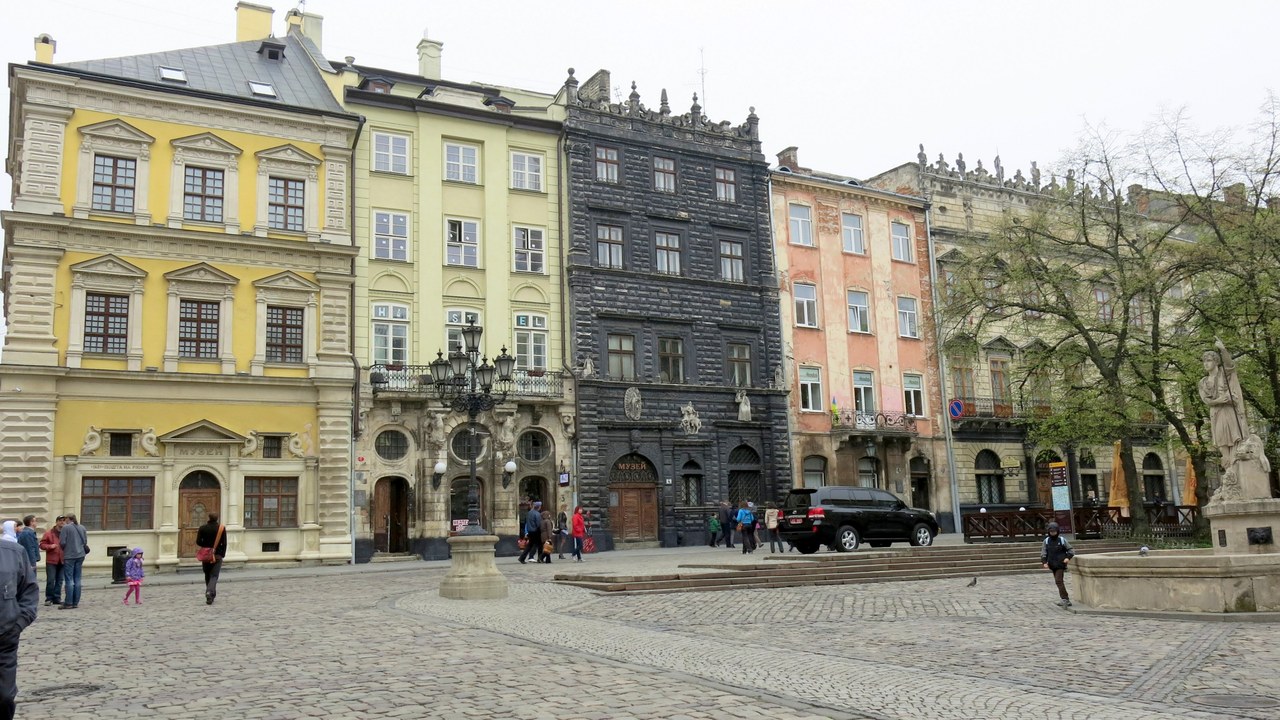
Inscribed as World Heritage in 1998, Lviv’s old town has stood on the danger list from 2023 to the present, according to the UNESCO listing record. A quarter century separates the honour from the alert.
The shift shows how a city valued mainly for its architecture can move into emergency territory. Cafe-lined squares and church spires remain the draw, but the status adds a reminder that protecting the historic core now carries a heavier burden.
6. Historic Centre of Odesa: Black Sea Port at Risk
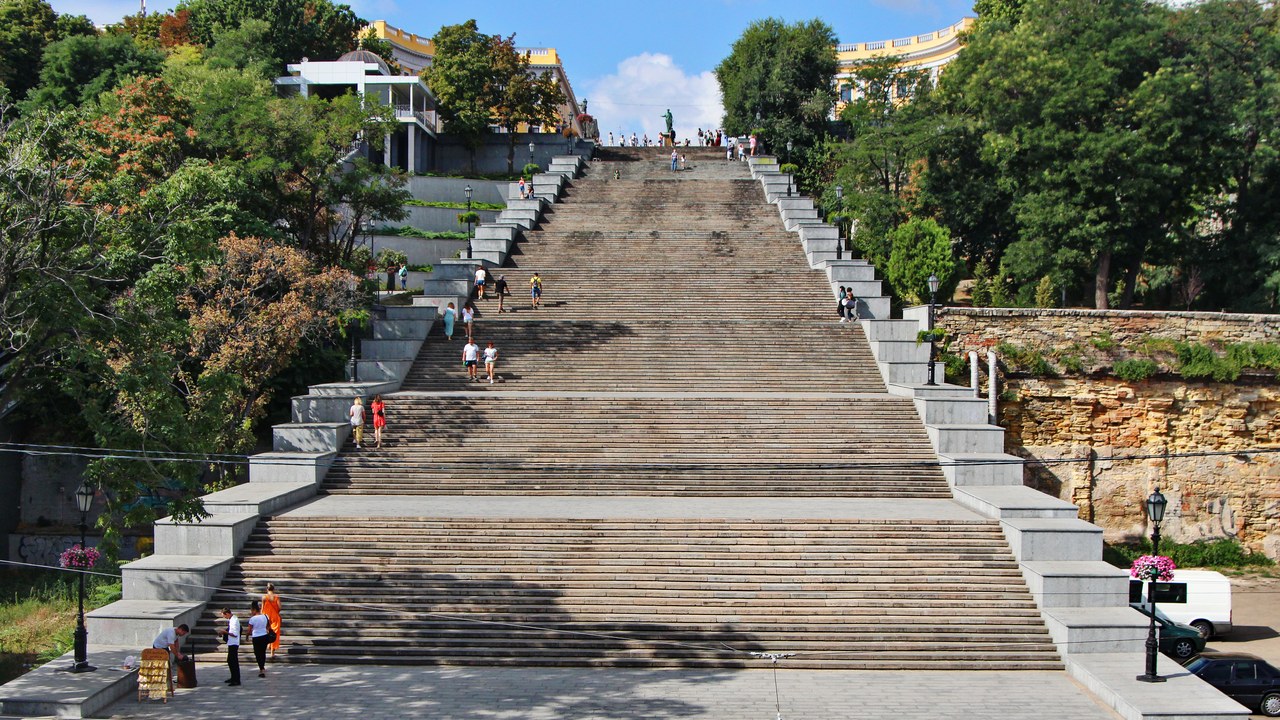
Odesa’s historic centre is listed in danger because of the Russo-Ukrainian War, as the list of endangered sites records. The port city on the Black Sea thus joins other Ukrainian sites under the same label.
The designation can focus international attention and technical aid on a place known for grand boulevards and its harbour setting. Its entry also illustrates that armed conflict, rather than slow decay, accounts for many of the properties on the roster.
7. Palmyra: Desert City Marked by War
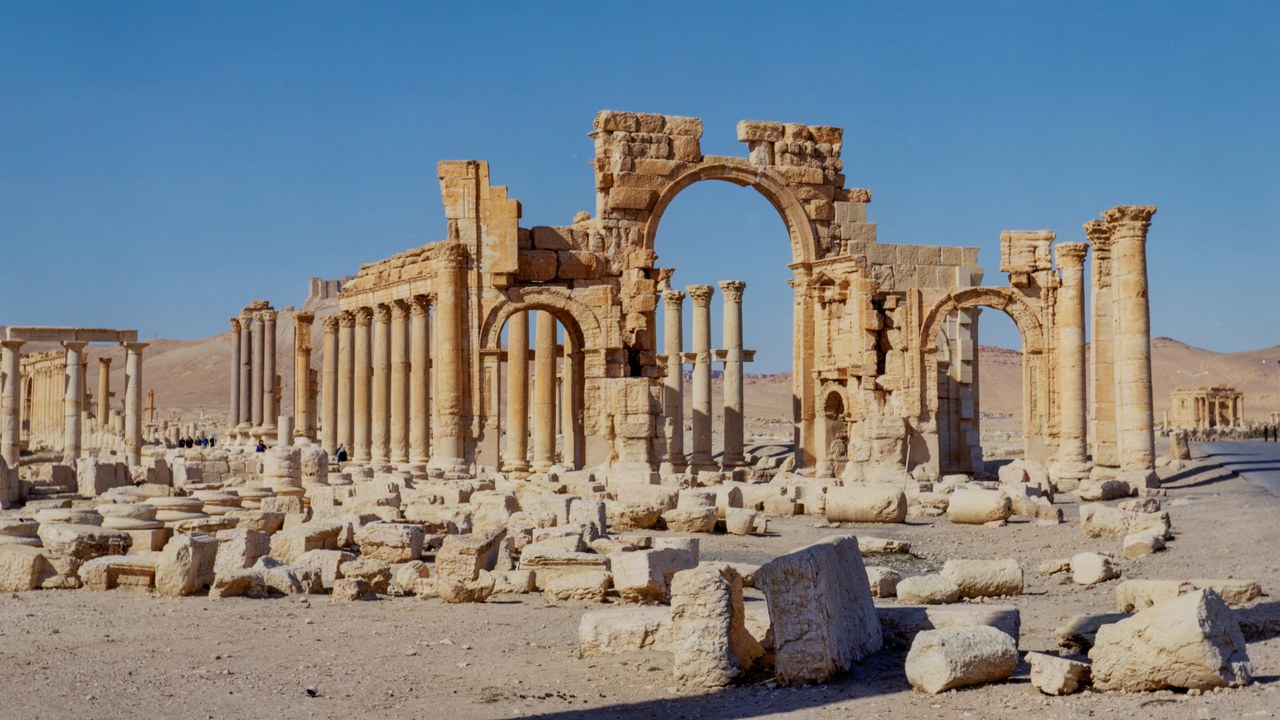
The ancient city’s danger listing cites the Syrian civil war, as the endangered heritage overview notes. Columned avenues and monumental temples rose in the Syrian desert, making it one of the best-known ruins of the classical Near East.
Palmyra shows how a site can be valued worldwide even while access to it is limited. Photographs of its colonnades remain the main way most people encounter it, which turns the listing into a prompt to recall what is at stake.
8. Citadel of Aleppo: Fortress of a Besieged City
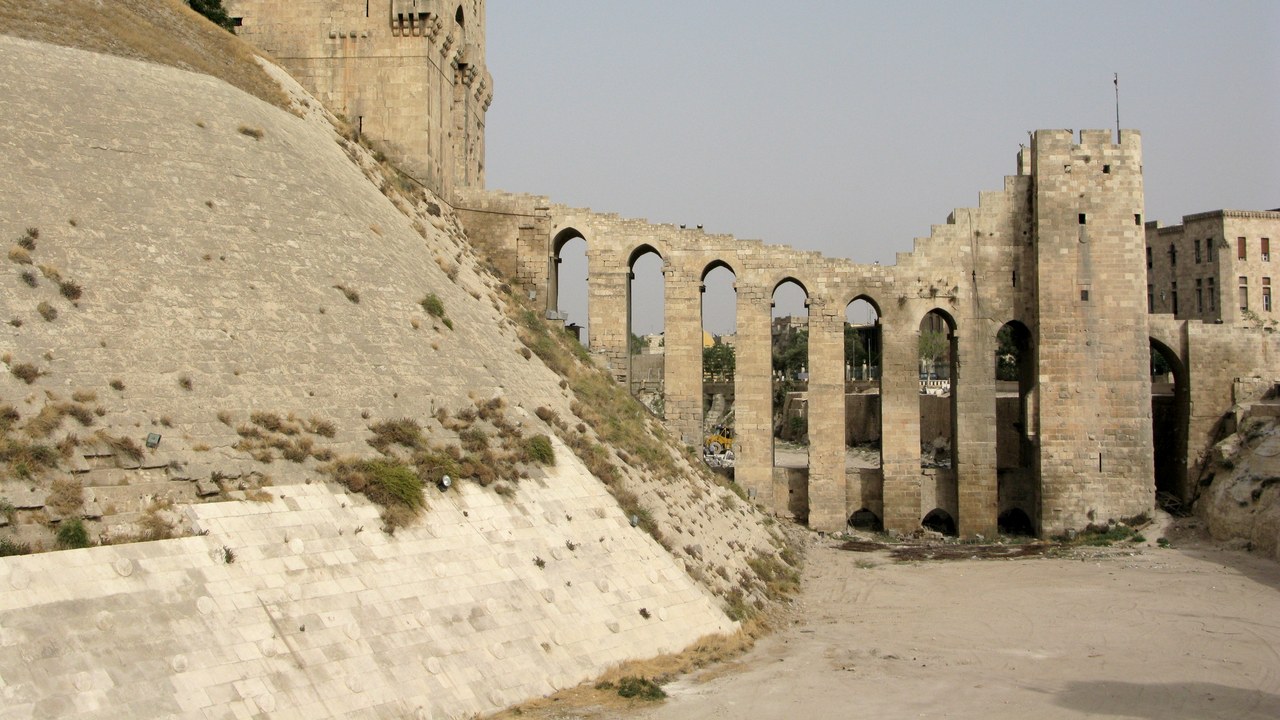
The Ancient City of Aleppo is on the danger list because of the Syrian civil war, according to the heritage danger summary. Its hilltop citadel, with sloping stone ramparts and a fortified gatehouse, anchors a historic urban core.
Few cityscapes pack so many centuries into one skyline, which explains the concern the listing reflects. It underlines that cultural heritage can be damaged by war as surely as by weather, and that recovery may take far longer than the conflict itself.
9. Tropical Rainforest Heritage of Sumatra: Jungle Under Pressure
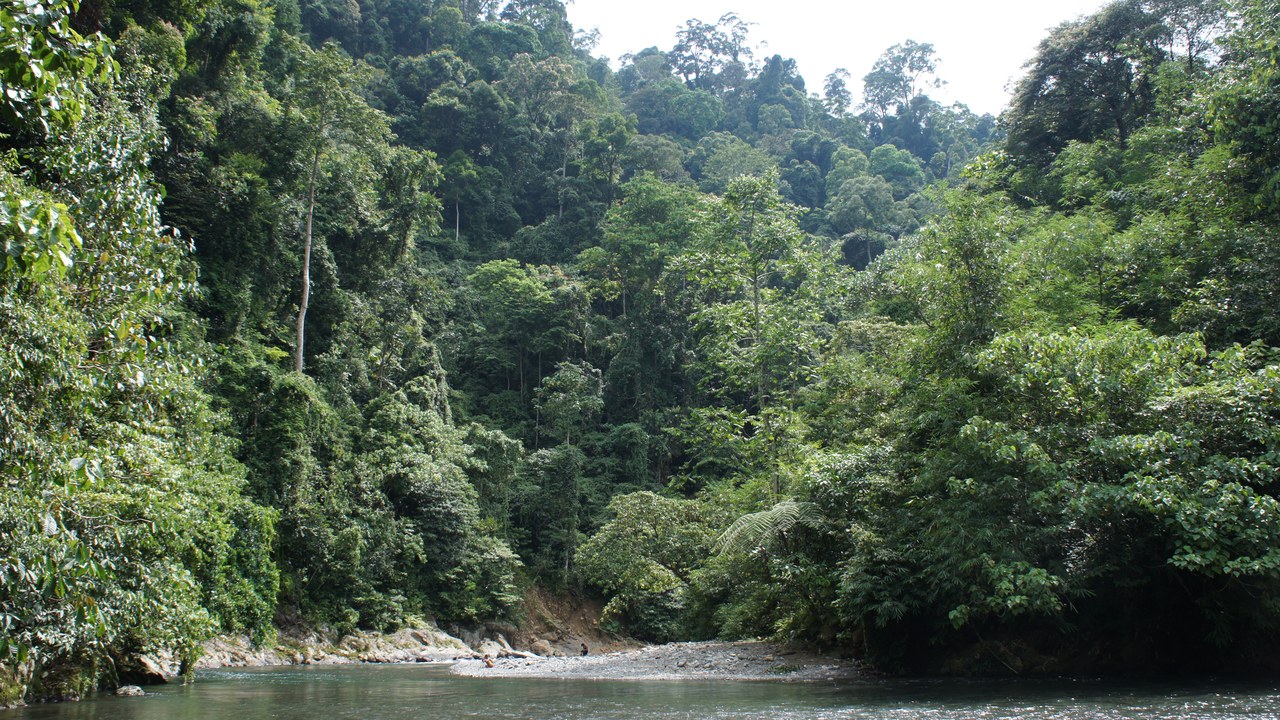
Poaching, illegal logging and agricultural encroachment endanger this Indonesian rainforest property, according to the endangered sites list. It stands out here as an entry listed for living nature rather than for monuments.
Sumatra’s forests shelter wildlife found in few other places, so every pressure on the forest edge threatens species as well as scenery. The listing frames conservation as a matter of enforcement and land use, not only of drawing protected boundaries.
10. Bamiyan Valley: Where the Buddhas Stood
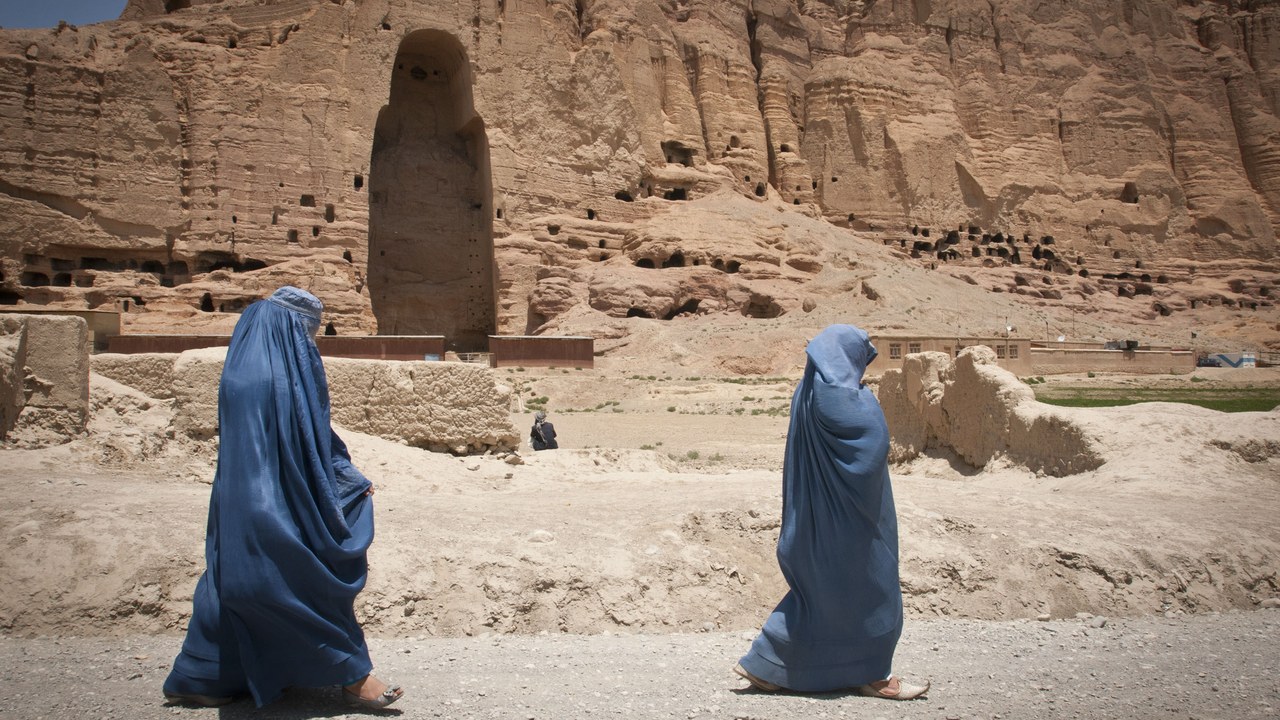
Home of the destroyed giant Buddhas, Bamiyan has been on UNESCO’s danger list since 2003, as the UNESCO danger portal confirms. Empty niches in the cliff now mark where the statues once stood.
The valley shows that a listing can follow a loss rather than prevent one. The surviving caves and the cliff itself still need protection, and the danger label keeps the site on the agenda for conservation support and monitoring.
11. Virunga National Park: Gorilla Country on the List
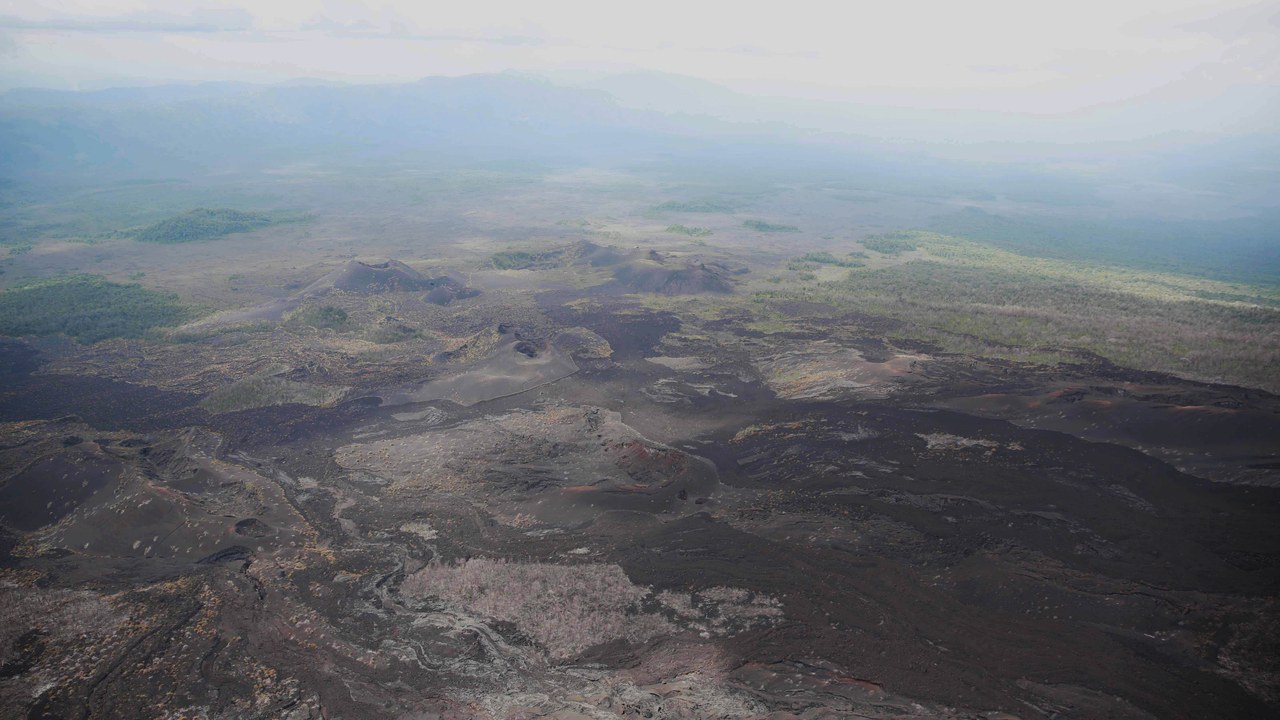
One of five Democratic Republic of Congo sites UNESCO has kept on the danger list since 1994, Virunga appears in the danger list overview. Volcanic slopes and forest define a landscape long valued for its wildlife.
Three decades on the roster speak to how persistent the pressures on the park have been. For conservation supporters, Virunga is a reminder that protection depends on local security and sustained funding rather than on a designation alone.
More from Morning Overview
- Hurricane Hunter radar shows four warning signs that a tropical cyclone is about to strengthen, a University of Miami study found
- NTSB report details how a family of four died when their plane’s nose suddenly pitched up
- Doctors warn a silent liver disease now affects one in three American adults
- Common allergy, bladder and sleep pills tied to sharply higher dementia odds
