
Federal surveys count exactly which animals take cattle and sheep, and the results are often counterintuitive. Wild canines, big cats, bears, birds and even pet dogs all show up in the tables, with very different shares of the losses. Here are nine predators ranked by what USDA numbers show they kill.
1. Coyote: Pack of One
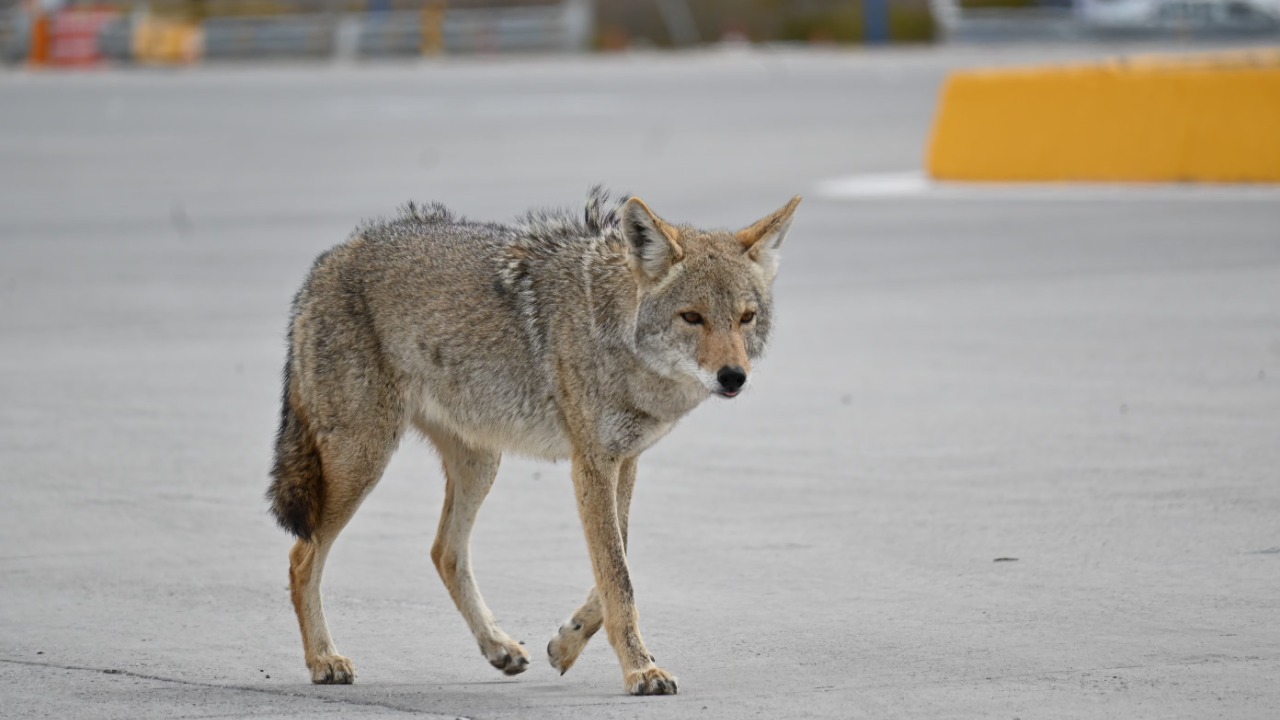
Federal tallies single out one canine as the biggest threat to US cattle herds. Coyotes caused 64.6% of predator losses among cattle and calves, about 95,000 head, the largest share in the USDA cattle predator-loss table, which put the national predator total at 147,000 head. The count reflects data for 2000 and covers predator losses only, not every cause of death.
For ranchers, the figure explains why so much depredation effort targets this adaptable animal. Calves are the usual victims, so risk concentrates in calving pastures, where night checks, guardian animals and prompt carcass removal matter most.
2. Domestic dog: The Neighbor’s Pet
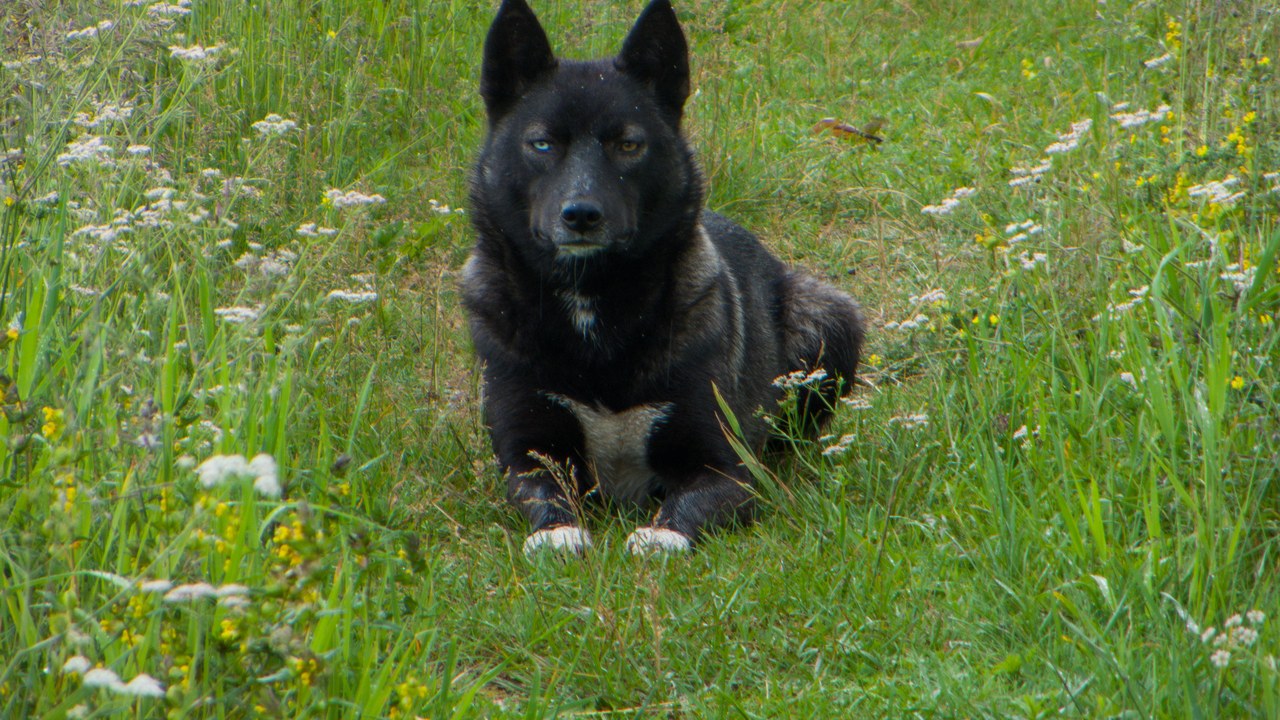
Not every livestock killer is wild. Dogs ranked second in the USDA cattle predator-loss table, responsible for 17.7% of predator losses among US cattle and calves, roughly 26,000 head. That placed them well ahead of every wild animal except the coyote, in a table that totaled 147,000 head lost.
Because the animals involved are often free-roaming pets or strays, the problem is closer to home than wilderness predation. Fencing, keeping dogs confined at night and reporting stray packs are the practical defenses, and owners can carry legal responsibility for damage their dogs cause.
3. Gray wolf: Famous but Minor
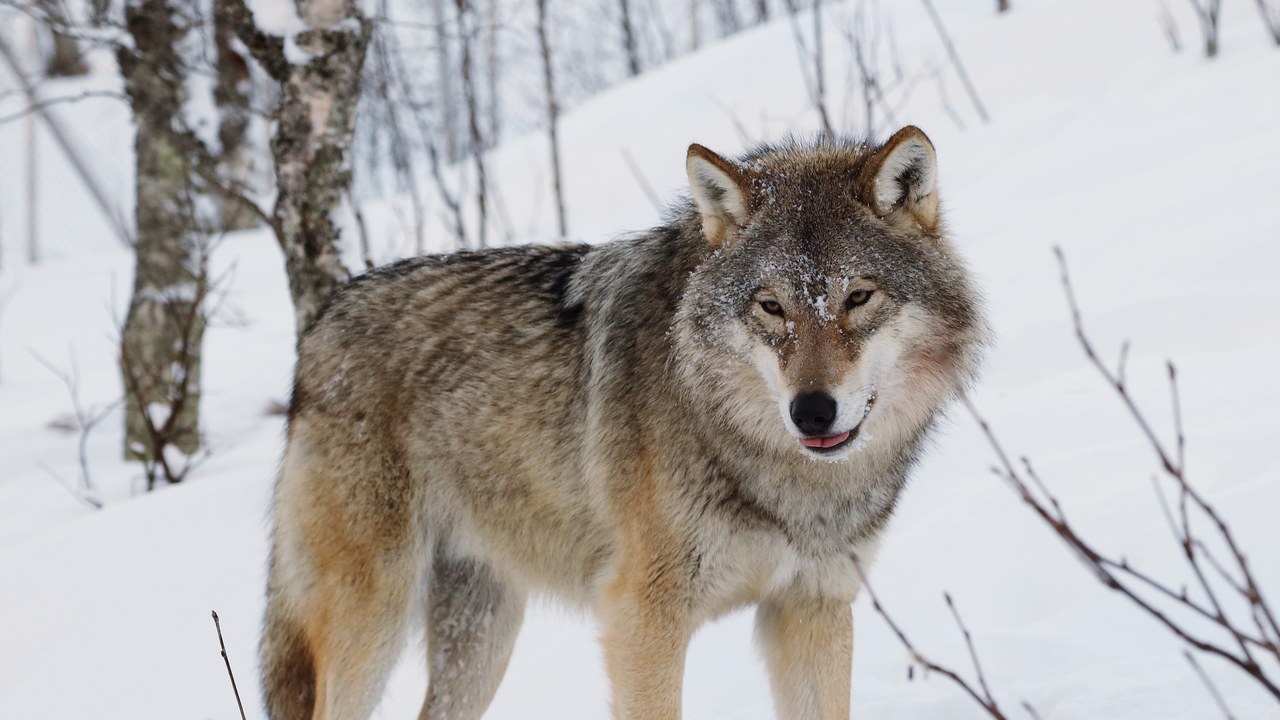
Reputation and numbers diverge sharply for wolves. Of the named predators in the USDA cattle predator-loss table, they accounted for just 1.1% of cattle and calf predator losses, about 1,600 head, the smallest named category. That sits far below the 64.6% share charged to coyotes in the same national count.
The tally does not mean losses are trivial where packs live near herds, since risk is local and uneven. It does show that, nationally, wolves are a small slice of predation on cattle, which matters when compensation and management policy are debated.
4. Mountain lion: Utah’s Sheep Problem
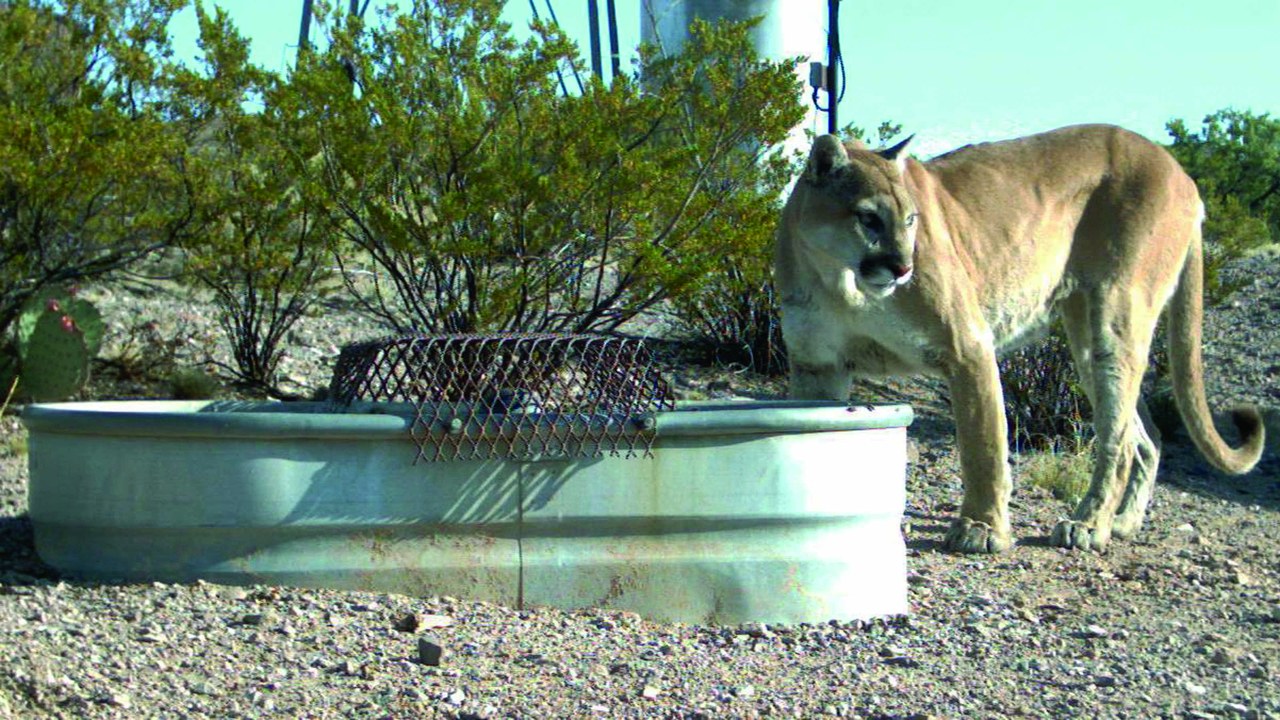
In Utah, the cat is a serious sheep killer. Mountain lions killed 5,200 sheep and lambs in 2022, equal to 11.7% of every sheep and lamb death in the state from any cause, according to the Utah sheep loss report. Total predator losses reached 32,900 head, or 73.9% of all deaths.
The comparison to disease, weather and poisoning shows how heavily predation weighs on western flocks. Producers respond with night corrals, herders, guard dogs and lambing sheds, while wildlife agencies manage lion numbers under state rules that vary widely.
5. Bear: Nearly a Match
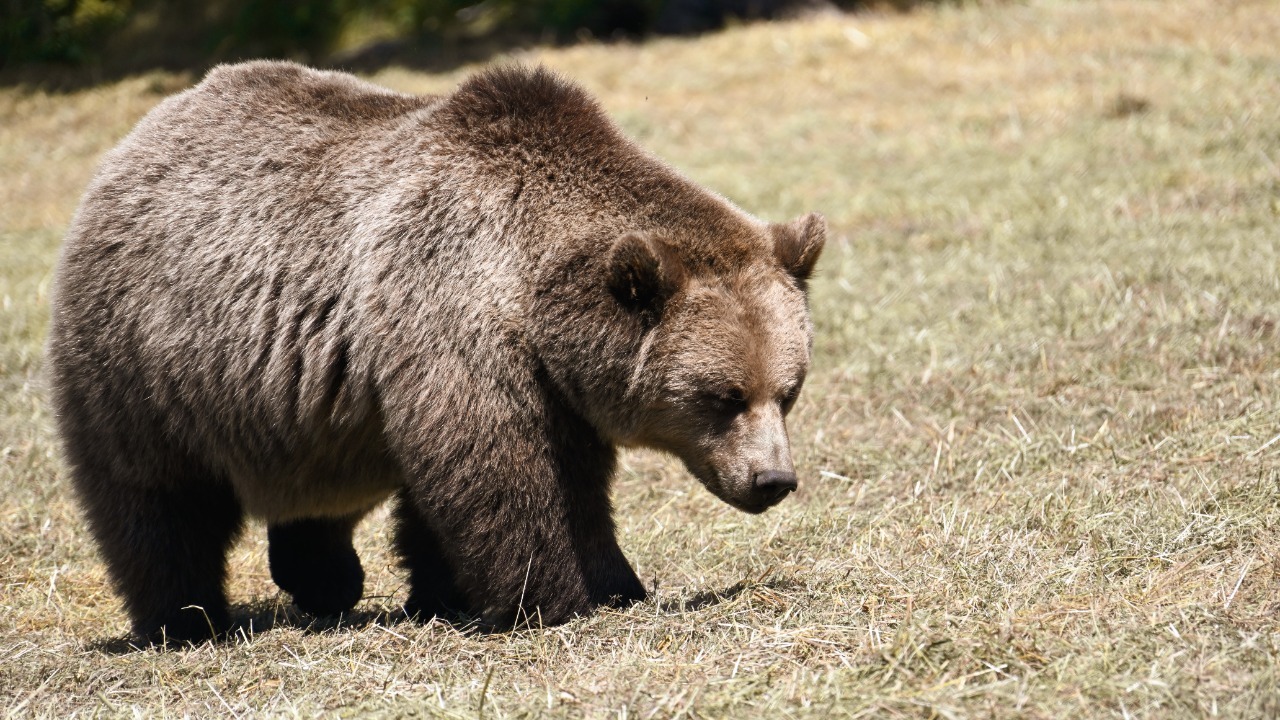
Bears are close behind in the same state. They killed 4,000 sheep and lambs in Utah during 2022, 9.0% of all deaths, according to the Utah sheep loss report, nearly as many as the 5,200 attributed to mountain lions. Only a handful of predators in the report reached that scale.
Bear damage tends to cluster around summer grazing allotments, where flocks are far from buildings and difficult to watch. Electric fencing, camp sanitation and prompt reporting help limit repeat visits, because a bear that finds sheep easily often returns.
6. Bobcat: Small Cat, Small Share
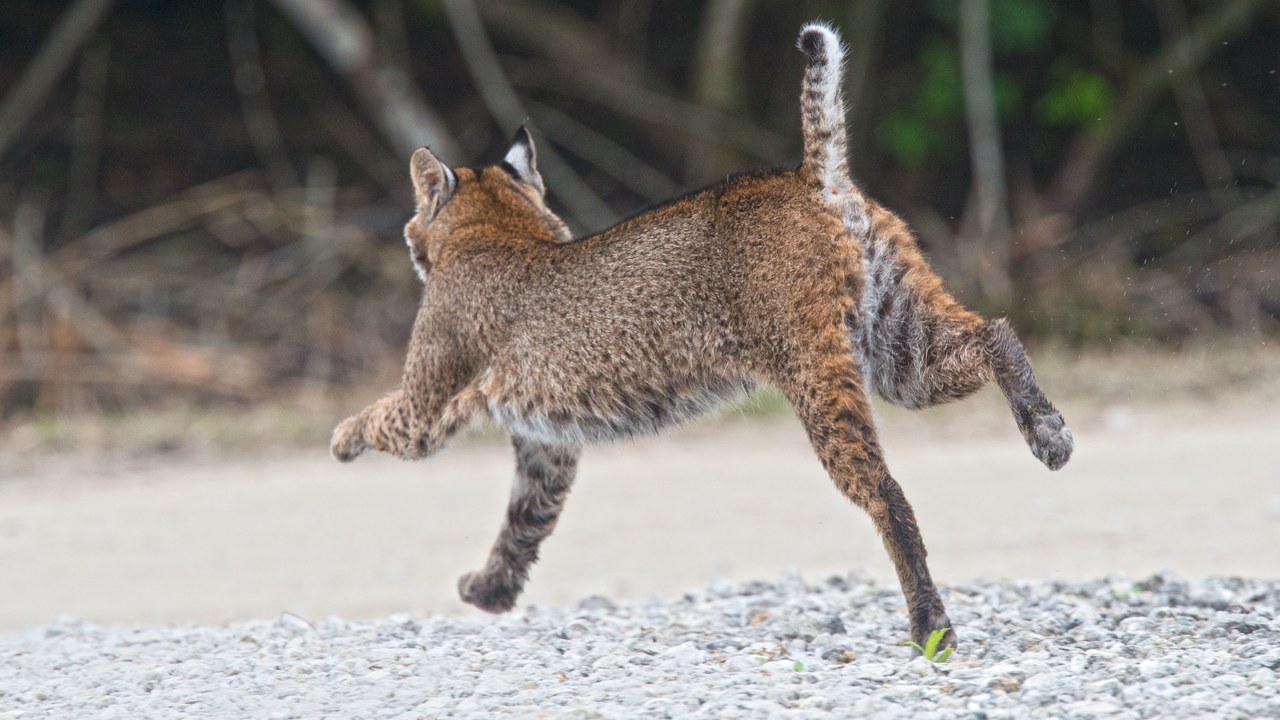
Wild cats rank low on the Utah list. Bobcats and lynx combined killed 300 sheep and lambs in 2022, just 0.7% of all deaths, according to the Utah sheep loss report. That compares with 5,200 for mountain lions and 4,000 for bears in the same release.
Adult sheep outweigh the cat by a wide margin, which helps explain the small count. Even so, a single animal can return to the same pasture, so owners secure newborns and lambing areas rather than assume that a low statewide share means a low risk on any given farm.
7. Eagle: Danger From Above
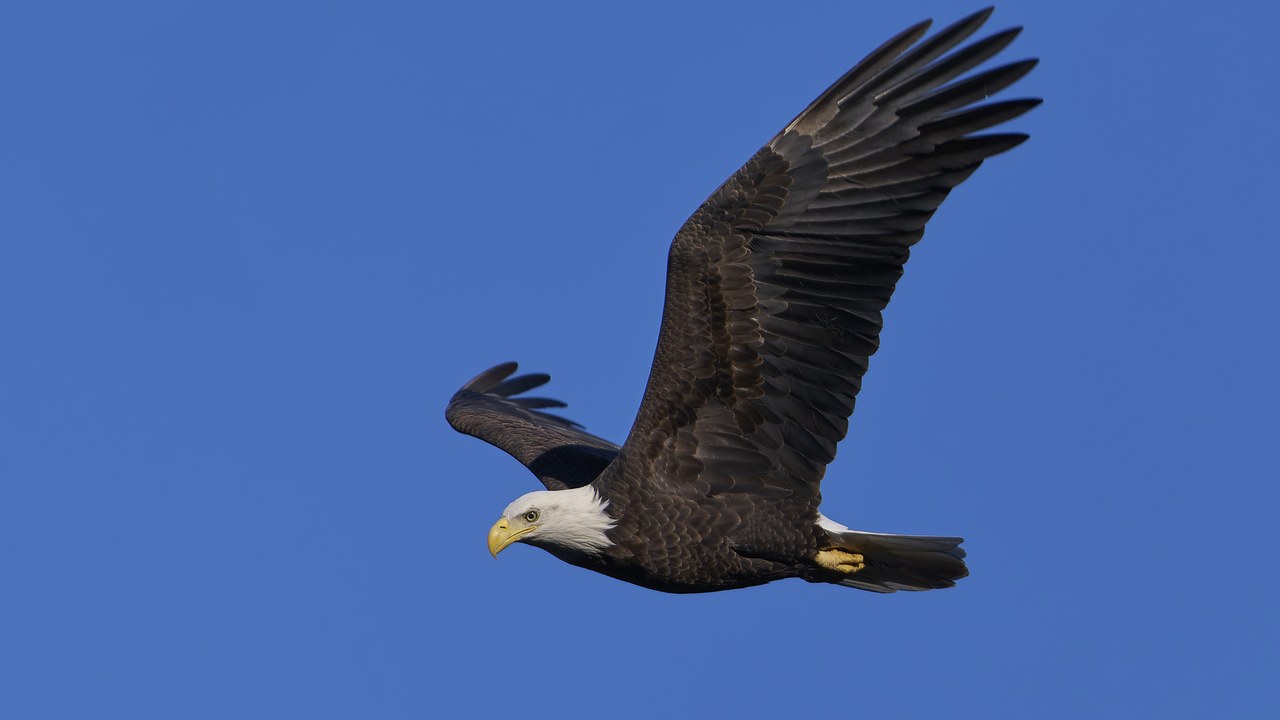
The sky supplies a surprising culprit in Wyoming. Eagles killed 3,400 sheep and lambs in 2024, 9.4% of all deaths in the state, according to the Wyoming sheep loss report, more than bears and mountain lions there combined. Total predator losses that year came to 22,400 head, out of 36,000 deaths from all causes.
Lambs are the likeliest targets because they are small enough to carry off or kill outright. Eagles are federally protected, so lethal control is not an option for producers, who rely on lambing in sheds, closer watching and nonlethal deterrents.
8. Common raven: A Bird of Opportunity
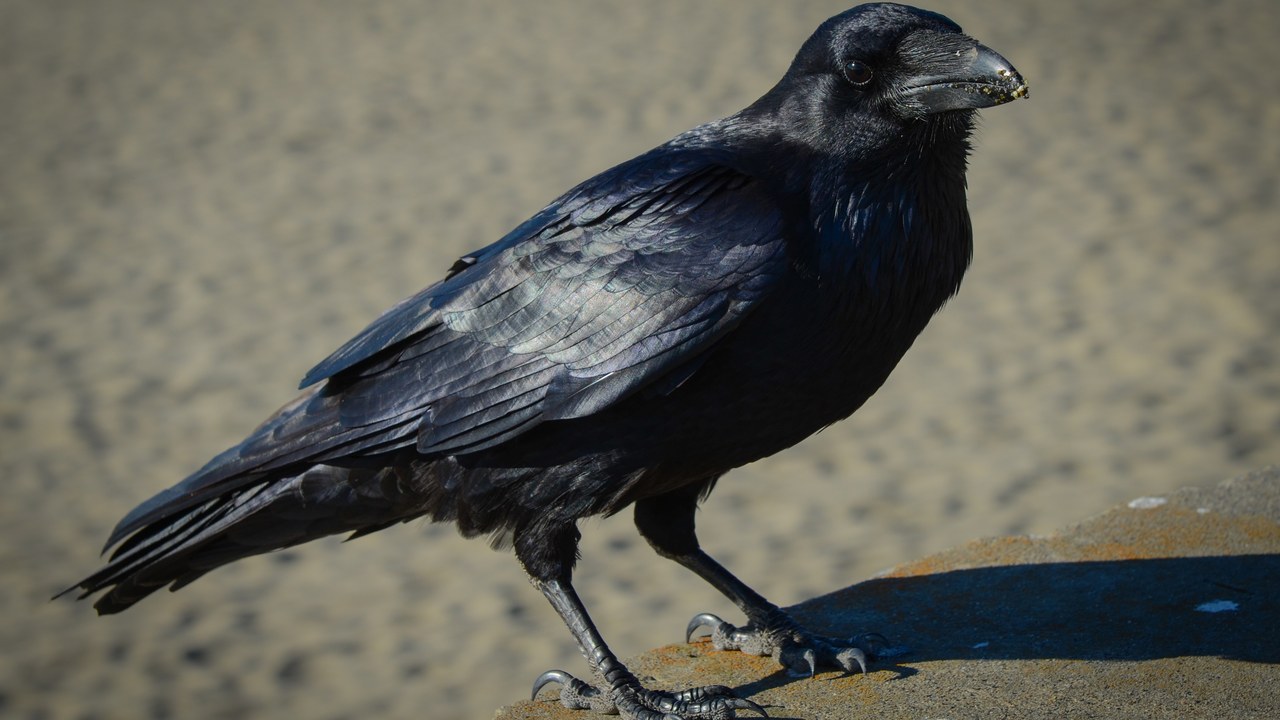
A black bird with a heavy bill appears in the Wyoming numbers too. Ravens killed 900 sheep and lambs in 2024, or 2.5% of all deaths in the state, according to the Wyoming sheep loss report. The figure is small beside eagles at 3,400 head, yet it was large enough to be recorded as its own category.
Ravens usually go after newborn lambs, especially those that are weak or separated from the ewe. Producers cut the risk by watching lambing grounds closely and moving ewes and newborns under cover, since the birds are common and quick to exploit an easy meal.
9. Fox: Outweighing the Dogs
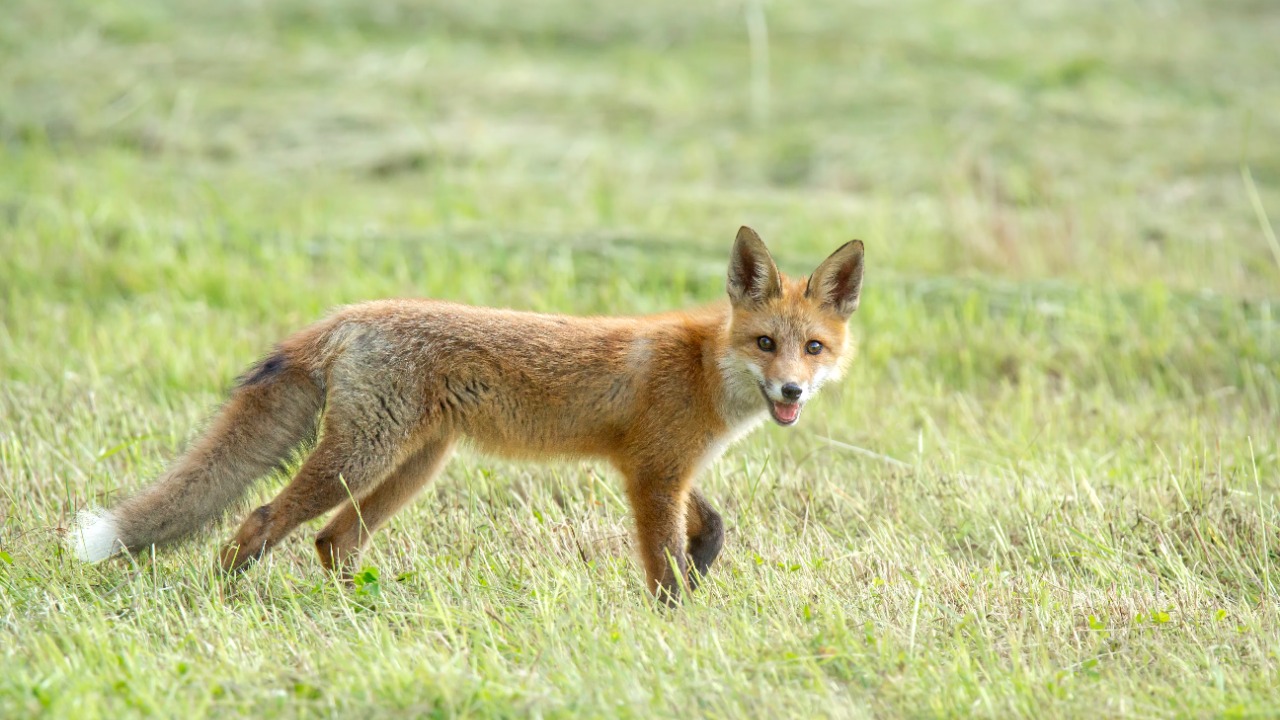
Foxes killed 700 Wyoming sheep and lambs in 2024, or 1.9% of all deaths, according to the Wyoming sheep loss report. That was more than the 100 head taken by dogs, the same animal that ranks second in the national cattle table.
Foxes favor newborn lambs, a small and easy catch, so damage is concentrated in the weeks of lambing season. The statewide share stays small, but a single den near a lambing pasture can cause repeated losses, and producers manage that risk with fencing and prompt carcass disposal.
More from Morning Overview
- Card skimmers hidden on gas pumps and ATMs are draining accounts, and here’s the tell
- Hurricane Hunter radar shows four warning signs that a tropical cyclone is about to strengthen, a University of Miami study found
- NTSB report details how a family of four died when their plane’s nose suddenly pitched up
- Doctors warn a silent liver disease now affects one in three American adults
