
State fisheries agencies keep tables of the heaviest fish ever landed, and those lists reveal how different one river or lake can be from the next. These entries span Florida rivers, Wisconsin lakes and Minnesota waters, from panfish to armored giants. Here are twelve of those records, each tied to the agency table that certifies it.
1. Largemouth bass: Florida’s Long-Standing Benchmark
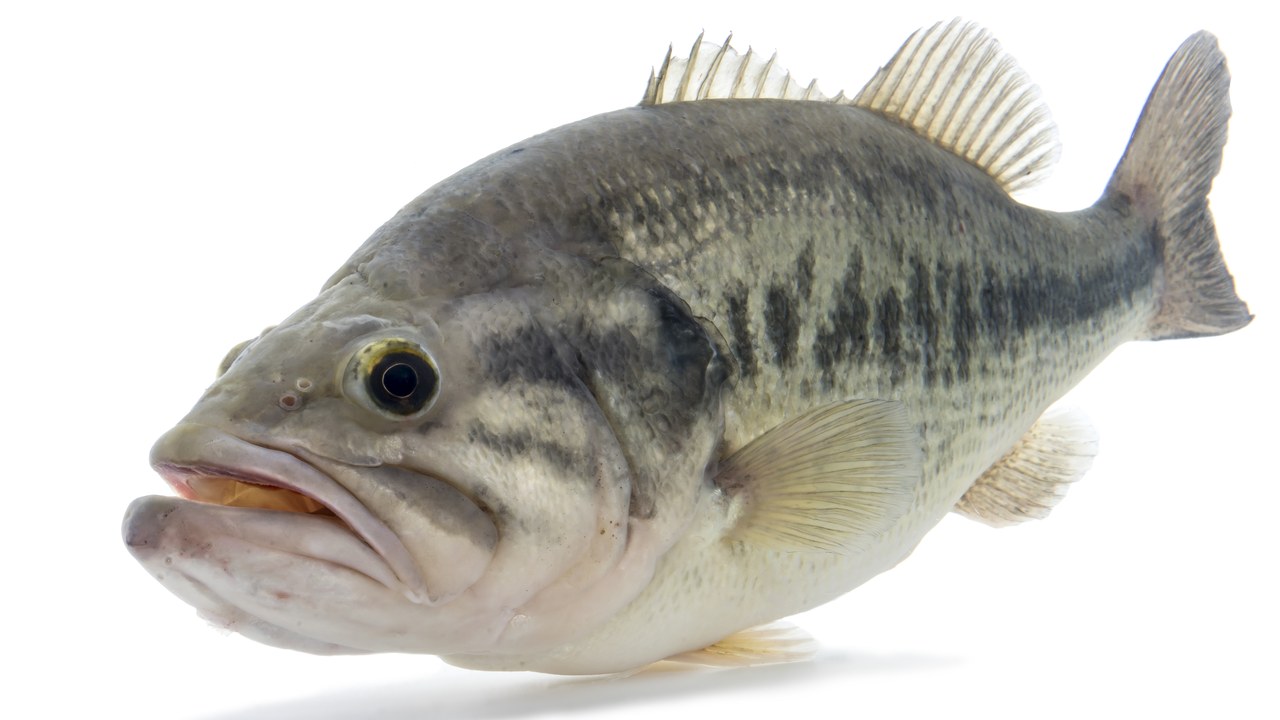
Florida’s certified record largemouth bass weighed 17.27 pounds and came out of Polk County in 1986, according to the state’s freshwater record table. That mark has stood since the mid-1980s, which says something about how rare a fish of that size is even in a state known for trophy bass. The species is the quarry behind much of the fishery.
For anglers, the figure is a concrete target rather than a legend. Only a fish weighed and verified under the agency’s rules counts, so the entry reflects a documented catch, not a boast.
2. Blue catfish: A Fresh Record From The Suwannee
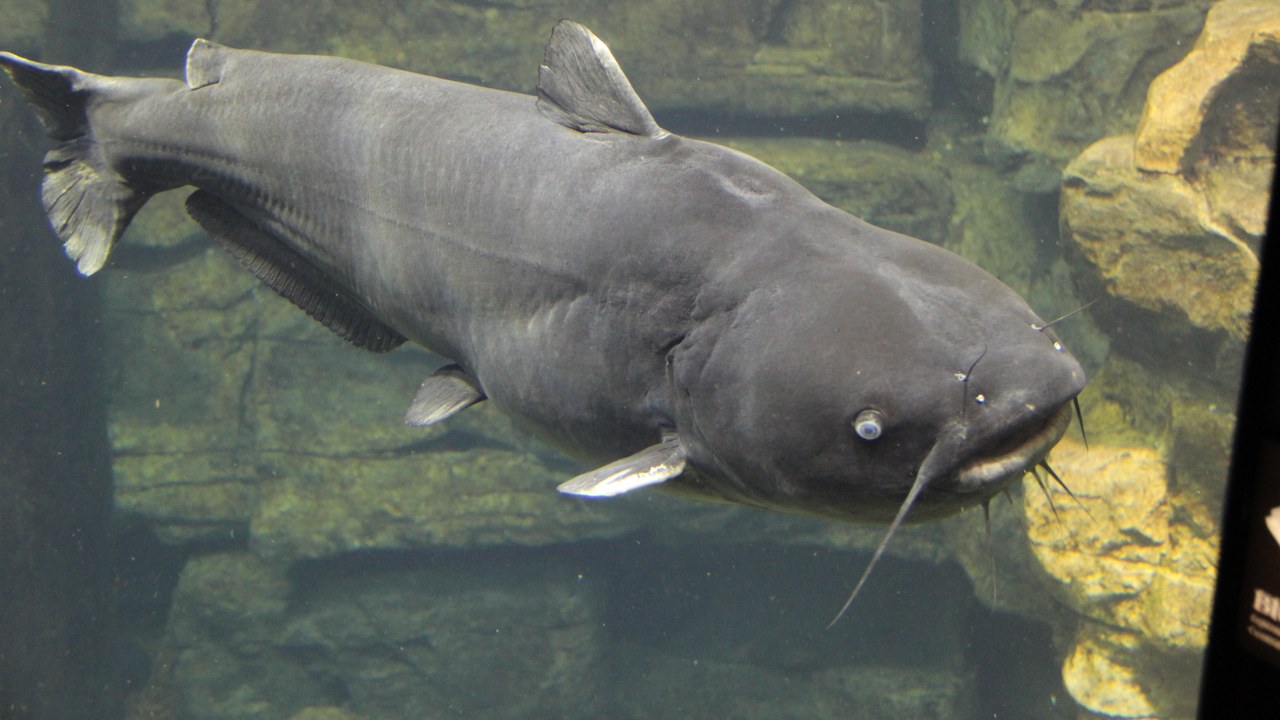
A blue catfish pulled from the Suwannee River in Dixie County on 2/15/2026 weighed 73.6 pounds, the figure shown in Florida’s state record listings. The date makes it one of the newest entries on this list, a reminder that records are not frozen in the distant past.
Because the catch is so recent, it shows that a fish of this scale can still turn up in a Florida river today. Catfish anglers watching the Suwannee have solid evidence that the ceiling is still moving.
3. Channel catfish: Lake Bluff’s 1985 Heavyweight
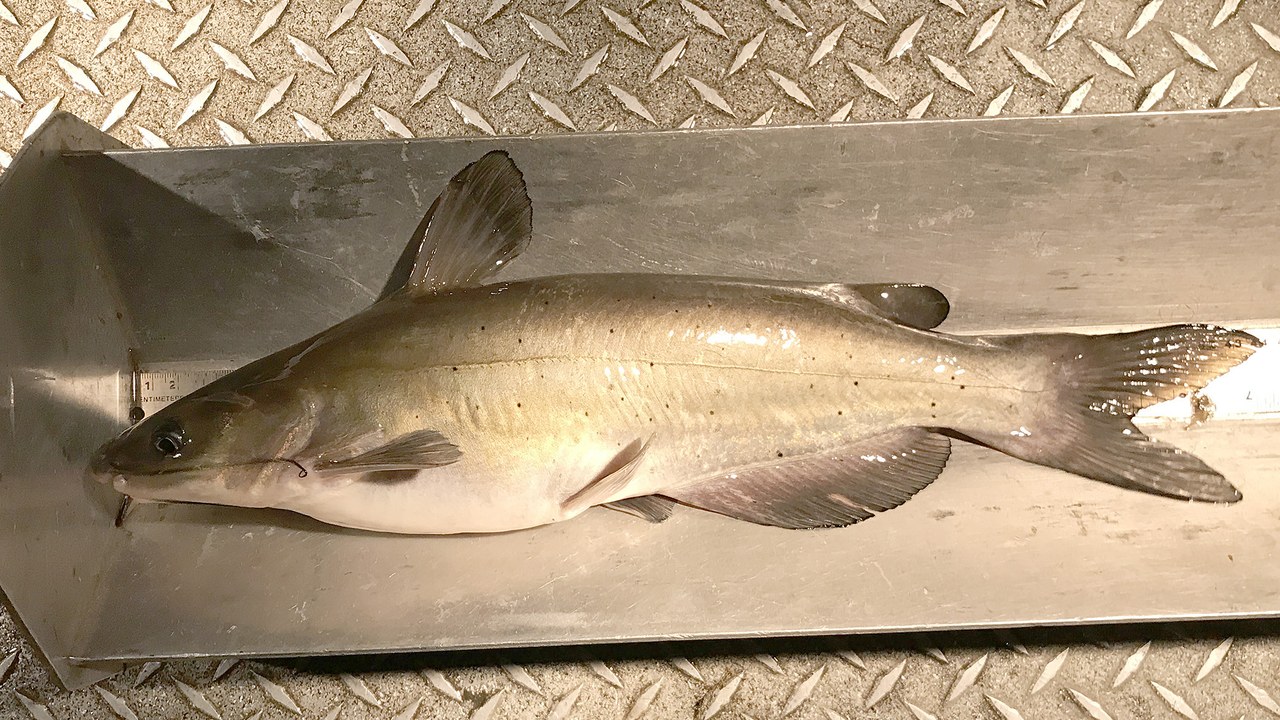
Florida’s record channel catfish weighed 44.5 pounds and was caught at Lake Bluff in Lake County on 5/19/1985, as recorded in the agency record table. The entry has outlasted more than four decades of attempts to beat it.
Channel catfish are common across the state, which makes the old record a useful reality check. Most fish landed fall far short of it, and a catch near 44 pounds would need both a rare fish and careful certification.
4. Striped bass: The Apalachicola Giant
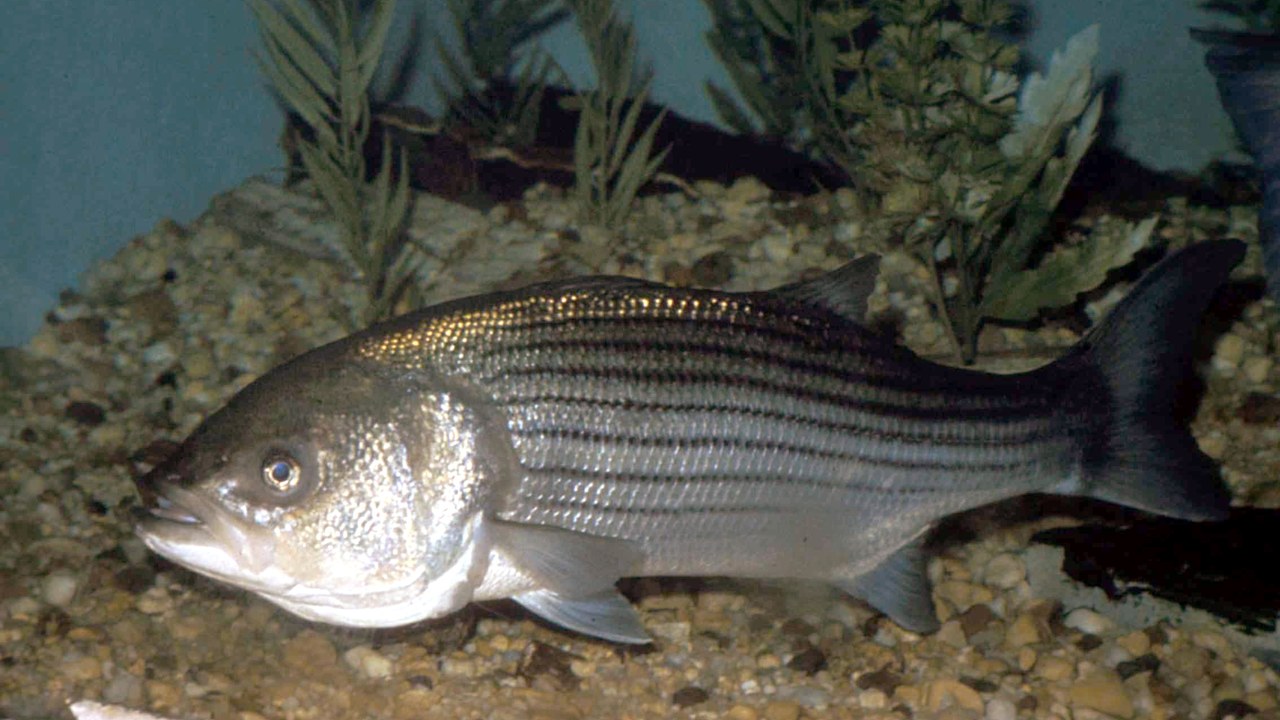
The Apalachicola River in Gadsden County produced Florida’s record striped bass, a fish of 42.24 pounds landed on 12/14/1993, according to the official freshwater records. The December date places the catch in the middle of winter.
The entry shows that a species associated with coastal and big-river fisheries can reach serious size inside Florida’s freshwater list. Anyone targeting a new record would have to beat a weight set more than thirty years ago.
5. Northern pike: Lake Puckaway’s 1952 Monster

Wisconsin’s hook-and-line record northern pike weighed 38 pounds and measured 45.5 inches, a fish taken from Lake Puckaway in Green Lake County on 08/06/1952, per the state record fish table. That catch is more than seventy years old.
The length and weight together give the fish a sense of scale: nearly four feet of predator from a Green Lake County lake. Pike anglers still use the number as the yardstick for a true trophy.
6. Flathead catfish: A 74-Pound River Catfish
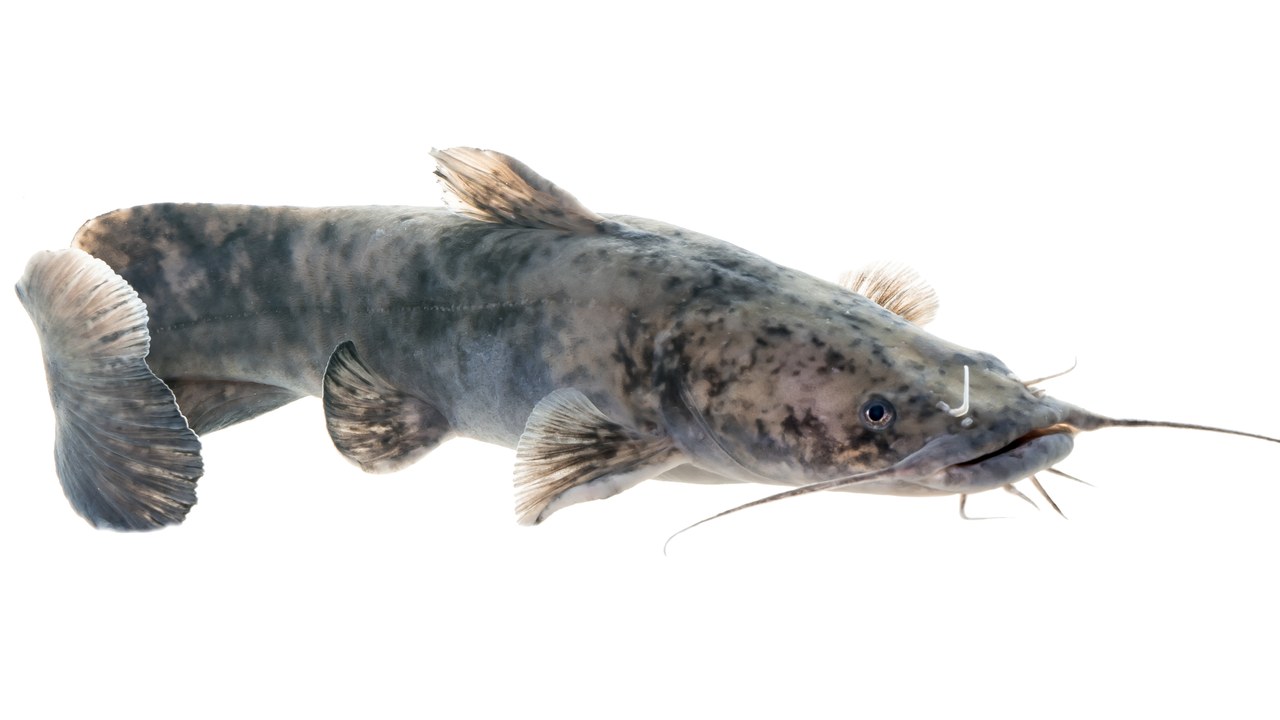
Wisconsin’s record flathead catfish weighed 74 pounds 5.1 ounces and stretched 53 inches, taken from the Mississippi River in Vernon County on 03/30/2001, according to the hook-and-line records page. It is one of the heaviest fish on this list.
The date is notable: a late-March catch produced a fish of more than 74 pounds. Anglers working the big river can treat the entry as proof that the stretch holds fish well beyond ordinary size.
7. Common carp: A Lake Wisconsin Heavyweight
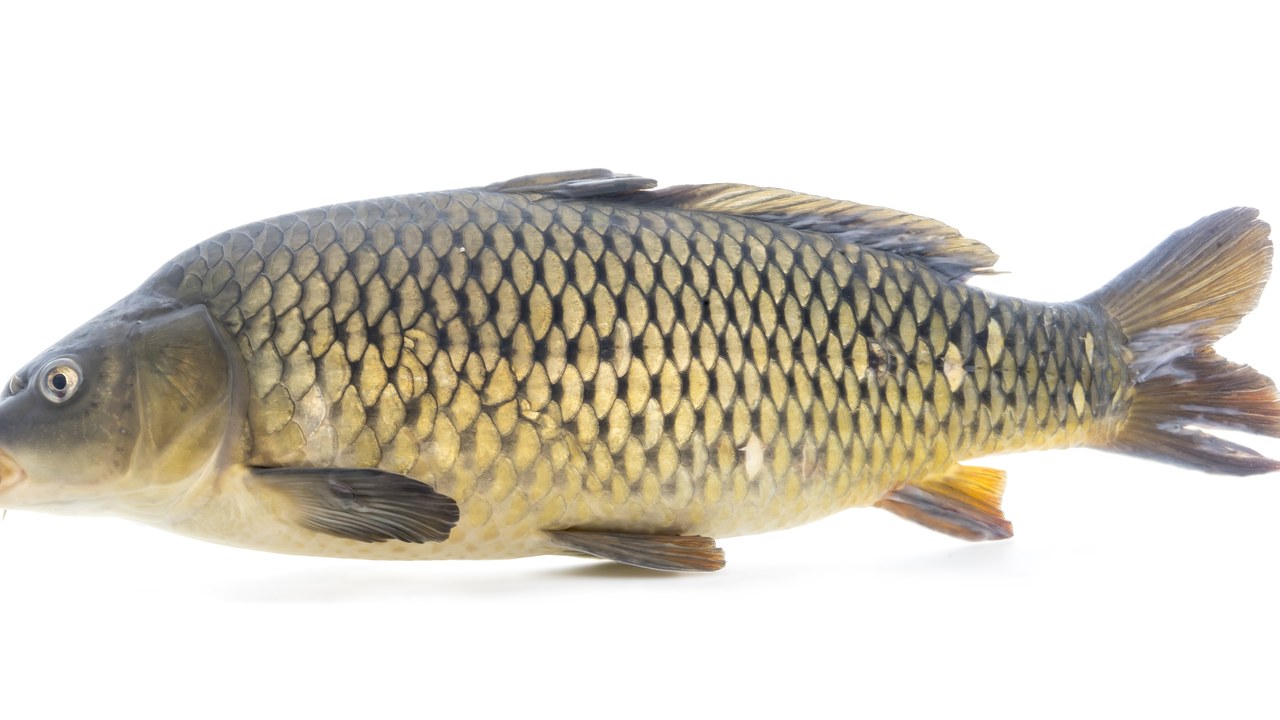
Wisconsin’s record common carp weighed 57 pounds 2 ounces and came from Lake Wisconsin in Columbia County on 08/28/1966, as the state’s record fish list documents. The entry is sixty years old.
Carp are often dismissed as a nuisance species, yet the record shows how large they can grow. A fish of that weight is a serious test of tackle, and the long-standing mark suggests that matching it takes unusual luck.
8. Walleye: The Oldest Record On The Books
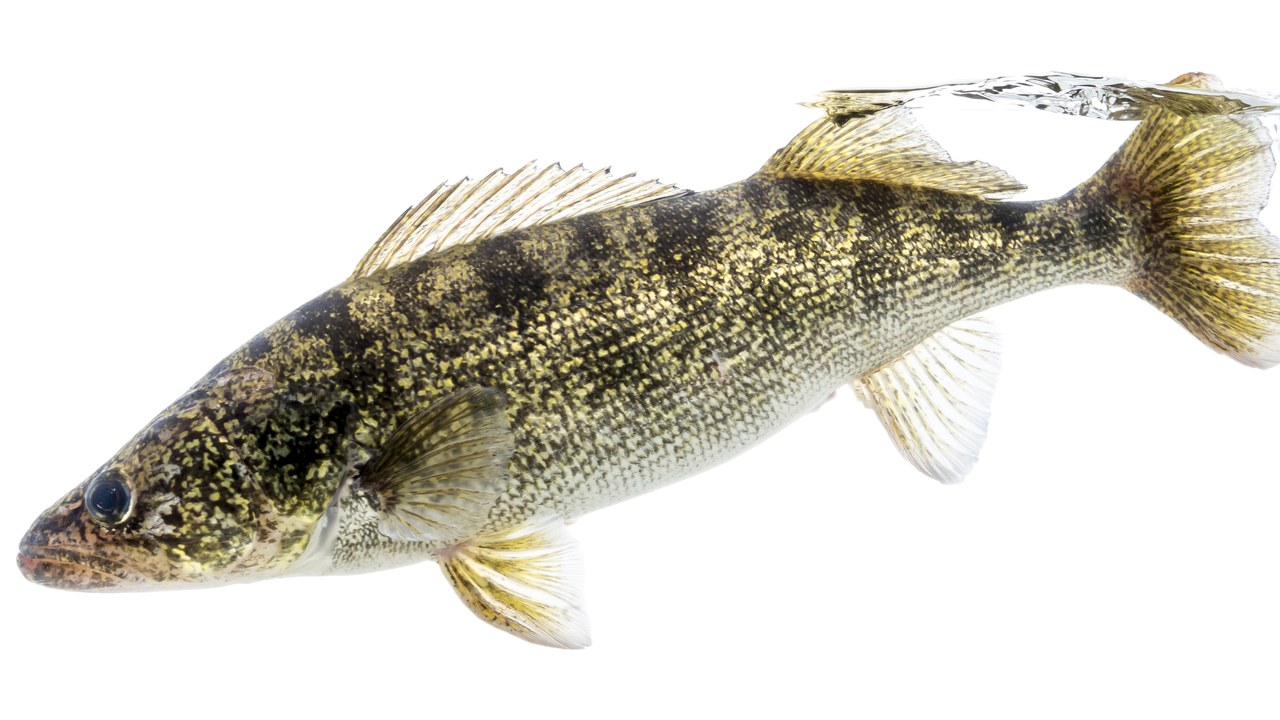
Wisconsin’s record walleye weighed 18 pounds and was caught in High Lake, Vilas County, on 09/16/1933, making it the oldest standing record on the state list, according to the Wisconsin DNR table. The date is nearly a century old.
An 18-pound walleye is far larger than the fish most anglers ever see, and the record has survived despite generations of modern tackle and electronics. The 1933 date adds a historical edge to a species prized at the table.
9. Lake sturgeon: The Heaviest On The List
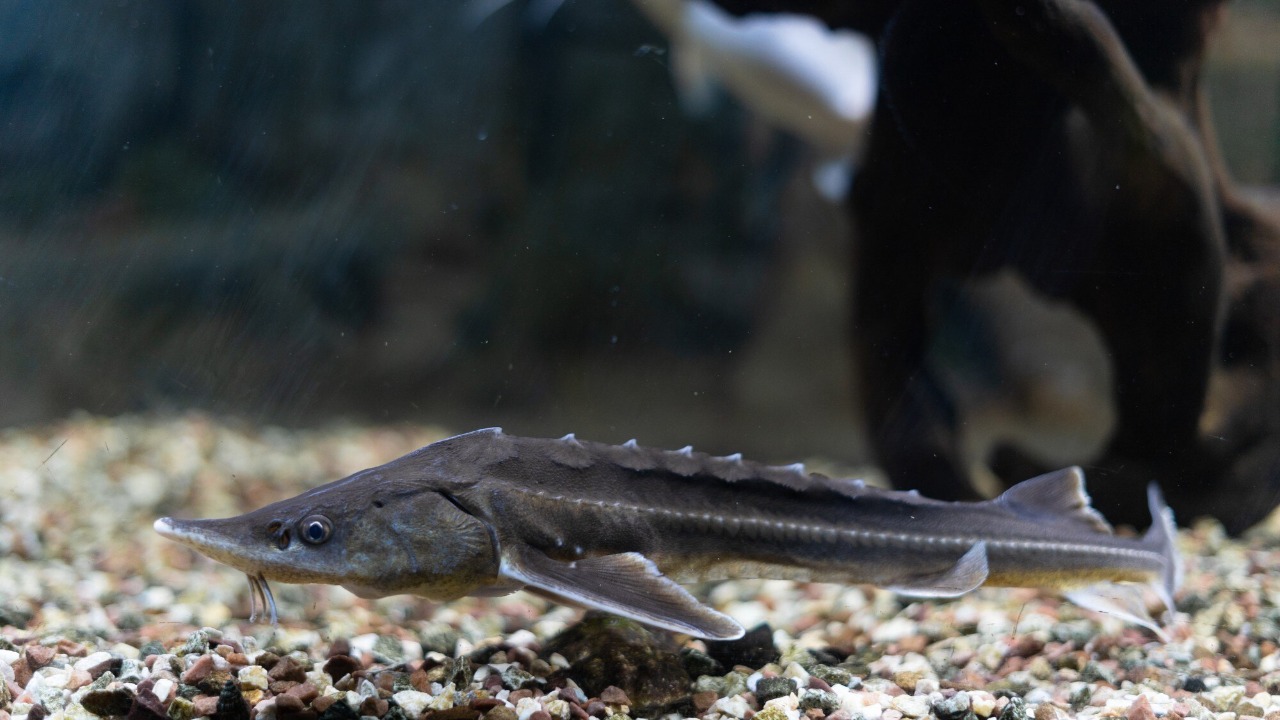
Minnesota’s certified-weight record lake sturgeon weighed 94 pounds 4 ounces and came from the Kettle River in Pine County on 9/5/1994, according to the state’s certified weight page. It is the heaviest fish on this list.
Lake sturgeon are slow-growing, long-lived fish, so a specimen of that weight reflects many decades of survival. The record is also a reminder of why protections matter, since big old fish are slow to replace.
10. Muskellunge: A Mille Lacs Trophy From 2021
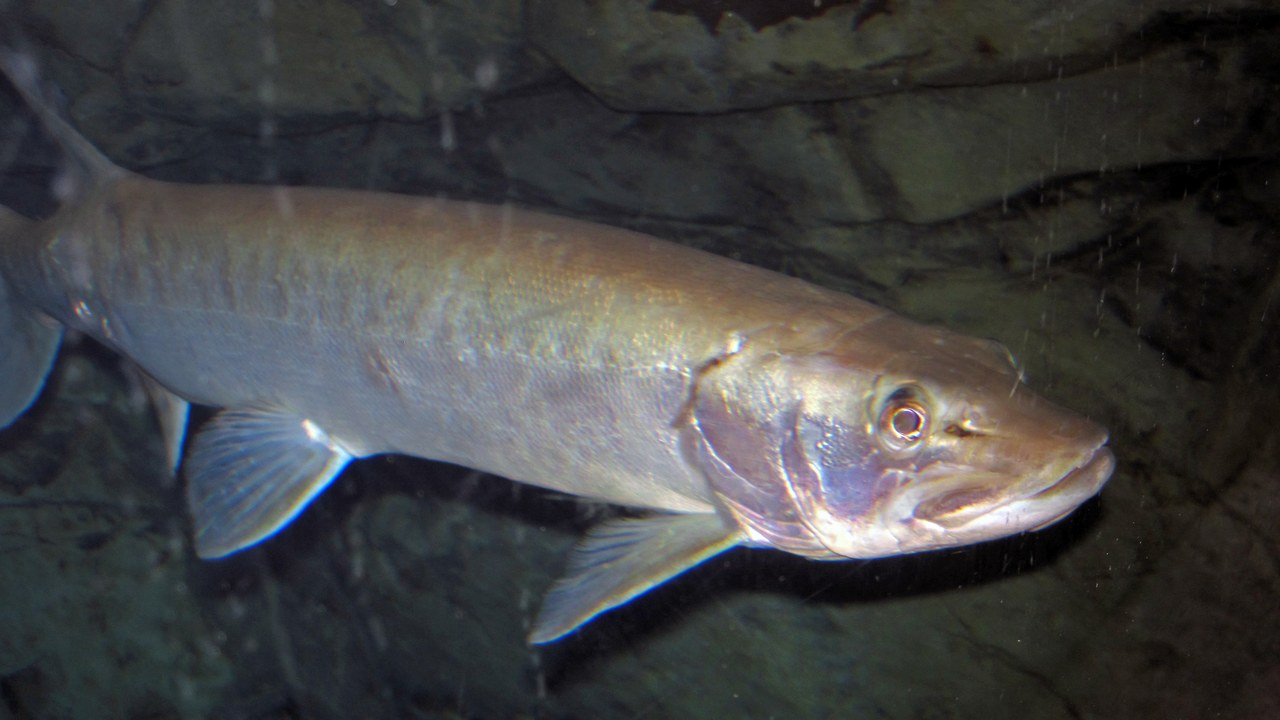
Minnesota’s certified-weight record muskellunge weighed 55 pounds 14 ounces, a fish from Mille Lacs Lake taken on 11/22/2021, as listed in the certified weight records. The late-November date places the catch deep in autumn, and the certified-weight designation means the fish was weighed under the state’s verification process.
The catch is recent enough that tackle and methods will be familiar to current anglers. It also shows that Mille Lacs can produce a fish of more than 55 pounds, a weight that few anglers will ever see on a scale.
11. Bluegill: A Panfish Record From Big Stone Lake
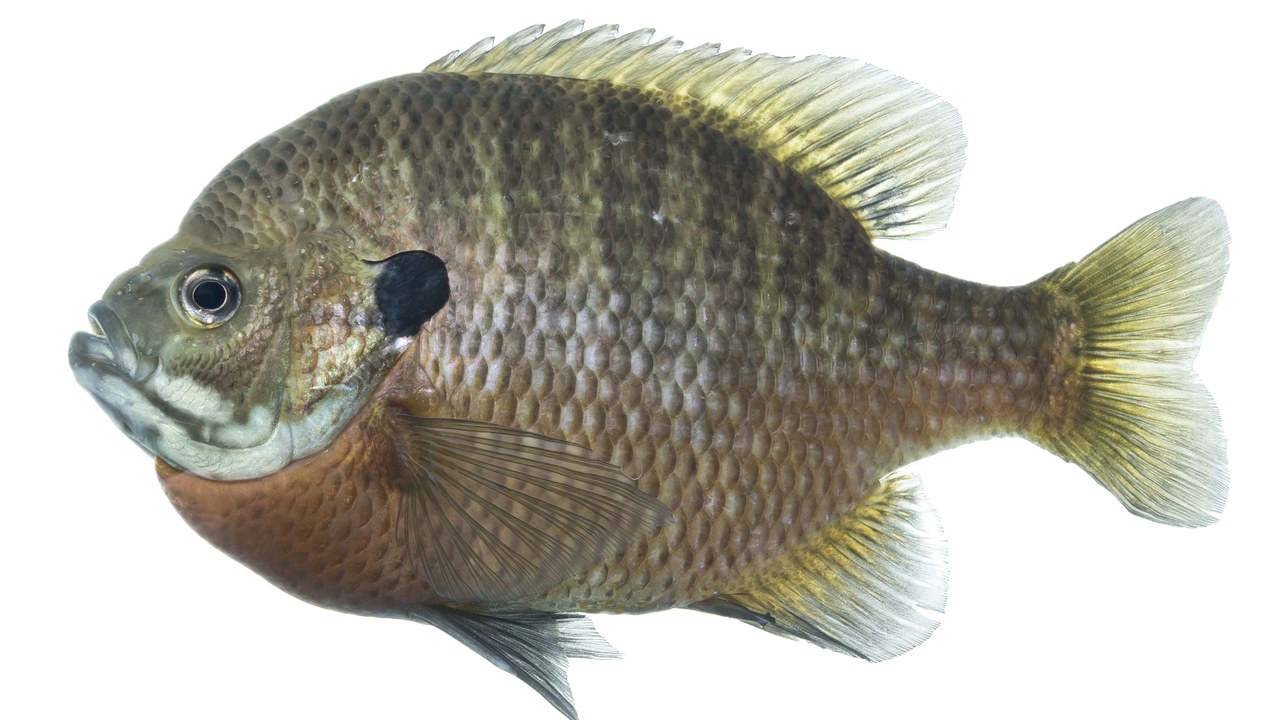
Minnesota’s certified-weight record bluegill weighed 2 pounds 3 ounces, taken from Big Stone Lake on 7/7/2026, according to the agency’s record weight table. Among sunfish, that is an exceptionally large fish.
The smaller numbers make this entry stand out on a list of giants: two pounds is a trophy for a panfish. The July 2026 date means the record is brand new, and it shows records can still fall to modest-looking species.
12. Black crappie: Cedar Lake’s Spring Crappie
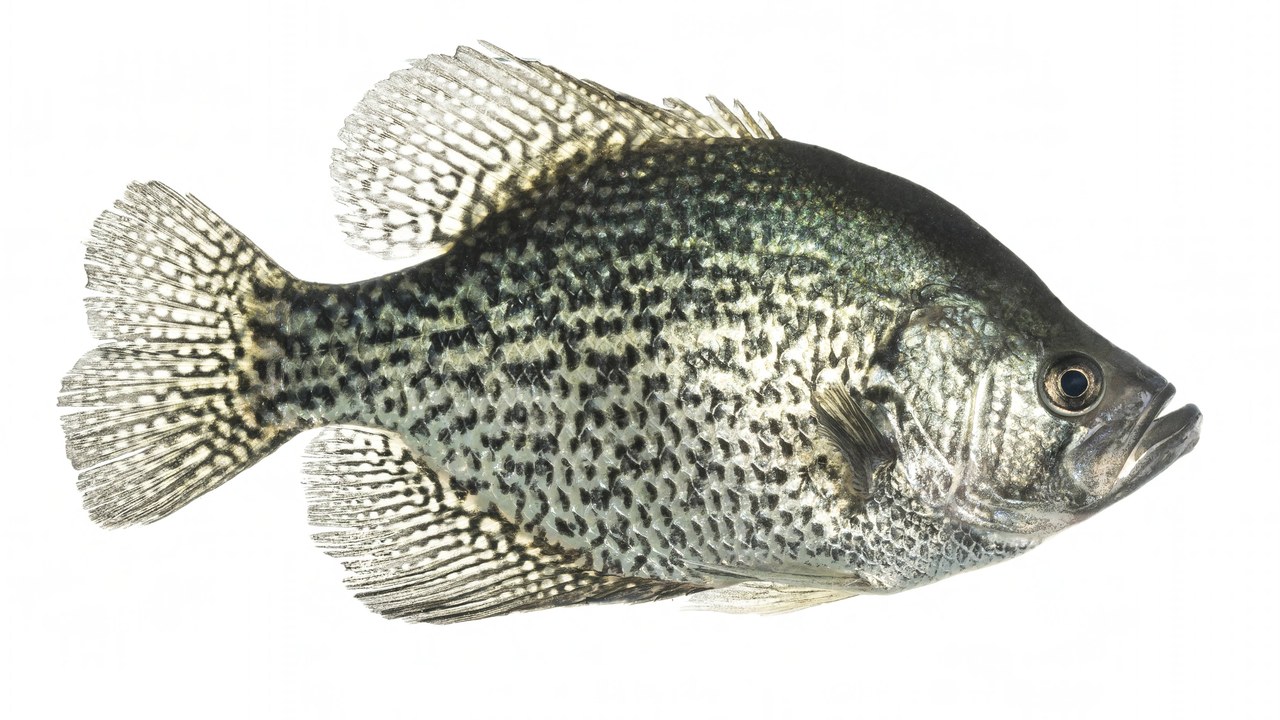
A black crappie from Cedar Lake in Rice County weighed 4 pounds 1 ounce on 5/3/2026 and now holds Minnesota’s certified-weight record, according to the state certification list. Few crappie ever approach that size.
The May date places the catch in spring, and the weight is more than four pounds. The record is so fresh that anglers on Cedar Lake have a clear and current target, and the list itself shows how quickly a panfish mark can change when a heavy fish is certified.
More from Morning Overview
- The NSA is again telling phone owners to switch off one location setting
- Card skimmers hidden on gas pumps and ATMs are draining accounts, and here’s the tell
- Hurricane Hunter radar shows four warning signs that a tropical cyclone is about to strengthen, a University of Miami study found
- NTSB report details how a family of four died when their plane’s nose suddenly pitched up
