
National park rules set explicit distances between visitors and wildlife, and those numbers are not suggestions. Yellowstone and Everglades post figures ranging from 15 feet to 100 yards, depending on the species and the risk it poses. Here are eight animals that rangers expect visitors to keep away from.
1. American bison: Size Misread As Calm
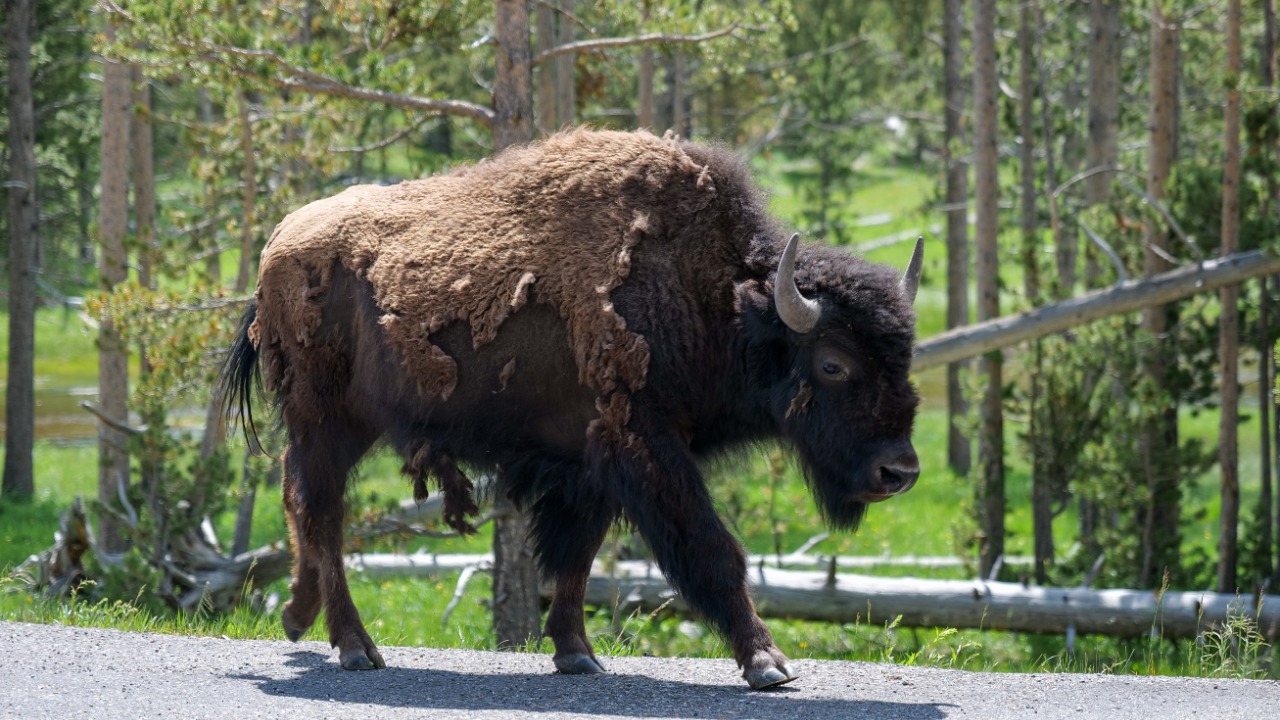
Yellowstone states that bison have injured more people in the park than any other animal, and the posted rule is to stay at least 25 yards away. The animals look placid while grazing, yet the park treats that appearance as the hazard, since a close approach is what triggers the injuries.
Roadside bison are common, and a car window or boardwalk is the usual place visitors drift too close. Anyone nearer than 25 yards should retreat slowly instead of waiting to see what the animal does, since the injury record the park cites comes from exactly that kind of encounter.
2. Elk: Antlers And A Wide Berth
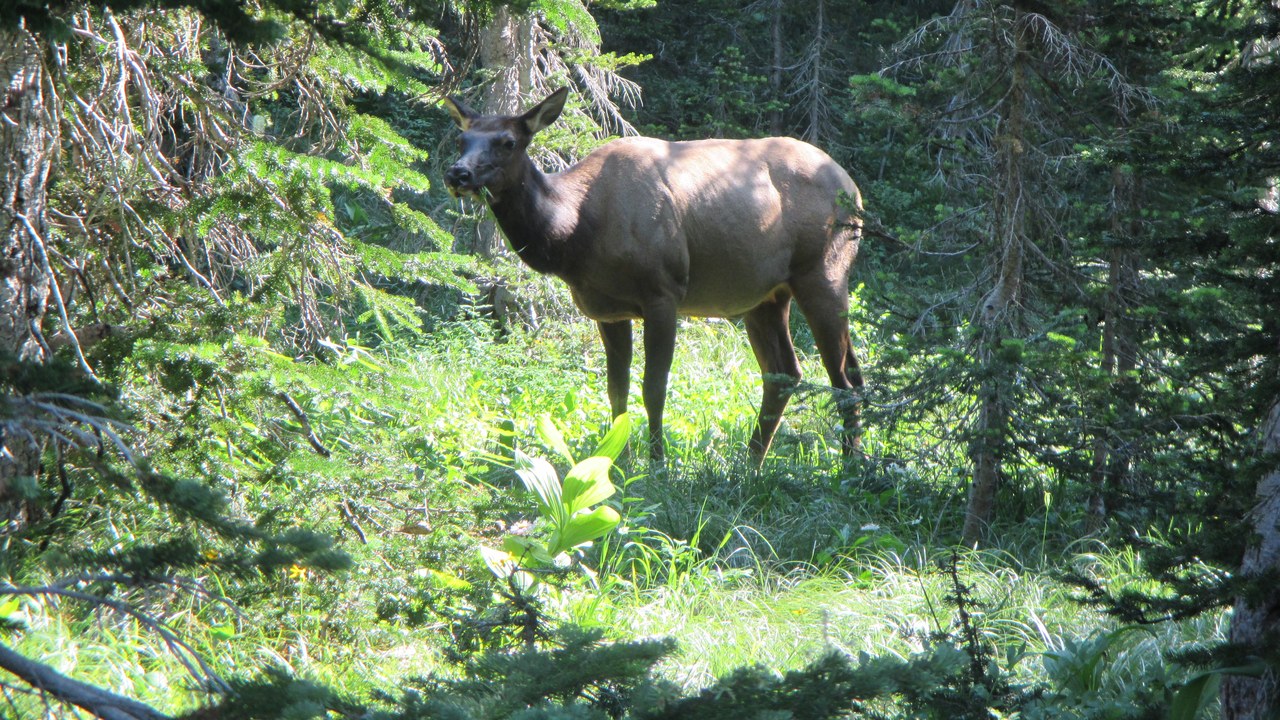
Elk are covered by the 25-yard rule Yellowstone applies to all wildlife except bears, wolves and cougars. That category is easy to forget because elk graze near lawns, parking lots and roads and appear tame.
The rule does not loosen for a single animal that seems relaxed, a cow with calves, or a bull in the autumn rut. Zoom lenses exist for this reason; the practical test is simply whether the animal changes its behavior as someone approaches. Rangers apply the same 25 yards to a bull as to a cow, so the number stays simple to remember on a crowded pullout.
3. Gray wolf: Behind The Hundred-Yard Line
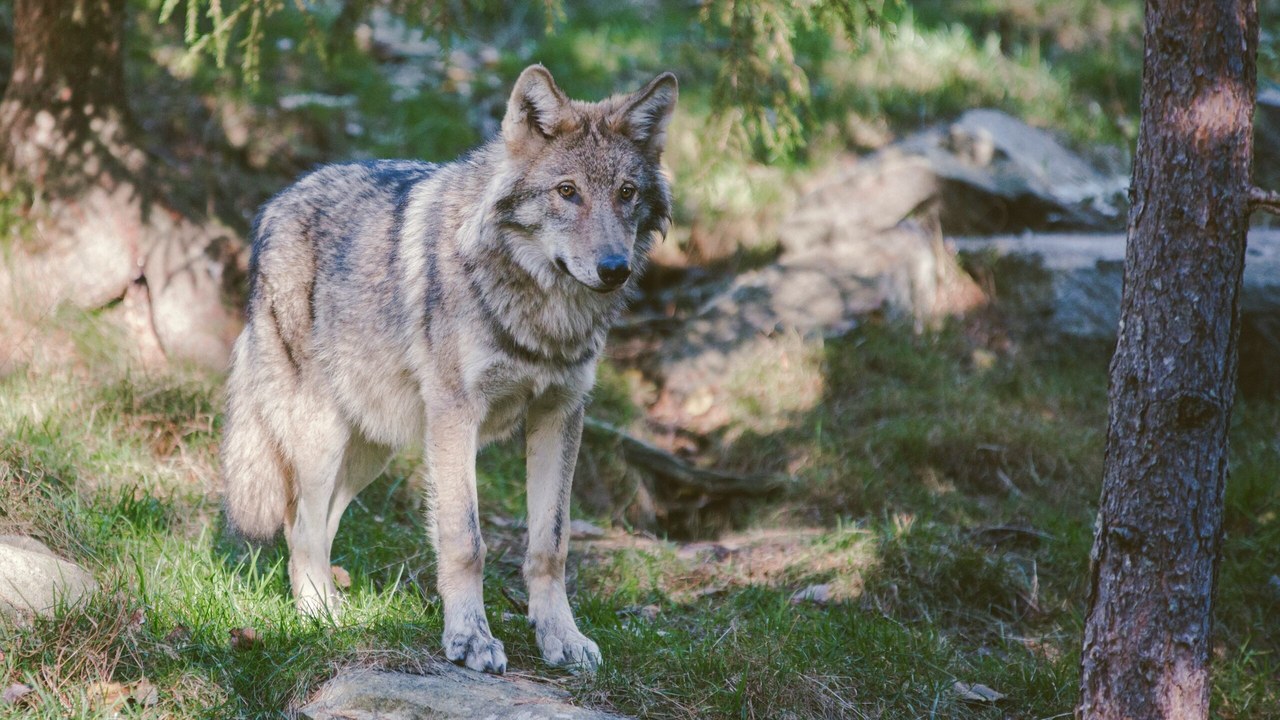
Wolves are one of only three animals Yellowstone places behind a 100-yard line, a distance four times that for bison or elk. The park groups them with bears and cougars rather than with the other wildlife it manages at 25 yards.
Wolves are rarely seen at close range, so a sighting tends to happen at a distance that already looks safe. Visitors should keep that distance, and a wolf that approaches or lingers near a road means leaving the area rather than trying for a better photograph. Because the line is four times longer than the bison rule, a sighting that feels remote may still sit inside it.
4. American alligator: Night Hunters, Daytime Naps
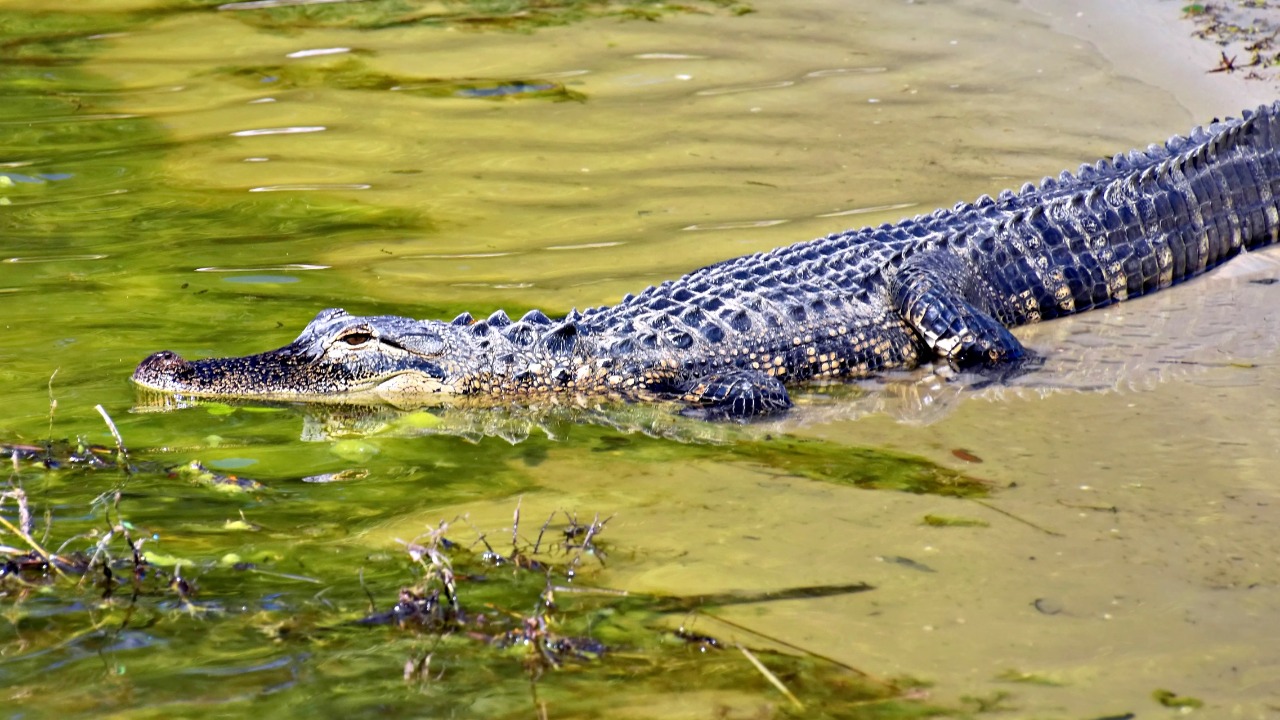
Everglades National Park requires 15 feet of distance from alligators and warns that they are more active at night and do most of their hunting from dusk to dawn. A motionless gator basking on a bank is therefore not evidence that it is harmless.
Fifteen feet is a minimum, not a target, and the park lists feeding or harassing an animal, including throwing objects at it, as a criminal offense. Walkers at dusk or after dark should stay well back from the water’s edge and from shaded banks. Standing back also keeps a visitor well outside the animal’s reach.
5. American crocodile: Hissing Means Too Close
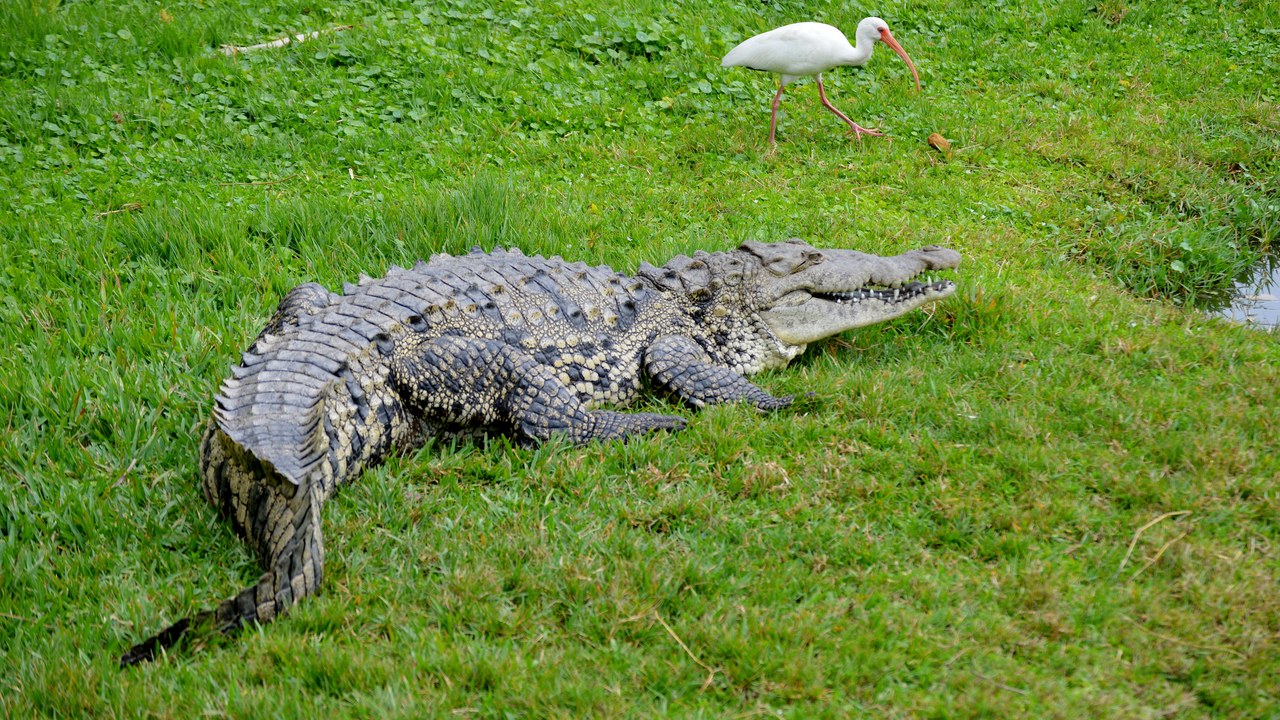
Crocodiles fall under the same 15-foot Everglades rule as alligators, but the park adds a behavioral warning: if an animal is hissing, a visitor is too close, even at more than 15 feet. The sound works as a verbal boundary set by the animal itself.
A hiss is a signal to back away calmly, without turning the moment into a confrontation. Visitors who treat a crocodile’s stillness as permission to edge closer are ignoring the one warning the park singles out. The same hissing rule applies to alligators, so the sound is worth recognizing at any shoreline.
6. Black vulture: Tire Rubber Is The Target
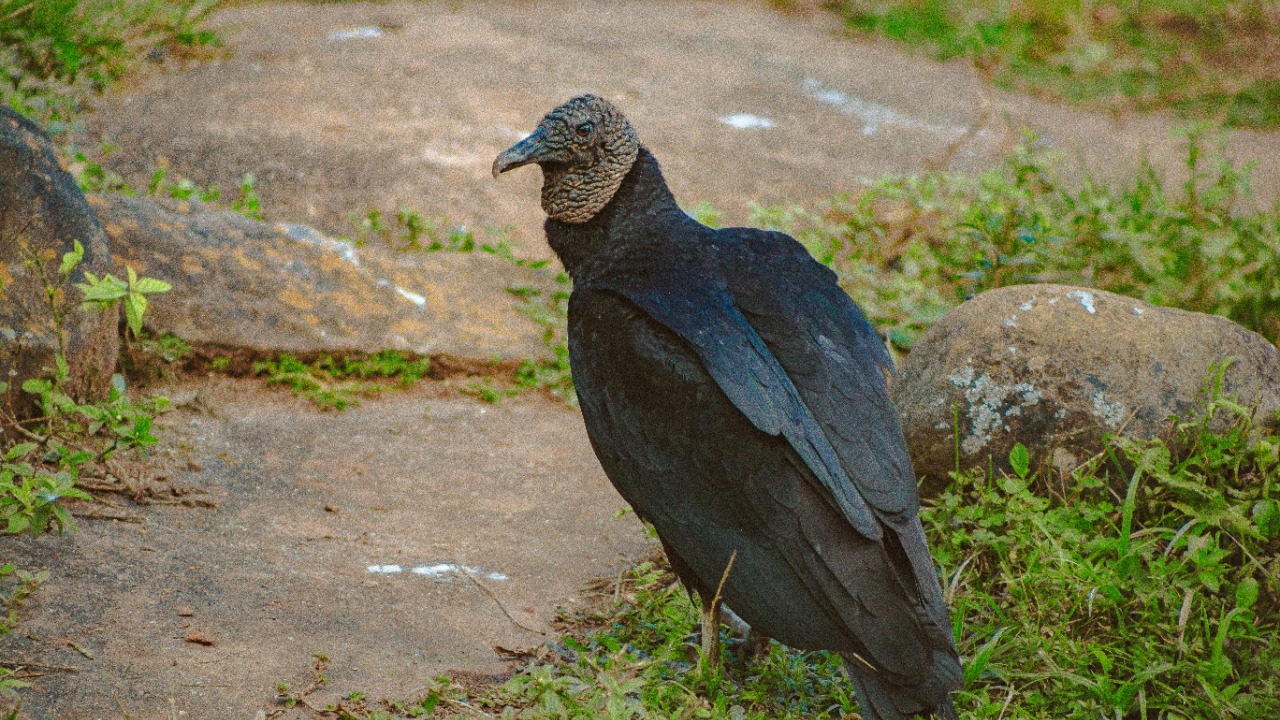
The threat from black vultures at Everglades is to cars rather than people: the park says they are attracted to the rubber on vehicles and have been known to cause severe damage. Parking areas are where flocks gather and where the damage occurs.
Owners leaving a car at a trailhead or visitor center should expect birds on the roof and around the tires. Covering exposed rubber or parking away from perched groups limits the risk, and the feeding ban applies to vultures as it does to every other animal. A short walk back to a parked car can reveal the damage only after the birds have already left.
7. Grizzly bear: One Fatality Explains The Rule
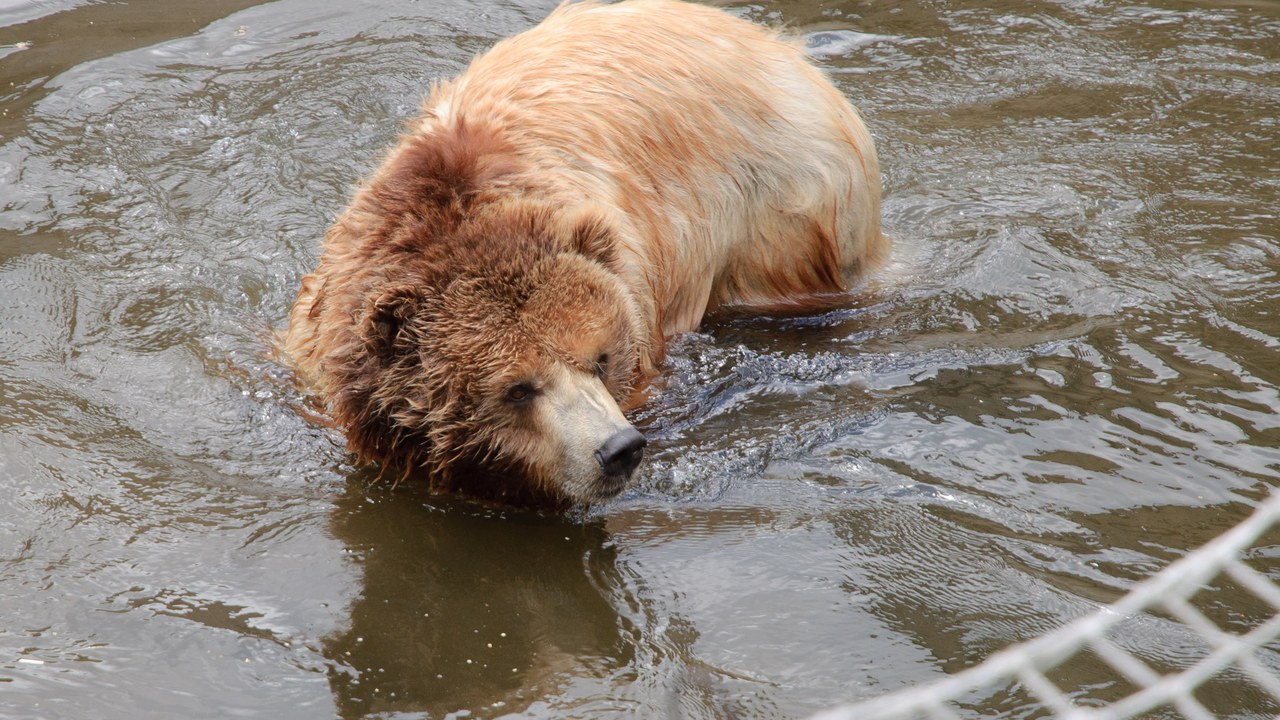
Grizzlies sit behind Yellowstone’s 100-yard line with wolves and cougars, and a recent record shows why: a grizzly killed a hiker on Glacier National Park’s Mt. Brown trail on May 3, 2026. The same list of fatal North American bear attacks documents earlier cases.
Distance is the first defense, and the posted 100 yards is the minimum for a bear seen from a road or trail. A hiker who spots one should leave calmly, give it room to pass, and avoid any route that would close the gap. Yellowstone’s wording places bears in the same category as wolves and cougars, a signal that the animal’s capability rather than its mood sets the distance.
8. Cougar: The Other Hundred-Yard Animal
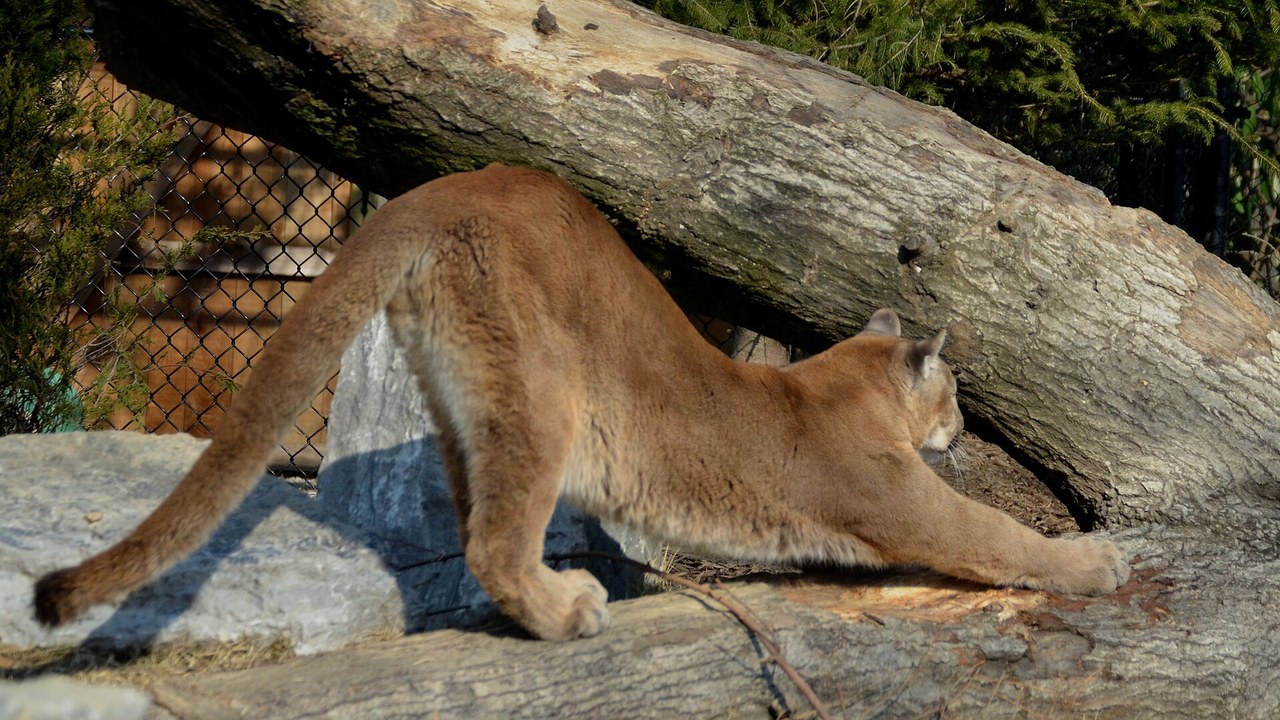
Cougars complete the trio held to Yellowstone’s 100-yard line, and the most recent U.S. death on record is a 2024 attack in El Dorado County, California, that killed Taylen Brooks, 21, while he searched for shed antlers.
Shed hunting means moving quietly through brush at the edges of habitat, which is where a cougar may not be noticed. The case argues for noise, company and attention to the surroundings, and a cat that is spotted should be given space immediately. Yellowstone applies the same 100 yards to cougars as to bears and wolves, so the species earns the longest buffer the park posts.
More from Morning Overview
- Tropical Storm Rachel is dumping up to 12 inches on four Mexican states on its way to major hurricane strength
- The NSA is again telling phone owners to switch off one location setting
- Card skimmers hidden on gas pumps and ATMs are draining accounts, and here’s the tell
- Hurricane Hunter radar shows four warning signs that a tropical cyclone is about to strengthen, a University of Miami study found
