
Before the minivan took over the school run, the station wagon carried American families to grandma’s house and the lake. Over the decades the body style moved from wood to steel, picked up skylights, sliding roofs and clever tailgates, and finally faded from favor. Here are eleven station wagons that each left a distinct mark on the family road trip.
1. Willys Jeep Station Wagon: Steel Before Sawdust
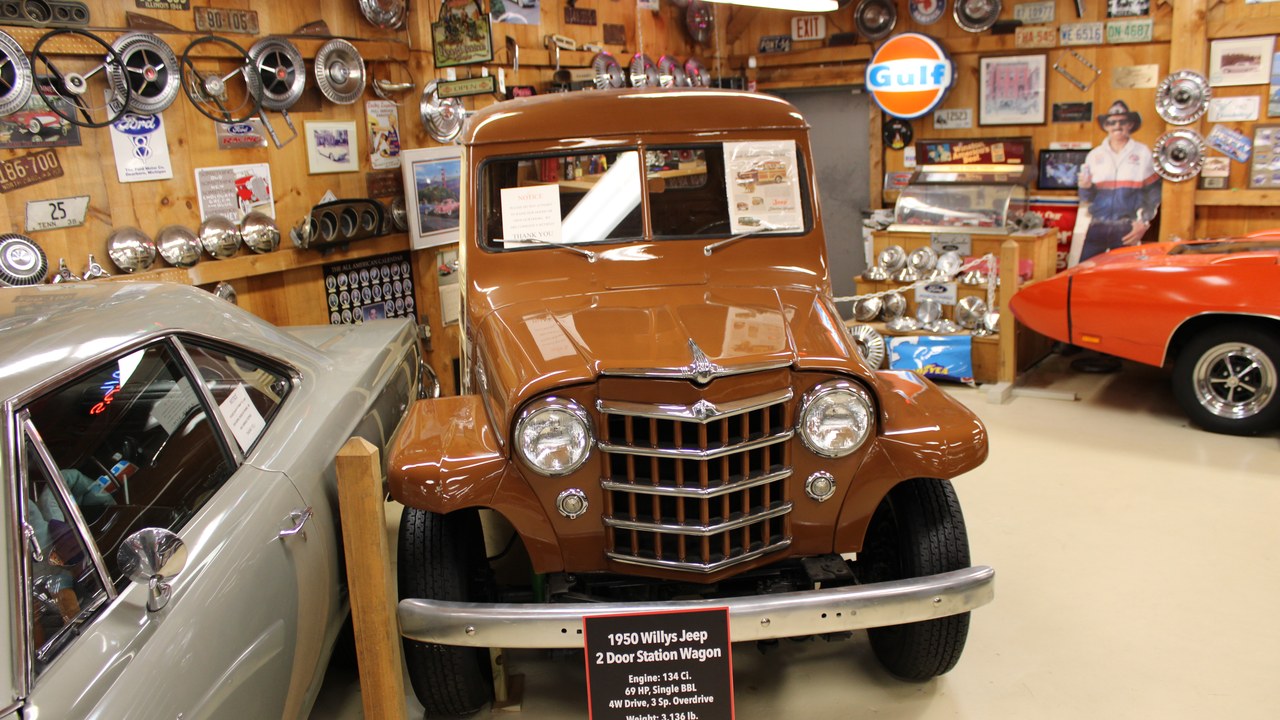
The 1946 Willys Jeep Station Wagon earned its place as the first all-steel family wagon in production, according to a Curbside Classic history of the body style. Steel panels meant owners had no wood to varnish and no wood to rot.
That change sounds modest today, yet it pointed the way for nearly every wagon that followed. Families wanting cargo room without the constant upkeep of a wooden body suddenly had a sturdier choice.
2. Plymouth Suburban: Steel Goes Mainstream
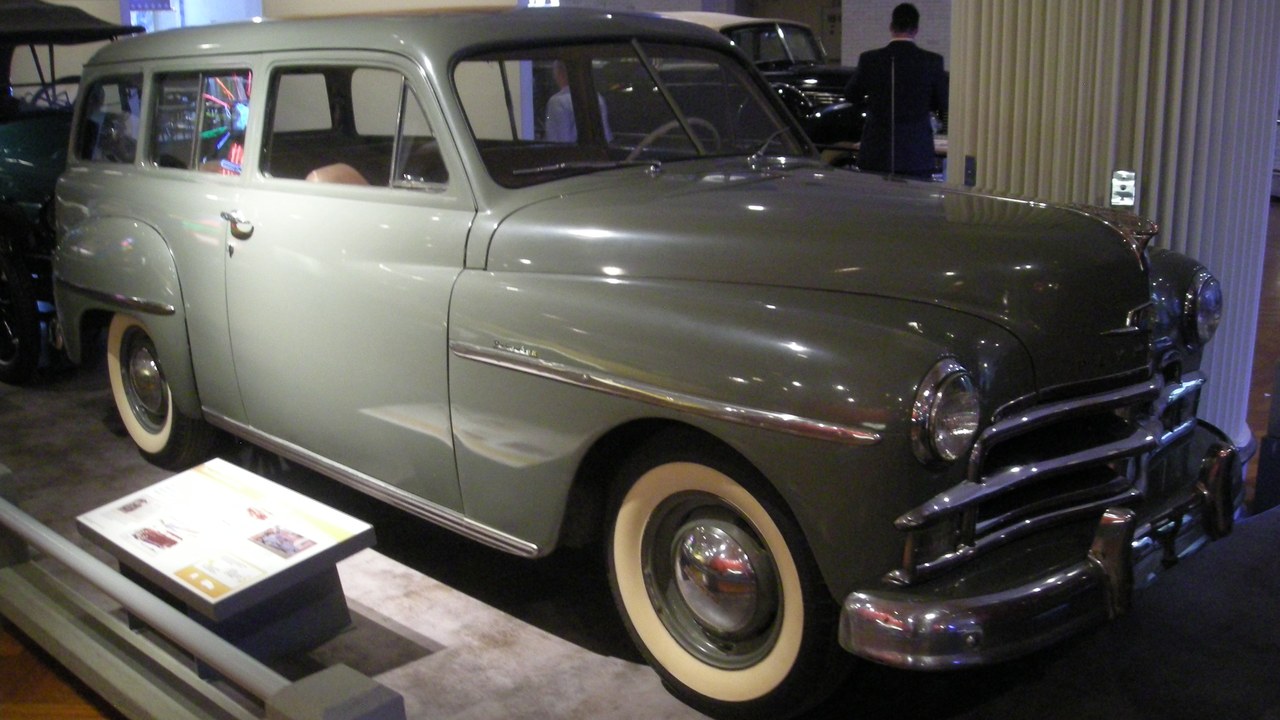
Plymouth carried the all-steel wagon to a mass-market brand with the 1949 Suburban, which Curbside Classic credits with changing the wagon game for good.
Where the Willys was a pioneer, the Suburban put steel wagon construction within reach of ordinary buyers. A two-door Suburban later shared a footnote with the Ford Ranch Wagon as the last full-size two-door wagons, both from 1961. Curbside Classic treats the model as a turning point, which explains its place here despite looking modest beside later, flashier wagons.
3. Ford Ranch Wagon: Last Two-Door Standing
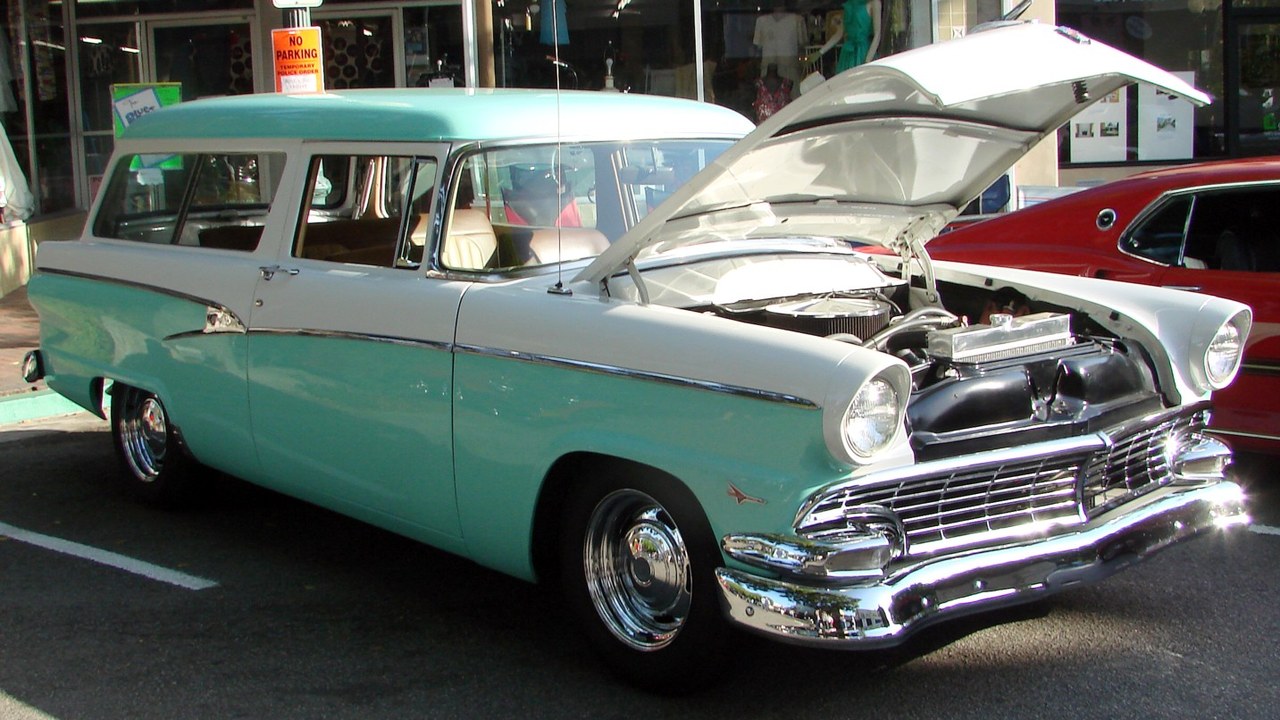
Ford’s first all-steel wagons arrived in 1952, but the line’s quirkiest claim came later. The 1961 two-door Ranch Wagon was the last full-size two-door wagon ever built, a distinction it shares with that year’s Plymouth Deluxe Suburban.
Nothing in that size class followed it, which quietly closed one corner of wagon history. Its long run also shows how the body style gradually settled into the shape families came to expect.
4. Chevrolet Nomad: The Wagon Gets Glamorous
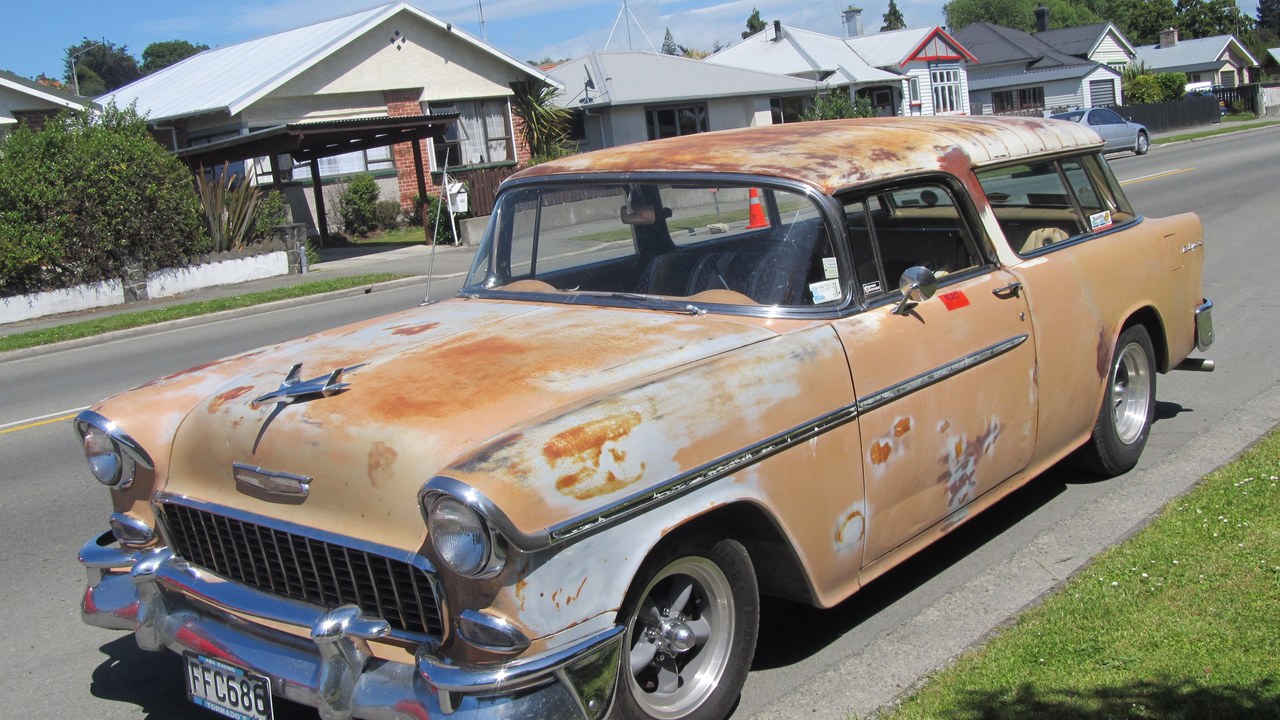
The 1955 Chevrolet Nomad pushed the idea that a wagon could be an upscale lifestyle vehicle, a concept Curbside Classic says came to full fruition in that model.
Until then, wagons had mostly been judged as practical haulers. The Nomad suggested a family car could carry a touch of style as well, a theme that returned in several later wagons on this list. Collectors still single it out as the wagon that made the body style aspirational, and its reputation has only grown since.
5. Studebaker Wagonaire: Sunroof for the Cargo Bay
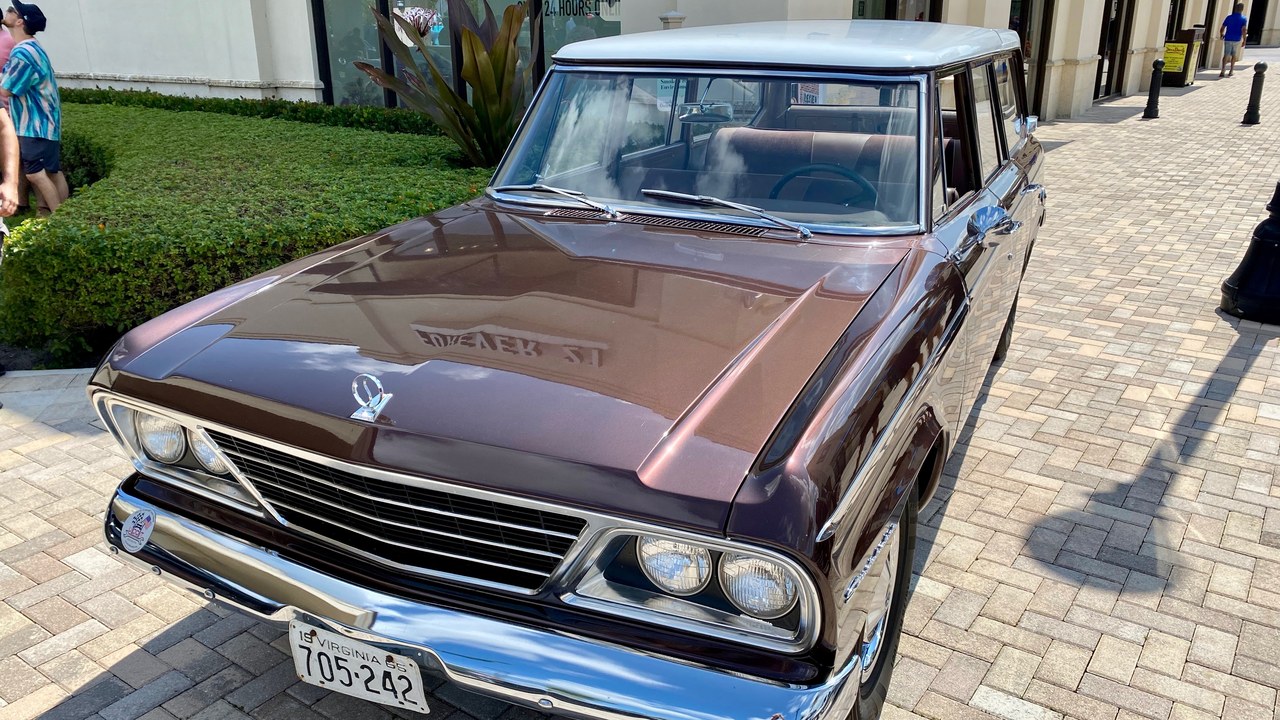
The Studebaker Wagonaire had a roof panel that slid forward to open the cargo bay to the sky, and about 12,000 Wagonaires sold during a production run that lasted from 1963 to 1966.
The idea was clever, though early roofs leaked, a reminder that novelty can outrun engineering. The modest sales figure hints that few families were willing to gamble on it. Even so, the sliding roof remains the feature people bring up first when the Studebaker comes to mind, leak and all.
6. Oldsmobile Vista Cruiser: Skylights on Wheels
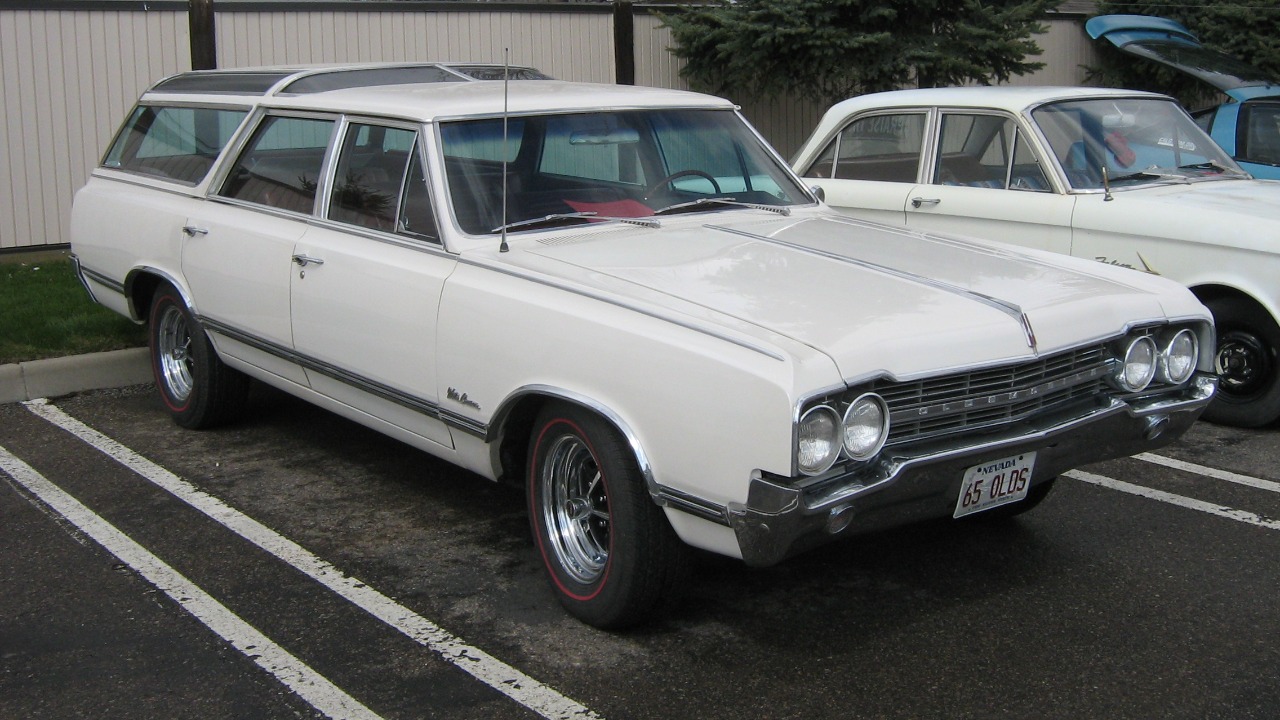
The Oldsmobile Vista Cruiser’s calling card was a stepped-up roof with second-row skylight glass and glass side panels, according to Old Cars Weekly. It was built from 1964 to 1977.
The glass gave the rear of the cabin an unusually airy feel. The wagon later found a second life as a familiar sight on That ’70s Show, which introduced it to viewers born long after production ended. Its long production window also made it a common sight on American roads for well over a decade.
7. Oldsmobile Custom Cruiser: The Disappearing Tailgate
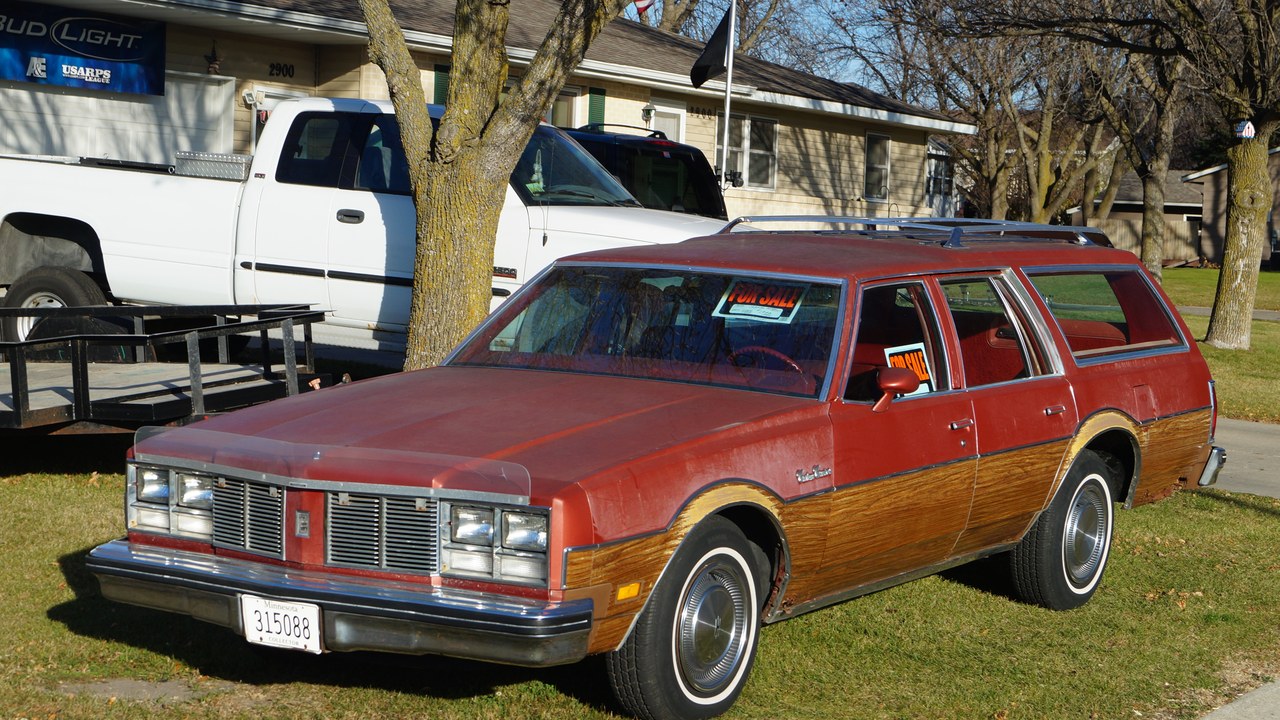
Built on the Olds 98 chassis, the full-size 1971 Custom Cruiser kept GM’s clam shell tailgate, which Old Cars Weekly remembers as the memorable disappearing tailgate.
The rear opening vanished out of the way instead of hanging open in the usual fashion. That gadget set the biggest General Motors wagons apart from rivals and still draws comment from collectors. Compared with a conventional tailgate, the difference would have been easy to notice in a crowded driveway.
8. Ford Country Squire: One Gate, Two Ways

Ford’s 1966 Magic Doorgate folded down like a traditional tailgate or swung open to the side like a door, and the Country Squire name lasted 41 years before production ended in December 1990.
The two-way gate solved a real household problem, since loading groceries and climbing in call for different kinds of access. Few wagon nameplates lasted as long, which helps explain why the Country Squire remains a symbol of the era.
9. AMC Eagle: The Crossover Before Crossovers
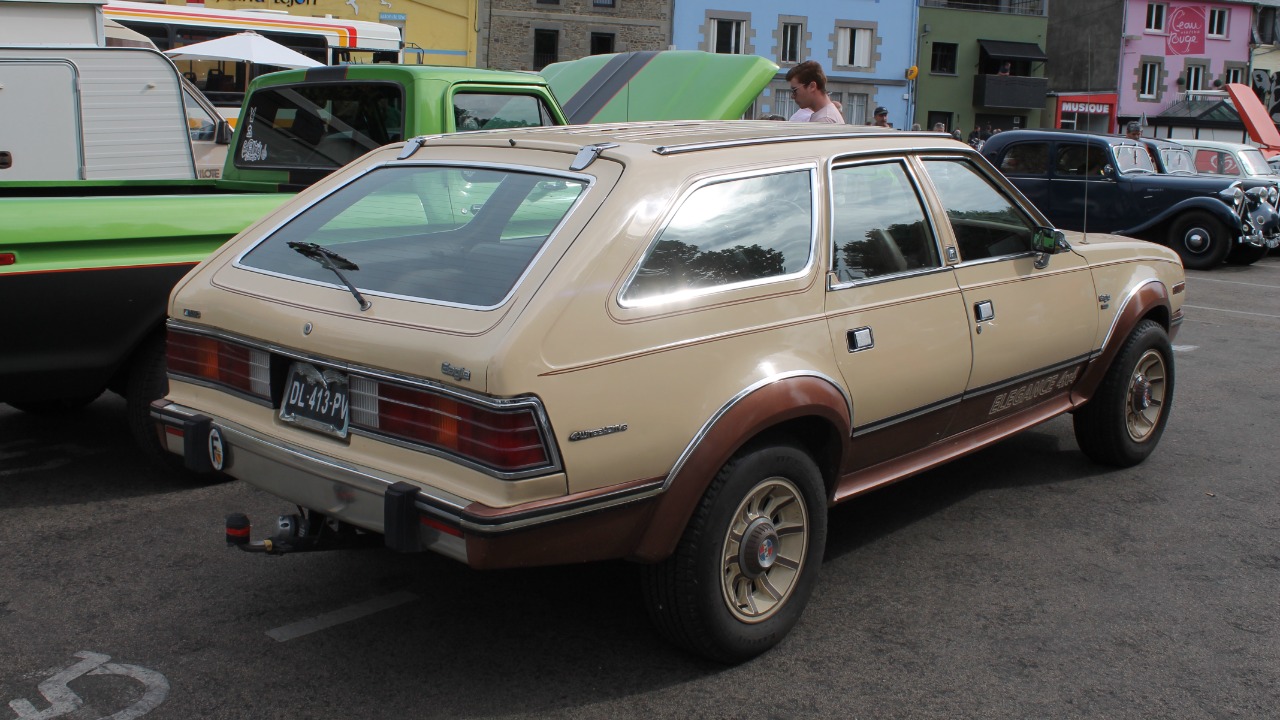
Launched on August 23, 1979, the four-wheel-drive AMC Eagle wagon is often recognized as the pioneer of the crossover segment, according to the Automotive History organization.
The term crossover was not widely used at the time. Even so, a passenger wagon with four-wheel drive foreshadowed the vehicles that fill so many driveways today. Whatever label is applied, the Eagle stands as a bridge between the wagons of earlier decades and the sport utility vehicles that later took over the family market, and it belongs on any honest history of the form.
10. Volvo 240: The Brick That Kept Going
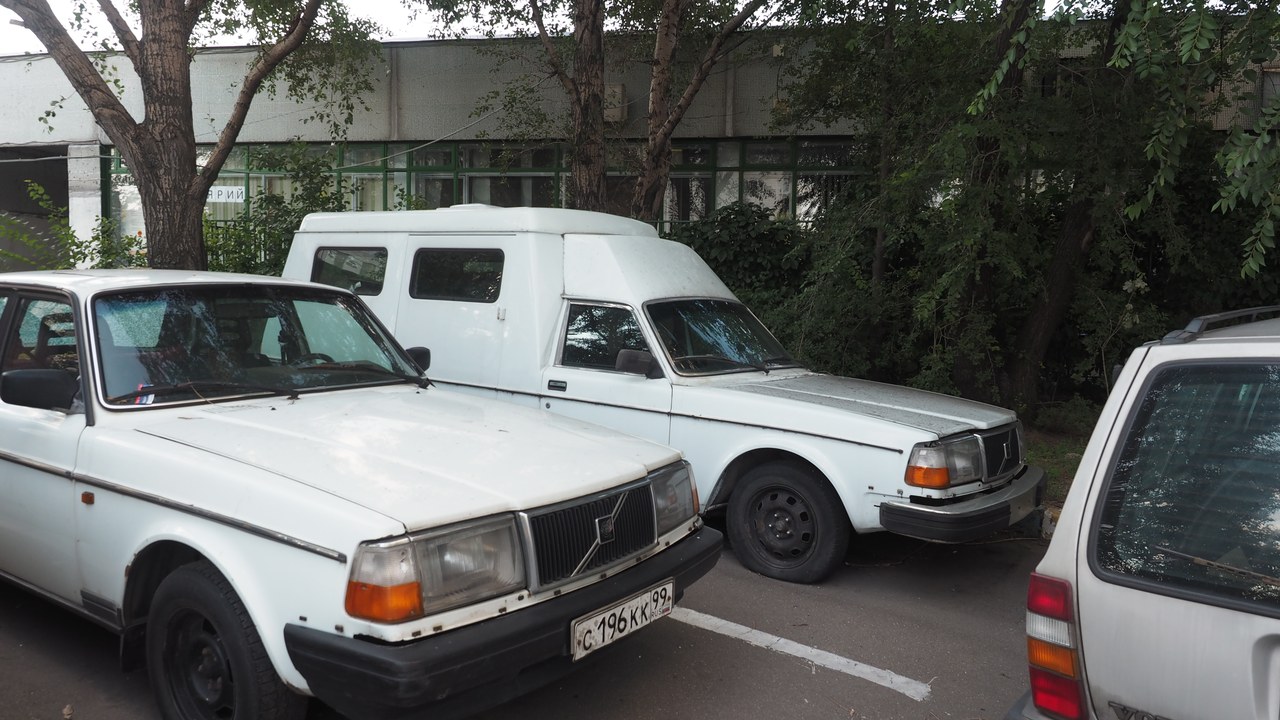
Volvo’s boxy 240 ended its run on May 5, 1993, after 2,862,573 cars were built, and the very last one was a 245 estate, according to the company’s own press release.
The last 245 to reach a customer went to a Swedish woman, who received her keys from P G Gyllenhammar. Nearly three million cars is a long run for one design. The design kept its square profile to the end, and that steady, unfussy approach is much of why owners remember it fondly.
11. Buick Roadmaster Estate: The Last Big Hauler
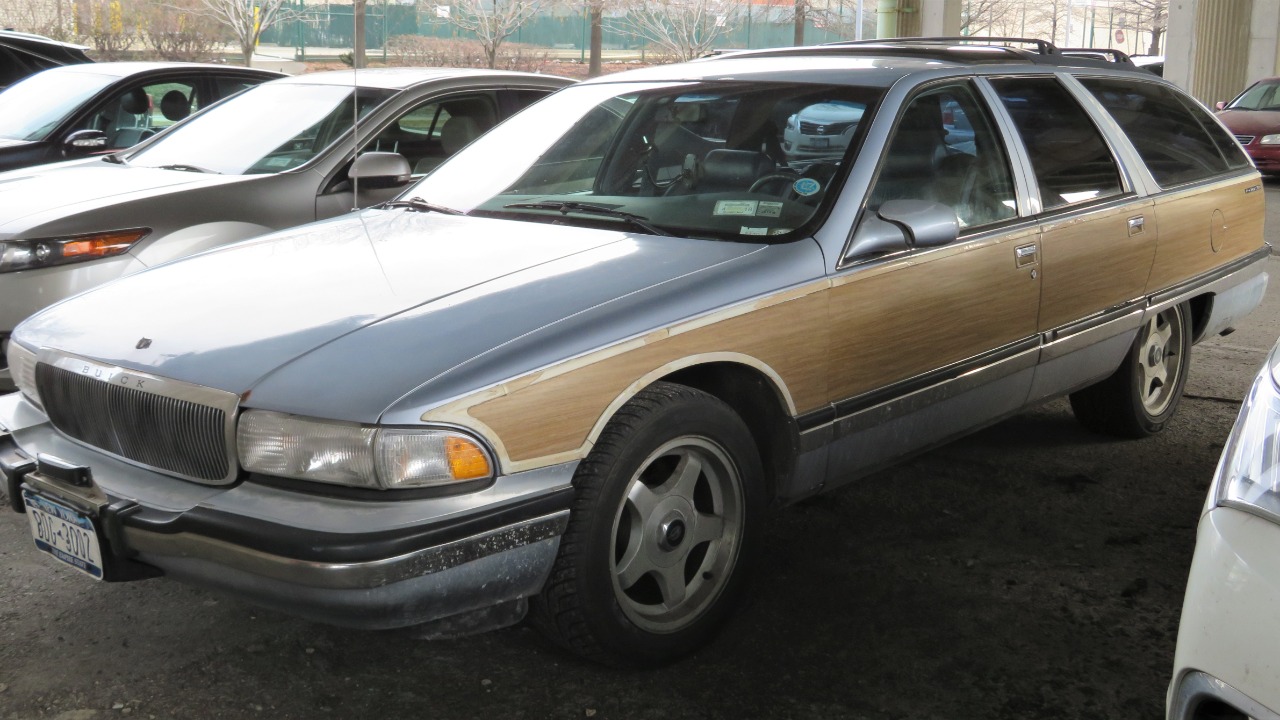
The Buick Roadmaster Estate carried a Corvette-derived V8, the 260-horsepower LT1, and it vanished at the end of 1996 as the last of the big-body family haulers.
Its 300 lb-ft of torque earned the big wagon a sleeper reputation, according to Driving Line. Its exit closed the chapter on full-size American wagons that this list follows from the 1946 Jeep onward. Its departure left minivans and sport utility vehicles to carry the family load, and few full-size wagons have matched its scale since.
More from Morning Overview
- Older Teslas are wearing out in ways early owners never saw coming
- Early electric-car owners are hitting battery and screen failures no one warned them about
- A magnitude 5.3 quake struck off the Oregon coast this week
- Amazon’s Prime refunds are rising to $200 as millions more customers become eligible
