
Some sedans quietly rack up mileage well past the point where most cars have already been traded in or scrapped. Their staying power usually comes down to unglamorous engineering choices — shared platforms, simple four-cylinder engines, and drivetrains refined across many generations rather than reinvented. Here are eleven sedans built to keep running long after 200,000 miles.
1. Toyota Avalon: Full-Size Toyota Durability
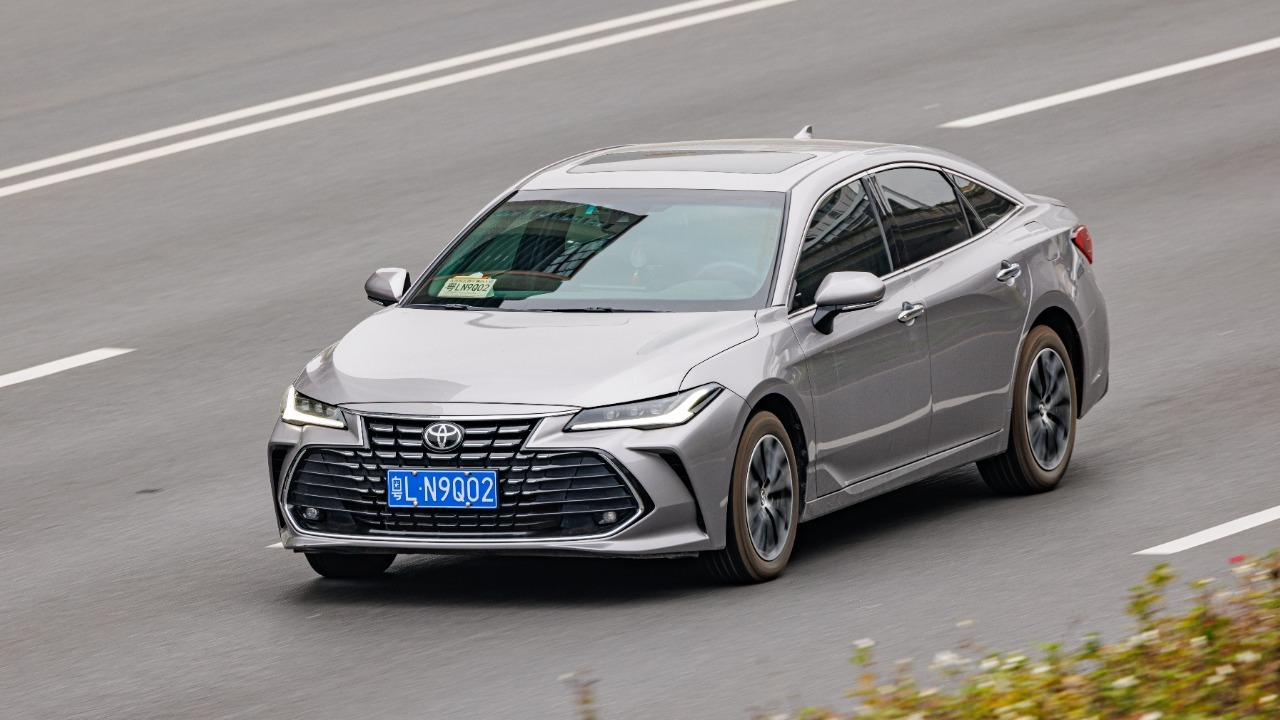
The Avalon sat at the top of Toyota’s sedan lineup for years, and an analysis of vehicle longevity places it among the full-size cars most likely to clear 200,000 miles before a major failure ends its life.
It shares its underlying architecture with the smaller Camry, a link that keeps mechanical parts, service expertise, and aftermarket support widely available even as dealership inventory shifts toward newer models. Buyers drawn to its size and comfort inherit a drivetrain with a long track record rather than an unproven one.
2. Toyota Camry: The Sedan Benchmark
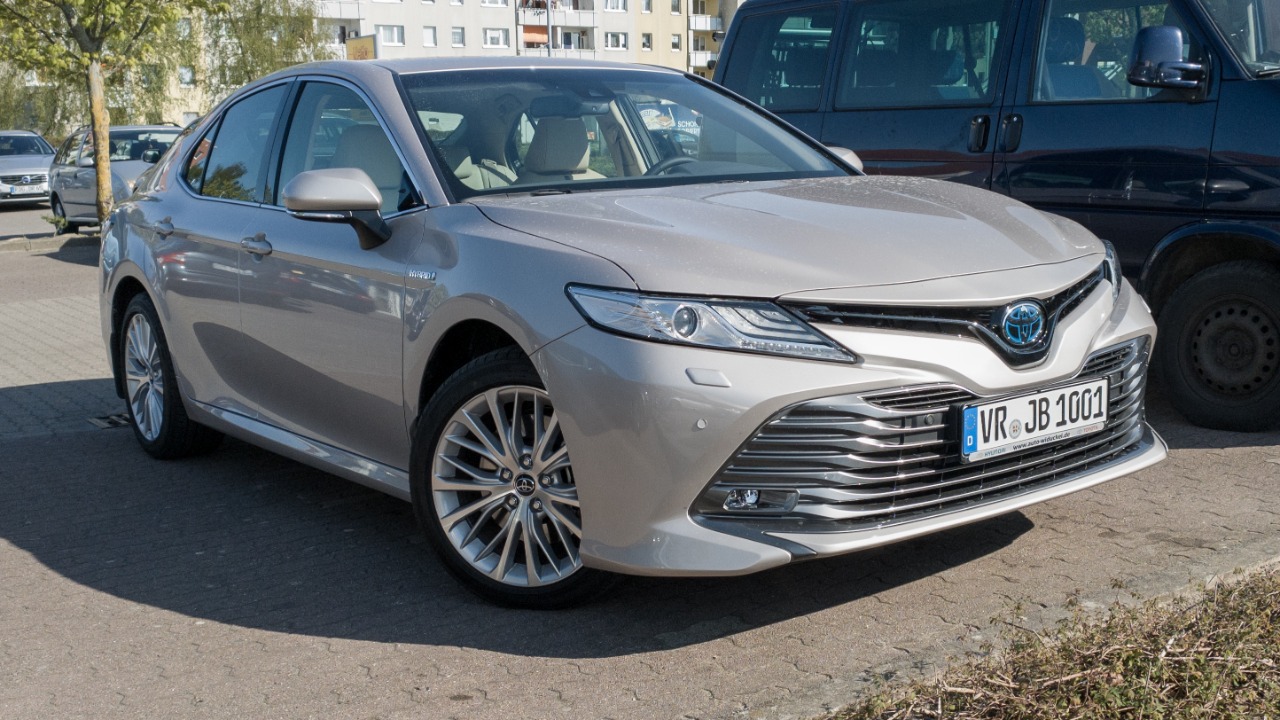
Across the study’s full dataset, just 2.6 percent of sedans reached 250,000 miles, according to longevity data from iSeeCars, and Toyota produced more of those survivors than any other brand, with the Camry leading the pack.
The Camry’s reputation rests less on any single standout part than on a long run of conservative engineering: naturally aspirated four-cylinder and V6 options, and a maintenance schedule that rewards routine oil changes over specialized service. That consistency is why it keeps showing up on high-mileage used-car lots nationwide.
3. Honda Accord: The Steady Workhorse
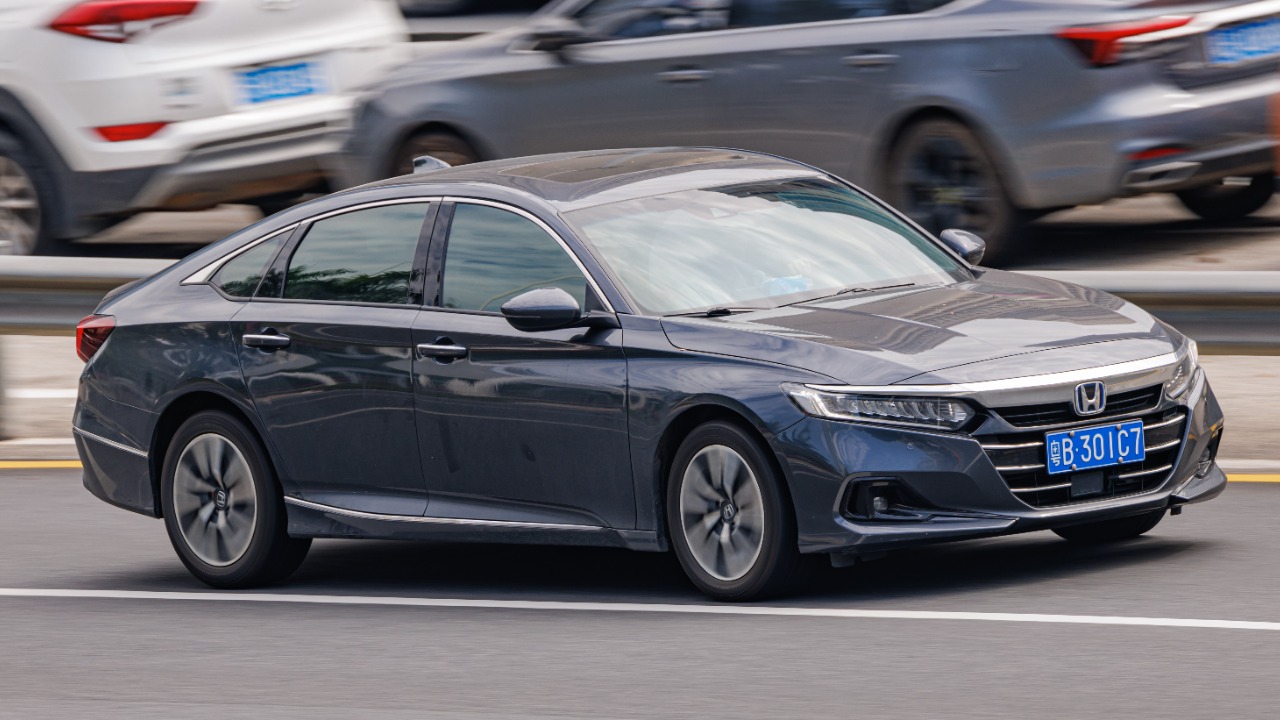
Honda’s midsize sedan turns up again and again in high-mileage vehicle data, a perennial entry among the cars owners hold onto well past the odometer’s first six figures.
Its unibody construction and four-cylinder engines are shared across several Honda models, which keeps replacement parts common rather than scarce. Owners who stay ahead of routine timing and transmission service tend to be the ones who report six-figure mileage without a major engine rebuild.
4. Lexus ES: Luxury Built On Camry Bones
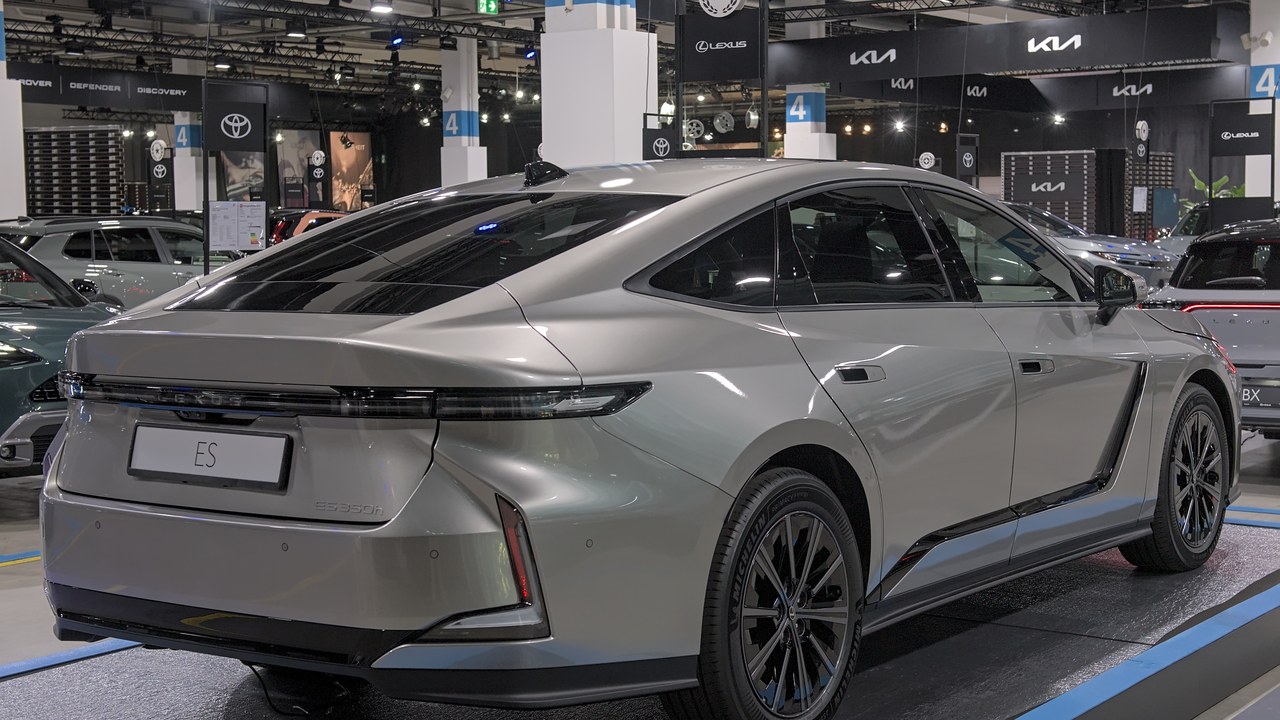
Lexus builds the ES on the same underlying platform as the Camry, and that shared engineering is a big reason the longevity study counts it among the sedans built to last.
The added sound insulation, softer suspension tuning, and upgraded interior materials sit on top of mechanicals that Toyota has refined for years in a higher-volume car. That combination gives ES owners a luxury cabin without inheriting an unproven drivetrain underneath it.
5. Toyota Corolla: Small Car, Long Life
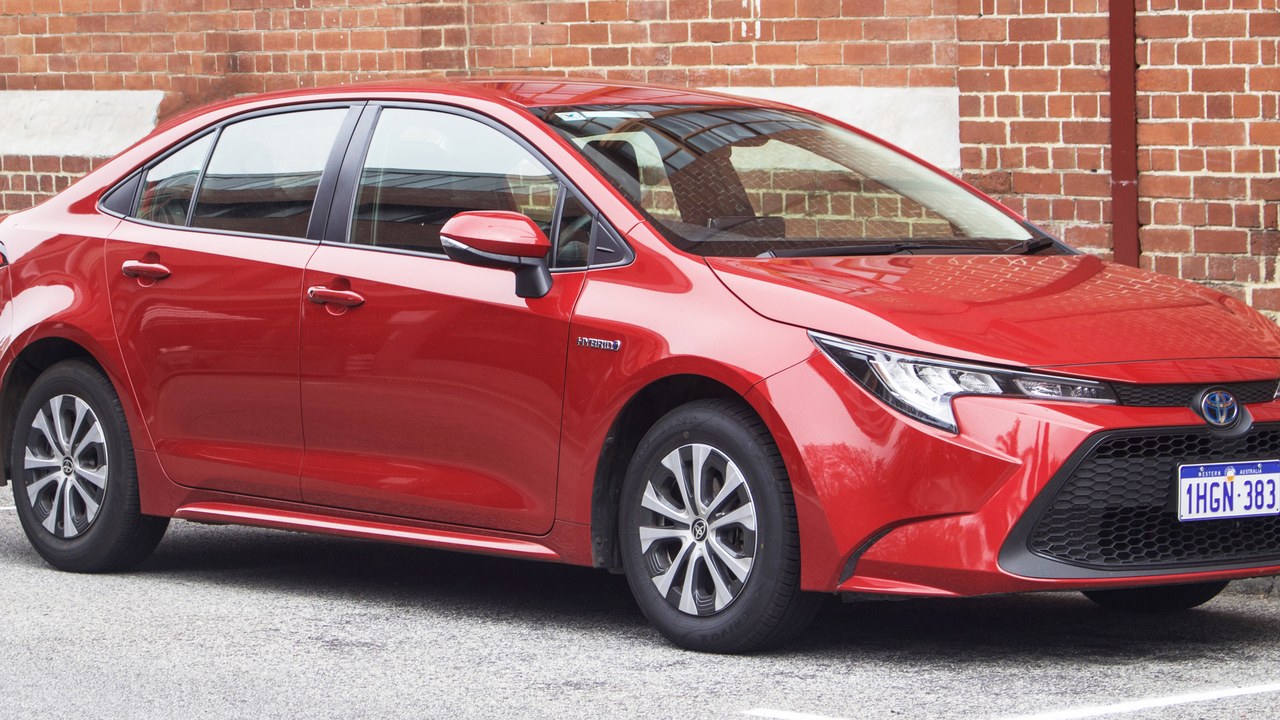
The Corolla is one of the best-selling cars in the world, and a study of vehicle lifespans lists it among the compacts that routinely top 200,000 miles.
Its small four-cylinder engines are tuned for low stress rather than outright power, and decades of shared parts across generations make routine repairs inexpensive almost anywhere. That combination of simplicity and volume, more than any exotic engineering, is what keeps high-mileage Corollas on the road.
6. Honda Civic: Simple By Design
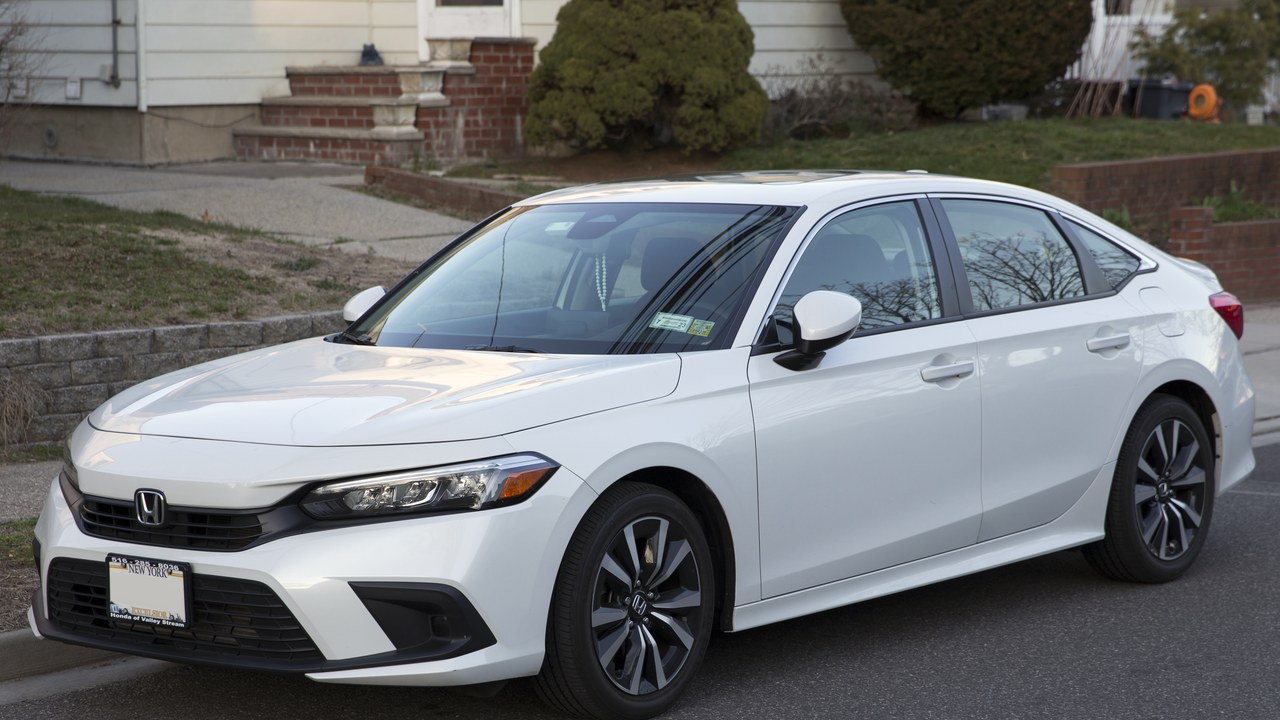
The Civic has stayed Honda’s core compact model across a long production run, and its model history reflects a car built to keep running for decades rather than one redesigned around a fresh gimmick each generation.
Most trims run a naturally aspirated four-cylinder engine paired with straightforward suspension and electronics, which limits the number of expensive systems that can fail as the miles climb. Its popularity also means independent mechanics see enough of them to diagnose problems quickly and cheaply.
7. Lexus LS: The Overbuilt Flagship
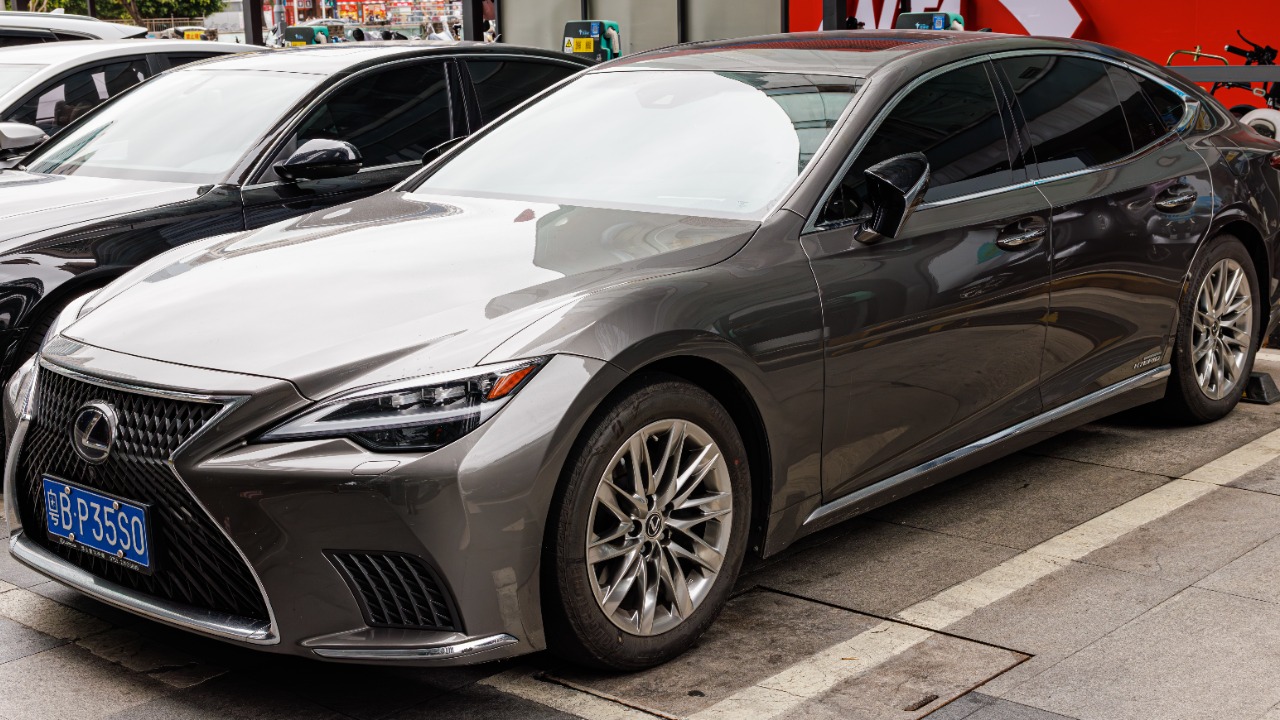
As Lexus’s flagship sedan, the LS earned a reputation for outlasting far cheaper cars, and its long production run is frequently cited as the standard other luxury flagships get measured against for long-term durability.
Toyota over-engineered the LS relative to its price point from the first generation onward, using thicker sound-deadening, extensively tested drivetrains, and conservative tuning instead of chasing raw horsepower figures. That same philosophy is why used LS sedans routinely change hands with high mileage still on the clock.
8. Mazda6: The Quiet Survivor
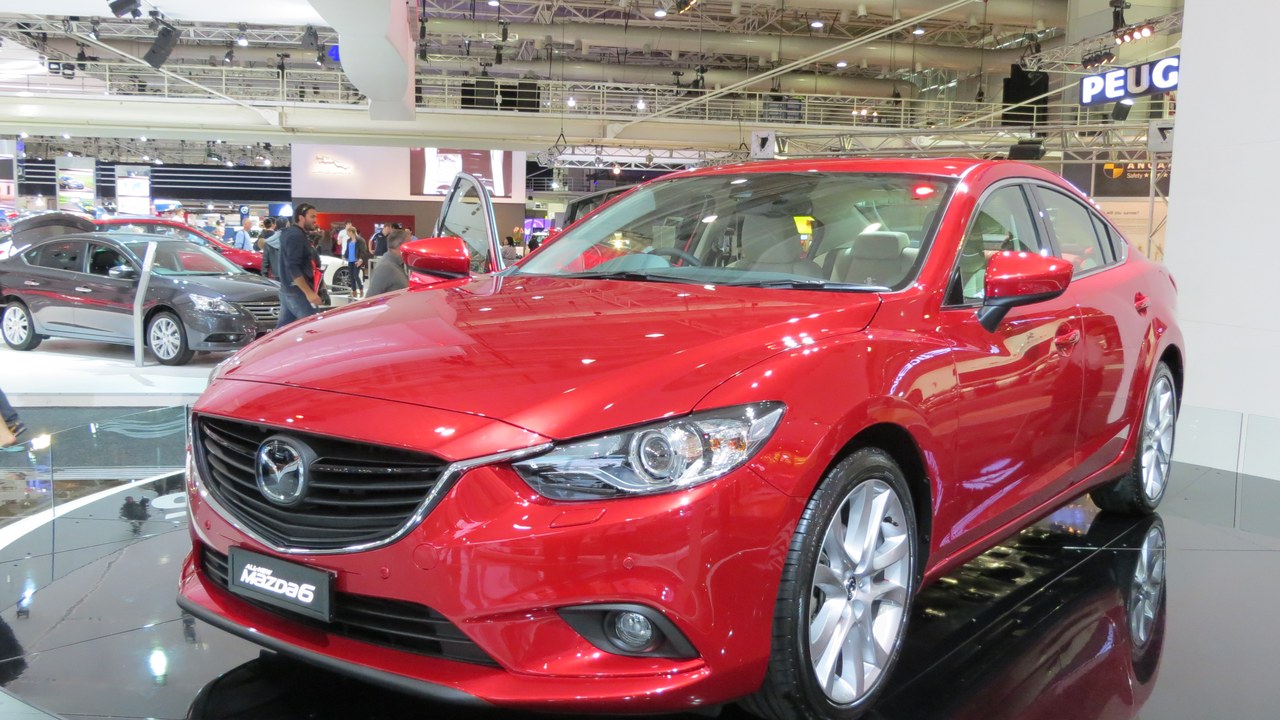
Mazda’s midsize sedan doesn’t get the same longevity headlines as its Japanese rivals, but its production record shows a car that ages gracefully rather than falling apart once its warranty ends.
Its Skyactiv engines were built around lighter internals and a higher compression ratio aimed at efficiency, and that same lighter-stress design has held up well over time. Rust-proofing and interior materials also outlasted Mazda’s earlier reputation, closing much of the durability gap with Toyota and Honda.
9. Nissan Maxima: V6 Muscle That Lasts
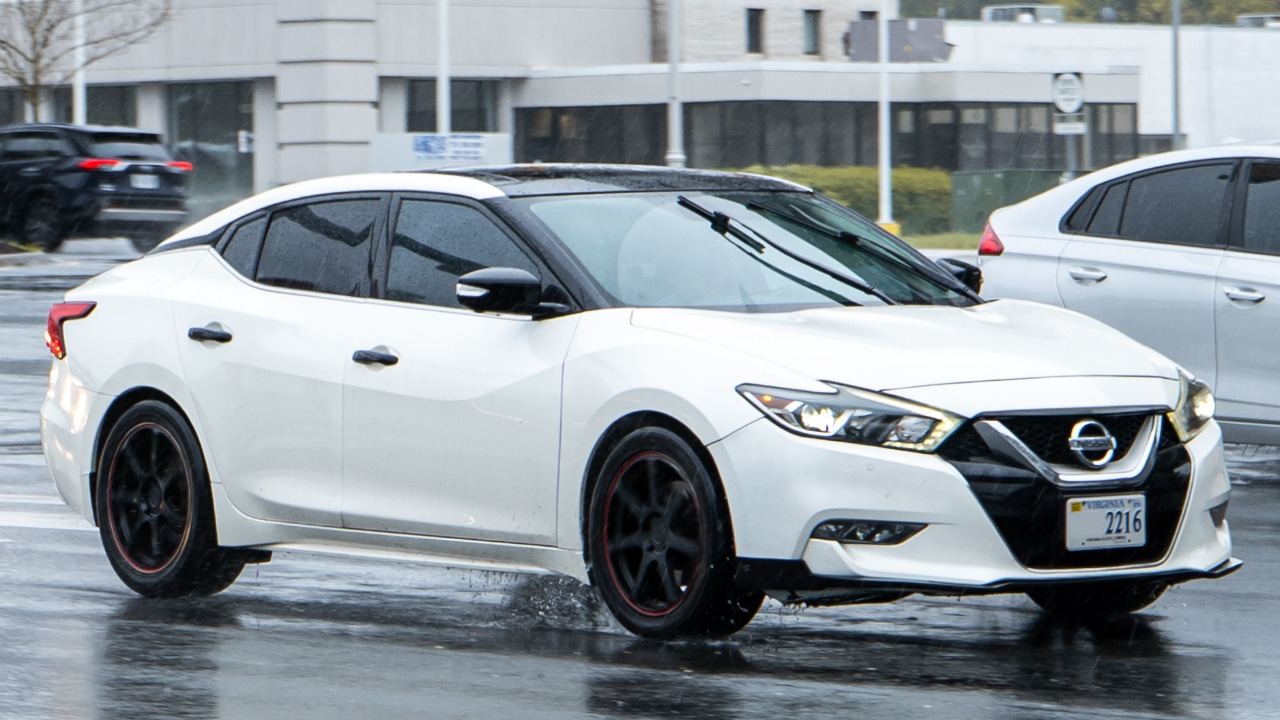
The Maxima has carried a V6 under its hood for most of its life, and its long-running V6 lineup is built around engines that owners regularly push well past six-figure mileage.
Its VQ-series V6 has a track record for handling high mileage better than the continuously variable transmissions Nissan later paired it with, so a well-maintained example with clean transmission service records tends to outlast one with a neglected fluid-change schedule.
10. Subaru Legacy: All-Wheel Drive For The Long Haul
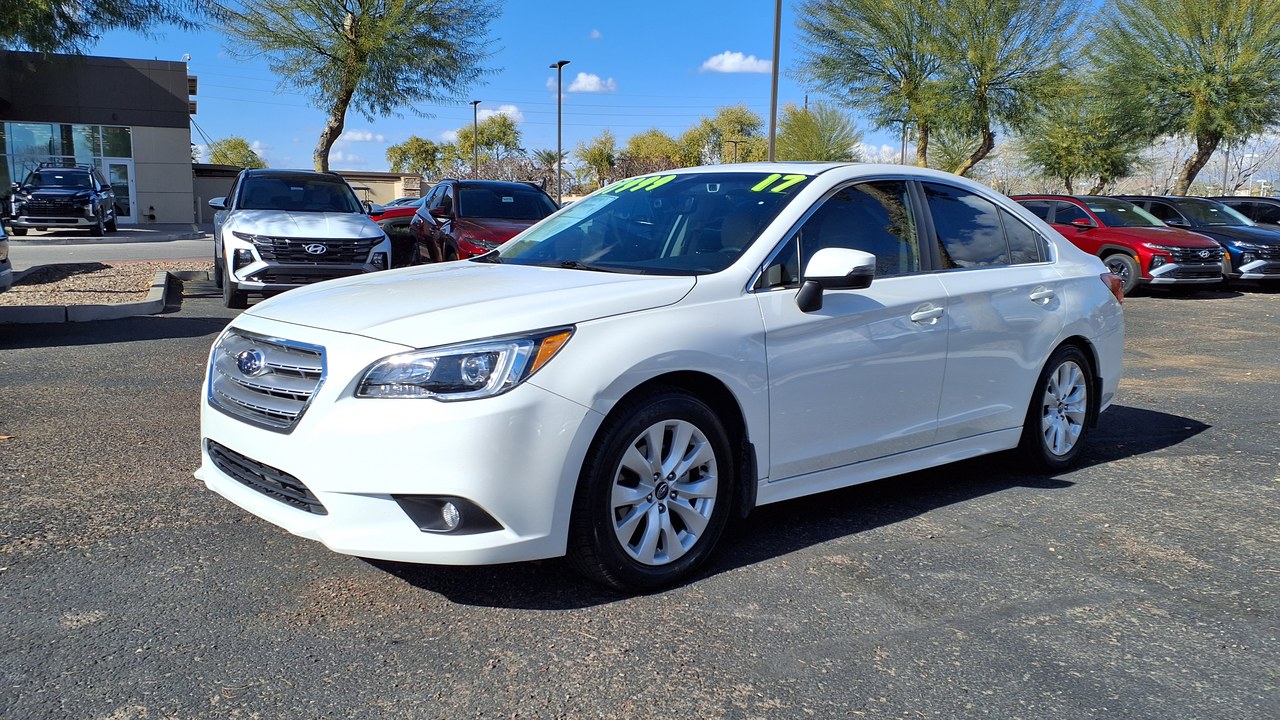
Subaru built the Legacy around standard all-wheel drive and a horizontally opposed boxer engine, a layout its model lineage has carried since the car’s earliest generations.
The low center of gravity that the boxer layout provides comes with more involved head-gasket service than a conventional inline engine, so Legacy longevity leans heavily on owners keeping up with that maintenance. Done right, the symmetrical drivetrain is a major reason these sedans keep working in snow and mud long after rivals retire.
11. Ford Crown Victoria: Built For Fleet Duty

Few sedans spent as many hours in continuous duty as the Ford Crown Victoria, a body-on-frame, rear-wheel-drive full-size sedan whose Panther-platform underpinnings powered police cruisers, taxis and livery cars across North America.
Its 4.6-liter V8 and body-on-frame construction were simple by design, built more for durability under heavy fleet use than outright performance, and that same simplicity kept parts cheap and mechanics familiar with the car for decades. Fleet, police and taxi versions logged especially high mileage in service, which is why so many examples are still running long after their civilian counterparts have been scrapped.
More from Morning Overview
