
Electricity is hard to keep, so utilities and agencies have built places that hold it as lifted water or as chemical charge until demand calls for it. The sites below include mountain reservoirs, river dams and a battery complex on the California coast. Here are eleven of them, each with the capacity figure or design detail that earns it a place.
1. Bath County Pumped Storage Station: The Biggest Mountain Battery
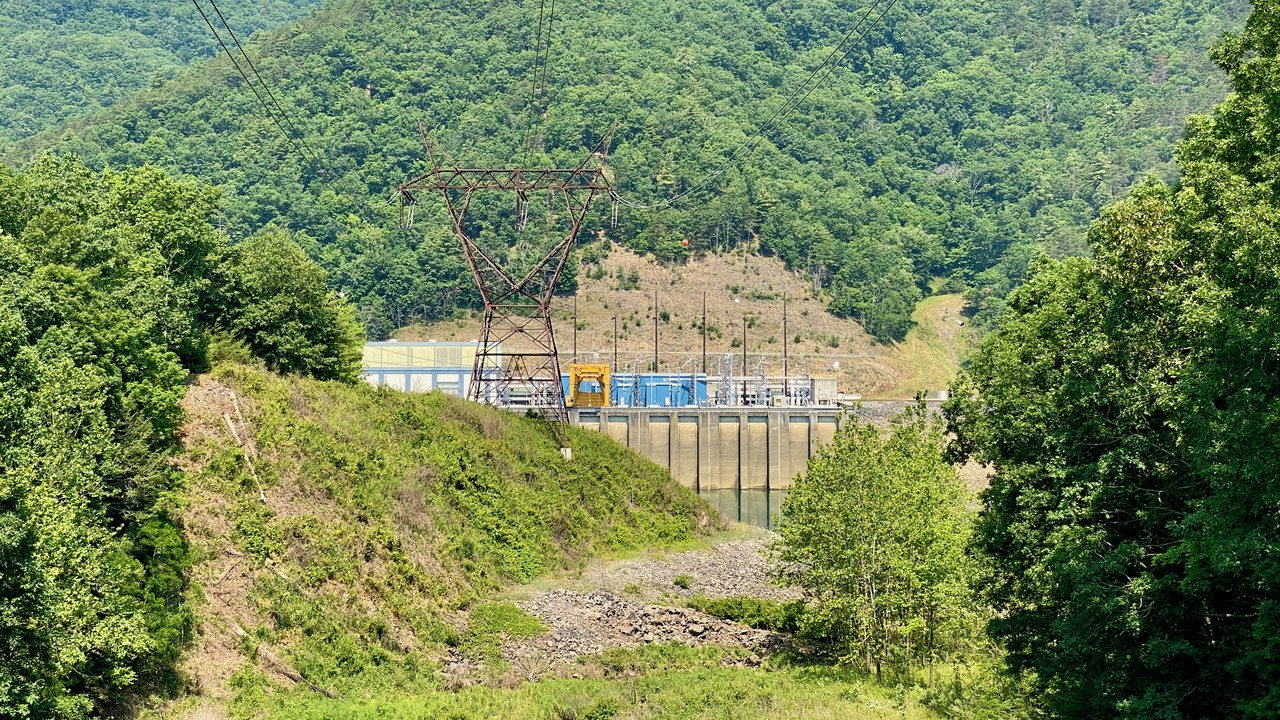
Dominion Energy lists the Bath County station’s net generating capacity at 3,003-megawatt net capacity across six units. That output is enough for roughly 750,000 homes. The station works by releasing water downhill between two mountain reservoirs, so the stored energy sits as elevated water until power is needed and then runs through the units to the grid.
A visitor or neighbor should read the number as the plant’s net output when all six units run, not as annual production. The homes comparison is an approximation.
2. Moss Landing Power Plant: Lithium Banks by the Bay
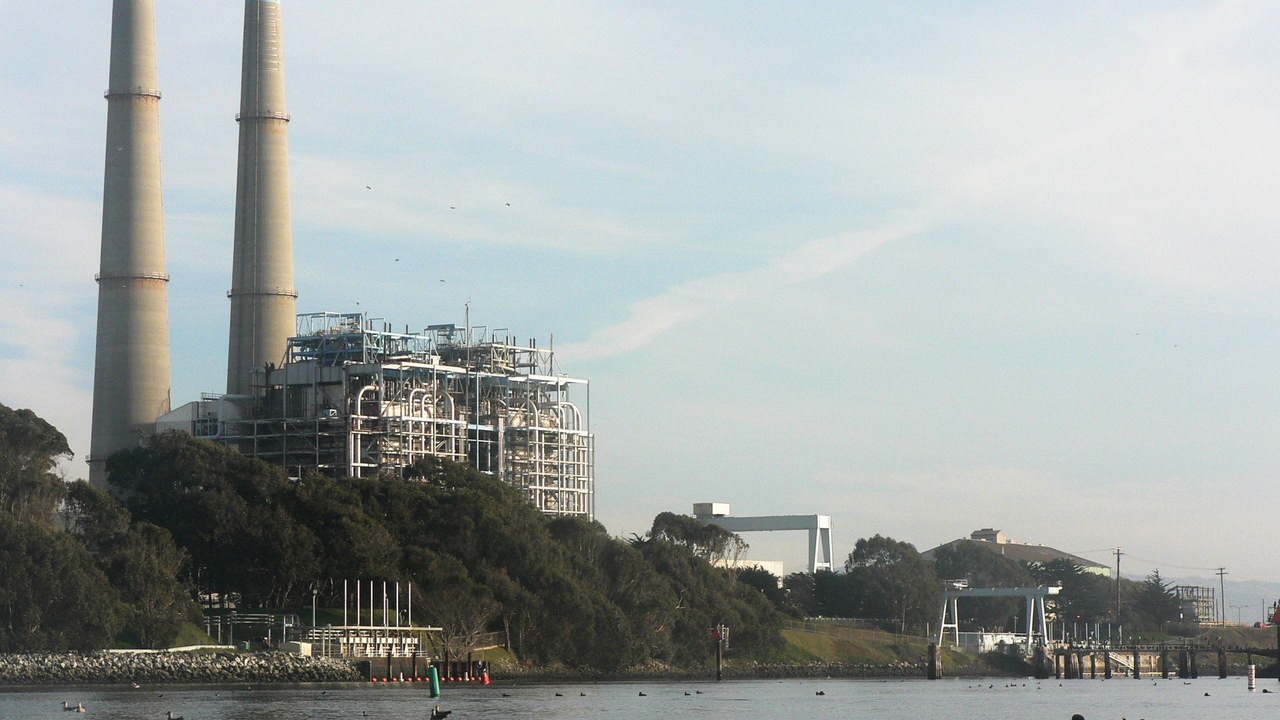
The Energy Information Administration identifies the Vistra-owned facility at Moss Landing, California, as the largest battery facility in operation in the country, at 750 megawatts. The lithium-ion banks sit beside Monterey Bay. The EIA’s statement uses the word currently, so the ranking describes the date of its report and may change as other projects come online.
Unlike the water-based sites on this list, this one stores energy chemically in batteries. The 750-megawatt figure is its power rating as the EIA reports it.
3. Taum Sauk Hydroelectric Power Station: Ameren’s Giant Battery
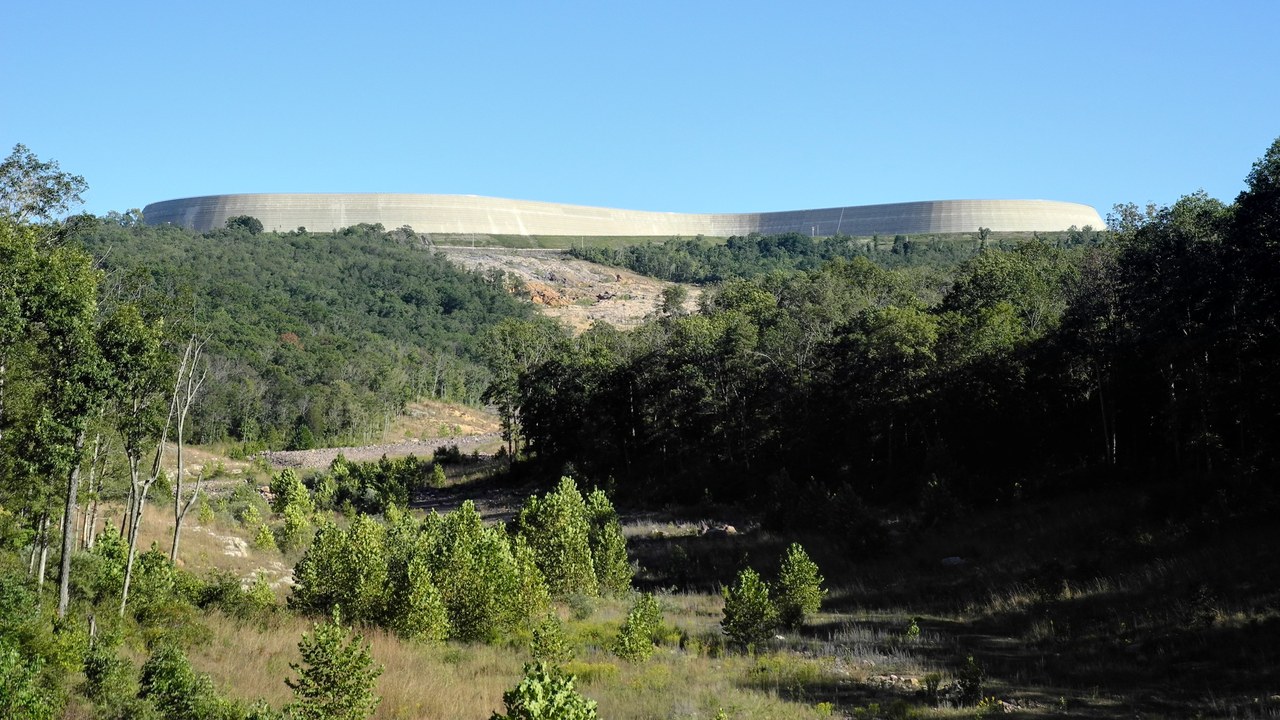
Ameren describes the Taum Sauk Energy Center in Missouri as storing the natural power of 1.5 billion gallons of water. The company calls the plant a giant battery. Water held on the mountaintop is dropped through turbines when demand spikes, converting that stored height back into electricity at the moments the grid needs it.
The volume is Ameren’s own description of the plant’s stored water. For a reader picturing it, the mountaintop reservoir is the part of the system that holds the energy.
4. San Luis Reservoir: Eight Pumps That Run Backwards
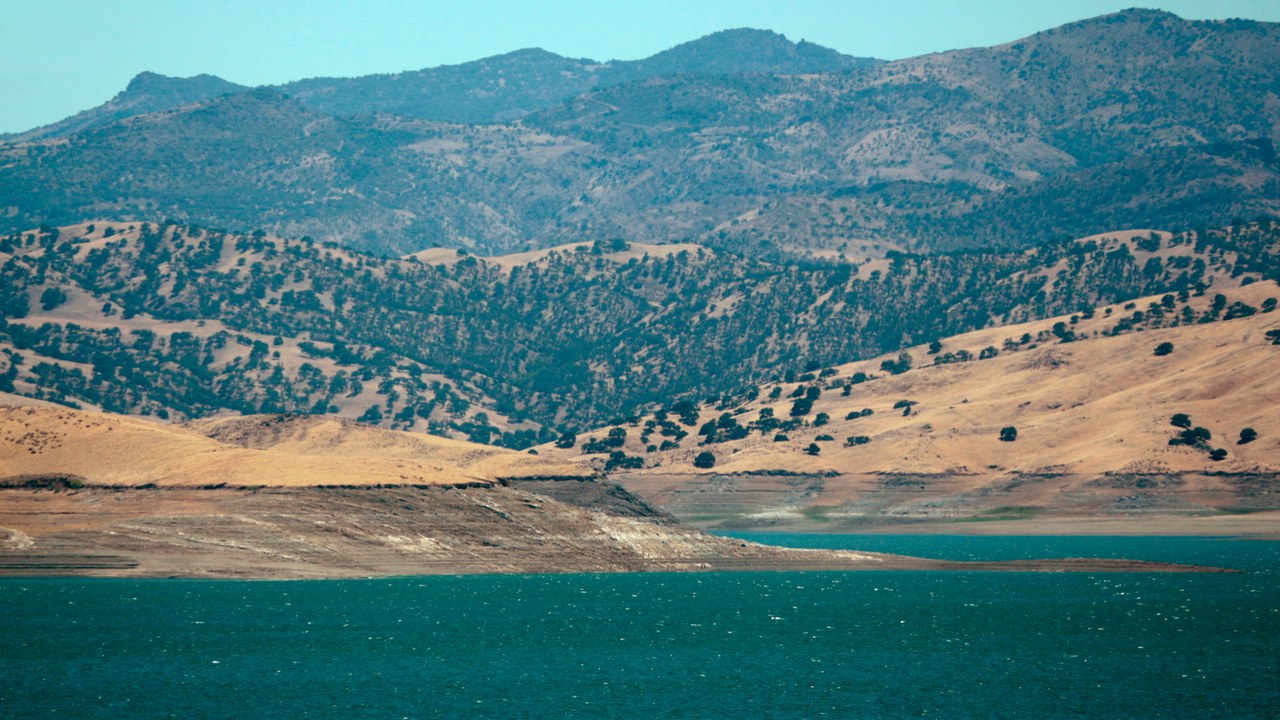
The Bureau of Reclamation describes eight pumping-generating units at the Gianelli plant at San Luis Reservoir, each rated at 63,000 horsepower as a motor and 53,000 kilowatts as a generator. The plant has had 424,000 kilowatts installed since 1968. The units are reversible, lifting water uphill and then running backwards to reclaim the energy.
The same machines do both jobs, which is why the plant counts as storage. The motor rating is higher than the generator rating, a detail the Bureau’s page states directly.
5. Grand Coulee Dam: A Dam That Banks Energy
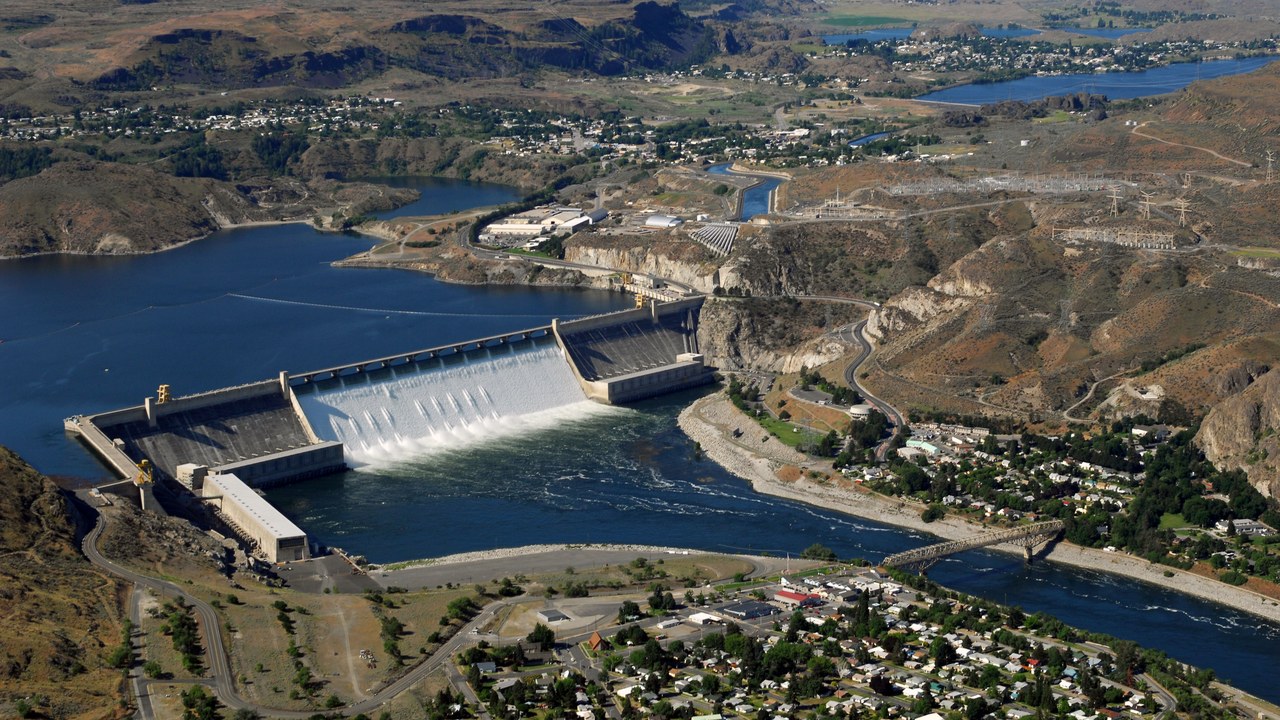
The Bureau of Reclamation records that Grand Coulee’s six irrigation pumps, numbered P-1 through P-6, were installed from 1951 to 1953. Six pump-generators followed in the 1970s and early 1980s. Together, the two sets of machines let the dam bank energy as lifted water, a function layered on top of its role as a river dam.
The history matters because the storage capability was added decades after the dam’s original construction. The dates given cover the pumps’ installation, not the plant’s current output.
6. Raccoon Mountain Pumped-Storage Plant: Twenty-Two Hours of Output
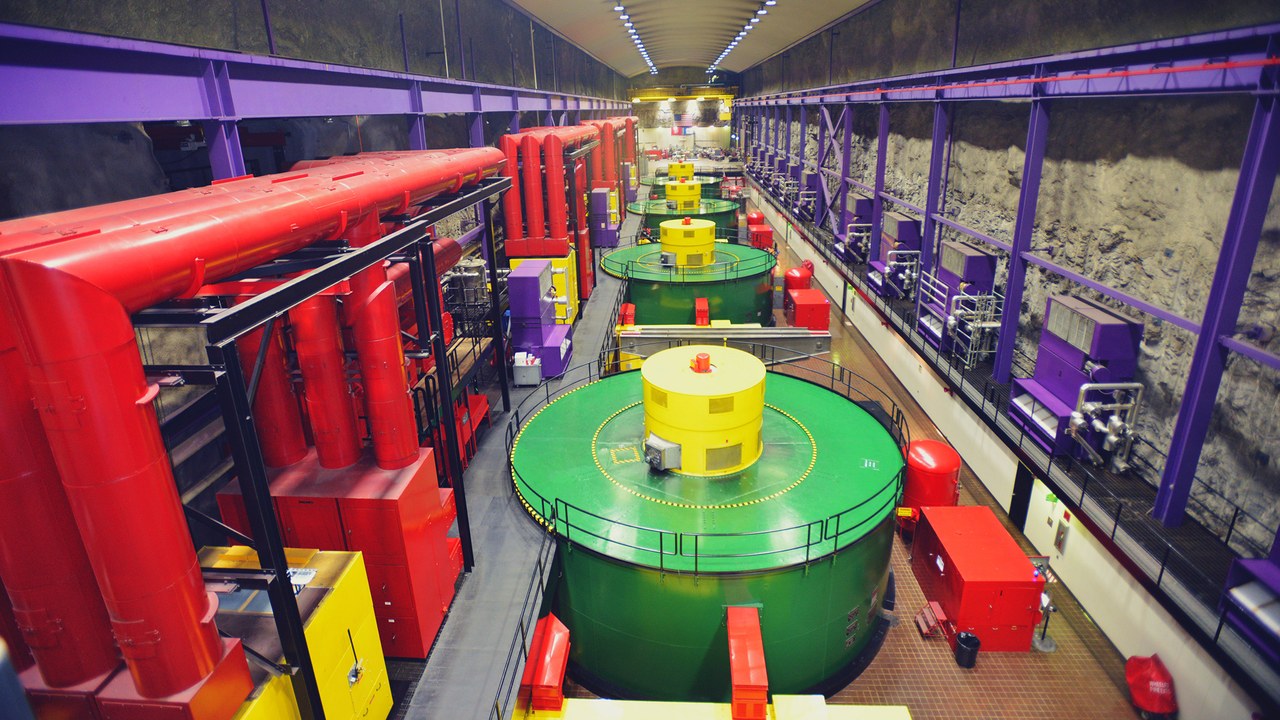
Raccoon Mountain Pumped-Storage Plant has a maximum power output of 1,652 megawatts and can generate power for up to 22 hours, according to its encyclopedia entry. The reservoir sits on top of a Tennessee mountain, with a TVA visitor center at the rim. That combination of long duration and a public viewing point sets the plant apart on this list.
The visitor center sits at the rim. The 22-hour figure is a ceiling on generation, as the phrase up to makes clear.
7. Ludington Pumped Storage Plant: Lake Michigan’s Battery
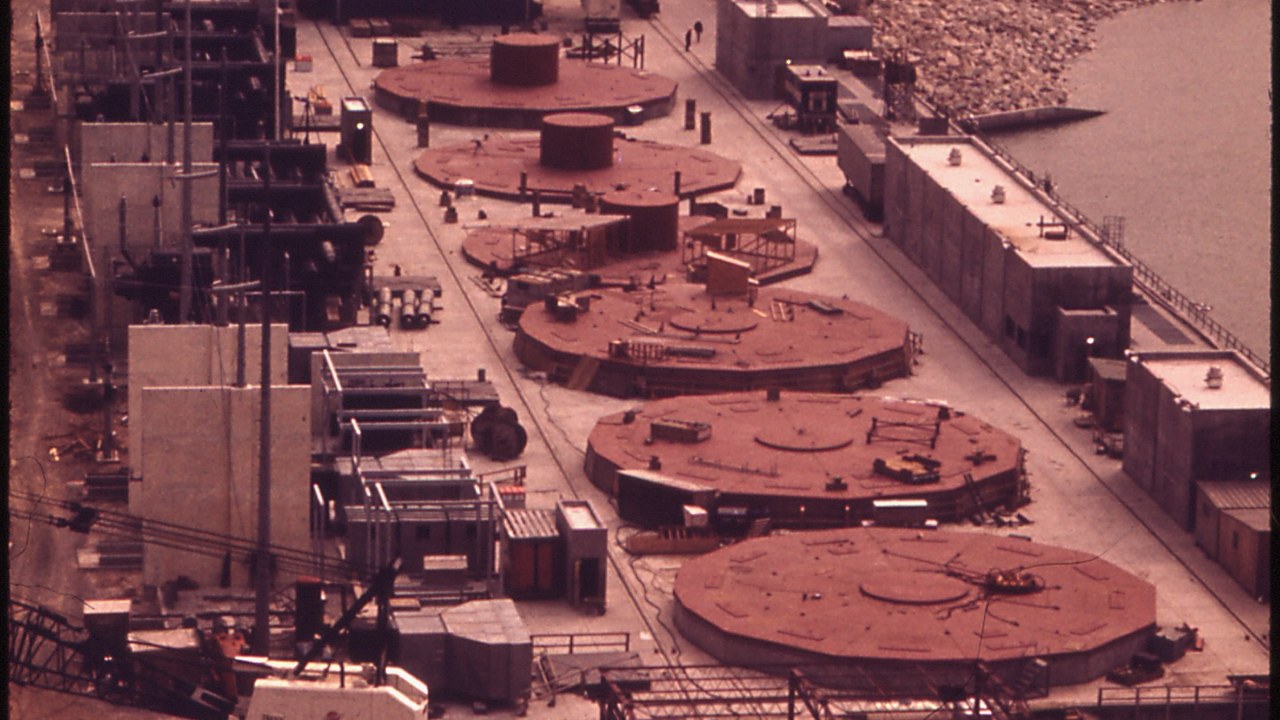
On the Lake Michigan shore north of its namesake town, a 2,292-megawatt pumped-storage plant has run since 1973, lifting lake water into an upper reservoir holding 82,860 acre-feet and releasing it back down through the same machines when the grid needs power.
Rated output matters less than duration here: the stored water is good for about nine hours of generation, or 19,548 megawatt-hours, which covers an evening peak rather than a momentary spike. That nine-hour window is the practical difference between this kind of storage and a battery bank sized in minutes.
8. Hiwassee Dam: First Pump and Turbine Combined
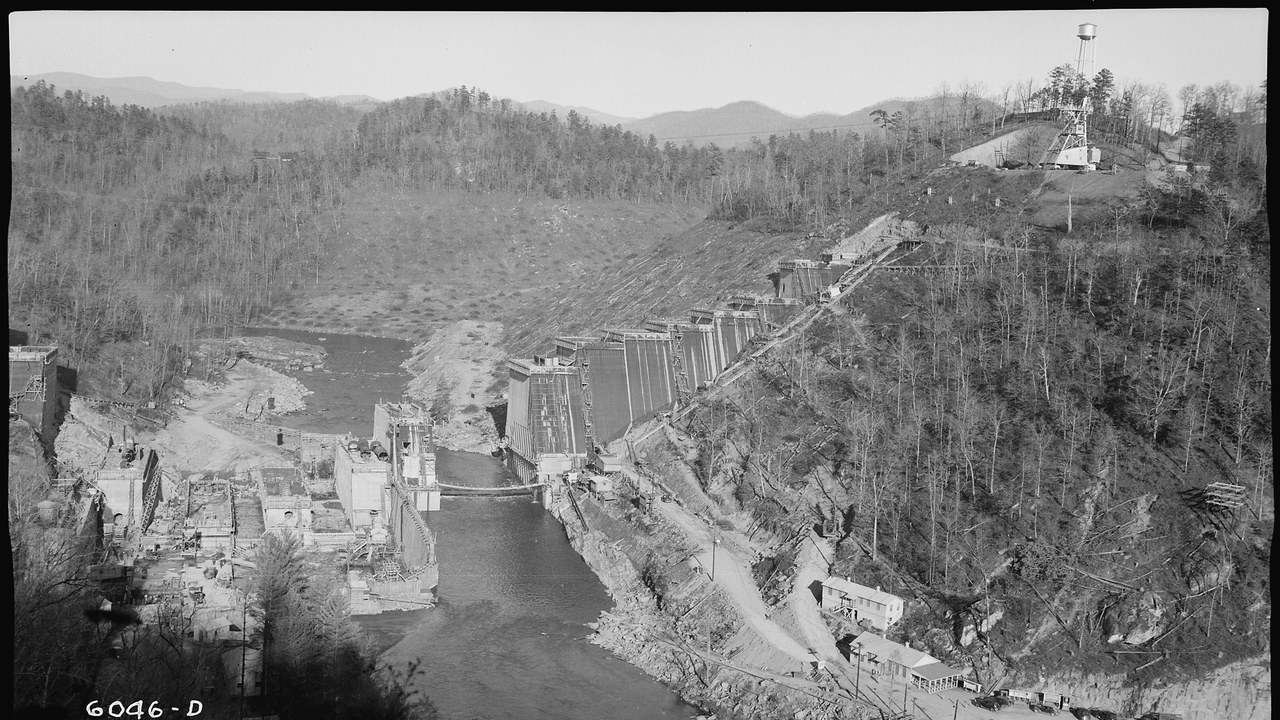
Hiwassee Dam is described as the site of the first combined pump and turbine in the United States, an integration Wikipedia’s entry calls the first of its kind. At the time, it was the most powerful pump in the world, moving 1,750,000 gallons a minute. The claim is historical, which means the superlative applies to that moment rather than today.
The dam’s place on this list rests on that first, rather than on current capacity. The pump figure of 1,750,000 gallons a minute is the capacity credited to it at the time.
9. Smith Mountain Dam: Built Expressly for Storage
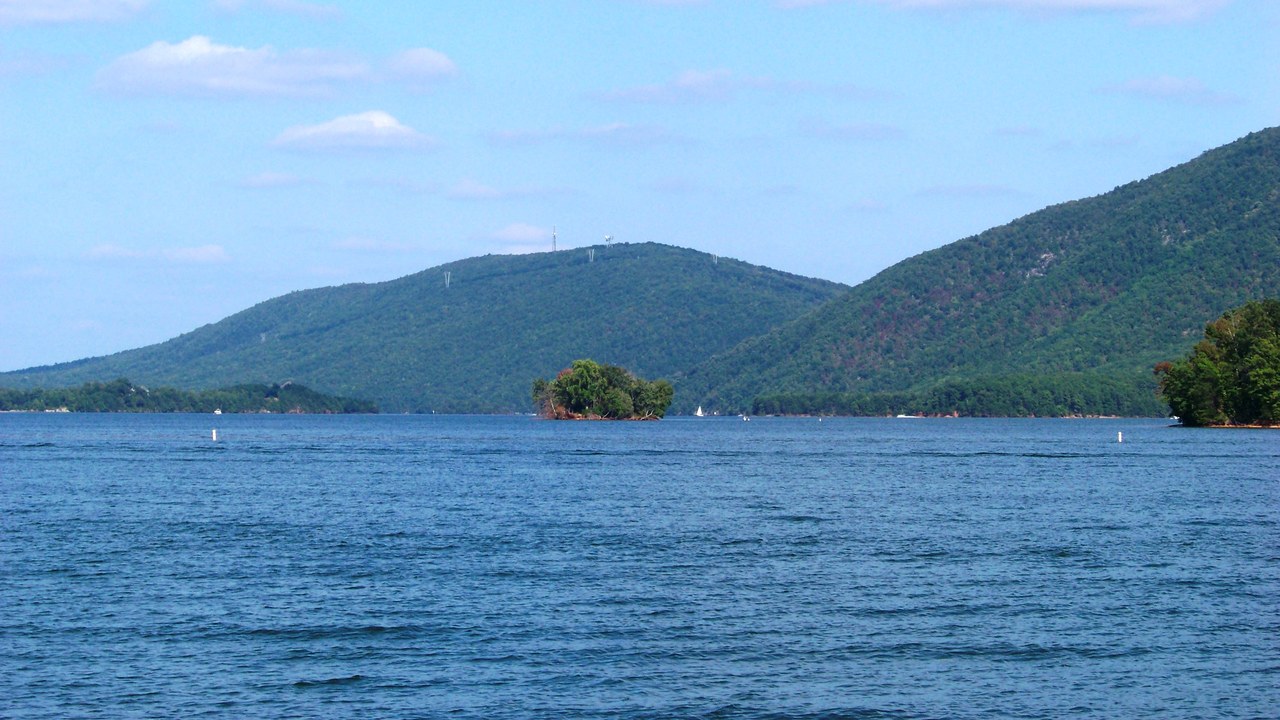
Smith Mountain Dam houses five hydroelectric generators with a 560 megawatts of combined installed capacity, according to its encyclopedia entry. It was built in the early 1960s expressly for pumped storage on Virginia’s Roanoke River. The stated purpose is what distinguishes it from dams where pumping was added later.
The five-unit total is the installed capacity, not an annual output. That is 60 megawatts above the 500 megawatts listed for Carters Dam elsewhere on this list.
10. Carters Dam: Georgia’s Corps Lake Plant
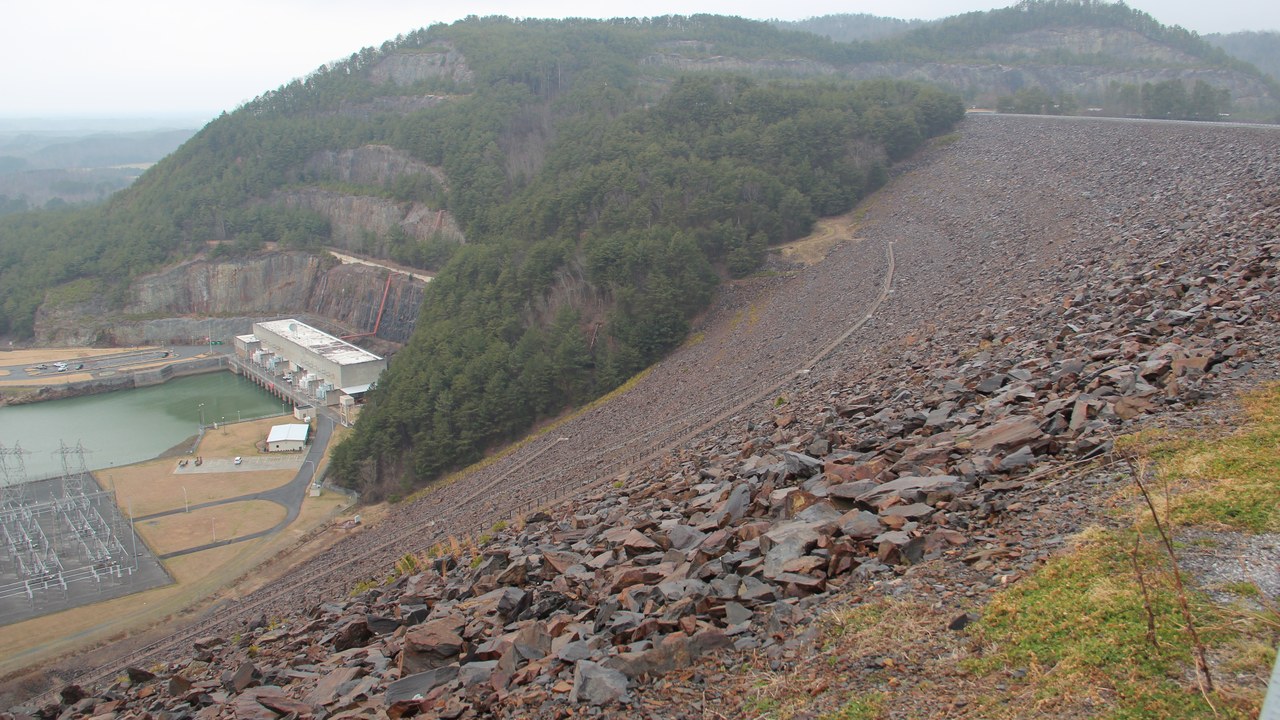
Carters Dam carries 2 x 160 MW Modified Francis pump turbines used in pumped storage, a combination listed as 500 megawatts in its encyclopedia entry. The plant sits beneath a popular Corps of Engineers lake in Georgia. Each of the two turbines is rated at 160 megawatts, and the pumped-storage total is given separately at 500 megawatts.
The reader should treat the 500 megawatts as the pumped-storage figure. The lake above the plant is popular and run by the Corps of Engineers.
11. Blenheim–Gilboa Hydroelectric Power Station: A Catskill Mountain Reservoir
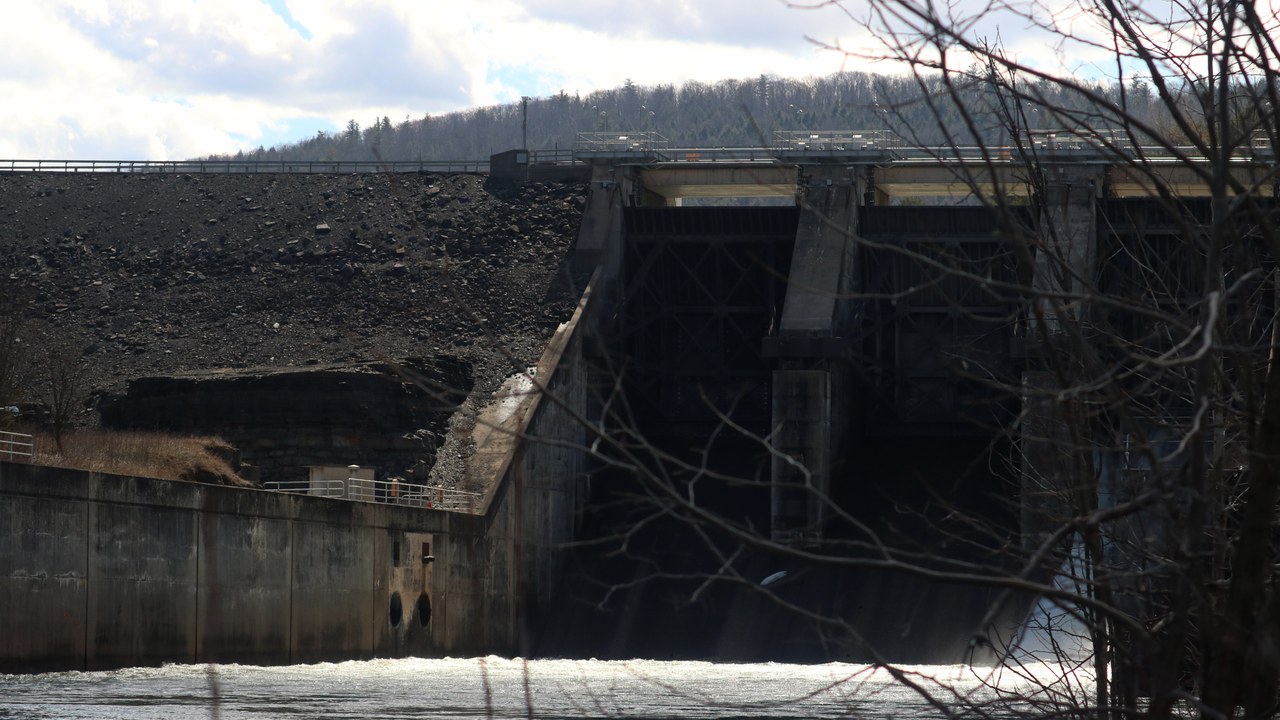
In Schoharie County, New York, 1,134 megawatts of pumped storage works between two Catskill reservoirs set 1,066 to 1,142 feet apart in elevation, with a powerhouse built in 1973 between them.
The accumulated store is about 12,000 megawatt-hours, well under Bath County’s scale but placed inside the New York grid, where the value of a reservoir is partly where it sits. The gross head of more than a thousand feet is what lets a site of this size hold that much energy in water alone.
More from Morning Overview
- Card skimmers hidden on gas pumps and ATMs are draining accounts, and here’s the tell
- Doctors warn a silent liver disease now affects one in three American adults
- Hackers are hijacking outdated home routers, and the FBI named the models to check
- Older Teslas are wearing out in ways early owners never saw coming
