
Federal safety standards reach well beyond the factory floor and into the parts bin at the local shop. Several of them decide which aftermarket lamps, tires, mirrors and wheels are legal to sell and fit. Here are eleven parts that sit under a numbered standard in Title 49 of the Code of Federal Regulations.
1. Headlamp: Lighting Standard Rules
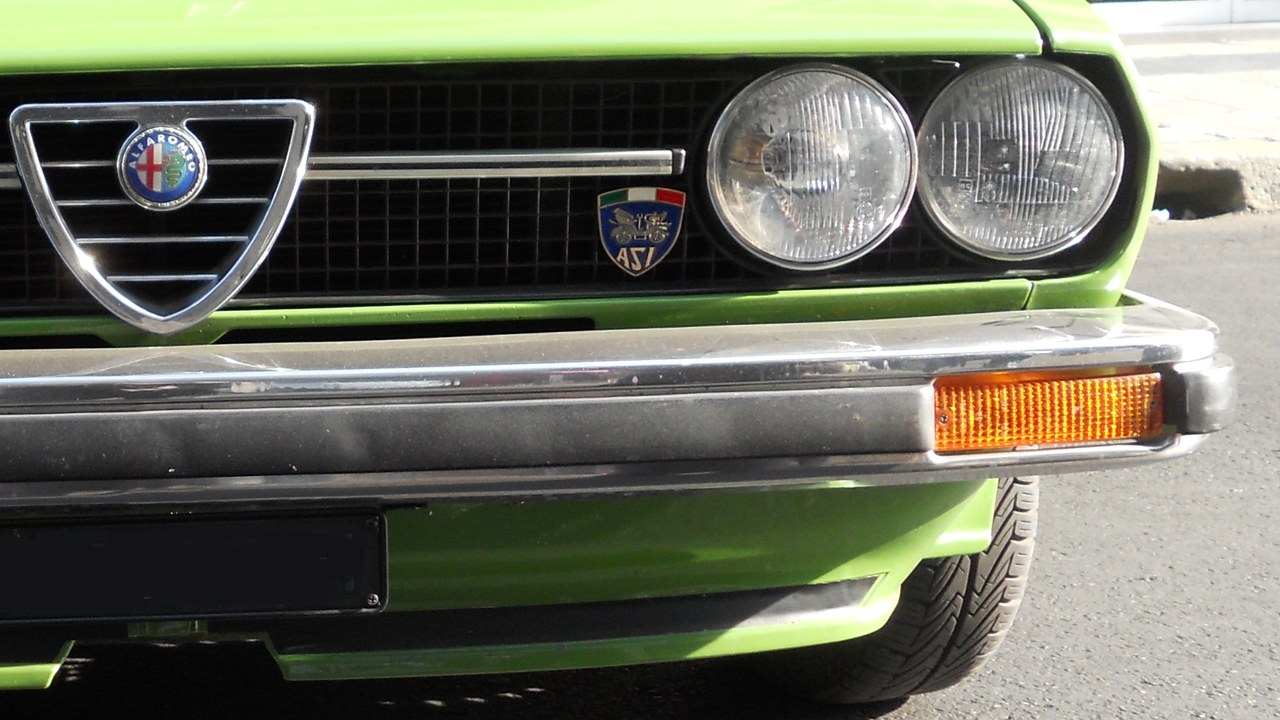
Headlamps fall under FMVSS No. 108, titled Lamps, reflective devices, and associated equipment, which is codified at 49 CFR 571.108. The federal lighting standard is the text that decides which aftermarket headlamp units count as legal.
For an owner, that means a replacement unit is not automatically acceptable just because it bolts into the same opening. A repair shop that fits a headlamp assembly is working inside the same standard, so the product needs to be one sold as compliant with it, rather than a cosmetic lookalike.
2. Brake light: Stop Lamps Covered
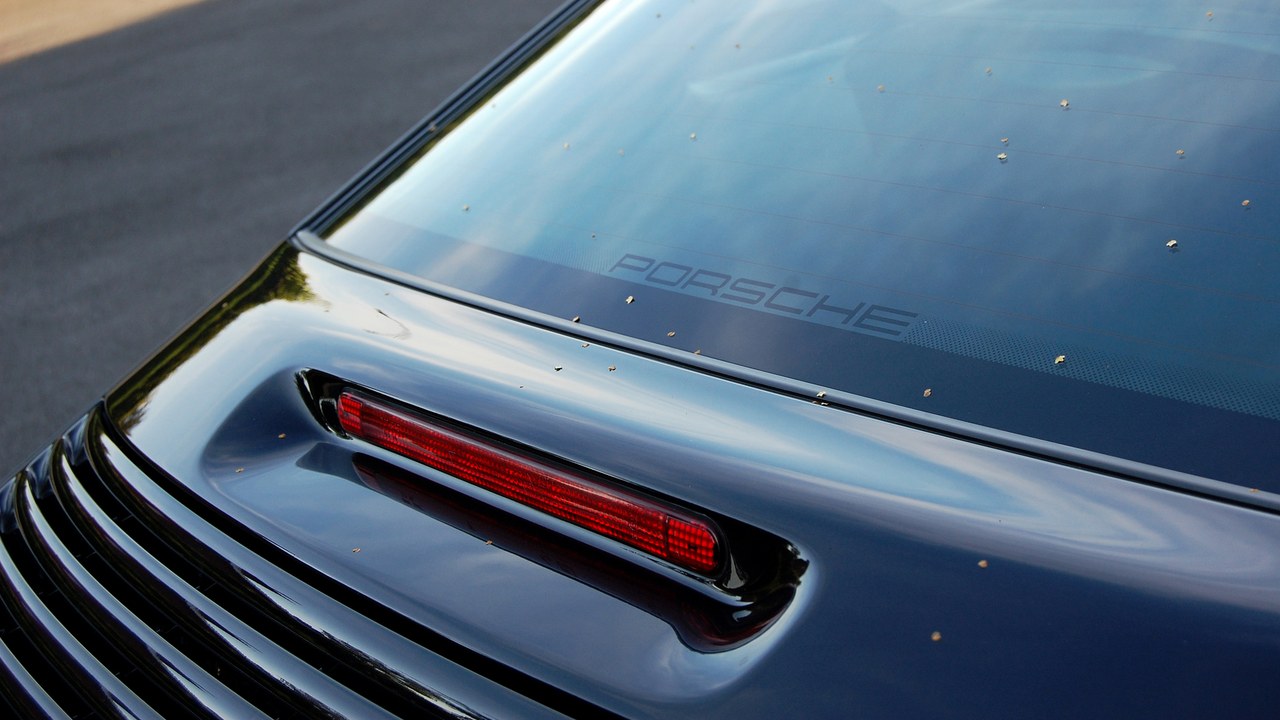
Stop lamps, including the centre high-mounted one, are governed by FMVSS No. 108 at 49 CFR 571.108. The same equipment standard that covers headlamps therefore reaches the lamps that signal braking to following traffic.
The practical consequence is that the third brake light is not an accessory outside the rulebook. An owner swapping in an aftermarket stop lamp, or a shop supplying one, is dealing with a regulated item, so the part should be sold as meeting the standard and not merely as a styling upgrade.
3. License plate lamp: Plate Light Counts
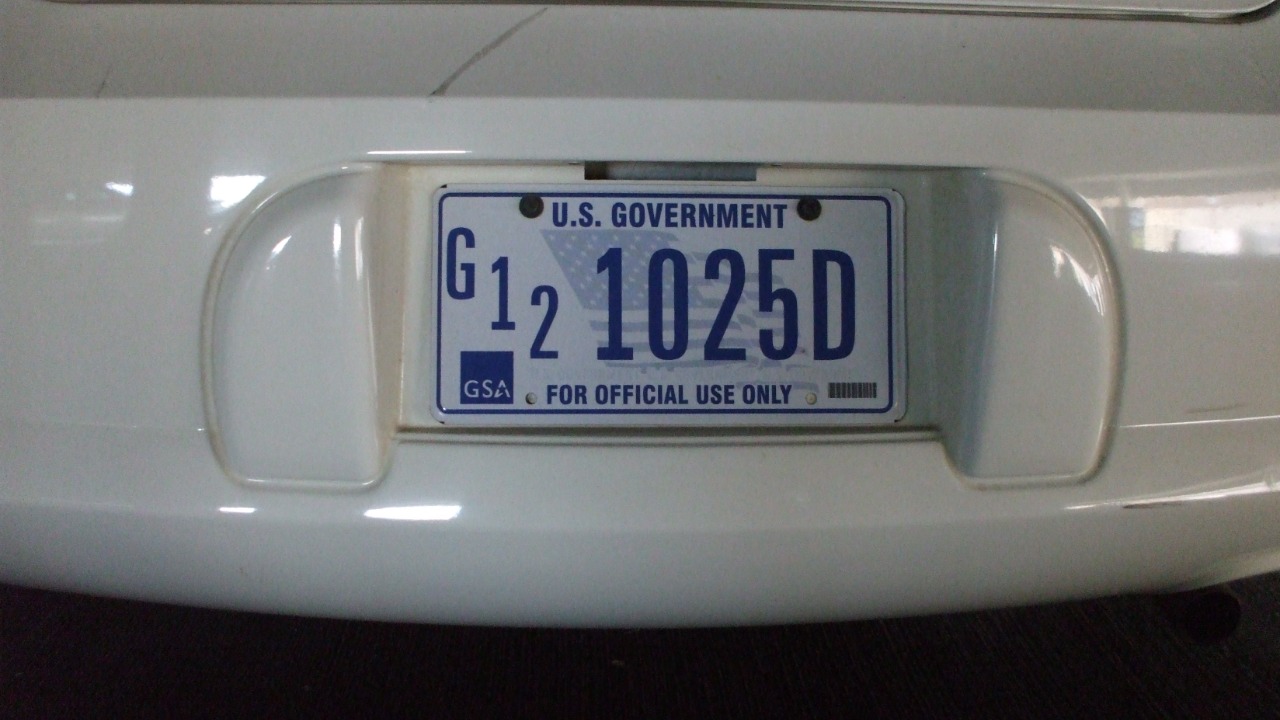
The lamp that lights a plate is also equipment under FMVSS No. 108, found at 49 CFR 571.108. According to the research row, that is why a blacked-out plate housing is a problem, and the federal lamp standard is the source of that concern.
A small bulb behind the plate can look trivial, yet it sits in the same regulation as the major exterior lighting. Owners considering a smoked or tinted housing, and shops asked to install one, should treat the plate lamp as regulated equipment whose purpose is to keep the plate illuminated.
4. Tire: Replacement Tires Must Comply
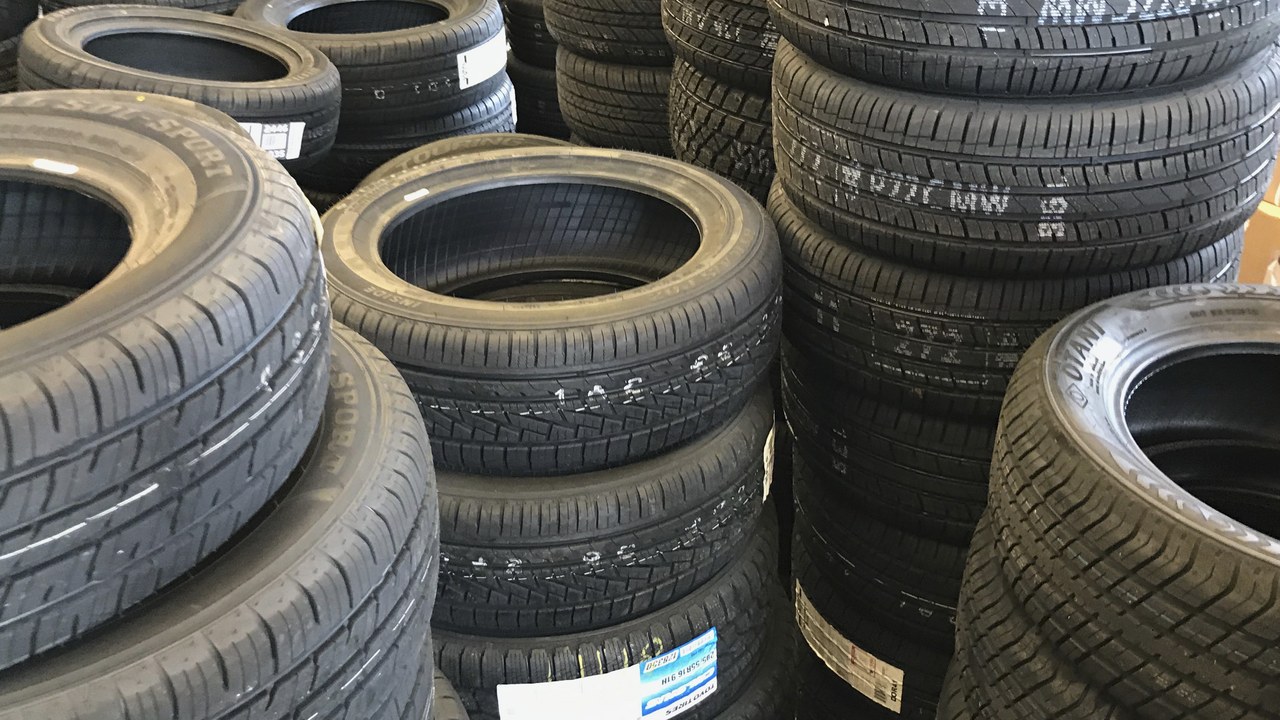
Replacement tires for light vehicles must meet FMVSS No. 139, New pneumatic radial tires for light vehicles, at 49 CFR 571.139. That radial tire standard is the benchmark behind the product on the shelf, not a suggestion left to the buyer.
Most owners meet the standard only indirectly, through the tires a retailer chooses to stock. Even so, it explains why a new light-vehicle tire is a regulated product, and why a shop fitting one is installing something that has to satisfy a defined federal requirement rather than a free-for-all of brands.
5. Spare tire: Old Spares Still Regulated
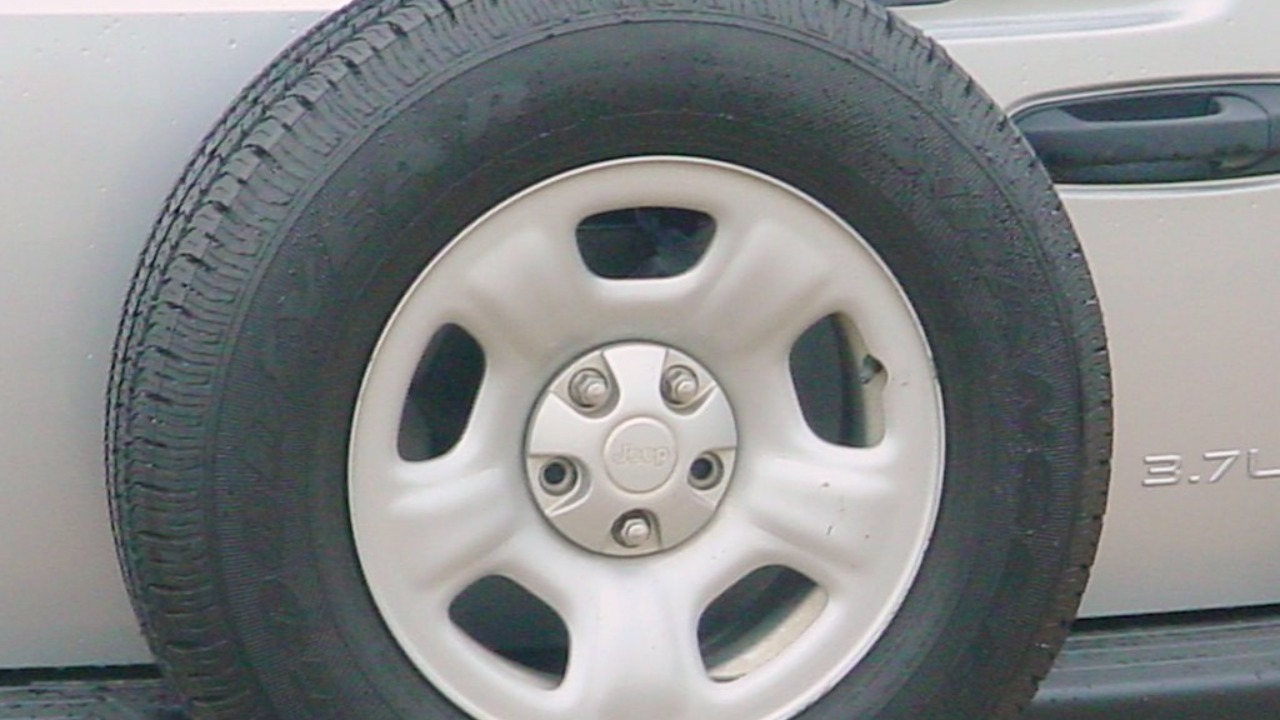
FMVSS No. 109 still covers bias ply tires and T-type spare tires, for vehicles manufactured from 1949 to 1975, at 49 CFR 571.109. The older tire standard remains on the books for that era of vehicle.
The caveat is the scope. The row ties this standard to vehicles from 1949 through 1975, so it should not be read as the rule for every modern temporary spare. Owners of classic cars and the shops that restore them are the people most likely to run into it when sourcing a period-correct spare.
6. Alloy wheel: Rims Are Covered Too

Rims are not free choice either, because 49 CFR 571.110 covers tire selection and rims for vehicles with a gross vehicle weight rating of 4,536 kilograms or less. The tire and rim standard therefore reaches ordinary passenger vehicles as well as light trucks.
For an owner shopping for aftermarket alloys, the point is that wheel choice is tied to tire selection in the regulation. A repair shop mounting new wheels is working within a framework that treats the tire and the rim as a pair, and not as two unrelated purchases.
7. Airless tire: No Air, Still a Standard
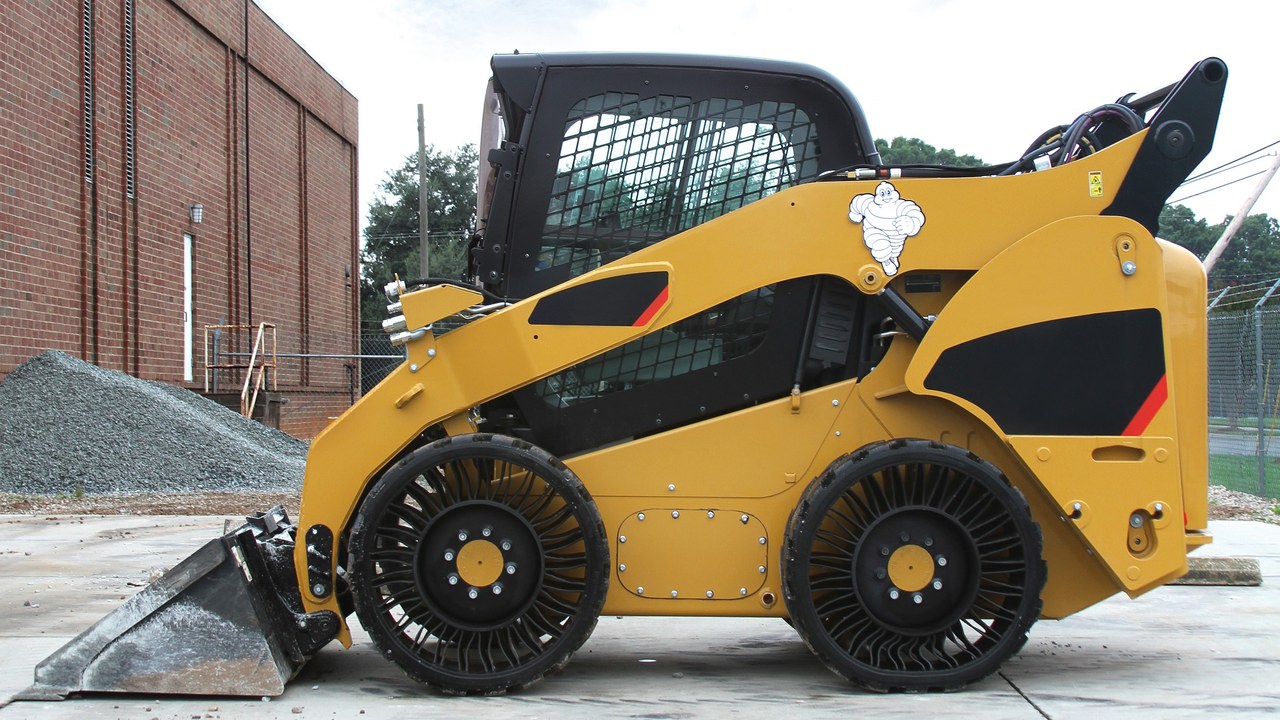
Even a tire with no air in it has a standard: FMVSS No. 129, New non-pneumatic tires for passenger cars, at 49 CFR 571.129. The non-pneumatic tire standard shows that regulators addressed the technology by name.
The scope in the row is passenger cars, so the standard should not be stretched to other vehicle classes. For owners and shops, the takeaway is that an airless design is not a regulatory loophole, since a dedicated federal requirement already exists for the product category.
8. Rear-view mirror: Mirrors Under Rear Visibility

Mirrors now sit inside FMVSS No. 111, Rear visibility, at 49 CFR 571.111, so a replacement has to satisfy the whole standard. The rear visibility standard is broader than mirrors alone, which shapes what counts as an acceptable swap.
An owner replacing a damaged mirror, or a shop sourcing one, is therefore not choosing a part in isolation. The replacement belongs to a standard that addresses rear visibility as a whole, and the row notes that it must satisfy all of it rather than a single mirror requirement.
9. Seat belt anchorage: Where Belts Bolt In

Where a belt is bolted is set by FMVSS No. 210, Seat belt assembly anchorages, at 49 CFR 571.210. The anchorage standard concerns the mounting points rather than the belt webbing itself.
The consequence for owners and repair shops is that anchorage locations are not a place for improvisation. Moving or modifying where a belt attaches touches a regulated feature of the vehicle, so work in that area calls for care and for attention to the standard that defines the mounting points.
10. Air brake: Heavy Vehicle Braking
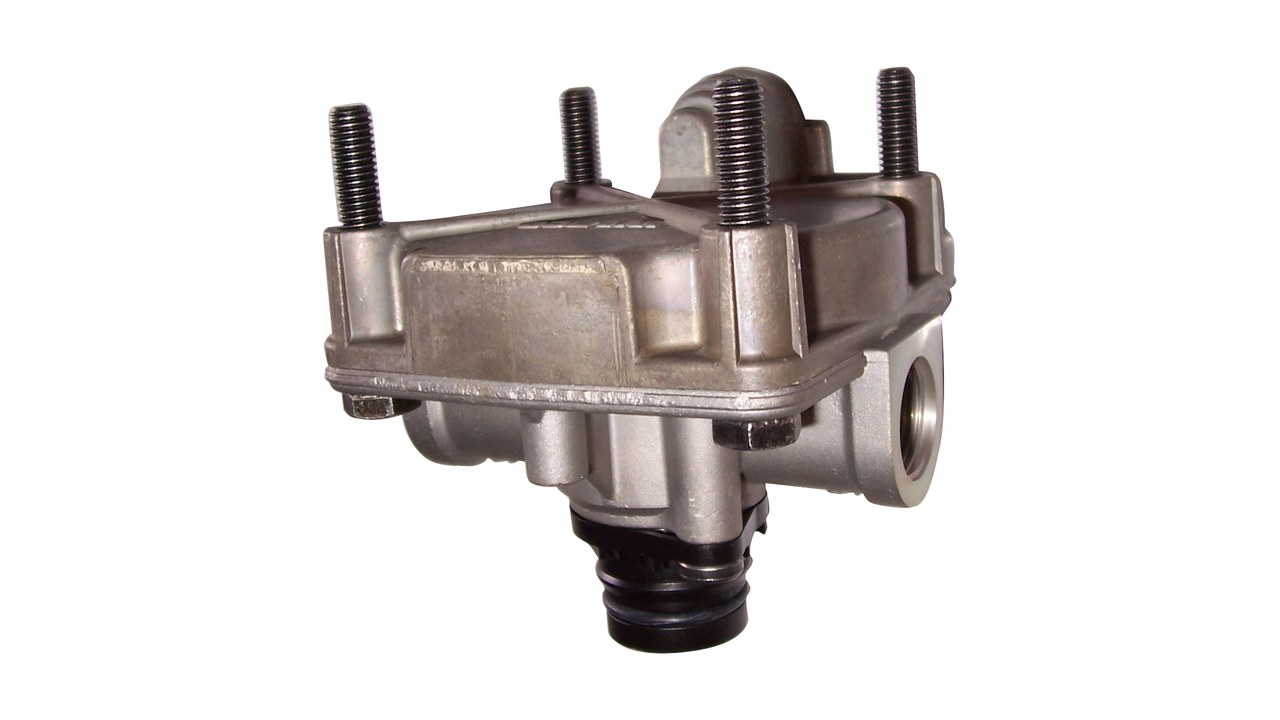
Air brake systems are governed by FMVSS No. 121 at 49 CFR 571.121. The air brake standard is the federal reference point for a system that most drivers never see because it sits on heavy vehicles.
The research row supplies only the coverage, not the technical limits, so this entry makes no claim about specific performance numbers. What it establishes is that air brakes are a regulated system, which matters to fleet owners and to shops servicing or replacing components of that equipment.
11. Motorcycle tire: Two-Wheel Tires Included
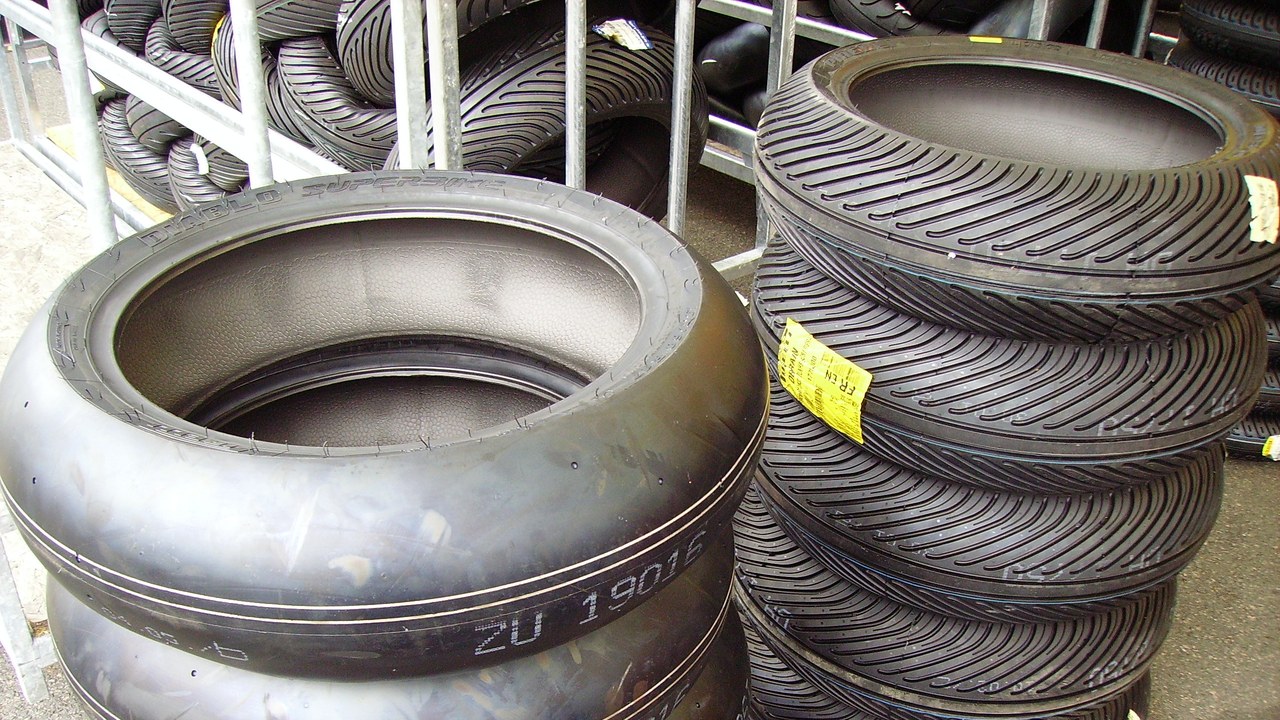
Motorcycle tires are covered by 49 CFR 571.119, the standard for tires for vehicles over 4,536 kilograms GVWR, specialty tires, and tires for motorcycles. The federal tire standard groups several different tire types together.
Riders should note that motorcycles share this standard with heavy-vehicle and specialty tires, so the rule is not written for two-wheelers alone. A shop mounting a new motorcycle tire is handling a product that falls under that combined federal requirement, which makes it regulated equipment rather than a casual accessory.
More from Morning Overview
- The second-largest U.S. reservoir just fell to its lowest level ever recorded
- Security experts still urge phone owners to switch off one location-tracking setting
- The FBI warns a new phishing trick can hijack your account without your password
- The NSA says three phone features should be off whenever you aren’t using them
