
Nature keeps producing record holders, animals that stand taller, weigh heavier or stretch longer than every close relative in their group. Some dominate the open ocean, others rule the savanna, the rainforest floor or the frozen edges of Antarctica, each one shaped by evolution to make the most of enormous size. Here are eleven animals that hold the title of biggest in their category alive on Earth today.
1. Blue whale: The Ocean’s Reigning Giant
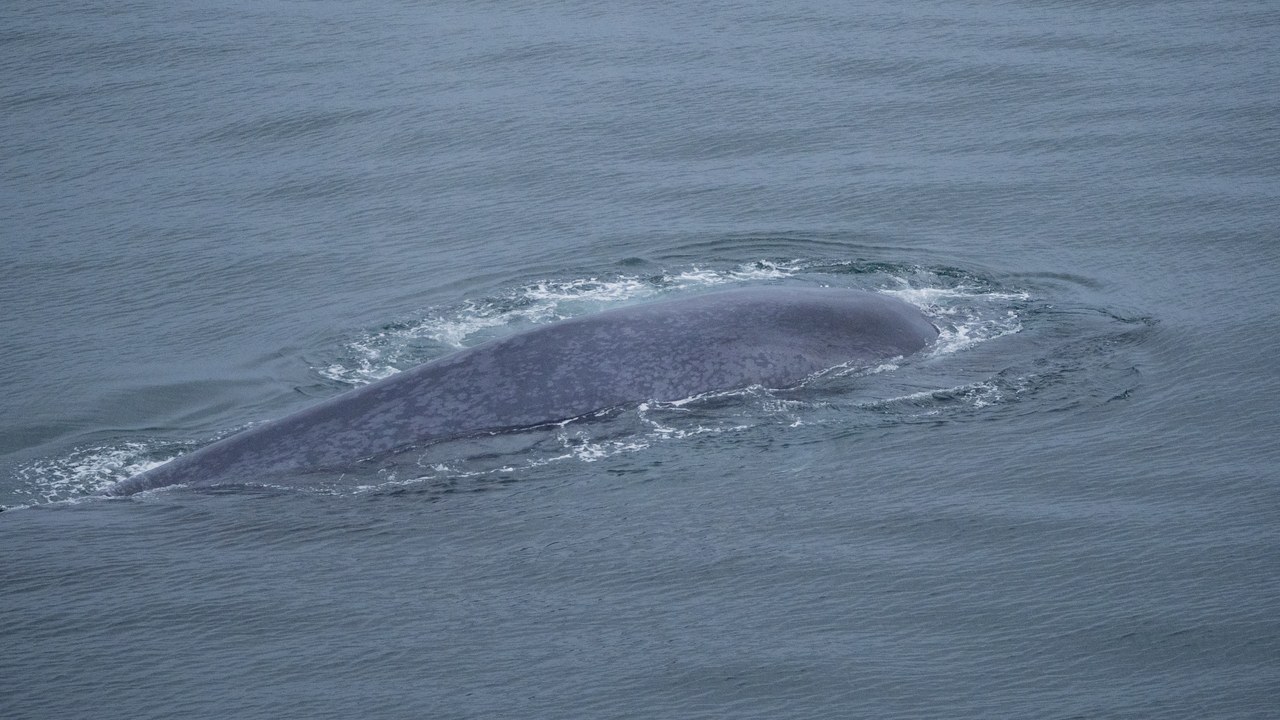
The blue whale is the largest animal known to have ever lived, reaching nearly 100 feet in length and weighing up to 150 tons. A detailed species record shows the giant survives on tiny krill, filtered by the ton through baleen plates instead of teeth.
Found in oceans worldwide except the Arctic, the species migrates annually between cold feeding grounds and warmer breeding waters. Commercial whaling once pushed numbers to the brink, and although hunting bans allowed a partial recovery, ship strikes and fishing gear still keep the population classified as endangered today.
2. African bush elephant: Africa’s Towering Land Giant
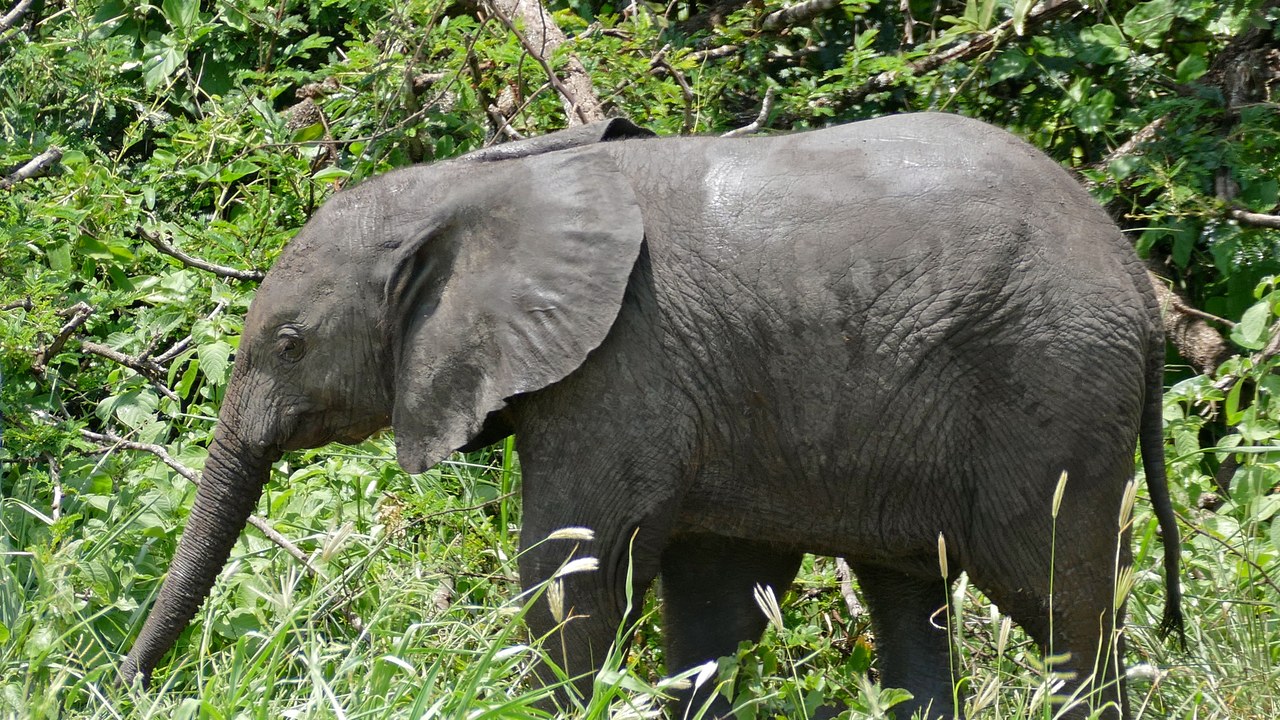
The African bush elephant is the largest living land animal, with mature males standing up to 13 feet at the shoulder and weighing as much as six tons. A species overview notes its oversized ears help radiate body heat across the hot savanna.
Herds are led by an experienced matriarch who guides related females and calves to food and water across sub-Saharan Africa. Poaching for ivory and shrinking habitat have cut populations sharply in recent decades, leaving the species classified as endangered despite ongoing conservation efforts across its range.
3. Giraffe: Standing Taller Than Any Rival
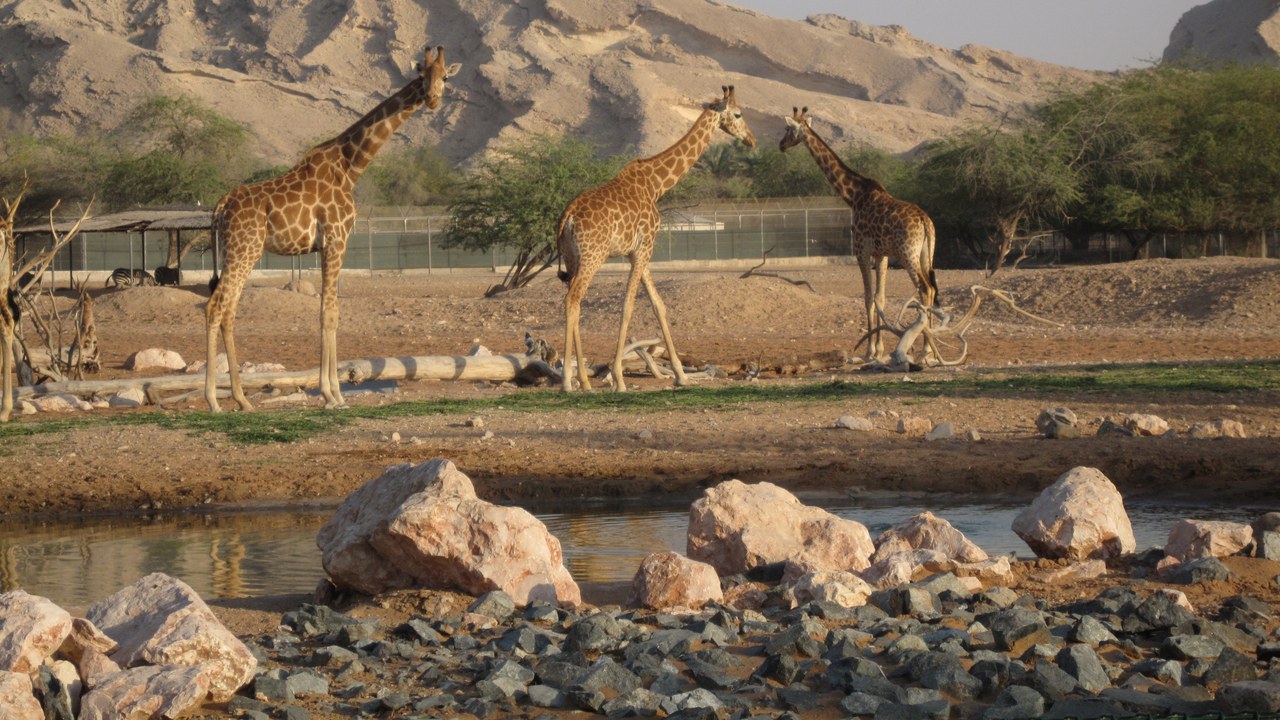
The giraffe is the tallest animal on land, with adults reaching roughly 18 feet thanks to legs and a neck built for browsing treetop leaves. A species profile notes that neck contains only seven vertebrae, the same number found in a human spine, just far larger.
Each giraffe carries a coat pattern as individual as a fingerprint, useful for researchers tracking specific animals across the savanna. Populations have declined across much of Africa as farmland and settlements fragment the open grassland the species depends on, pushing conservation groups to list it as vulnerable.
4. Saltwater crocodile: The Apex Predator Of Two Worlds
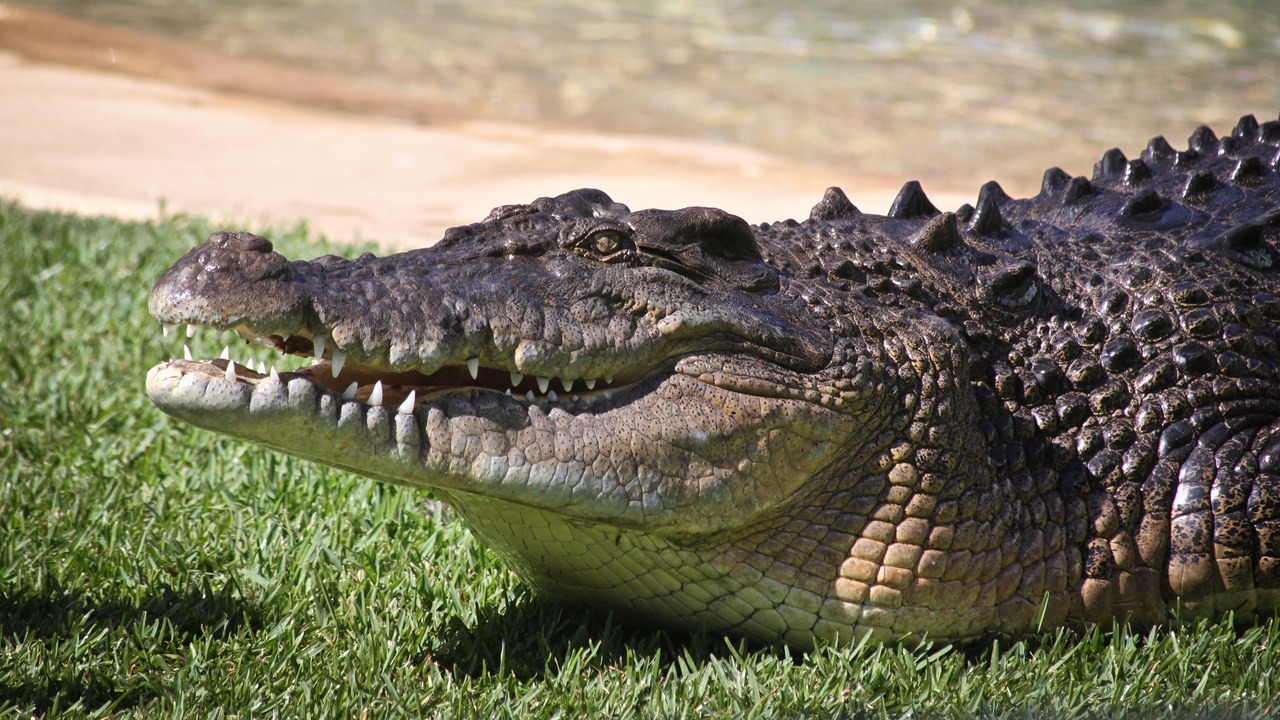
The saltwater crocodile is the largest living reptile, with mature males occasionally exceeding 20 feet in length and topping 2,000 pounds. A species record describes it as an ambush predator capable of taking prey many times its own size.
It ranges across coastal wetlands, estuaries and rivers from eastern India through Southeast Asia to northern Australia, tolerating both salt and fresh water. As an apex predator it faces few natural threats as an adult, though habitat loss and human conflict remain the main pressures on regional populations.
5. Ostrich: Built To Outrun Every Bird
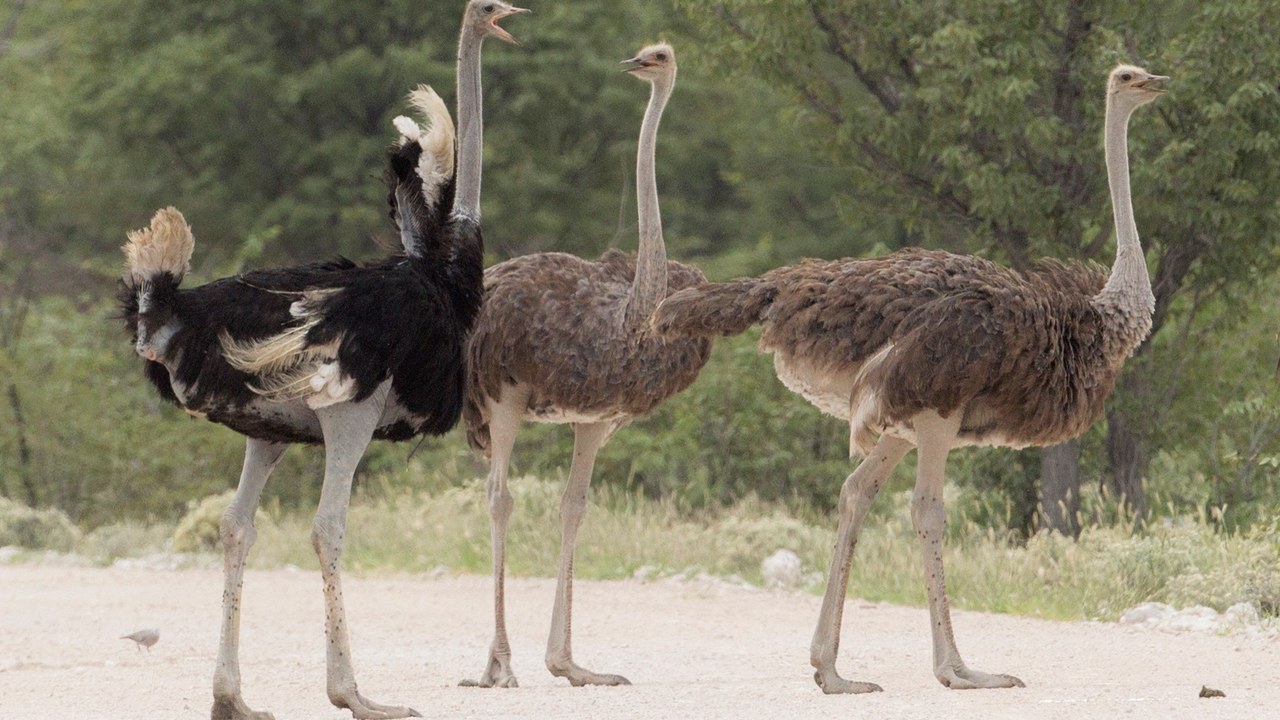
The common ostrich is the largest bird alive today and also the fastest runner of any bird, capable of sprinting close to 45 miles per hour despite being flightless. A species overview notes adults can stand nearly 9 feet tall and weigh close to 300 pounds.
The species also lays the largest egg of any living bird, sometimes weighing more than three pounds apiece. Native to the open plains and semi-desert of Africa, ostriches travel in loose flocks and rely on powerful legs, not flight, to escape lions, hyenas and other predators on the savanna.
6. Whale shark: A Gentle Giant Of The Deep
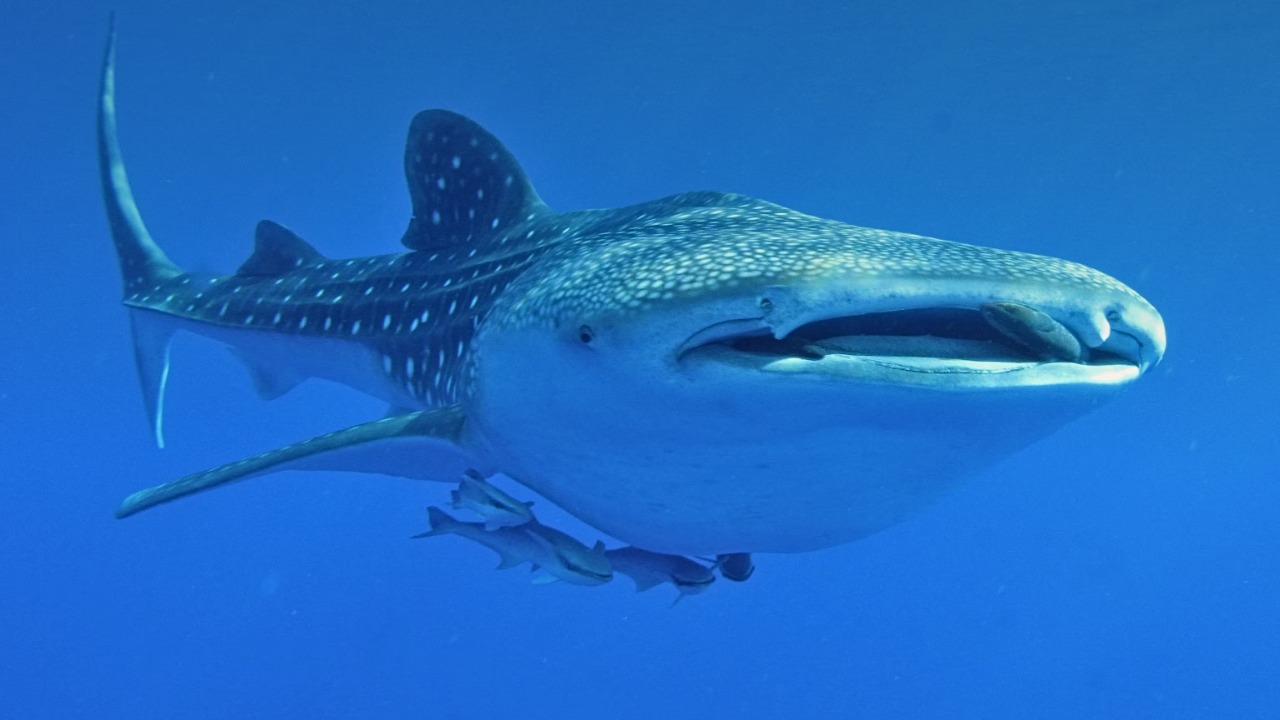
The whale shark is the largest fish in the ocean, with confirmed lengths beyond 40 feet, yet it feeds almost entirely on plankton and small fish. A species profile describes the gentle filter feeder’s distinctive pattern of pale spots and stripes across dark skin.
Despite its size the whale shark poses no danger to people and is often approached by divers in warm tropical waters worldwide. Slow reproduction, accidental capture in fishing nets and collisions with boats have driven the population down, leaving the species listed as endangered across much of its range.
7. Japanese spider crab: Legs That Span A Small Room
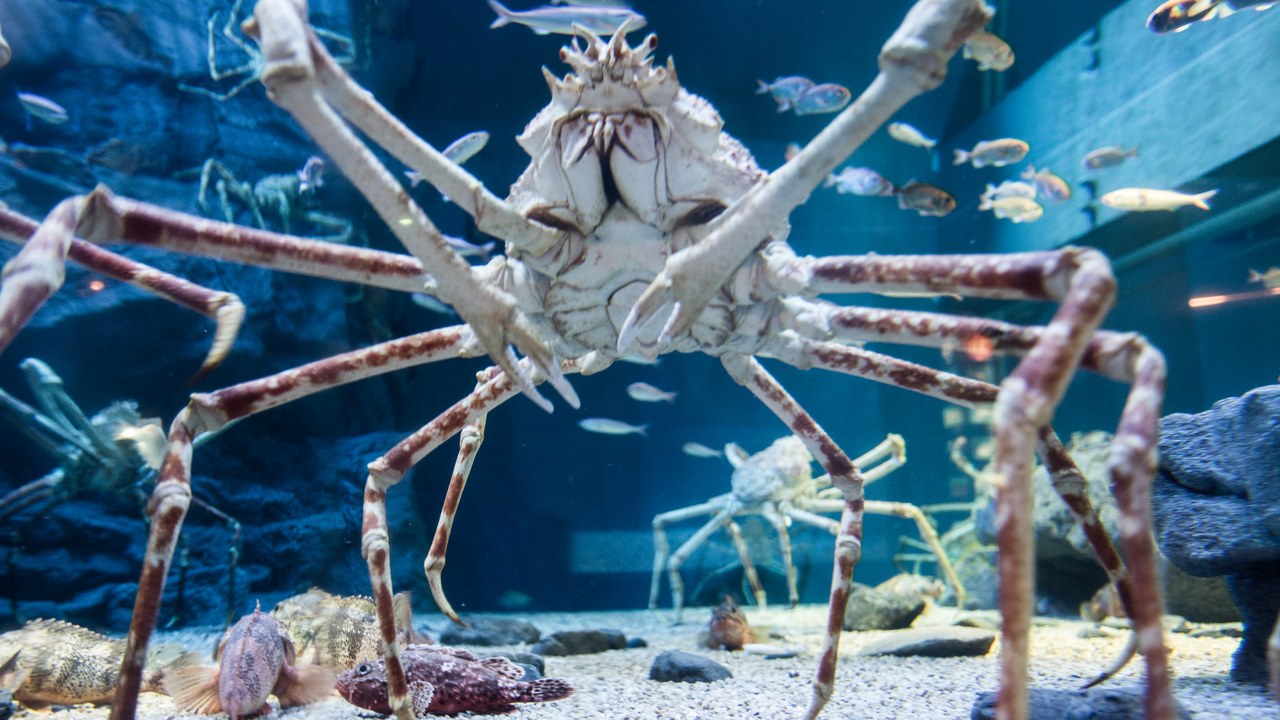
The Japanese spider crab carries the largest leg span of any arthropod on Earth, stretching close to 12 feet from claw to claw. A species record notes its body itself stays relatively modest, with most of that reach coming from unusually long, spindly legs.
It lives on the seafloor off the Pacific coast of Japan, typically in deep, cold water far below where divers normally venture. The species scavenges for food among rocks and debris and can live for decades, making it one of the longest-lived crustaceans known to researchers.
8. Kodiak bear: Alaska’s Heavyweight Hunter
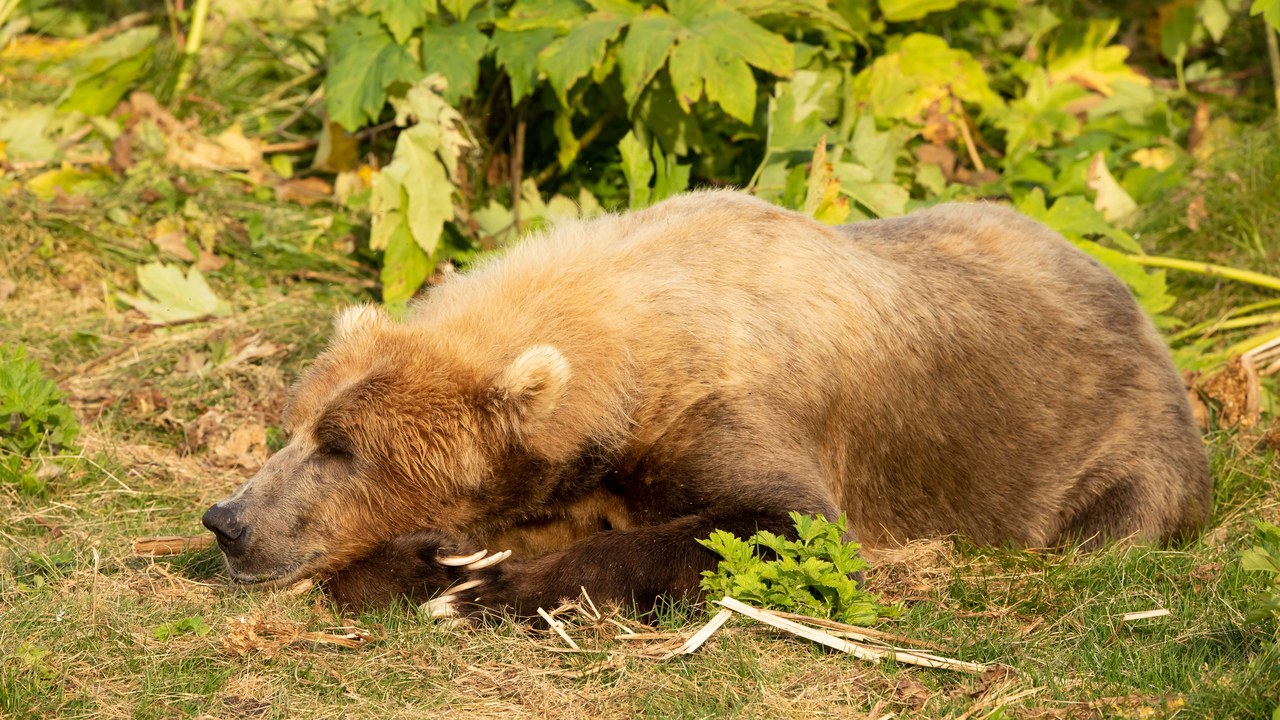
The Kodiak bear, a subspecies of brown bear, ranks among the largest land carnivores alive, with big males weighing up to 1,500 pounds. A species overview notes one can stand nearly 10 feet tall when rising up on its hind legs.
Found only on Alaska’s Kodiak Archipelago, the bear has been geographically isolated from other brown bears for thousands of years. Its diet leans heavily on salmon during summer runs, and that seasonal abundance of fish, along with berries and vegetation, helps the population grow to such exceptional size.
9. Green anaconda: The Heaviest Squeeze In The Wild
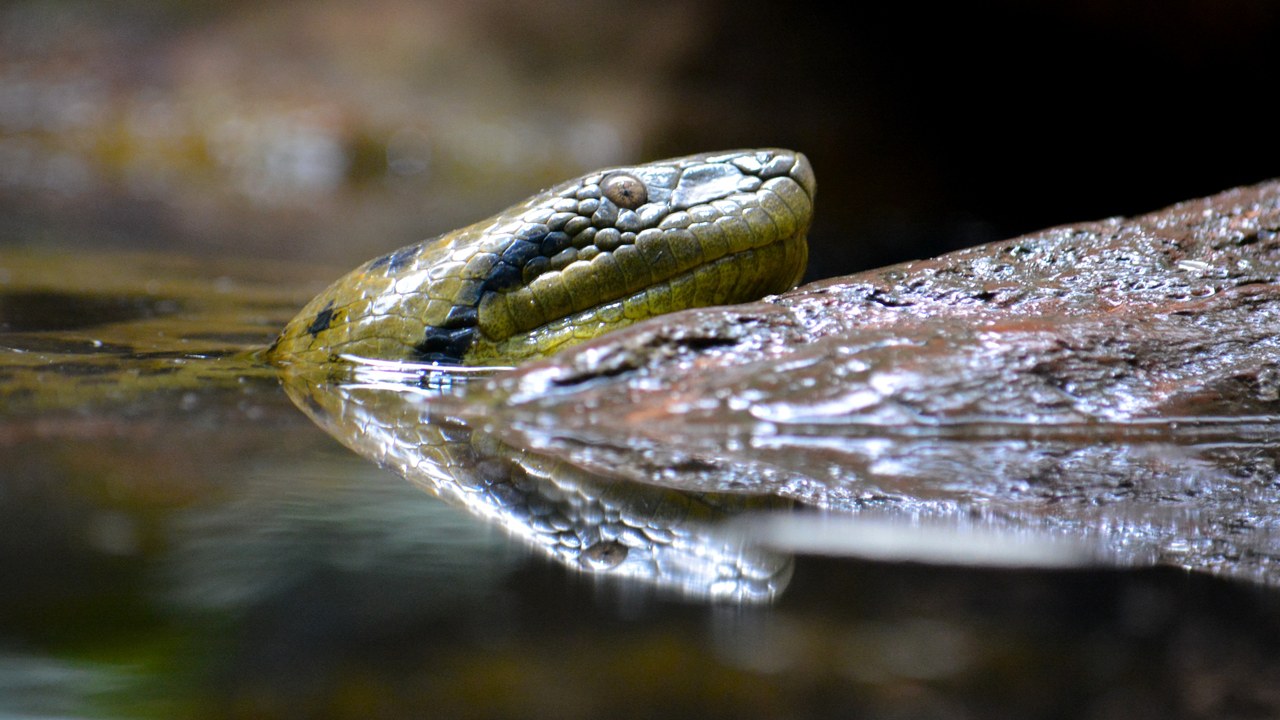
The green anaconda is the heaviest snake in the world, with large females weighing more than 250 pounds and stretching close to 20 feet. A species profile notes females grow considerably larger than males, an unusual pattern among snakes.
It lives in the swamps, marshes and slow-moving rivers of South America, spending much of its time submerged with only its eyes and nostrils above water. As a non-venomous constrictor it kills by coiling around prey and squeezing until circulation stops, then swallows its meal whole.
10. Southern elephant seal: The Deep Sea’s Biggest Diver
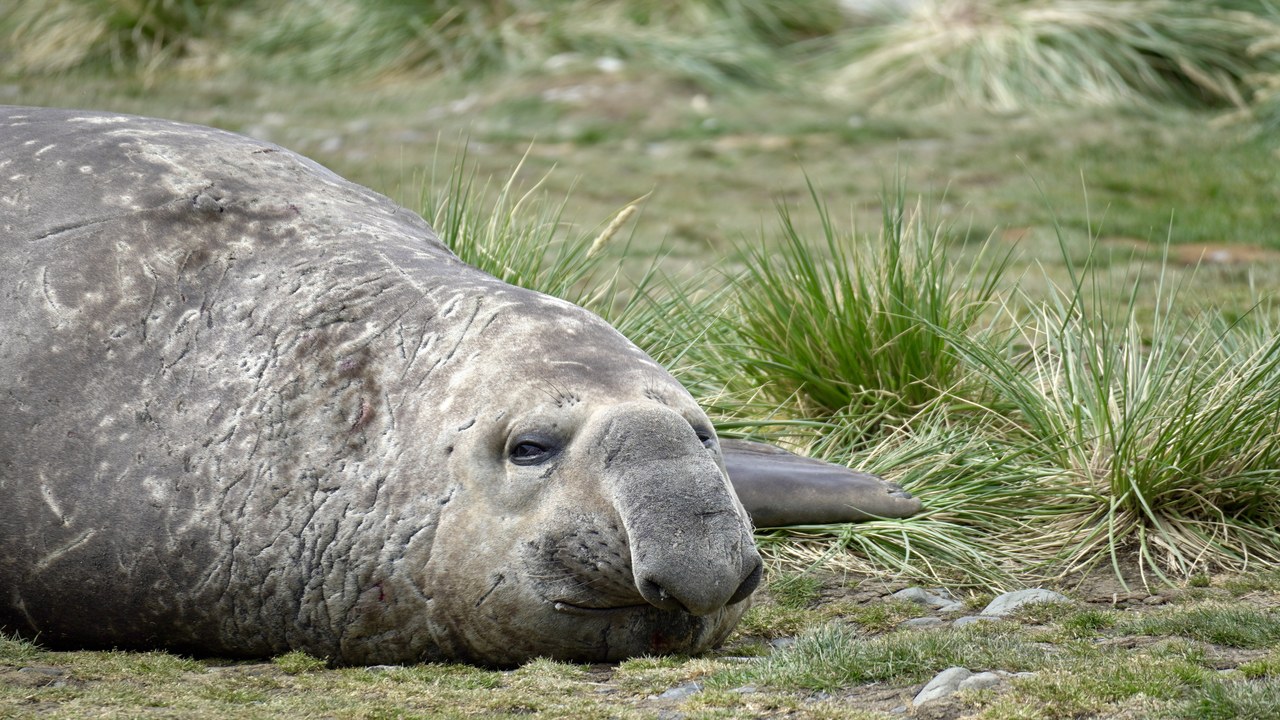
The southern elephant seal is the largest carnivoran alive today, with dominant males weighing close to 8,800 pounds and stretching over 16 feet long. A species record notes males dwarf females, which typically weigh only a fraction as much.
The seals breed on remote subantarctic islands but spend most of the year far out at sea, where they are capable of diving more than a mile deep in search of squid and fish. That extreme diving ability makes them among the most accomplished divers of any marine mammal.
11. Chinese giant salamander: The Largest Amphibian Alive
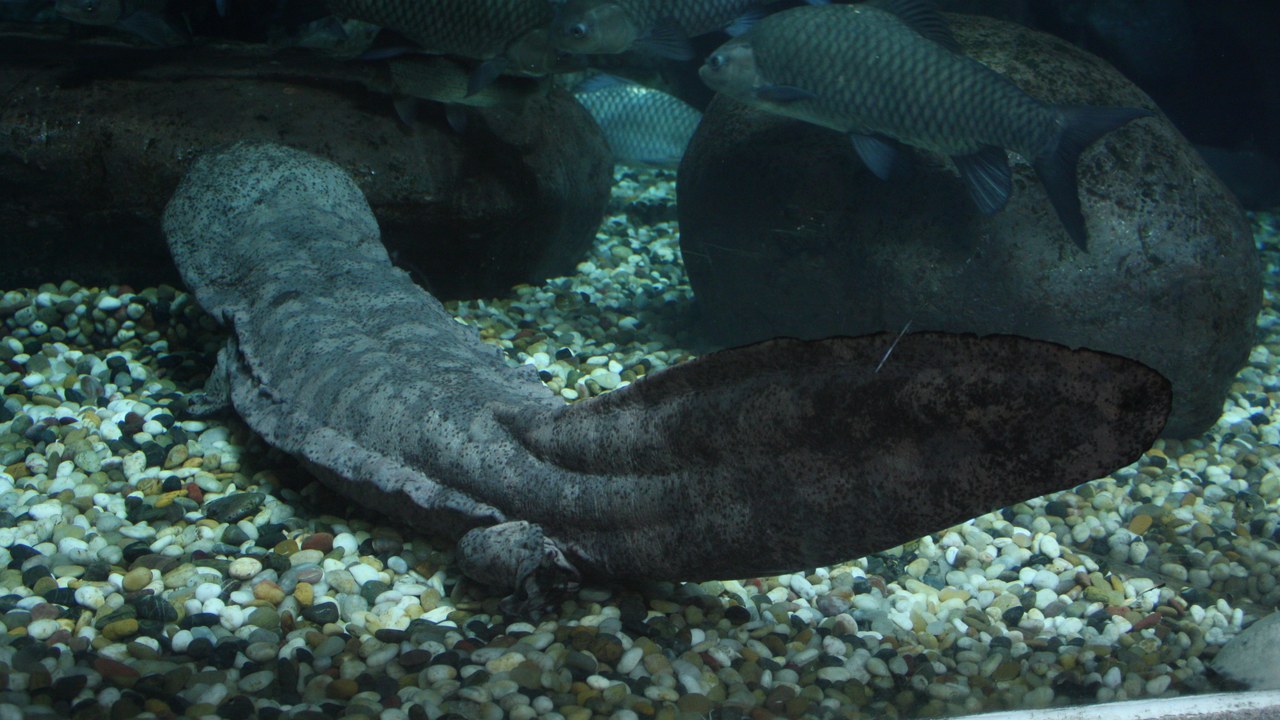
The Chinese giant salamander is the largest amphibian on Earth, with historical records describing animals approaching 1.8 metres from snout to tail. Almost entirely aquatic, it takes in oxygen through folds of loose skin rather than lungs, and hunts by sensing vibrations in cold mountain streams. Conservation assessments now rank the species as critically endangered.
Demand for its meat drove commercial farming on a large scale, and animals released or escaped from those farms have blurred the genetics of the few wild populations left. Researchers increasingly argue the name covers several distinct species rather than one, which complicates every attempt to protect it.
More from Morning Overview
- A California supervolcano has bulged upward about two and a half feet since 1978
- The FTC is warning about a scam quietly draining thousands from victims
- The NSA is again telling phone owners to switch off one location setting
- A handful of car transmissions are so tough mechanics say they almost never fail
