
A great luxury sedan is judged less by its badge than by how the cabin feels after three hours on the highway. The eleven cars below range from hand-built flagships to electric newcomers, but each one prioritizes a hushed, cosseted back seat over raw speed. Here are eleven sedans that turn a long drive into something closer to a limousine ride.
1. Mercedes-Benz S-Class: The Rolling Living Room
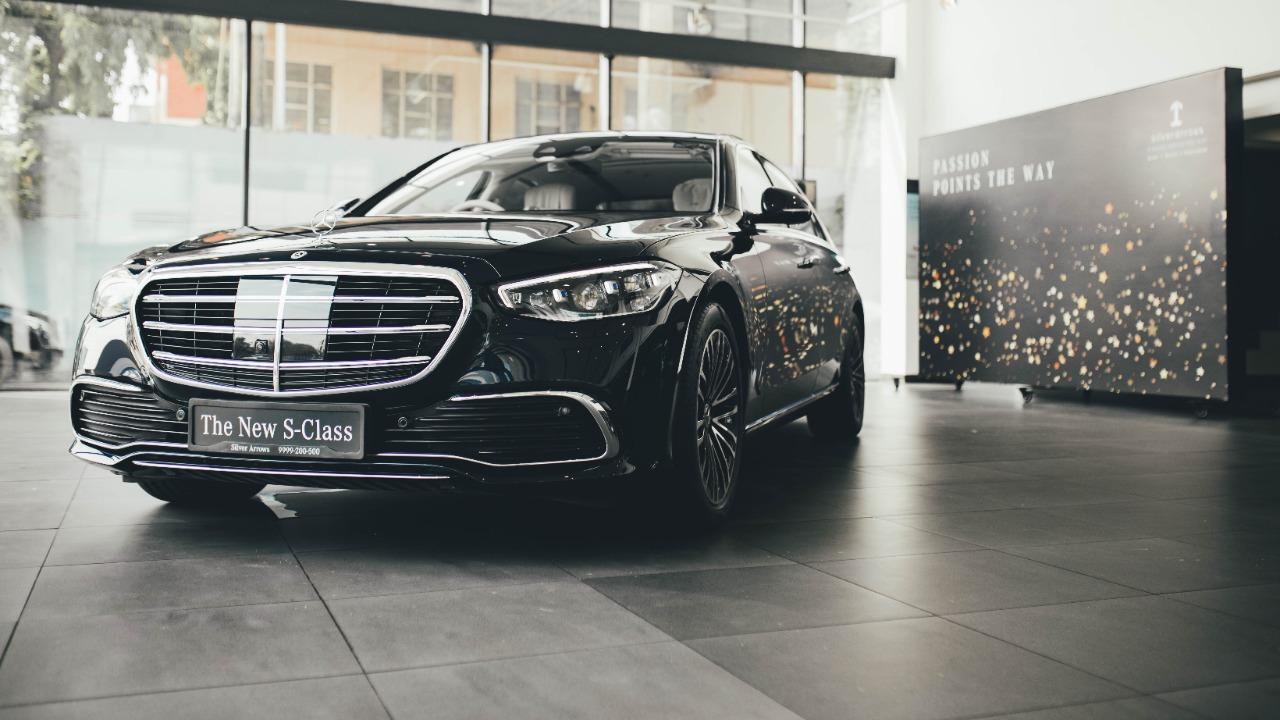
For decades the Mercedes-Benz S-Class has served as the default benchmark against which every other luxury sedan gets measured. Its cabin is built around isolating occupants from road noise and harshness, with a rear seat that has historically introduced features other automakers copy years later.
That reputation comes with a correspondingly high price of entry, and rivals from Germany, Korea, and the electric-vehicle world now chase the same formula. Even so, the S-Class remains the car other flagships are still trying to catch.
2. BMW 7 Series: A Theater On Wheels
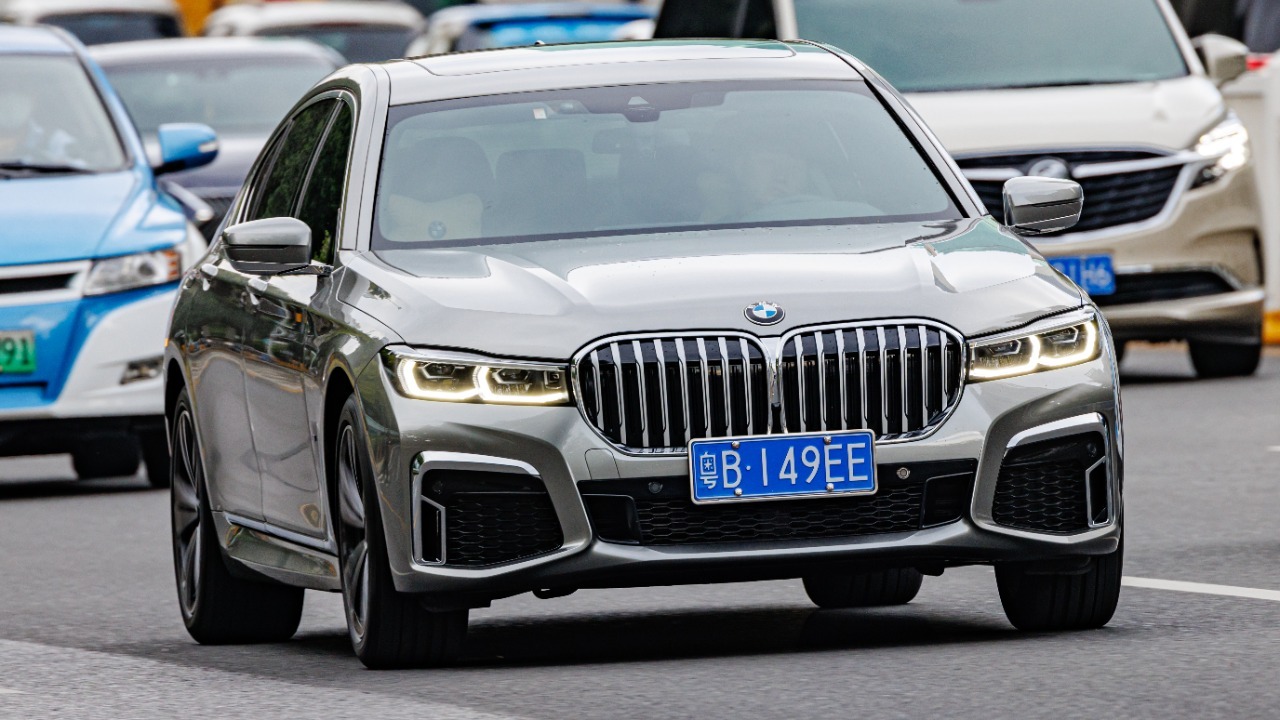
BMW leans hard into technology with the 7 Series, its long-running flagship, offering a rear-seat theater screen that drops from the headliner along with reclining seats meant to turn the back row into a private lounge. It is the brand’s answer to buyers who want a chauffeur-friendly cabin without giving up BMW’s driving pedigree up front.
The tradeoff is complexity: more screens and gadgets mean more systems that can feel busy rather than serene. Still, few flagships pack this much rear-seat entertainment into a single package.
3. Audi A8: Quiet Confidence, Loaded Cabin
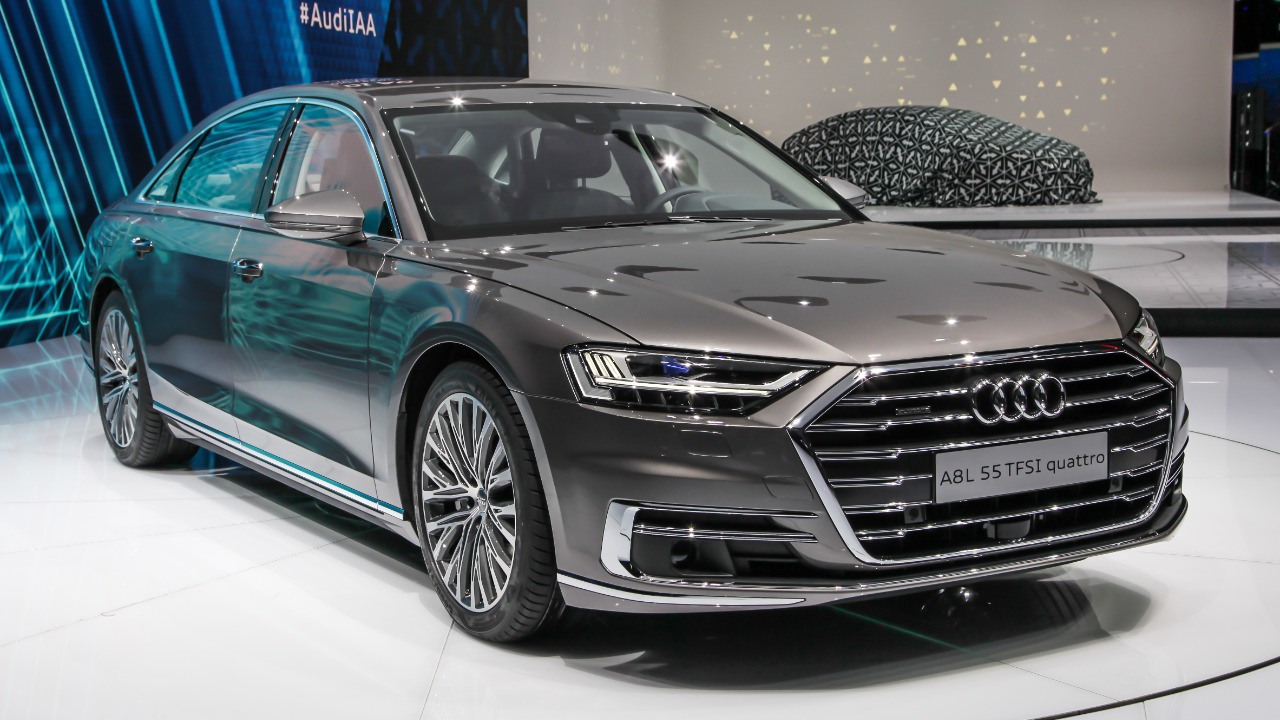
The Audi A8 takes a more understated approach than its German rivals, favoring a planted, quiet ride and a cabin quietly loaded with luxury touches rather than flashy styling. Standard all-wheel drive on many versions adds a sense of surefootedness that suits long-distance comfort.
Audi’s restraint means the A8 rarely dominates a luxury-sedan conversation the way the S-Class or 7 Series does, but that same subtlety is exactly what keeps loyal owners coming back generation after generation.
4. Genesis G90: Flagship Comfort, Smaller Bill
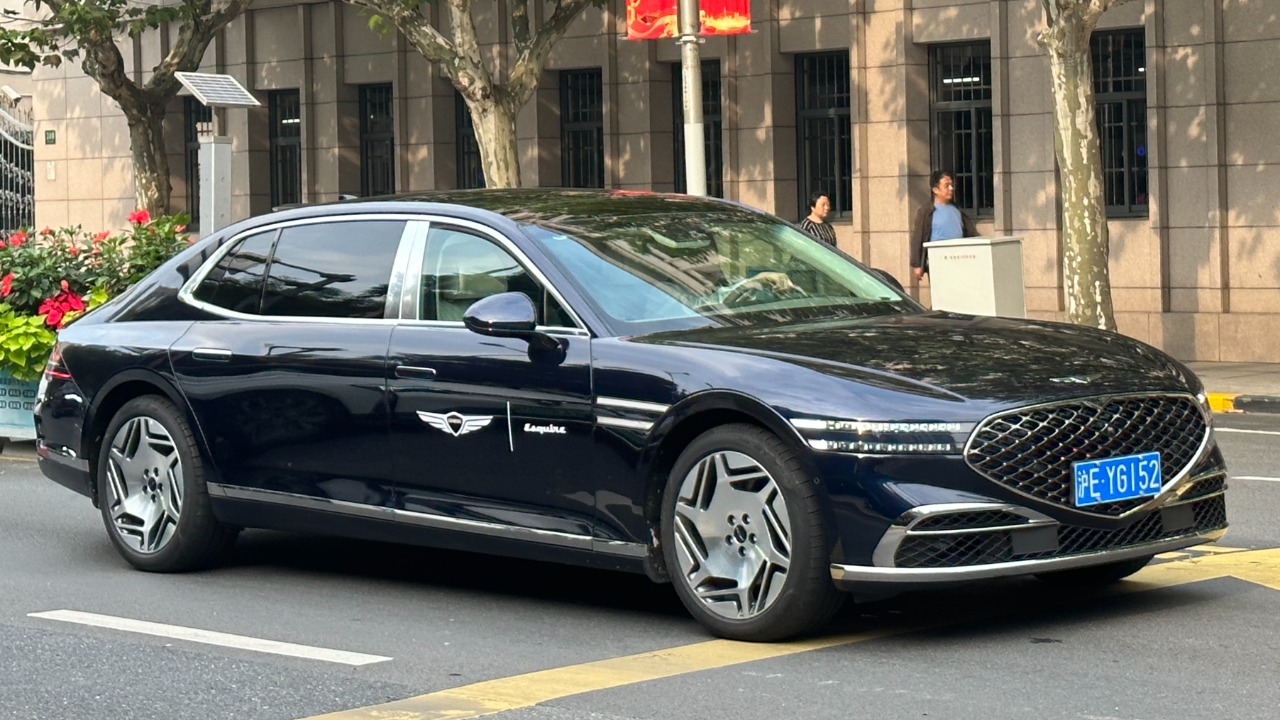
Genesis built the G90 to match German flagship comfort while undercutting German flagship pricing, and reviewers routinely point to its cabin materials and ride quality as proof the strategy works. Genesis is Hyundai’s luxury division, giving it fresh-brand incentive to overdeliver on every detail.
Brand cachet still favors the established Europeans in resale value and prestige, but for buyers focused purely on comfort per dollar, the G90 offers a steep discount on the same basic experience.
5. Cadillac Celestiq: Hand-Built And Electric
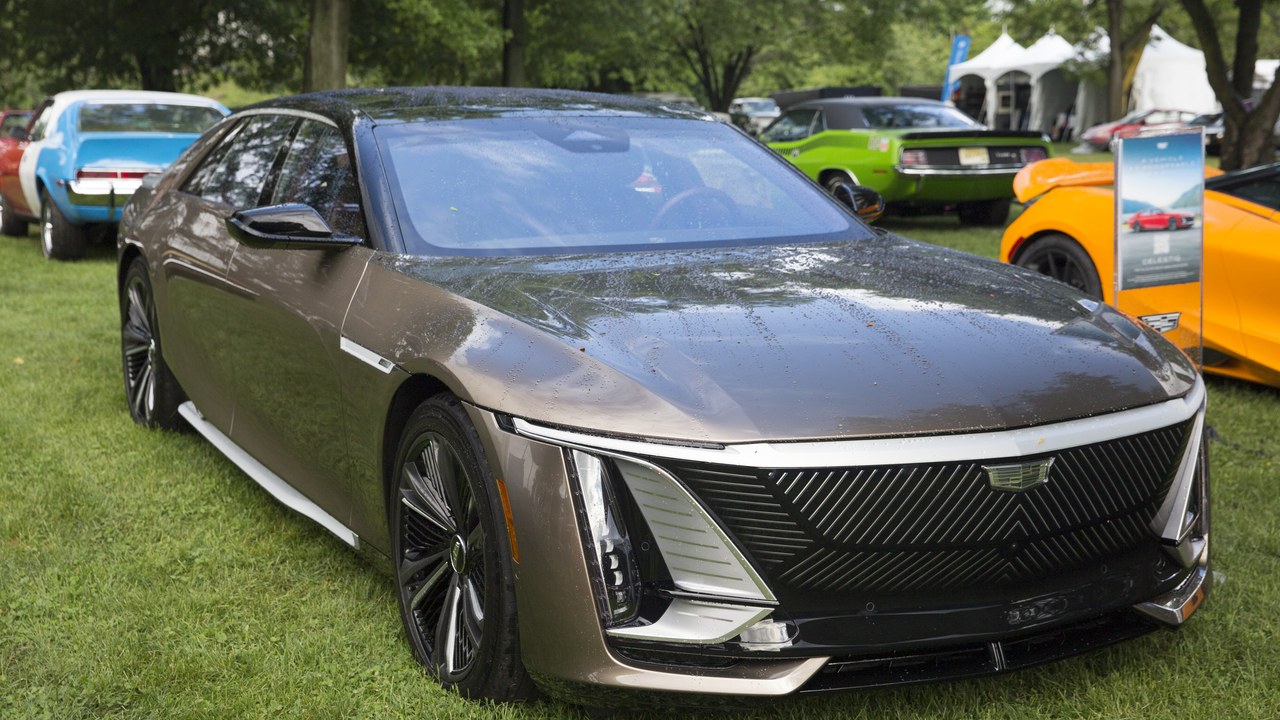
Cadillac aimed squarely at the S-Class with the Celestiq, an electric flagship built largely by hand and customized to each buyer’s specifications. It marks Cadillac’s most serious attempt in years to reclaim genuine flagship status rather than simply badge-stretching an existing platform.
Because it is hand-assembled and heavily customized, production numbers stay low and the price climbs accordingly. It is less a mass-market rival than a statement piece meant to prove Cadillac can still build one of these.
6. Porsche Panamera: Sport Sedan, Coddled Rear
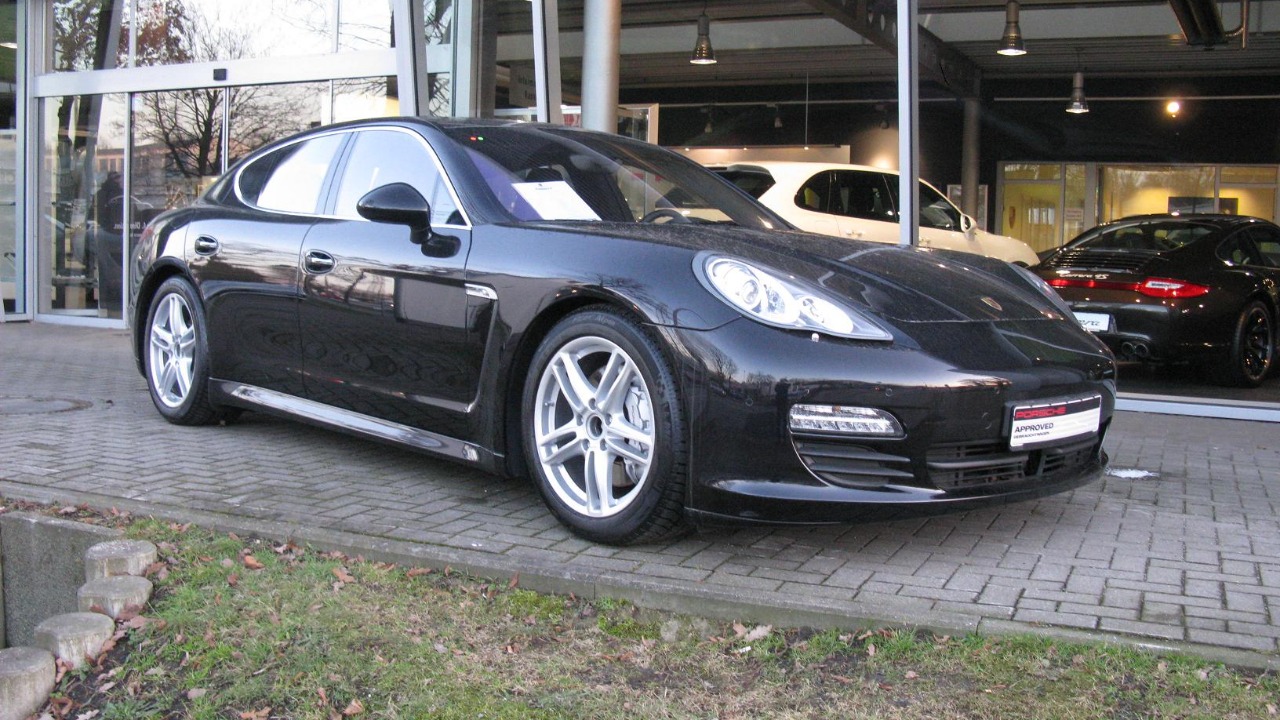
The Porsche Panamera is built first as a sport sedan, yet its rear seats still coddle passengers with supportive cushioning and a cabin that stays composed even when the driver is enjoying the car’s performance side. That dual identity is rare among sedans built primarily to be driven hard.
Buyers chasing pure limousine calm may find the firmer suspension tuning less relaxing than a dedicated flagship’s. For anyone who wants comfort without sacrificing driving feel, though, the Panamera splits that difference better than almost anything else here.
7. Volvo S90: Scandinavian Calm, Standout Seats
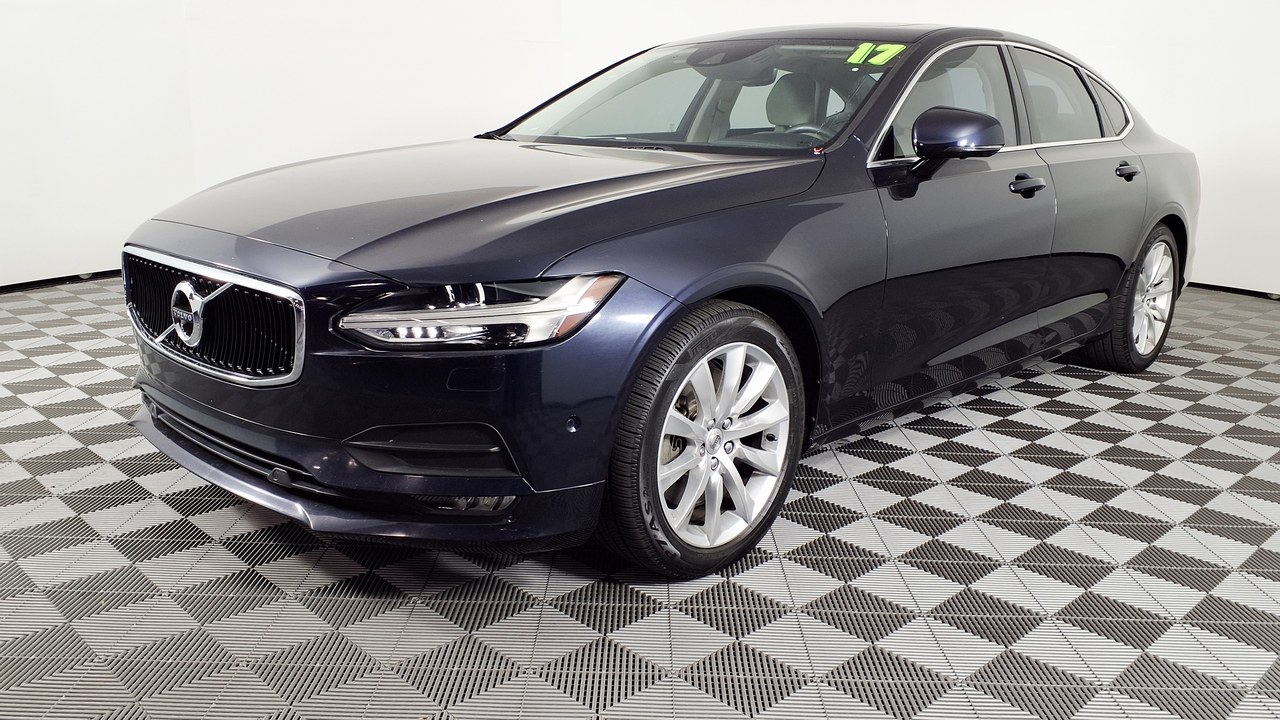
Volvo built its reputation on safety, and the S90 channels that same design discipline into a calm, minimalist cabin with some of the best-regarded seats in the segment. The interior favors soft-touch materials and an uncluttered layout over the tech-heavy approach of its German rivals.
That restraint can read as understated rather than showy next to flashier flagships, which is precisely the point for buyers who want comfort without ostentation. Scandinavian design sensibility carries through from the dashboard to the door panels.
8. Mercedes-Benz E-Class: S-Class Feel, Smaller Sticker
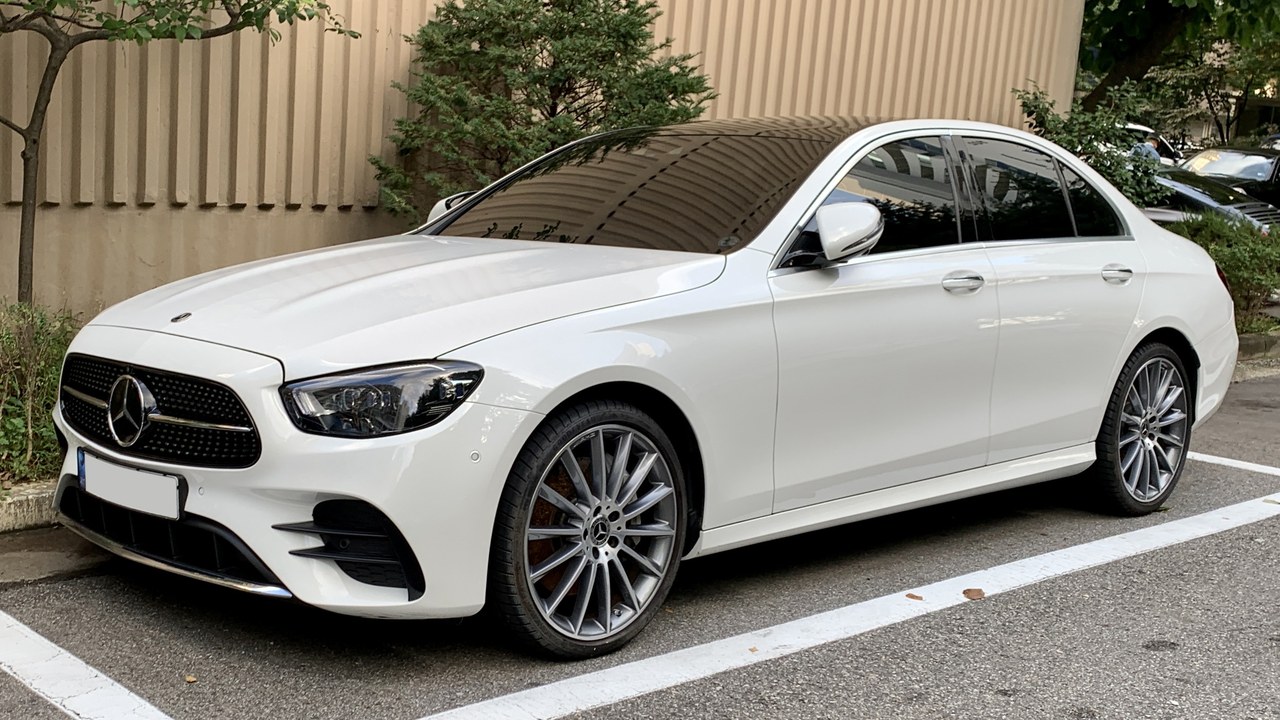
Mercedes positions the E-Class as the sedan that borrows the most S-Class refinement while sitting a full size class down, sharing much of the flagship’s cabin philosophy and ride comfort at a lower price point. It has long served as Mercedes’ volume seller for buyers who want the brand’s comfort without the biggest sticker.
Stepping down a size means slightly less rear legroom than the true flagship offers, a real tradeoff for chauffeured buyers. For most owners who drive their own cars, that difference matters far less than the savings.
9. Genesis G80: Midsize Value Leader
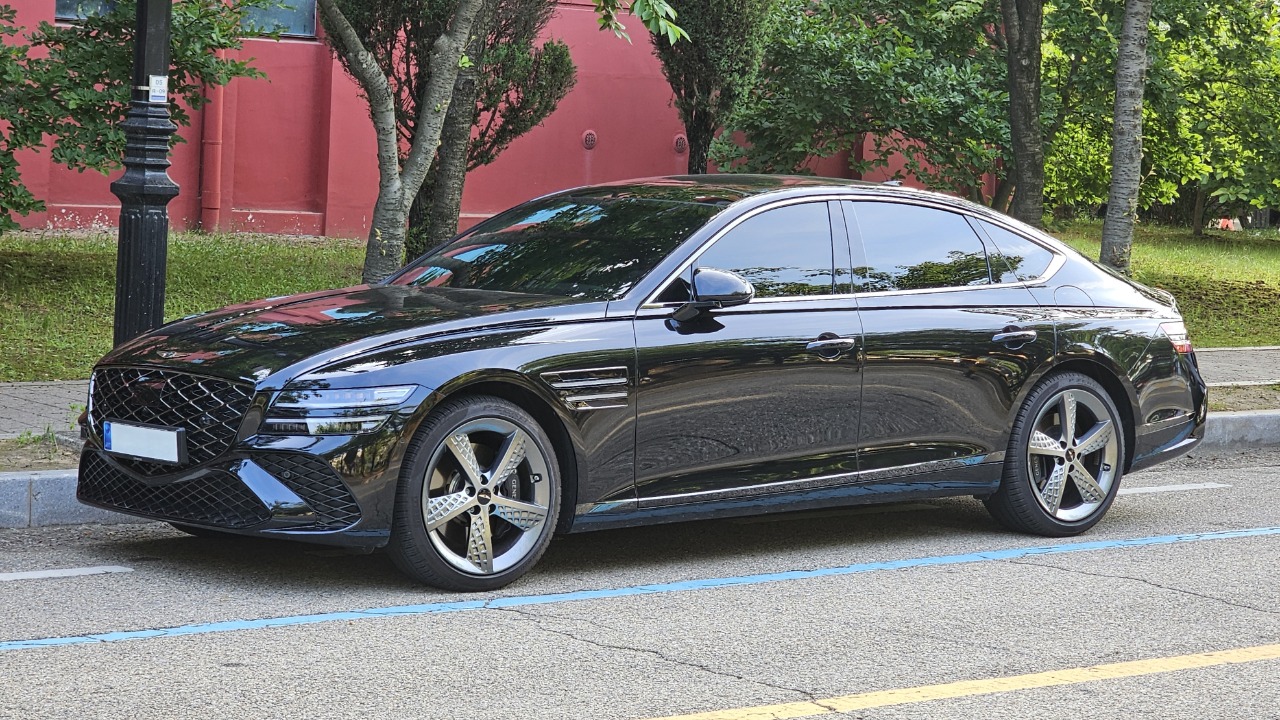
The Genesis G80 undercuts midsize luxury rivals on price while still delivering the cushioned ride and upscale cabin materials buyers expect from the segment. It sits below the G90 in Genesis’s lineup but carries forward the same emphasis on comfort over sportiness.
Genesis is still a newer nameplate than Mercedes or BMW, so some shoppers remain unfamiliar with the brand despite the value on offer. Owners who do take the plunge routinely cite the G80 as a value story for what its price actually buys.
10. Lucid Air: Silent Cabin, Lounge Feel
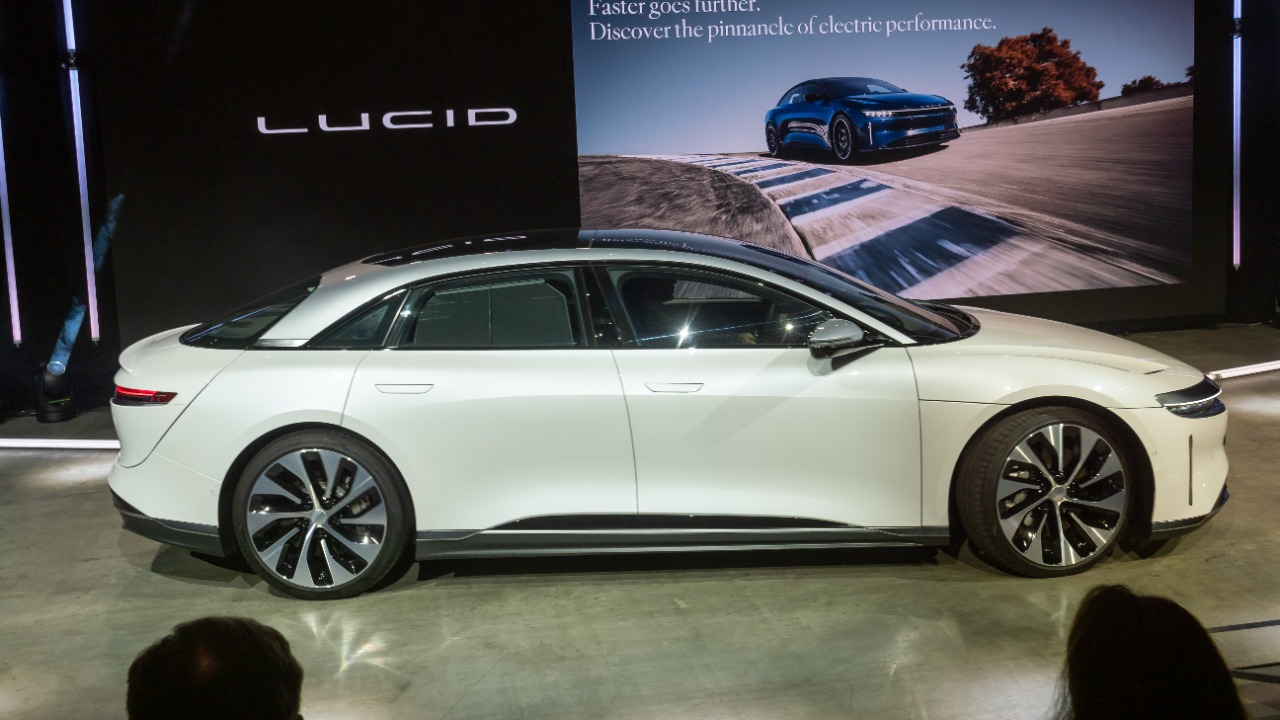
As a fully electric sedan, the Lucid Air eliminates engine noise entirely, and its cabin is shaped around a cavernous, lounge-like sense of space that benefits from the packaging freedom an electric platform allows. The absence of a traditional engine bay frees up interior room that gasoline flagships can’t easily match.
Lucid remains a far newer, smaller company than the established luxury automakers, so long-term reliability data and service-network depth are less proven. For buyers willing to bet on a newcomer, the interior experience already rivals cars from far more established names.
11. BMW i7: The Electric Flagship
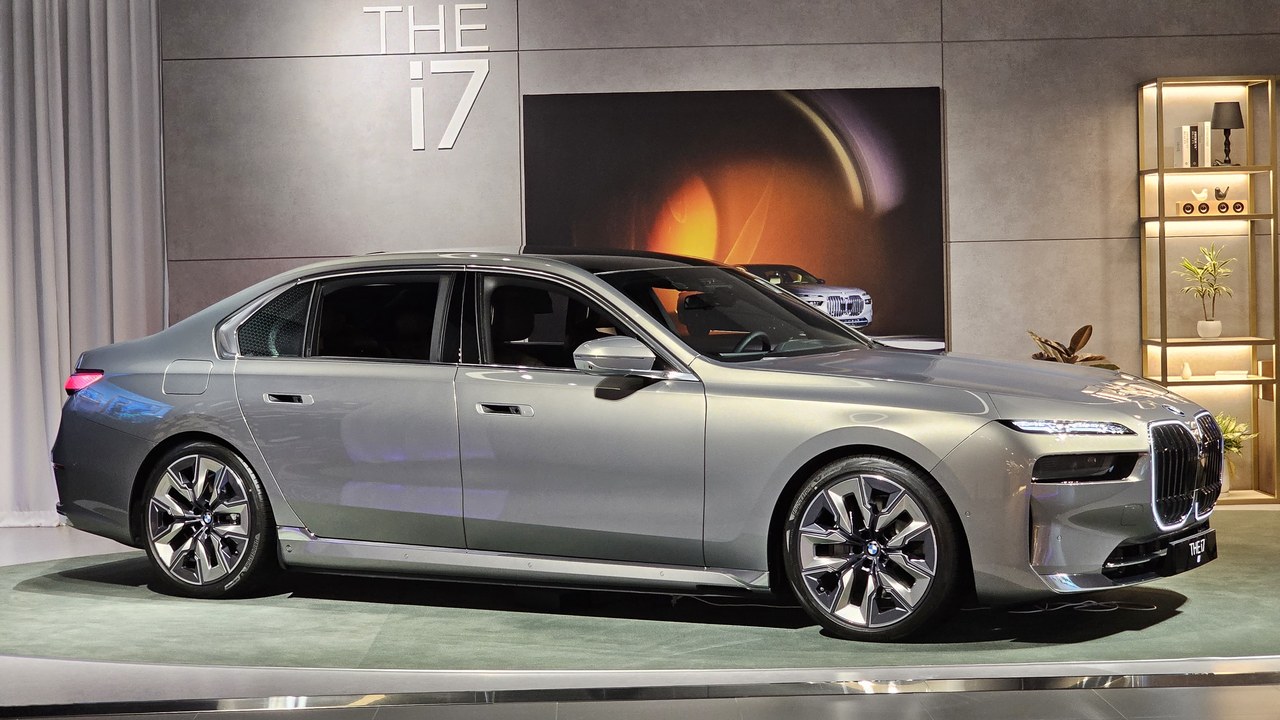
BMW’s i7 takes the 7 Series formula and swaps in an electric powertrain, adding hushed, effortless torque delivery on top of the same theater-screen rear seat and lounge-style cabin. It shares its body and most of its luxury features with the gasoline 7 Series, so buyers give up little space or comfort by going electric.
Charging logistics and a higher purchase price remain real considerations next to a conventional flagship. For owners who already live with an EV routine, though, the i7 delivers the 7 Series experience with none of the engine noise.
More from Morning Overview
