
Automatic emergency braking is meant to prevent crashes, but a system that sees danger where none exists can cause them. Regulators, a recall and a recent lawsuit have all documented cars that stop hard for no apparent reason. Here are ten models tied to those phantom braking reports, with the details of each case.
Stay ahead on AI: Join 600,000+ professionals who read The Deep View, the daily newsletter that keeps you up to date with artificial intelligence.
We may earn a commission if you sign up.
1. Tesla Model 3: Largest Probe Of The Group
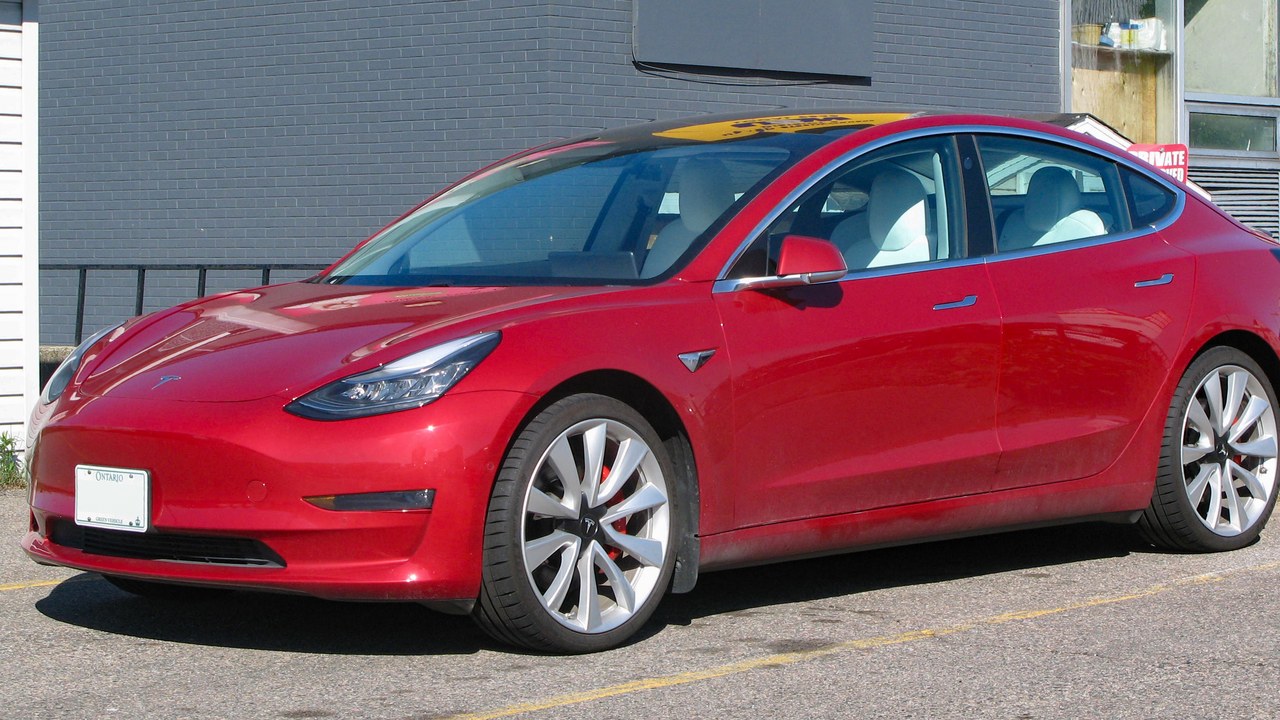
NHTSA probed an estimated 416,000 2021-2022 Model 3s and Model Ys after more than 750 owner complaints said the cars stopped for no apparent reason.
Phantom braking on a highway can leave a following driver with little time to react, which is why regulators treat the reports seriously. A probe is not a finding of defect, but the sheer size of the fleet involved makes this the biggest case on the list. Owners should report unexpected stops to the agency. Drivers who experience a sudden stop can file a complaint with the agency, which helps regulators judge whether to escalate.
2. Tesla Model Y: Same Probe, Same Quote
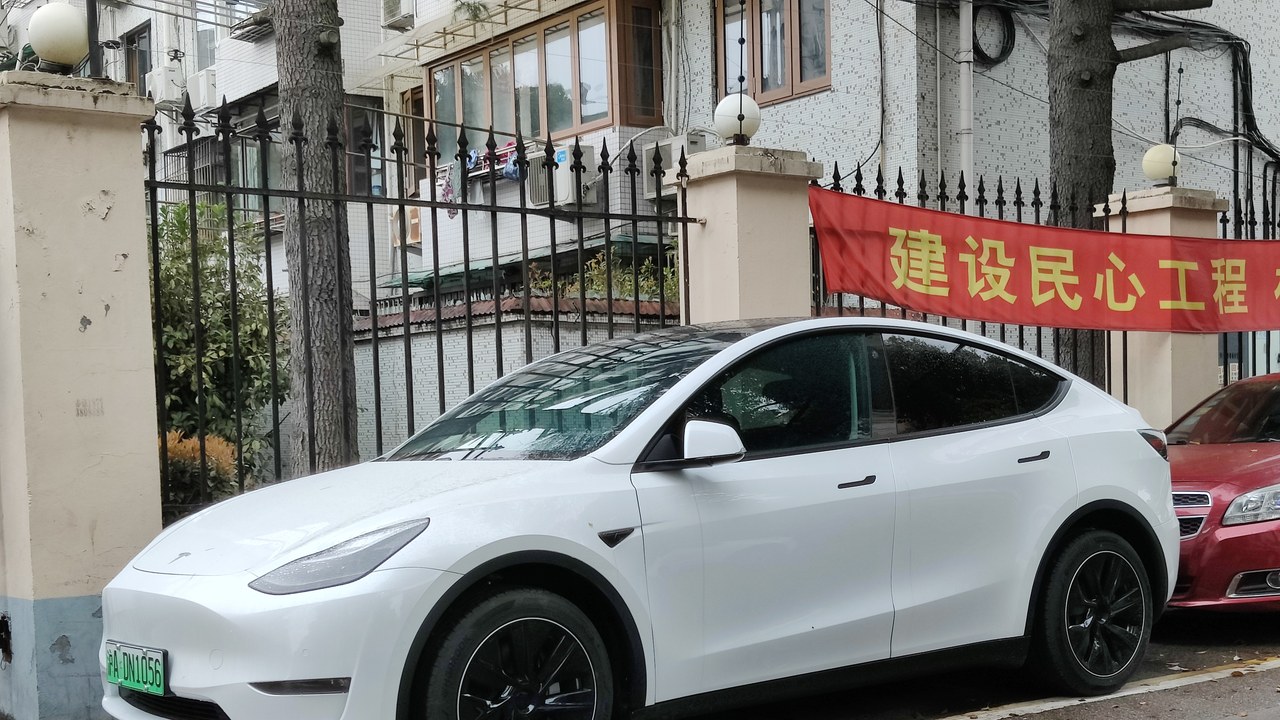
The Model Y shares the 416,000-vehicle investigation, and NHTSA said ‘rapid deceleration can occur without warning’ in the cars.
Regulators rarely use such blunt language at the start of an investigation, which shows how the complaints were read. Any resulting action would reach a large number of households. Drivers should know how to override braking with the accelerator. Understanding how the driver-assistance system behaves is part of owning one, and the manual describes how to disable or override it. Reading that section before a long trip is a simple precaution.
3. Honda Accord: Probe Of Millions
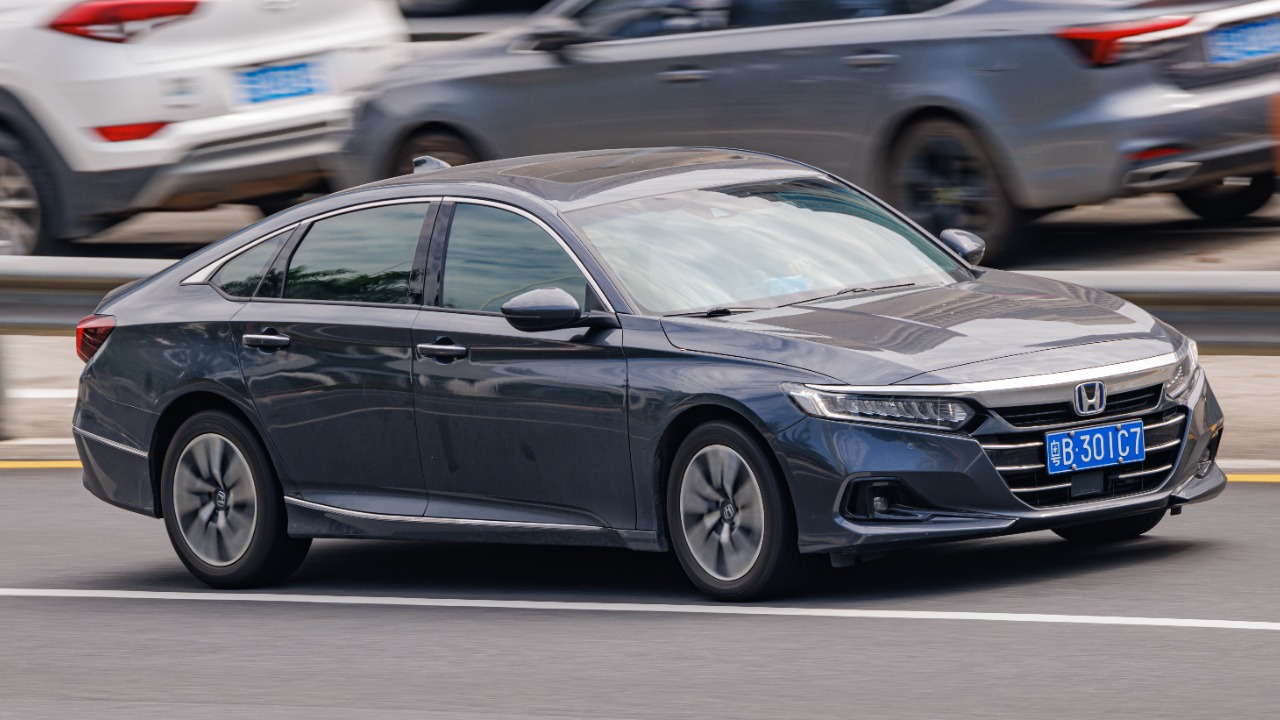
NHTSA opened a probe into 1,732,000 2018-2019 Accords and 2017-2019 CR-Vs after 278 complaints of braking with nothing in the way.
The Accord and CR-V are widely owned, which helps explain why the probed fleet is so large. The complaint count is small relative to the number of vehicles, yet regulators opened an inquiry anyway because the symptom, sudden braking for no reason, is a safety concern. Owners should keep any service records tied to braking complaints, since they may matter if a recall follows.
4. Honda CR-V (2017-2019): Crash Reports Within The Honda File
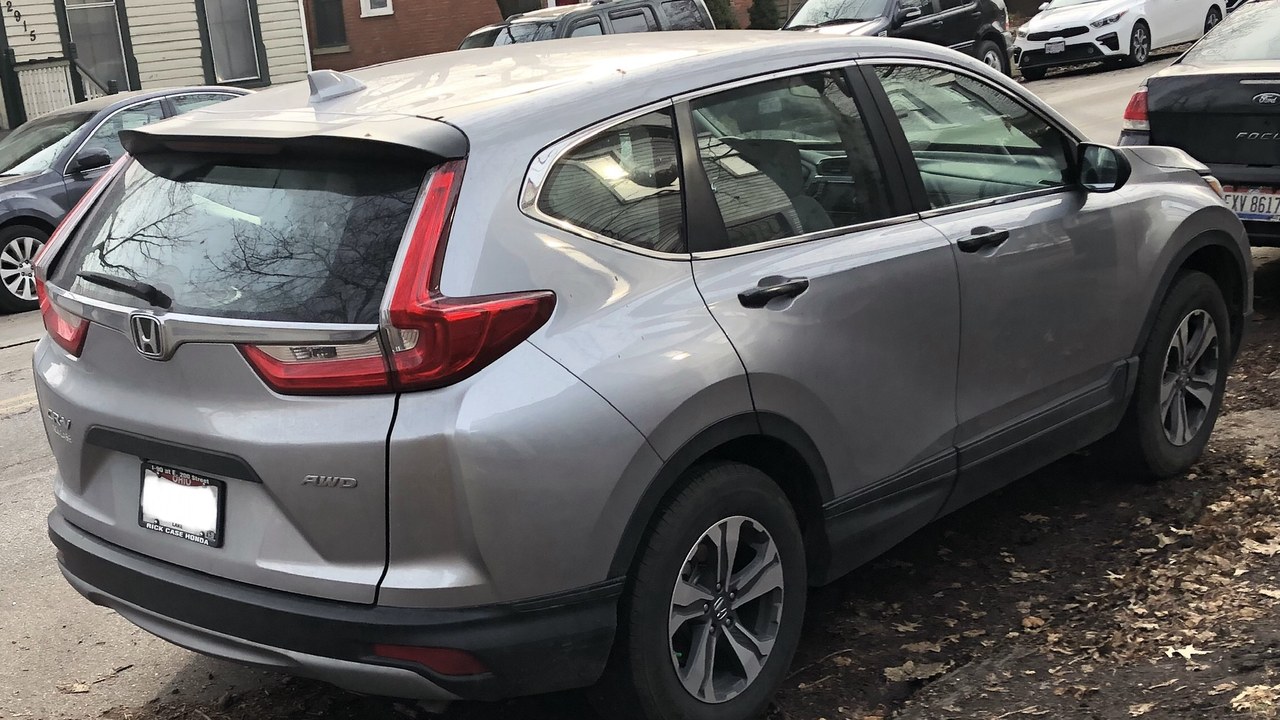
Six of the 278 complaints in the Honda investigation alleged a collision with minor injuries, according to coverage of the probe.
Most phantom braking reports describe a scare and not a crash, so these six stand out as the cases where it went further. The CR-V is covered by the same investigation as the Accord and shares the fleet of 2017-2019 vehicles. The injuries were described as minor. Even a minor collision can be costly, and rear-end impacts are the typical outcome when a car stops without cause.
5. Nissan Rogue (2017-2018): Crashes And Injuries Reported
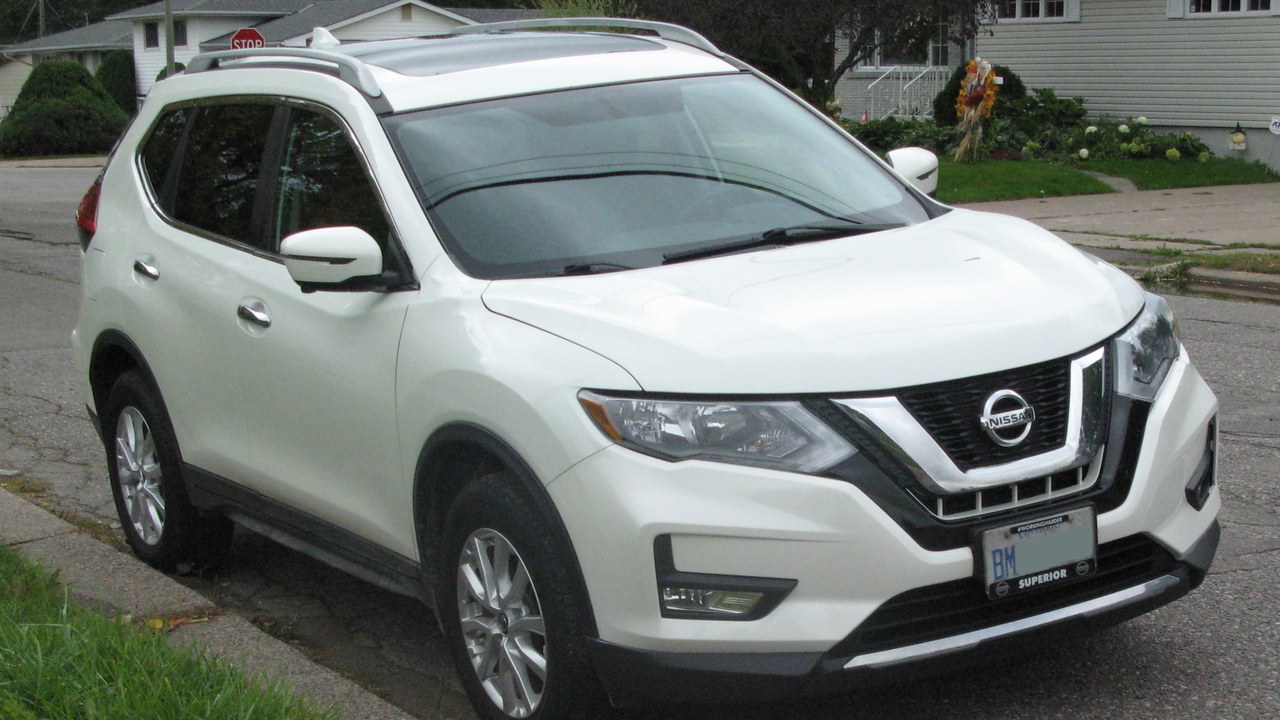
About 554,000 2017-2018 Nissan Rogues were probed after 843 owners complained, with owners reporting 14 crashes and five injuries.
This record is notable because the crash and injury counts are stated explicitly. A defect, if confirmed, would affect a large fleet of compact crossovers. Owners of these years should check for recall notices and keep records. Keeping a complete record of any braking incidents, including dates, locations and road conditions, helps support a claim and gives regulators useful detail to review.
6. Mazda3: Recall For False Obstacles
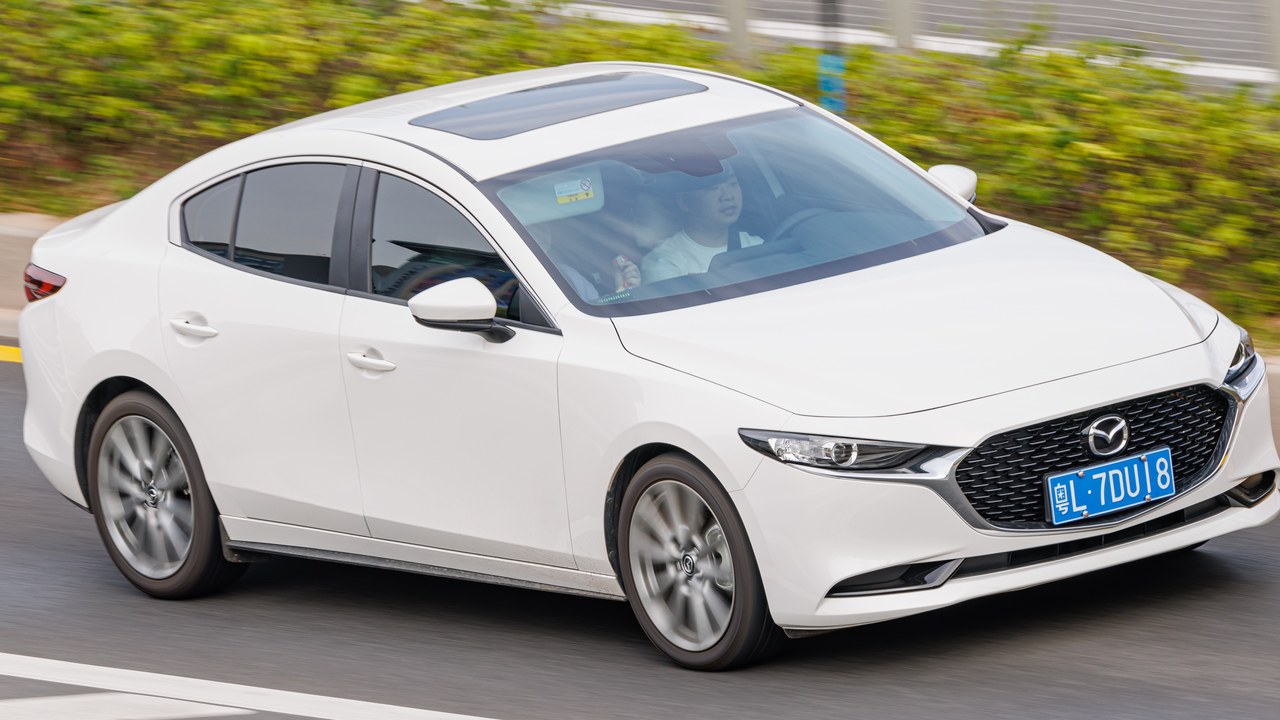
Mazda recalled 35,390 2019-2020 Mazda3s because Smart Brake Support software could falsely detect an obstacle and stop the car.
Unlike the probes elsewhere in the list, this case ended in a formal recall, which usually brings a free fix at a dealer. A software fault of that kind shows how camera and sensor logic can misread shadows or objects. Owners should confirm that the recall repair was completed. Dealers can usually look up a vehicle’s recall status using only the identification number.
7. Hyundai Santa Fe (2024-2026): Driver Camera Lawsuit
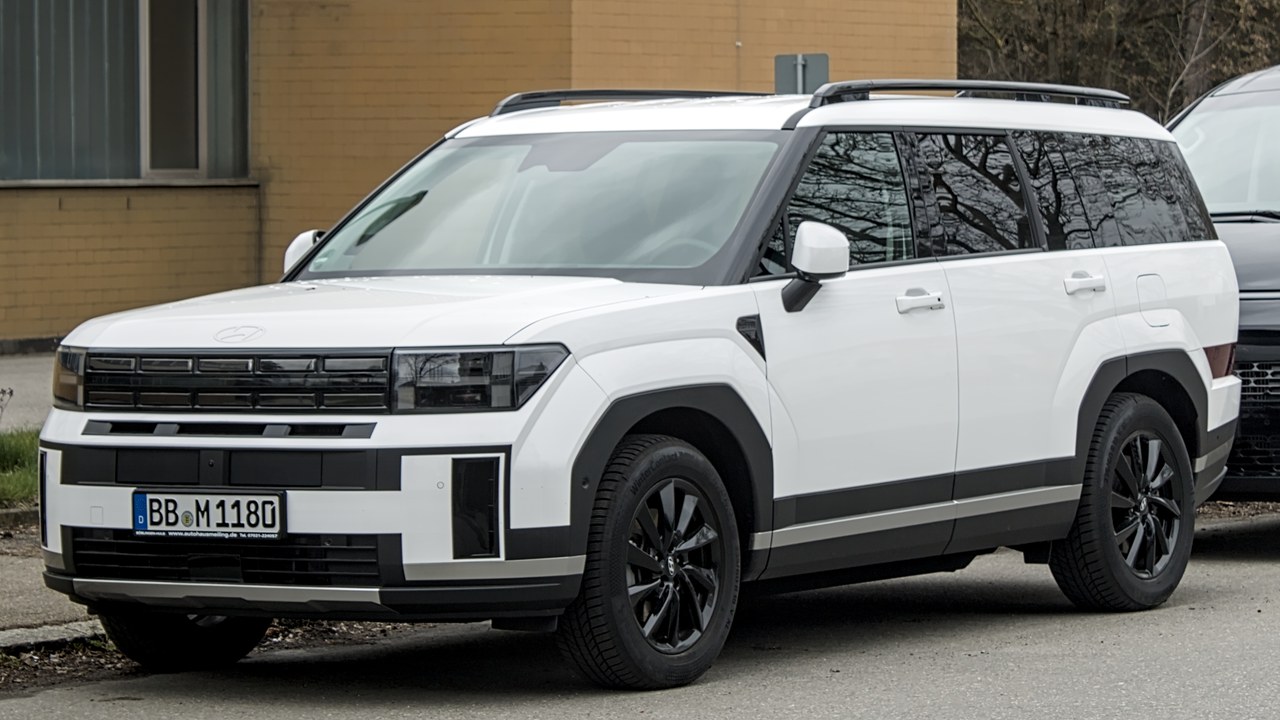
A lawsuit says driver-monitoring cameras in 2024-2026 Hyundai Santa Fes can trigger sudden braking, and a January 2025 service bulletin offered no repair.
The claim differs from the other entries because the alleged trigger is the camera watching the driver and not the road ahead. A lawsuit contains allegations that have not been proved. Still, a bulletin without a repair leaves owners with few options if the problem occurs. Owners affected by the bulletin gap may want to document each incident and contact the dealer in writing.
8. Hyundai Tucson (2025-2026): One Of Five Named
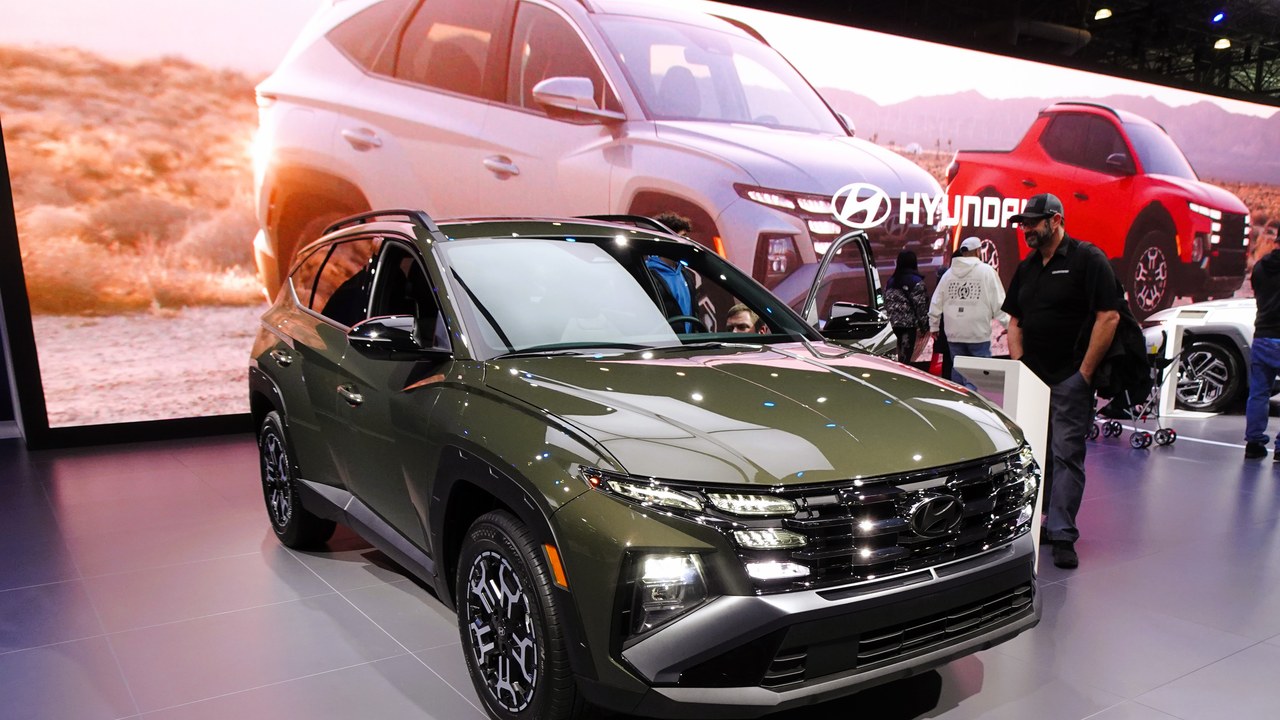
The 2025-2026 Hyundai Tucson is among the five Hyundai models named in the sudden-braking lawsuit.
Being named in a suit does not establish that a vehicle is defective, and the outcome could take a long time. It does mean the Tucson is part of the same allegation about camera-triggered braking. Owners can watch for developments and ask dealers about service guidance. Dealer service departments may offer guidance on camera settings, though the lawsuit says the bulletin itself offered no repair.
9. Hyundai Palisade: Another Name In The Suit
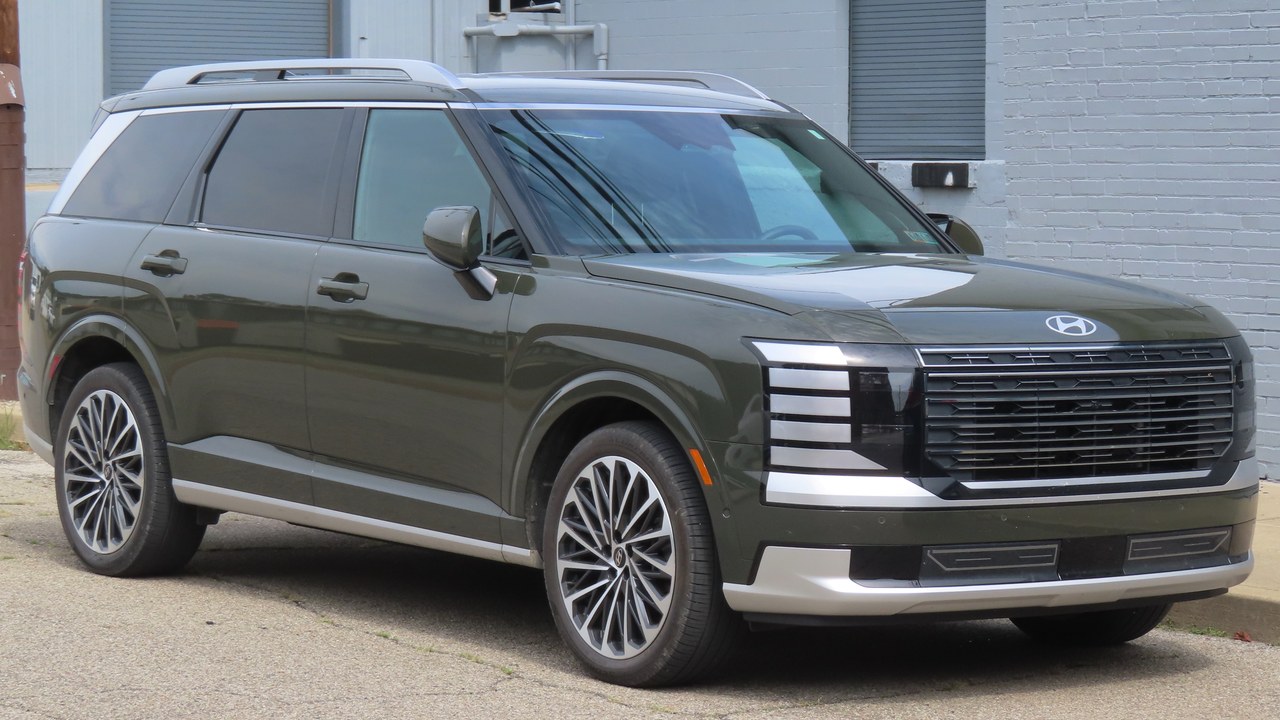
The 2026 Hyundai Palisade is also named in the driver-camera braking suit.
The Palisade is a three-row family vehicle, so unexpected braking in one would affect every passenger on board, including children. The allegations are unproven, and the case is at an early stage, but the inclusion of a family-oriented model adds to the case’s visibility. Following the lawsuit’s progress is the best way to learn whether an official remedy emerges, and the court record will show how the claims develop.
10. Hyundai Ioniq 5 (2025-2026): Electric Model Completes The List
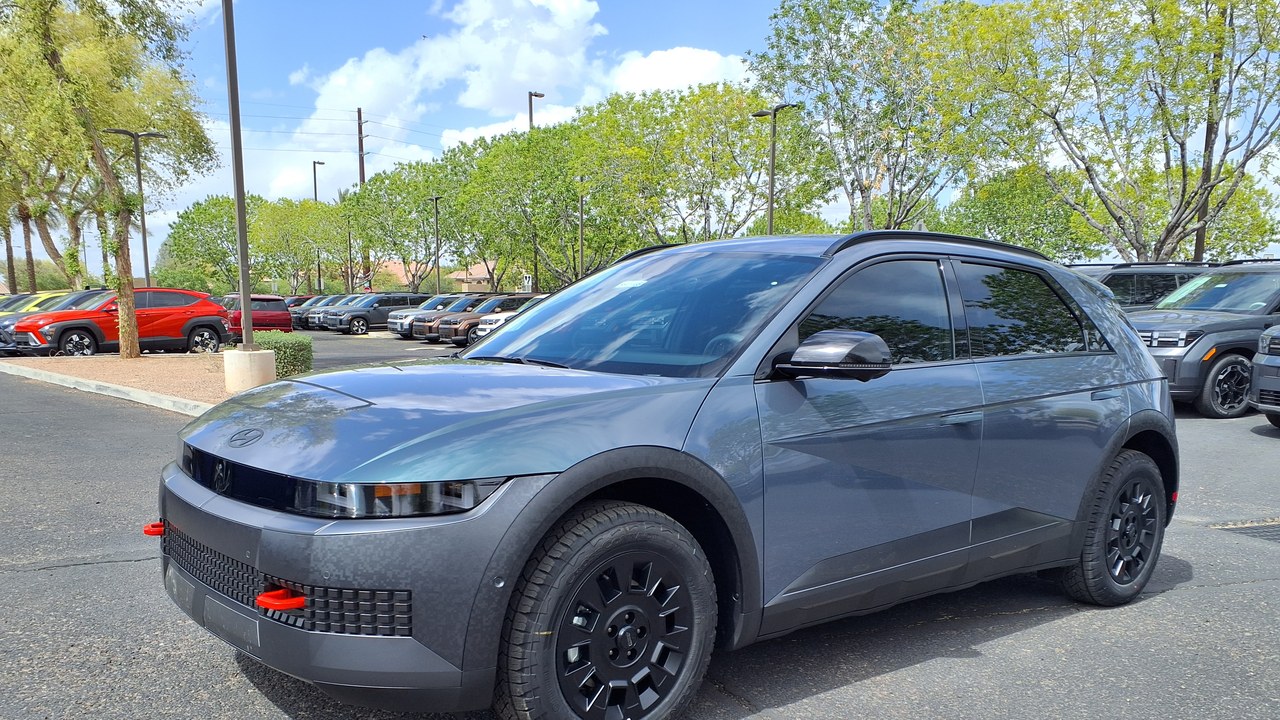
The 2025-2026 Hyundai Ioniq 5 rounds out the October 2026 lawsuit over camera-triggered braking.
As an electric model in a suit that also names gasoline-era nameplates, the Ioniq 5 suggests that the issue is tied to a shared driver-monitoring system and not a specific powertrain. The suit is new and unresolved, so shoppers and owners should follow it without assuming a final result. Shoppers considering a recent Hyundai may want to ask about the camera system and any related service notices.
Stay ahead on AI: Subscribe to The Deep View →
We may earn a commission if you sign up.
More from Morning Overview
- Ford is recalling 223,472 F-150 pickups because the fuel tank can leak or detach
- Hybrids have 15% fewer problems than gas cars, while EVs and plug-in hybrids have about 80% more, Consumer Reports finds
- Regulators cleared the first U.S. small modular reactor, 4 months early
- Lake Powell sank to a record 3,517 feet, nearing the level that stops Glen Canyon Dam’s turbines
