
The 1990s belonged to mainstream sedans, family haulers and a handful of wild outliers that still shape how American buyers remember the decade. Sales crowns changed hands, sticker prices stayed modest and one small Saturn became a favorite of thieves. Here are twelve cars that defined the showroom floor.
The tech news worth your time: 400,000+ professionals from Google, Apple and OpenAI read Techpresso, a daily email with the most interesting tech news and insights.
We may earn a commission if you sign up.
1. Ford Taurus: Sedan Sales Champion
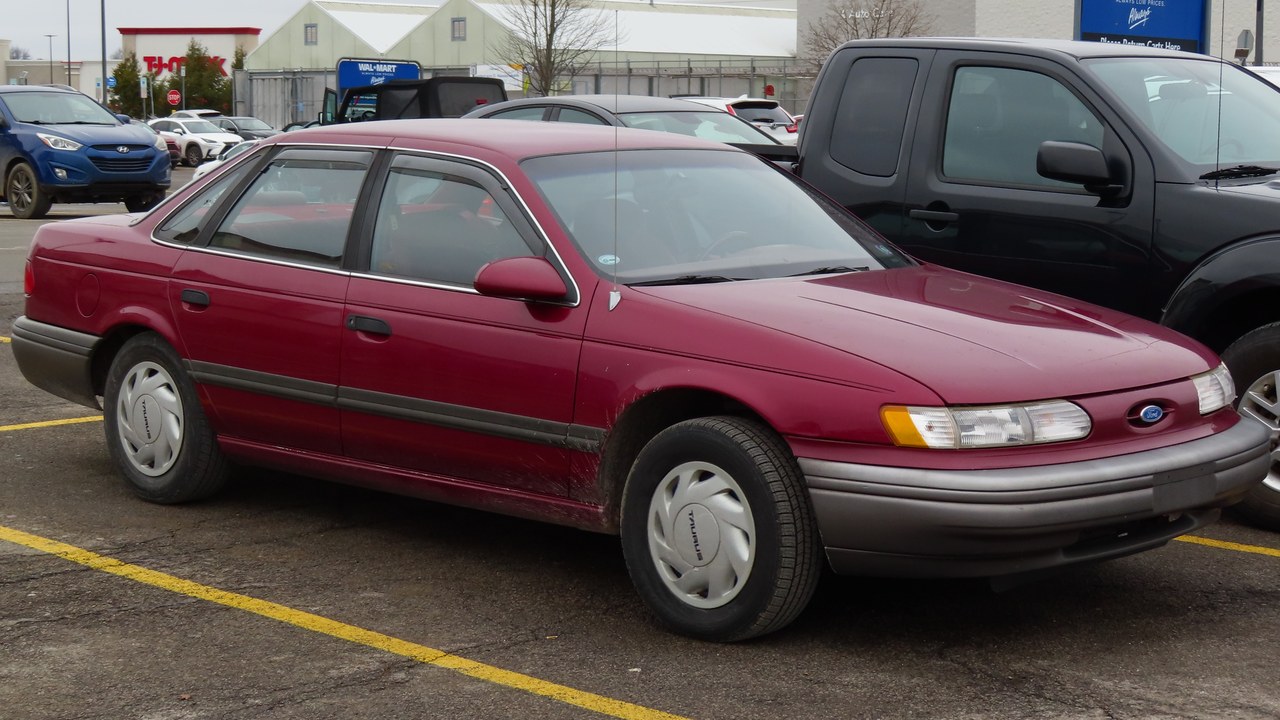
Ford’s family sedan held the title of best-selling car in America from 1992 to 1996, a five-year run at the top of the sales charts. Its base price hovered around $13,000 to $19,000 through much of the decade, which kept it within reach of ordinary household budgets.
That blend of volume and affordability made the Taurus the default choice for suburban driveways, and it set the benchmark that Japanese rivals then spent years chasing. Its reign ended only when a Toyota moved into the top spot.
2. Honda Accord: Early Decade Leader
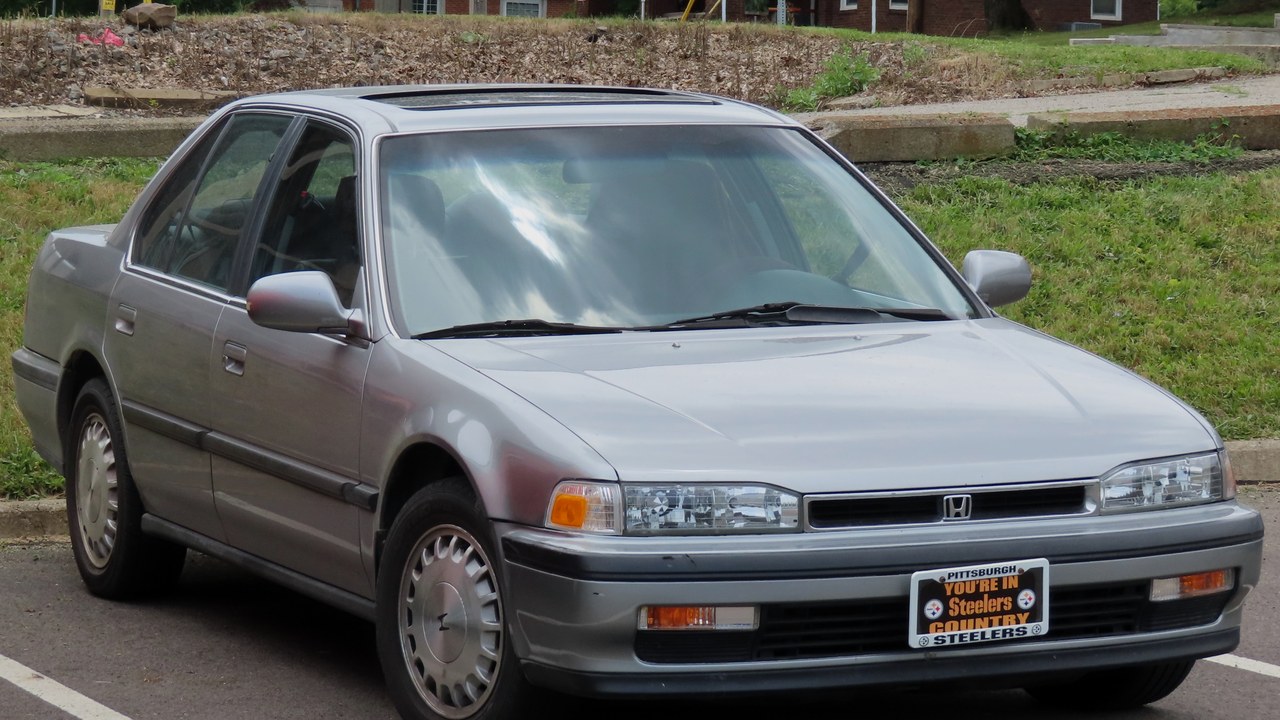
Honda’s mid-size sedan was America’s top-selling passenger car in 1990, and it held that position through 1991 as well. The crown lasted two model years before the Taurus took it away.
For a nameplate from a Japanese brand to lead the whole market was a notable shift for the time. It showed that buyers had come to value reliability and careful engineering enough to pass over the long-established domestic favorites, a trend that only strengthened as the decade went on.
3. Toyota Camry: The Crown Changes Hands
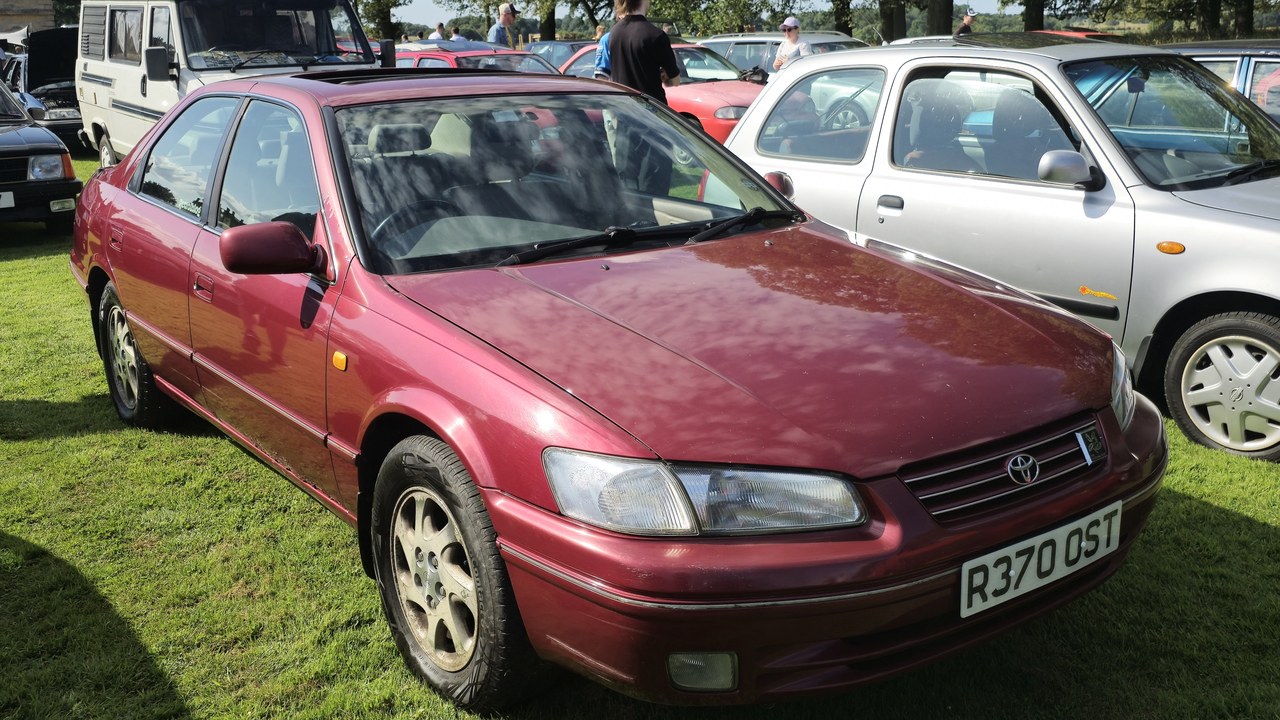
Toyota’s sedan dethroned the Taurus to become America’s best-selling passenger car in 1997, then held the spot through 2000. That is four straight years as the nation’s most popular passenger car.
The run launched a long streak of dominance for the nameplate in the family sedan class. Its appeal rested on a quiet mix of comfort, durability and low drama rather than style, which suited the practical buyers who made up most of the market and who rarely felt the need to look elsewhere.
4. Dodge Caravan: Minivan Mainstay
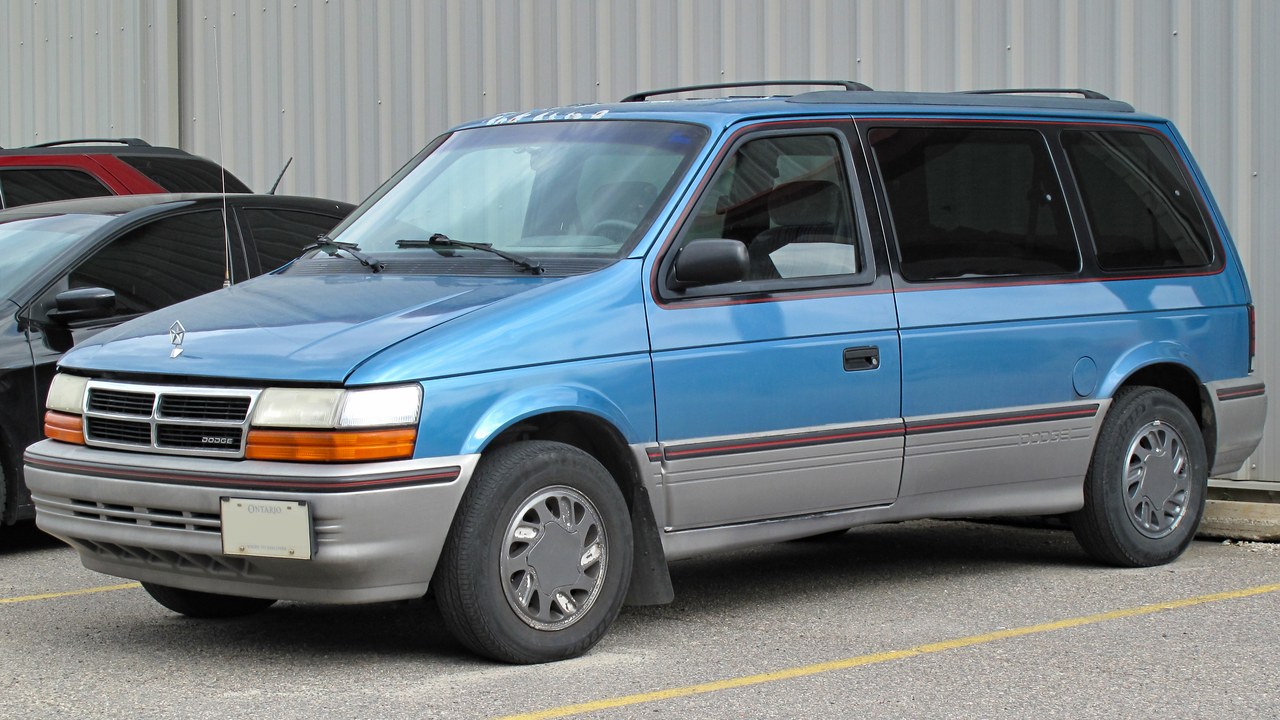
The second-generation minivan arrived in 1991, and the 1992 base model started at $13,360. That price put a roomy, sliding-door family vehicle within reach of a very wide range of households.
Chrysler’s formula of car-like driving, flexible seating and a modest sticker defined the segment in the 1990s. Station wagons faded as parents switched to vans for school runs and road trips, and the Caravan became the shorthand image of the suburban family hauler for an entire generation.
5. Ford Explorer (first generation): The SUV Boom Starts
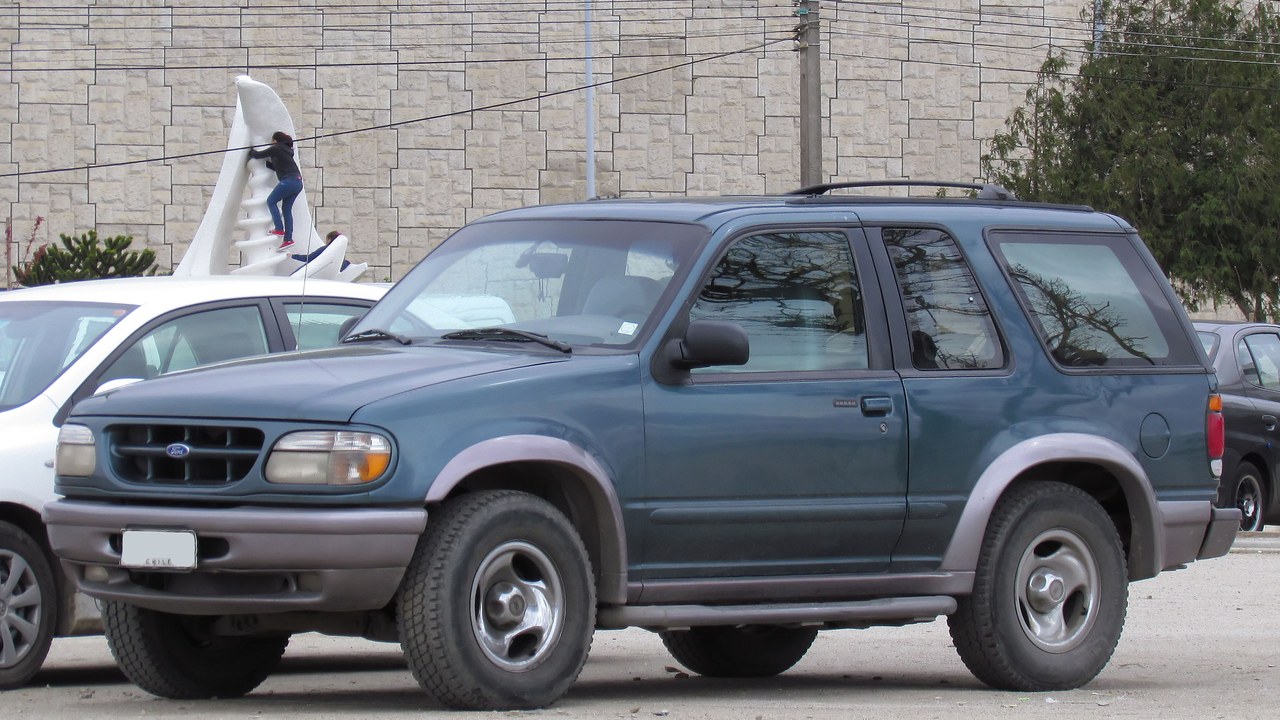
Ford introduced the Explorer in 1991 to replace the Bronco II, and the company later reported that 5 million Explorers had been sold by 2005. The first generation helped turn the SUV from a niche item into a family staple.
Its popularity pulled car buyers toward taller, truck-based wagons, reshaping showrooms across the industry. The same trend that made the Explorer a hit also pushed rivals to rush their own models to market, and the segment kept growing long after the first generation left production.
6. Honda Civic: Compact Staple
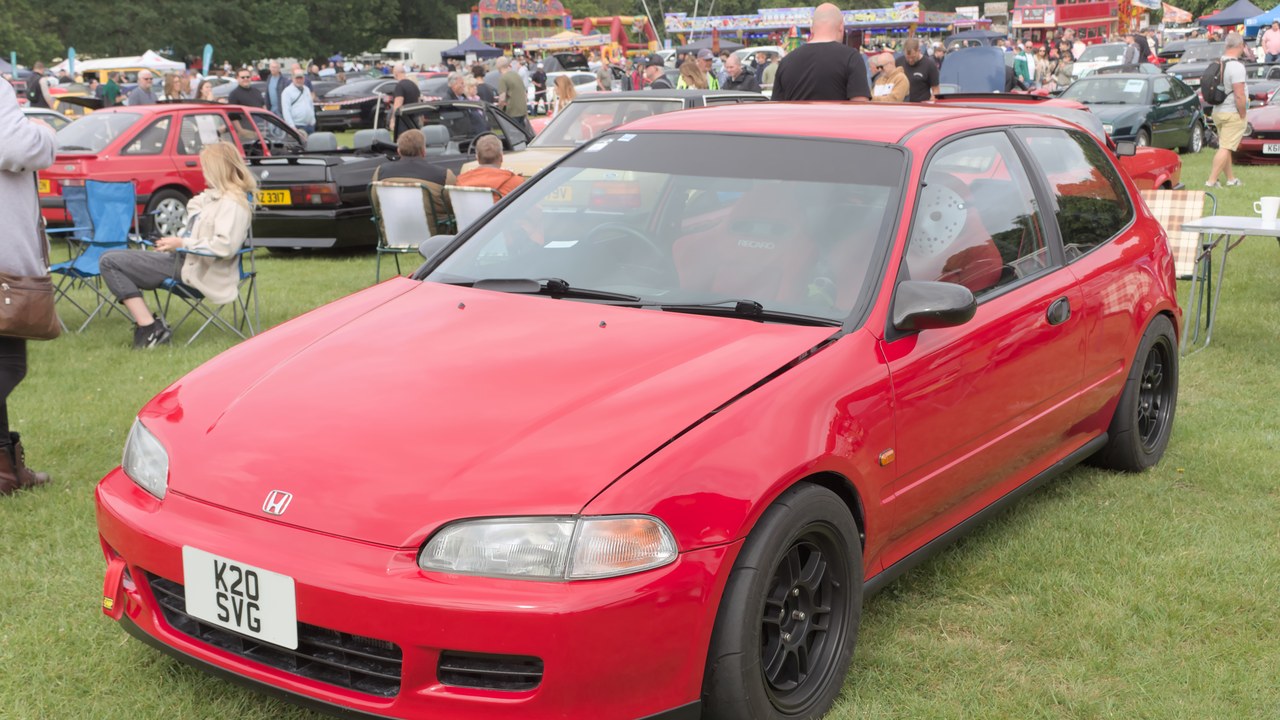
Honda’s small car fed a nameplate that has racked up more than 12.3 million sales in the American market since its 1973 debut. The 1990s models were a major part of that long record.
The Civic earned its reputation by being cheap to run, easy to maintain and fun enough to drive. First-time buyers, commuters and tuner enthusiasts all found something to like in it, and that broad appeal explains why the badge has survived so many redesigns and remained a fixture on the sales charts.
7. Dodge Viper: Raw American Muscle
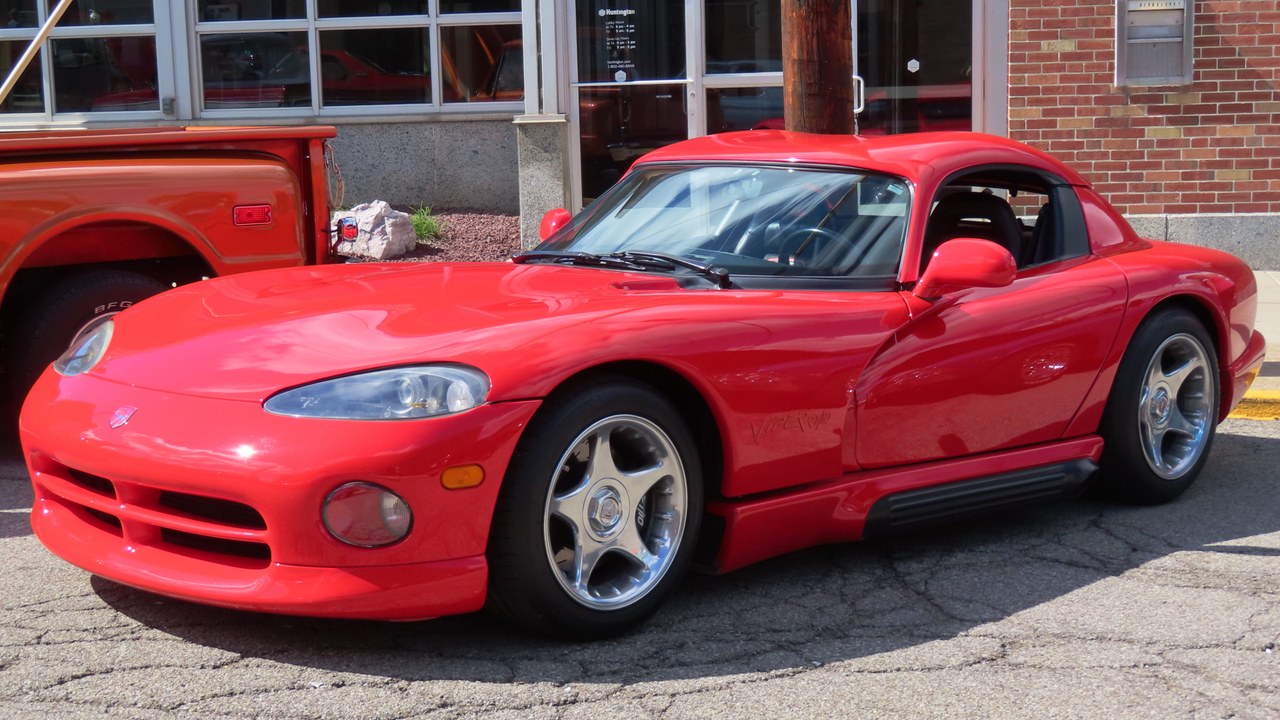
Dodge launched the Viper with an eight-liter V10 making 400 horsepower in a car weighing about 3,000 pounds. Torque was rated at 465 lb-ft, enough to give the roadster a ferocious reputation.
The Viper was never a volume seller, but it gave Chrysler a halo that drew people into dealerships. Its minimal driver aids and enormous engine made it a challenge to drive hard, which was precisely the appeal for buyers who wanted a throwback sports car in an increasingly polished decade.
8. Chevrolet Camaro (fourth generation): Muscle Car Revival
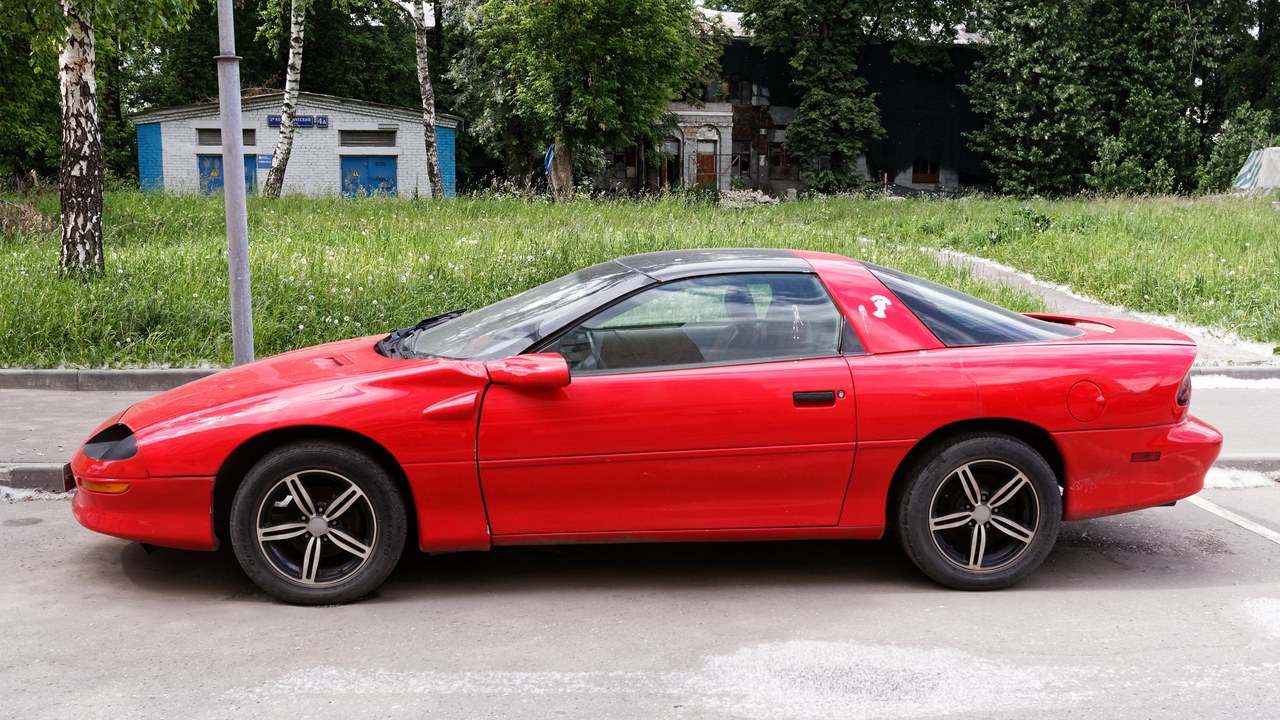
The redesigned pony car arrived in 1993 and sold an estimated 612,000 units before sagging sales ended its run in 2002. That is a respectable total, but it trailed the hopes General Motors had for the model.
Buyers drifted toward trucks and SUVs while insurance costs and a shrinking sports-coupe market squeezed demand. The fourth-generation Camaro still offered strong performance for the money, and used examples remain a popular entry point for people who want a V8 rear-drive car without a collector price.
9. Mazda MX-5 Miata: Roadster Reborn
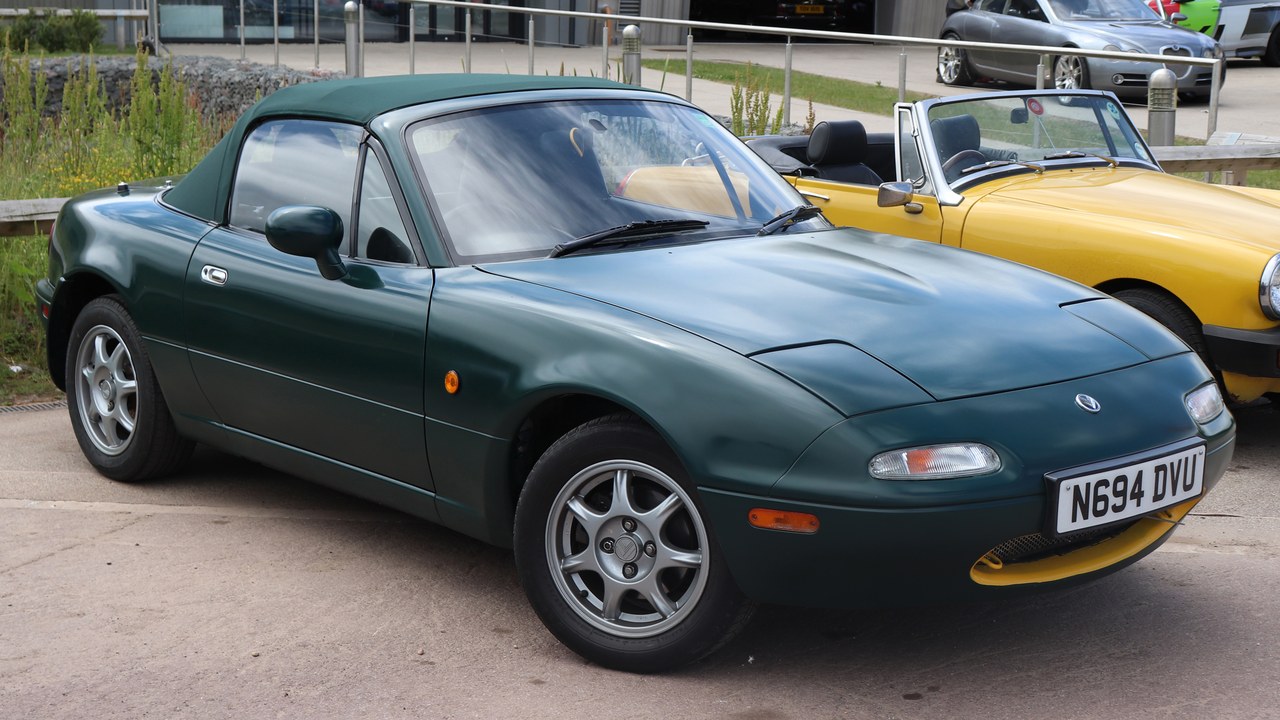
The first-generation NA roadster sold over 400,000 units for about $16,000 and change. Mazda revived the lightweight, affordable two-seat convertible at a time when few automakers still built one.
Its success inspired rivals to bring back small open-top cars, and it became a staple of club racing and weekend driving. Simple mechanicals, a short wheelbase and a low price meant that ordinary enthusiasts could enjoy a proper sports car without needing a large budget.
10. Saturn SL: The Thieves’ Favorite
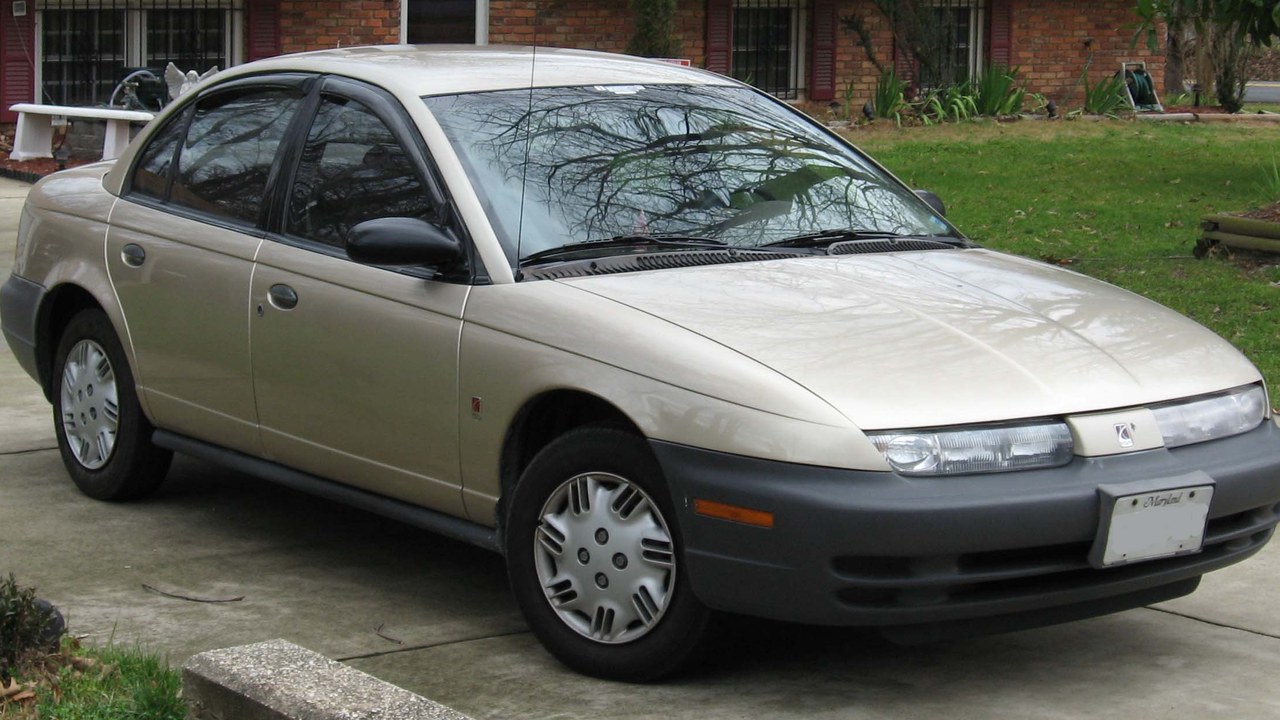
GM’s no-haggle small car rolled out of Spring Hill, Tennessee in 1990, with the first Saturn leaving the line on July 30 of that year. By 2003, the 1995 Saturn SL had become the most stolen vehicle in the country.
A low price and a huge production run may have made it an easy target for thieves. The title is a quirky footnote for a brand that built its identity on friendly service, and it shows how a popular, inexpensive car can attract the wrong sort of attention.
11. Chevrolet Corvette ZR-1: Lotus-Built Powerhouse
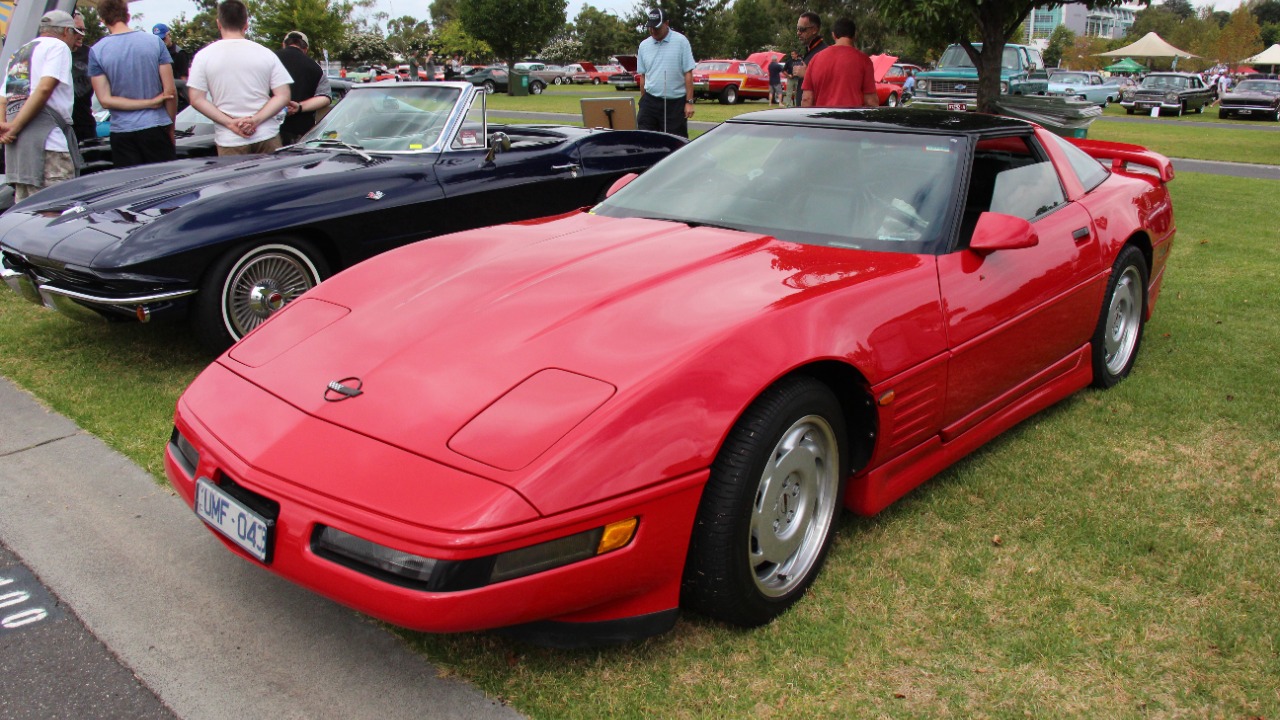
The 1990-95 ZR-1 packed a Lotus-designed DOHC V8 built by Mercury Marine, rated at 375 horsepower and later 405. It sat at the top of the Corvette lineup as an engineering showpiece.
The exotic engine set it apart from the standard pushrod cars and gave American performance a technical flourish. Its price kept volumes low, so it is regarded today as a rare piece of the C4 era that appeals to collectors who value its unusual story.
12. Porsche Boxster: Porsche’s Lifeline
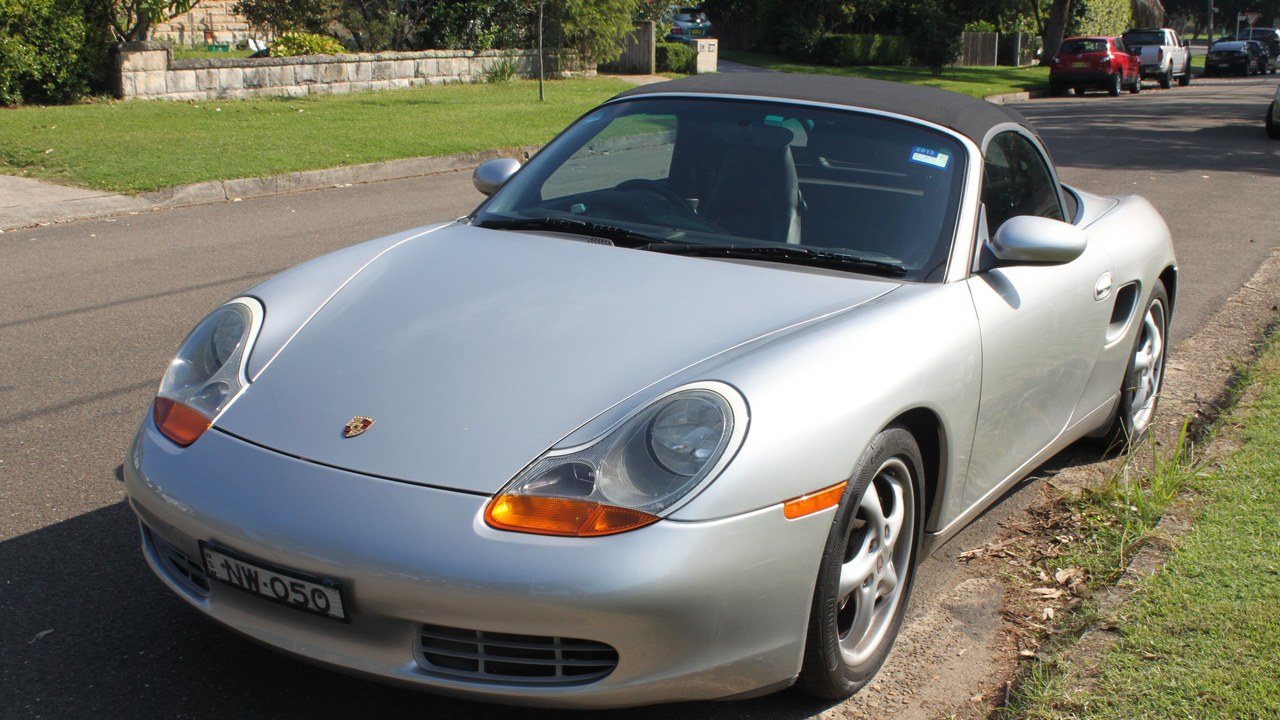
The 1996 roadster arrived when Porsche had sold just 15,000 cars in 1992, and it eventually reached global sales of 146,874 by 2004. The mid-engine two-seater is widely credited with rescuing the company.
An approachable price and balanced handling brought in a new group of buyers who had not previously considered the brand. The money from those sales helped fund the rest of the lineup, which is why enthusiasts often say that this relatively humble roadster saved the maker from serious trouble.
The tech news worth your time: Subscribe to Techpresso →
We may earn a commission if you sign up.
More from Morning Overview
- Hybrids have 15% fewer problems than gas cars, while EVs and plug-in hybrids have about 80% more, Consumer Reports finds
- Regulators cleared the first U.S. small modular reactor, 4 months early
- Lake Powell sank to a record 3,517 feet, nearing the level that stops Glen Canyon Dam’s turbines
- Seven of Earth’s nine planetary boundaries are breached, and all seven are worsening
