
The 2000s showroom mixed retro styling, oversized SUVs and boutique roadsters, and many of the biggest hits faded quickly once fashions and fuel prices shifted. Some nameplates ended as cautionary tales, while others quietly shaped the decade that followed. Here are twelve cars that captured the mood of those years.
Tech news in one quick read: Get the most interesting stories in startups, tech and programming, each with a short TLDR, in one daily email from TLDR.
We may earn a commission if you sign up.
1. Chrysler PT Cruiser: Retro Craze Casualty
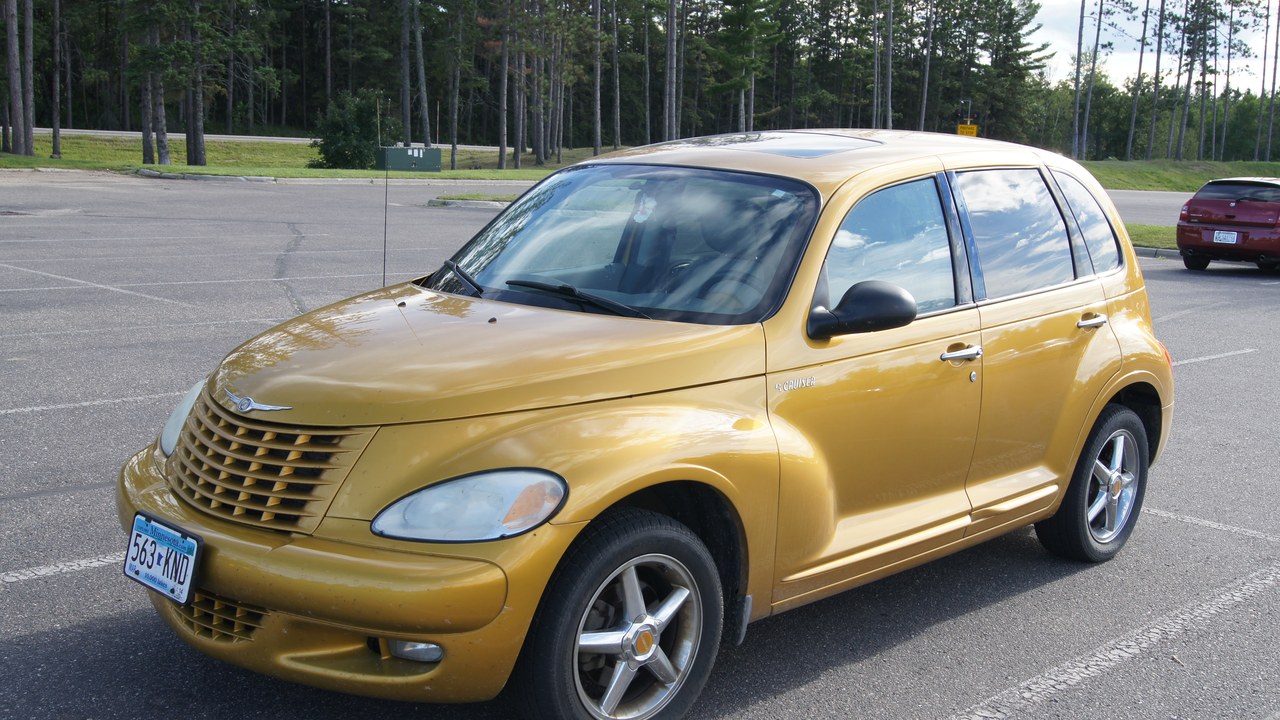
Chrysler’s retro wagon routinely sold over 130,000 a year in the United States at its peak. By 2009 it was down to just 18,000 units, and production ended after 2010.
The slide shows how quickly a styling fad can cool once the novelty wears off. Buyers who lined up early had little reason to return, and the company had few fresh ideas to keep the shape relevant, so a runaway success turned into a fast fade within a single decade.
2. Hummer H2: Excess on Wheels
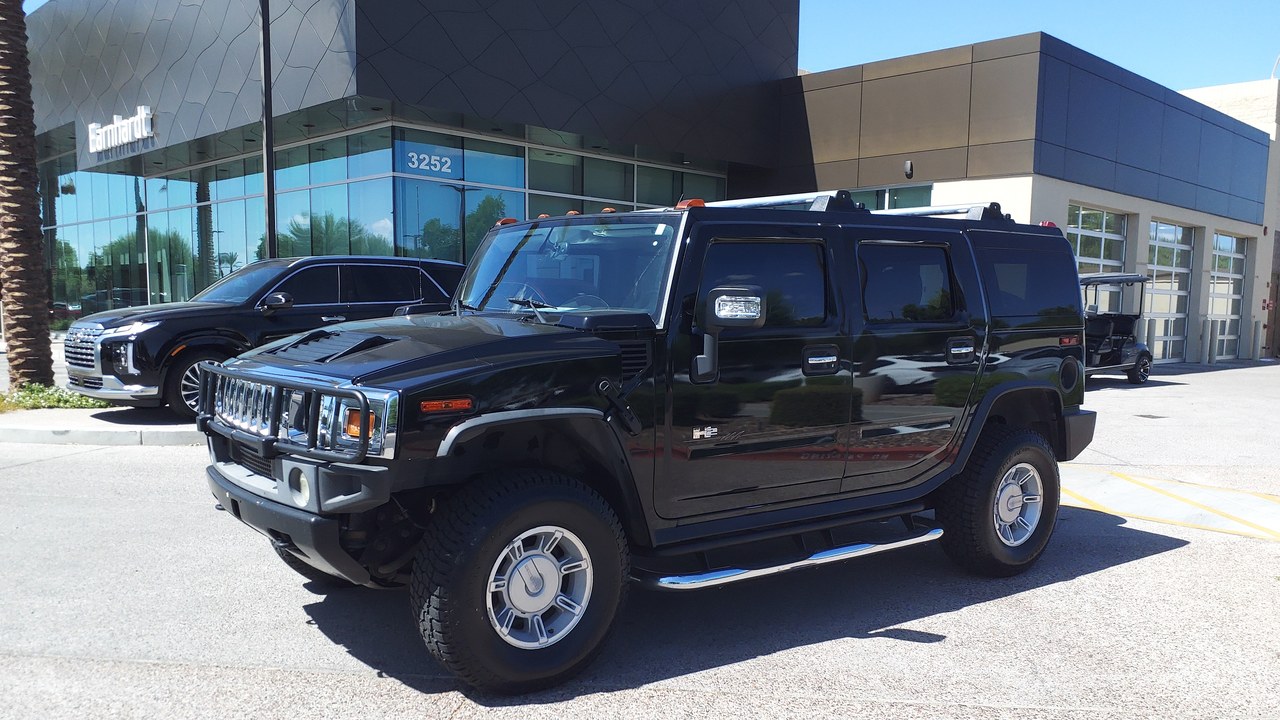
General Motors sold nearly 53,400 of the H2 in its first 18 months on the market at $48,800, then just under 6,000 in 2008. The truck was also rated at 10 mpg in city driving.
Its huge appetite for fuel became hard to defend as gasoline prices climbed and attitudes changed. The collapse from tens of thousands of sales to a trickle made the H2 a symbol of the decade’s excess, and it became a lasting reminder of how quickly the market could turn.
3. Chevrolet Avalanche: Truck With Tricks
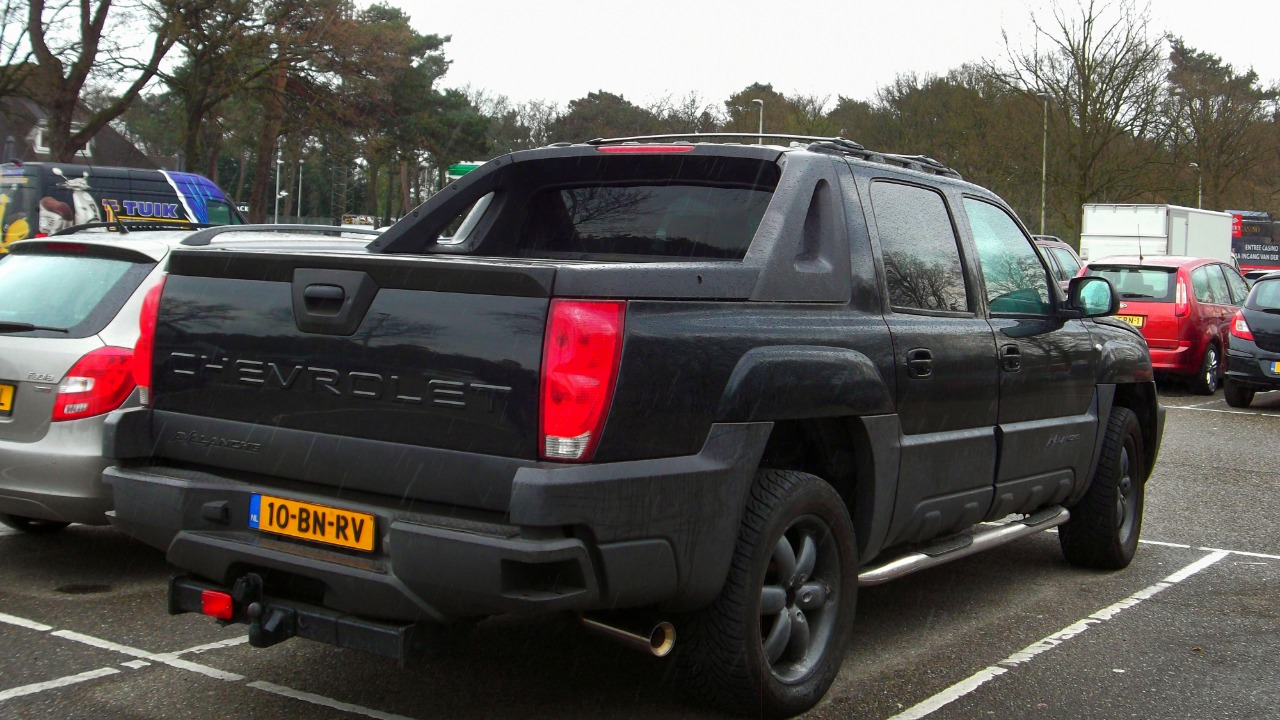
Chevrolet’s crew-cab pickup with a convertible-style bed topped 63,000 sales in 2005, but fell to about 16,400 by 2009. It averaged about 13 mpg combined.
The Avalanche offered unusual versatility, yet thirsty engines and a weakening economy cut deeply into demand. Its steep drop is a good example of how fast the full-size truck market could turn when fuel costs rose and credit tightened, even for a genuinely clever design.
4. Volkswagen New Beetle: Cute Car Cooldown
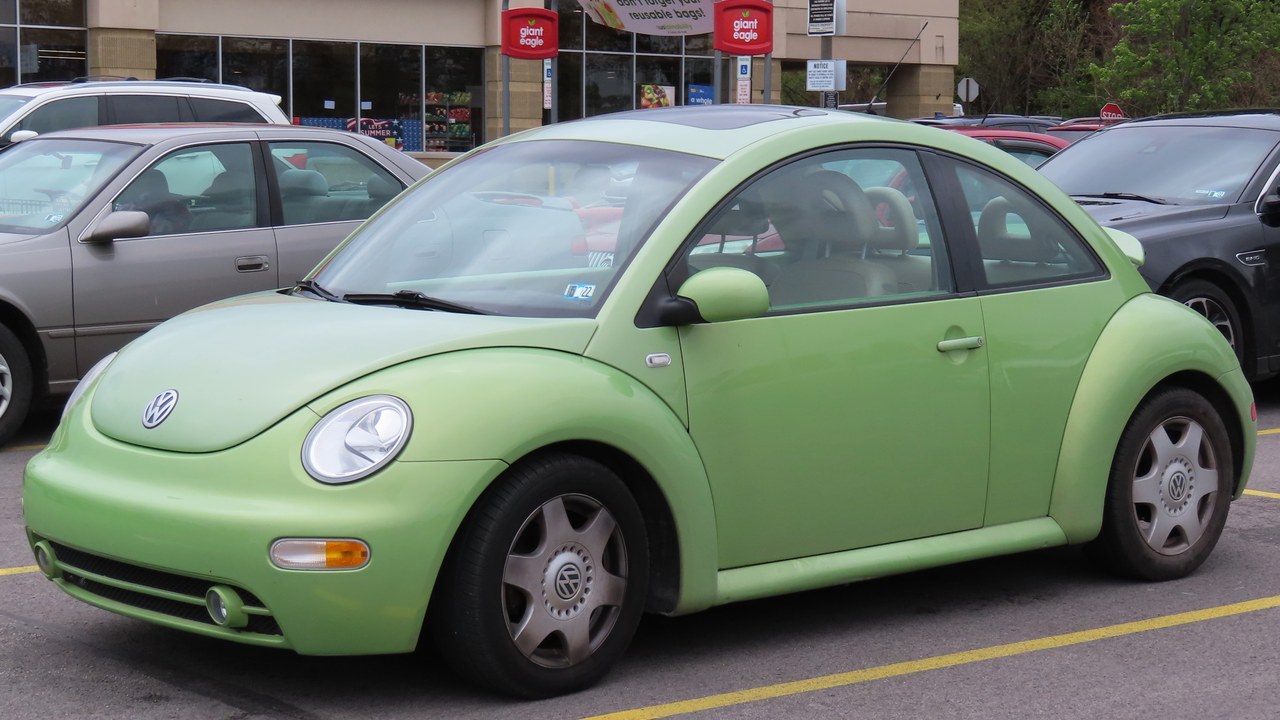
Volkswagen’s revived bubble-shaped hatchback averaged around 35,000 sales a year in the mid-2000s. By the end of the decade that had slid to 14,000 to 16,000 a year.
The New Beetle leaned on nostalgia and a flower vase on the dash, which won plenty of fans at first. Once the charm faded, it struggled to compete against more practical small cars, and the fall in numbers showed how limited a purely sentimental appeal can be.
5. Honda Element: Boxy Lifestyle Pioneer
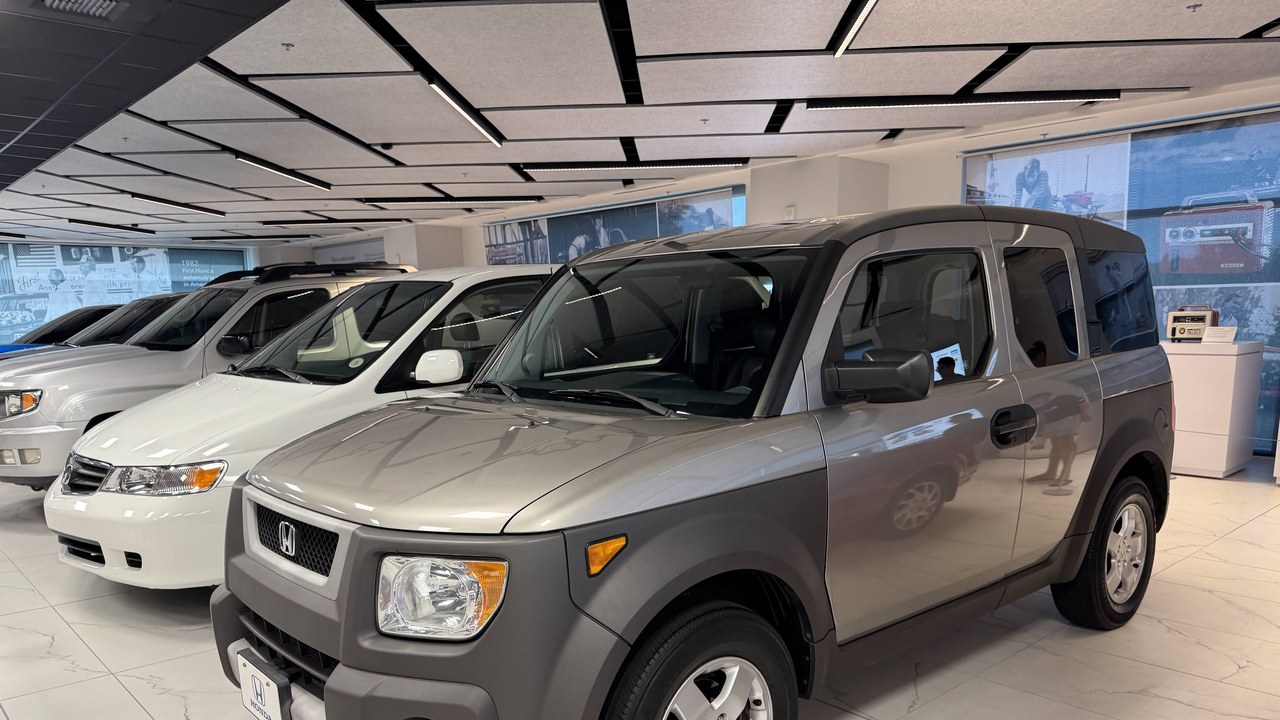
Honda launched the Element for 2003 at $16,100, and it sold more than 50,000 a year. That fell short of a 75,000 target, and by 2011 sales were as low as 11,000.
Its boxy, utilitarian shape appealed to young buyers and outdoor enthusiasts who wanted something different from a standard crossover. A quirky design limited its audience, though, and the numbers show how hard it is for an unconventional vehicle to sustain a mass market over many years without constant refreshing.
6. Pontiac Aztek: Styling Cautionary Tale
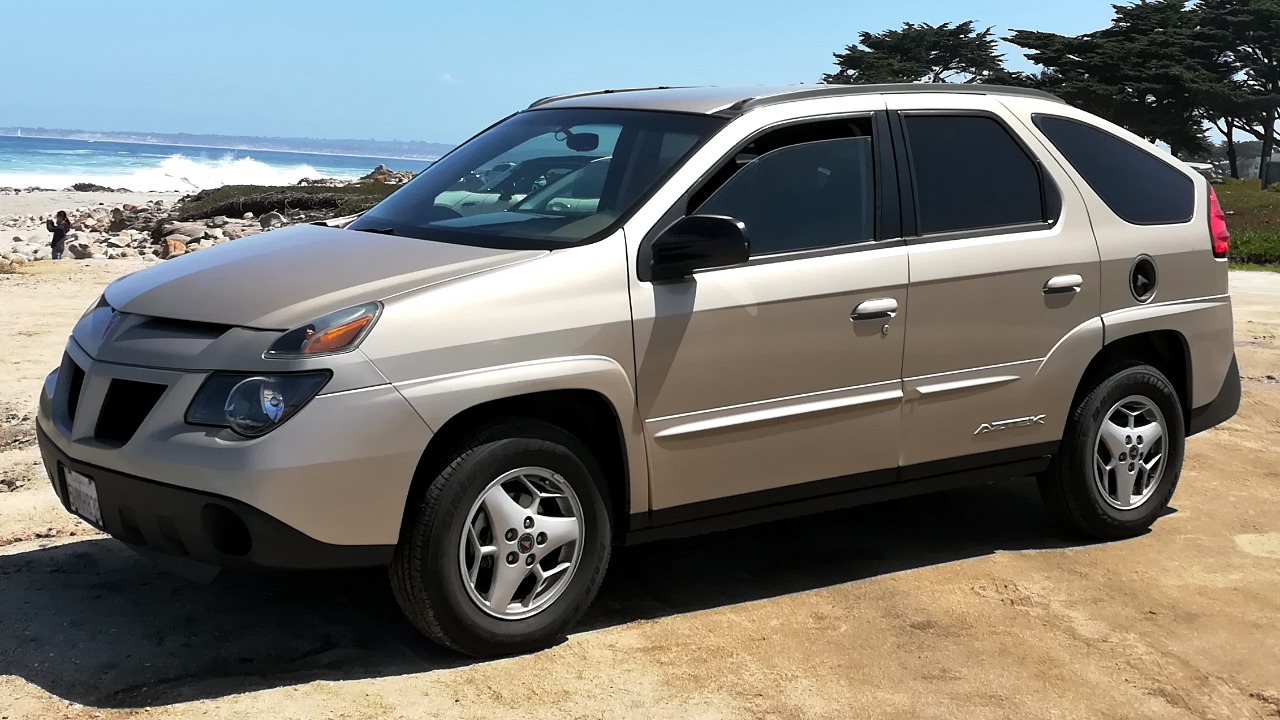
Pontiac sold the Aztek from 2001 to 2005, and it is considered by many to be the ugliest vehicle ever made. That reputation has followed it long after production ended.
Its looks overshadowed whatever practical strengths it had. The Aztek is now a punchline in car culture, but also a reminder that design risk can sink an otherwise decent vehicle, and that a poor first impression is difficult to reverse once it takes hold with the public.
7. Toyota Prius: Hybrids Go Mainstream
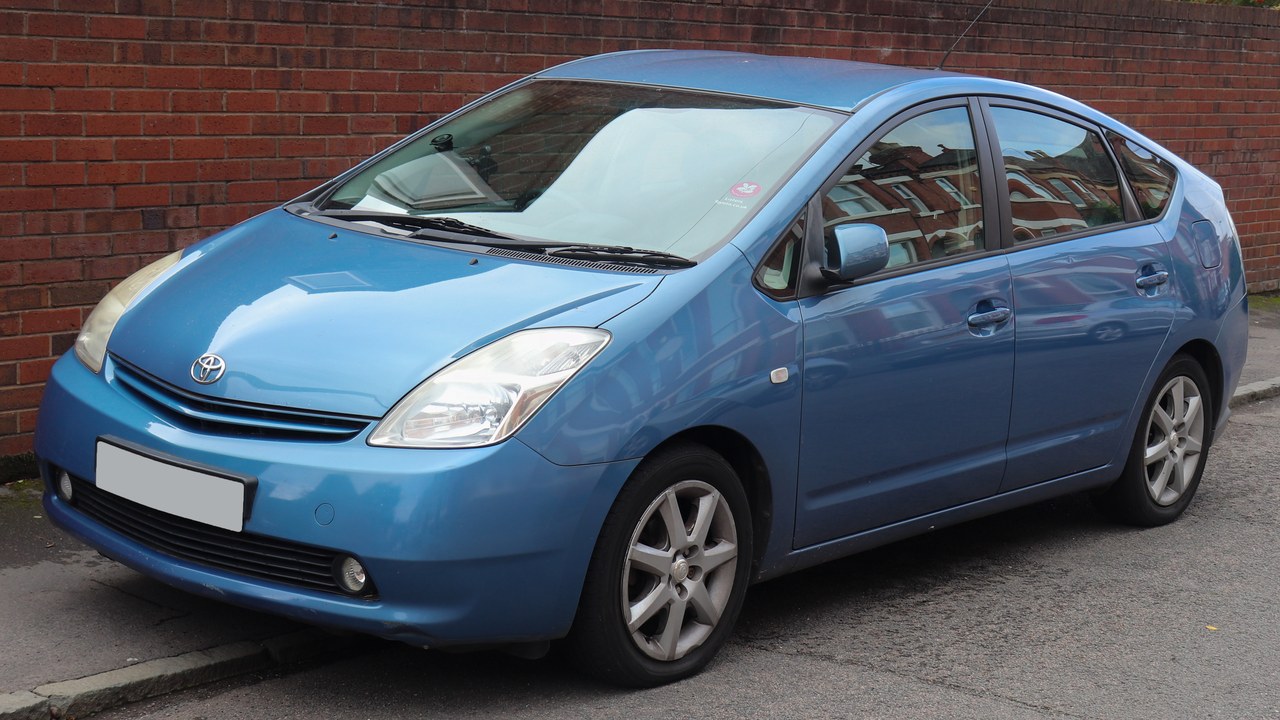
Toyota’s gas-electric hatchback made the technology familiar to ordinary shoppers, and the company has since sold over 15 million hybrids. The Prius became the face of the movement.
Its arrival in the 2000s changed how automakers thought about efficiency. Rivals followed with their own electrified models, and the badge turned into shorthand for green driving. Few cars from the era can claim such a lasting influence on the whole industry and on what shoppers expect.
8. Saturn Sky: Short-Lived Roadster
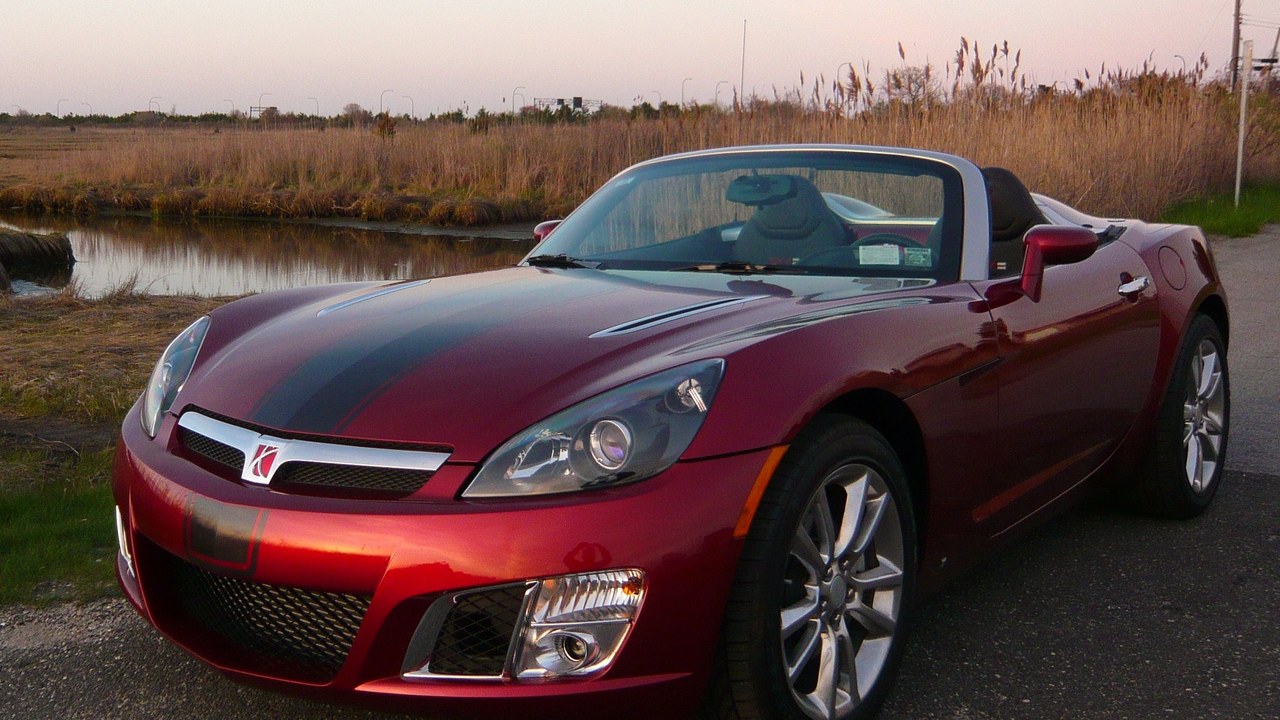
Saturn built a total of 34,415 Sky roadsters over its all-too-brief production run. That small figure reflects how little time the car had on the market.
The Sky offered sharp styling from a brand better known for sensible small cars. Low volume and the end of Saturn itself make it an uncommon sight now, and that rarity gives it some appeal among enthusiasts who like orphaned General Motors products and the stories behind them.
9. Cadillac XLR: Corvette Cousin
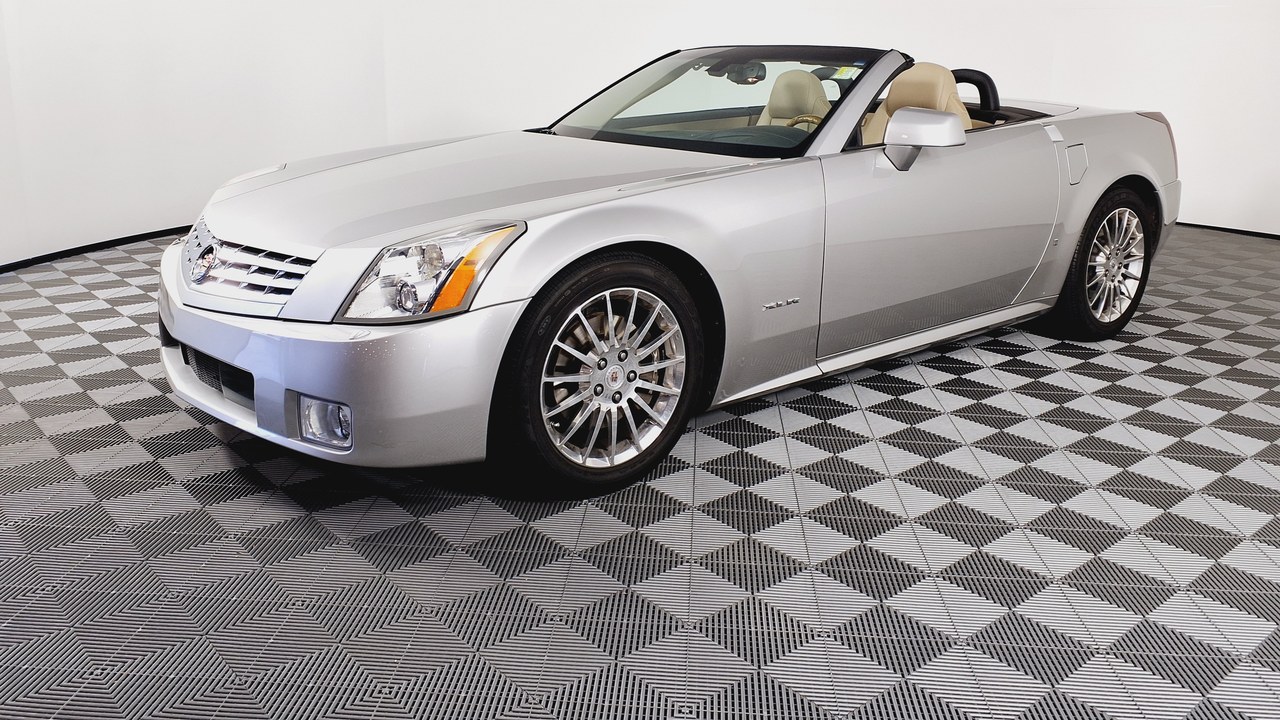
Cadillac built the XLR alongside the Corvette and fitted it with a 320-hp Northstar V8. Production was a bit over 15,000 before it was halted in 2009.
Luxury trim set it apart from its sibling, yet its price and modest sales limited its appeal, and the model was dropped after a short run. It remains an interesting piece of the brand’s attempt to reinvent itself as a maker of stylish, upscale two-seaters in that era.
10. Cadillac CTS-V: Sedan With Supercar Pace
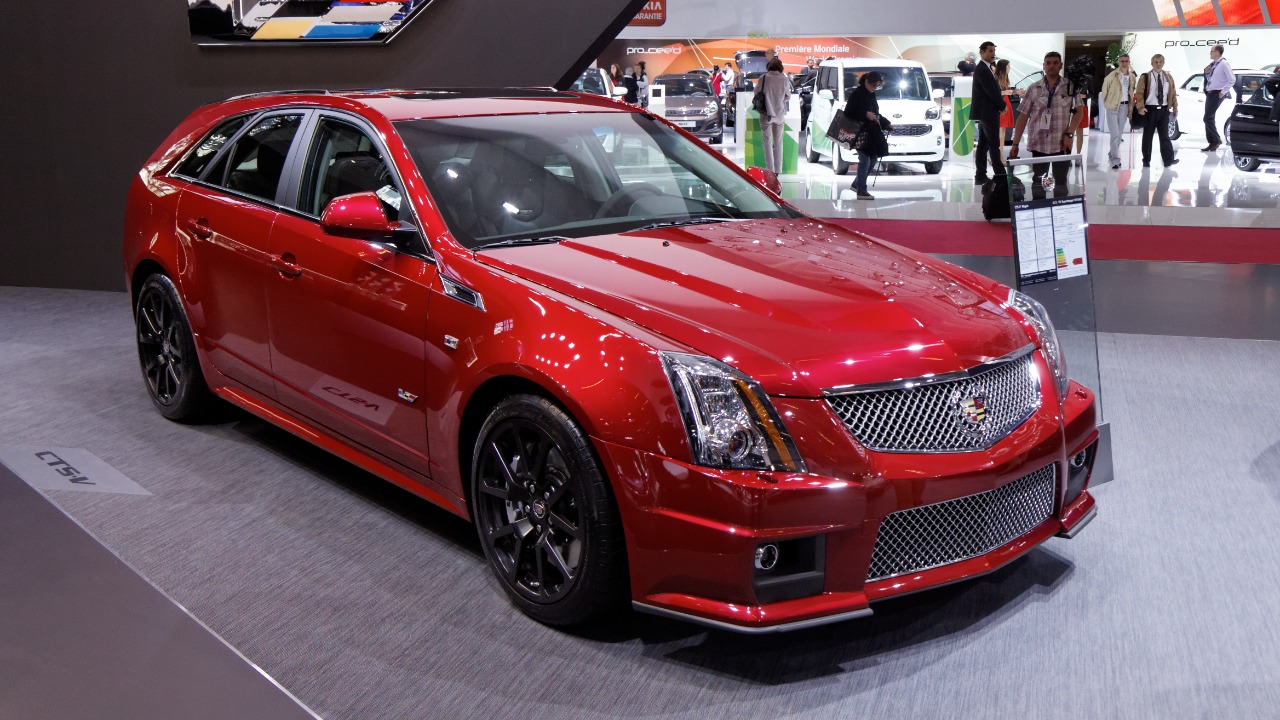
Cadillac introduced the CTS-V in 2004, and the second generation used a 556-hp V8 to reach 60 mph in the 4.0-second range. That performance matched German rivals at a lower price.
It proved that an American luxury brand could build a serious performance sedan. The model gave Cadillac a credibility boost with enthusiasts, and that blend of speed and everyday usability is still the main reason the car is remembered so fondly by fans of fast sedans.
11. Ford Thunderbird (2002-2005): Retro Revival
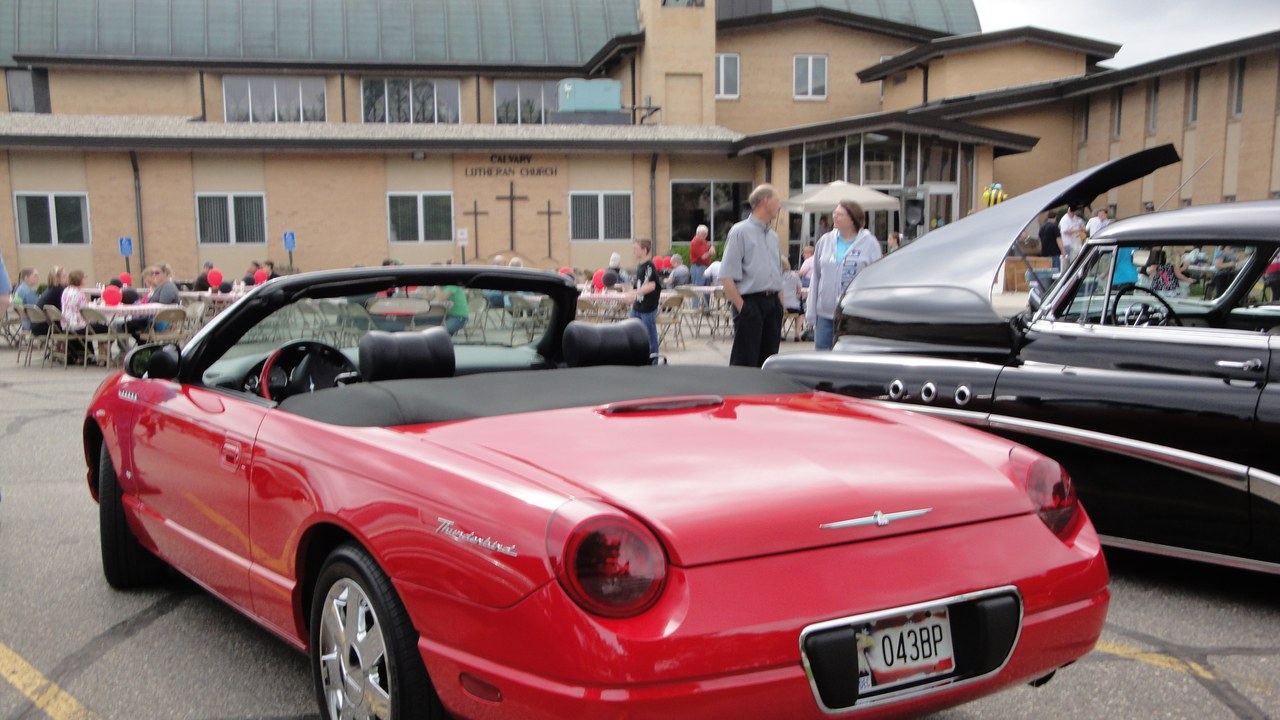
Ford’s two-seat revival of a classic nameplate lasted four model years from 2002 to 2005, and about 68,000 were built. It brought back a famous badge in a new package.
Retro styling drew early interest, but sales faded as the novelty wore thin and the two-seat format limited its audience. The short run shows how nostalgia alone struggles to carry a niche car, even one wearing a name with such a long history behind it.
12. Pontiac Solstice: Gone With the Brand
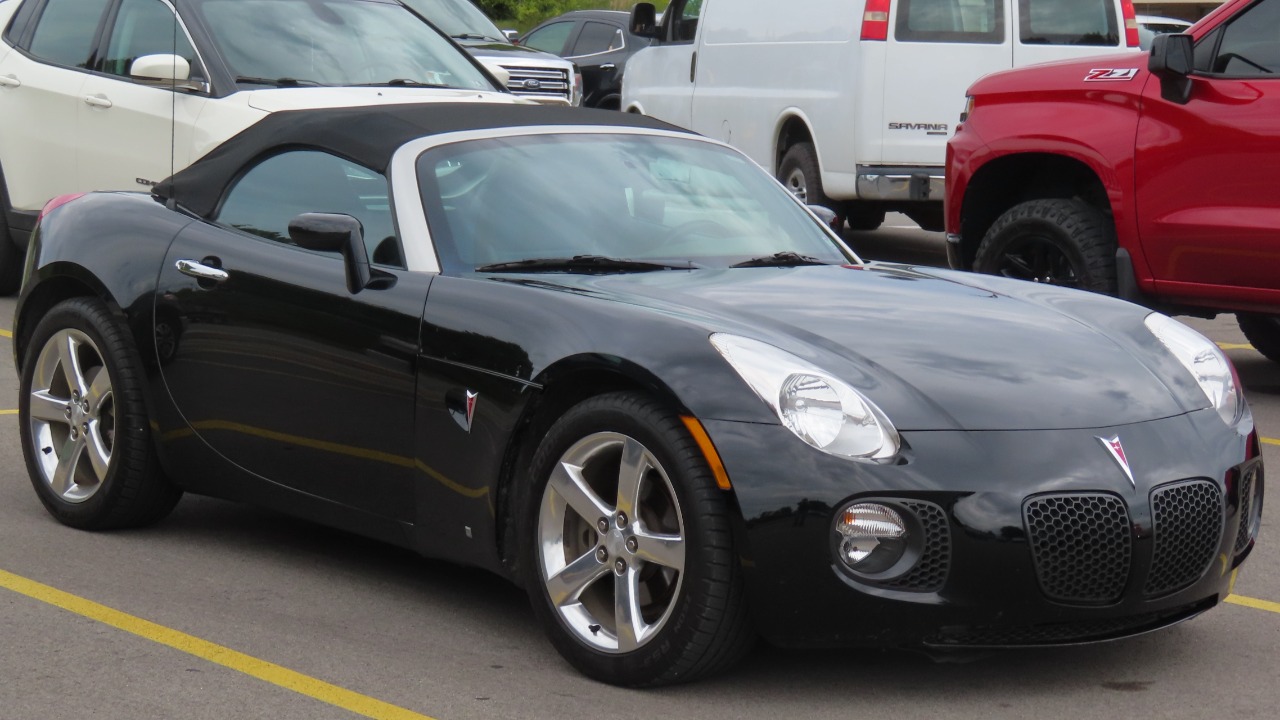
Pontiac launched the Solstice in 2005, and the roadster was retired just four years later when the brand folded. It had little time to build a following.
Its low, wide stance and attractive looks won praise, yet the timing could hardly have been worse. The Solstice became one of the last sports cars to wear a Pontiac badge, and its brief life is tied to the collapse of a once-proud General Motors division.
Tech news in one quick read: Subscribe to TLDR →
We may earn a commission if you sign up.
More from Morning Overview
- Regulators cleared the first U.S. small modular reactor, 4 months early
- Lake Powell sank to a record 3,517 feet, nearing the level that stops Glen Canyon Dam’s turbines
- Seven of Earth’s nine planetary boundaries are breached, and all seven are worsening
- The NSA says three phone features should be off whenever you aren’t using them
