
National Park Service properties draw hundreds of millions of visits, and a small share of those trips end in death from drowning, falls, medical emergencies or road crashes. Three separate analyses of Park Service records rank the most dangerous sites, each over a different span of years. Here are twelve places, with the cause and period given for each rather than compared across lists.
Help yourself and the planet: The Cool Down makes it easy to help yourself while helping the planet, with smart, simple changes to save more and waste less in your everyday life.
We may earn a commission if you sign up.
1. Lake Mead National Recreation Area: Water Is the Danger
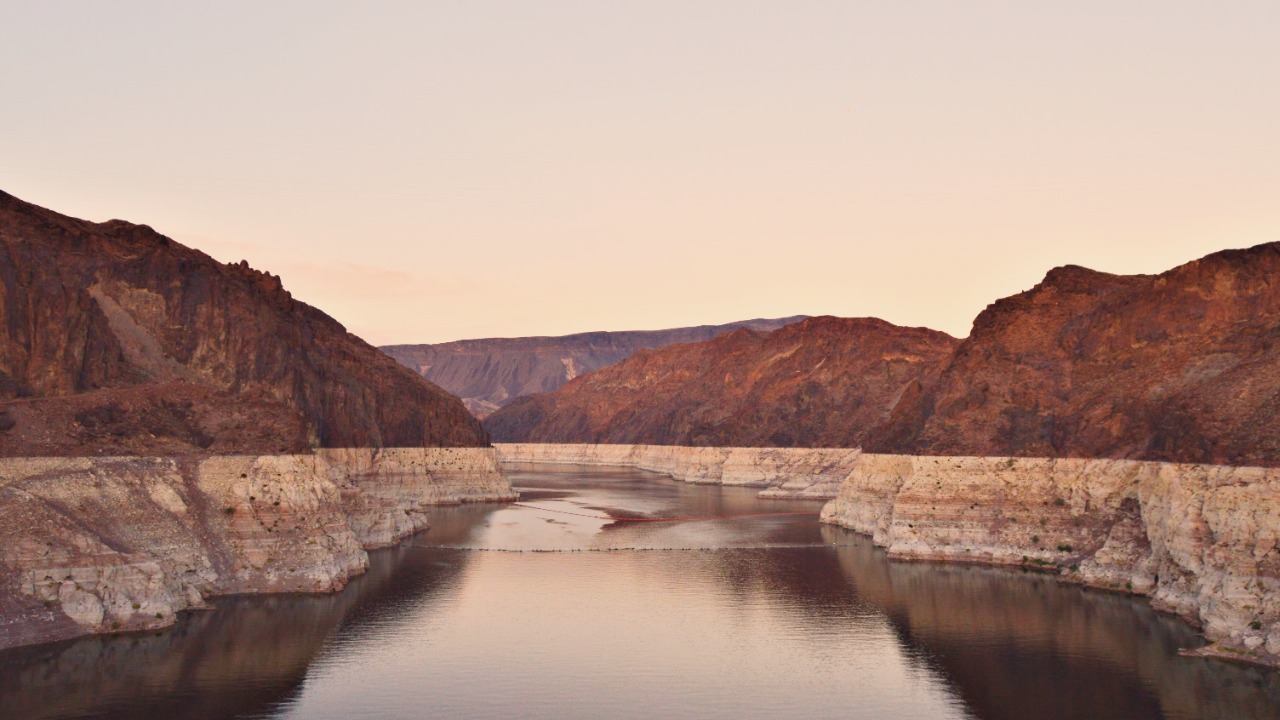
Lake Mead National Recreation Area recorded 355 recorded deaths from 2007 to 2024, an average of 20.88 a year, most from drowning. It was the deadliest Park Service site in a travel-company study of those years.
The reservoir draws boaters, swimmers and anglers in extreme desert heat. The pattern suggests that life jackets and caution around water matter more than any trail hazard at this particular site, and that a lake can be as dangerous as a cliff.
2. Grand Canyon National Park: Heat and Health
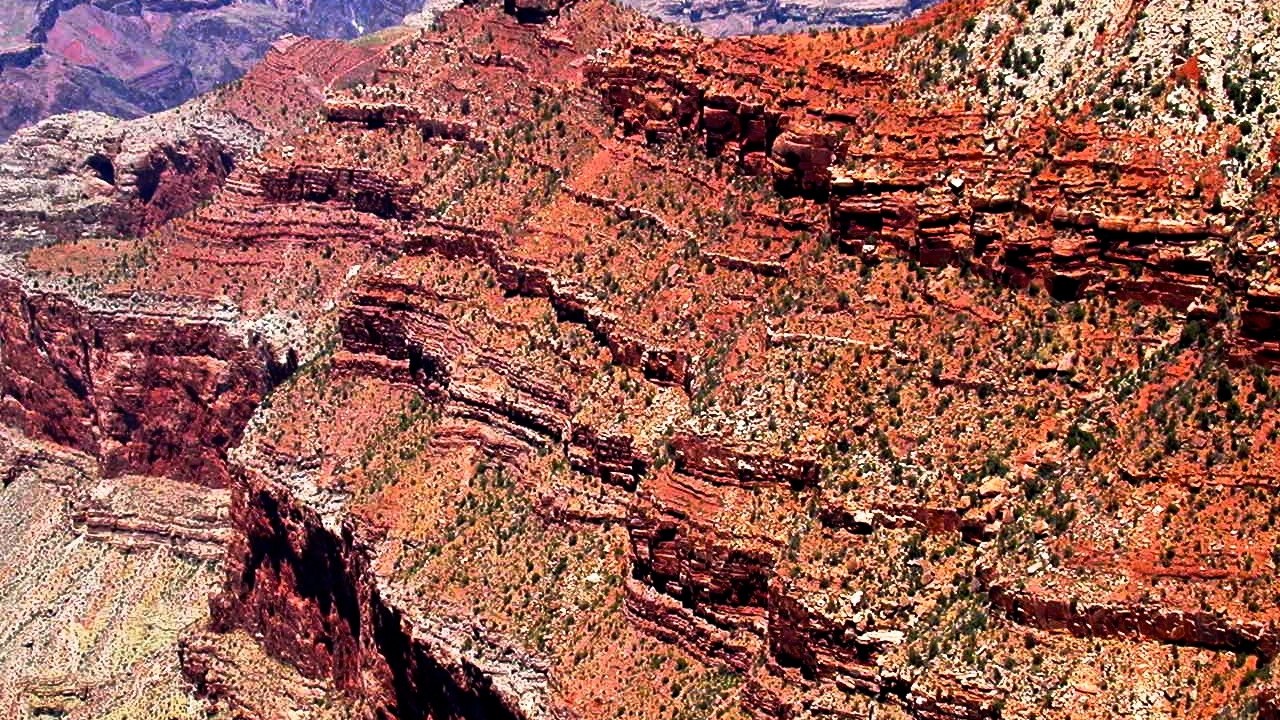
Grand Canyon National Park had 134 recorded deaths from 2007 to 2023, per Park Service search-and-rescue data, and most came from medical or natural causes rather than falls.
The finding runs against the popular image of tourists tumbling off the rim. Heat, strenuous hiking and existing health problems appear to be the larger risks for those who descend into the canyon, so preparation and turning back early are the key habits.
3. Yosemite National Park: Falls and Drownings
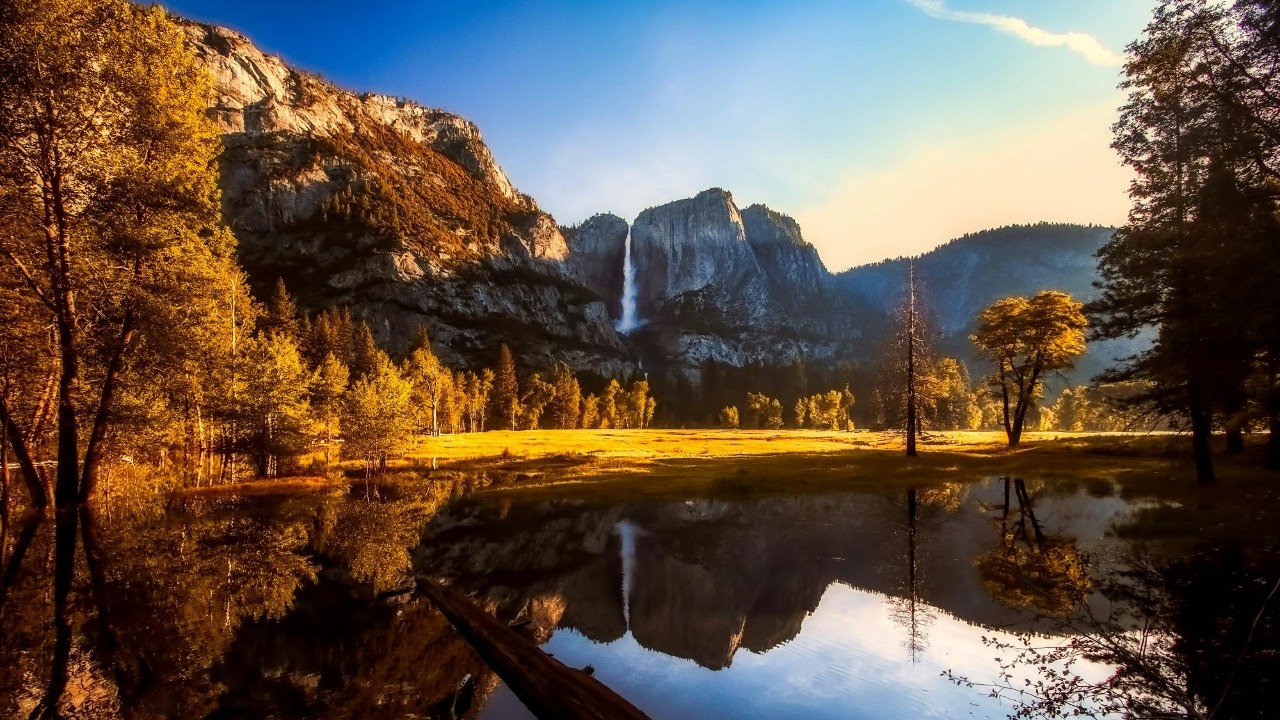
Yosemite National Park recorded 126 recorded deaths from 2007 to 2023, with falls the leading cause at 45 since 2010 and 17 drownings. The granite walls and fast rivers both claim lives.
Visitors are often drawn to waterfall edges and swollen spring rivers, where footing is treacherous. Staying behind barriers and out of high water are the habits that matter most in the park, whatever the photograph might promise. Many incidents involve people stepping beyond marked areas for a better view.
4. Great Smoky Mountains National Park: Roads in the Mountains
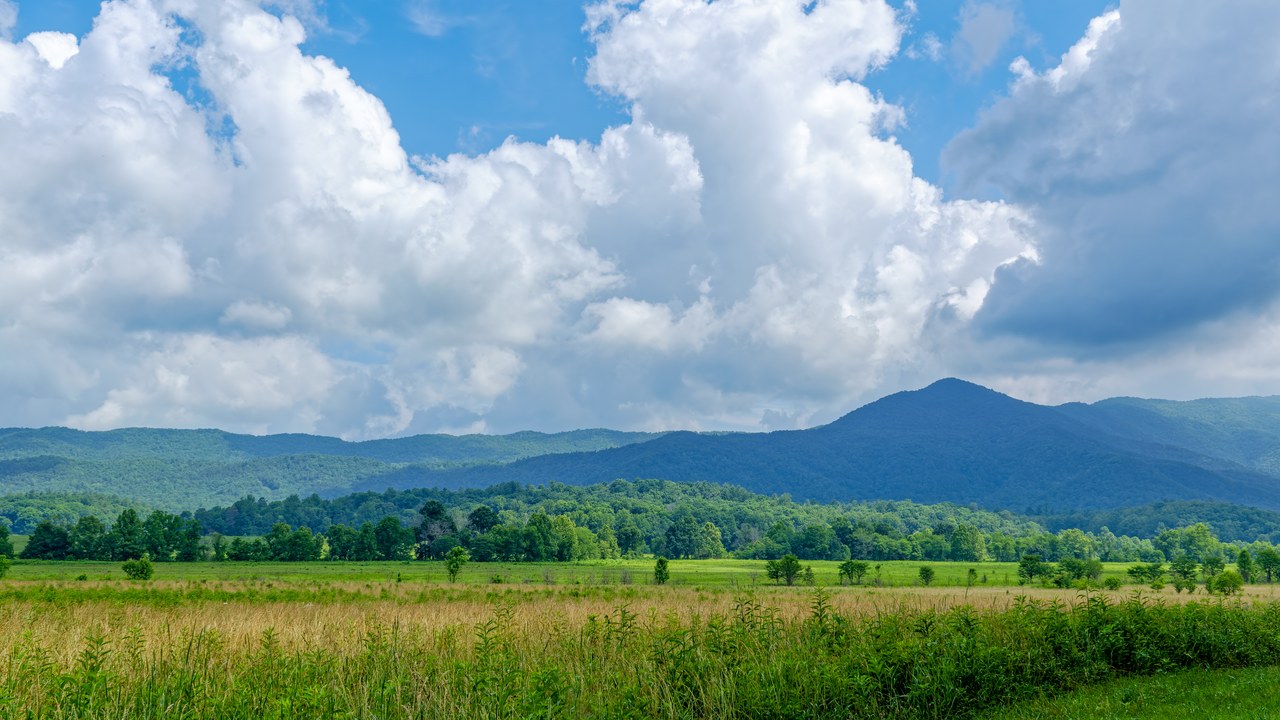
Great Smoky Mountains National Park had 92 deaths over roughly 15 years, 37 of them in motor vehicle crashes, in a park drawing over 14 million visitors a year.
The park’s winding roads carry heavy traffic, so crashes make up a large share of the toll. Drivers who treat the scenic route as a sightseeing drive may face the biggest danger before they ever reach a trail, which is worth remembering in busy seasons.
5. Denali National Park and Preserve: Remote and Rugged
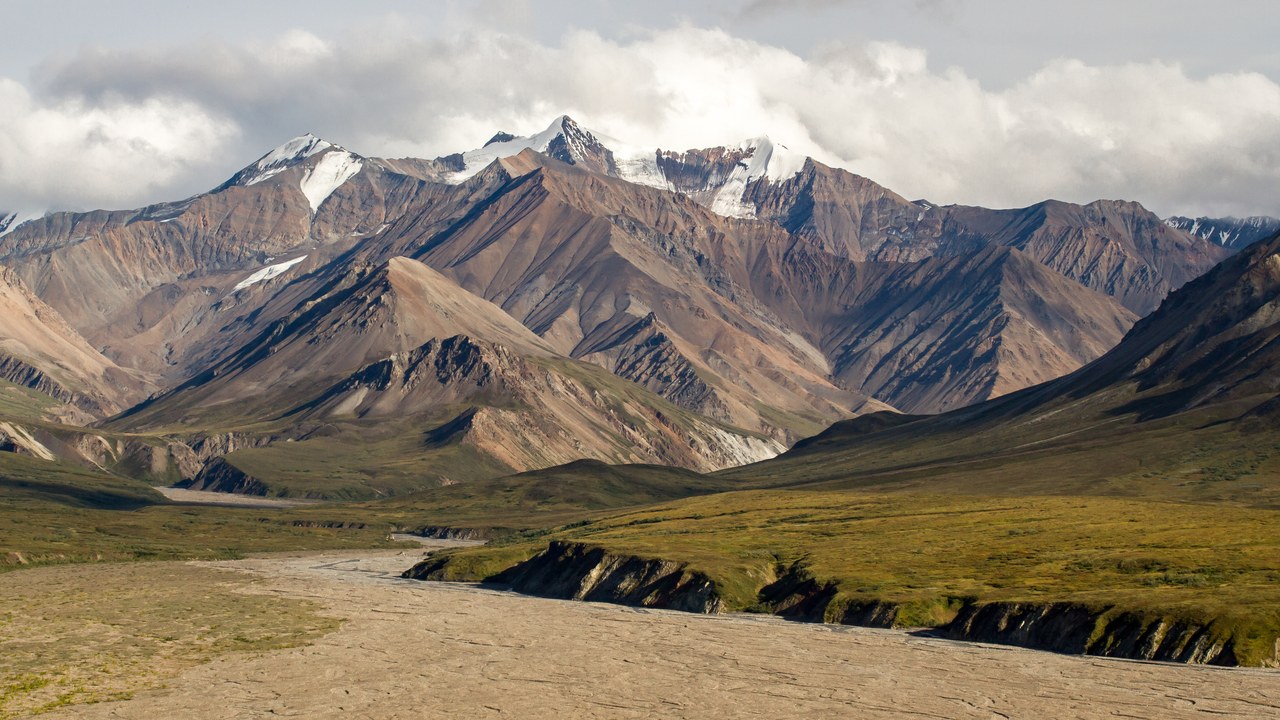
Denali National Park and Preserve counted 51 deaths, a rate of 9.8 per million visitors, mostly from environmental causes. The rate stands out because the park’s visitor numbers are comparatively modest.
Climbing, cold, weather and remoteness drive the risk on North America’s tallest peak and in the surrounding wilderness. Rescue is slow and difficult, which raises the stakes of any mistake in the backcountry and rewards careful planning. Climbers and hikers alike are expected to register and prepare for sudden weather.
6. Blue Ridge Parkway: A Parkway Toll
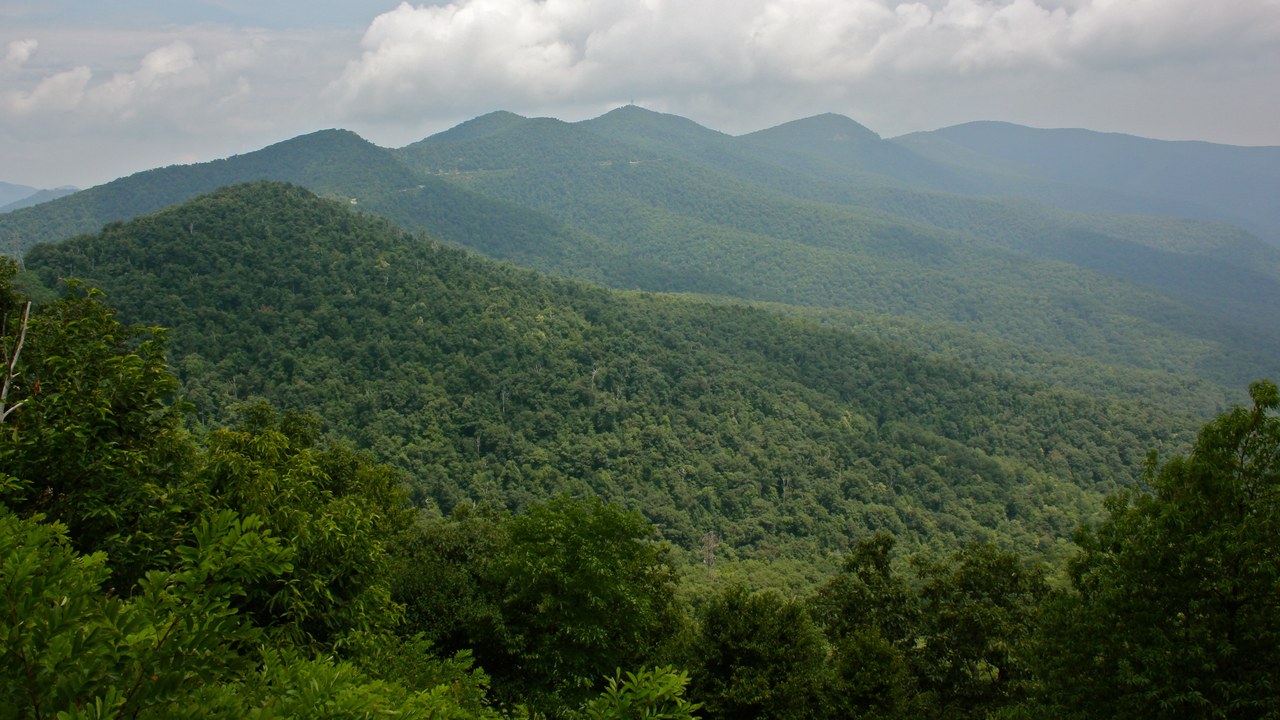
The Blue Ridge Parkway recorded 97 deaths from 2014 to 2023, fifth-most of any Park Service property, according to a law firm’s analysis of National Park Service records.
The parkway is a long scenic road rather than a conventional park, which helps explain why vehicles loom so large. Curves, changing weather and sightseeing drivers combine to make it a dangerous drive, and the toll comes from a single analysis, not a comparison across lists.
7. Natchez Trace Parkway: Crashes on the Trace
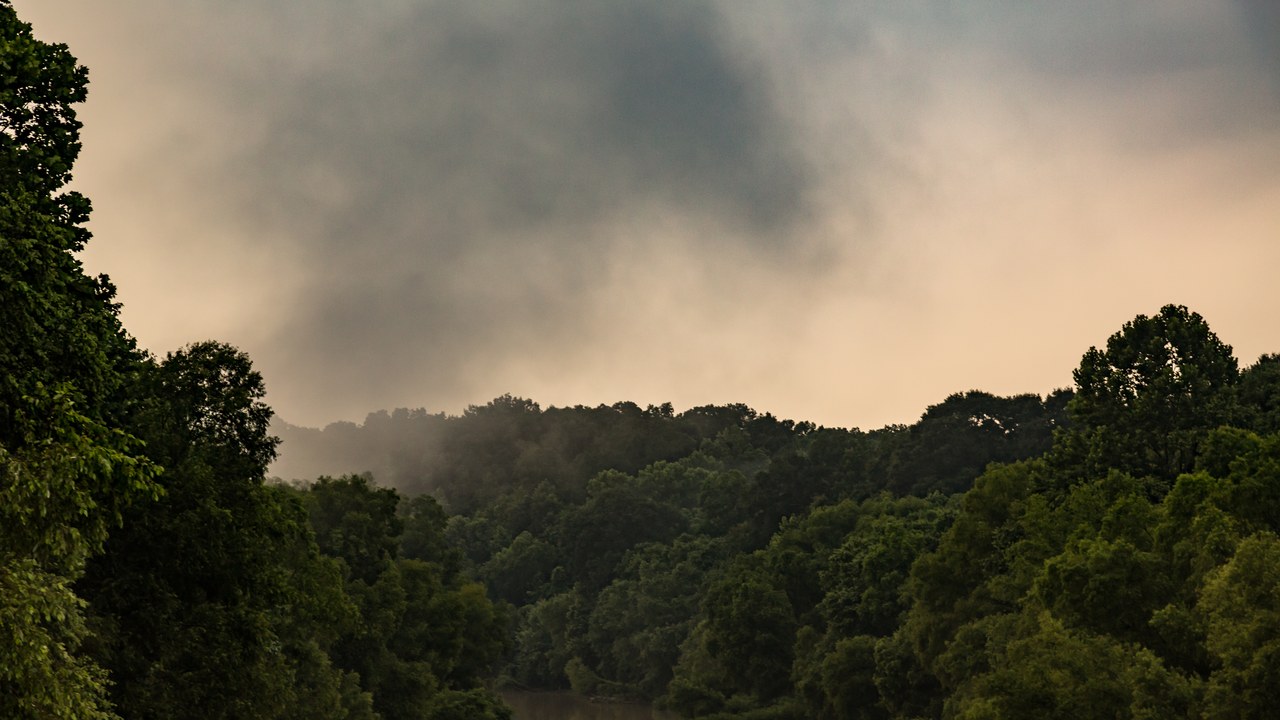
Natchez Trace Parkway averaged 10.11 deaths a year from 2007 to 2024, led by motor vehicle crashes. The long, rural route runs through several states.
Fatigue and speed are common risk factors on quiet rural roads, and help can be far away. The numbers show that a peaceful drive through historic country carries real traffic hazards, even where scenery and slow pace invite a relaxed attitude. Taking breaks and avoiding drowsy driving help on such long stretches.
8. Golden Gate National Recreation Area: Urban Edge Hazards
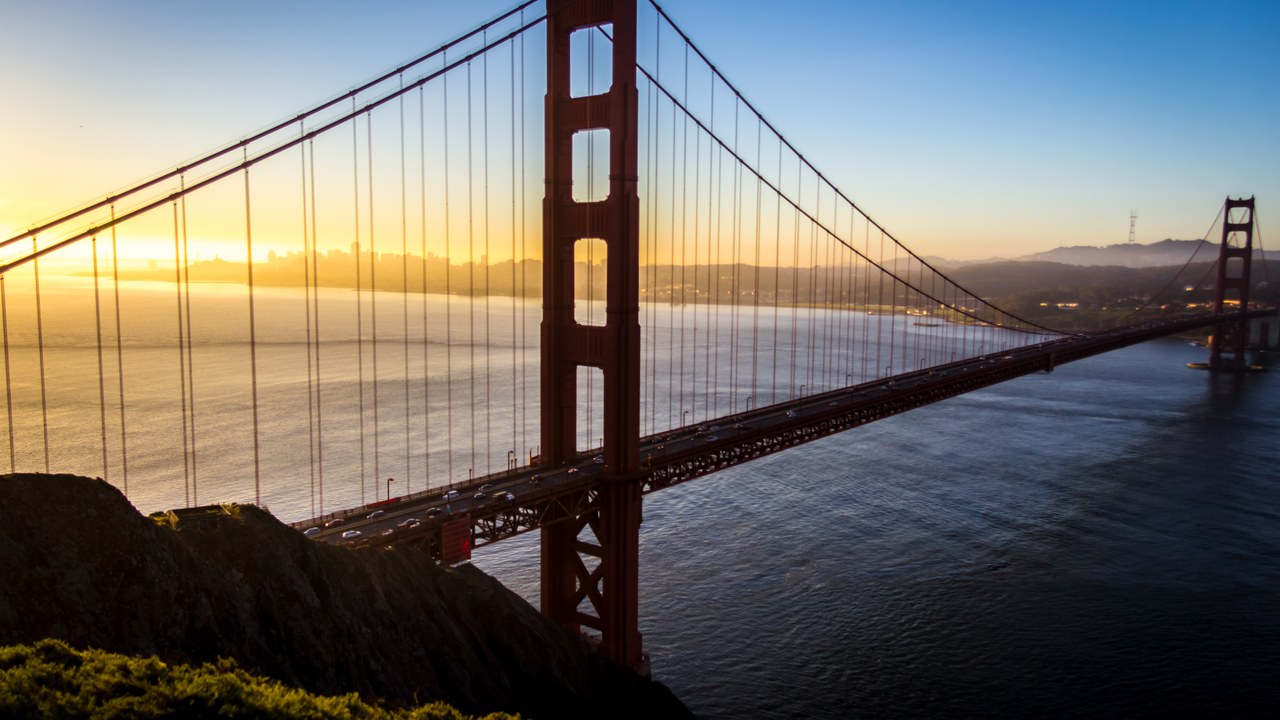
Golden Gate National Recreation Area saw an average of 9.52 deaths a year from 2007 to 2024, according to a travel-company study. The leading cause listed on the source table was undetermined.
The site stretches across cliffs, beaches and city shoreline around San Francisco, so the visitor mix and settings are broad. That variety makes a single cause hard to identify, and it means hazards range from surf and sea cliffs to ordinary urban risks.
9. Glen Canyon National Recreation Area: Another Reservoir
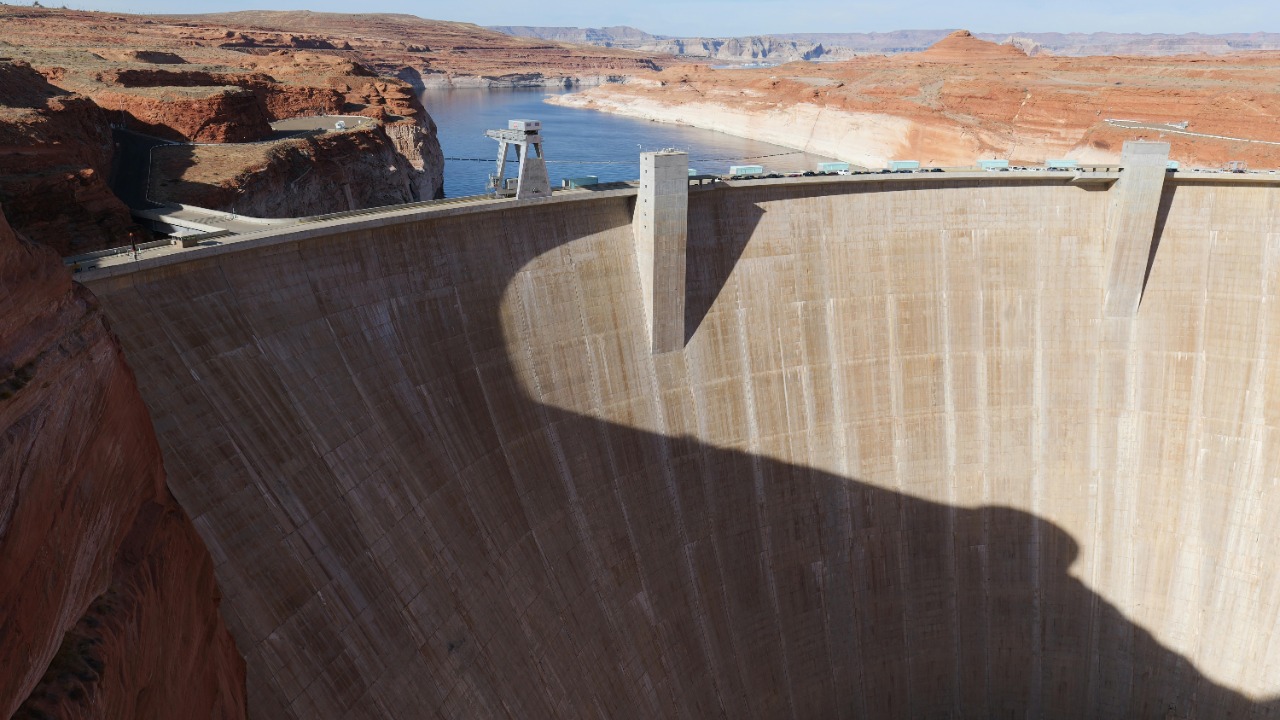
Glen Canyon National Recreation Area had about eight deaths a year, or 8.17 annually, from 2007 to 2024, most from drowning. It is another large lake and canyon destination for boaters.
Like Lake Mead, it combines desert heat with cold, deep water, which can overwhelm swimmers quickly. Wearing a life jacket remains the simplest protection on lakes of this kind, particularly for children and weak swimmers on summer boat trips. Operators and rangers repeat this advice because the water stays cold even in hot weather.
10. Sequoia and Kings Canyon National Parks: Giants and Cliffs

Sequoia and Kings Canyon National Parks recorded 65 deaths from 2014 to 2023, ninth-most of any Park Service property, according to a law firm’s review of park records.
The two adjoining parks combine high peaks, rushing rivers and long mountain roads. Visitors who come for the giant trees can also meet cold water and steep terrain in the backcountry, where help is far away and conditions change fast. Checking forecasts and trail conditions before setting out is sensible.
11. Baltimore-Washington Parkway: Capital Commute
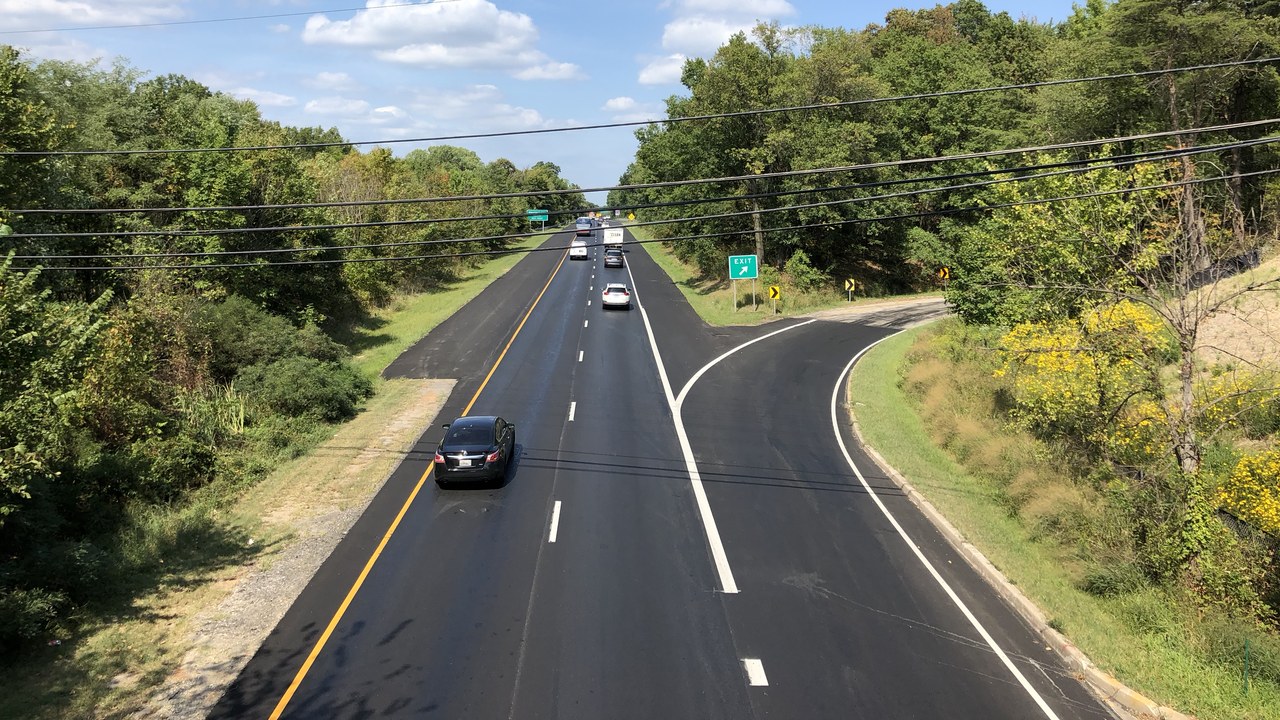
The Baltimore-Washington Parkway had 62 deaths from 2014 to 2023, rounding out the 10 deadliest Park Service properties in that analysis.
Unlike a remote wilderness park, this is a busy commuter route through suburbs, which shows that the Park Service oversees ordinary highways as well as scenic landscapes. Roads can be as deadly as cliffs, and daily commuters face the same risks as tourists. Seat belts and attention to speed limits are the basic precautions on any parkway.
12. Yellowstone National Park: Hazards Spelled Out
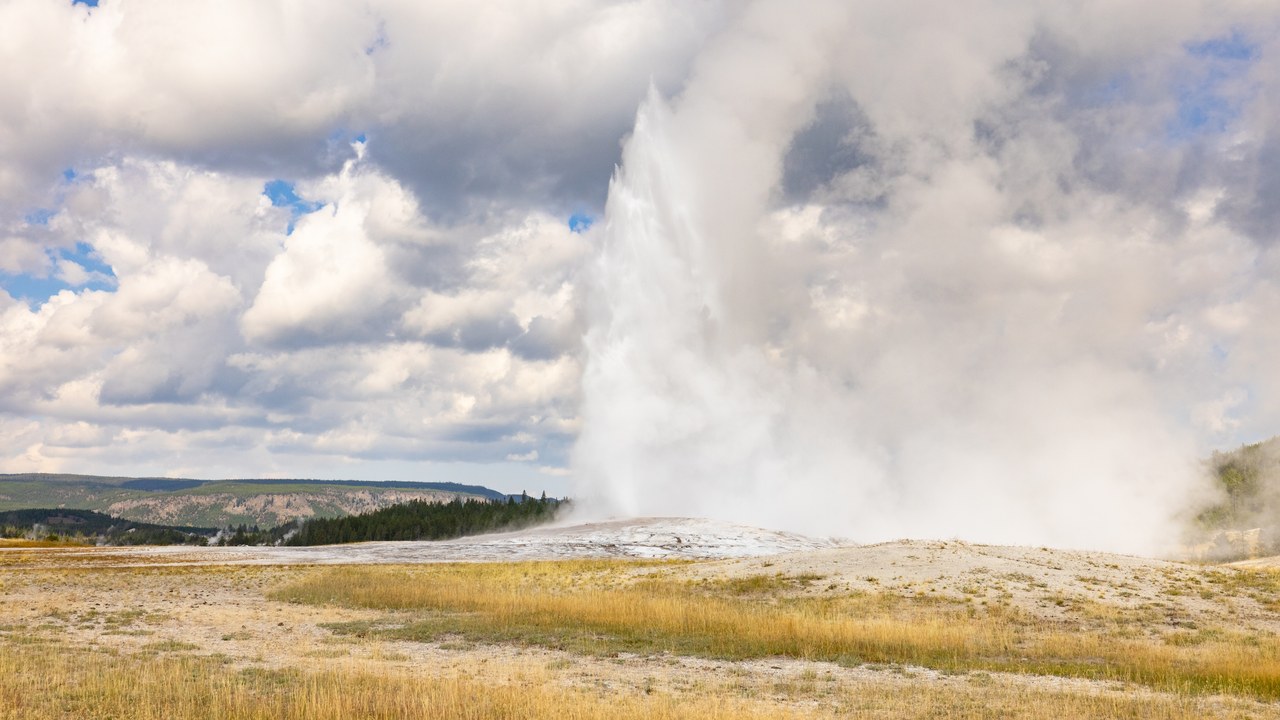
The Park Service says traffic accidents are Yellowstone’s most common cause of injury and death, thermal burns are a common cause of serious injury and death, and bison have injured more people than any other animal.
The agency offers no count here, only its own warnings. Staying on boardwalks near thermal features, driving carefully and keeping a respectful distance from wildlife address the main dangers it names, and each is easy to follow.
Help yourself and the planet: Get The Cool Down →
We may earn a commission if you sign up.
More from Morning Overview
- Ford is recalling 223,472 F-150 pickups because the fuel tank can leak or detach
- Hybrids have 15% fewer problems than gas cars, while EVs and plug-in hybrids have about 80% more, Consumer Reports finds
- Regulators cleared the first U.S. small modular reactor, 4 months early
- Lake Powell sank to a record 3,517 feet, nearing the level that stops Glen Canyon Dam’s turbines
