
Acura arrived in America with a bold promise and spent decades building a lineup of sedans, coupes and crossovers. The models below trace that arc from the launch pair to the brand’s most ambitious halo cars. Here are twelve of them, in roughly the order they appeared.
The day in tech, in one email: TLDR is the daily newsletter with links and TLDRs of the most interesting stories in startups, tech and programming.
We may earn a commission if you sign up.
1. Acura Legend: Launch Day Flagship
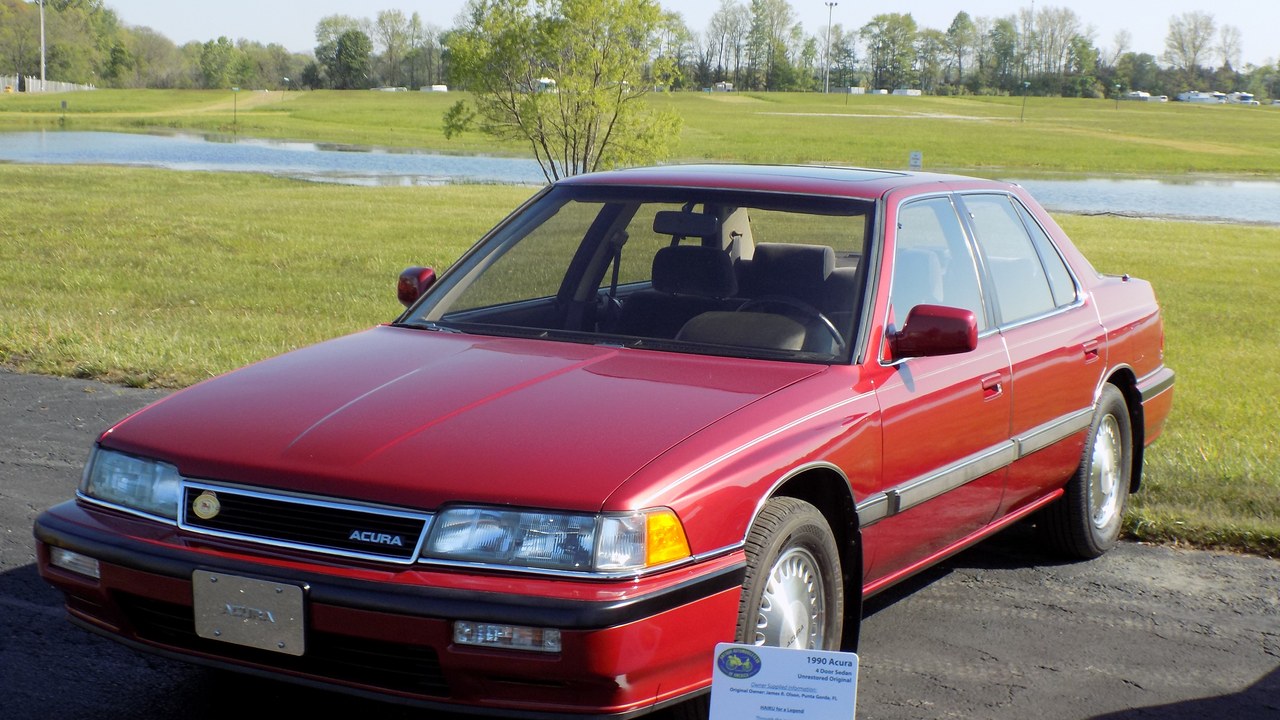
Acura opened on March 27, 1986 as the first Japanese luxury brand in America, and the Legend launched with it. Acura’s official timeline adds that it won Motor Trend’s 1987 Import Car of the Year.
A new brand has to prove itself quickly, and a magazine award within a year gave the Legend instant credibility. It carried the burden of convincing buyers that a Japanese badge could sit beside established luxury names. The pairing of a high-profile debut with early honors is the reason the car anchors this list and why collectors still remember the nameplate fondly decades later.
2. Acura Integra: Sporty Launch Partner
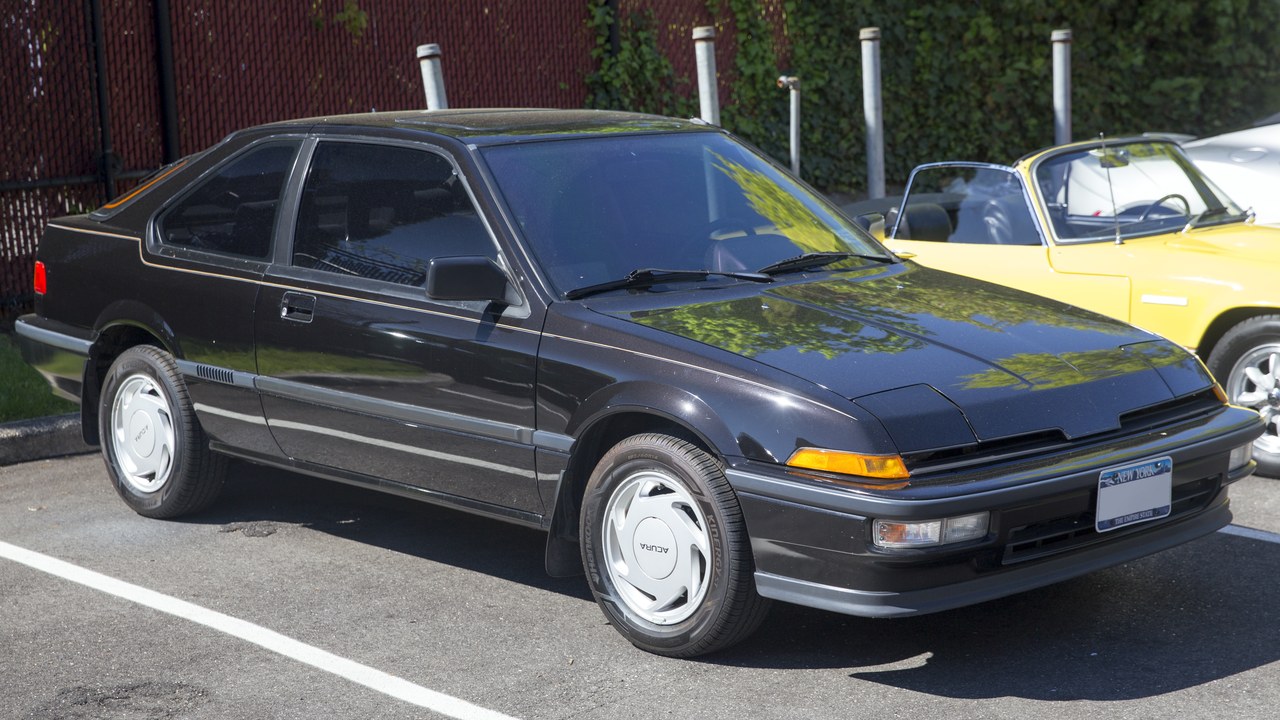
The second of Acura’s two 1986 launch models, the Integra made Car and Driver’s 10Best list in 1987, as noted in Honda’s anniversary timeline.
Where the Legend carried prestige, the Integra offered a smaller and more approachable way into the brand. Early recognition from a major enthusiast magazine set up a reputation for driver appeal that the nameplate carried for years. Together with the Legend, it formed the foundation of the lineup, and the two cars covered both ends of what the new brand hoped to offer American shoppers.
3. Acura NSX: Aluminum Halo
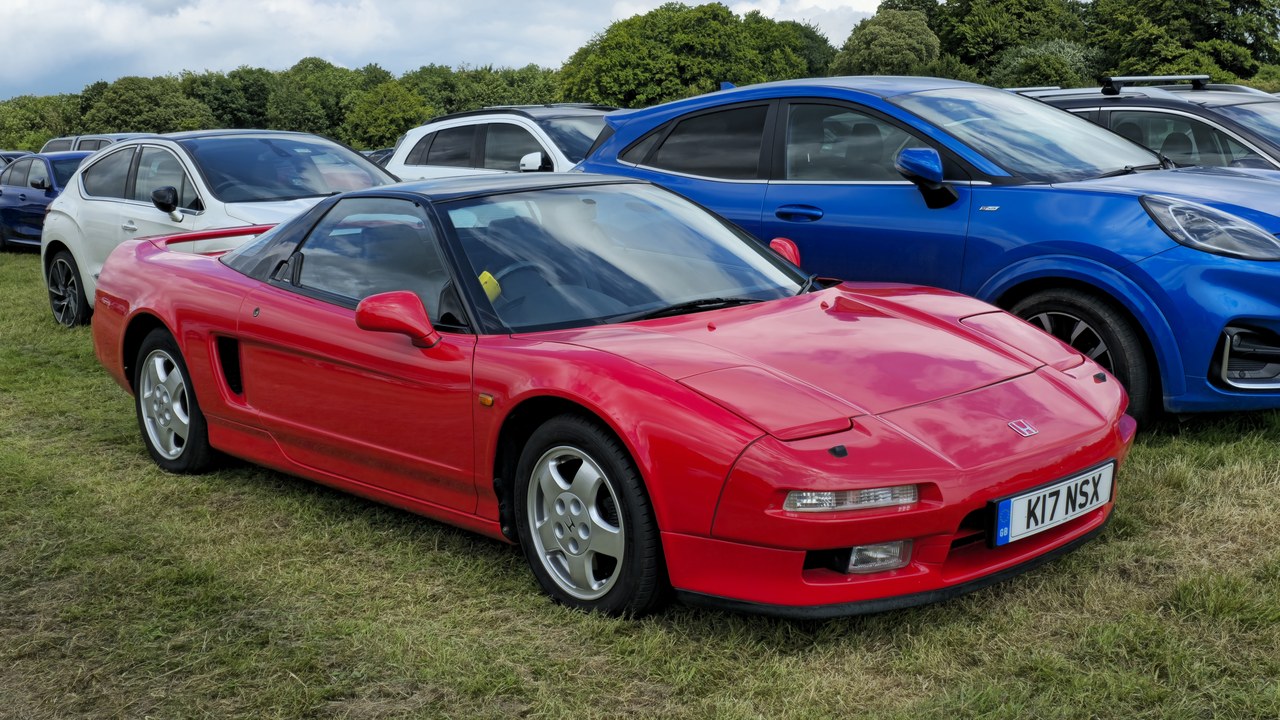
Going on sale in August 1990 at about $65,000, the NSX was the most expensive Japanese car of its day, and Acura’s company timeline notes the chassis and body were all aluminum.
That price and construction signaled the brand wanted more than comfortable sedans. The NSX gave Acura a halo car that changed how enthusiasts viewed a Japanese luxury maker, and it set a standard later models were measured against. Cars like this are why the brand is remembered for more than comfort, and the original still draws attention from collectors who prize its engineering and rarity.
4. Acura TL: Sales Champion
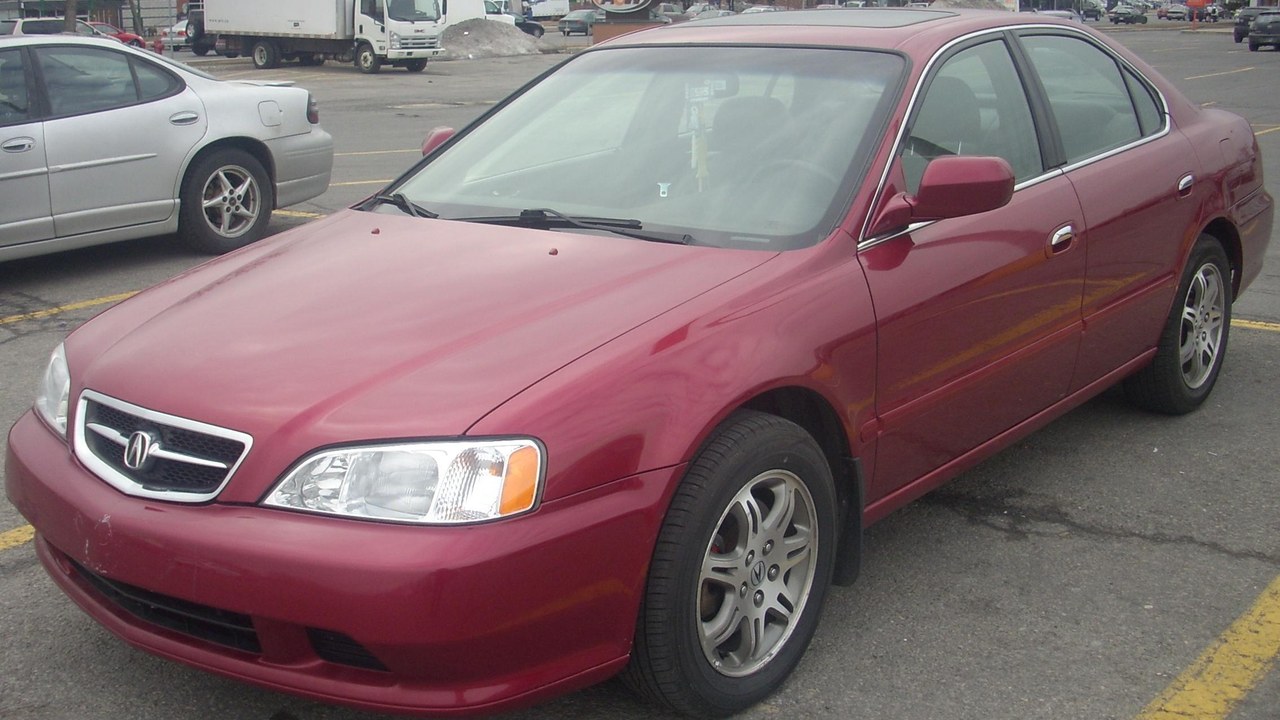
The TL was the best-selling luxury sedan in its class in 1999, 2000 and 2001, a feat the brand’s timeline page highlights.
Three straight years leading a segment is rare consistency. The TL turned Acura from a niche curiosity into a name on mainstream luxury shopping lists, and its success paved the way for the sedans that eventually replaced it. The recognition mattered because luxury sedans sell on reputation, and a multi-year winning streak gave dealers a simple fact to share with every cautious shopper walking in.
5. Acura MDX: Third Row Trendsetter
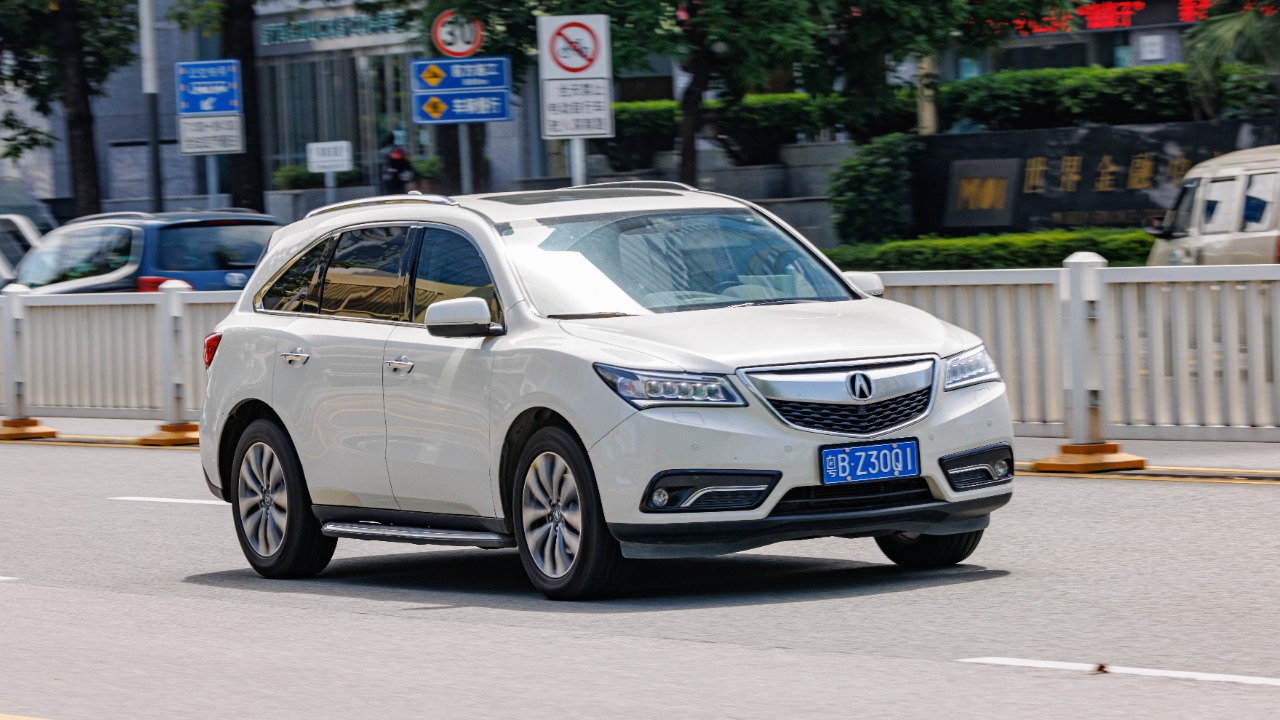
Debuting in 2000 as the first luxury SUV with standard third-row seating, the MDX was named 2001 North American Truck of the Year, according to the Acura news timeline.
Family-sized practicality in a luxury package answered a need the brand’s sedans could not. The MDX gave Acura a second pillar beyond cars, and the award showed the idea impressed judges as well as shoppers comparing options. Competitors soon copied the idea, and three-row seating became a familiar feature across the class, which is part of why the MDX is remembered as a trendsetter rather than just a good seller.
6. Acura RSX: Integra Successor
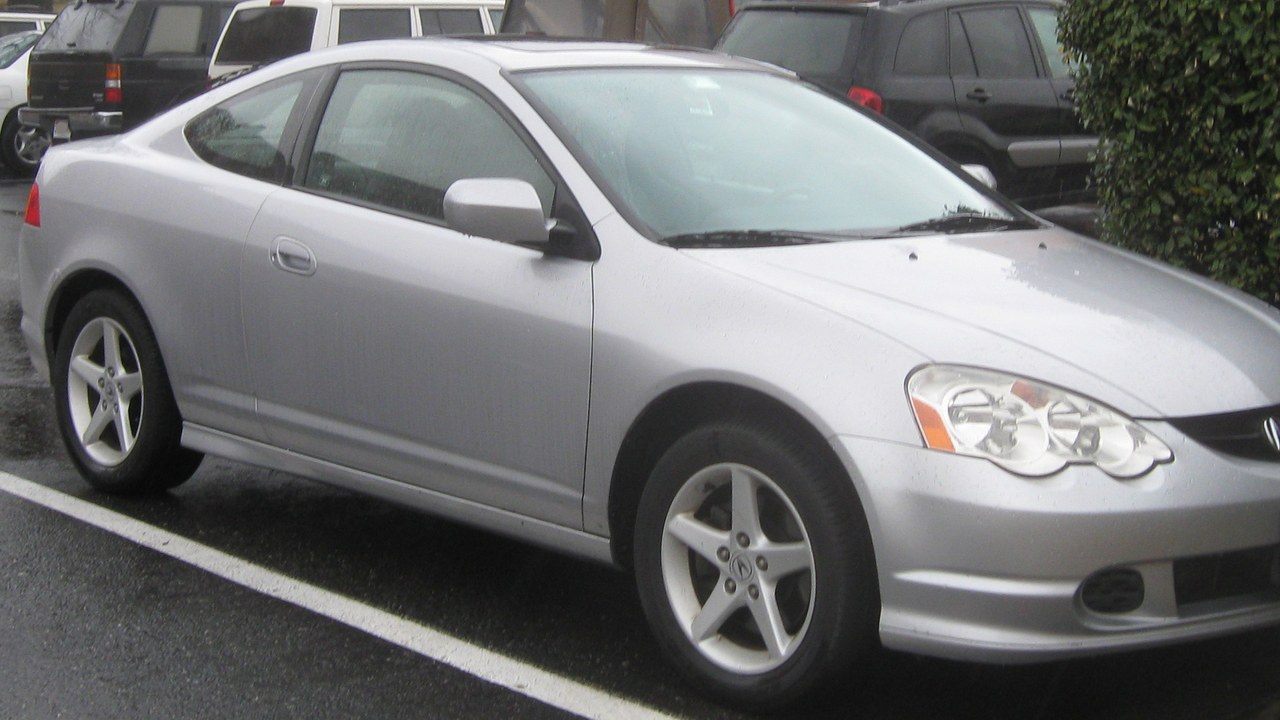
Replacing the Integra for 2002, the RSX offered a Type-S making 200 hp, and Honda’s Acura chronology says the model was Detroit Free Press Car of the Year.
The change of name did not dilute the formula. The new coupe carried the same lively character forward, and the output figure kept it relevant for enthusiasts who valued performance in a compact package. Enthusiasts often remember the car as a high point for naturally aspirated four-cylinder fun, and its awards help explain the loyalty that still surrounds the badge.
7. Acura TSX: Four-Cylinder Sport Sedan
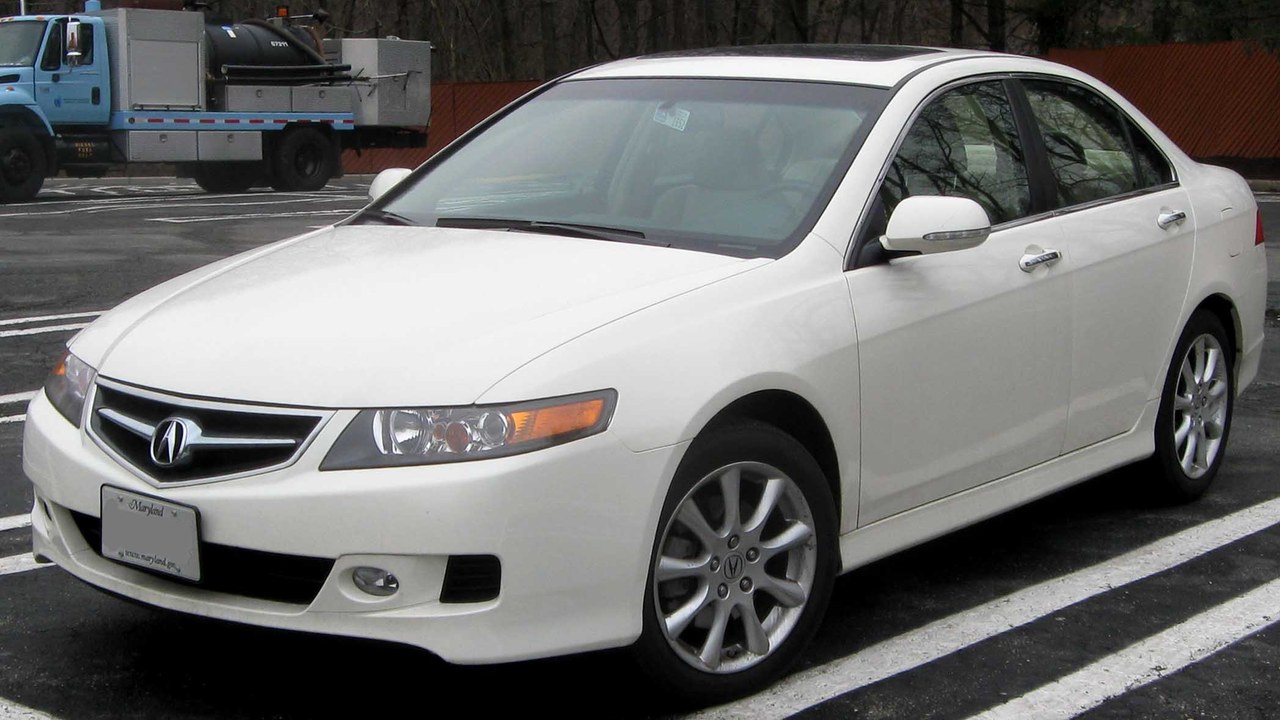
Arriving for 2004 with a 200-hp four-cylinder, the TSX landed on Car and Driver’s 10Best list that same year, the Honda anniversary record shows.
A compact sedan with a high-output four-cylinder suited drivers who wanted sporting character without a larger engine. It later merged with the TL into the TLX, ending a separate line for this kind of car. The award underlined that the brand could apply its sporting ideas to a sedan with everyday usefulness, a combination that kept it popular with commuters who still enjoyed driving.
8. Acura RDX: First Turbo
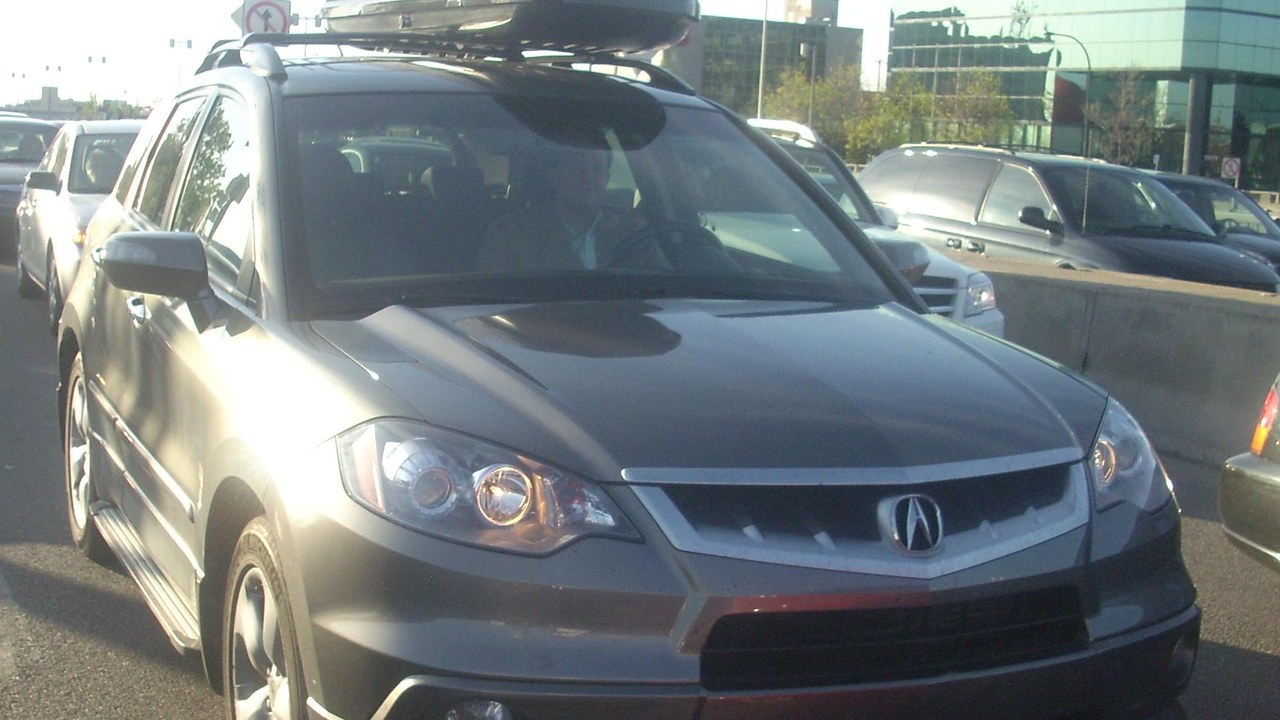
Acura’s first turbocharged engine, a 2.3-liter four, debuted in the RDX when it went on sale in August 2006, per Honda’s brand timeline.
Pairing forced induction with a compact crossover hinted at how smaller engines would replace larger ones across the industry. The RDX gave the brand an entry in a popular class and a showcase for turbo power. Turbocharging later spread across the lineup, which makes this debut one of the quiet turning points in the brand’s engineering history, even if the crossover itself seemed ordinary.
9. Acura ZDX: Built In North America
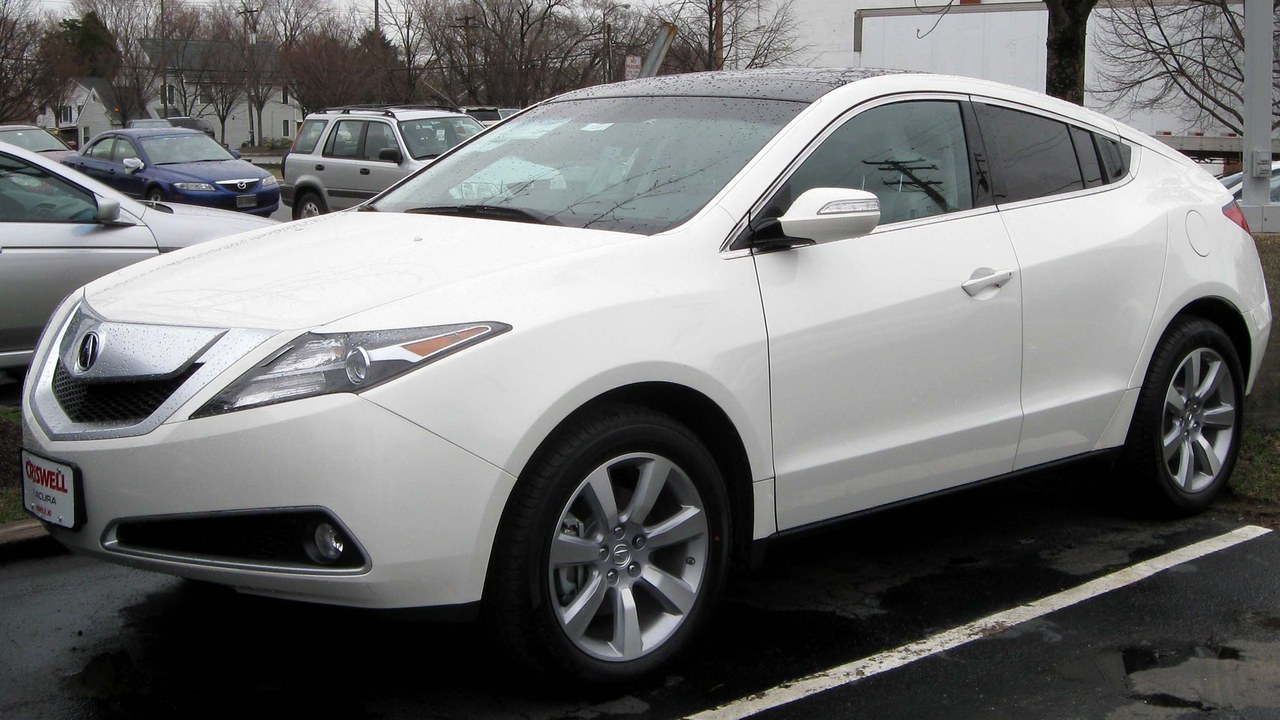
Going on sale in December 2009, the ZDX was the first Acura completely built in North America, according to Wikipedia’s Acura article.
The build location marked a milestone in the story of where the brand’s cars were made. Beyond that distinction, the ZDX remains a distinctive entry in the lineup and a talking point for collectors of the marque. Collectors and curious shoppers still bring up the ZDX, since cars built in small volumes with unusual styling often become more interesting with time than the mainstream models around them.
10. Acura RLX: Hybrid Flagship
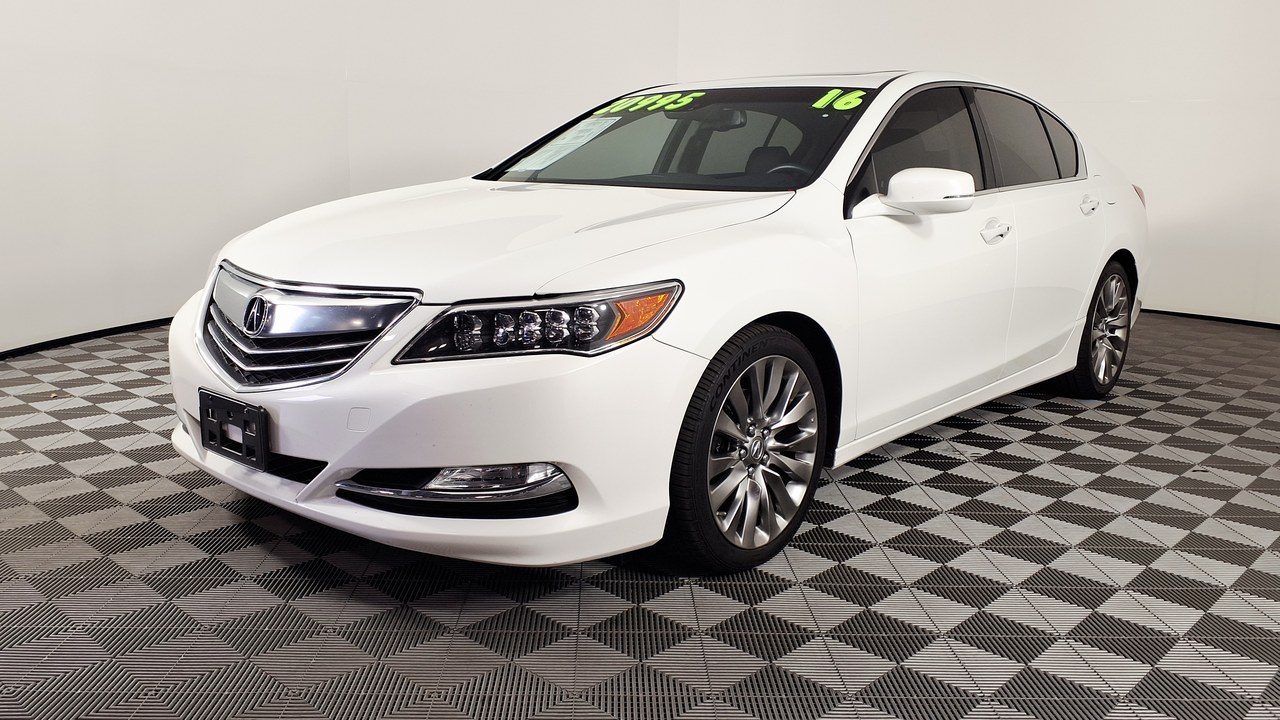
The Sport Hybrid SH-AWD version of the RLX paired a 310-hp V6 with two motors for a combined 377 horsepower, as the Acura brand overview details.
The RLX was the large sedan in the lineup, and the hybrid showed Acura pushing electrification into its top model. Combined output of that size placed it among serious performance sedans of its era. The setup is a reminder that Acura used its biggest sedan to experiment, and the hybrid hardware influenced how the brand talked about performance in later years.
11. Acura TLX: Two Into One
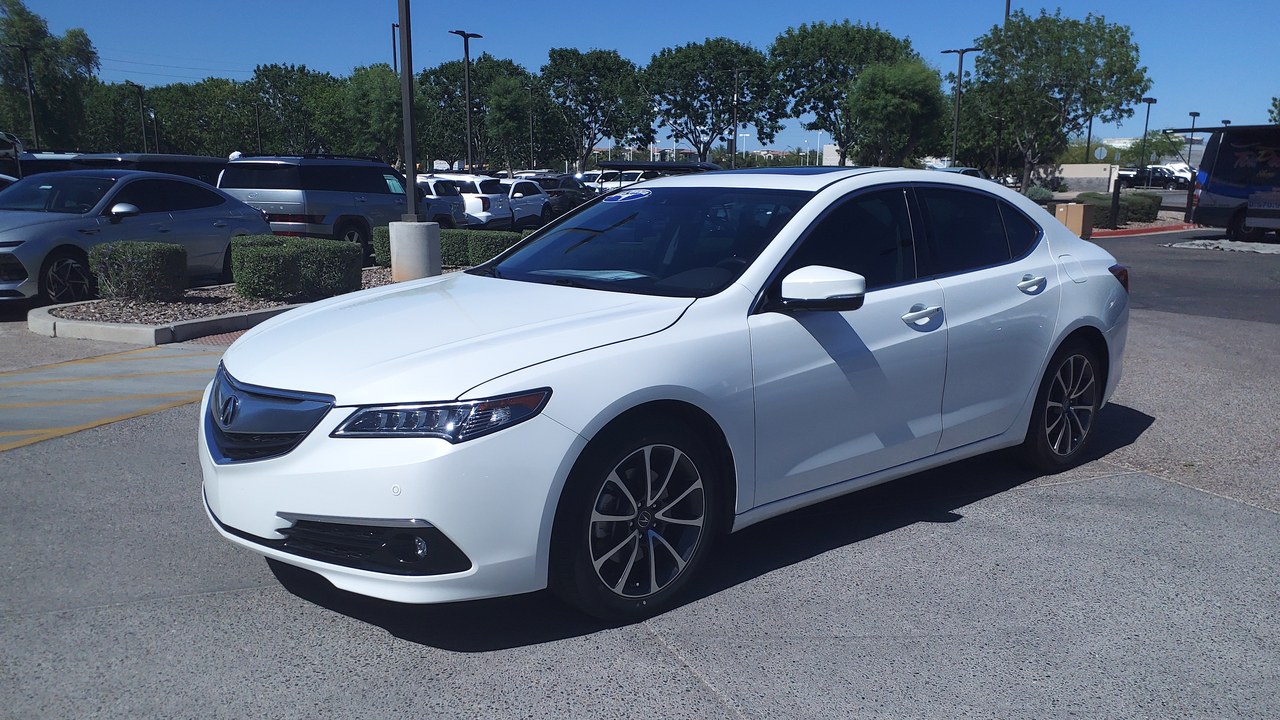
Replacing both the TL and TSX, the TLX went on sale in summer 2014, the brand’s Wikipedia history reports.
Merging two sedans into one simplified the lineup and gave Acura a single sport sedan to build around. It marked a handoff from the names that had defined the brand through the 1990s and 2000s. By the time it arrived, shoppers wanted fewer but more capable models, and consolidation let the brand spend development effort on one car rather than two.
12. Acura NSX (second generation): Hybrid Supercar Return
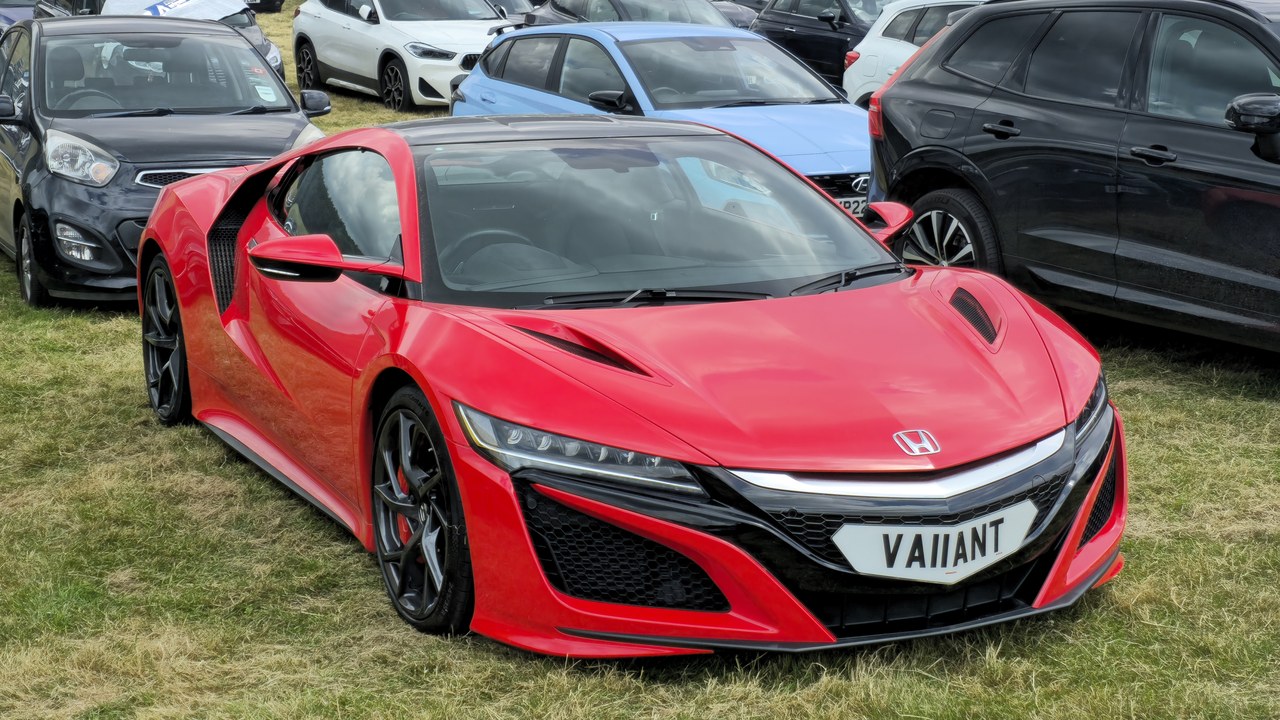
Launching in 2016 as a twin-turbo mid-engine hybrid with a nine-speed dual-clutch transmission, the second NSX ended production in 2022, the Acura overview article notes.
The reboot kept the original’s ambition by pairing electrification with a mid-engine layout. Its run closed after six years, bookending a halo story that began with the aluminum original back in 1990. Production ended without a direct successor on the way, which gives the car a bittersweet place in the story, yet its engineering still earns respect from enthusiasts.
The day in tech, in one email: Get TLDR →
We may earn a commission if you sign up.
More from Morning Overview
- Two passengers died at an Ohio toll plaza, and the NTSB now wants the cash lanes shut
- Long use of a common prostate pill is tied to a higher chance of glaucoma
- Ford is recalling 223,472 F-150 pickups because the fuel tank can leak or detach
- Hybrids have 15% fewer problems than gas cars, while EVs and plug-in hybrids have about 80% more, Consumer Reports finds
