
Steve McQueen treated vehicles as a second career, racing seriously and owning machines far beyond what a movie star needed. The list below spans sports cars, motorcycles, film cars and even a biplane, each tied to a documented moment. Here are twelve of the machines that defined his garage and his image.
Stay ahead on AI: Join 600,000+ professionals who read The Deep View, the daily newsletter that keeps you up to date with artificial intelligence.
We may earn a commission if you sign up.
1. Porsche 356 Speedster: First Race Win
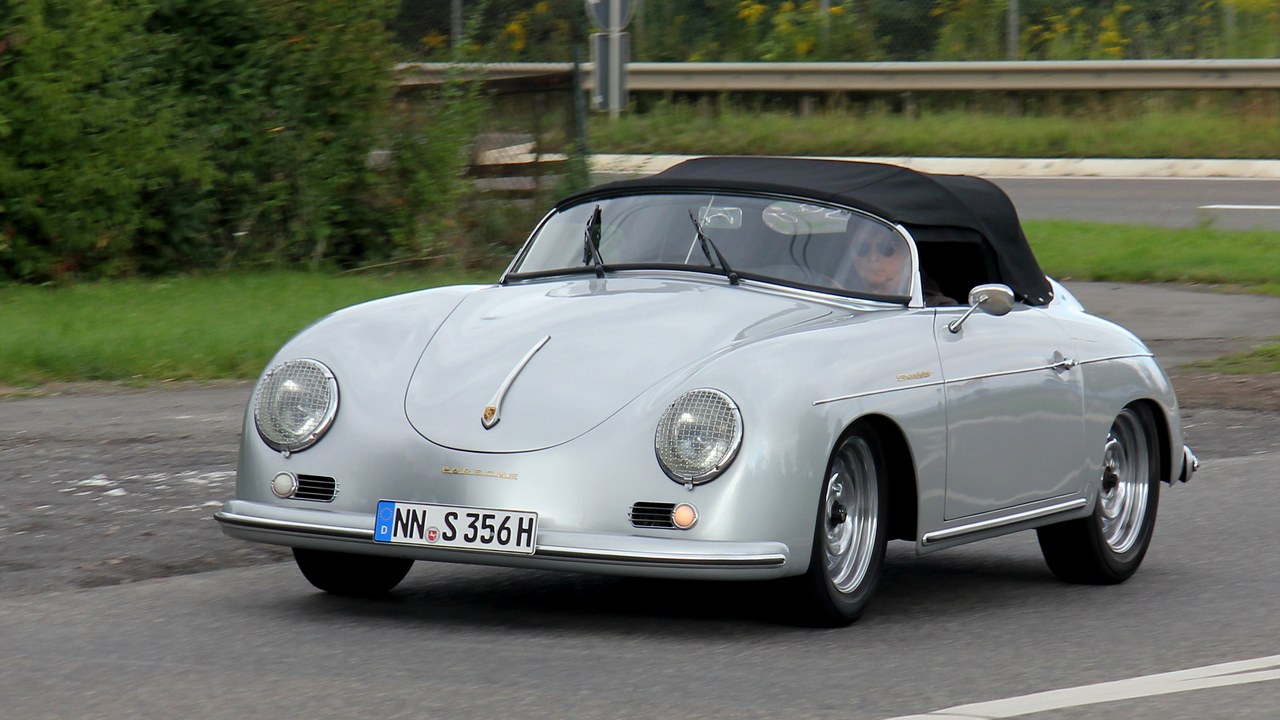
McQueen’s black 356 A Speedster won the novice class in his first official race, at Santa Barbara on 31 May 1959, according to Porsche’s newsroom feature.
The result showed his racing ambitions were serious from the start. He would soon trade up from the Speedster, but it remained the car that launched his competitive career. The win also hints at the discipline behind his persona, since racing a car properly requires preparation, and the early success gave him confidence to enter bigger events soon after.
2. Lotus Eleven: Pure Race Car
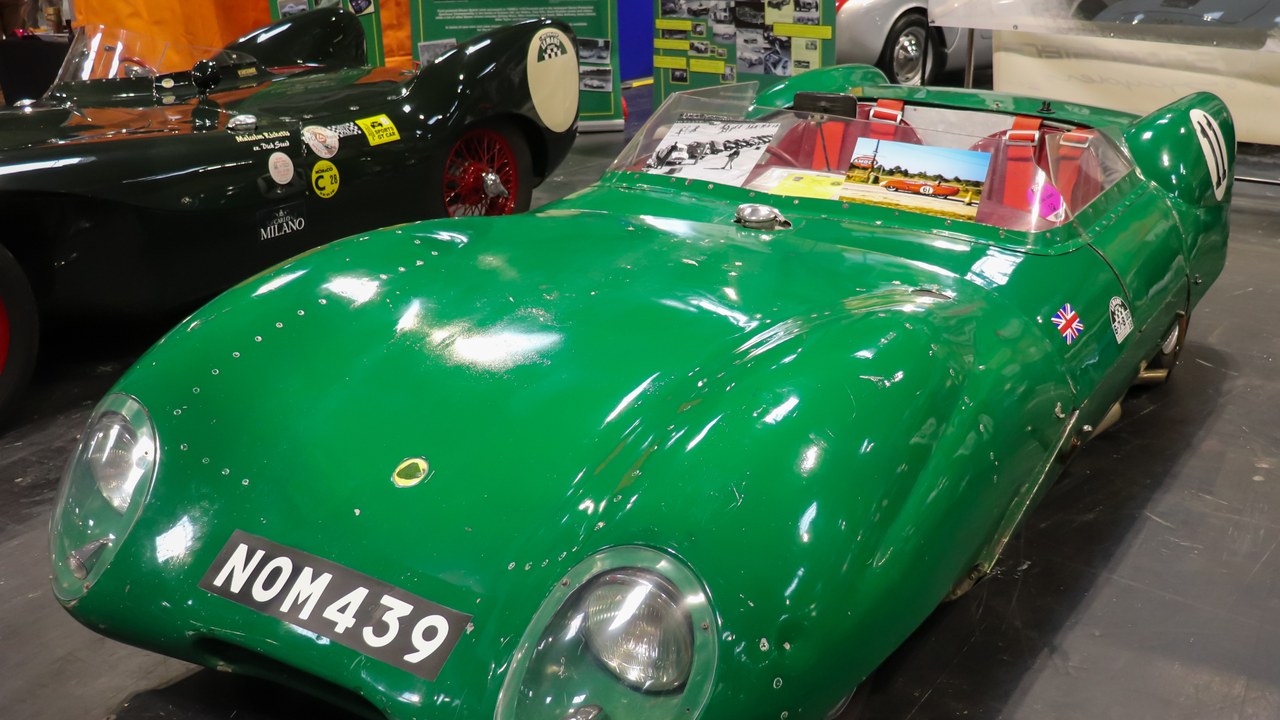
After trading up from the Speedster in 1959, he bought a Lotus Eleven for his first pure race-car event, a step Porsche’s Christophorus article describes.
Moving from a road-going sports car to a purpose-built racer marks the point where a hobby became a discipline. The Lotus signals how far he wanted to take the sport. The Lotus also shows his willingness to buy equipment suited to the task, an attitude that separated serious competitors from weekend visitors at the circuits of the period.
3. Jaguar XKSS: One Of Sixteen

His British racing green 1956 XKSS, one of just 16 built and good for 150 mph, is now in the Petersen Automotive Museum, the museum’s vehicle page confirms.
Rarity and star ownership make the car a centerpiece of Hollywood car lore. Seeing it in a museum rather than a private garage means the public can view a road car he once owned. For an actor who later became a symbol of cool, owning one of so few cars built is a signal of how deeply he cared about the machines themselves.
4. Triumph TR6 Trophy: Great Escape Ride
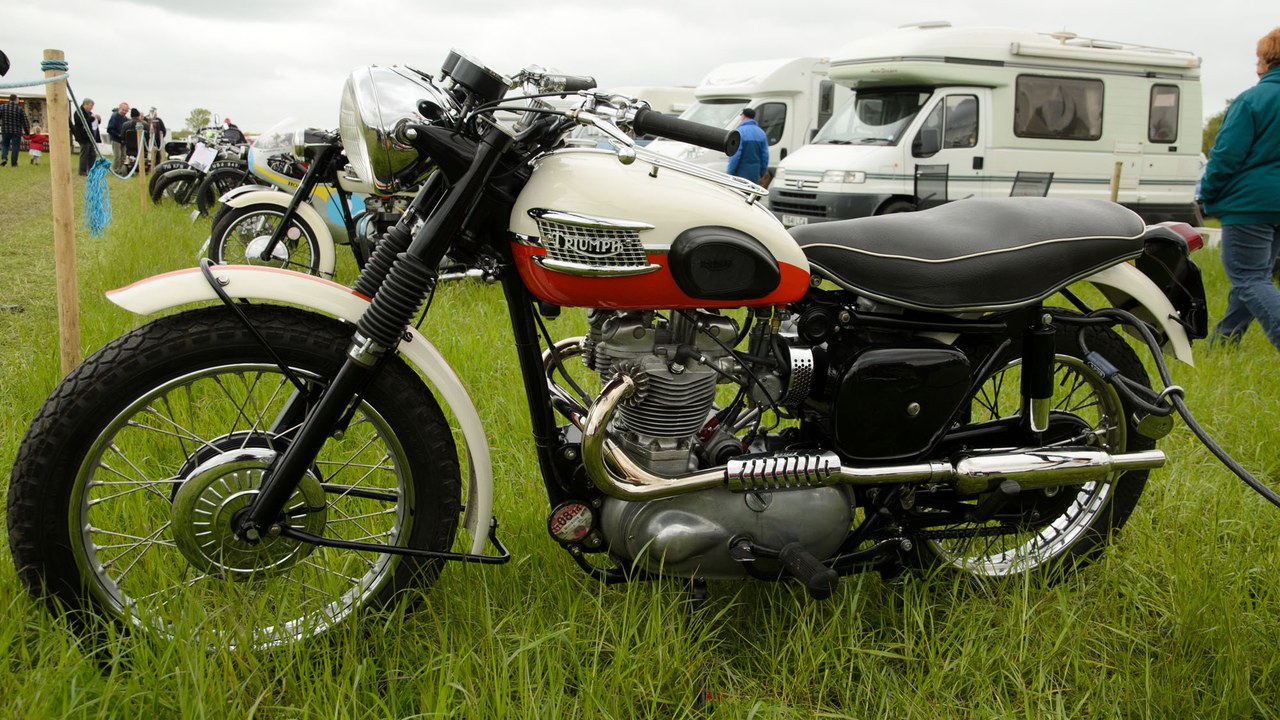
In The Great Escape he rode his 650cc Triumph TR6 Trophy, though the famous fence jump was done by friend Bud Ekins, as McQueen’s Wikipedia biography notes.
The detail separates screen myth from reality. The motorcycle remains inseparable from McQueen’s image, even if a stunt specialist made the leap that viewers remember most. Fans still debate who deserves credit for the jump, but both men are tied to the film’s most celebrated scene, and the motorcycle is a pillar of the McQueen legend.
5. Ferrari 250 GT Lusso: A Birthday Gift
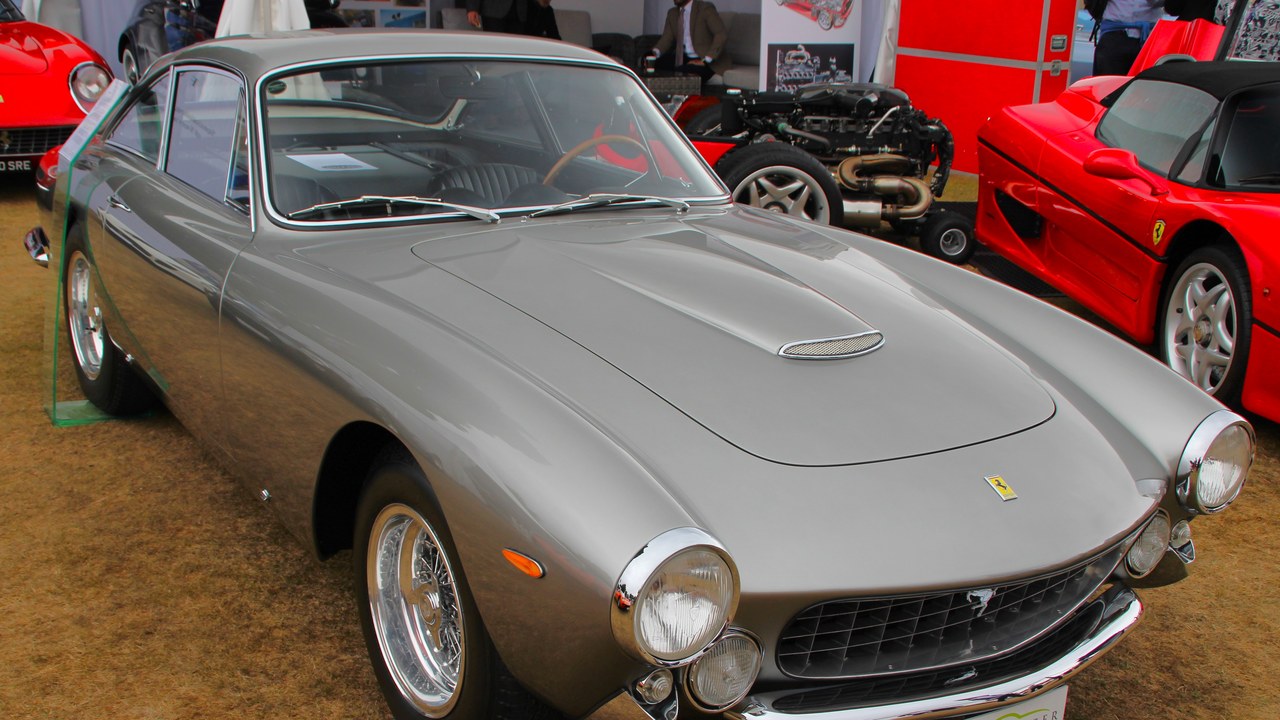
Wife Neile bought him the Lusso for his 34th birthday in March 1964, a classic car profile reports, and it later sold at Christie’s in 2007.
A Ferrari as a present says something about the couple’s life at the time, and the later auction places the car among the better documented in his collection. The elegant coupe contrasted with his rougher racing machinery. Provenance like this is what makes celebrity cars valuable, because documents, dates and famous owners together turn a handsome coupe into a historical object worth discussing years later.
6. Mini Cooper S: Close Call In Southern California
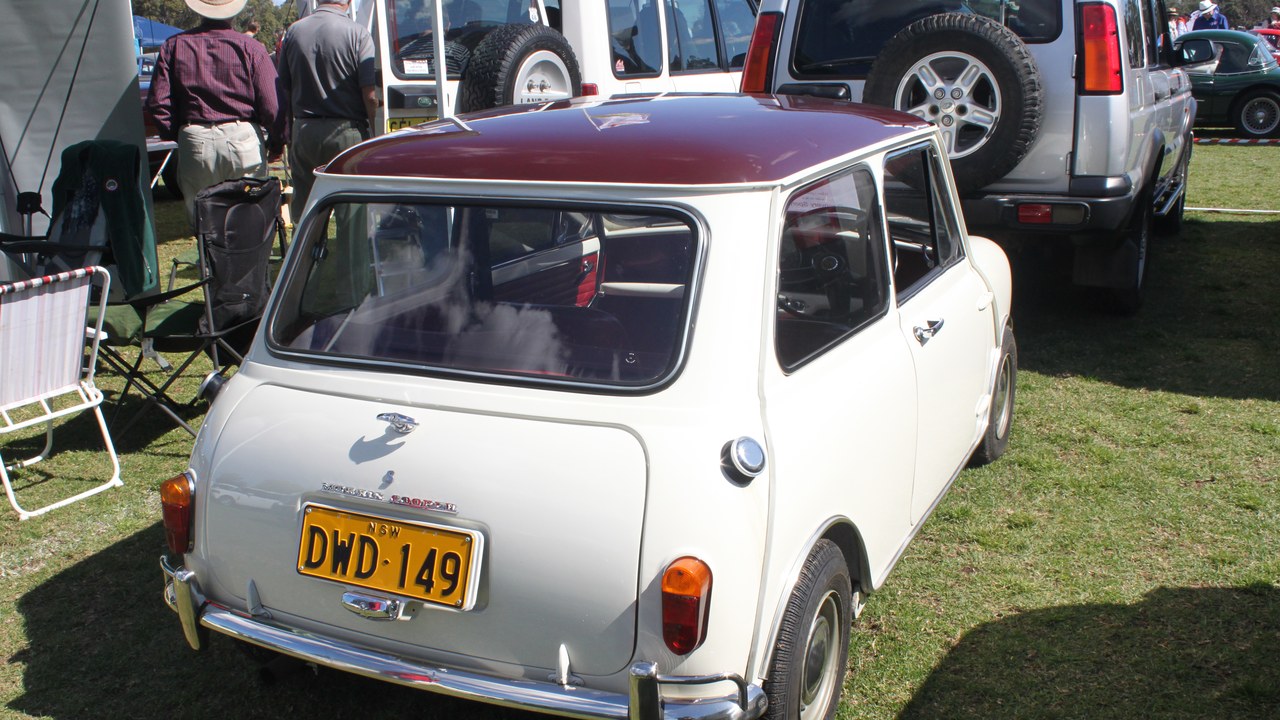
McQueen bought his Cooper S new in 1967, nearly rolled it, and the car survives in southern California, per that magazine’s McQueen feature.
A small British car is an unexpected entry beside Ferraris and Porsches, yet it shows his appetite for driving machines of every size. The fact that it survives adds to its appeal. Stories of near misses are part of his legend, and the fact that the little car is still around gives collectors a tangible link to that moment.
7. Ferrari 275 GTB/4: Restored In Red
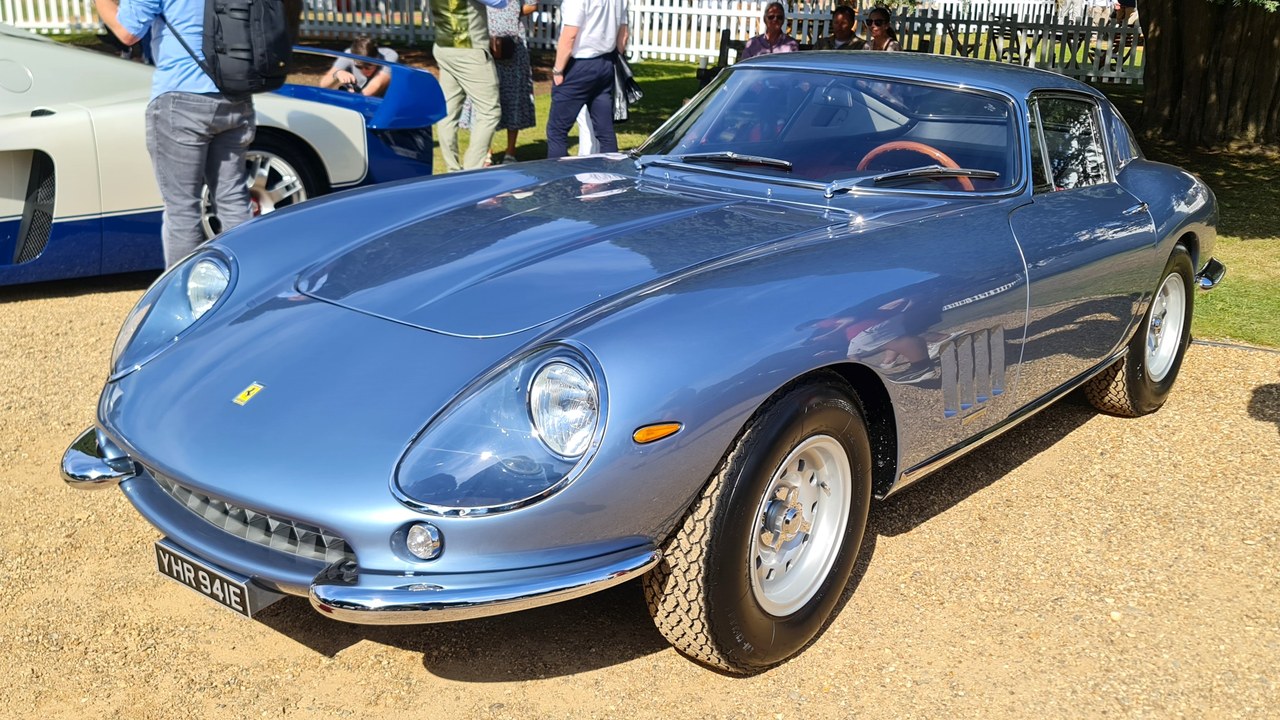
His 1967 275 GTB/4, the last of the 275 GTB line, was later restored by Ferrari Classiche in the red McQueen specified, according to a car magazine write-up.
Restoring a car to the owner’s chosen color is a mark of respect for provenance. The 275 adds a second Ferrari to his story, one with a clear place in the history of the model line. The detail that the car was finished to his color choice means the restoration speaks for his taste, making the Ferrari a fitting tribute to an owner who clearly knew what he liked.
8. Ford Mustang GT390 (Bullitt): Chase Car
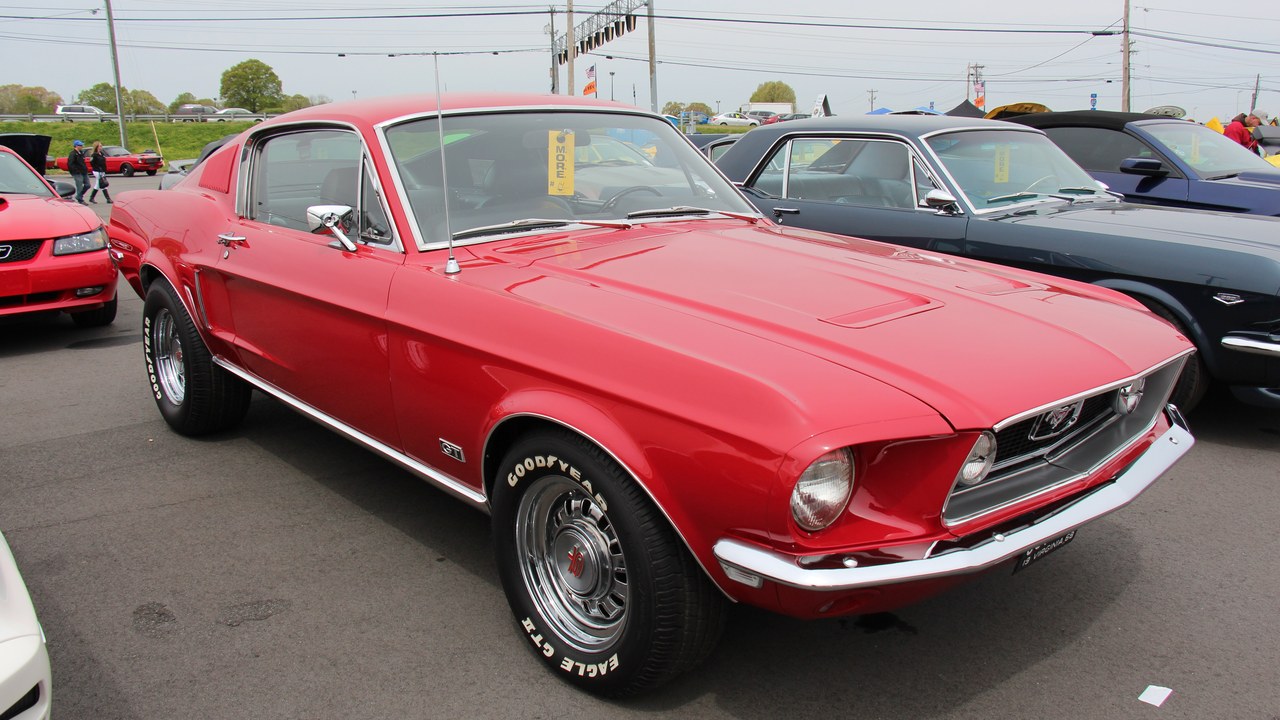
In Bullitt his character drove a 1968 Highland Green Mustang GT 390 four-speed through the famous San Francisco chase, the actor’s biography page says.
The sequence remains among the most discussed car chases in film. The car belonged to the character, yet its image is tied so closely to McQueen that few people separate the two. Few film cars have inspired as many tribute models, and the Highland Green paint remains an easy way to recall the movie and its star.
9. Porsche 908: Sebring Heroics
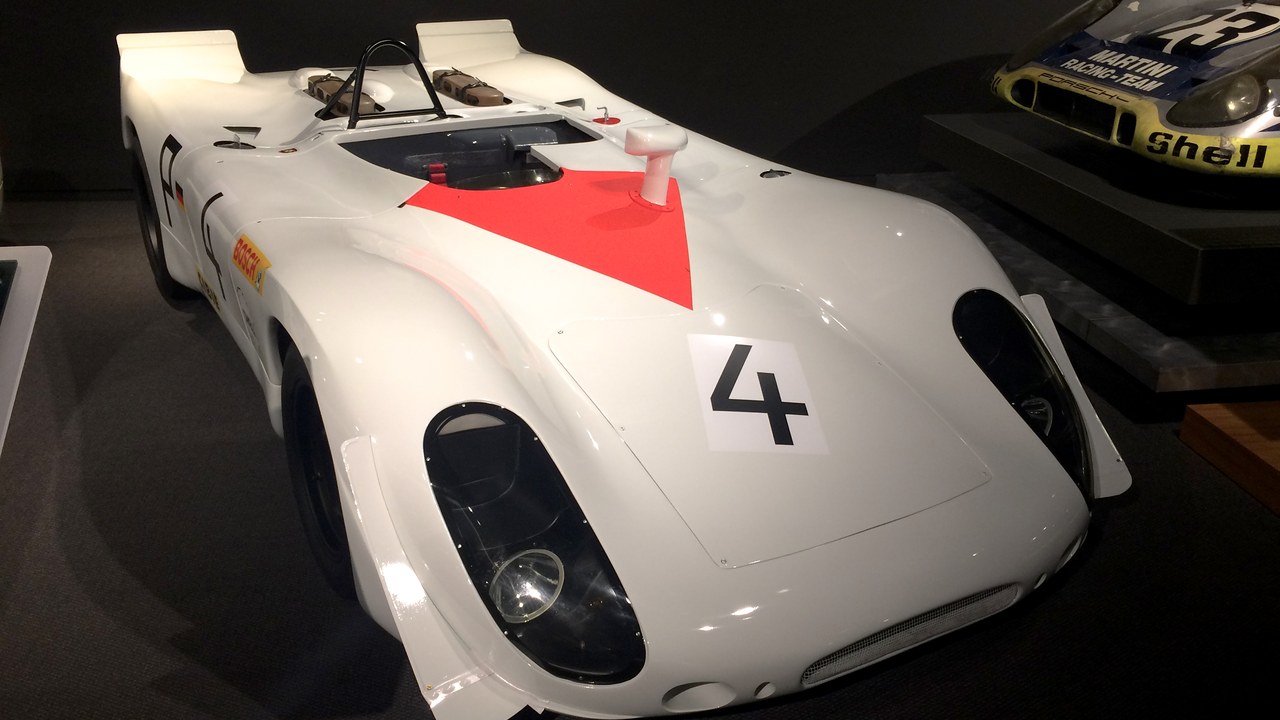
With a broken left foot, he and Peter Revson finished second at the 1970 Sebring 12 Hours, 23 seconds behind Andretti’s Ferrari, Porsche’s retrospective article recounts.
A result like that in an endurance race, while injured, answers doubts that an actor could not race seriously. The narrow gap shows how close he came to a headline victory. Sebring remains one of the great American endurance races, so a podium finish there gives his racing record credibility that goes well beyond his reputation as a film star.
10. Porsche 917: Le Mans Barred
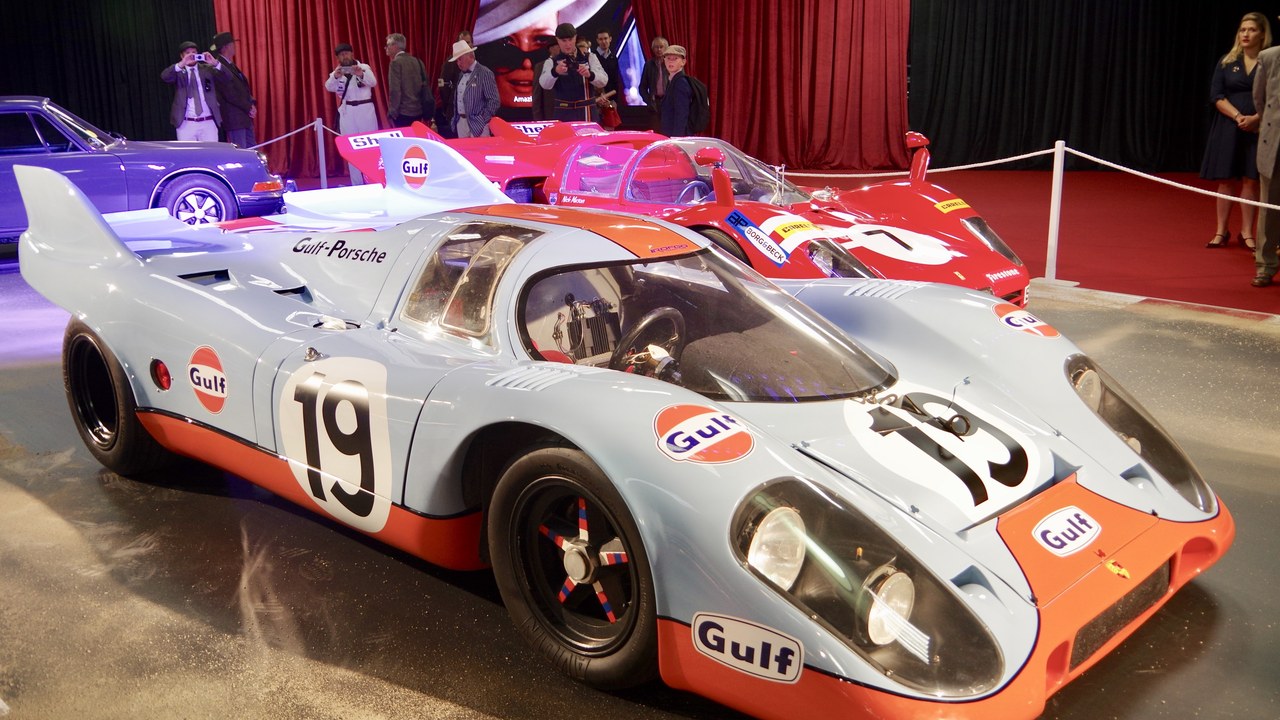
Barred from racing a 917 at Le Mans in 1970 for insurance reasons, he still drove one hard while filming Le Mans, a tale the Porsche feature relays.
The restriction shows how valuable he was as a star and how uneasy insurers were about risk. Even so, the 917 became part of his film legacy and a symbol of his commitment. The episode shows the tension between his dual lives, because the studio and its insurers wanted the actor safe while he wanted the full thrill of competition.
11. Porsche 911 S: Opening Scene Car
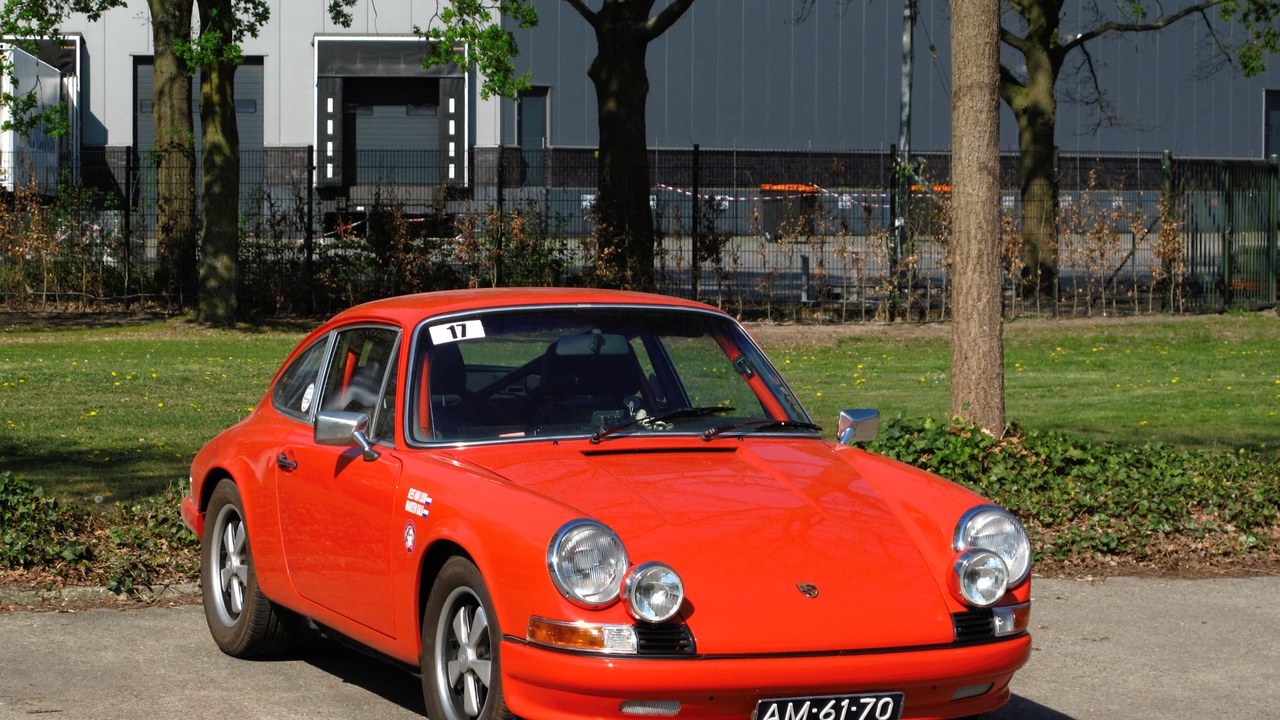
The Slate Grey 911S in Le Mans’ opening scenes was the film car, and McQueen kept his own near-identical 1969 car, Classic and Sports Car’s feature notes.
Separating the film car from the personal one is the kind of detail enthusiasts prize. The pairing shows how thoroughly his screen work and private garage overlapped. Collectors like this kind of overlap because it ties a road car to both the film set and the owner’s driveway, giving the 911 an unusually rich story.
12. Boeing-Stearman Model 75: Biplane In The Hangar
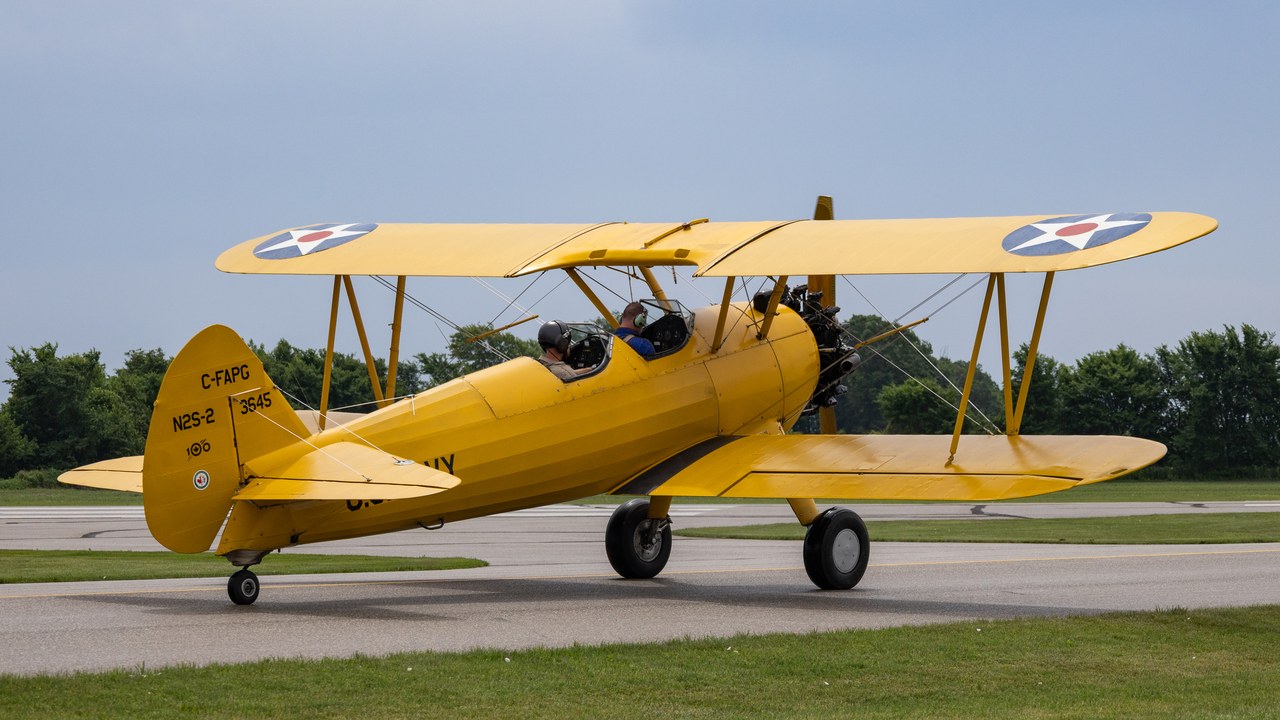
McQueen’s aircraft included a 1945 Stearman biplane, tail number N3188, according to his Wikipedia biography.
The Stearman extends the list from tarmac to sky and rounds out a portfolio of cars, bikes and aircraft. It fits the pattern of a man who sought speed and mechanical challenge well beyond the road. Taken together, the entries show an owner whose passion was never limited to one kind of machine, which is a large part of why his garage still fascinates enthusiasts.
Stay ahead on AI: Subscribe to The Deep View →
We may earn a commission if you sign up.
More from Morning Overview
- Ford is recalling 223,472 F-150 pickups because the fuel tank can leak or detach
- Hybrids have 15% fewer problems than gas cars, while EVs and plug-in hybrids have about 80% more, Consumer Reports finds
- Regulators cleared the first U.S. small modular reactor, 4 months early
- Lake Powell sank to a record 3,517 feet, nearing the level that stops Glen Canyon Dam’s turbines
