
Battery cars were not a modern invention. In the years around 1900 electrics were quiet, clean and easy to start, and they outsold gasoline cars in several American cities before the electric starter and cheap fuel swept them aside. Here are eleven electric cars built before 1920.
1. Detroit Electric: The Marque That Outlasted the Boom
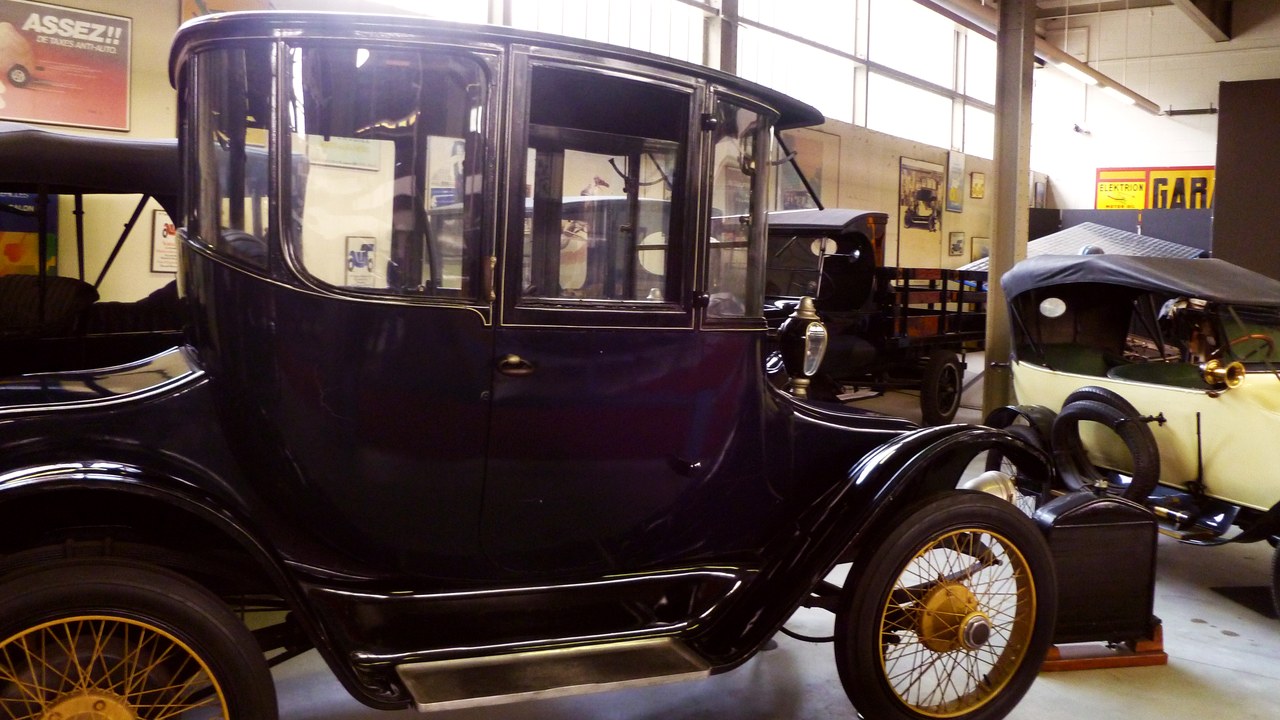
Anderson Electric Car Company built roughly 13,000 Detroit Electrics between 1907 and 1939, and by 1913 the marque had passed Baker to become the best-selling electric brand in the country. Its customers were often doctors and city women who wanted a car that started without wrestling a crank handle.
Production staggered on into the late 1930s, long after gasoline had settled the argument, kept alive by a shrinking clientele who valued silence and clean running in town over speed on the open road.
2. Baker Electric: Edison’s Own Car
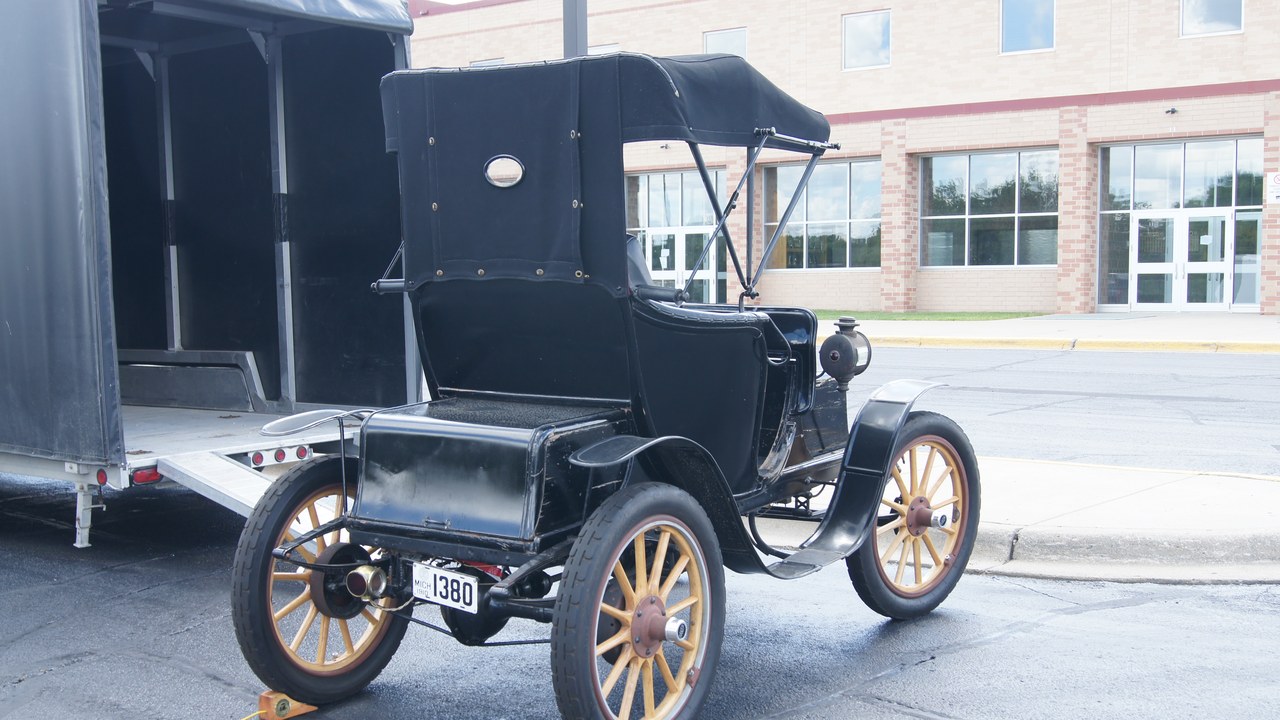
Walter C. Baker founded his Cleveland company in 1899, and among the buyers was Thomas Edison, who took one as his first car and went on to design the nickel-iron batteries fitted to some Baker electrics. The cars were known for tall, upright bodies and carriage-like proportions.
That endorsement mattered commercially at a time when battery chemistry was the whole contest, and it tied the marque to the most famous name in American electricity just as the industry was deciding which way to turn.
3. Rauch and Lang: Two Cleveland Rivals Become One
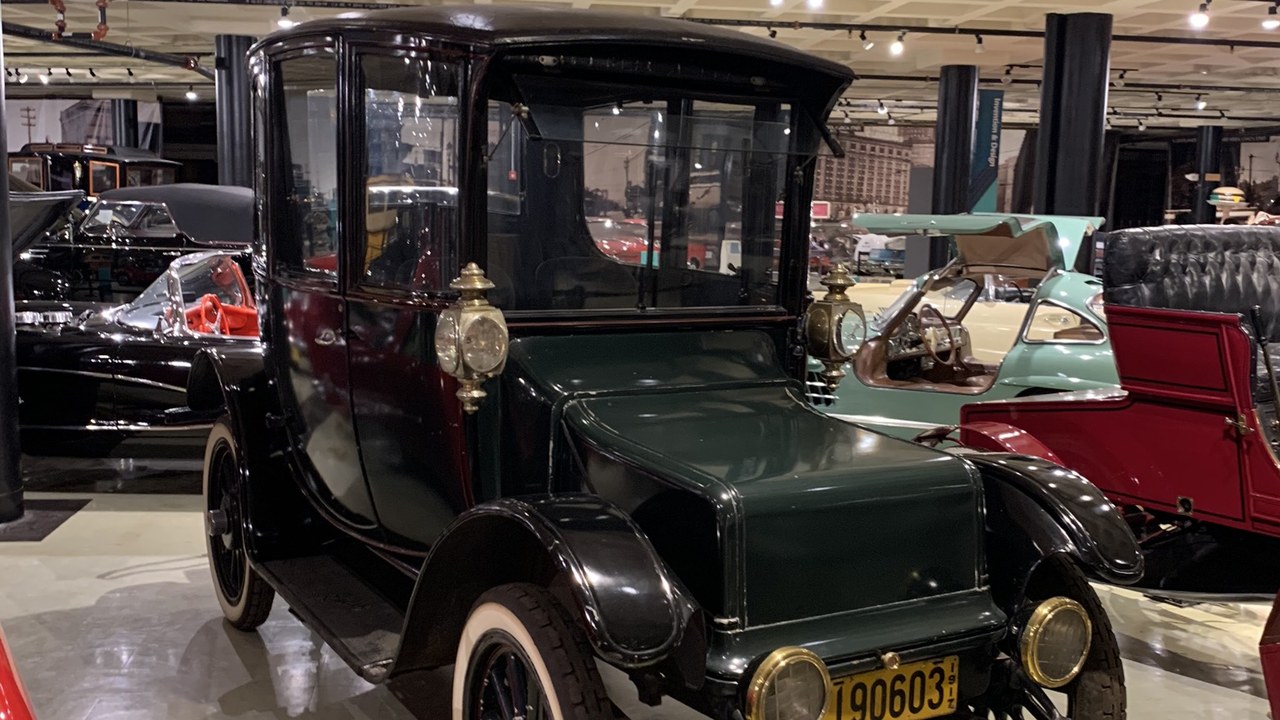
Rauch and Lang had been building electric cars in Cleveland since 1905 when it merged with crosstown rival Baker in 1914, and the combined firm traded as Baker, Rauch and Lang. The company had built a reputation for coachwork closer to a carriage-maker’s than an automaker’s, with deep upholstery and formal, upright cabins.
Consolidation was the standard survival move in a business with thin margins and expensive batteries; joining forces bought both marques a few more years than either would likely have managed alone.
4. Woods Electric: The Hybrid Nobody Bought
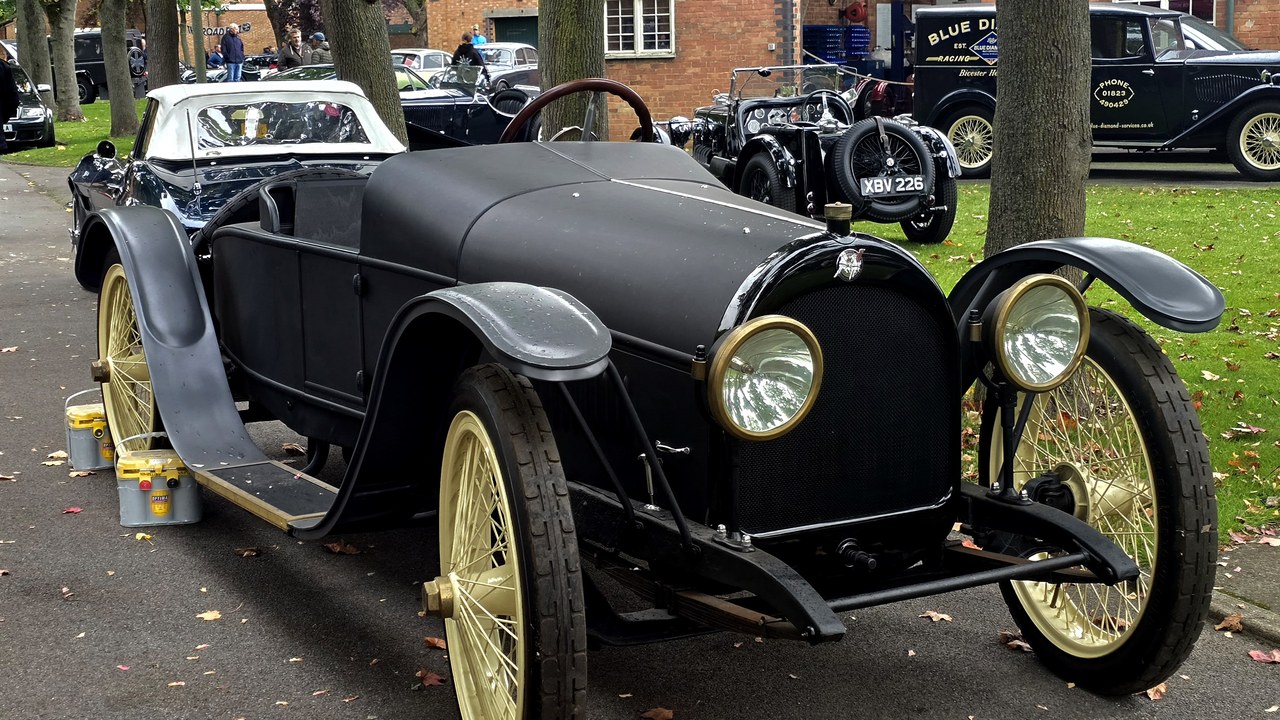
Chicago’s Woods Motor Vehicle Company built electrics from 1899 to 1916 and, in 1915, launched the Dual Power model, pairing an electric motor with a gasoline engine in a single car. The arrangement let the motor handle low speeds while the engine took over higher up.
The idea arrived a century before it became orthodoxy, and it failed commercially: the car was heavy, complicated and expensive, and buyers who wanted range simply bought a Ford instead.
5. Studebaker Electric: A Wagon Builder Hedges Its Bet
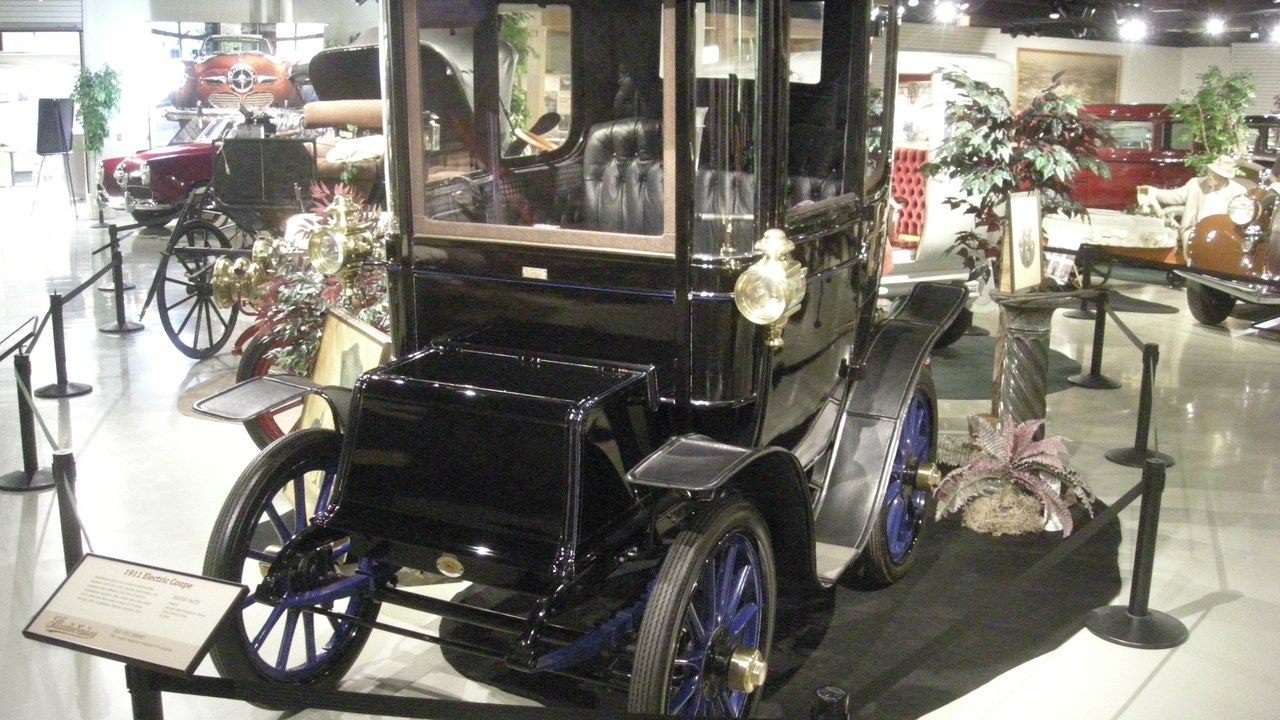
South Bend’s Studebaker Brothers, already the largest wagon maker in the country, sold battery cars from 1902 to 1912, choosing electrics partly because they needed no refueling depot in a city. Urban delivery work suited the cars, which rarely strayed far from a charging point.
The hedge did not last. Studebaker moved decisively to gasoline and became a major automaker, while the electric line was quietly dropped as driving distances outgrew what a lead-acid battery could deliver.
6. Milburn Light Electric: The President’s Runabout
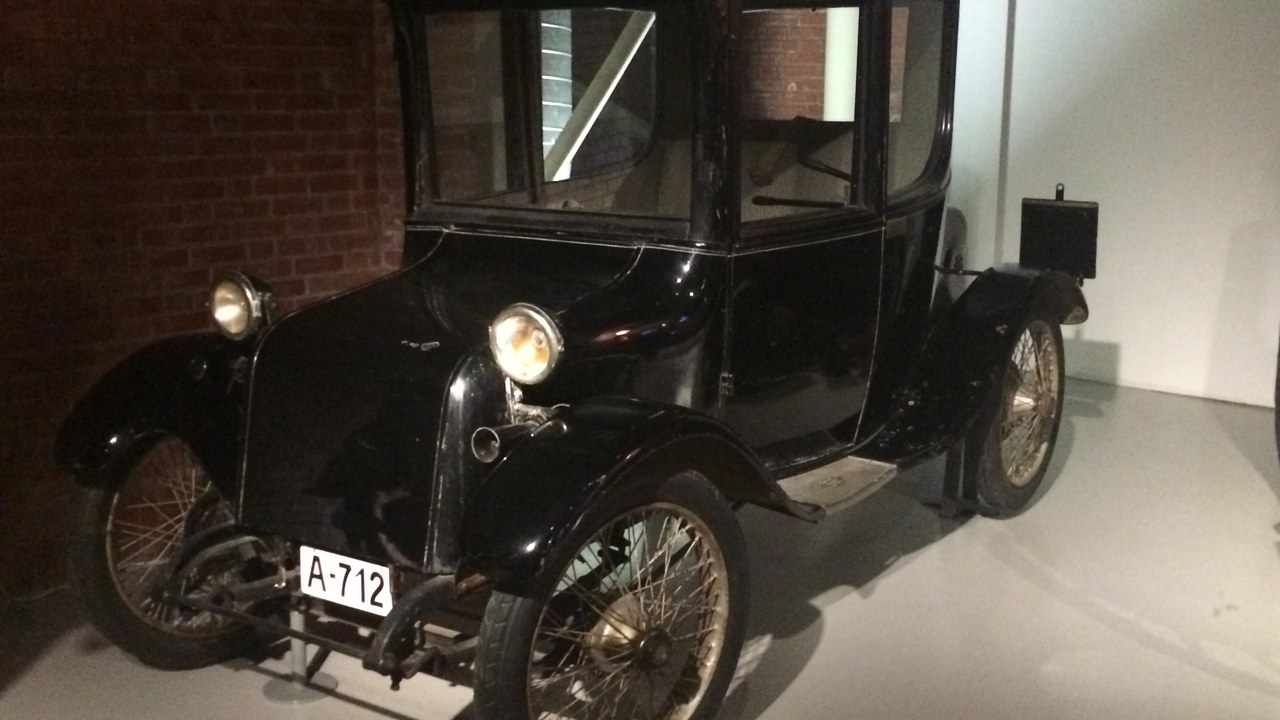
The Milburn Wagon Company of Toledo turned out about 4,000 cars between 1914 and 1923, and a Milburn Light Electric carried President Woodrow Wilson around Washington. The firm had built horse-drawn wagons for decades before switching its factory over to electric cars.
Light weight was the selling point, and the name said so: less mass meant more miles from the same battery, a calculation every electric maker of the era was trying to win.
7. La Jamais Contente: The First Car Past 100 km/h

Camille Jenatzy drove this torpedo-shaped Belgian machine to 105.882 km/h at Acheres outside Paris in 1899, making it the first road vehicle to pass 100 km/h. Its light-alloy body was shaped for speed at a time when most cars still looked like horse carriages.
The record it took had been set weeks earlier by an electric Jeantaud, so the fastest cars in the world were briefly all battery-powered. The car survives today in the automobile museum at Compiegne.
8. Lohner-Porsche: Ferdinand Porsche’s First Design
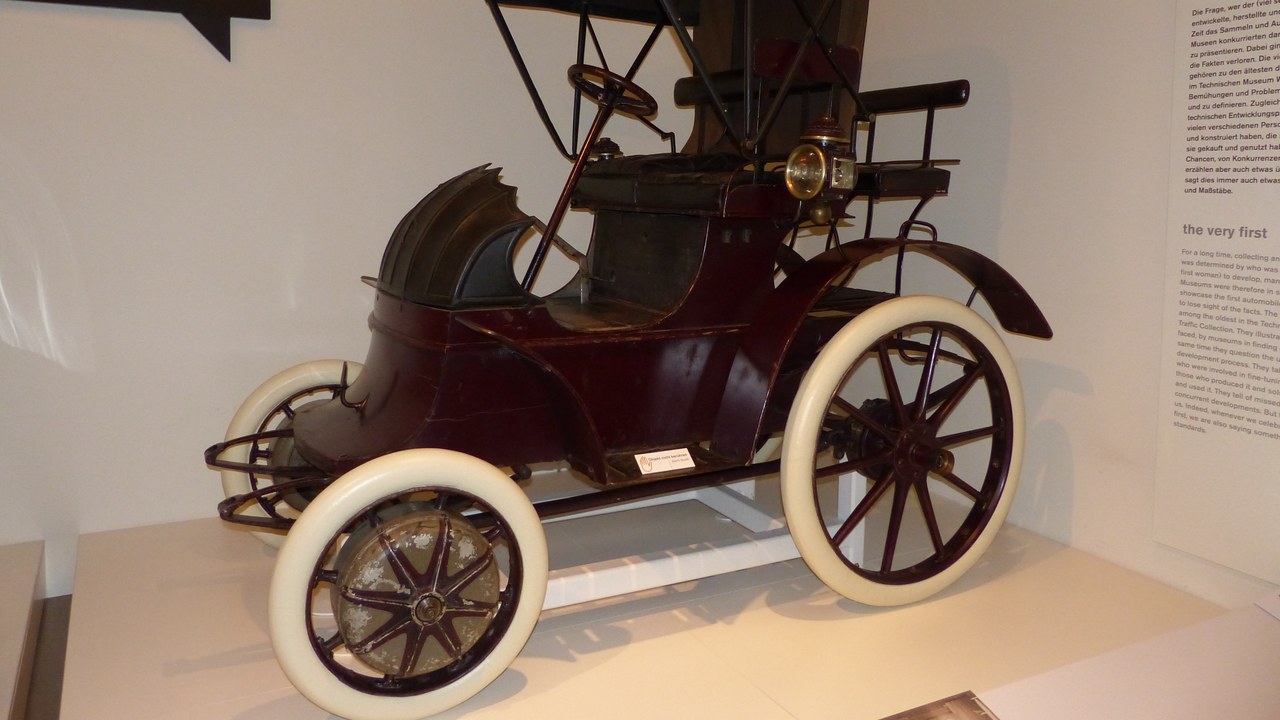
Built at Lohner-Werke in Vienna to a design by a young Ferdinand Porsche, the Lohner-Porsche included both the first hybrid electric vehicle and the first commercial car driven by hub-mounted electric motors, with more than 300 sold by 1906.
Putting the motors in the wheels removed the gearbox and driveshaft entirely. The layout was heavy and expensive, and it has been rediscovered repeatedly since by engineers chasing the same packaging advantage.
9. Bersey Electric Cab: London’s First Electric Taxi
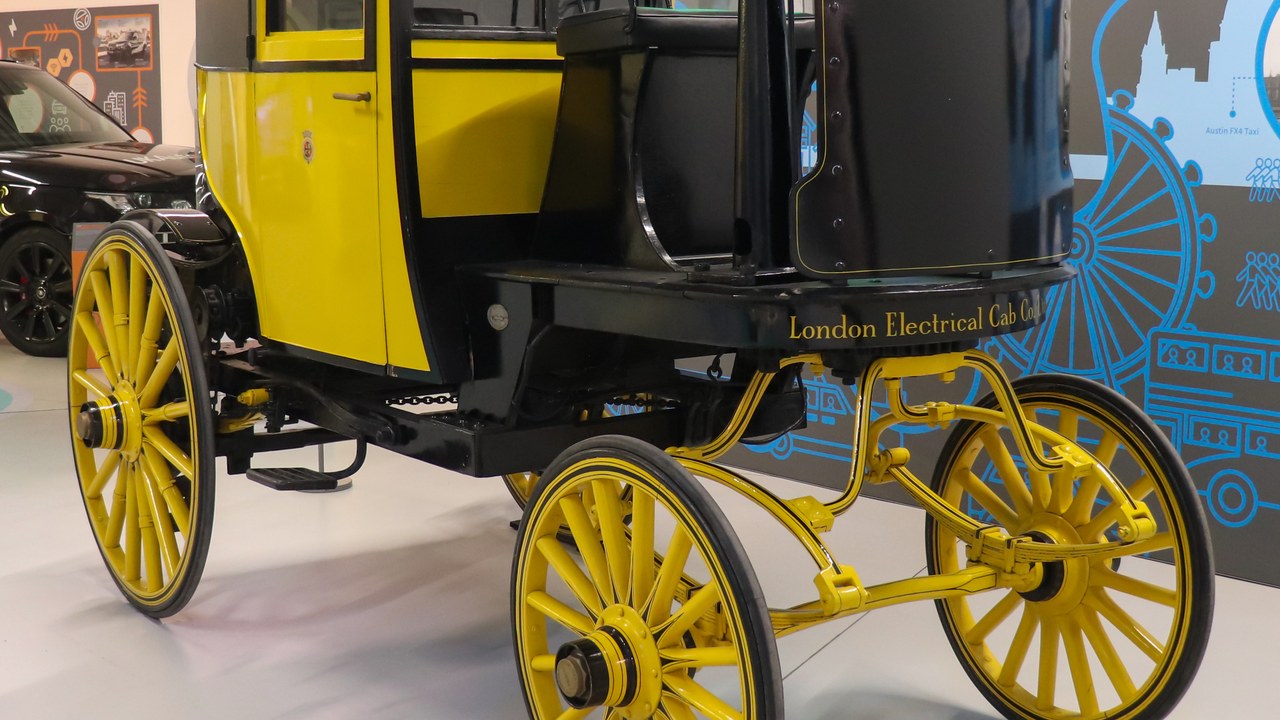
Walter Bersey put the first electric hackney carriages on London’s streets in August 1897, and 77 were built in total, each carrying two passengers at up to 12 miles per hour. The cabs were promoted by Harry Lawson’s Great Horseless Carriage Company.
Londoners nicknamed them hummingbirds for the noise they made. Heavy batteries, tyre wear and running costs killed the fleet within a couple of years, an early demonstration that the hard part was never the motor.
10. Columbia Electric: Swallowed by the Trust
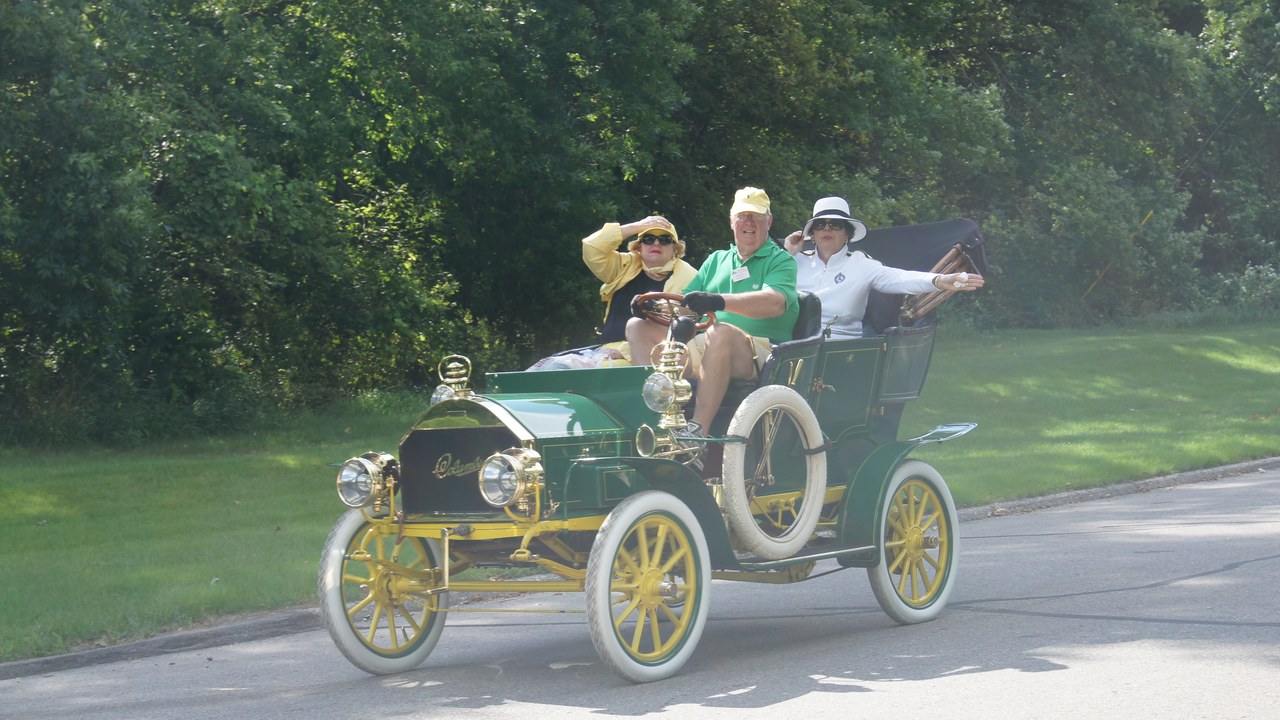
Columbia was spun out of Pope Manufacturing’s electric-vehicle division in 1899 and, before that same year was out, had been absorbed into the Electric Vehicle Company trust. Pope was then the dominant name in American bicycles and had moved naturally into light vehicles.
The trust model was an attempt to corner an industry before it had properly formed, bundling patents and makers together. It bought scale but not survival, and the combine unravelled within a few years.
11. Kriéger Company of Electric Vehicles: Paris Builds Them by the Hundred
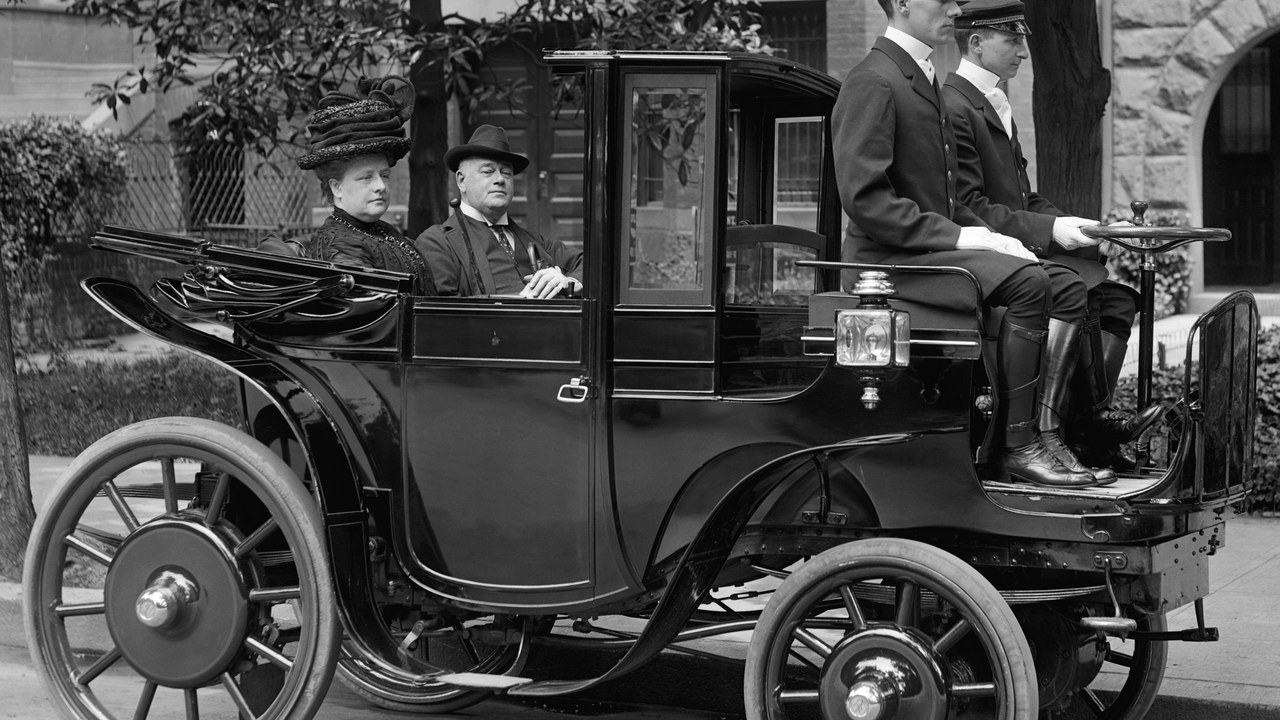
Louis Antoine Krieger began building electric cars in Paris in 1894 and organised the Kriéger Company of Electric Vehicles in 1898, running until 1909 as French interest in battery vehicles peaked. The firm exported widely and licensed its designs abroad.
Krieger’s cars drove through motors mounted in the steered front wheels, and some later examples carried a petrol generator to extend range, an arrangement that would now be called a series hybrid.
More from Morning Overview
- Consumer Reports names the 2026 models it expects to break down the most
- Supplements now rank as the fifth-leading cause of death from liver disease.
- The NSA is again telling phone owners to switch off one location setting
- Four U.S. startups fired up their first small nuclear reactors, aiming to power AI data centers on-site
