
Long before bridges and tunnels reshaped city travel, ferries carried passengers across harbors, rivers, and straits on fixed daily schedules. Many of those routes never closed, even as faster crossings opened nearby, because no bridge could replace them or because the fare stayed cheaper than the alternative. Here are nine crossings that still run every day, some dating back more than a century.
1. Star Ferry: Hong Kong’s Harbour Crossing Since 1888
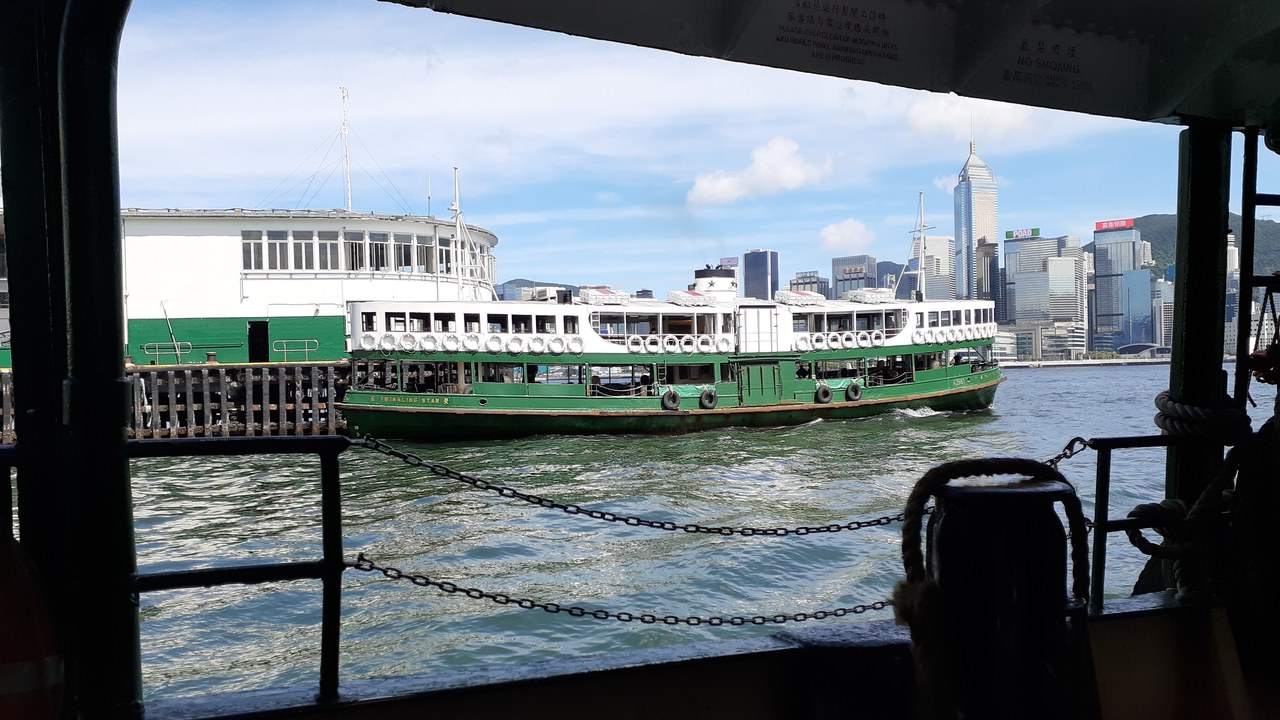
Hong Kong’s Star Ferry service traces back to 1888, when it launched as the Kowloon Ferry Company hauling passengers across Victoria Harbour long before any road tunnel or subway line existed. Twelve green-and-white vessels now make the crossing, carrying more than 70,000 riders on an average day.
The fare still sits under a dollar, a holdover from its working-class roots, even as subway lines and road tunnels have given commuters faster alternatives across the harbor. Tourists chasing the skyline view increasingly outnumber locals simply riding to work, and that shift has helped keep the century-old fleet financially afloat.
2. Staten Island Ferry: The Free Ride Across New York Harbor
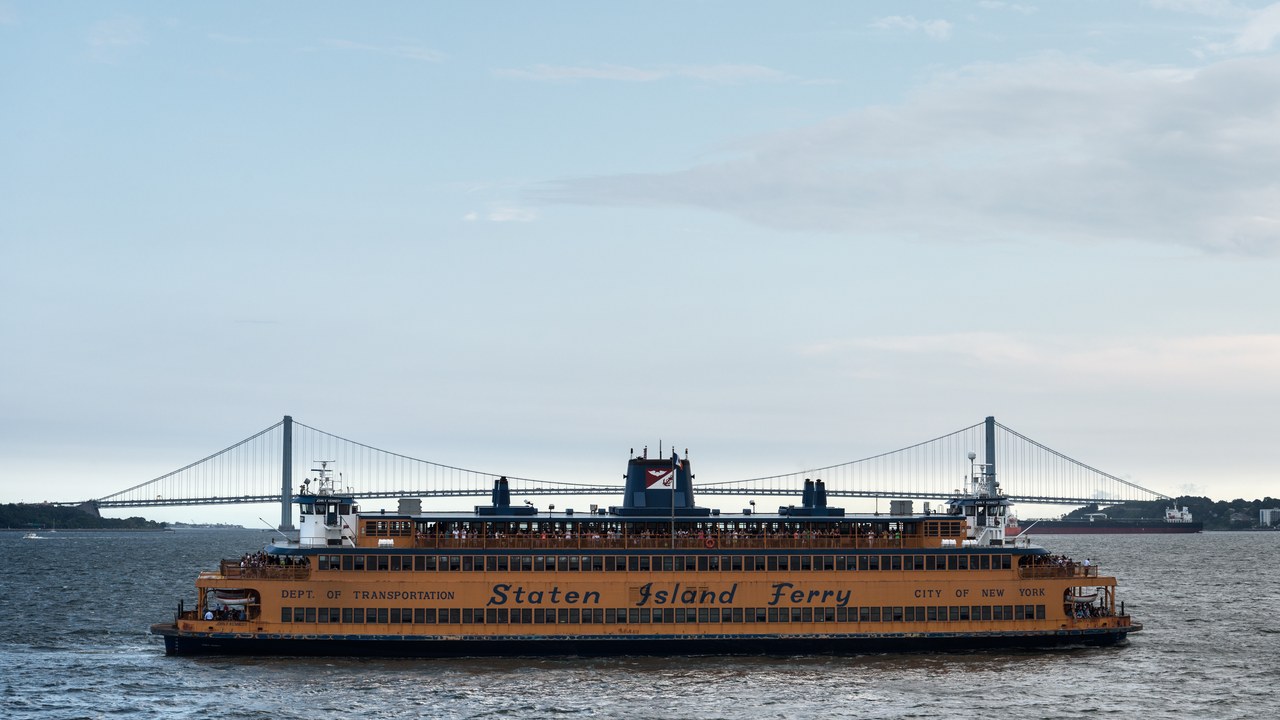
The Staten Island Ferry covers 5.2 miles between Manhattan and Staten Island in about 25 minutes, gliding past the Statue of Liberty without charging a fare. Riders topped 16,692,900 in 2025 alone, making it the busiest ferry route anywhere in the United States.
City taxpayers cover the cost instead, a policy that has held since the late 1990s despite periodic budget fights. Commuters and sightseers share the same boats, so rush-hour crowds and tour groups often end up standing shoulder to shoulder on the open deck.
3. Isle of Man Steam Packet Company: The World’s Oldest Ferry Company Still Sailing
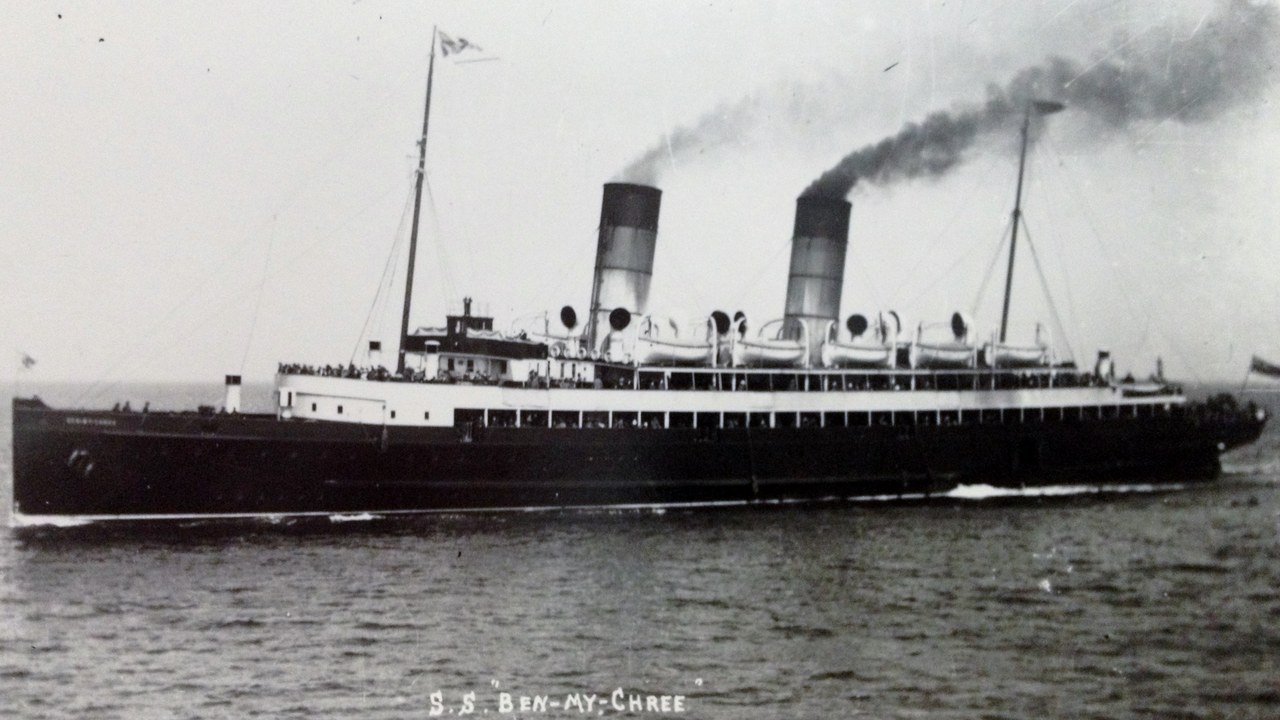
Founded in 1830, the Isle of Man Steam Packet Company holds the record as the oldest continuously operating passenger shipping line in the world. Its ships still sail out of Douglas, linking the island to four ports across England, Scotland, and Ireland.
Modern fast craft have replaced the paddle steamers of its early decades, but the company remains the island’s only sea lifeline for passengers and freight alike. Storms in the Irish Sea regularly force cancellations, a risk that has shaped island life for nearly two centuries.
4. Washington State Ferries: Puget Sound’s Floating Highway System
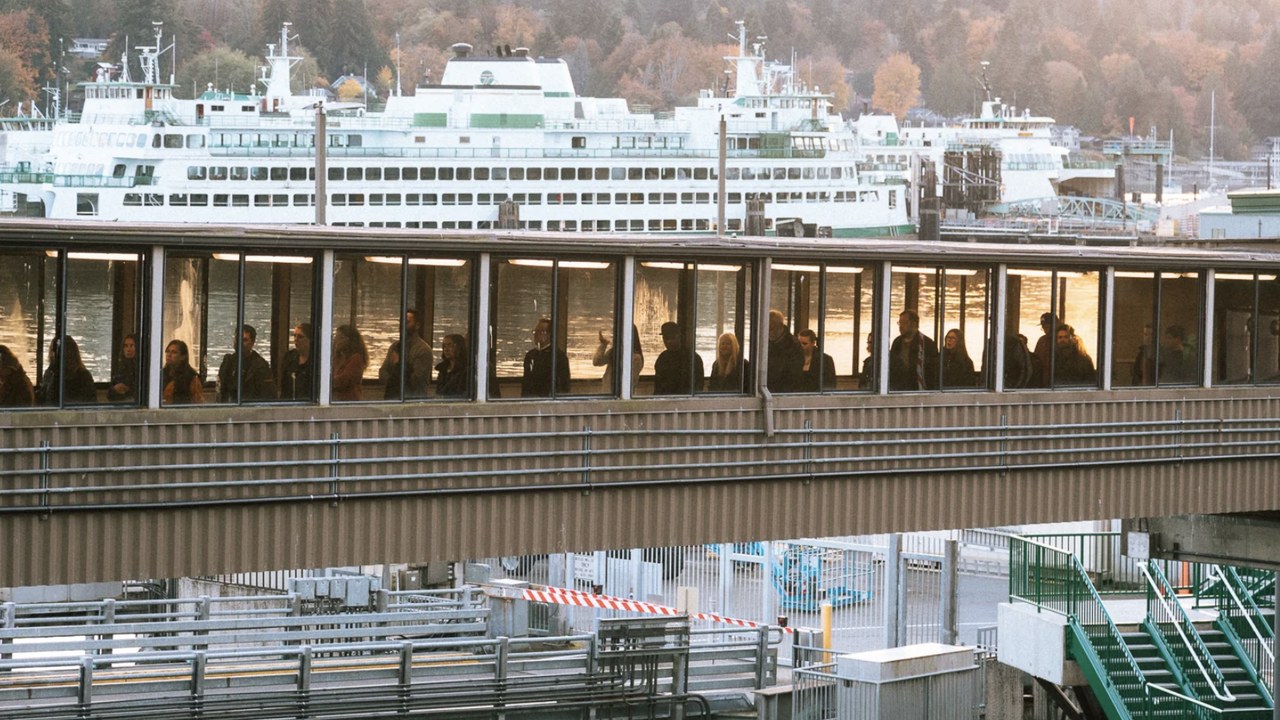
Washington State Ferries runs eight routes across Puget Sound and the San Juan Islands, linking 20 terminals that would otherwise require hours of driving around the water. The state-owned fleet functions as a floating extension of the highway system for commuters and islanders alike.
Aging vessels and crew shortages have caused repeated schedule cuts in recent years, frustrating residents who depend on the boats for groceries, school runs, and medical appointments. Replacement ships have been ordered, though delivery timelines keep slipping further out, leaving some routes running on reduced service for now.
5. Woolwich Ferry: London’s Free Crossing of the Thames
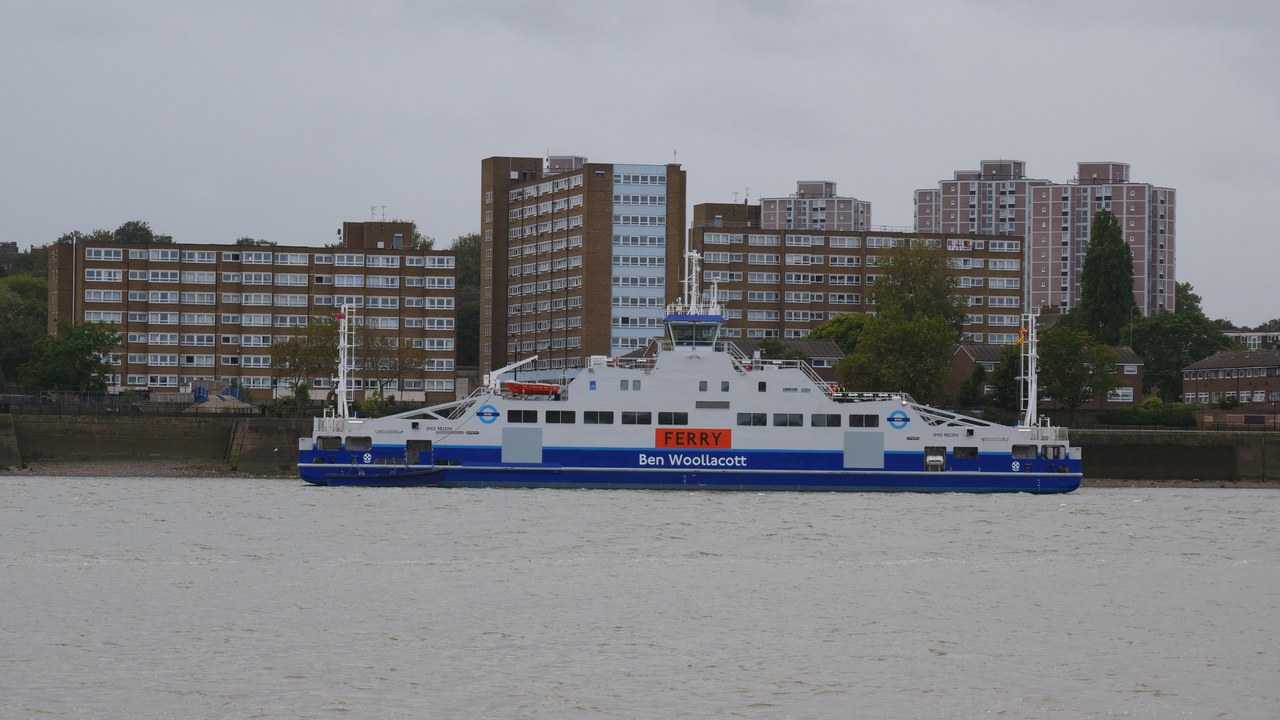
The Woolwich Ferry carries vehicles and pedestrians free of charge across the River Thames between Woolwich and North Woolwich, a service roughly two million passengers use each year. No toll has ever applied since the route opened in the nineteenth century, and none is planned.
Two diesel-electric vessels handle the short crossing, so when one needs maintenance, delays stack up fast for waiting drivers stuck on either bank. A proposed road tunnel nearby has raised questions about whether the free ferry will still be needed once construction eventually finishes.
6. Torpoint Ferry: Britain’s Biggest Chain Ferry Still Crossing
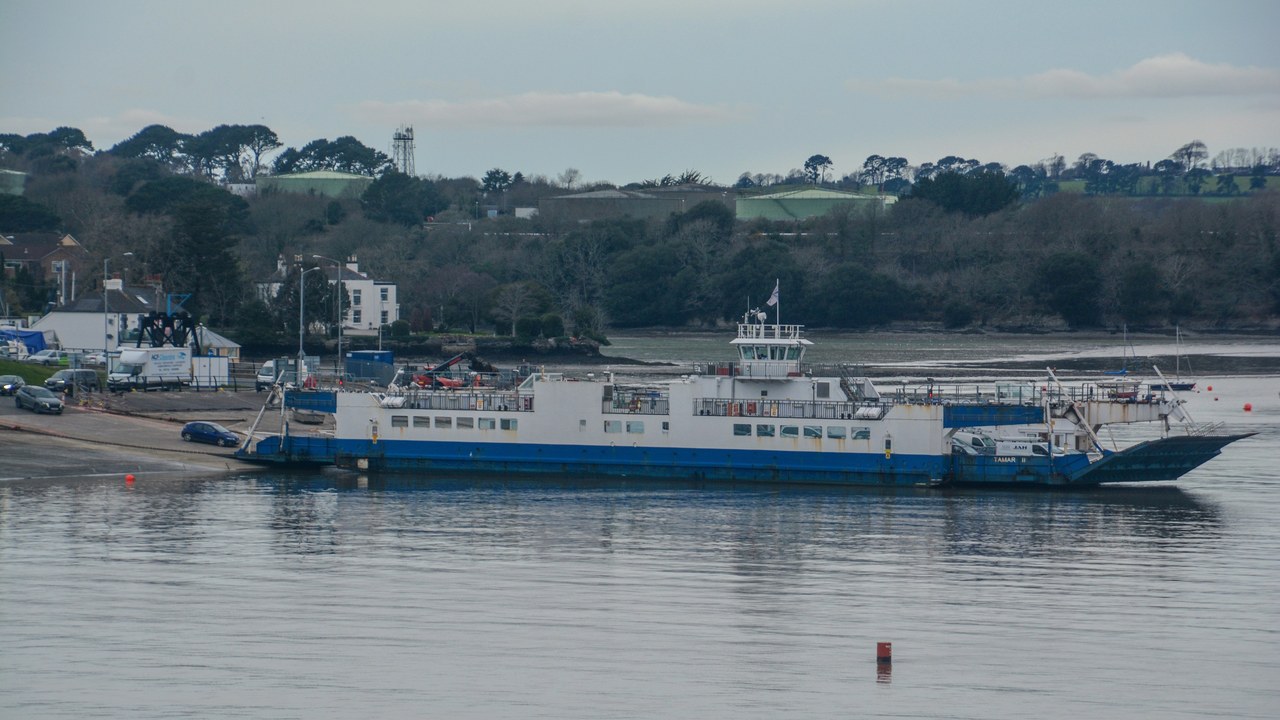
The Torpoint Ferry has hauled traffic across the Hamoaze at Plymouth since converting to chain operation in 1831, making it the largest and busiest cable ferry still running anywhere in the world. Three vessels now share the route, moving roughly 8,000 vehicles across the narrow strait daily.
Guide chains anchored to the riverbed pull the ferries along instead of relying on open-water propulsion, a method largely abandoned elsewhere but kept here for cost and reliability. Naval traffic from the nearby dockyard occasionally forces a pause mid-crossing while warships pass through.
7. Wahkiakum County ferry: The Last Car Ferry on the Lower Columbia
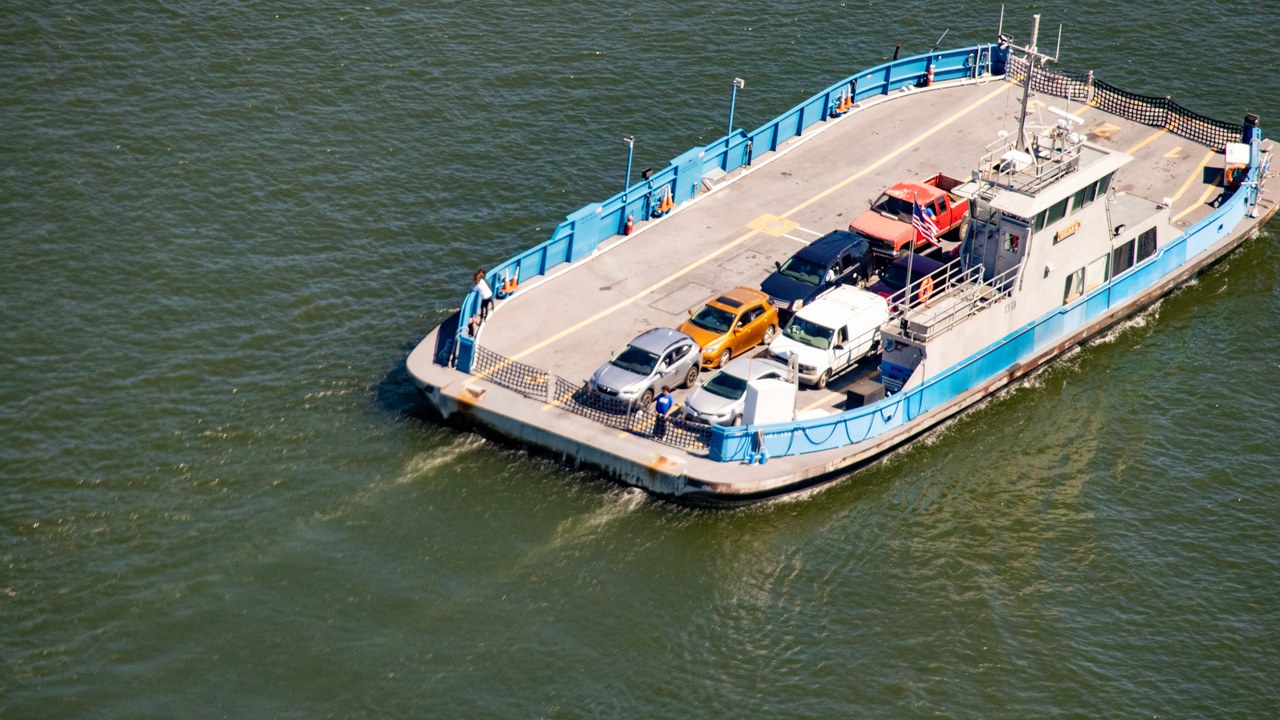
Departing from Puget Island, the Wahkiakum County ferry is the sole regularly scheduled car ferry still crossing the Columbia River between Washington and Oregon. Every other nearby crossing has long since been replaced by a bridge spanning the wide river.
A small county-run boat handles the route, and locals treat it less as a novelty than as ordinary infrastructure for reaching the opposite shore. Funding for the tiny operation depends on county budgets that fluctuate year to year, leaving its long-term future never entirely secure.
8. Sydney Ferries Manly route: Sydney’s Historic Run to Manly Beach
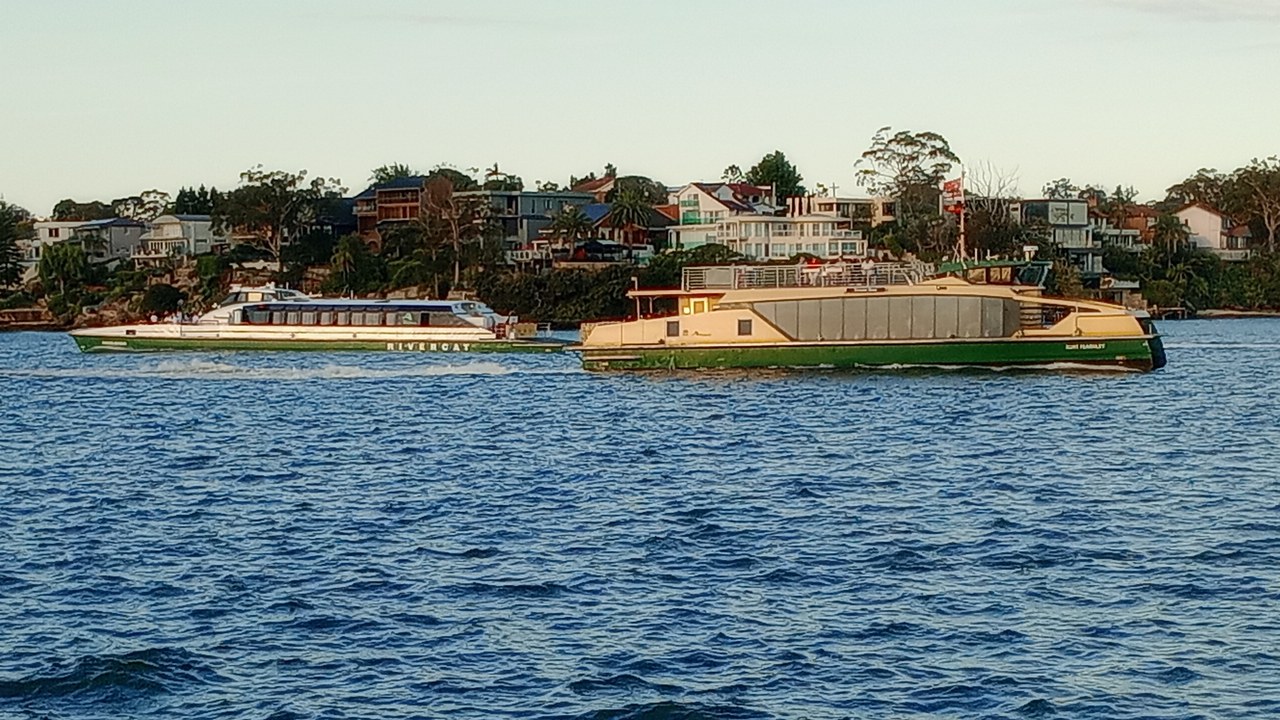
Sydney Ferries descends from the Port Jackson and Manly Steamship Company, and at its peak grew into the largest ferry operator in the world by both fleet size and patronage. The Manly route it pioneered still runs across the harbor today.
Modern ferries now share the crossing with high-speed catamarans aimed at commuters in a hurry, though many riders still pick the slower boats for the harbor views. Sydney’s ferry network remains one of the busiest in the Southern Hemisphere despite competition from road tunnels and light rail.
9. Mersey Ferry: Crossing the Mersey Before the Railway
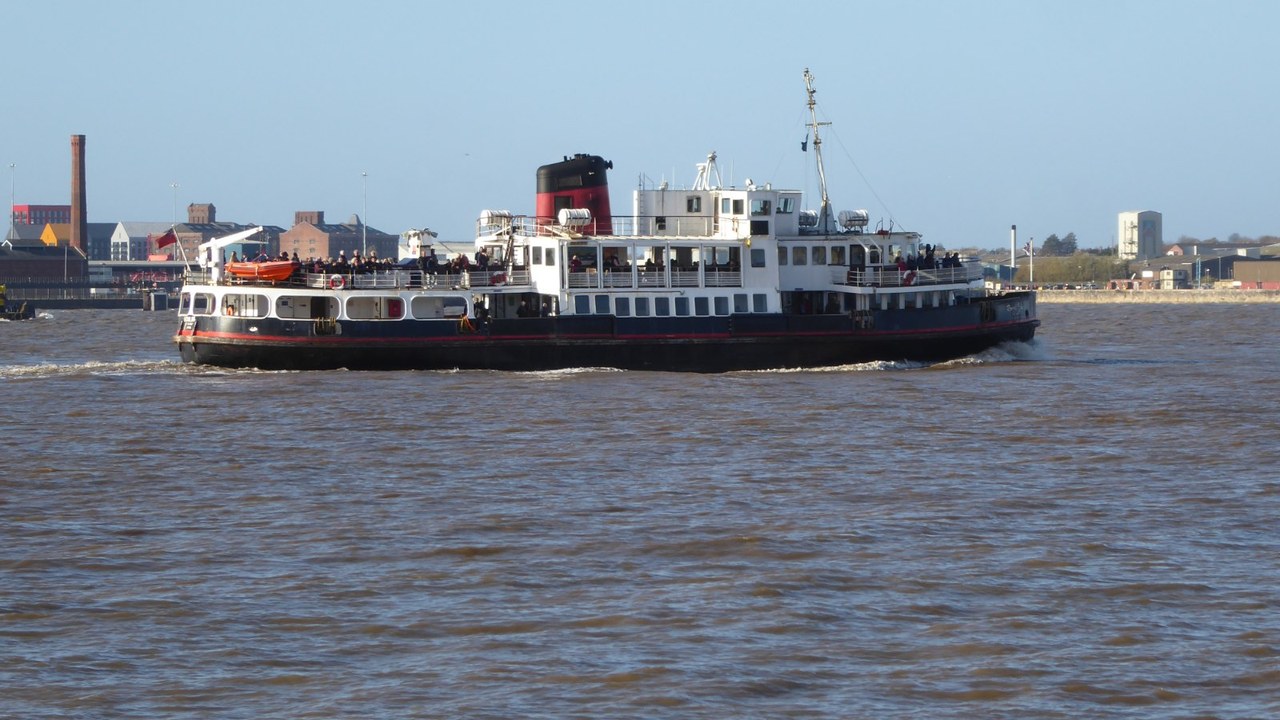
Ferries were the only way across the River Mersey until a railway tunnel opened in 1886, and the Mersey Ferry service has never stopped running since that tunnel opened. Merseytravel now operates the crossing with two vessels, the Snowdrop and the Royal Daffodil.
Commuter numbers fell sharply once tunnels and trains offered faster alternatives, so the ferries survive today largely on tourism and river cruises rather than daily commuting. A famous 1960s pop song about the crossing still draws visitors who want to make the trip themselves.
More from Morning Overview
