
Long before ride-share apps and electric bikes, small-displacement scooters and mopeds put millions of ordinary commuters on two wheels for the price of a bicycle. Italian, German, British, French, Austrian and Japanese factories each answered postwar demand with their own take on cheap, simple transportation. Here are twelve machines that carried a continent, and eventually the world, to work.
1. Vespa: The Unibody Breakthrough
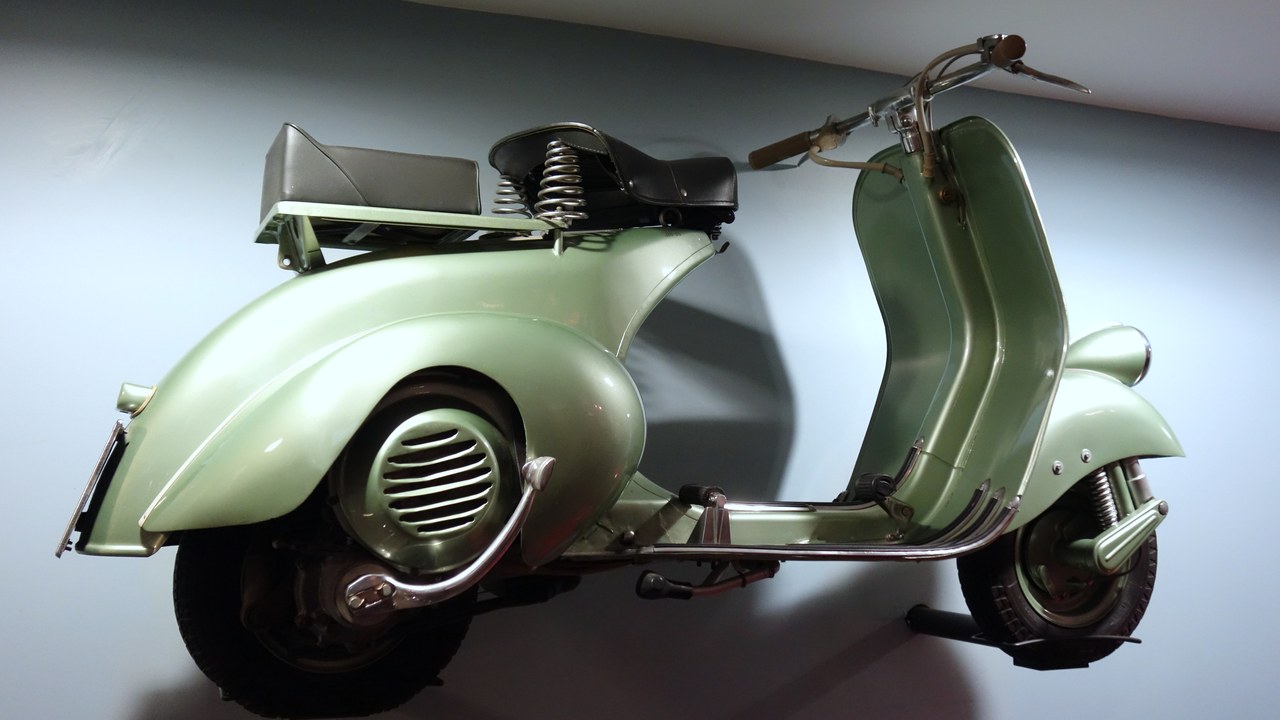
Piaggio patented the design in April 1946 and unveiled it that same year at the Milan Fair, building what became known as the unibody steel scooter, a single pressed-steel shell that replaced the separate frame found on nearly every motorcycle of the era.
The enclosed engine and stepped-through deck let riders in office clothes hop on without changing, and the design proved so durable that variations of that original shell still shape scooters sold today, decades after Piaggio first rolled it out of a converted aircraft factory.
2. Lambretta: Milan’s Answer to the Vespa
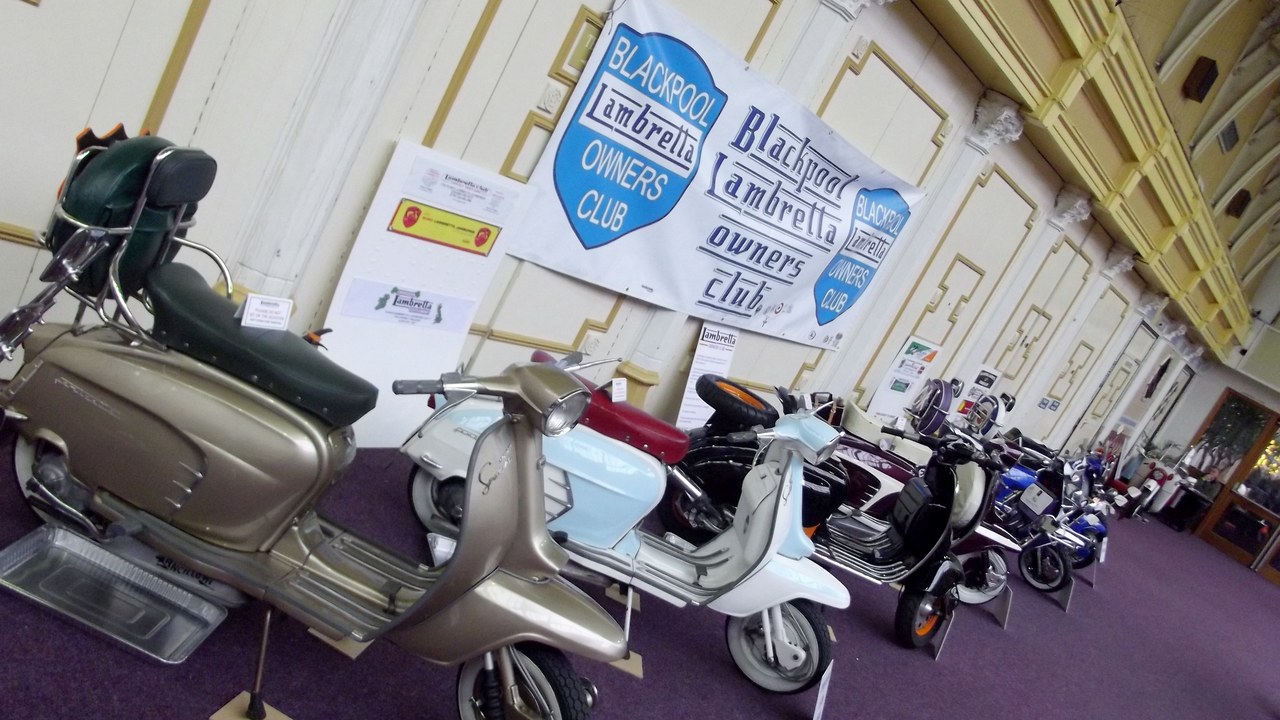
Innocenti began building the Lambretta scooter in Milan in 1947, a year after its rival appeared, and eventually offered engines ranging from 49cc up to 198cc through the 1960s to compete across every price bracket.
Exposed mechanicals set it apart from the fully skirted Vespa, and the brand became a fixture of British mod culture in the 1960s, its chrome-heavy models customized and raced long after Italian production wound down. The marque was revived decades later under new ownership, trading on the same name and the same chrome-heavy styling cues.
3. Honda Super Cub: The Best-Selling Vehicle Ever Built
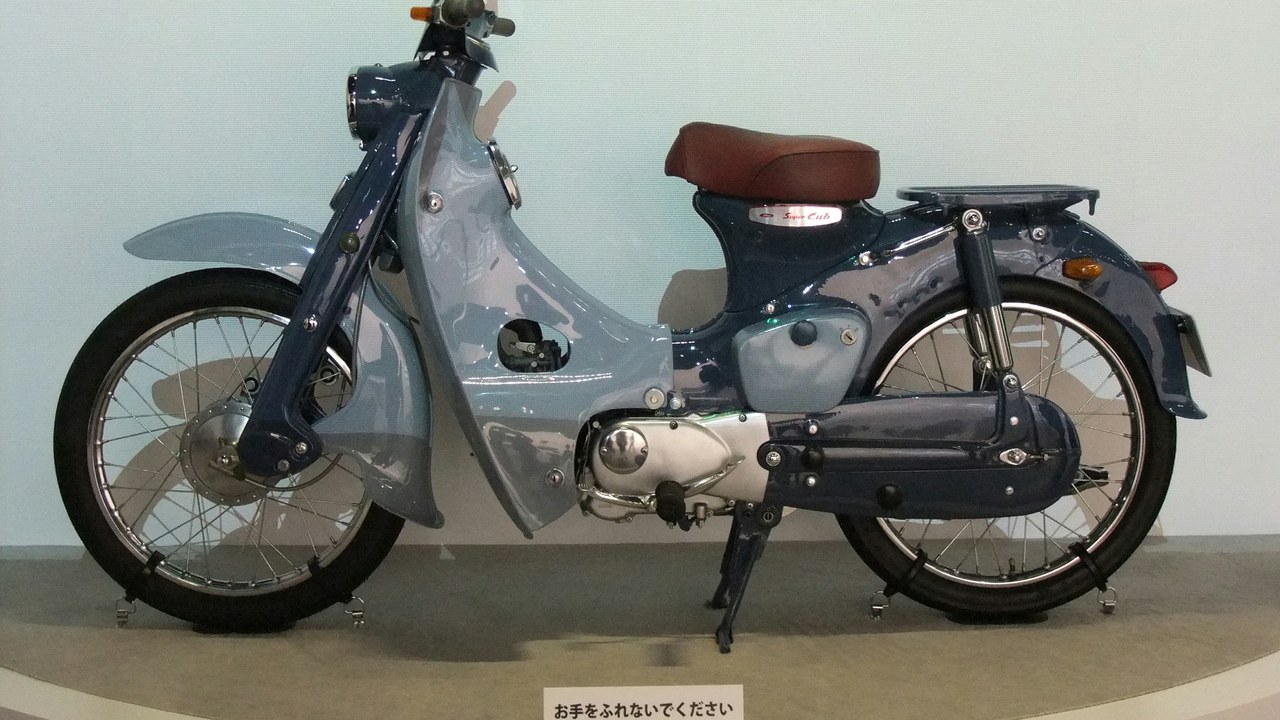
Honda has kept the Super Cub underbone motorcycle in continuous production since 1958, and cumulative output passed 100 million units in 2017, a total no other motor vehicle in history has matched.
Its step-through frame, automatic clutch and plastic leg shield made it approachable for riders who had never handled a clutch lever, and that low barrier to entry turned it into basic transportation across Southeast Asia and beyond, not just a Japanese commuter bike. Production has continued across successive generations, and the model has been assembled in more than a dozen countries.
4. Piaggio Ciao: Four Decades on One Assembly Line
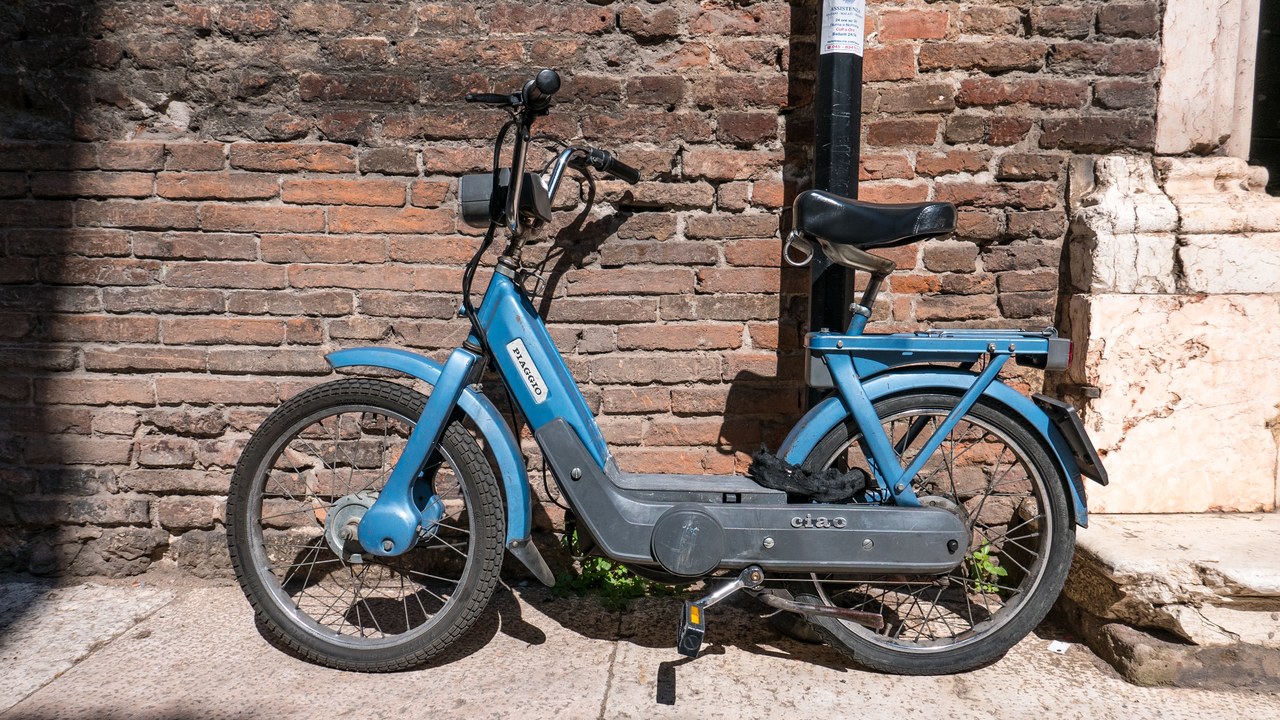
Piaggio built the Ciao moped from 1967 through 2006, one of the longest unbroken production runs of any European moped, changing remarkably little in basic layout across those four decades.
Pedals doubled as a starting mechanism and a low-powered engine kept it under licensing rules that let teenagers ride without a full motorcycle permit, a combination that made it a rite-of-passage vehicle for generations of Italian youth long before scooters carried any stigma. The Ciao stayed in production for more than three decades before tightening emissions rules finally brought it to an end.
5. Heinkel Tourist: The Rolls-Royce of Scooters
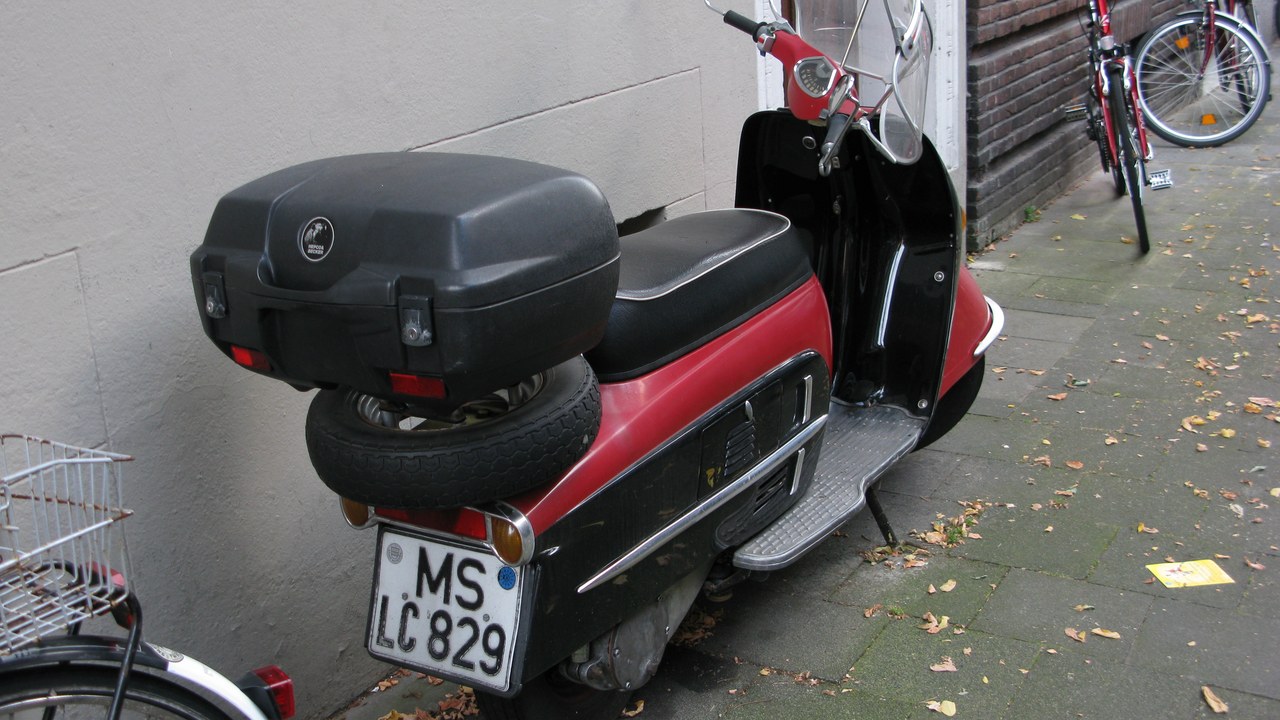
Heinkel built the Tourist scooter from 1953 to 1965, selling more than 100,000 units to buyers who wanted something heavier and more stable than a Vespa or Lambretta.
British owners nicknamed it accordingly, and its aircraft-derived engineering pedigree, four-stroke engine and car-like electrics justified a price that sat well above its Italian rivals, aimed squarely at buyers who treated a scooter as real transportation rather than a cheap weekend runabout. Build quality earned it a following among touring riders, and surviving machines are sought after by collectors today.
6. Zündapp Bella: West Germany’s Quiet Best-Seller
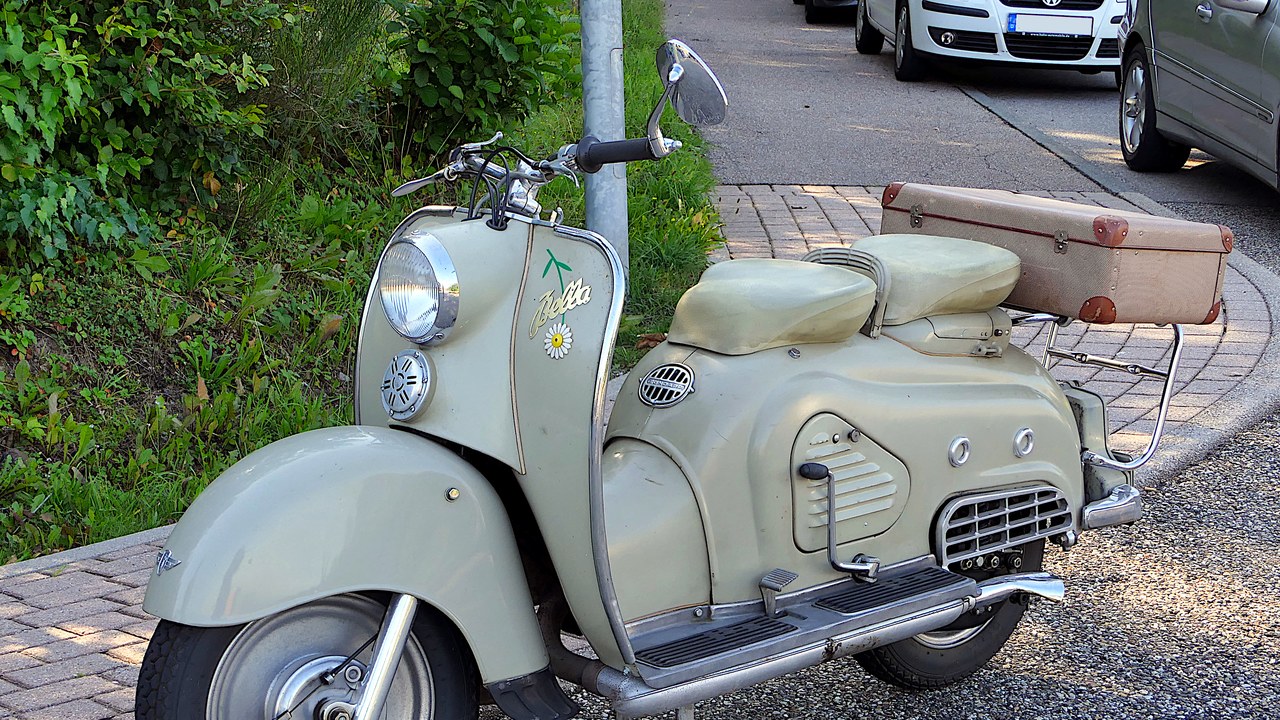
Zündapp manufactured the Bella scooter from 1953 to 1964, selling around 130,000 units with engines that ranged from 150cc to 200cc depending on the model year.
Built by a company better known for military motorcycles during the war, the Bella carried West German families through the postwar recovery on a sturdy pressed-steel frame, competing with Heinkel and NSU rather than Italian imports for buyers who wanted German engineering close to home. Zündapp itself folded in the 1980s, but the Bella remains the model most associated with the marque’s civilian years.
7. NSU Quickly: Europe’s Million-Selling Moped
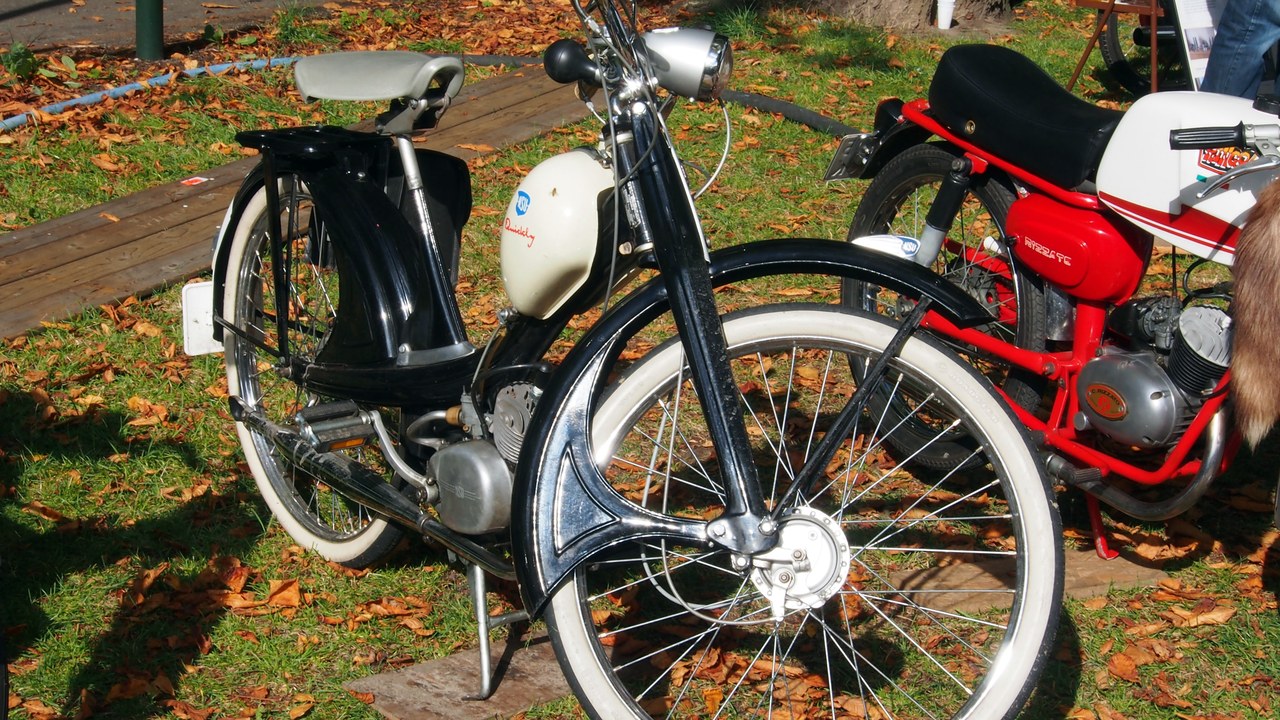
NSU sold more than one million Quickly mopeds between 1953 and 1968, making it one of the best-selling mopeds anywhere in postwar Europe and a mainstay of the company’s lineup for a decade and a half.
Its lightweight two-stroke engine and simple pedal-assist start put it within reach of workers who needed cheap daily transport rather than a hobbyist’s machine, and its success helped fund NSU’s later, riskier bet on the Wankel rotary engine that eventually defined the company. Hundreds of thousands were built, making it one of the best-selling mopeds Germany ever put on the road.
8. Puch Maxi: Austria’s Fuel-Sipping Workhorse
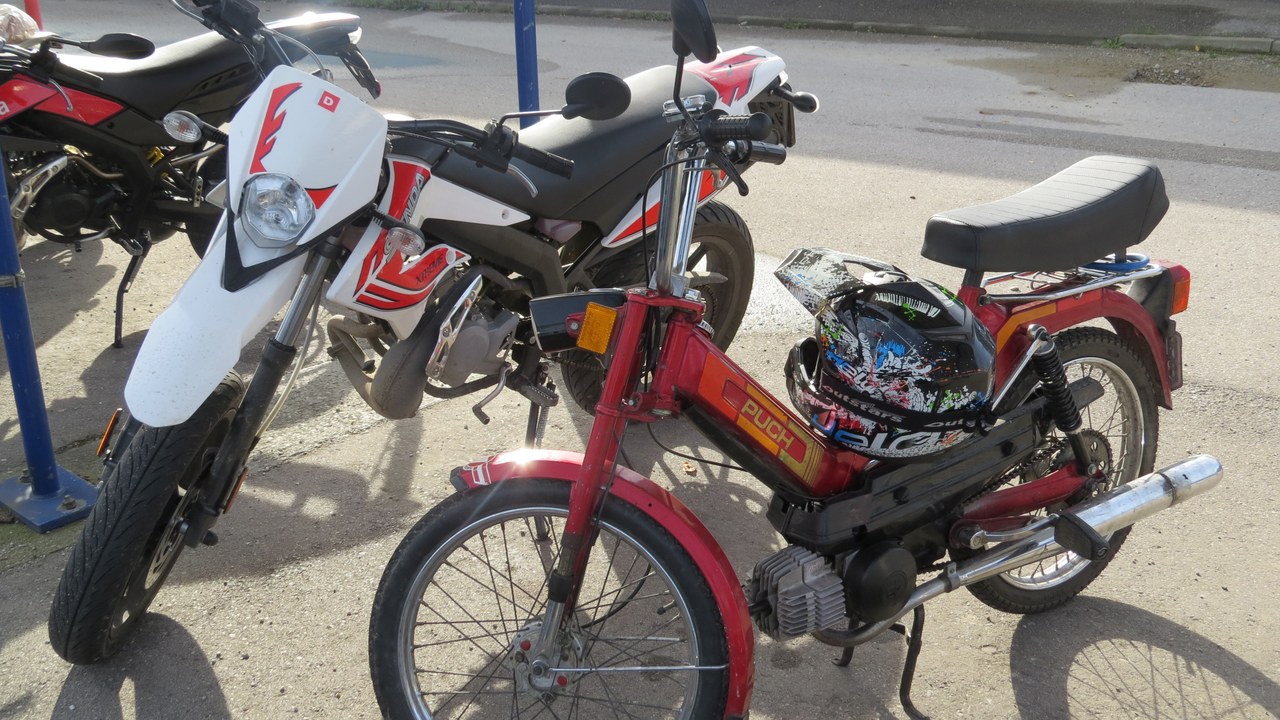
Austrian manufacturer Puch built the Maxi moped through the 1970s and 1980s, prized for reliability and fuel economy that reached as high as 120 miles per gallon on a single tank of gas.
A variable-ratio drive system, unusual for such an inexpensive machine, let riders pedal-start it and then cruise without shifting, and that low running cost made it a common first vehicle for teenagers across Austria, Germany and beyond into the 1980s. The Maxi stayed in production for decades and still carries a devoted restoration following across Europe.
9. Mobylette: France’s Fourteen-Million-Unit Icon
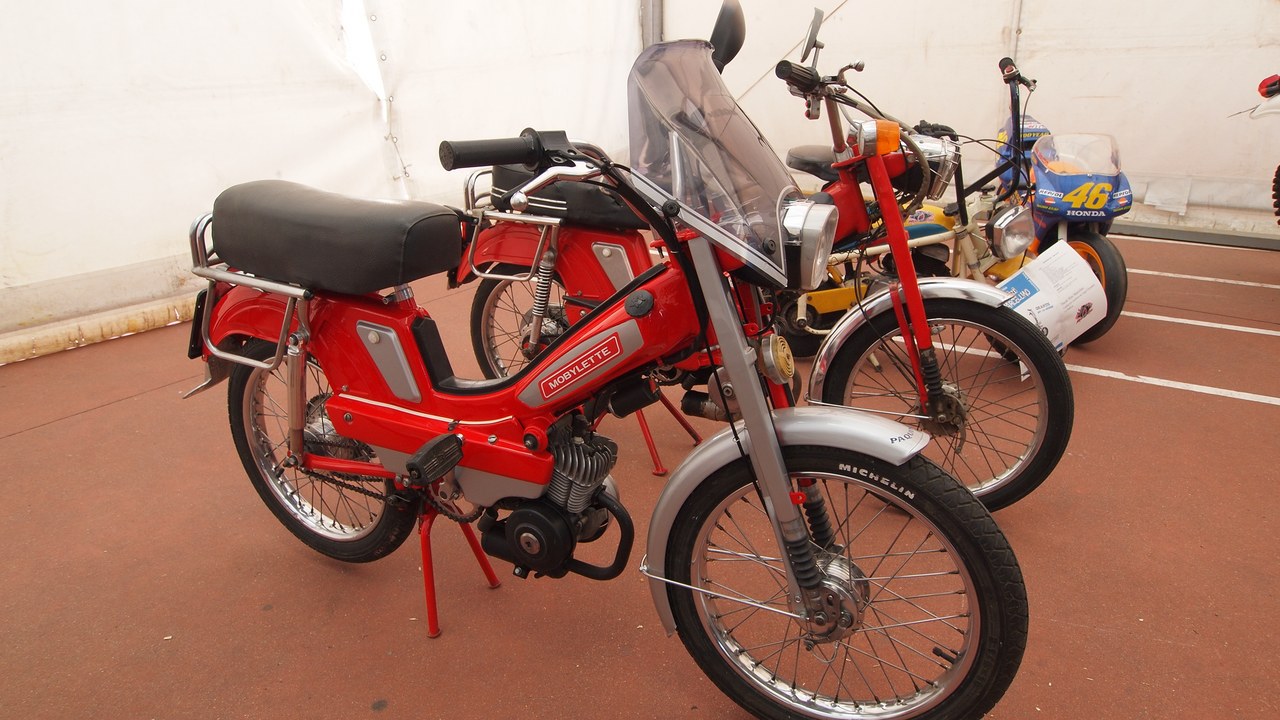
French manufacturer Motobécane launched the Mobylette moped line in 1949 and kept building it until 1997, selling more than 14 million units across nearly half a century of continuous manufacture.
Its name became a generic French word for any moped, the way a brand can eclipse the category it created, and postal workers, farmers and students alike relied on it long after flashier Italian scooters had gone out of fashion. Millions were built over a production run that stretched across four decades of French road transport.
10. VéloSoleX: The Bicycle That Motorized France
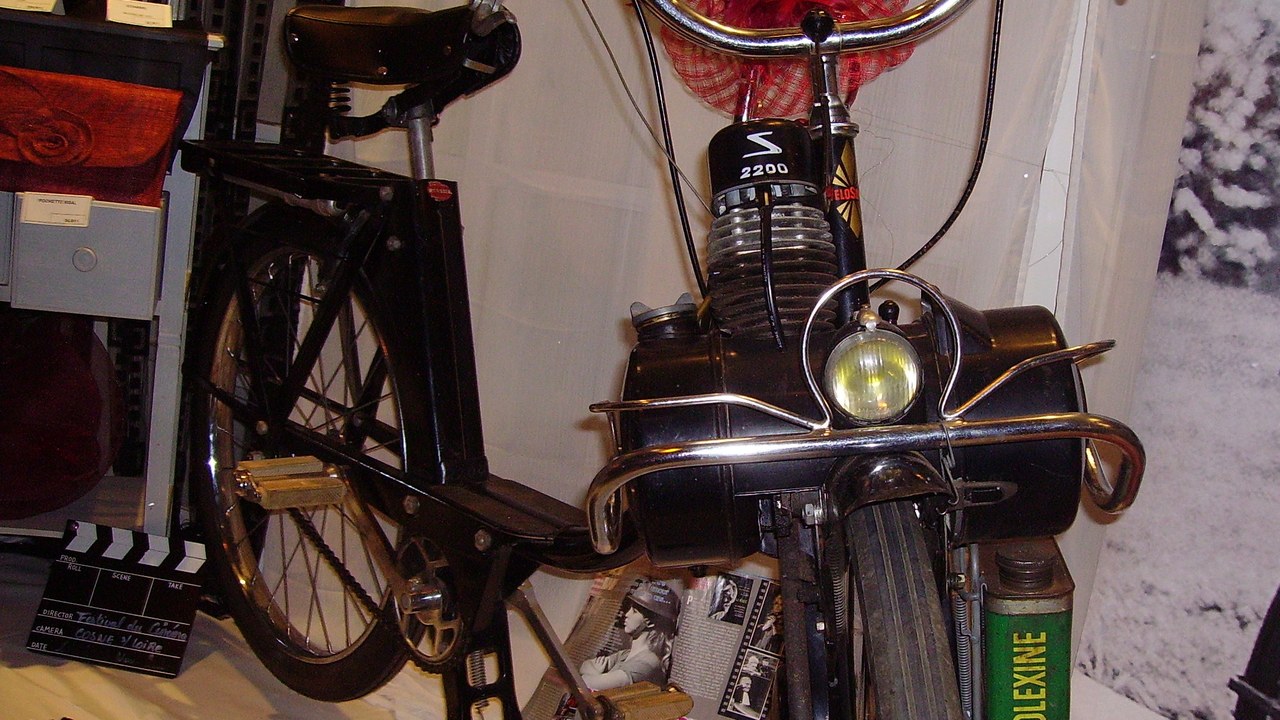
Designed during the Second World War and mass-produced from 1946 to 1988, the VéloSoleX motorized bicycle became one of the defining ways ordinary French families got around for four decades.
A small friction-drive engine sat over the front wheel and spun the tire directly, a crude but cheap layout that needed no chain or transmission, and its simplicity let generations of riders repair one with basic tools rather than a mechanic. Production ran from the 1940s into the 1980s, and the design has been revived several times since.
More from Morning Overview
- The NSA is again telling phone owners to switch off one location setting
- Four U.S. startups fired up their first small nuclear reactors, aiming to power AI data centers on-site
- 11 engines built to run well past 200,000 miles
- A handful of car transmissions are so tough that mechanics say they almost never die
