
Farming ran on human and animal muscle for most of history, until a run of machines rewired how food reached the table. A steel plow that shed sticky prairie soil, a reaper that outran the scythe, and tractors that undercut each other on price all pushed acreage and output upward in turn. Here are twelve machines that changed how food is grown.
1. Fordson Model F: The Price Cut That Started a War
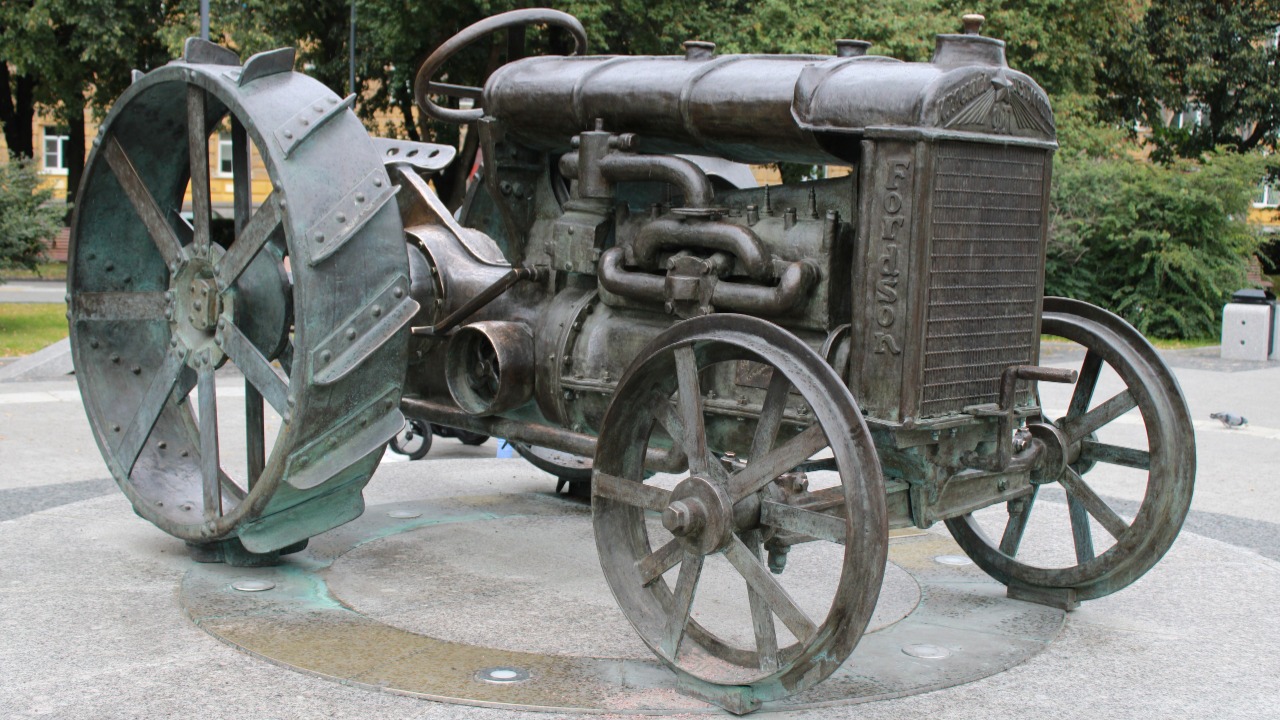
Henry Ford applied assembly-line pricing to farm equipment, and the effect on the industry was immediate: he slashed the Fordson’s sticker price from $625 to $395 in February 1922, undercutting nearly every rival tractor maker overnight and forcing the entire market to react.
Competitors scrambled to match the cut or quietly exit the business altogether, and by 1925 Ford had rolled its 500,000th unit off the line, proving mass production could make mechanized farming affordable to ordinary operations rather than just wealthy estates.
2. John Deere Model D: Three Decades on One Line
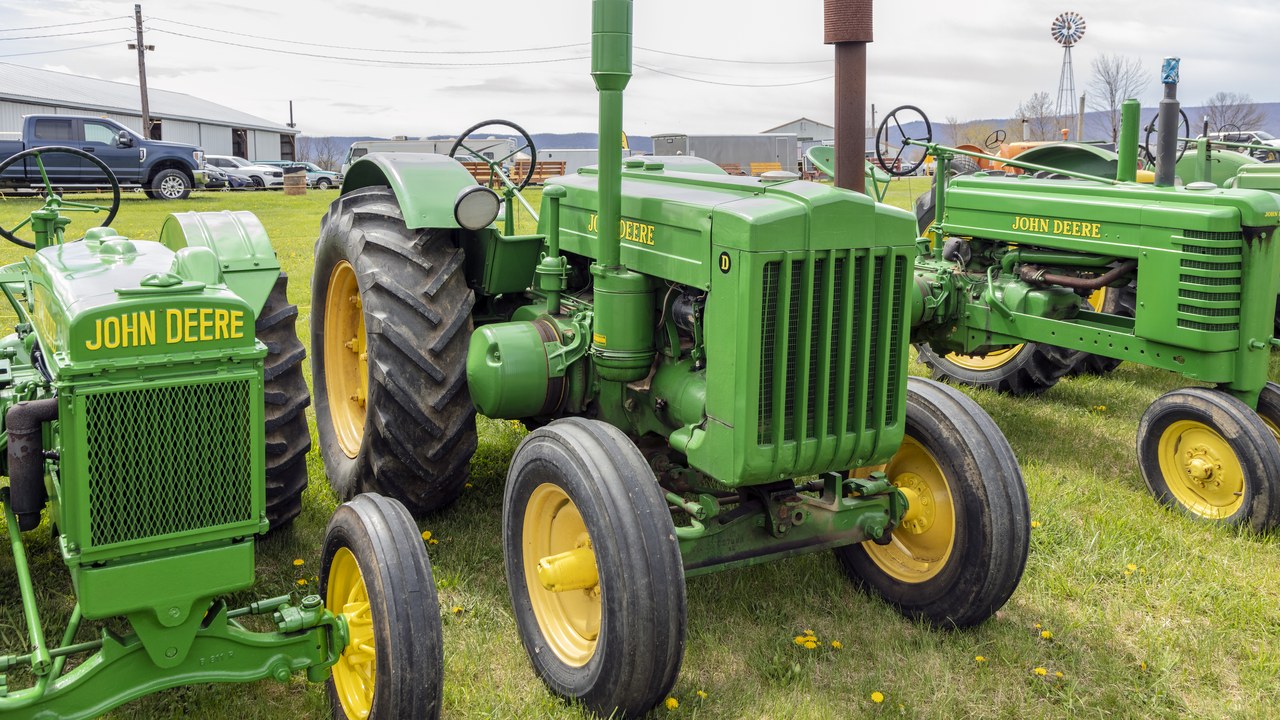
Most tractor designs cycled out of production within a few seasons as engineering moved fast, but the Model D stayed on the assembly line from 1923 all the way to 1953, an unmatched thirty-year run for any tractor John Deere ever built.
That unusual longevity let dealers, mechanics, and farmers build deep, practical familiarity with a single reliable machine, cutting repair time and parts costs across an entire working generation of Midwestern grain and livestock operations. Owners passed the same tractor down within families, and surviving examples still turn up at threshing shows in working order.
3. Farmall Regular: Built to Beat a Rival
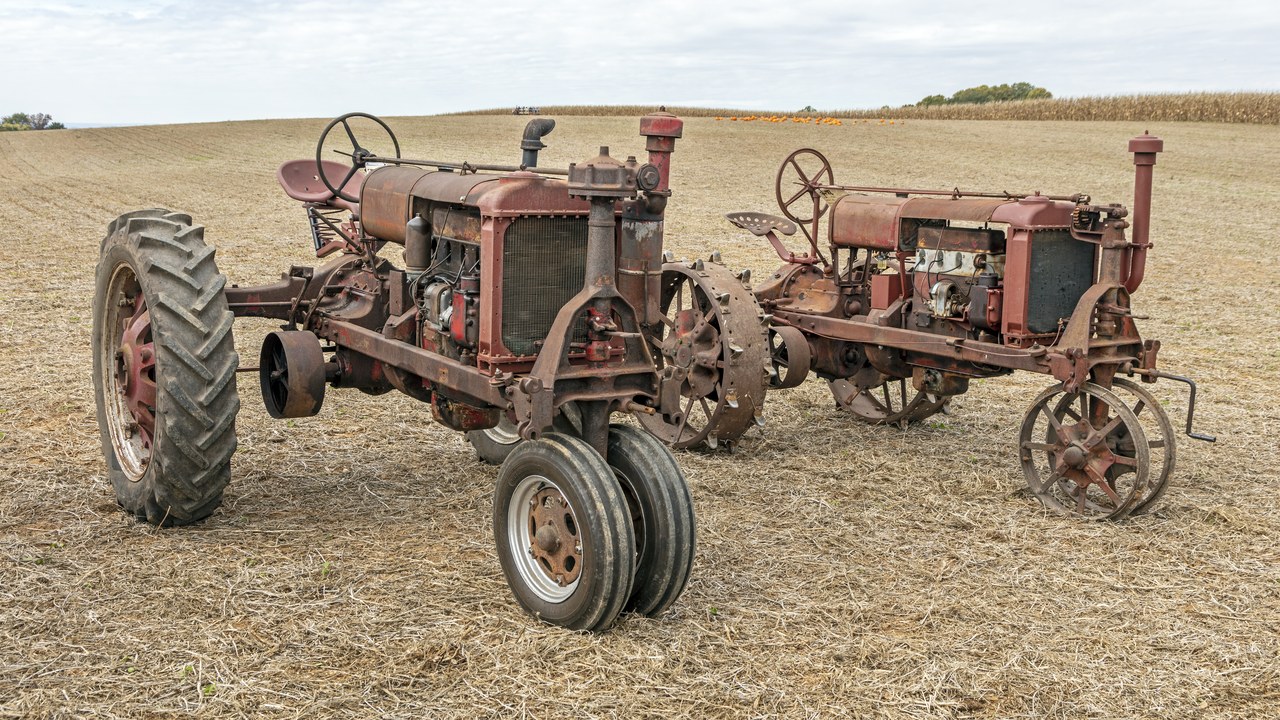
International Harvester designed this machine specifically to answer Fordson’s aggressive price war, and the Farmall Regular launched in 1924 as a true row-crop tractor able to cultivate between growing plants as easily as it could plow open ground.
The strategy paid off decisively: more than 134,000 units had sold by 1931, a sales pace that helped push horse-drawn cultivation toward near extinction on commercial American farms within a single working decade. The row-crop layout it established became the template nearly every competitor copied within a few seasons.
4. Ferguson TE20: The Hitch Every Tractor Copied
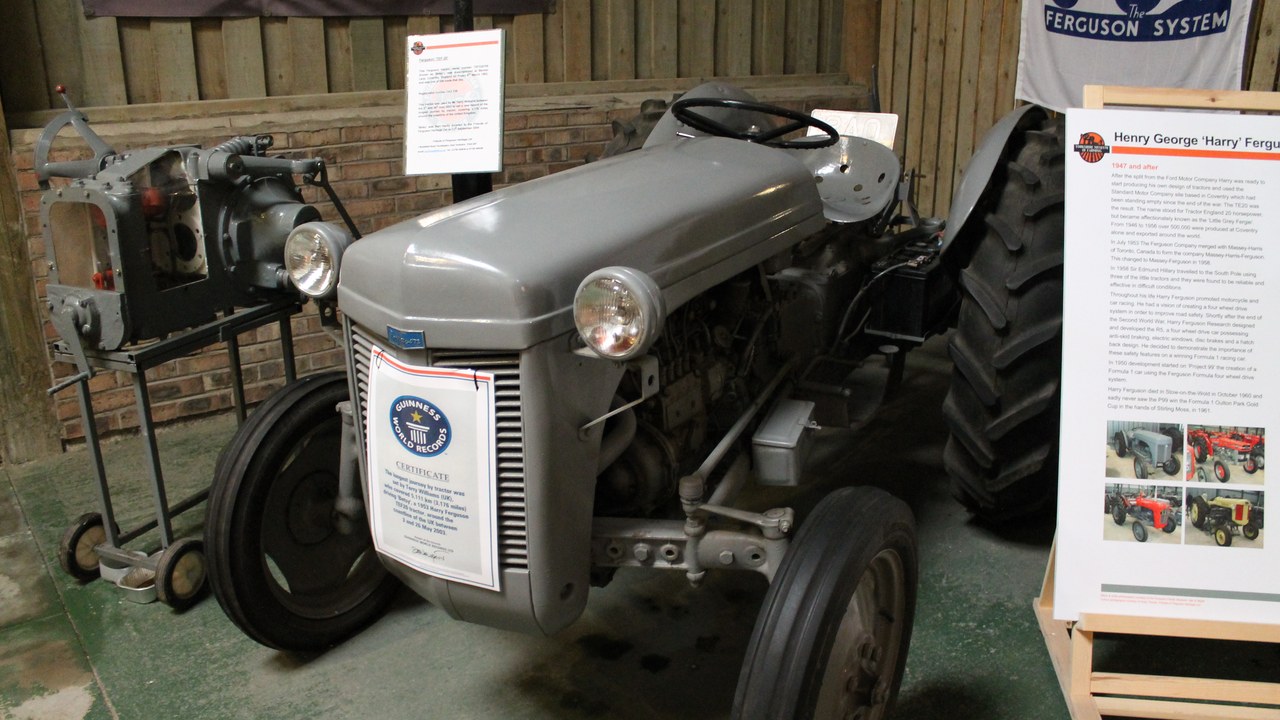
Nicknamed the ‘Little Grey Fergie’ by the farmers who ran it on both sides of the Atlantic, the TE20 carried Harry Ferguson’s hydraulic three-point hitch into everyday use, letting one lever raise and lower attached implements instead of manual hitching done entirely by hand.
Rival manufacturers ultimately adopted the same linkage design rather than try to compete against it directly, and the system became a worldwide standard still bolted onto tractors of nearly every make and size sold anywhere today.
5. Massey Ferguson 35: A Merger Wearing New Paint
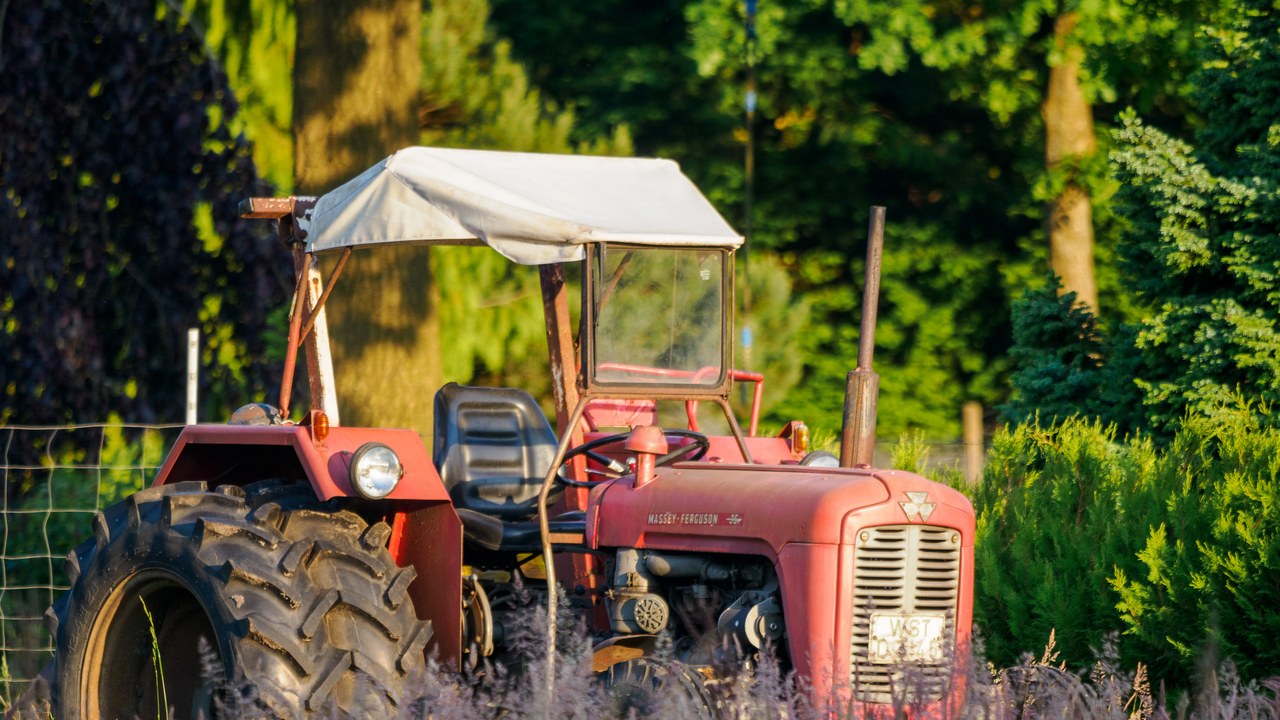
This machine marked the corporate fusion of two separate tractor lineages built an ocean apart: after Massey Harris merged with Ferguson’s operation, the MF35 badge formally replaced the older Ferguson name across dealer lots in 1957.
By that point 73,655 units had already left the factory floor under the earlier name, so the rebadging didn’t reset production from scratch, it simply folded an already-proven design into a much larger combined company’s lineup. Export demand kept the line in production across several countries, and the model remains a common sight on small holdings today.
6. McCormick reaper: The Scythe’s Replacement
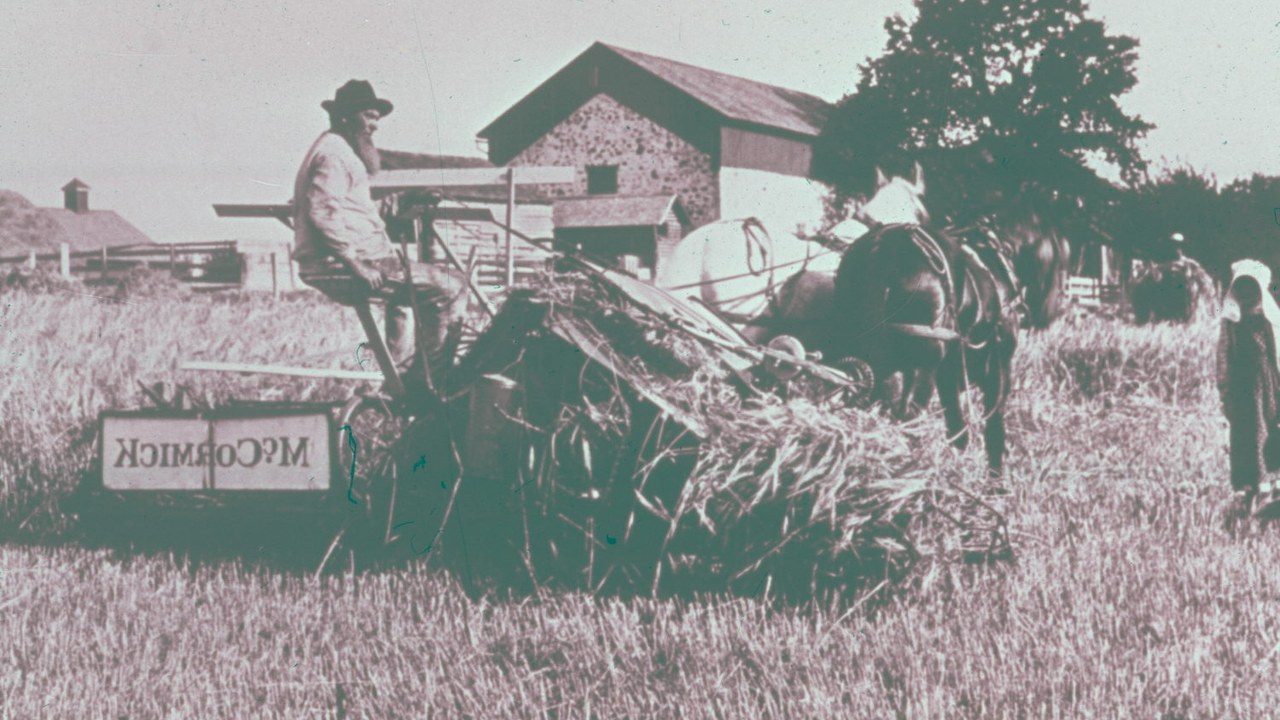
Before this machine existed, cutting a wheat field meant rows of laborers swinging scythes for days on end. The McCormick reaper, patented June 21, 1834, used a horse-drawn cutting blade to slice through standing grain at a pace hand tools simply couldn’t match.
The productivity jump rippled through nineteenth-century agriculture for decades, freeing farm labor for other seasonal work and pushing the total acreage a single family could realistically plant and harvest sharply upward. The firm that grew out of it was eventually folded into International Harvester, carrying the reaper’s name into the next century.
7. Combine harvester: Two Jobs Became One Pass
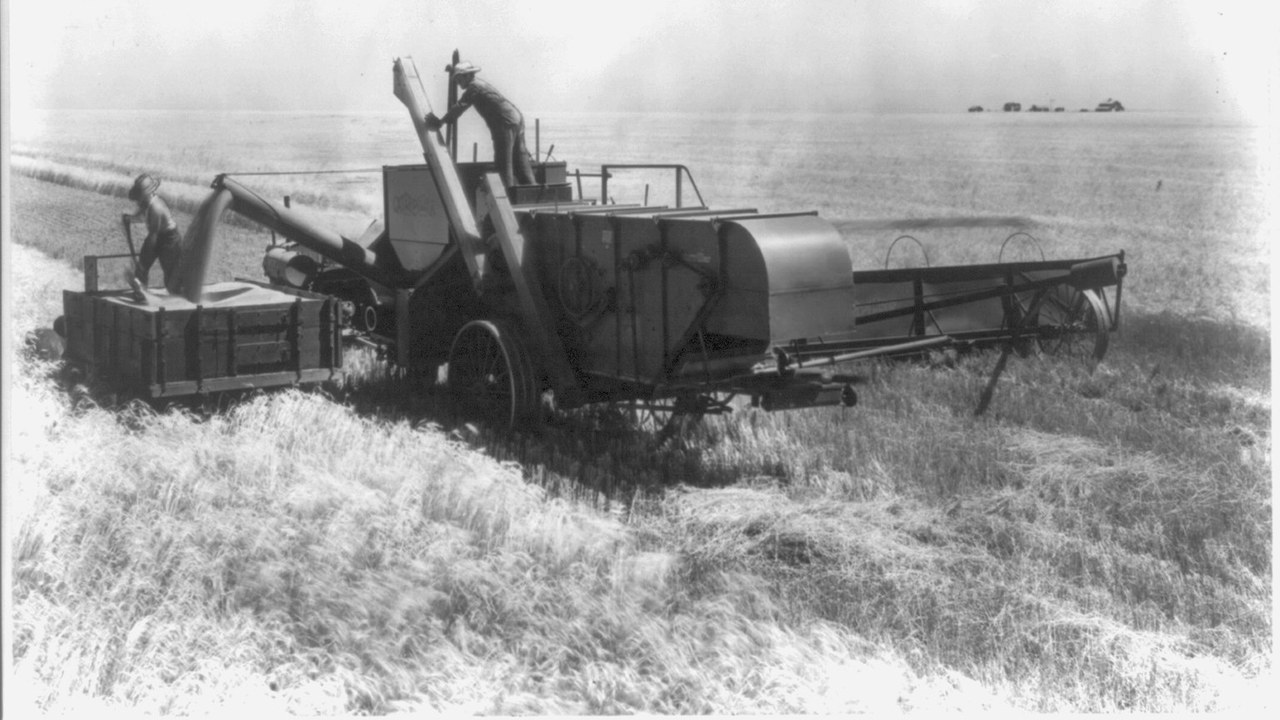
Reaping and threshing had always been separate operations requiring entirely separate pieces of equipment, until Case and John Deere introduced tractor-pulled combines during the 1920s, each one carrying its own second onboard engine for the threshing mechanism.
Merging the two separate steps into a single pass across the field cut harvest labor dramatically for grain farmers everywhere, and it set a mechanical template that combine harvesting still largely follows nearly a century later. Early machines were dragged by horse teams or steam engines before self-propelled versions took over after the Second World War.
8. J. I. Case steam traction engine: Steam Power Before the Engine
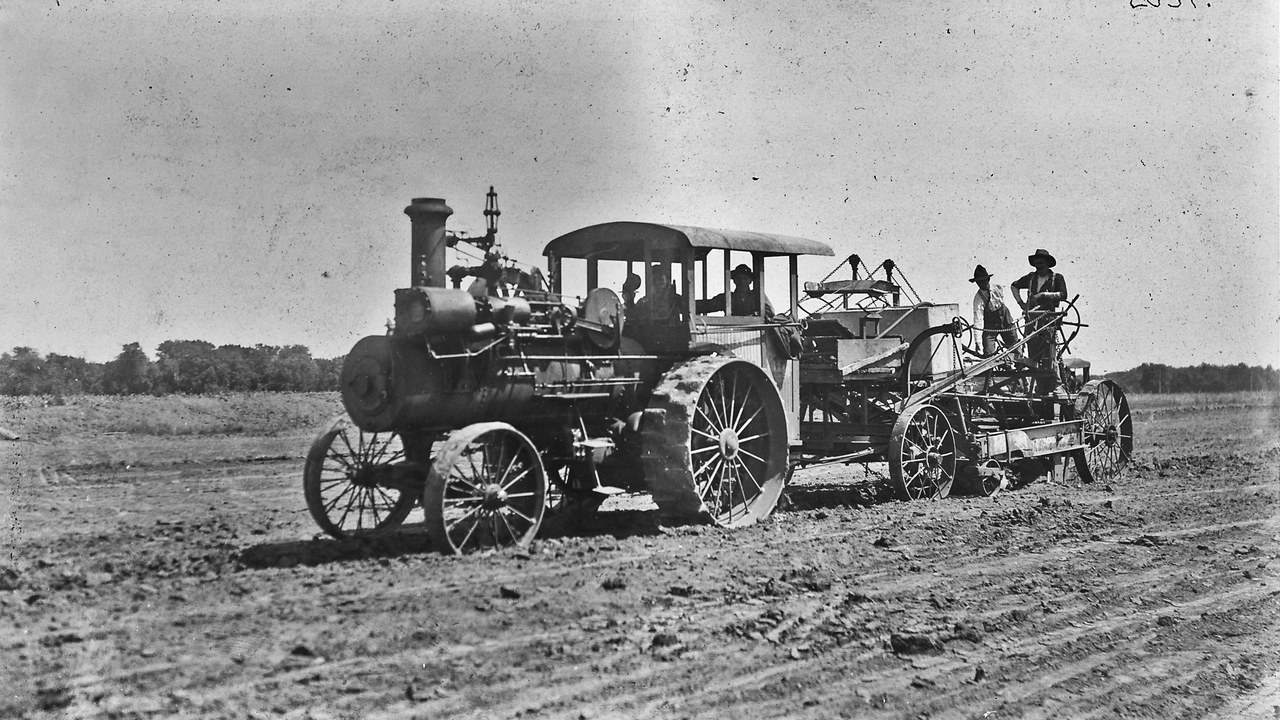
Decades before gasoline tractors came to dominate American fields, steam power did the heaviest pulling: the J. I. Case Threshing Machine Company built a total of 36,000 steam traction engines, each one instantly recognizable by its eagle smokebox cover.
Case kept manufacturing them right up until 1927, when the company finally shifted its entire production line over to gasoline-powered tractors instead, closing out the steam era on American farms for good after decades of dominance. Preserved examples are still steamed up at heritage shows, where their sheer bulk explains why they once dominated threshing work.
9. International Harvester Titan: A Brand War That Merged Itself
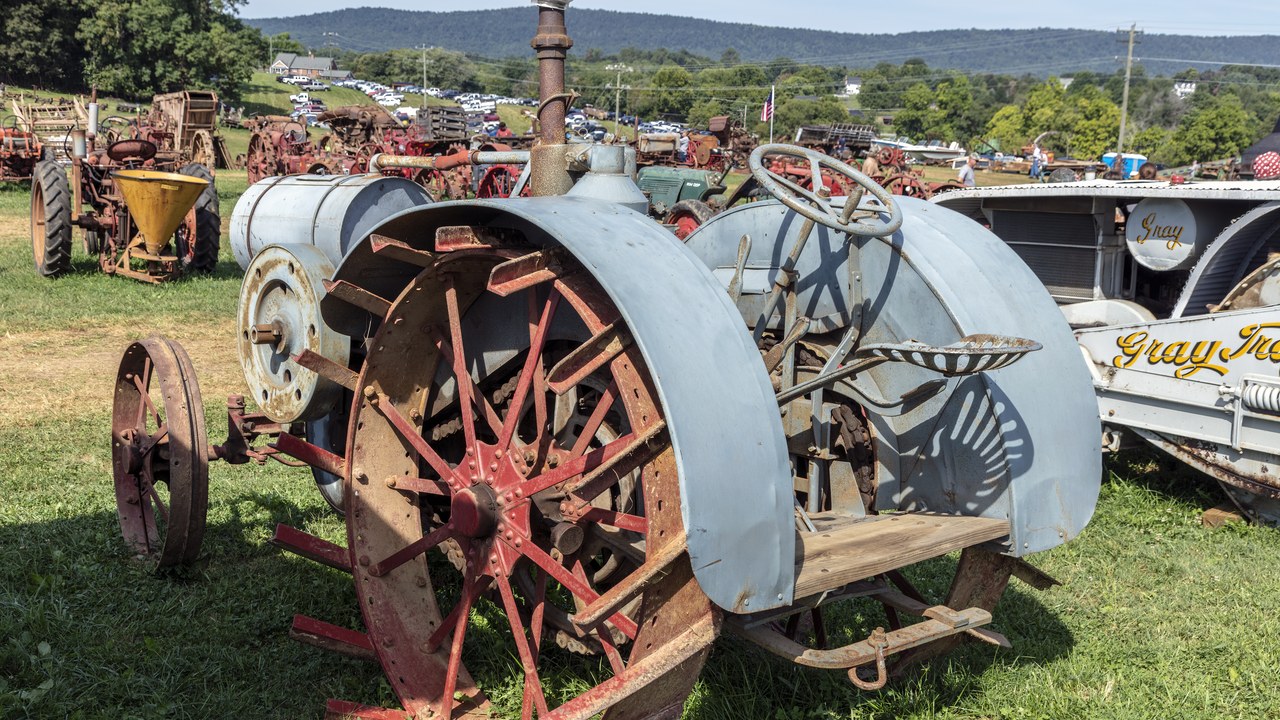
For two decades, farmers effectively picked a side in a quiet brand rivalry: the Titan line, sold through Deering dealerships beginning in 1902, competed directly against McCormick’s rival Mogul tractors, even though both brands answered to the same parent company.
That internal rivalry finally ended in the early 1920s when both competing brands were folded into the single Farmall line, consolidating International Harvester’s entire tractor business under one unified identity and dealer network nationwide. Surviving Titans are collector pieces now, prized for the exposed flywheel and open drivetrain that marked tractors of the era.
10. Cotton picker: The Machine That Ended Hand-Picking
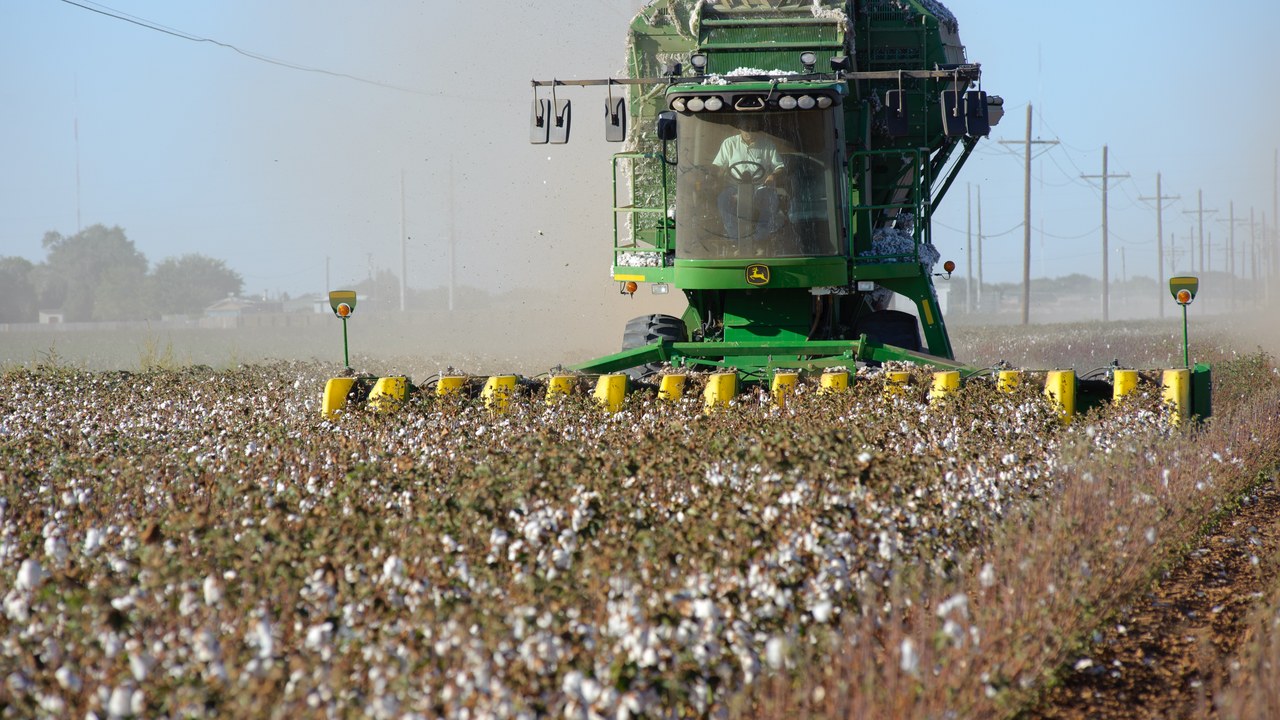
Cotton had resisted mechanization far longer than grain crops had, since the fiber needed to be pulled cleanly from the plant without damaging it. International Harvester’s 1944 mechanical cotton picker finally solved that problem on a commercial scale.
Its success ended generations of dependence on hand-picking labor across the American South, reshaping both the underlying economics of cotton farming and the rural workforce that had long depended on that seasonal labor. Mechanical pickers now bring in nearly the entire American crop, and the hand-picked bale has all but vanished from commercial fields.
More from Morning Overview
