
“Woodie” cars once relied on real structural timber, not the vinyl decals that later imitated the look. Coachbuilders framed doors, tailgates and even entire chassis in ash, birch and plywood, prizing the material’s light weight and easy shaping before steel stamping made it obsolete. Here are eight cars that carried genuine wood into their bodywork or frame.
1. Chrysler Town & Country (1941–1950): The Original American Woodie
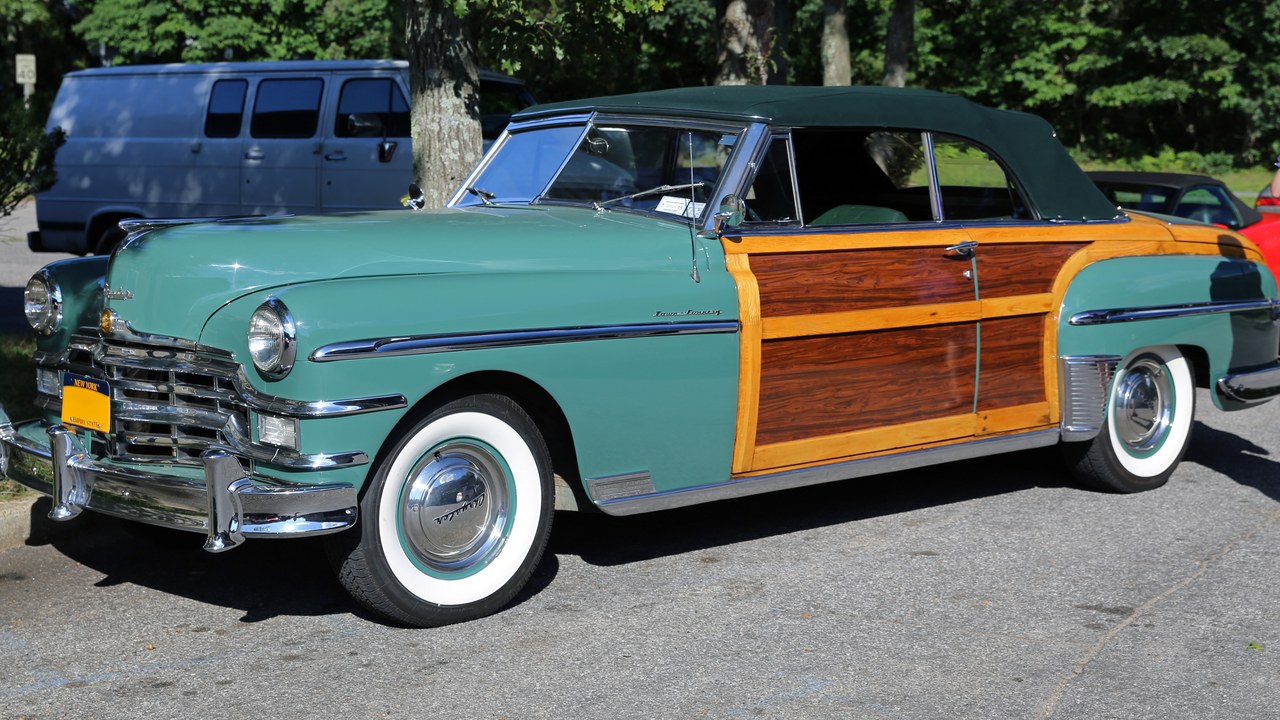
Chrysler framed the first Town & Country in genuine white ash between 1941 and 1950, fitting mahogany-veneer panels directly into the wood skeleton rather than bolting trim onto steel. That structural ash framework carried real load, making the car the model most credited with defining the American woodie style before postwar factories abandoned it.
Keeping the finish presentable meant sanding and revarnishing the exposed wood every year, and rot along the frame joints was a constant threat in wet climates. Chrysler switched to steel bodies with painted woodgrain trim by 1951, once the labor cost of hand-fitted lumber outpaced what buyers would pay.
2. Packard Station Sedan: Steel Doors, Wooden Tailgate
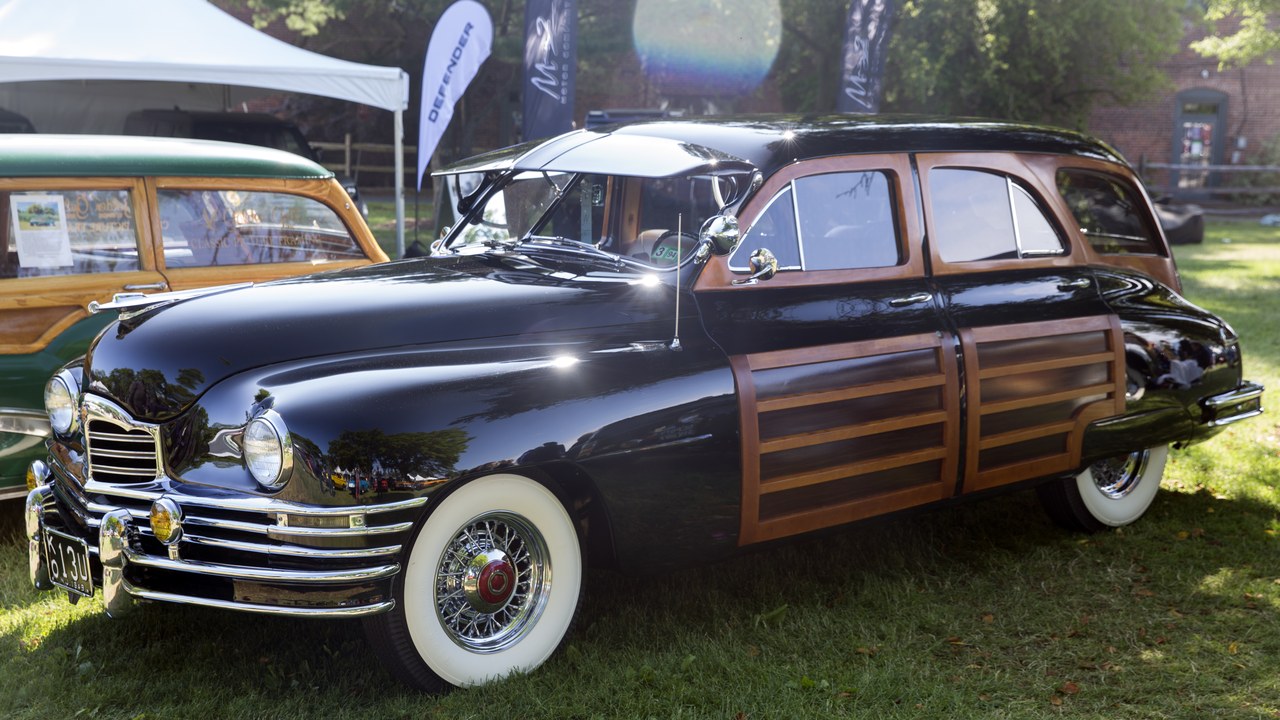
Packard’s Station Sedan, built only from 1948 to 1950, bolted structural northern-birch panels onto a steel subframe while keeping the doors themselves stamped from steel. The birch wood paneling wrapped the body’s flanks and roof rails, leaving the rear tailgate as the only door on the car built entirely from timber.
Buyers found the hybrid construction heavier and pricier to maintain than an all-steel wagon, and the birch panels still needed the same seasonal varnishing as a full woodie. Packard dropped the Station Sedan after barely two years once demand for genuine wood bodywork collapsed industry-wide.
3. Morgan Plus Four: Still Built On Ash Today
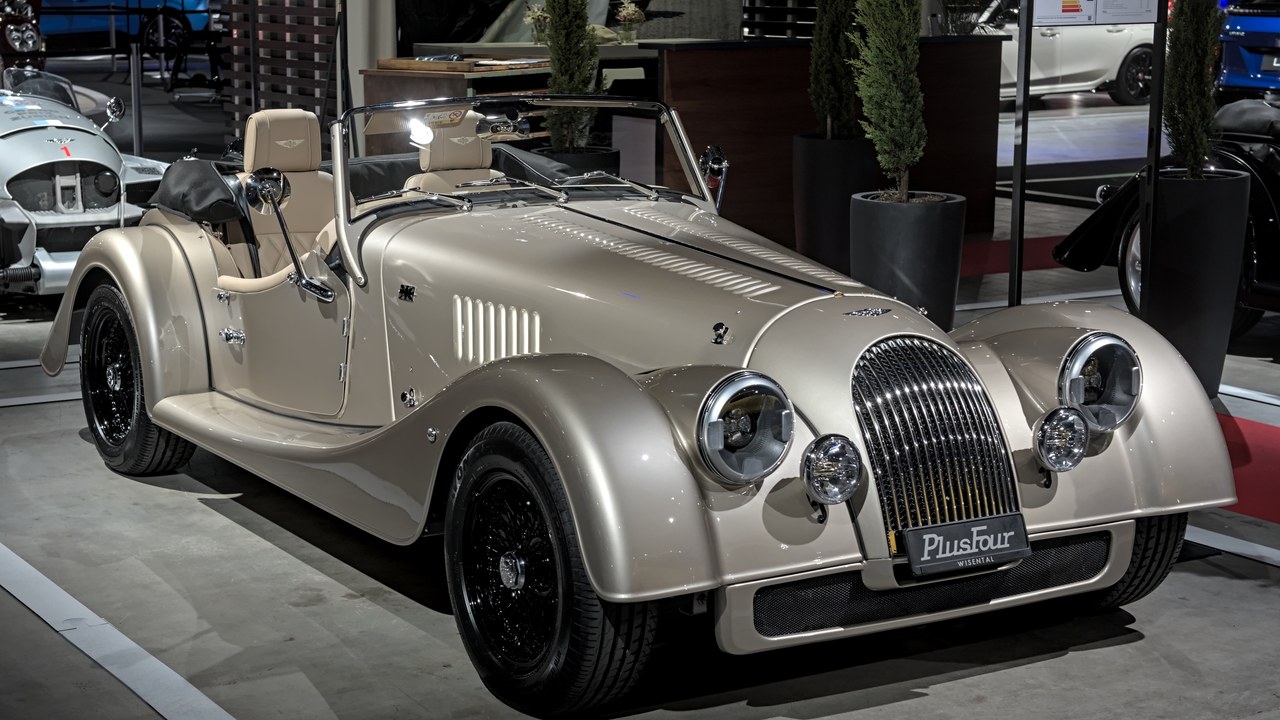
Morgan has never stopped building a wood frame into the Plus Four, and the current generation, produced since 2020 on the bonded-aluminium CX platform, still gets its body mounted onto a structural ash timber frame. Workers in Malvern hand-shape each frame piece before the aluminium panels are skinned over it.
Ash flexes with road shocks in a way steel cannot, which is part of why Morgan has kept the method for more than a century rather than as a nostalgia gesture. Owners are still warned to keep the frame dry, since untreated ash rots the same way it did in 1936.
4. Marcos 1800 GT: A Plywood Racing Chassis
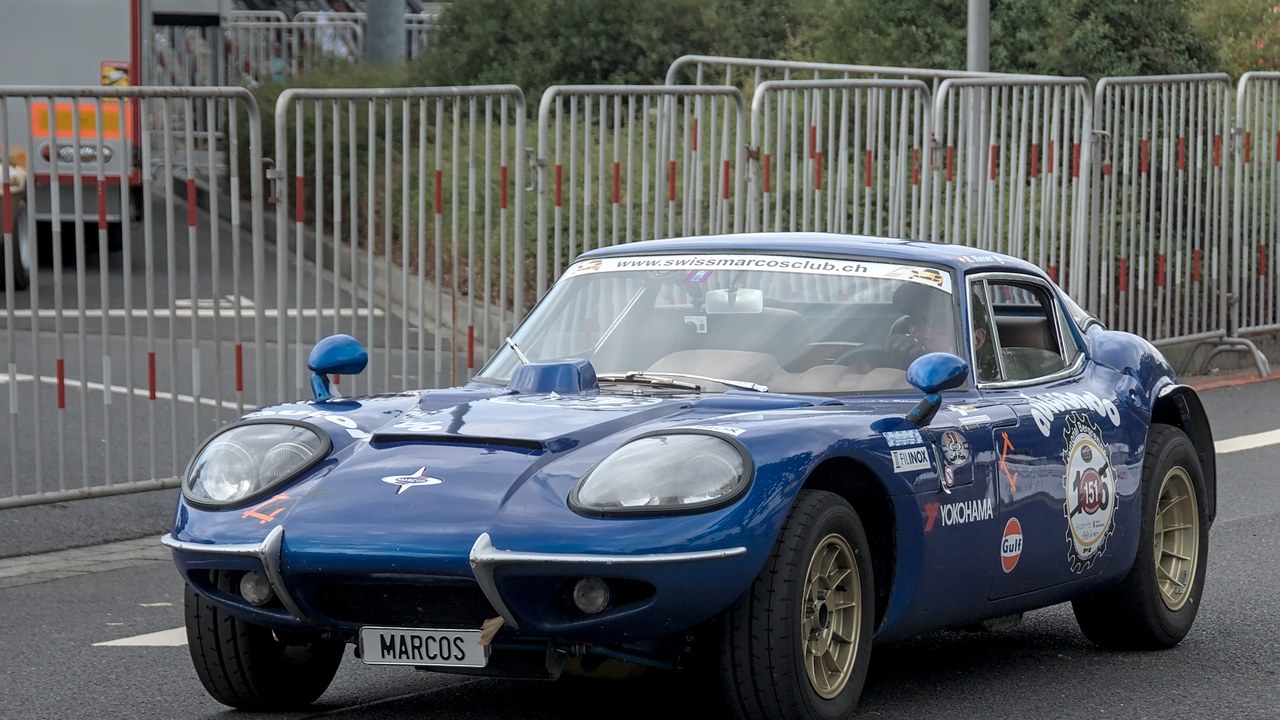
Marcos launched the 1800 GT in 1964 with a chassis built from laminated sheets of 3mm marine plywood, glued and shaped instead of welded from steel tube. The plywood chassis design proved stiff enough that cars built on it still compete under FIA historic racing rules today.
Marine plywood resists the swelling that ruined lesser wood parts, but the chassis still had to be sealed and inspected for delamination after years of racing stress. Marcos eventually moved later models to steel and fiberglass as production scaled up and glued-wood construction became harder to certify.
5. Buick Roadmaster Estate Wagon: Detroit’s Last Wood Wagon
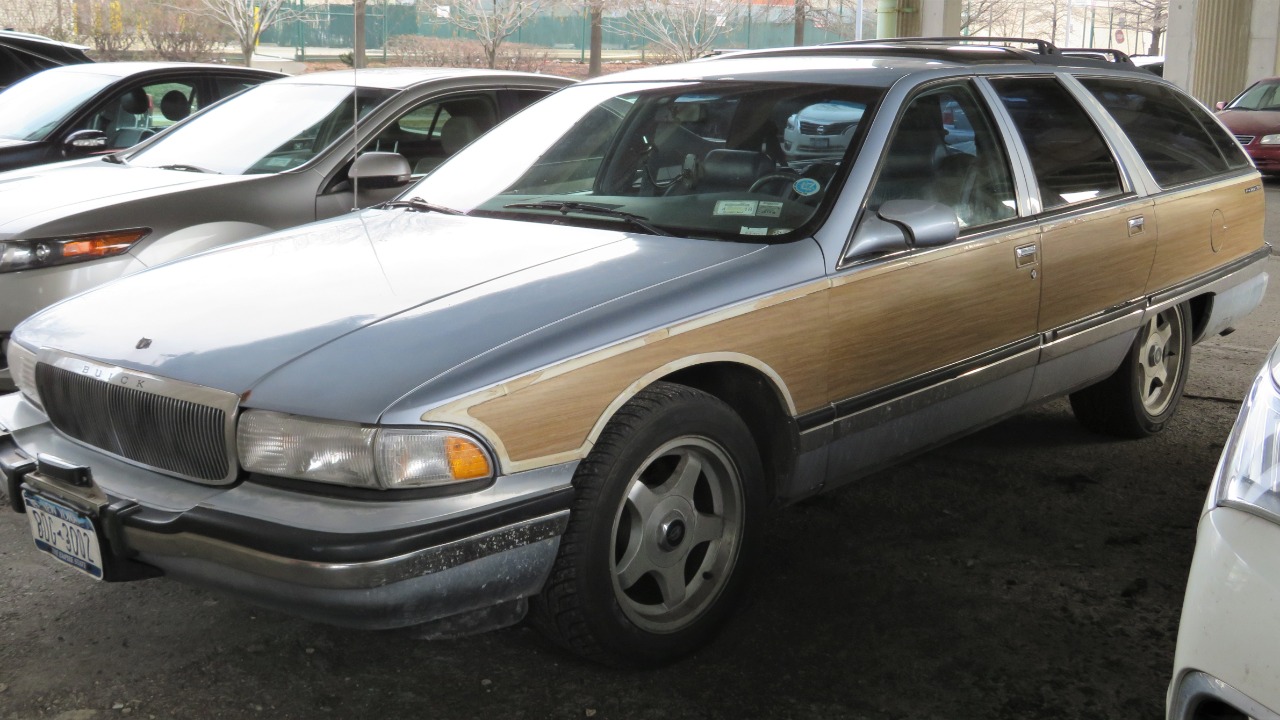
Ionia Manufacturing bodied the 1953 Roadmaster Estate in genuine structural wood, building only 670 examples before the model became the last wood-bodied station wagon mass-produced in the United States. The wood-paneled estate body used hardwood framing around a steel understructure rather than a painted-on imitation.
Hand-fitting and varnishing that much timber made each wagon costly to build and even costlier to keep looking presentable through a harsh Midwestern winter, since untreated joints swelled and cracked within a few seasons. Buick retired the wood body a year later, switching to all-steel wagons with decorative trim instead.
6. Ford Country Squire (1950–1951): Built At Ford’s Own Wood Plant
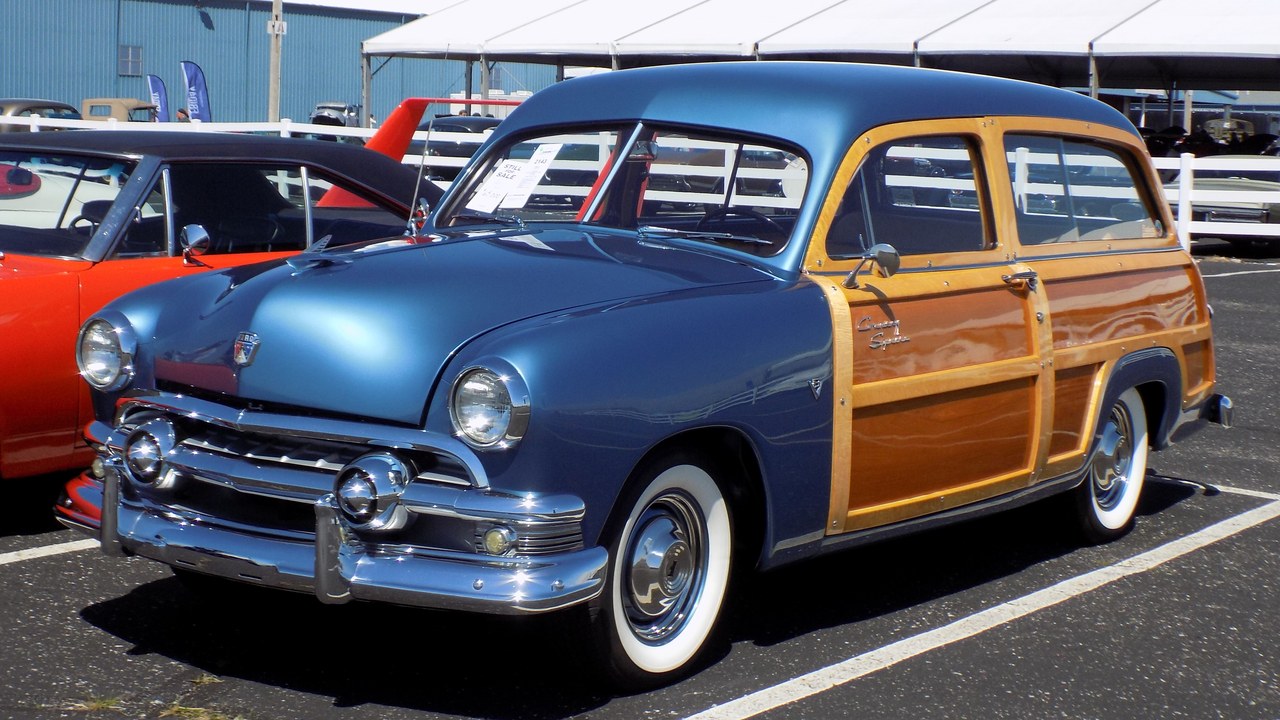
Only the first-generation Country Squire, sold for the 1950 and 1951 model years, was a genuine woodie, with its body panels crafted at Ford’s own Iron Mountain, Michigan mill from company-grown timber. The Iron Mountain wood body used maple and birch harvested and milled on Ford-owned land before shipment to the assembly line.
Owning that timber supply let Ford control cost better than rivals, but the panels still needed regular refinishing to resist checking and rot in the open air. Ford switched to steel bodies with painted woodgrain decals in 1952 and never built a genuine wood Country Squire again.
7. Morris Minor Traveller: An Ash Frame In Plain Sight
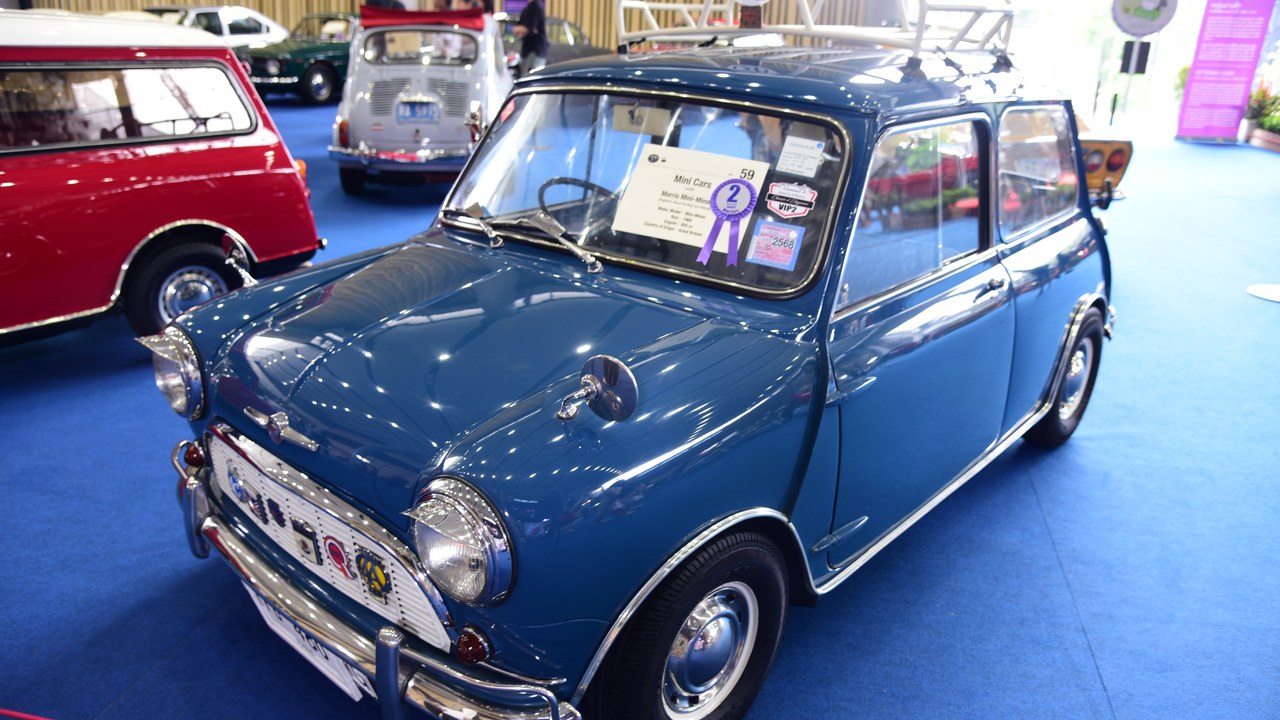
Introduced in October 1953, the Morris Minor Traveller built its rear bodywork around a genuine ash wood frame left visible on the car’s exterior rather than hidden under sheet metal. The ash frame structure supported the load area and tailgate on every Traveller estate that left the factory.
Because the timber sat exposed to weather rather than sealed inside a body shell, owners had to treat and inspect it regularly to stop rot from spreading into the joints. The Traveller nonetheless stayed in production for well over a decade, longer than most true woodies survived elsewhere.
8. Costin Amigo: A Mosquito Bomber’s Design Legacy
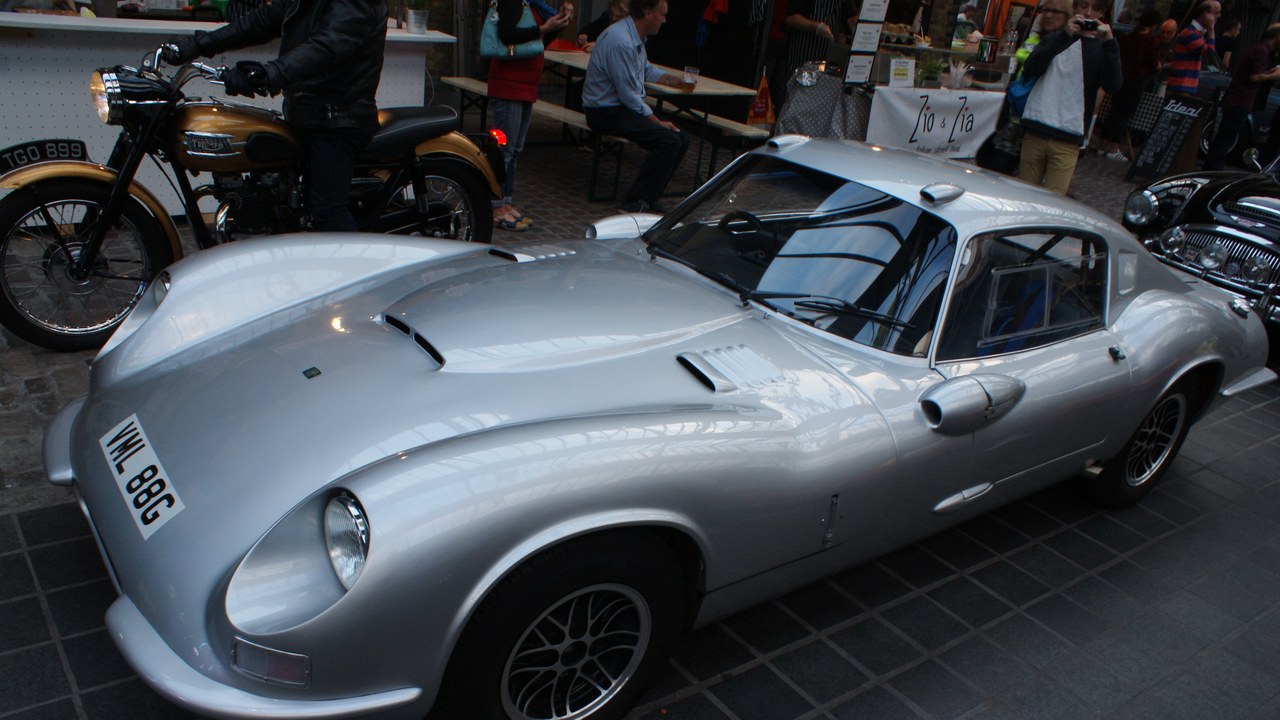
Frank Costin, who had developed plywood monocoque construction while working on the de Havilland Mosquito bomber, carried that method into the road-going Costin Amigo, whose chassis is built from timber and plywood rather than steel tube. The plywood monocoque chassis gave the low-volume sports car aircraft-grade stiffness for its weight.
Costin’s wartime background meant the technique was proven at scale before it ever reached a car, but the Amigo remained a rare, hand-built machine rather than an industry standard. Few examples were made, and the plywood-chassis approach never spread beyond a handful of specialist British builders.
More from Morning Overview
- Supplements now rank as the fifth-leading cause of death from liver disease.
- The NSA is again telling phone owners to switch off one location setting
- Four U.S. startups fired up their first small nuclear reactors, aiming to power AI data centers on-site
- 11 engines built to run well past 200,000 miles
