
An airliner parked at a gate looks idle, but the ramp around it fills with specialized vehicles the moment the engines shut down. Each one exists to do a single job the jet cannot do for itself, from moving it without power to feeding, fueling and servicing it before the next departure. Here are eight machines that keep a turnaround on schedule.
1. Pushback tractor: Shoves the Jet Backward
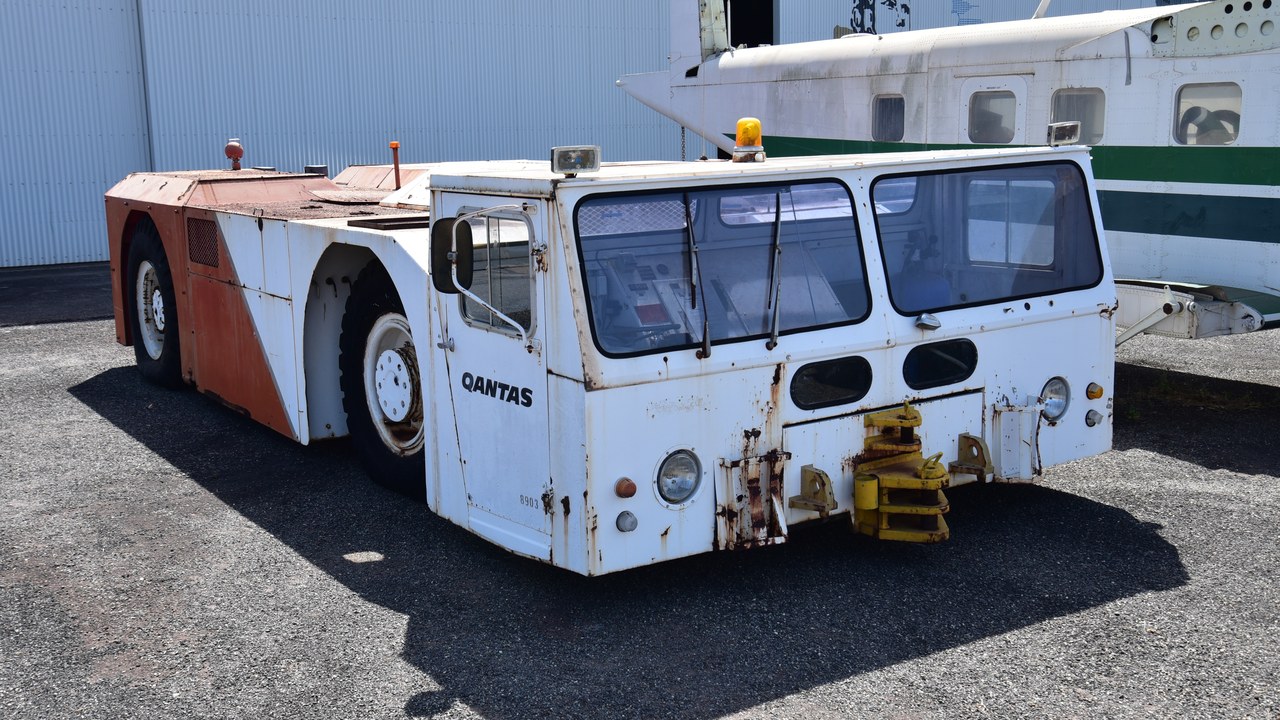
Most airliners have no reverse gear for their main engines, so a low, squat towbarless tug clamps onto or lifts the nose wheel and physically shoves the aircraft away from the gate before the pilots ever spool up the engines for taxi.
Reversing under engine power would blast the terminal building and any nearby ground crew with jet exhaust, so the tractor stays connected until the aircraft clears the gate area, then disconnects and rolls clear so the pilots can take over and taxi toward the runway on their own power.
2. Deicing truck: Blasts Ice Off the Wings
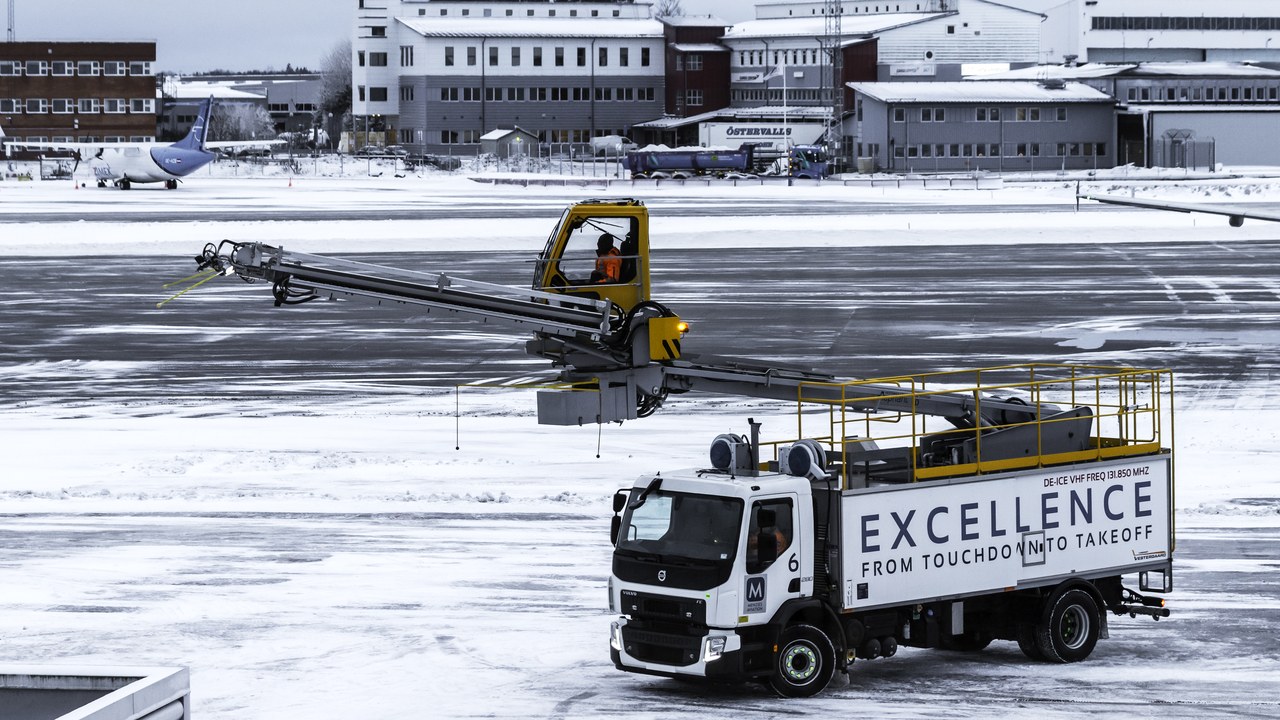
A cherry-picker boom lifts an operator high over the fuselage so the truck can spray heated deicing fluid under pressure across the wings, tail and control surfaces, stripping away frost and snow that would otherwise disrupt the smooth airflow a wing depends on to generate lift.
Airlines treat the glycol coating as a countdown clock rather than a permanent fix, since its protection against refreezing breaks down within a set window in cold, wet weather, and any delay past that window forces ground crews to call the truck back for a second application before the jet can depart.
3. Mobile airstairs: Rolls Up a Staircase
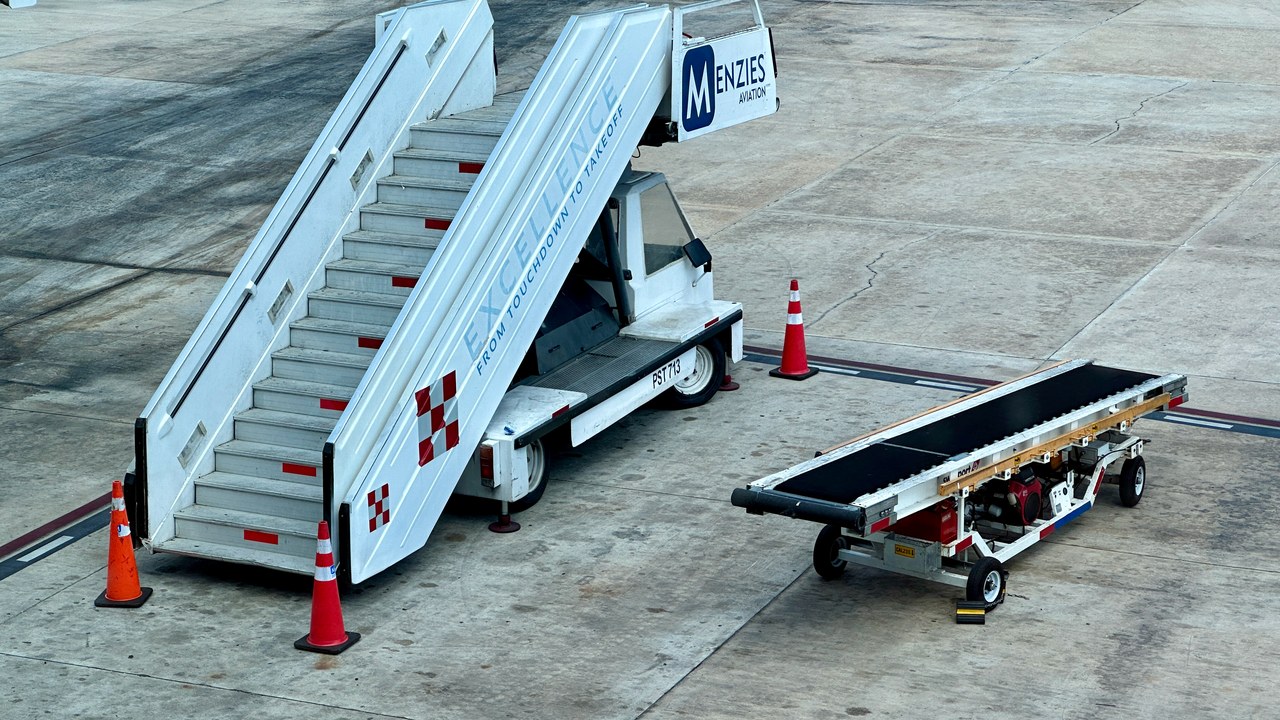
Where no jet bridge reaches the gate, ground staff drive a wheeled stair truck directly against the cabin door so passengers and crew can climb aboard or step down onto the open tarmac rather than through an enclosed jet-bridge tunnel connected to the terminal.
Budget carriers and smaller regional airports lean on these stairs constantly, since buying and maintaining a fixed bridge at every single gate costs far more than keeping a handful of mobile units that can serve whichever aircraft type happens to park at that gate on a given day.
4. R-11 refueler: Pumps Fuel Straight Into the Wing
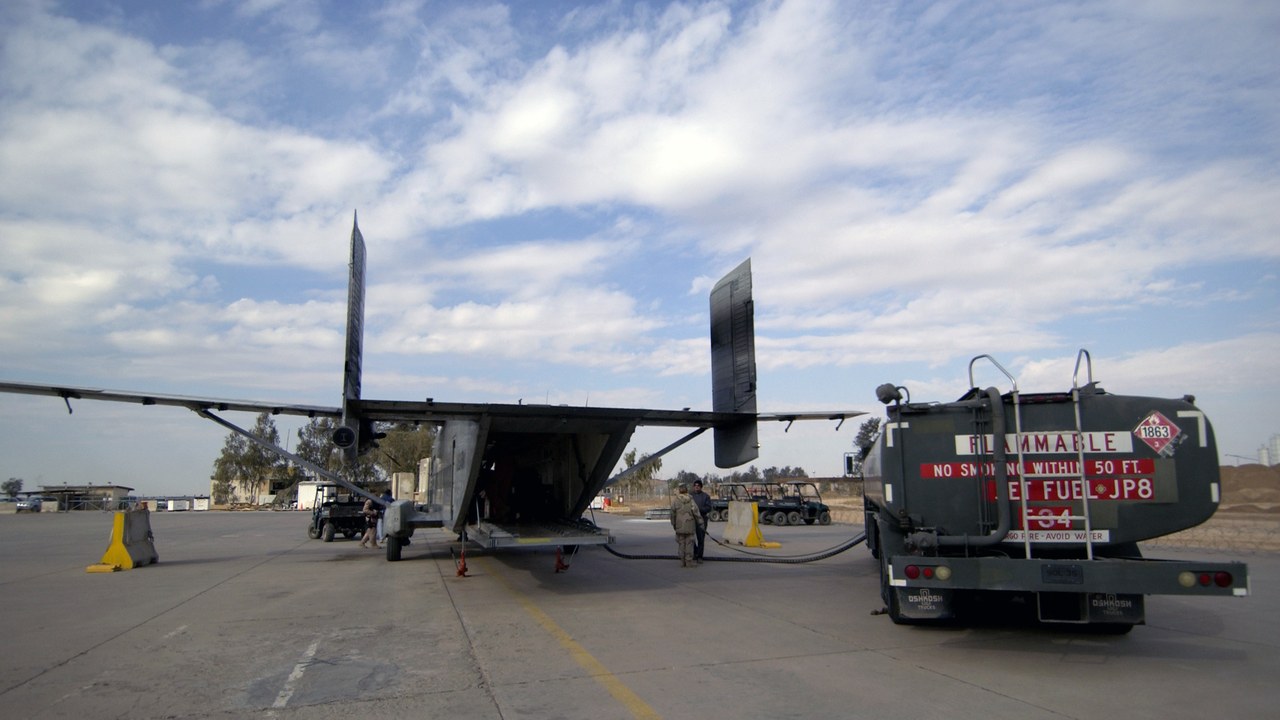
Instead of piping jet fuel through a buried hydrant system, this U.S. Air Force tanker truck parks beside a parked aircraft and pumps thousands of gallons of fuel directly into its tanks through hoses run out to the wing, one truck servicing one plane at a time.
Carrying its own onboard fuel load makes the truck mobile enough to reach aircraft parked on remote sections of the flight line where no hydrant piping was ever installed, which matters most on military ramps and smaller civilian airports without fixed underground infrastructure.
5. Belt loader: Conveys Bags Up to the Hold
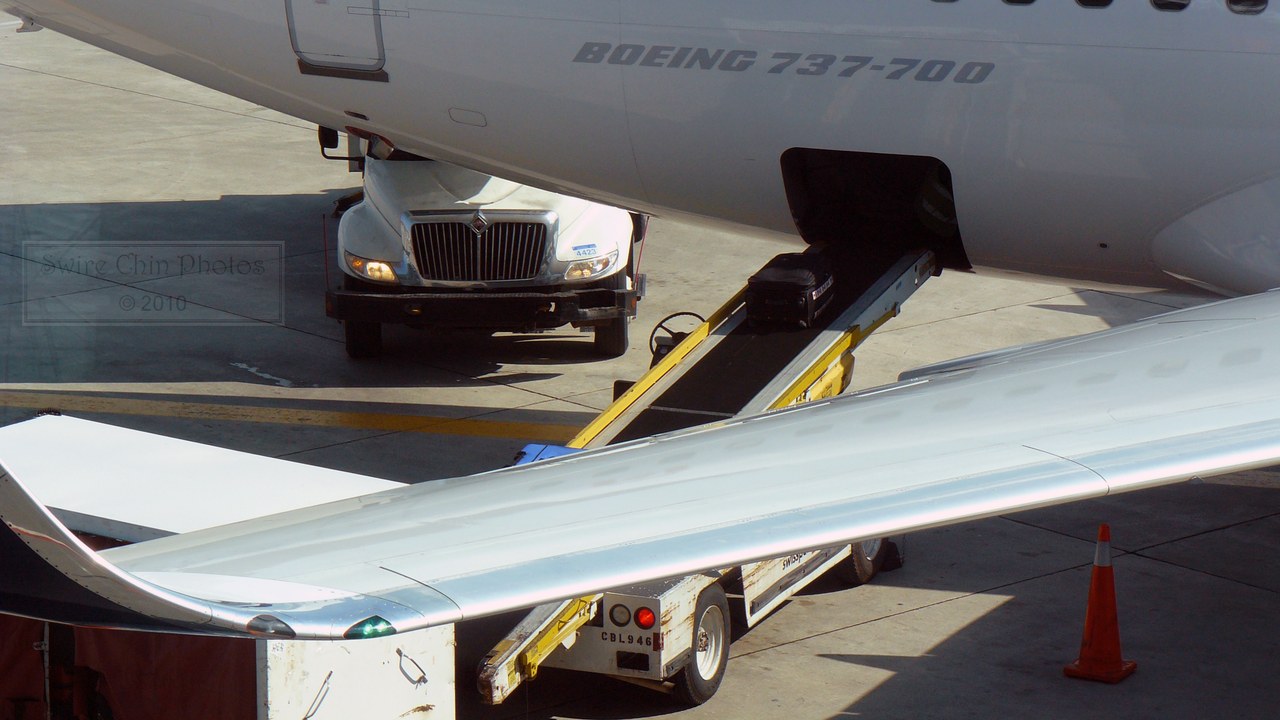
Ramp crews back this vehicle’s angled conveyor belt up to the cargo door and raise it to the sill, so loose baggage rides up mechanically into the hold instead of being hand-carried up a ladder one suitcase at a time by ramp agents working against the clock.
On narrow-body jets where bags load loose rather than packed into containers, the belt loader is what keeps baggage handling fast enough to hit a tight 30-to-40-minute turnaround, and a single broken belt loader at a busy gate can back up an entire afternoon’s departure schedule.
6. Ground power unit: Keeps the Cabin Running Without Engines
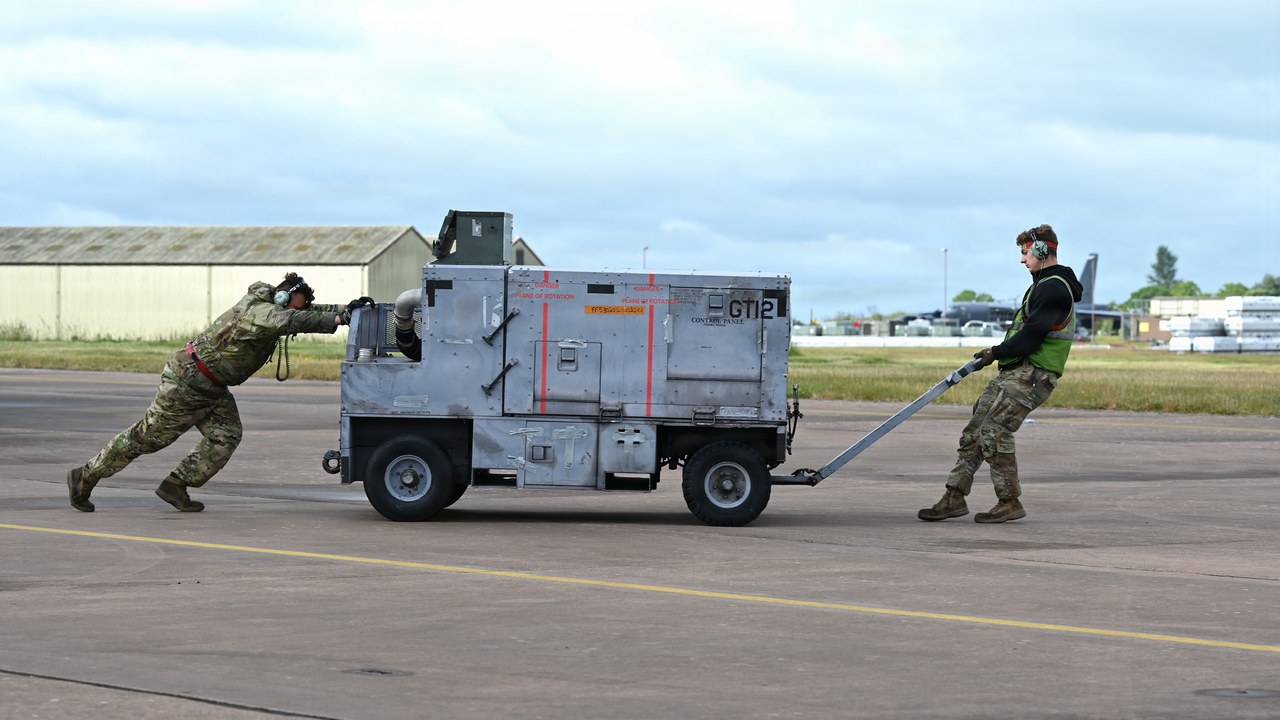
A cart or truck-mounted generator plugs into a receptacle near the nose gear and feeds the parked aircraft electrical power for cabin lighting, avionics, communications equipment and air conditioning while the jet sits at the gate loading passengers between two flights.
Running the aircraft’s own auxiliary power unit for the same job burns jet fuel and adds engine noise and exhaust right at the terminal, so a growing number of airports now require ground crews to plug into electric ground power instead of idling the APU throughout the entire turnaround window.
7. Lavatory service vehicle: Handles the Job No One Volunteers For
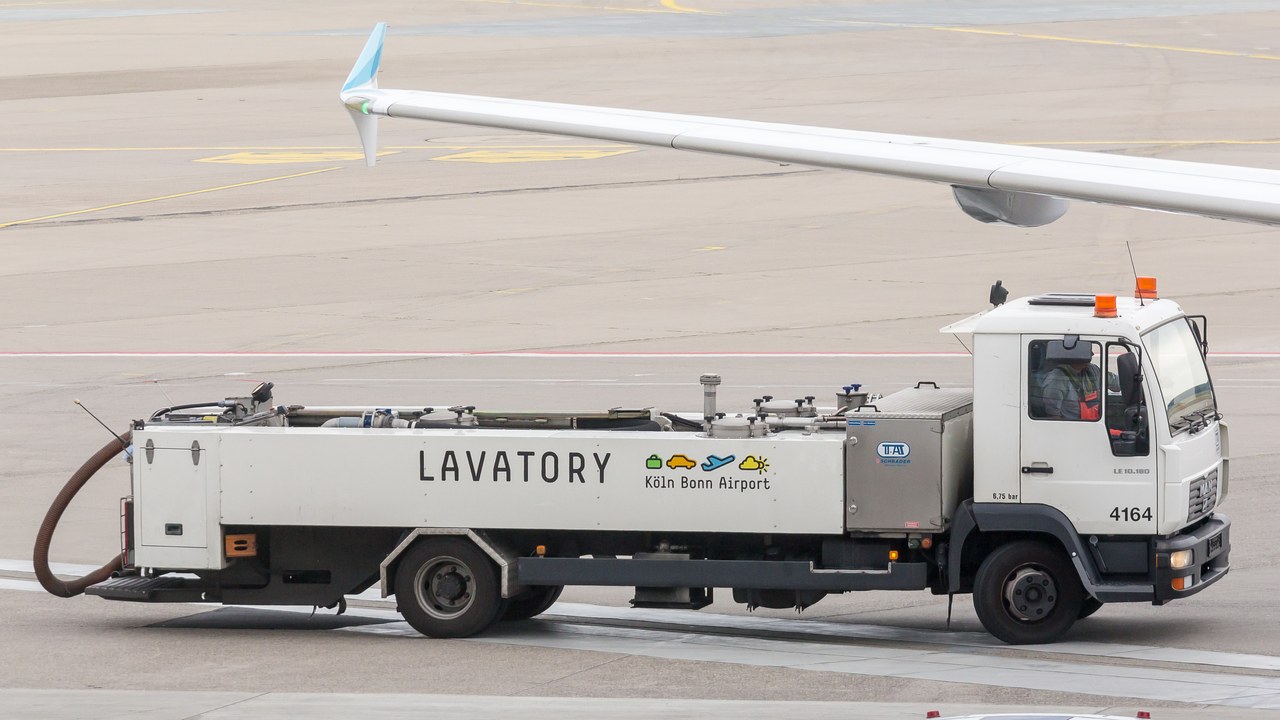
A dedicated service truck connects hoses to access panels near the tail, draining the aircraft’s waste tanks completely and then refilling the entire closed system with a water-and-disinfectant mixture that ramp crews nickname blue juice before every single scheduled departure.
Skipping this step is not an option before a long flight, since a lavatory system that reaches capacity mid-air has no backup tank and absolutely no way to be serviced again until the aircraft lands, so the truck’s visit is treated as mandatory on every single turnaround, short-haul or long.
8. Catering truck: Lifts Meals to Cabin-Door Height
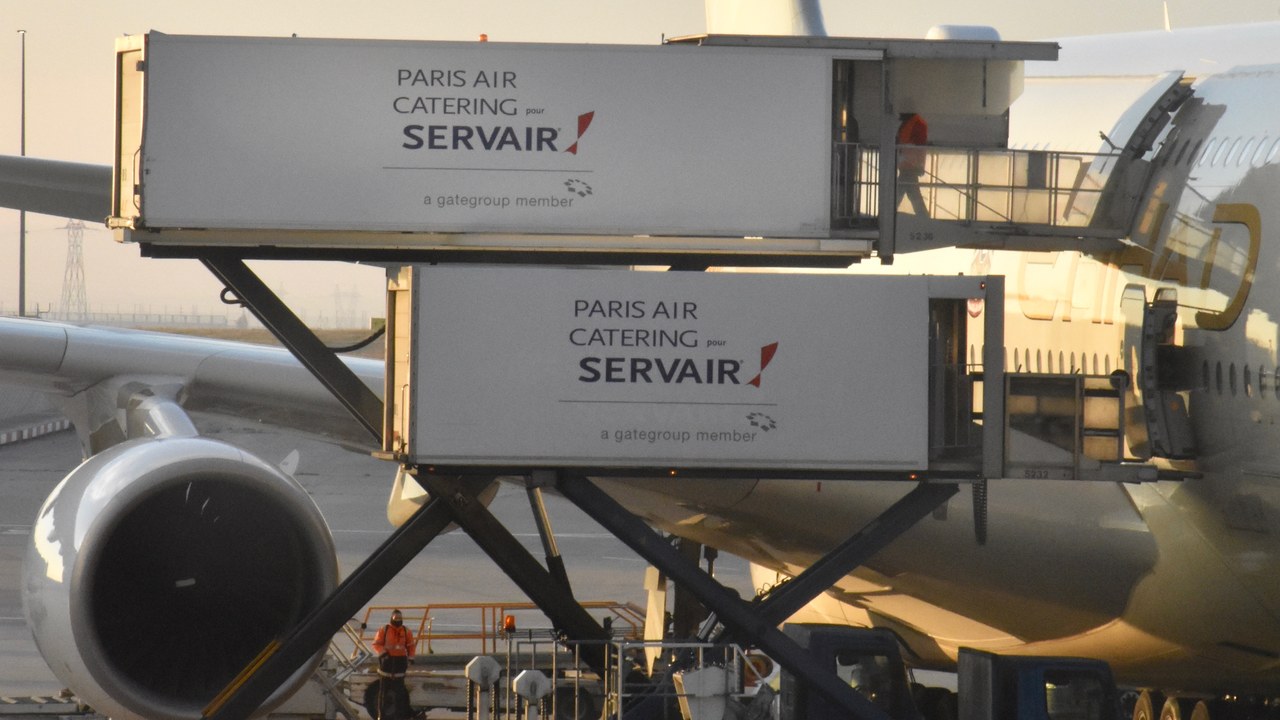
A hydraulic high loader raises a boxy cargo container level with the galley door so ramp crews can slide loaded trolleys of prepared meals, snacks and drinks straight into the aircraft’s galleys without carrying any of it up a narrow stairway by hand.
Emirates Flight Catering alone runs a fleet of 295 of these high loaders, plus another 89 vehicles built specifically for the double-deck Airbus A380, a fleet size that reflects just how many separate meals a single wide-body long-haul flight actually requires loaded fast on a tight ground schedule.
More from Morning Overview
- A granite sarcophagus surfaced in Egypt with its original lid still sealed
- The FBI tells phone owners to delete these toll-payment texts draining accounts nationwide
- Herbal supplements are landing Americans in the hospital with liver damage, doctors warn
- Long-term use of common heartburn pills is linked to kidney and dementia risk
