
Car companies build concepts to test reactions, then usually redesign everything before a vehicle reaches a dealership. A handful of automakers instead built the show car and then built the closest thing to it they could sell. Here are eleven cars whose showroom versions still look almost exactly like the concept that came before them.
1. Dodge Viper: The Show Car With A V10
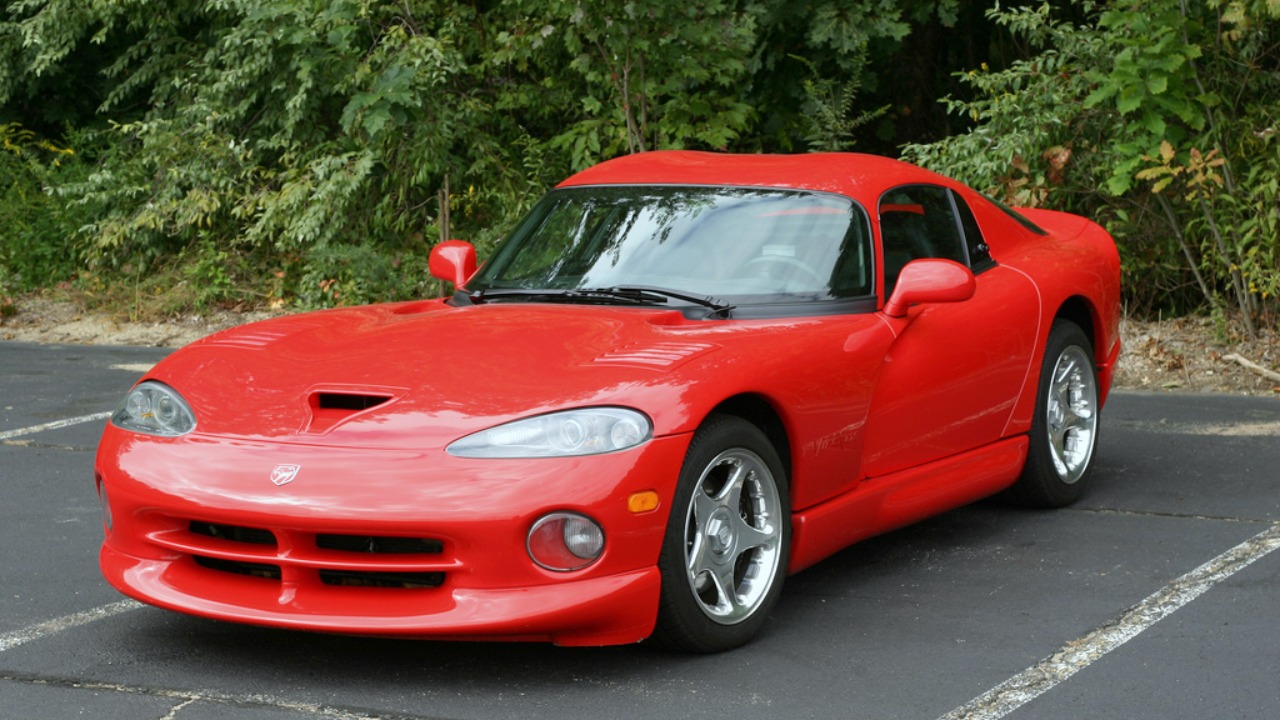
Chrysler wheeled the Viper concept onto the stage at the 1989 Detroit auto show as a running, driving car built around a massive V10. Reaction was so strong that the automaker rushed the production Viper into showrooms for 1991 with the same engine, exposed side pipes and doorless bodywork intact.
Side windows, exterior door handles and a slightly raised windshield arrived for safety and weather sealing, but the silhouette that stopped traffic in 1989 never really changed.
2. Plymouth Prowler: Hot Rod Straight From The Stage
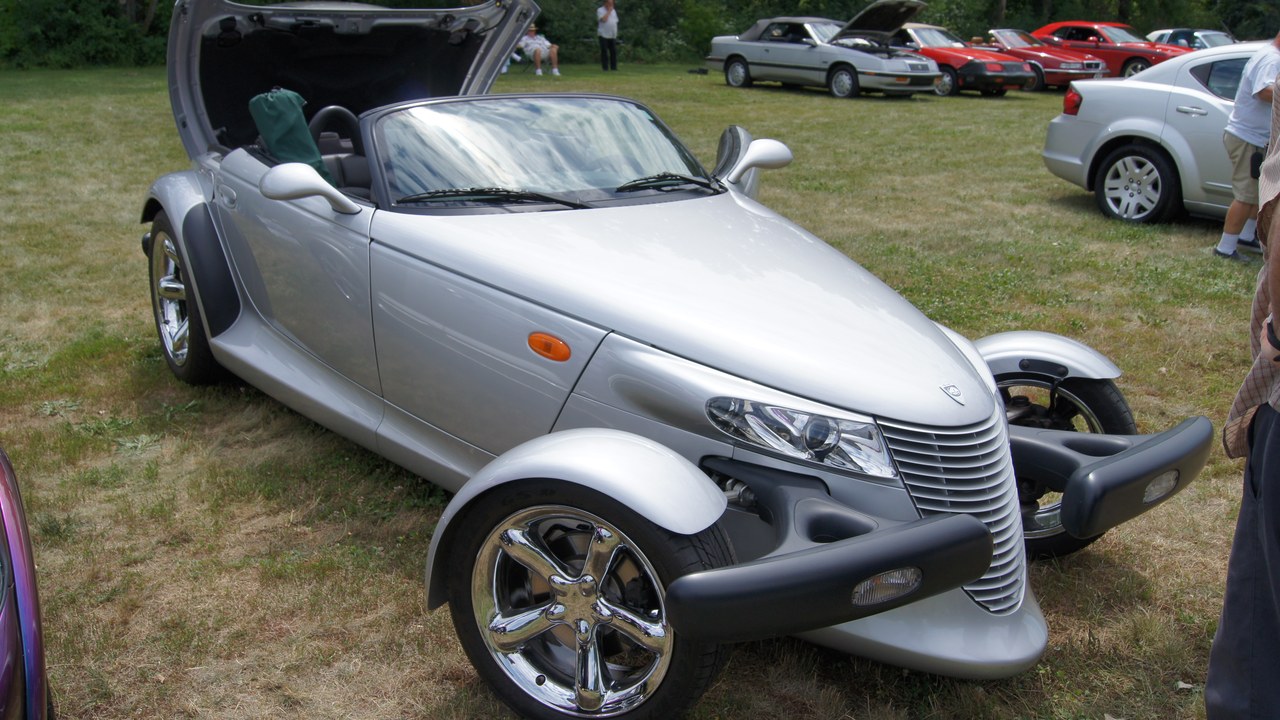
Plymouth’s Prowler concept debuted in 1993 with an open-wheel front end, a low aluminum body and a hot-rod stance borrowed from 1930s roadsters. Chrysler put the design into limited production from 1997 to 2002, keeping the exposed front wheels, pointed hood and two-seat cockpit essentially as shown.
Federal bumper and lighting rules forced small changes at each corner, and the production car rode slightly higher than the concept, but the exposed-wheel profile survived the transition whole.
3. Volkswagen New Beetle: The Concept That Kept Its Curves
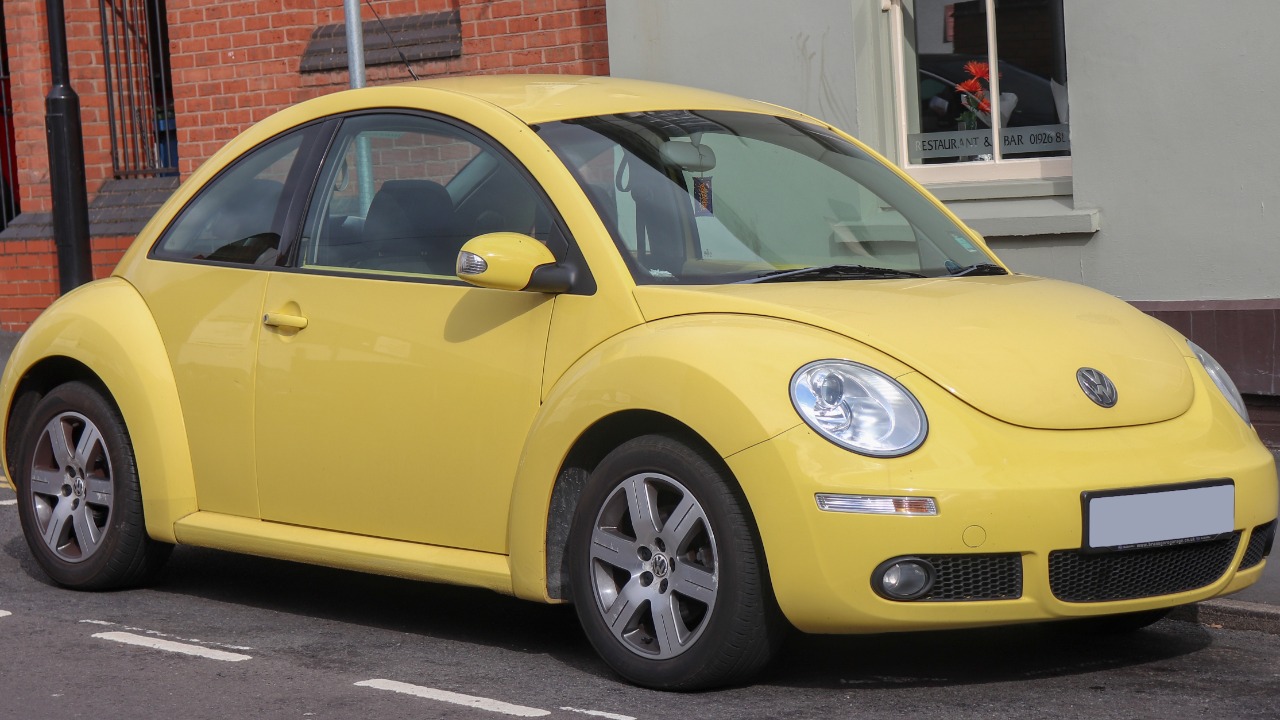
Volkswagen displayed the Concept One at the 1994 Detroit auto show, a rounded, retro-styled study built to echo the original Beetle without copying its engineering. Public response pushed the automaker to put the shape into production almost exactly as drawn, launching the New Beetle for the 1998 model year on a modern front-wheel-drive platform.
Underneath, the running gear came from the contemporary Golf rather than the classic Beetle, and only the sheetmetal made the leap from show stand to showroom floor.
4. Audi TT: Bauhaus Curves, Barely Touched
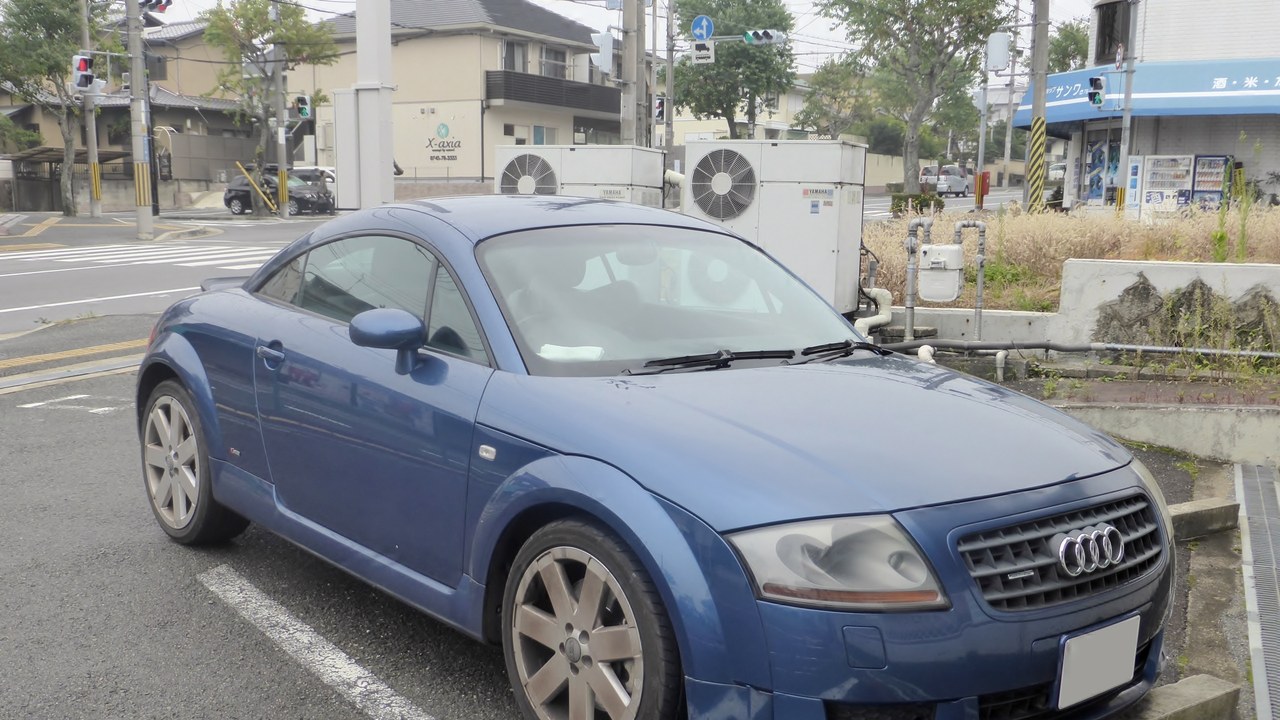
Audi unveiled the TT concept at the 1995 Frankfurt Motor Show, a rounded coupe built around circular details and a minimalist cabin inspired by Bauhaus design. The production coupe that followed in 1998 kept that shape, from the domed roofline to the circular air vents, with almost no visible change.
Door mirrors, bumpers and a small rear spoiler were added late in development after high-speed testing revealed stability issues, but the body itself stayed true to the show car.
5. BMW Z8: A Concept That Needed No Redesign

BMW previewed the design as the Z07 concept at the Tokyo Motor Show in October 1997, a roadster styled with long fenders and horizontal vents echoing BMW’s 1950s 507. The production Z8 arrived the following year largely unchanged, carrying over the concept’s proportions, aluminum body and vented front fenders.
A conventional folding top, exterior mirrors and license-plate provisions were the main additions, and the retractable roll bar was refined for production, but the overall shape barely moved.
6. Honda NSX: The Concept That Predicted A Supercar
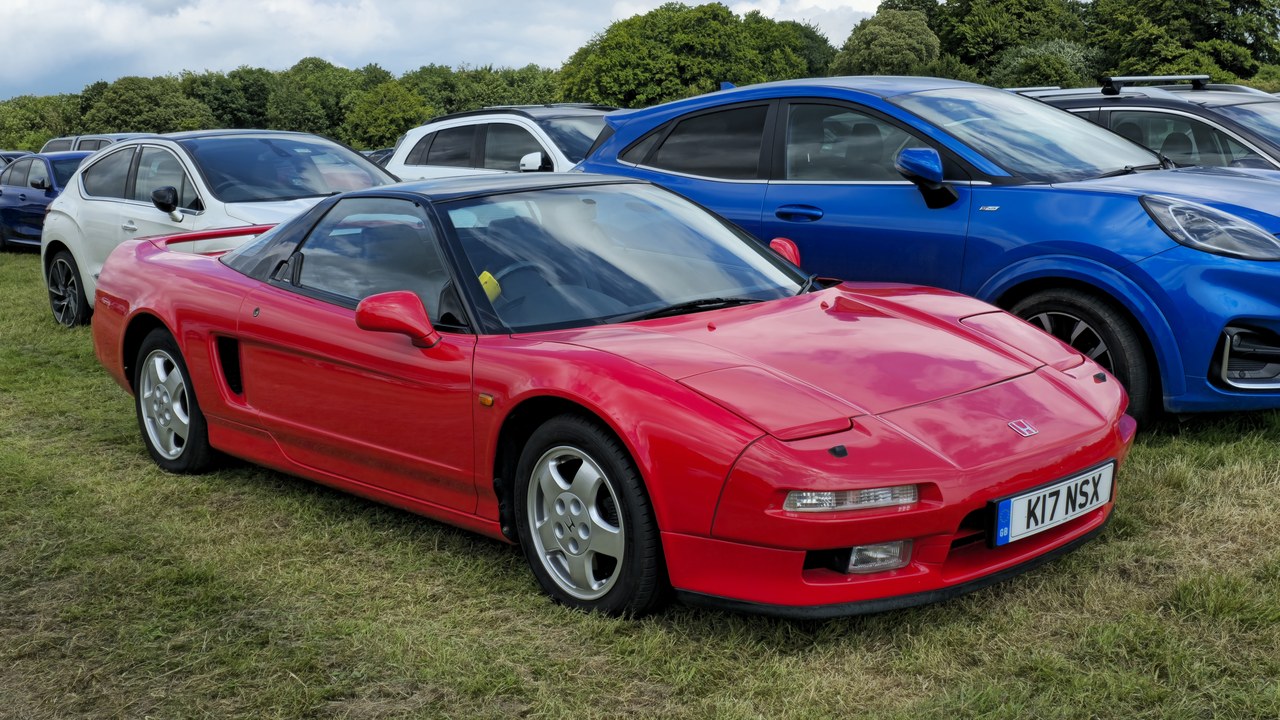
Honda introduced the shape with the HSC concept in 1989, a low, wedge-bodied two-seater meant to prove a mid-engine sports car could also be reliable and easy to live with. The first-generation NSX reached production in 1990 with that same low nose, glass hatch and cab-forward greenhouse intact.
Honda tuned the suspension and steering after input from Formula One drivers, and the production car gained badges and trim details, but its silhouette matched the concept panel for panel.
7. Chevrolet Camaro: A Fastback That Skipped The Redesign
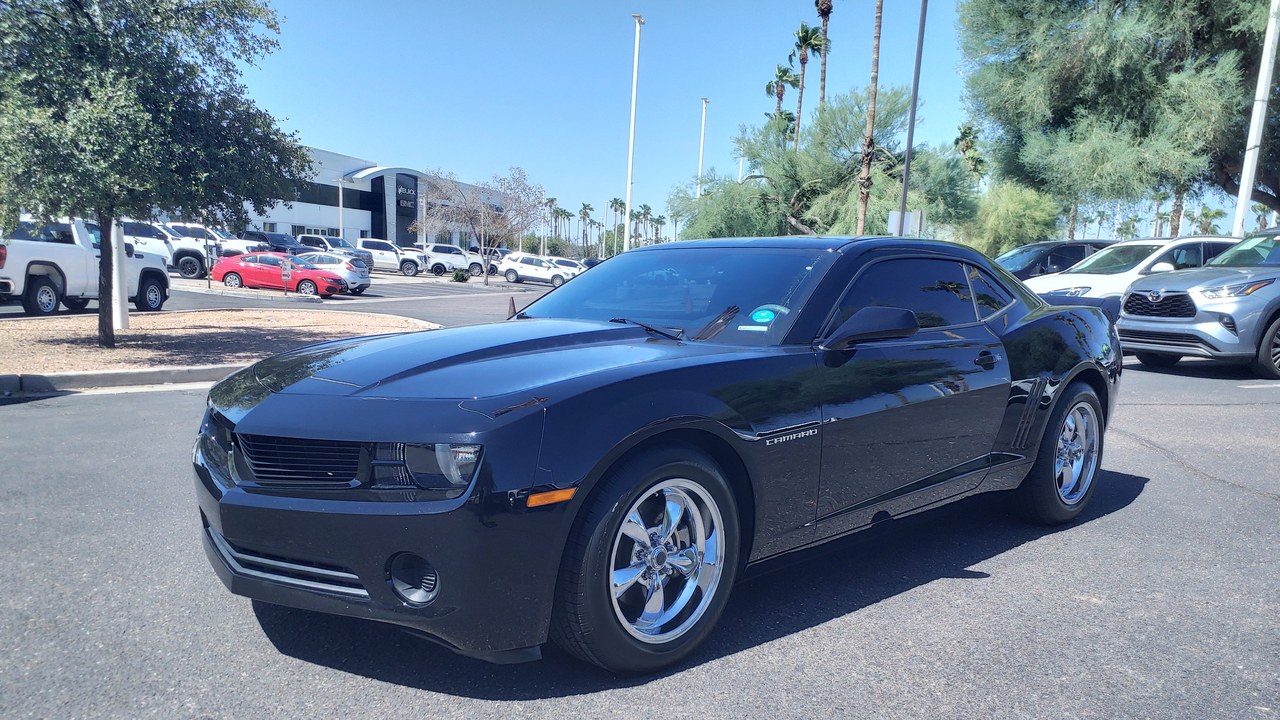
Chevrolet presented the Camaro Concept at the 2006 North American International Auto Show, a retro-styled fastback built to revive the nameplate after an eight-year absence. That concept became the production Camaro for 2010, its proportions, creased fenders and low roofline translated into sheetmetal with barely a line moved.
Chevrolet enlarged the mirrors, added federally mandated bumpers and softened a few body creases for manufacturing, but buyers who saw the concept in 2006 recognized the finished car instantly.
8. Dodge Challenger: Muscle Car Silhouette, Preserved
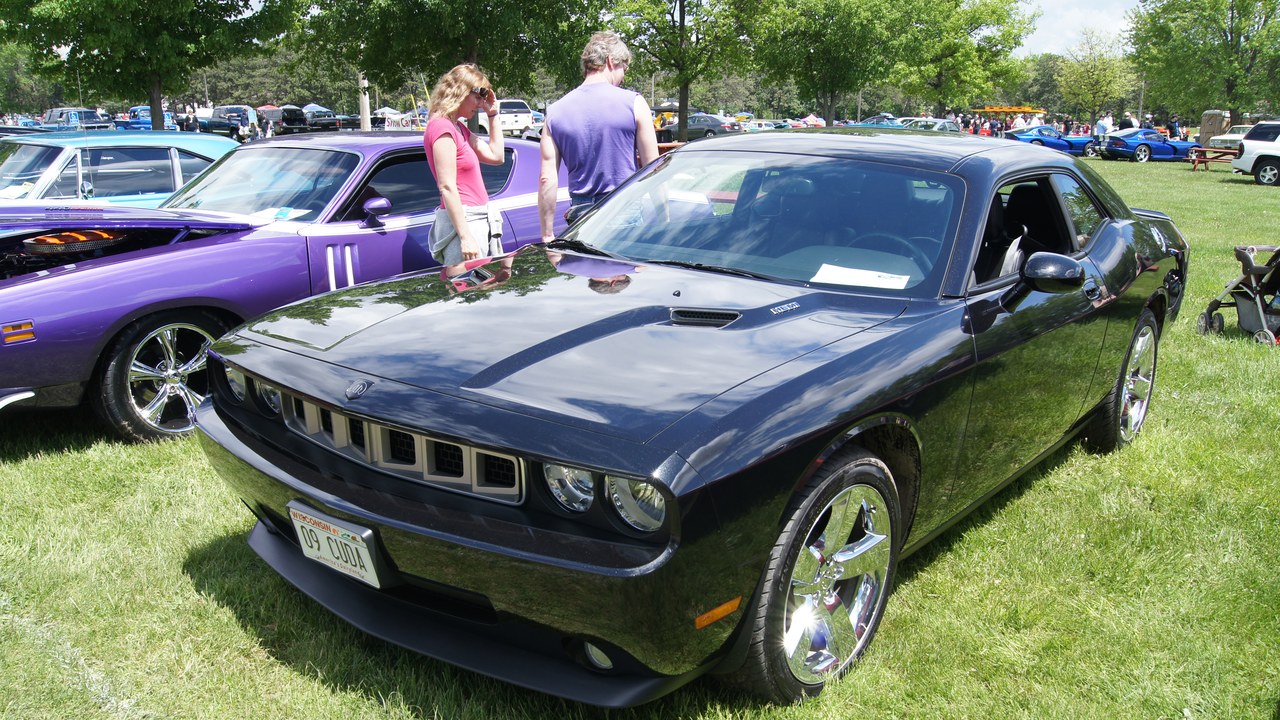
Dodge built the Challenger Concept for the 2006 North American International Auto Show as a modern homage to its early-1970s muscle car, with a long hood, flat roofline and wide rear haunches. The production Challenger that followed in 2008 kept that retro silhouette nearly untouched.
Engineers widened the track slightly and added modern mirrors, door handles and safety glass, but the concept’s flat-roofed, wide-hipped profile made it to dealers with its identity intact.
9. Ford Mustang: Retro Concept, Production Twin
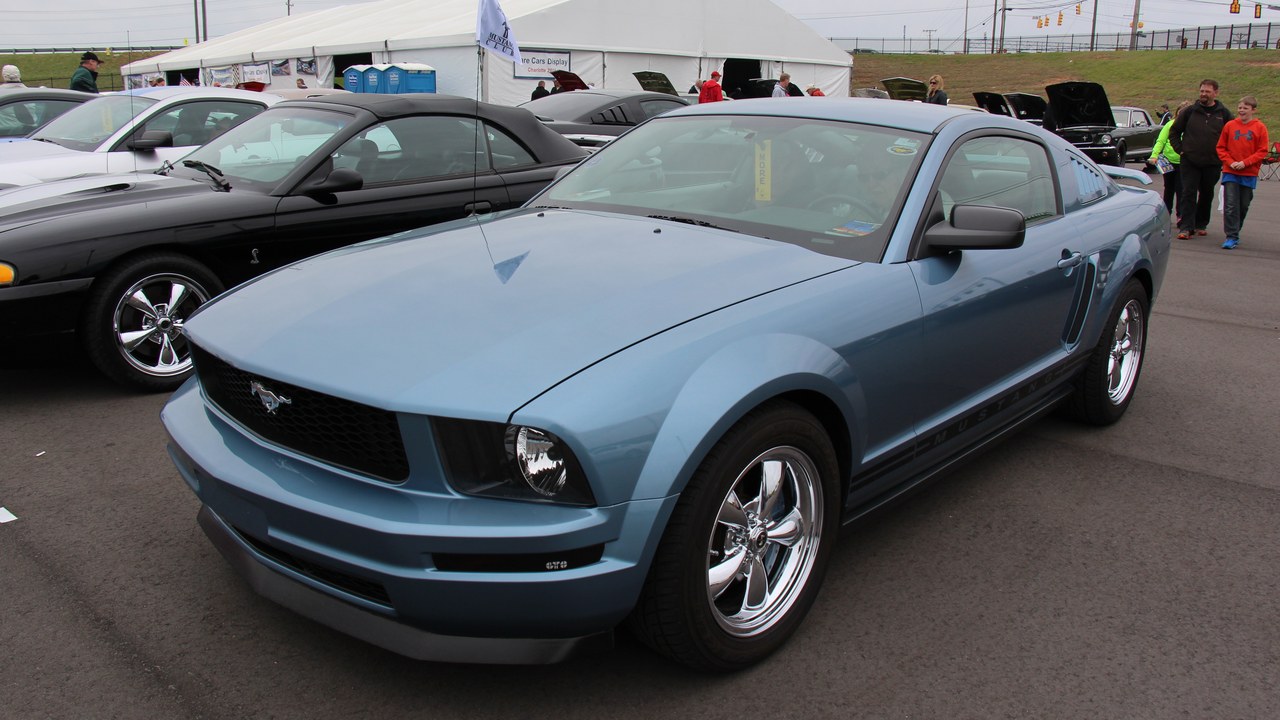
Ford showed a retro-styled Mustang GT concept in 2003 to mark the pony car’s upcoming fifth generation, reviving a long hood, short deck and fastback roofline drawn from 1960s originals. That fastback roofline and its tri-bar tail-lights reached the fifth-generation Mustang for 2005 with barely a line moved.
Door mirrors, bumpers and a taller ride height for pedestrian-safety rules were the visible concessions, and buyers cross-shopping the show photos and the new coupe struggled to spot the difference.
10. Chevrolet Volt: A Concept That Kept Its Engineering
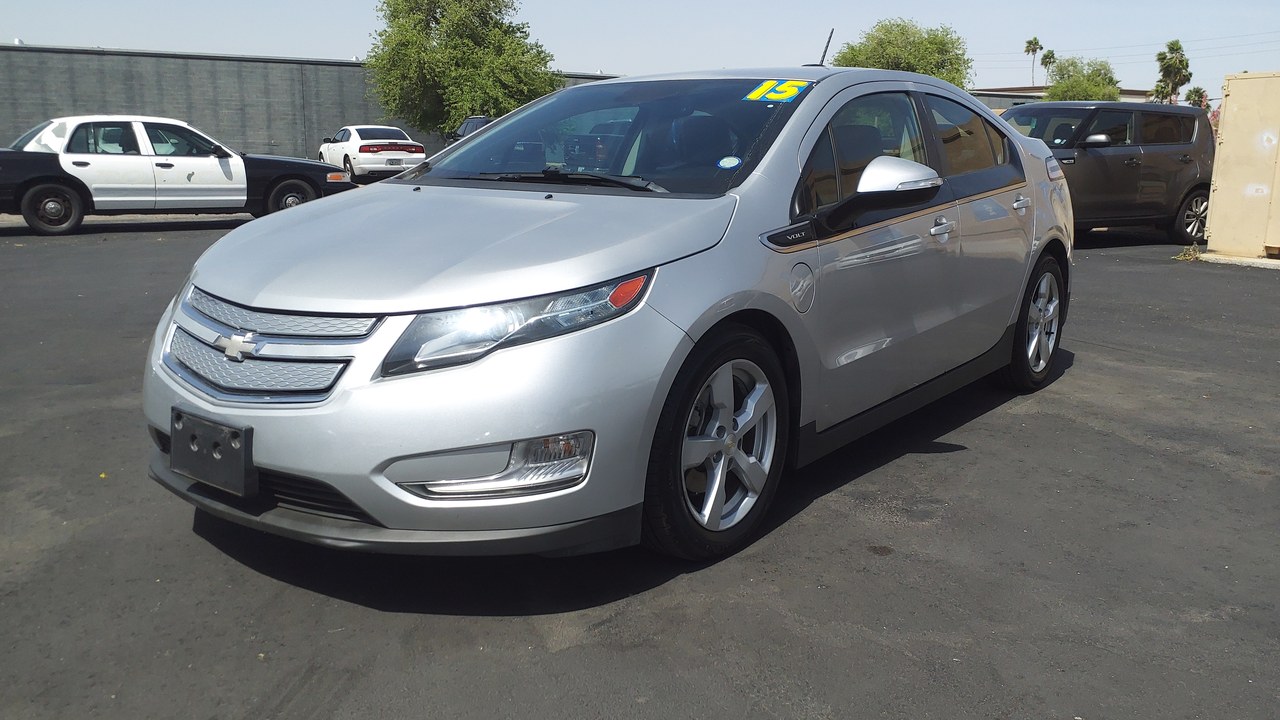
GM revealed the Volt concept in 2007 to introduce a new idea: a plug-in car with cab-forward proportions and a range-extending gasoline engine that charged the battery instead of driving the wheels directly. The production Volt reached showrooms in 2010 under the same name, built around that same proportions and drivetrain concept.
The finished car’s nose, greenhouse and tail were reshaped for aerodynamics and manufacturing, so it was the underlying idea, more than the exact sheetmetal, that carried over from the show stand.
11. Volkswagen Beetle: A Third Beetle, Barely Redrawn
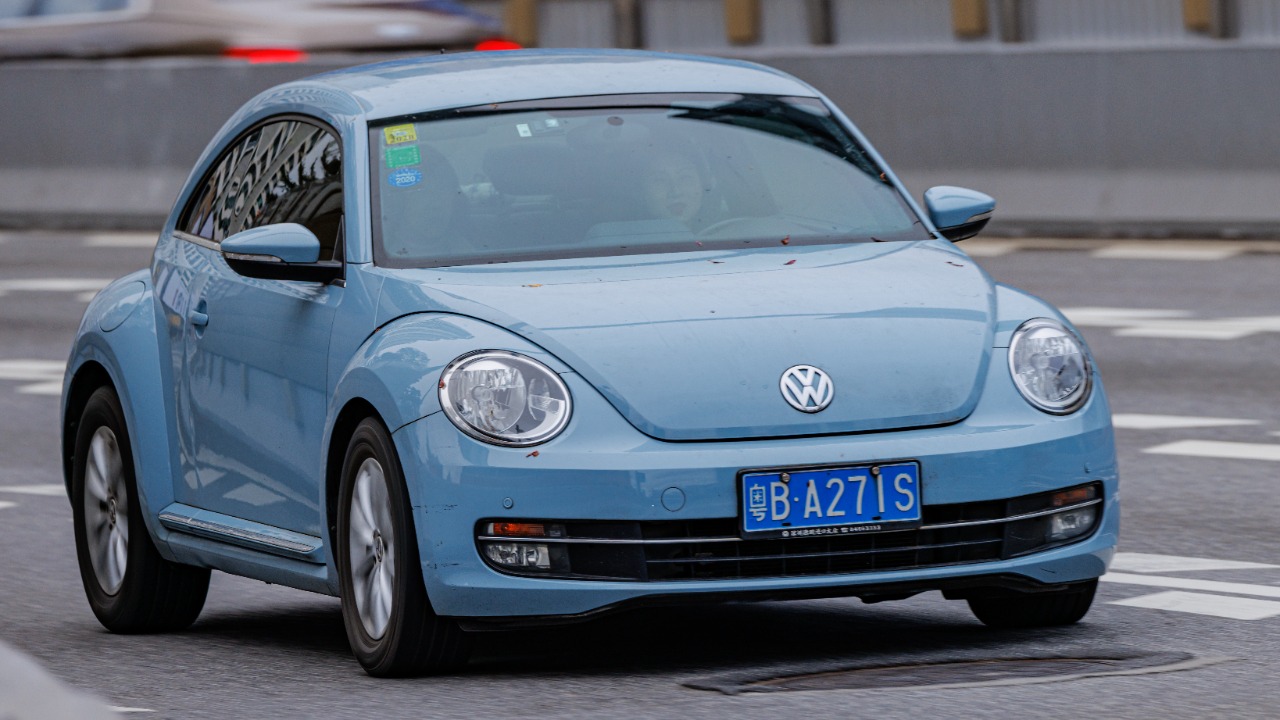
Volkswagen brought a third-generation Beetle to the January 2011 North American International Auto Show as a concept, replacing the rounded New Beetle shape with a lower, wider stance and a flatter, coupe-like roofline. The production car that followed later that year kept that roofline and wide stance essentially as shown.
Volkswagen tuned the wheel offsets and added a rear spoiler for the sportier trims, but the silhouette that debuted on the show stand in January reached dealerships within months, largely intact.
More from Morning Overview
- Herbal supplements are landing Americans in the hospital with liver damage, doctors warn
- Long-term use of common heartburn pills is linked to kidney and dementia risk
- 9 pickup trucks with a reputation for falling apart after 100,000 miles
- Consumer Reports names the 2026 models it expects to break down the most
