
The Indianapolis 500 hands one car a year the job of leading the field around the track before the green flag, and Detroit has long used the honor as free publicity. Some of the choices launched famous nameplates, while others turned an ordinary sedan into an overnight collector’s item through a limited-edition replica. Here are eleven cars that got the call to pace the world’s biggest race.
1. 1969 Chevrolet Camaro: A Camaro Indy Couldn’t Quit
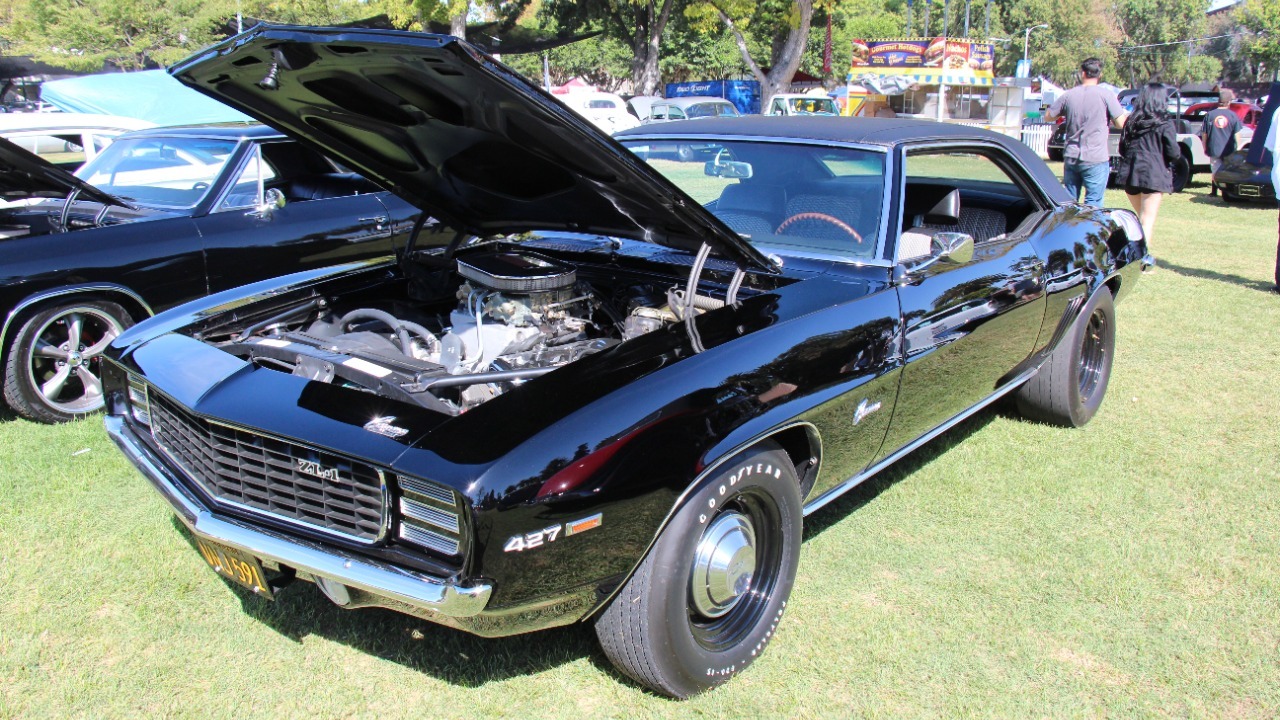
General Motors sent a first-generation Camaro out front for the 1969 Indianapolis 500, continuing a habit the brand had already built of putting its sportiest coupe at the head of the field on race morning.
Chevrolet would return to Indianapolis with the Camaro nameplate again and again in later decades, a streak that turned pace-car selection into an unofficial marketing tradition rather than a rare, one-time honor reserved for the model.
2. 1978 Chevrolet Corvette Pace Car: A Replica Built By The Thousands
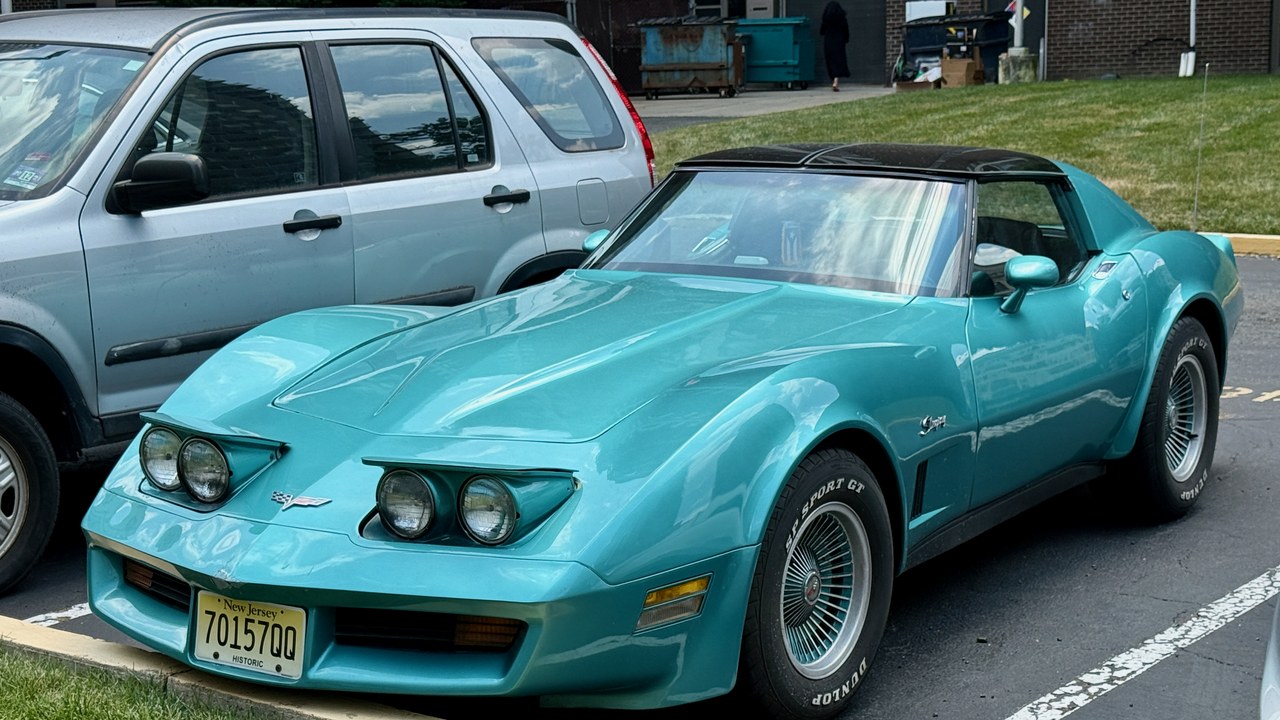
Chevrolet turned the honor into a retail windfall, building 6,502 Limited Edition Corvette replicas for buyers who wanted their own version of the 1978 Indianapolis 500 pace car, roughly fifteen percent of that year’s total production run.
1960 race winner Jim Rathmann climbed behind the wheel of the actual pace car that May, a nod to tradition that paired a champion driver with the newest Corvette body style making its pace-car debut that season.
3. 1991 Dodge Viper RT/10: Famous Before It Was For Sale
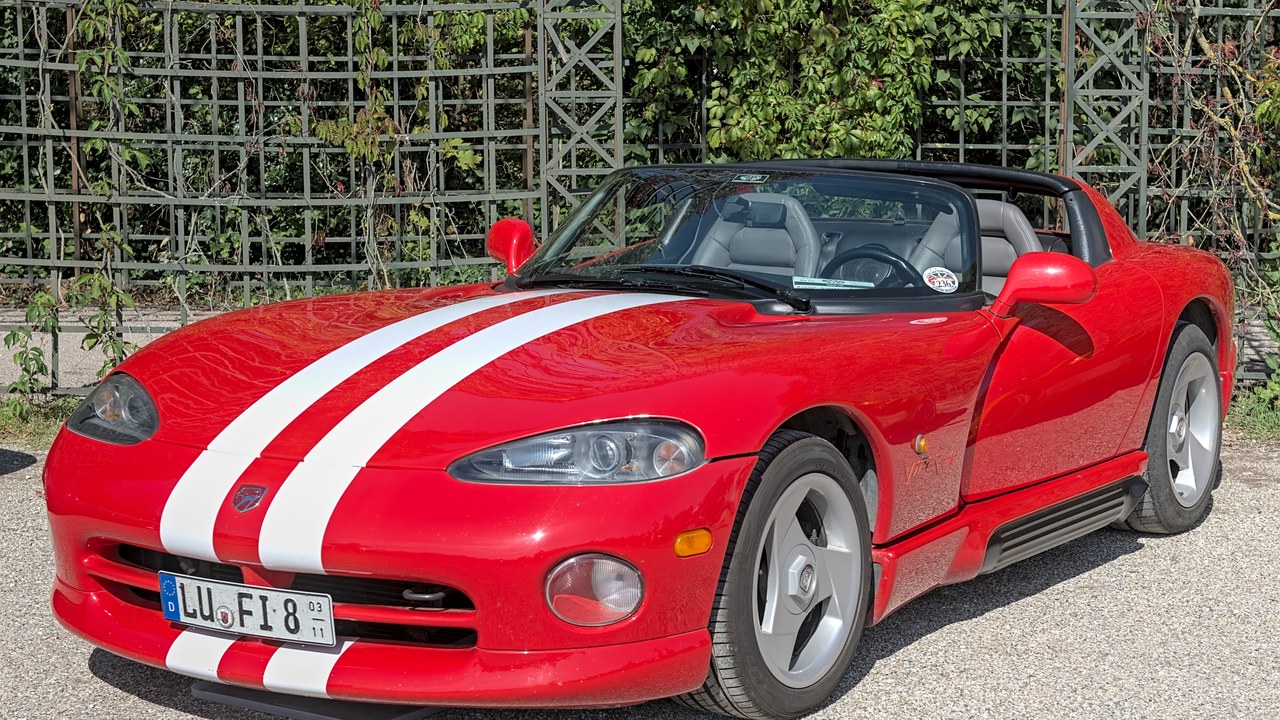
Chrysler put an unfinished car on display when a hand-built pre-production Viper RT/10 led the field at the 1991 Indianapolis 500, more than a year before the snake-badged roadster ever reached a dealership showroom floor.
The stunt worked as intended, turning a car nobody could yet buy into one of the most talked-about vehicles in motorsport that spring and building anticipation that carried straight through to its 1992 launch. Dodge finally opened order books the following year, and buyers who had followed the pace-car story discovered the production roadster stayed remarkably close to what they had watched on television.
4. 1974 Oldsmobile Delta 88: The Backup Plan That Paced The Race
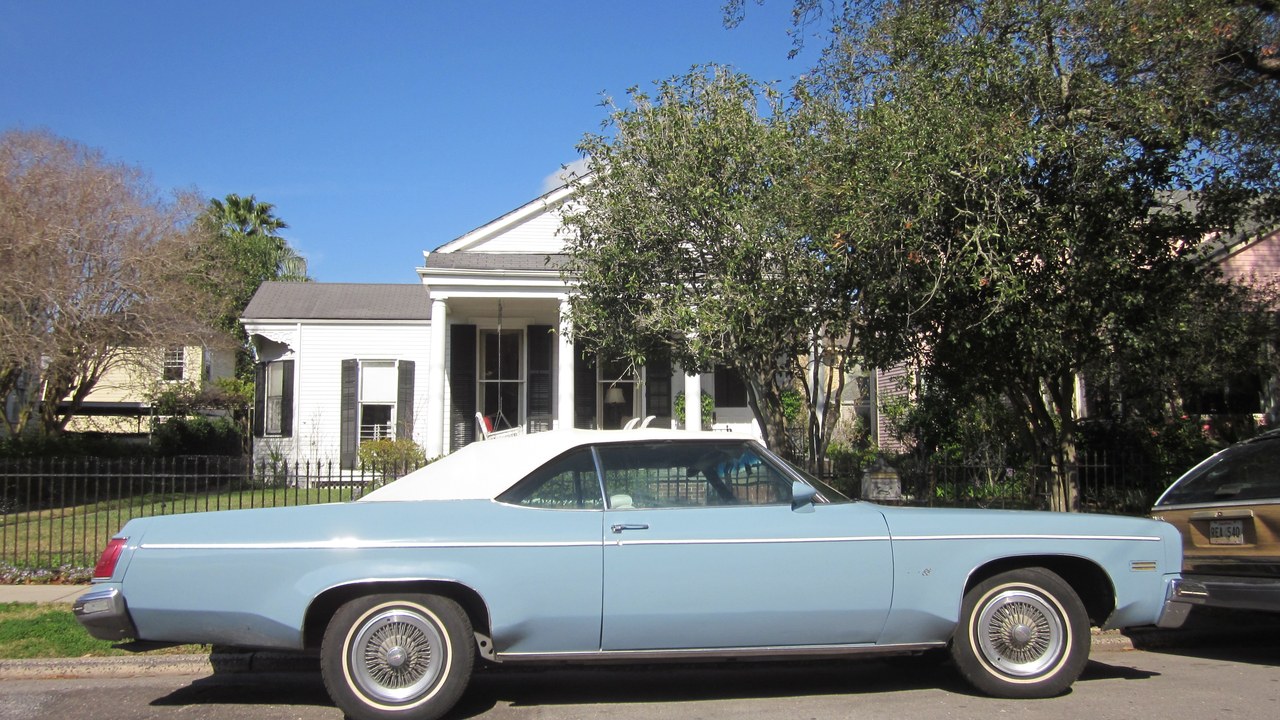
Speedway officials had planned to use a hardtop Hurst/Olds for 1974, then discovered their own rules required a convertible for parade laps, so a Delta 88 convertible got the assignment instead.
The swap happened late enough that Oldsmobile had little time to prepare, yet the substitute pace car still led the field around Indianapolis Motor Speedway without any hint of the scramble behind the scenes. Even so, Oldsmobile treated the late honor as good fortune rather than an inconvenience, since national television exposure for the Delta 88 cost the division nothing beyond a hurried paint job.
5. 1989 Pontiac Trans Am 20th Anniversary Turbo: Pontiac’s Last Lap Of Glory
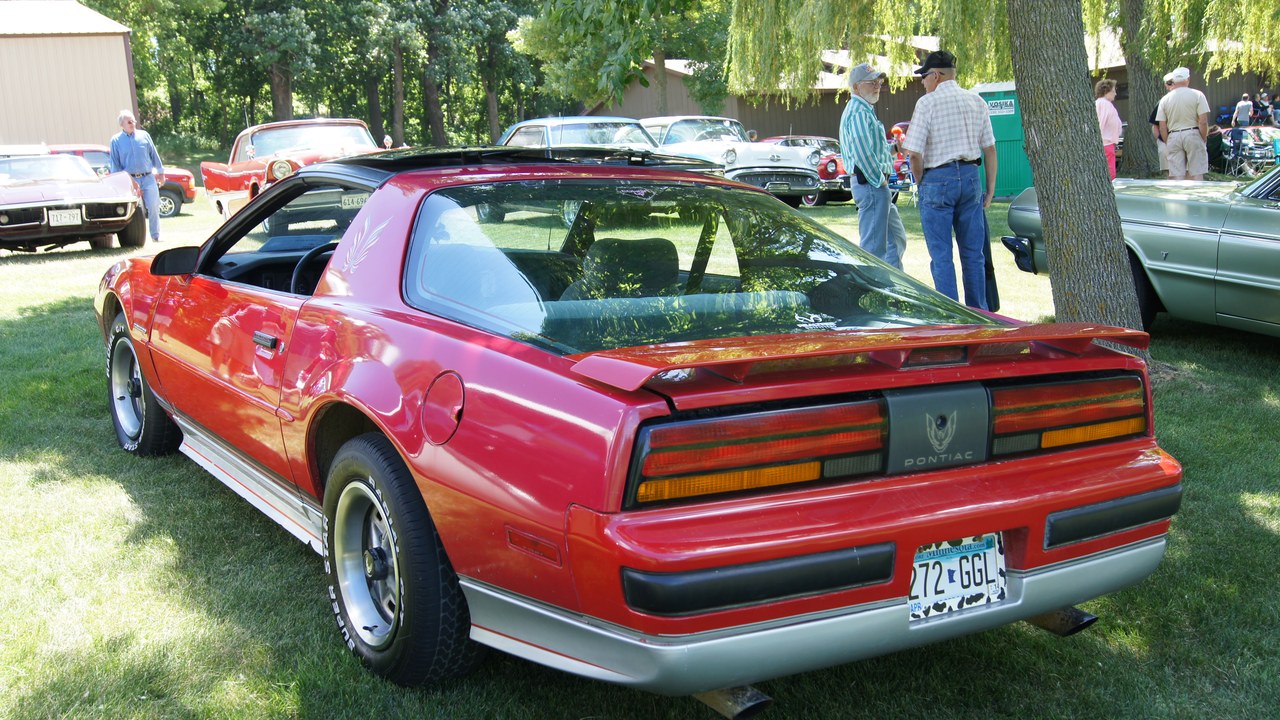
A turbocharged, limited-run 20th Anniversary Trans Am led the 73rd running of the Indianapolis 500 in 1989, timed to celebrate two decades of the Trans Am nameplate.
No Pontiac has paced the race since, which makes the appearance the brand’s final turn in that particular spotlight before Trans Am production wound down and Pontiac itself was later discontinued altogether by General Motors. Pontiac dealers leaned hard on the exposure that spring, advertising the Turbo Trans Am as the fastest car the division had ever fielded at the Brickyard.
6. 1998 Chevrolet Corvette Pace Car: A Late Substitution, A Champion Driver
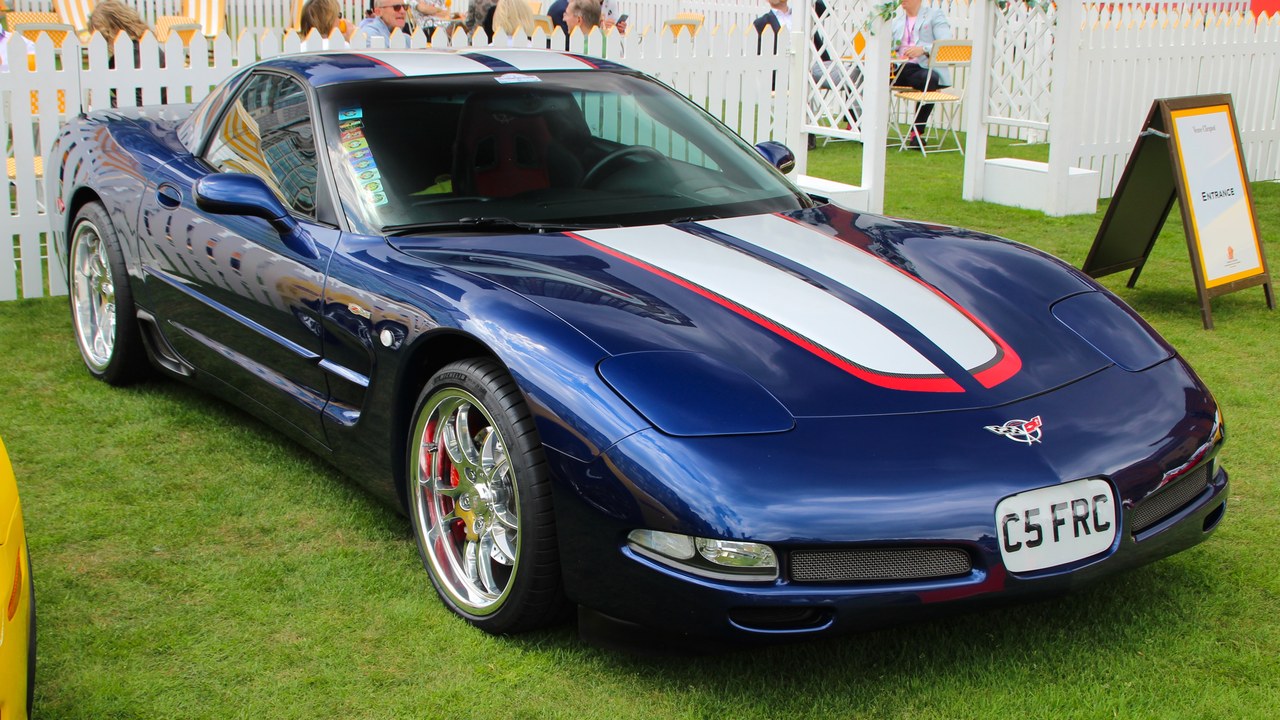
The newly launched fifth-generation Corvette convertible introduced itself to the country by pacing the 1998 Indianapolis 500, with the assignment going to the car within months of its debut.
Golfer Greg Norman was originally tapped to drive it before an injury sidelined him, so 1963 race winner Parnelli Jones took the wheel instead, and Chevrolet later sold 1,158 RPO Z4Z replicas to the public. Chevrolet had barely finished tooling up the new body style, and executives treated the pace-car assignment as the loudest possible launch event the fifth-generation Corvette could have asked for.
7. 1994 Ford Mustang SVT Cobra: Three Cobras, One Green Flag
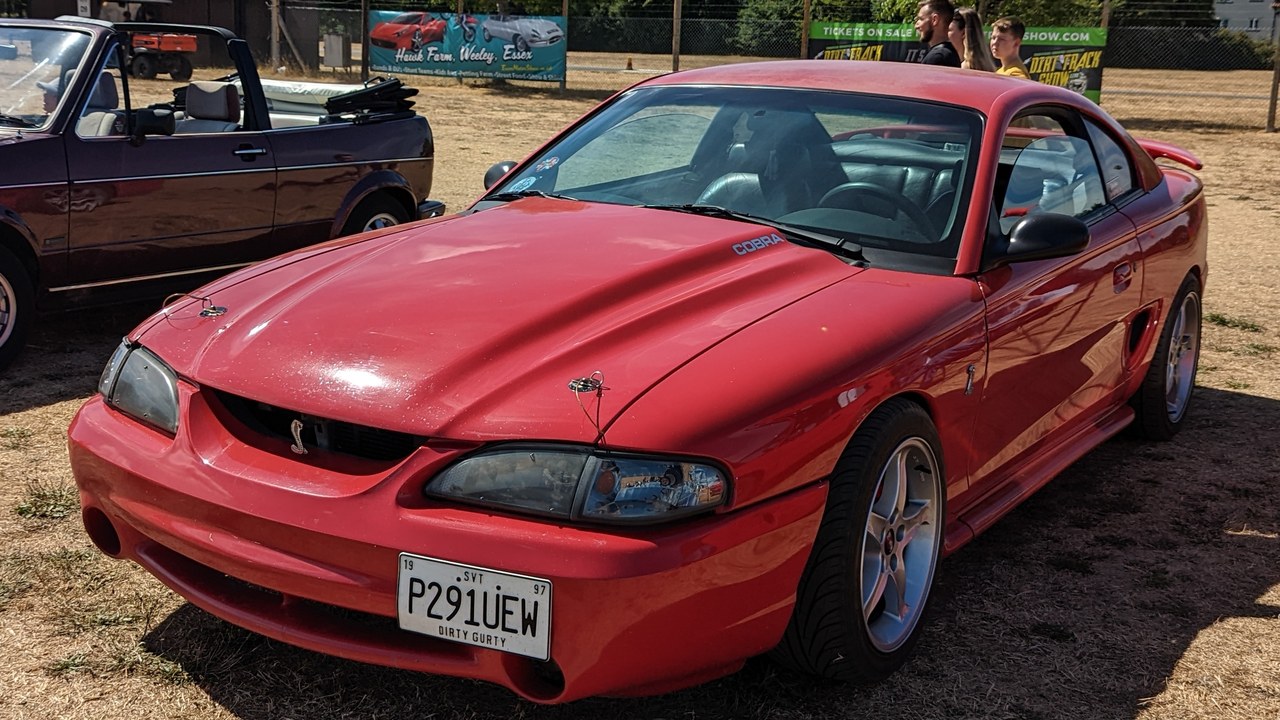
Ford sent not one but three SVT Cobra convertibles out to lead the 78th Indianapolis 500 on May 29, 1994, a rare instance of a trio sharing pace-car duty rather than a single car.
The performance-focused SVT division was still new at the time, and the high-profile assignment helped establish the Cobra name as Ford’s answer to the era’s fastest domestic sports coupes and convertibles. Ford dealers used footage of the trio circling the track in showroom advertising for months afterward, treating the rare group appearance as proof the Cobra belonged among serious performance cars.
8. 2003 Chevrolet SSR: A Pickup Truck Leads The Field
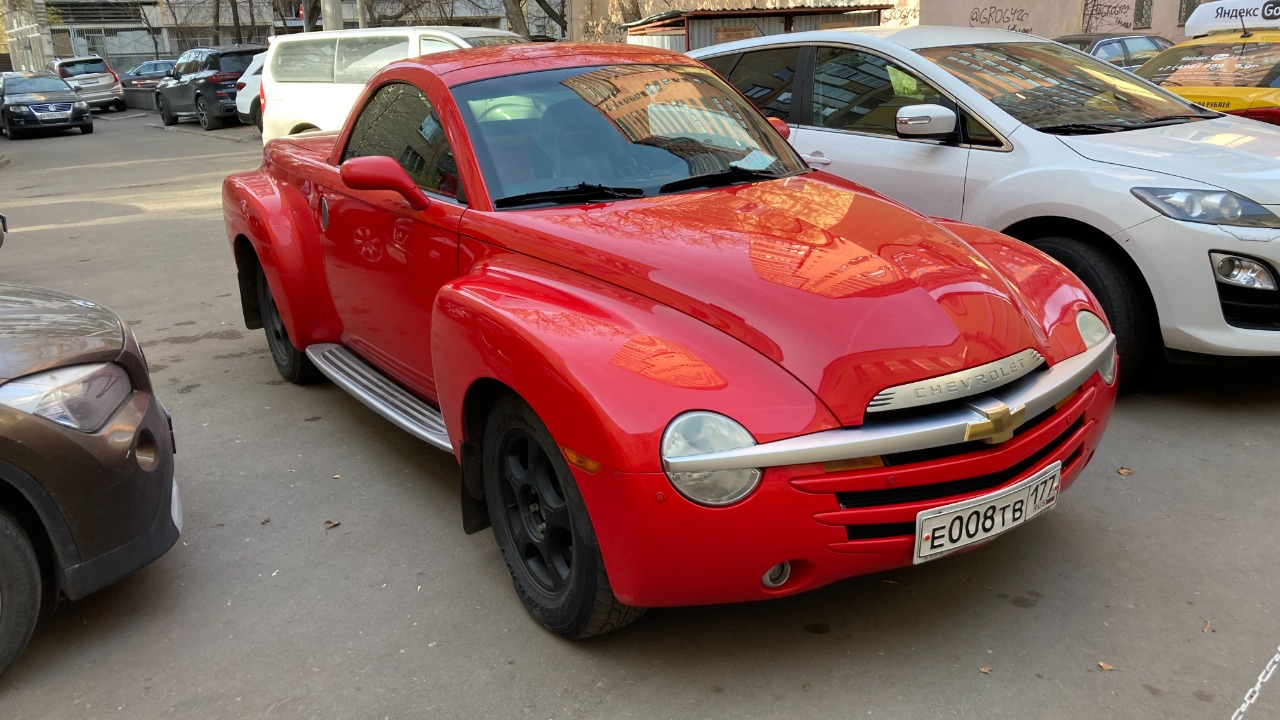
Few pace cars have looked less like a race car than the Chevrolet SSR, a retractable-hardtop pickup that led the 2003 Indianapolis 500 while still in its first year of production.
The retro-styled SSR combined a folding metal roof with a truck bed, an unusual mix that made its pace-car turn stand out even among decades of far more conventional convertibles and coupes chosen for the job. General Motors leaned into the novelty for marketing purposes, betting that an unconventional pace car would draw more attention to the Speedway crowd than another conventional convertible ever could.
9. 2011 Chevrolet Camaro SS Convertible: The Nameplate Returns Again
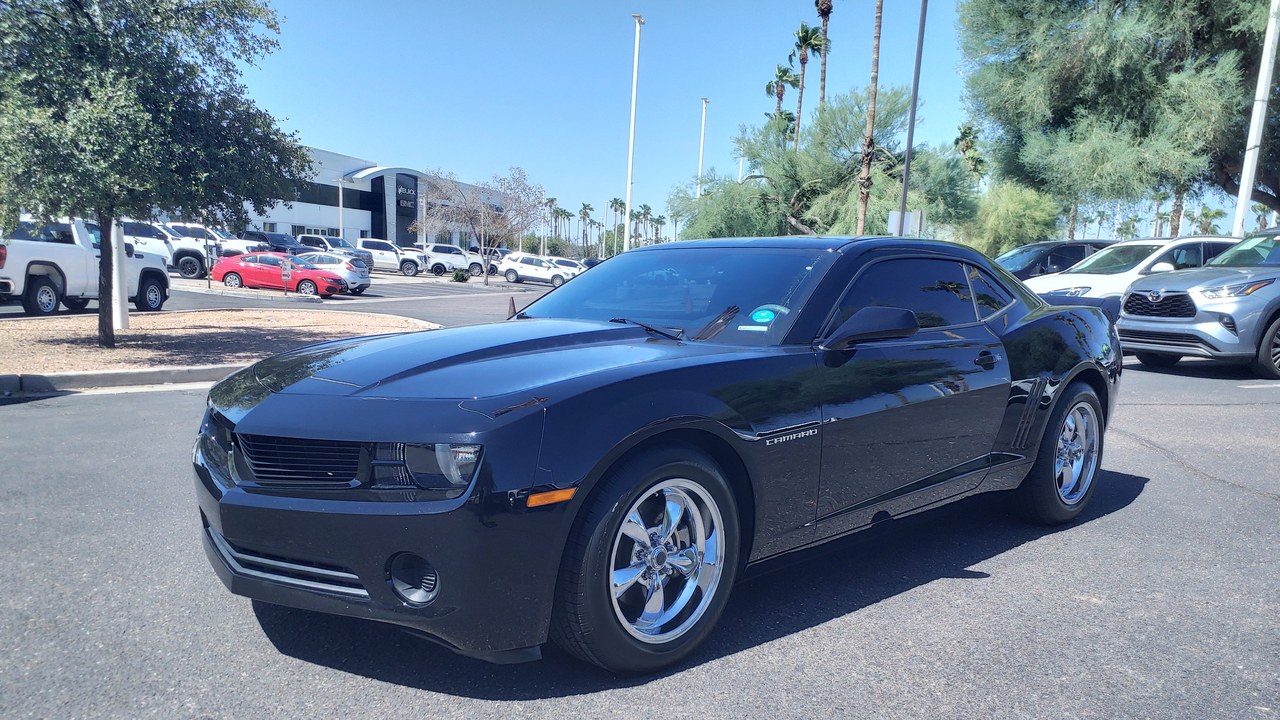
Chevrolet brought the nameplate back to Indianapolis with a fifth-generation Camaro SS convertible, extending a relationship between the model and the race that stretched back more than four decades by the time it led the 2011 field.
The reborn Camaro had only returned to production a few years earlier, and the pace-car assignment gave the modern version the same kind of national exposure its late-1960s ancestor had once enjoyed at the same event.
10. 1972 Hurst/Olds Pace Car: Tuned To Outrun The Smog Era
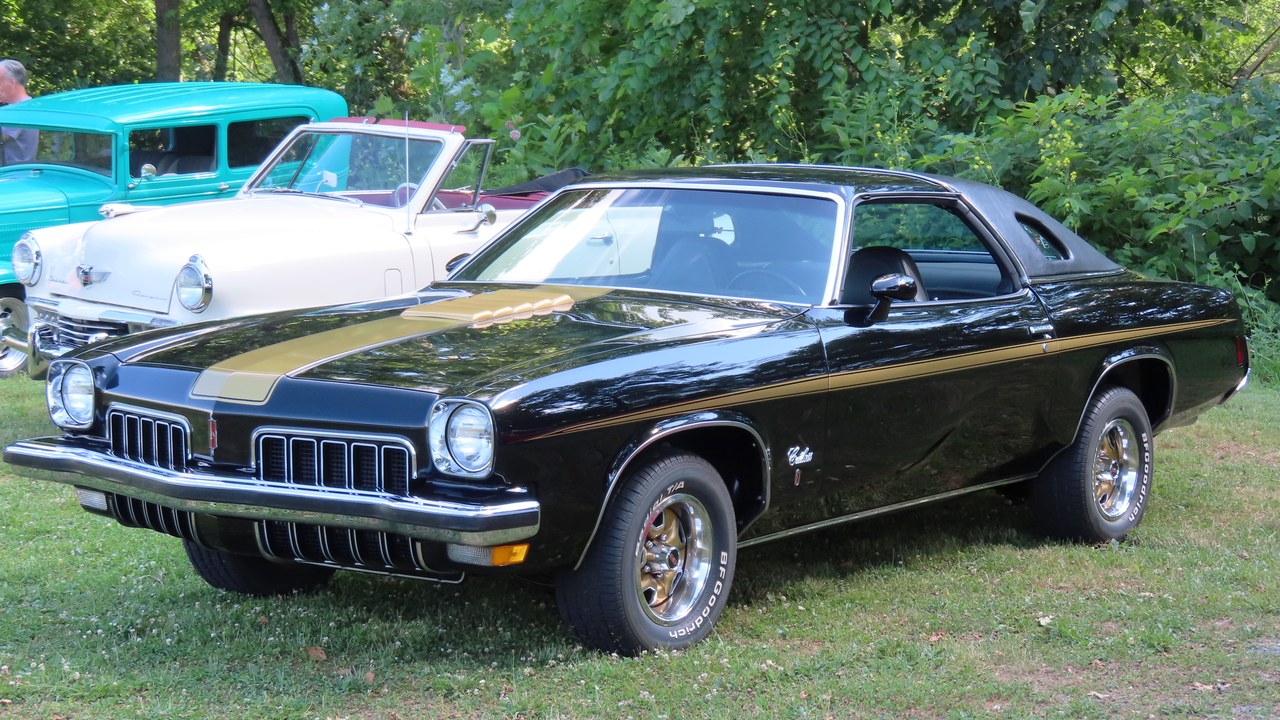
Hurst engineers built the 1972 Hurst/Olds pace car around a 455 cubic inch W-30 engine tuned to pre-smog 1970 specifications, sidestepping the tightening emissions rules that were sapping power from most 1972 models.
Roughly 630 replicas followed for buyers who wanted the pace car’s performance at home, and about a quarter of those were built as convertibles matching the open-top car that actually led the field that May. Hurst and Oldsmobile had partnered on performance specials before, but the 1972 car remains the pairing’s most famous result thanks to its unusually aggressive engine for a smog-choked model year.
11. 1973 Cadillac Eldorado: Luxury Gets Its Turn Out Front
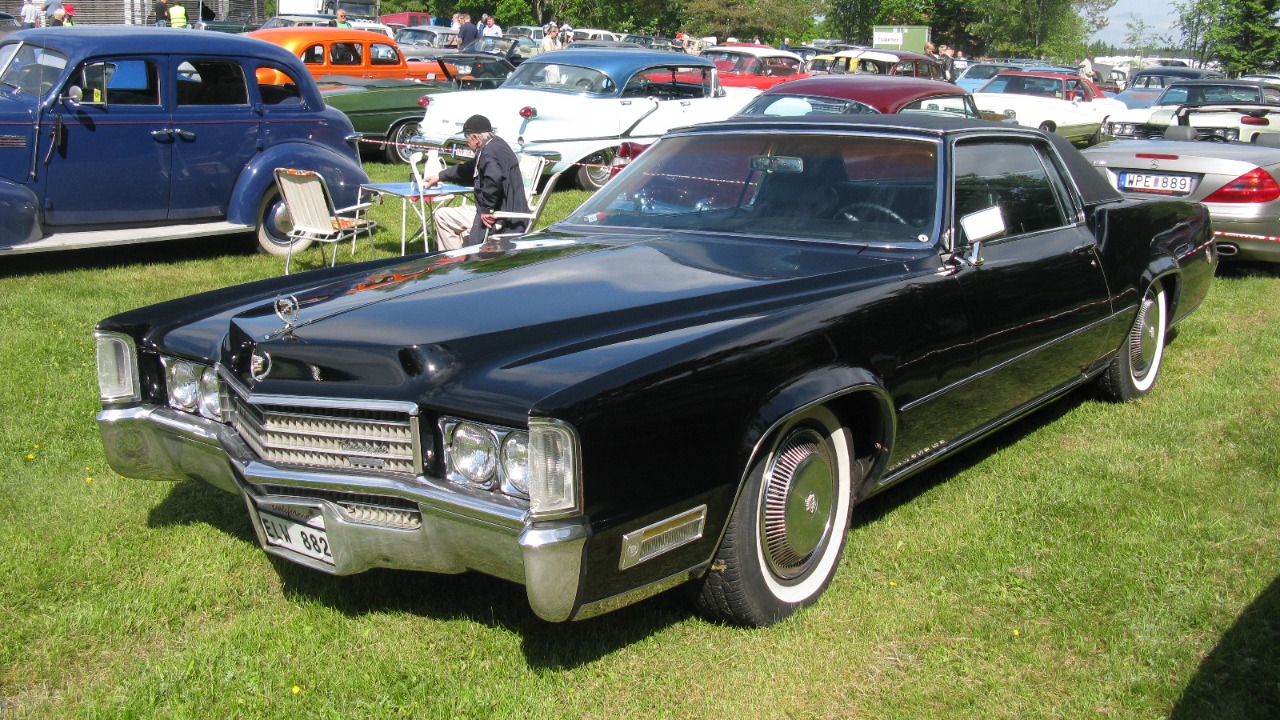
Cadillac had rarely chased motorsport attention before its Eldorado convertible was chosen to pace the 1973 Indianapolis 500, a departure from the muscle cars and sports coupes that usually got the job.
The brand built 566 special pace car convertibles for collectors afterward, proof that even a full-size luxury cruiser could generate the same kind of buyer demand as a purpose-built performance model. Cadillac dealers reported strong interest from buyers who wanted a car tied to a national sporting event rather than the brand’s usual formal, understated advertising approach of that period.
More from Morning Overview
- The NSA warns one messaging setting can clone your texts to a stranger
- Security experts still urge phone owners to switch off one location-tracking setting
- Automakers are quietly dropping the stop-start feature many drivers love to hate
- A granite sarcophagus surfaced in Egypt with its original lid still sealed
