
Humans have been marking cave walls and rock faces for tens of thousands of years, and in a few cases perhaps much longer. The sites range from French caverns and Spanish grottoes to Indonesian islands, a Brazilian national park and the Sahara. Here are eleven caves and cliffs where the oldest human art survives.
Read next on Morning Overview: Washington is forcing coal plants from Colorado to Washington state to keep running
1. Lascaux, France: The Boys and the Dog
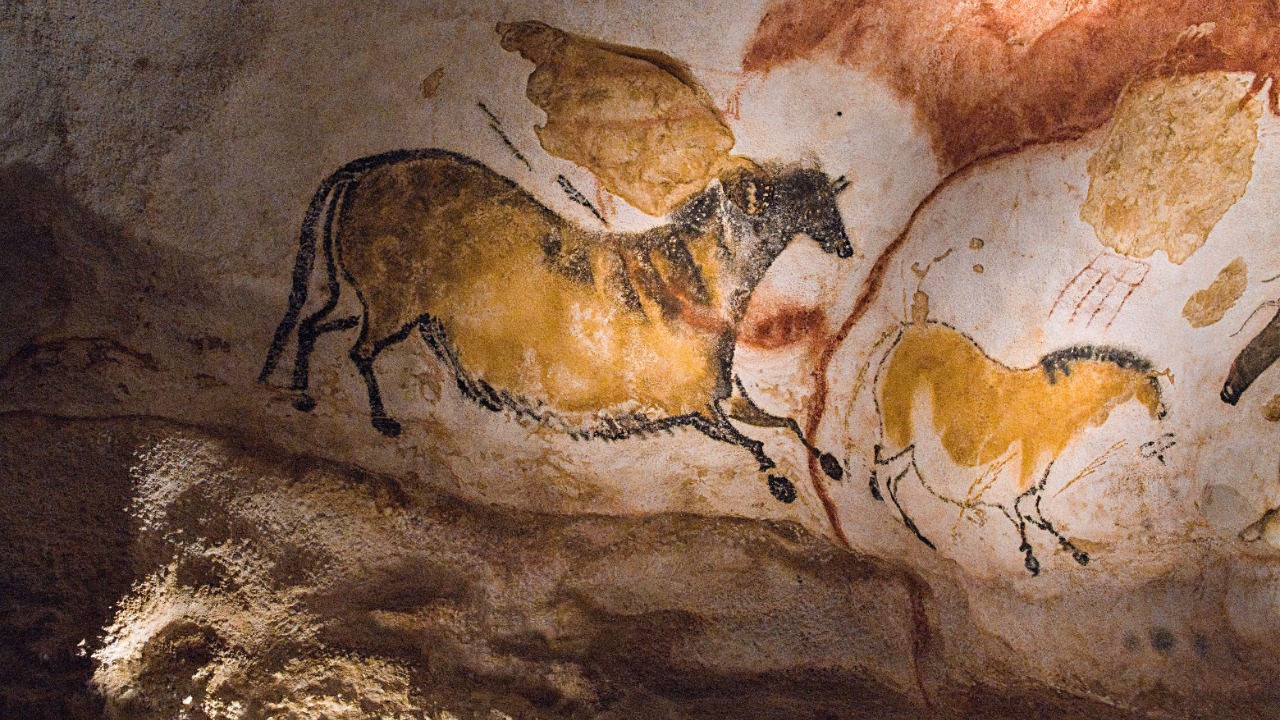
In September 1940, four boys and a dog stumbled on the painted caves of Lascaux in France’s Dordogne region, a find that changed modern understanding of art. The paintings show horses, bulls and deer, along with humans and abstract signs, and carbon dating places them between 15,000 and 17,000 years ago.
The discovery drew more than a million visitors between 1948 and 1963. The crowds began to damage the delicate artwork, and officials closed the cave in the 1960s. A replica, Lascaux II, now serves visitors, while the original is almost completely closed to humans. It is a World Heritage Site.
2. Altamira, Spain: Where It All Began
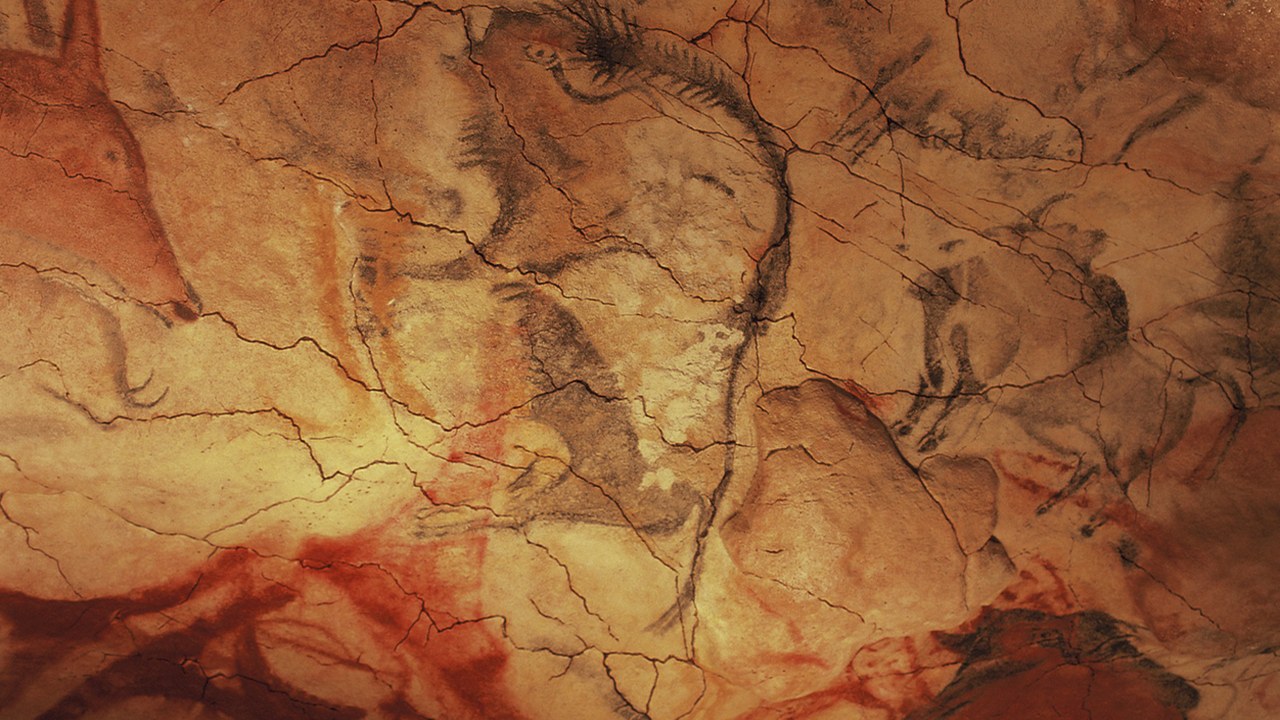
The cave in Cantabria, northern Spain, was the first place Upper Paleolithic cave art was ever discovered. Its bison, horses, deer, hands and mysterious signs are dated at between 14,000 and 20,000 years old. Pablo Picasso reportedly said after visiting, “after Altamira, all is decadence.”
Millions of visitors followed, and concerns grew that body heat and rising carbon dioxide were harming the paintings. The cave has been closed and reopened numerous times. In February 2014 it briefly reopened to five people chosen by drawing. Everyone else can see a replica cave at the nearby Altamira Museum.
3. Cueva de las Manos, Argentina: The Cave of Hands
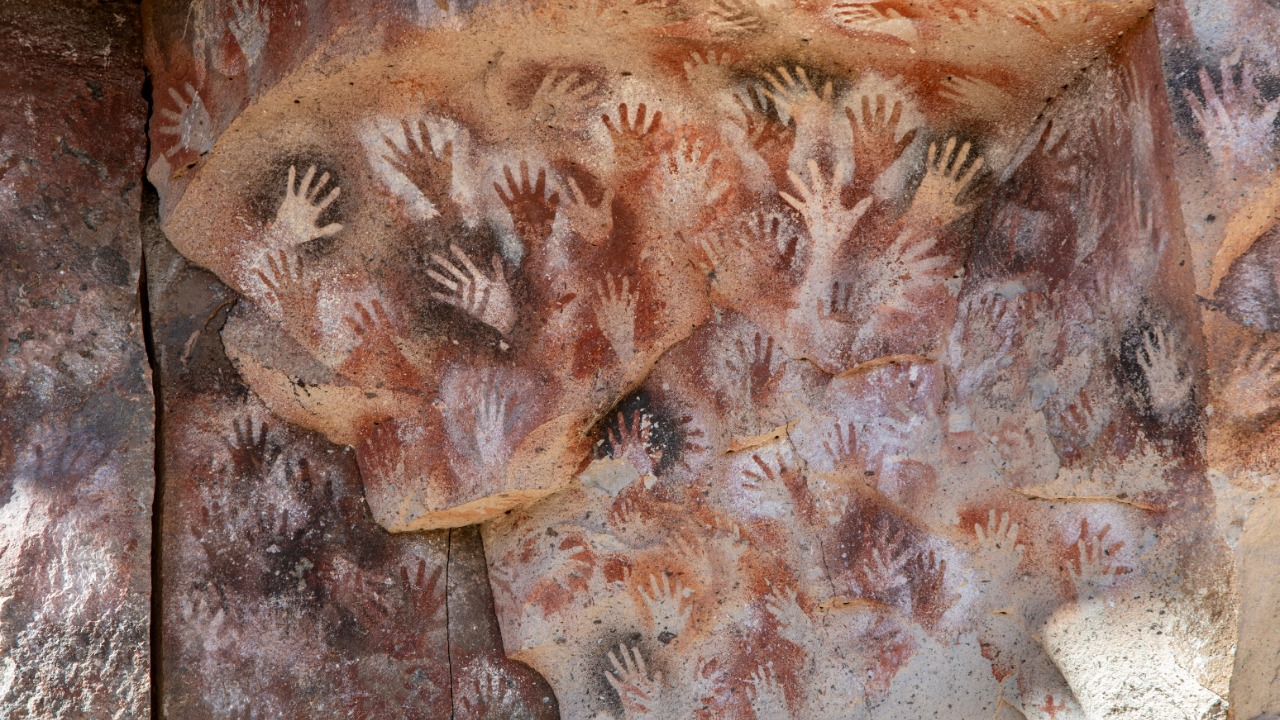
Cueva de las Manos, the Cave of Hands, holds art made by hunter-gatherer communities thought to have lived there between 13,000 and 9,500 years ago. The famous handprints were stenciled with a bone pipe, a hollowed piece of bird bone used to blow paint onto the rock. Many of the hands are left hands, which suggests the artists were right-handed.
Symbols, hunting scenes and animals also cover the walls. The cave sits more than 100 miles from the nearest town, and that isolation helped preserve the art. It remains open to tourists willing to make the trek, and visitors are encouraged to book a tour.
4. Chauvet Cave, France: Sealed Since Discovery
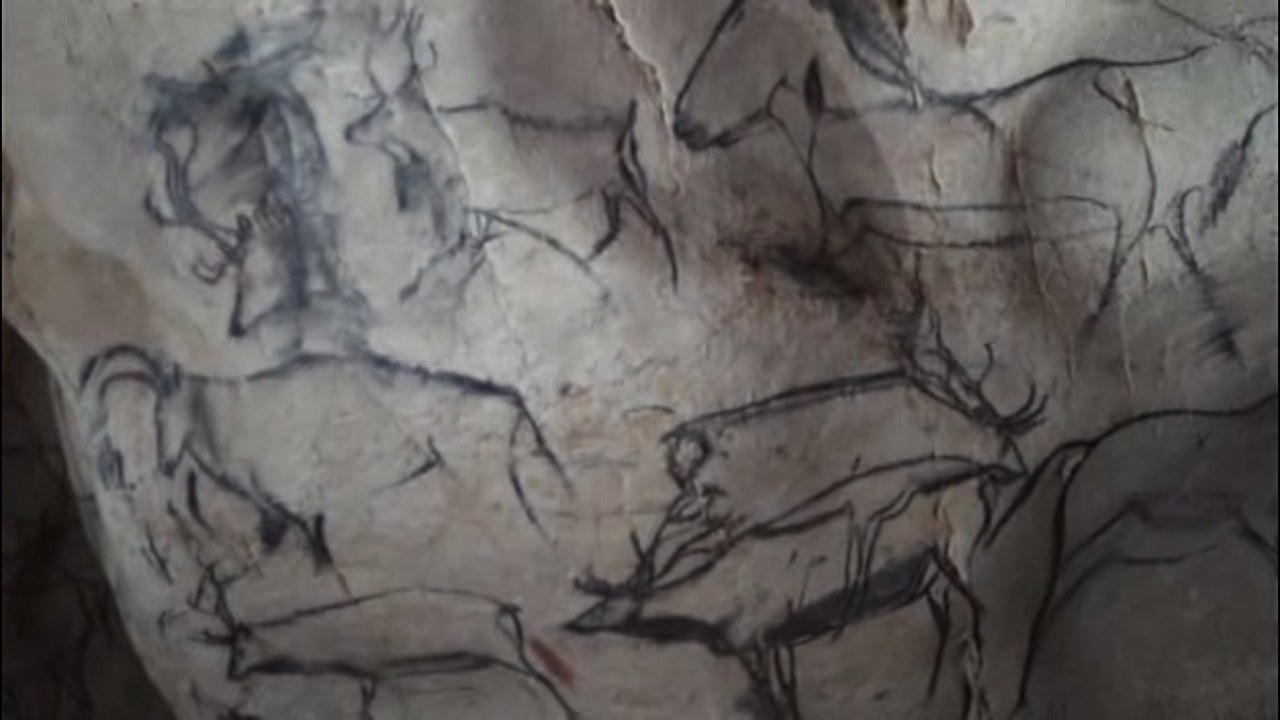
Discovered in 1994 in southern France, the Cave of Chauvet-Pont-d’Arc holds some of the oldest and best-preserved prehistoric art in the world, dating as far back as 32,000 years. One section features drawings and engravings in red, while a second is mostly drawn in black. A panel of horses stretches 22 feet.
Unlike much prehistoric art, its animals, including lions, mammoths and rhinoceroses, likely were not hunted by people of the time. Research in 2020 indicated the oldest painting was made 36,500 years ago. The cave has been sealed to the public since its discovery, and a replica site was planned for visitors.
5. La Pasiega, Spain: Neanderthal Ladder Lines
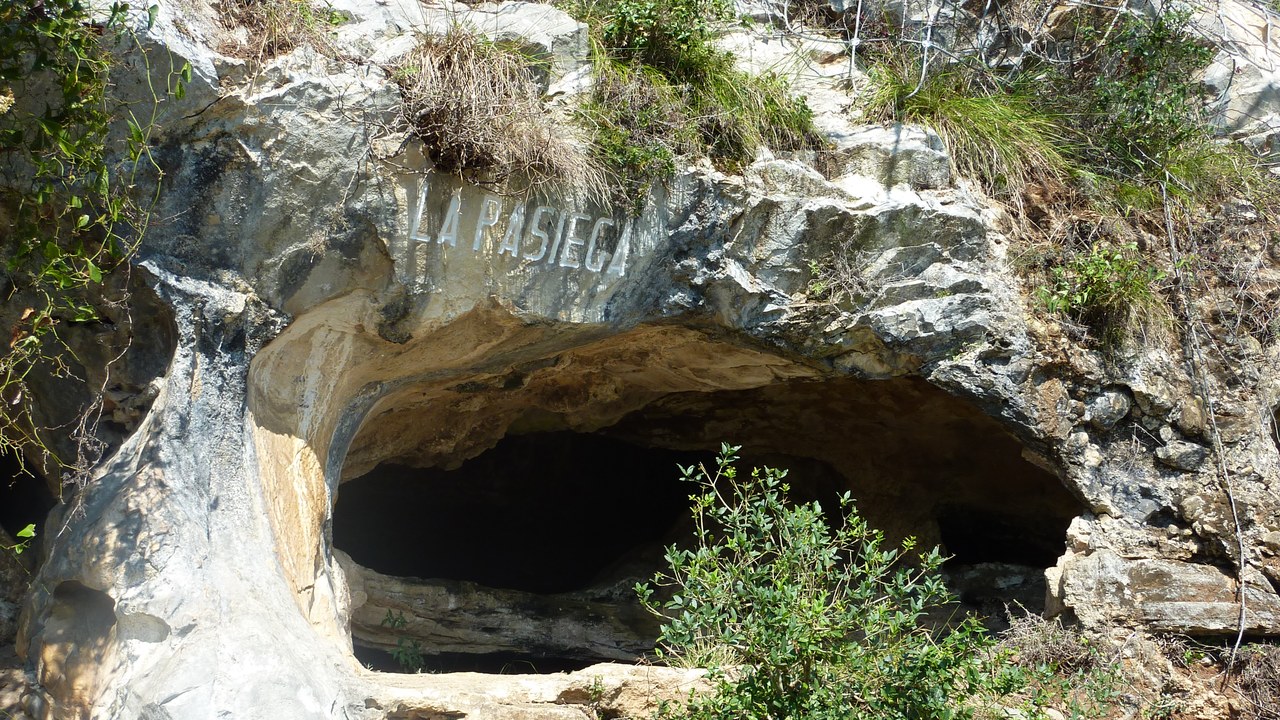
A 2018 study indicated that the oldest artworks in three Spanish caves date to around 65,000 years ago, predating the arrival of Homo sapiens by about 20,000 years. At La Pasiega, the most striking piece is a series of lines that look like a ladder, dated to at least 64,800 years.
The other two sites are Maltravieso, with a hand stencil at least 66,700 years old, and Ardales, with red dots at least 65,500 years old. The dating is contested, since many academics claim the uranium-thorium method applied to calcite deposits contains errors. If the dates hold, they point to Neanderthal abstract thought.
6. Blombos Cave, South Africa: A Cross-Hatched Stone
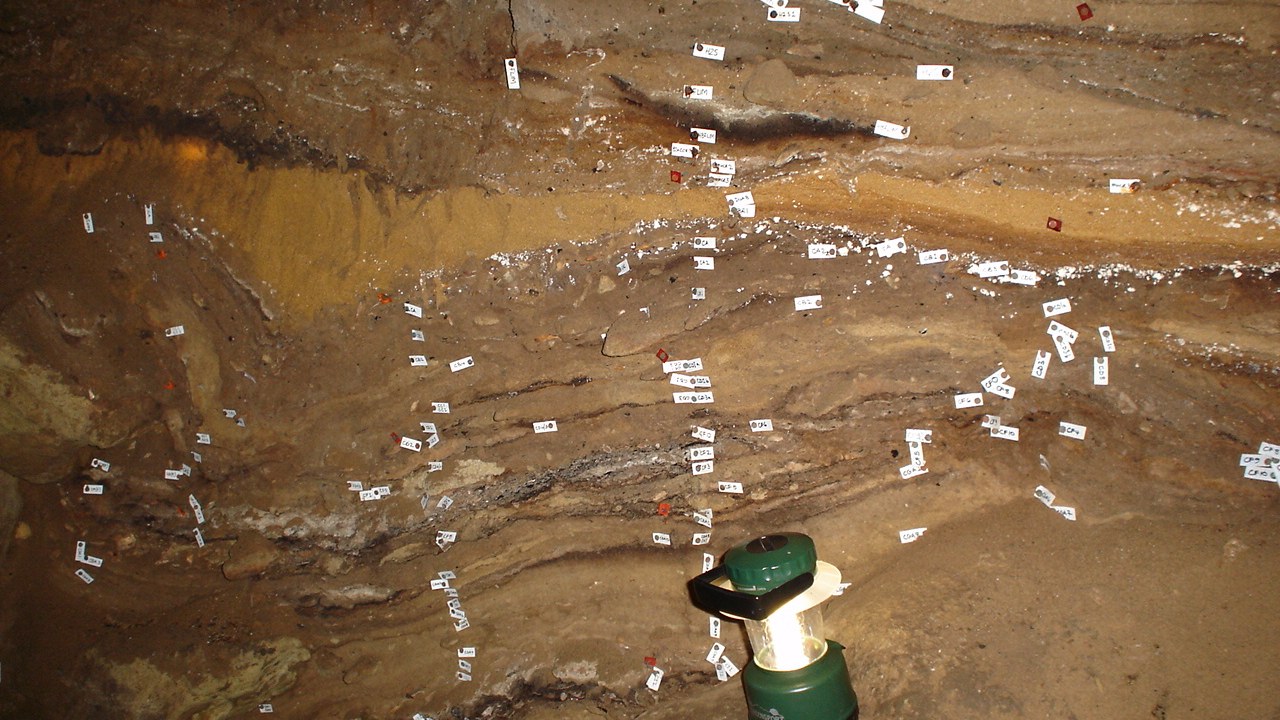
Blombos Cave on the South African coastline holds the oldest rock art ever discovered, dating back 73,000 years. It is not a painting but a rock fragment with a cross-hatch design carved and painted red with ocher, the earliest evidence of abstract art. The cave lies roughly 186 miles east of Cape Town.
Blombos holds much evidence of Middle Stone Age life, dated to between 100,000 and 70,000 years ago, including engraved ocher, engraved bone and beads made from marine shells. The cave sits on a private nature reserve and is not open to the public. A small museum in nearby Stilbaai exhibits the findings.
7. Leang Tedongnge, Sulawesi: The Warty Pig
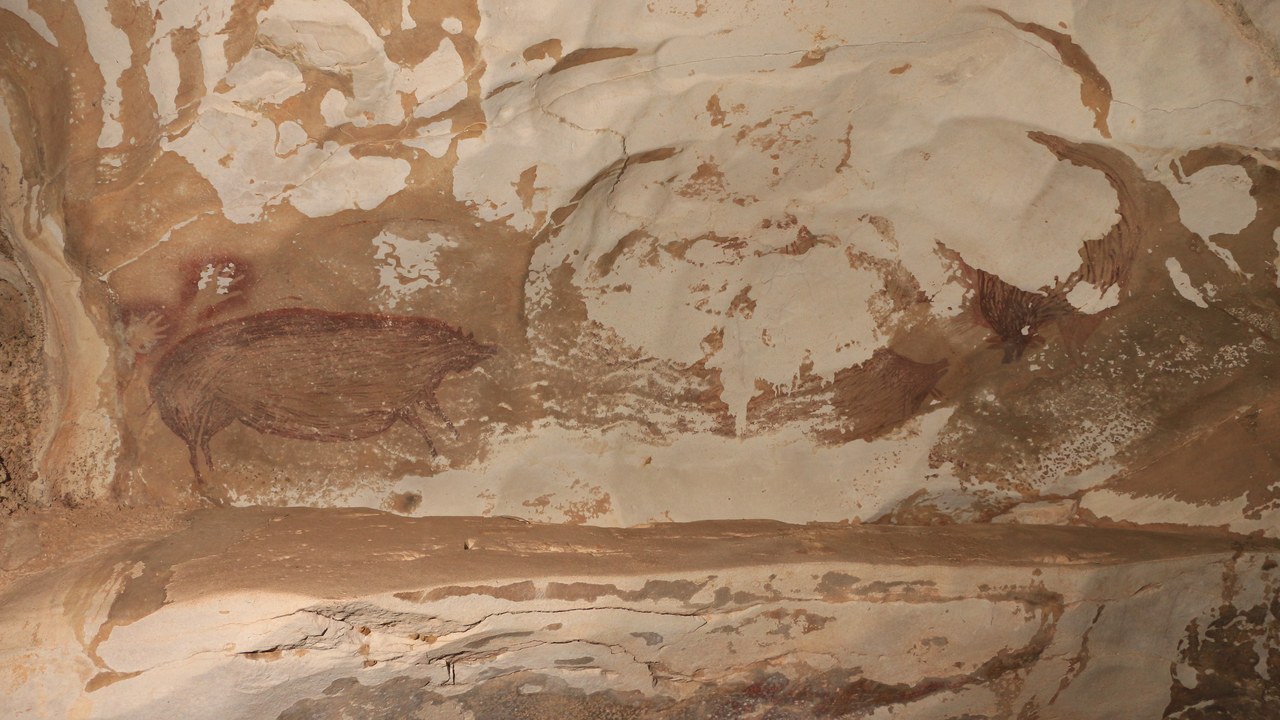
Leang Tedongnge cave on Sulawesi, Indonesia, holds a life-size painting of a Celebes warty pig that has been dated to 45,500 years ago. That makes it the oldest depiction of an animal ever found, and the oldest example of figurative art.
Other Sulawesi caves add to the record. A painting at Leang Bulu’ Sipong shows small humanoid figures linked to an anoa, or dwarf buffalo, and findings published in 2021 put it at least 43,900 years old. In Leang Timpuseng, a hand stencil was dated to at least 39,900 years.
8. El Castillo, Spain: The Red Disk
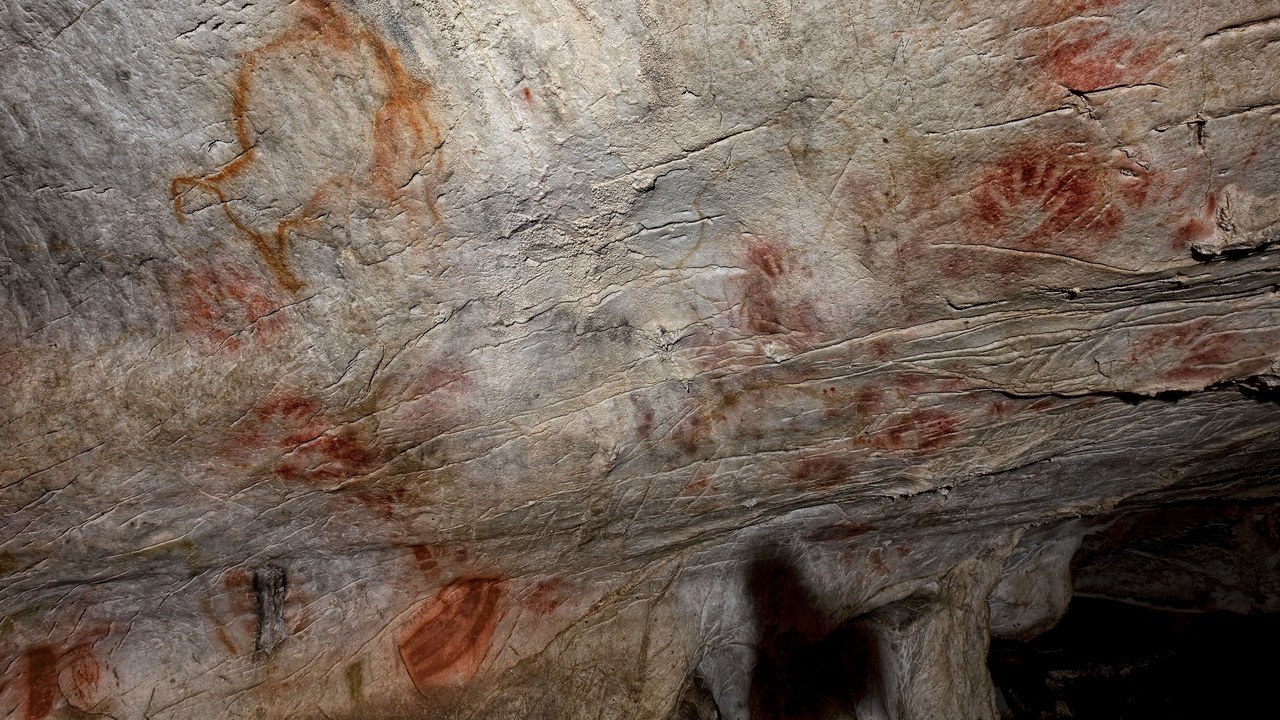
Within Cueva del Castillo in Cantabria, northern Spain, a large red stippled disk was dated by a 2012 study, using the uranium-thorium method, to over 40,800 years old. It was claimed as the oldest painting ever discovered, though later finds elsewhere, including in Europe, have proven older.
The cave also holds pictures of bison, horses and deer, as well as hand stencils. The disk’s date has caused significant debate because it predates accepted models of Homo sapiens migration into the area, so Neanderthals may have made it. The cave is open to the public with guided tours.
9. Serra da Capivara, Brazil: America’s Oldest Art?
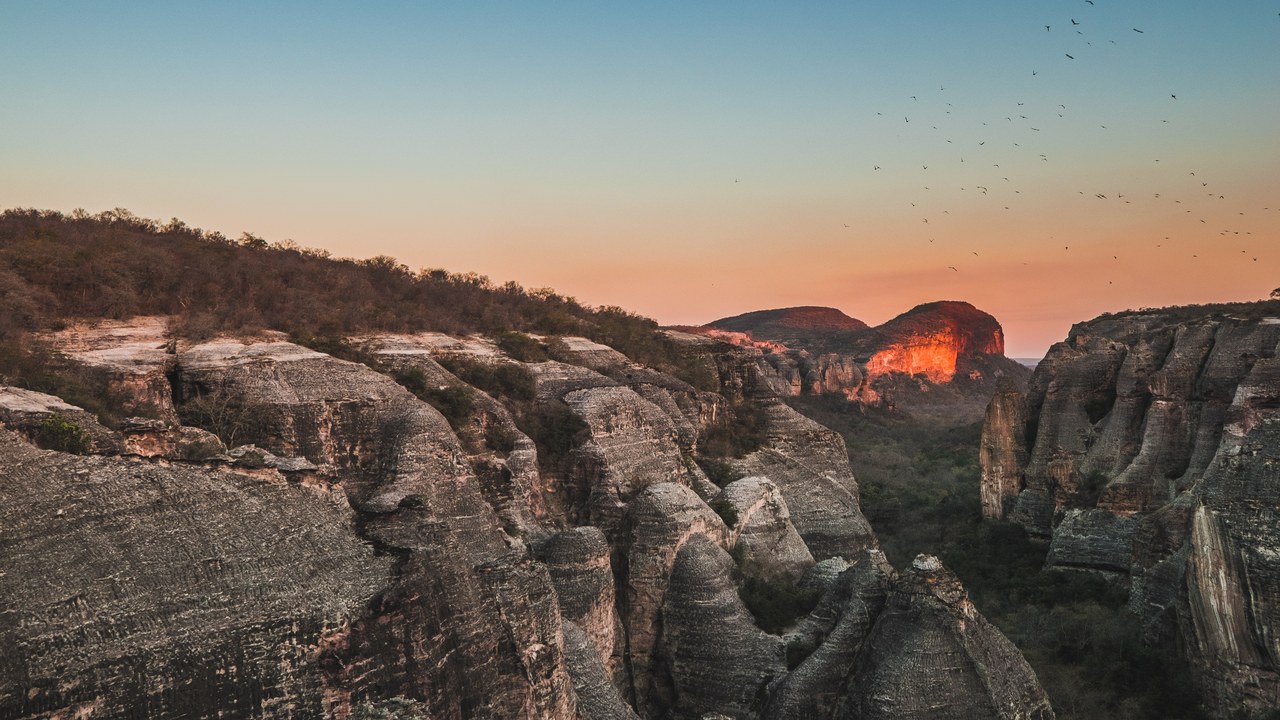
The National Park of the Serra da Capivara in Piauí, northeast Brazil, became a UNESCO World Heritage site in 1991. It covers 129,140 hectares and has at least 1,300 archaeological sites, hidden in rock shelters and overhangs at the base of a weathered sandstone massif.
The red ochre paintings show wild animals and human figures in hunting scenes. The art is being dated to around 25,000 years ago, while a small number of specialists propose dates as early as 36,000 years. If correct, that would challenge the Clovis First view that the Americas were colonized from the north around 10,000 BC.
10. Bhimbetka rock shelters, India: Bhima’s Resting Place
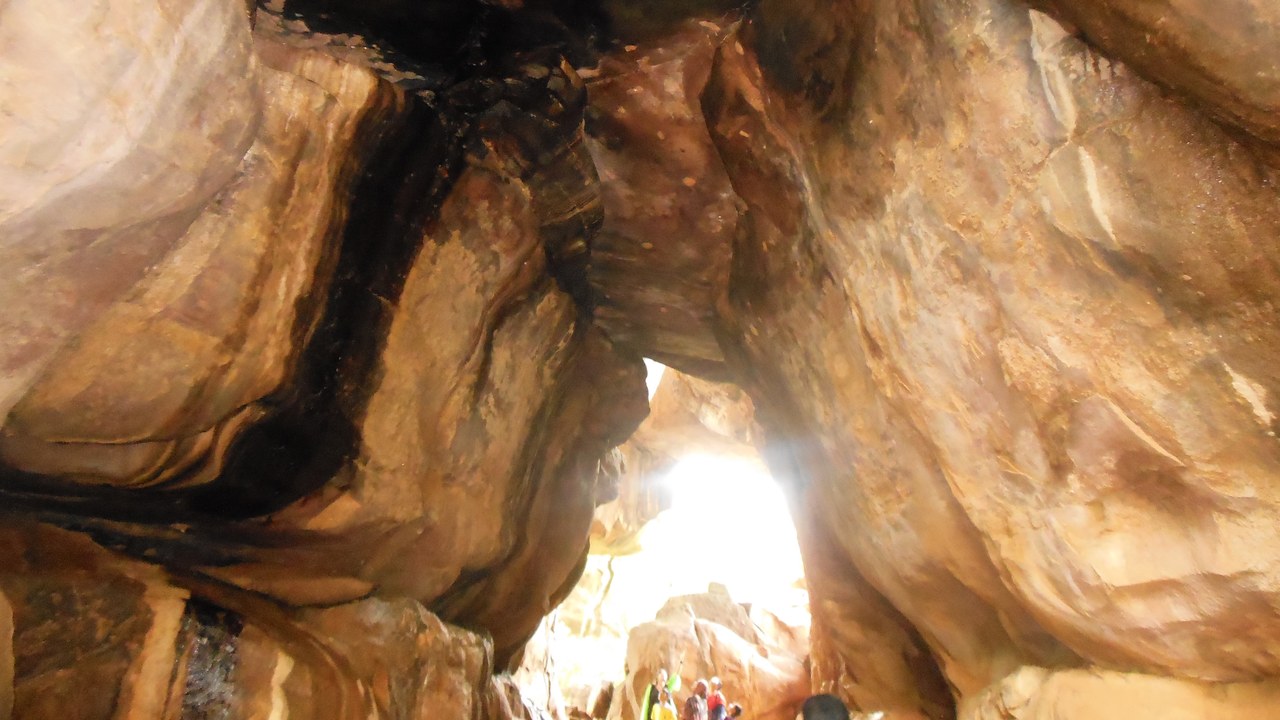
The Bhimbetka rock shelters lie in Madhya Pradesh, central India, 45 kilometers south-east of Bhopal. The site is described as a 30,000+ years old archaeological World Heritage site. Its name means Bhima’s resting place, after a brother among the five Pandavas of the Mahabharata.
The site spans seven hills and has about 750 rock shelters, with nearly 500 locations holding rock paintings. The earliest paintings are dated to 10,000 BCE, corresponding to the Indian Mesolithic, and the site has the oldest-known rock art in India. Its scale and significance were only reported in the 1970s.
11. Tassili n’Ajjer, Algeria: The Greatest Museum
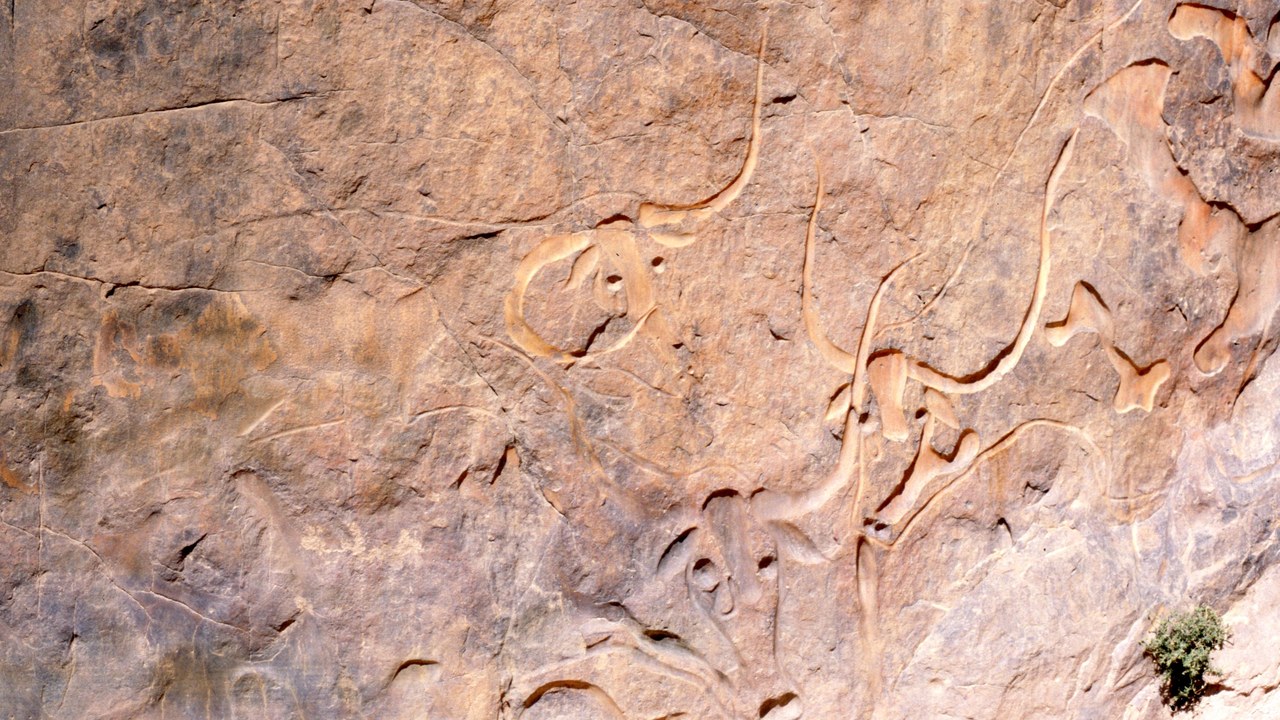
Tassili n’Ajjer, the largest national park in Africa, spans 2,780 square miles of the central Sahara in southeast Algeria. French archaeologist Henri Lhote documented many of its 15,000 pieces of rock art in the 1950s and called it “the greatest museum of prehistoric art in the whole world.”
Many prominent petroglyphs show elephants, giraffes, rhinos and hippopotami, recalling the African Humid Period between 11.7 and 5.5 thousand years ago, when the Sahara was green. The celebrated Crying Cows engraving is said to represent herders’ despair as that period ended. Tours run from the oasis town of Djanet.
More from Morning Overview
- A Cirrus SR22 declared an emergency a minute after departure clearance, its parachute still bagged
- Lockheed says its Valkyrie laser shot down a cruise missile stand-in with no tracking aids
- A hunting-trip Piper spiraled down from the sky before a deadly crash in Iowa
- Jeep’s new Recon sold just 19 units in 45 days, the fewest of any model on CarEdge’s worst-sellers list
